The Ribbon
On the Upper West Side, where neighborhood dining tends toward the reliable rather than the revelatory, The Ribbon at 20 West 72nd Street occupies a different register. Positioned between the accessible and the ambitious, it draws a local crowd that returns for consistent execution rather than occasion-dining theatre. For visitors plotting a New York eating itinerary, it represents a counterpoint to the trophy-counter format dominant downtown.
Pearl is the En Primeur Club membership app — saves, bookings, and concierge access live there. Same editors, same standards.
- Address
- 20 W 72nd St, New York, NY 10023
- Phone
- +12127875656
- Website
- theribbonnyc.com
- Directions
- Get directions
 Saves & bookings on Pearl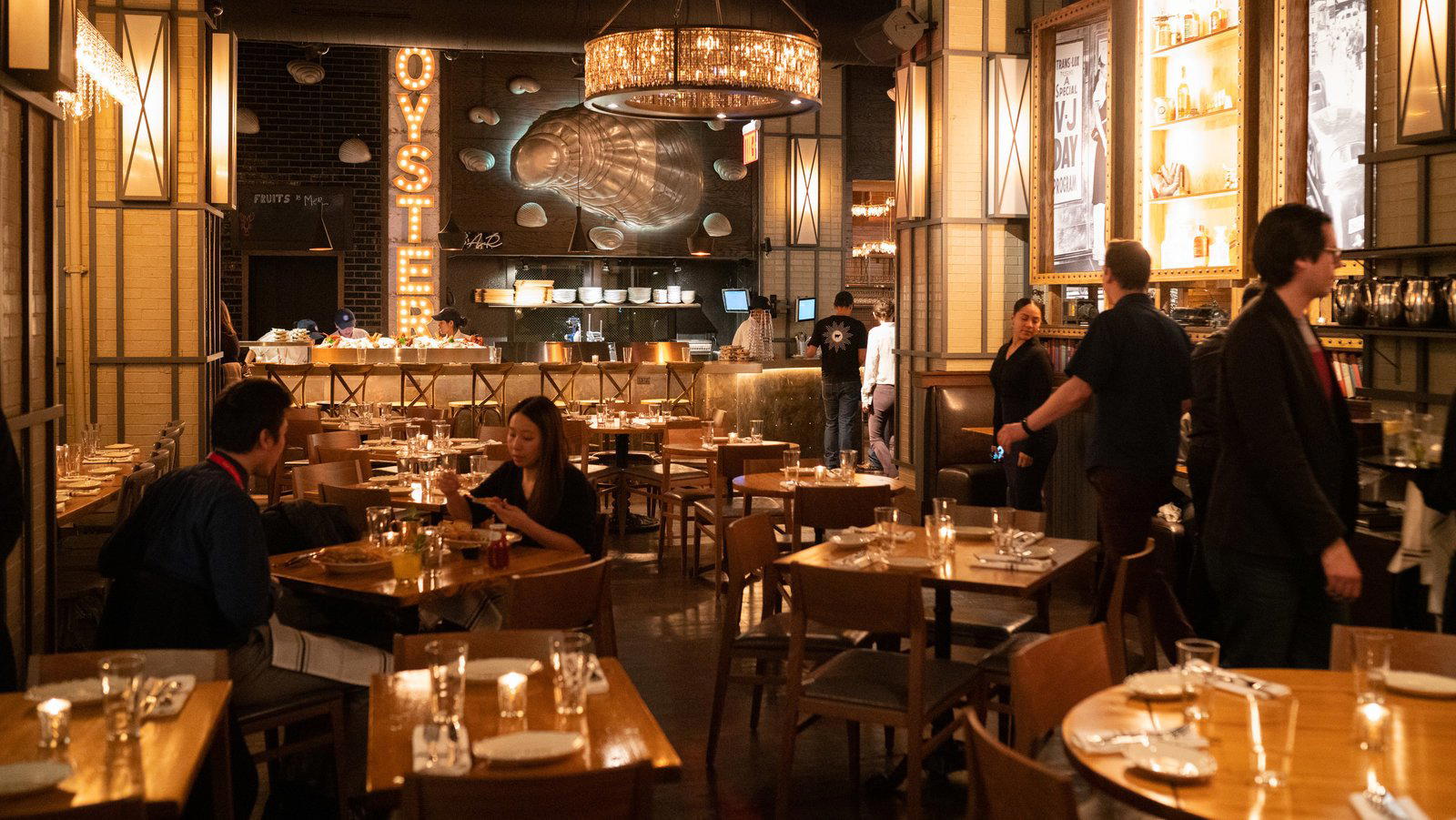
Upper West Side Dining and Where The Ribbon Fits
The counters and tasting-menu rooms that earn column inches, Atomix, Masa, Jungsik New York, operate in a format where the meal is an event, the price is significant, and the booking window stretches months out. The Upper West Side has always existed in a different register: a residential neighbourhood where a restaurant's longevity depends less on critical heat and more on whether a table of regulars trusts it enough to return without an occasion as justification.
The Ribbon, at 20 West 72nd Street, sits inside that tradition. Its address places it close to Central Park's western boundary, in a stretch of the Upper West Side that has long supported the kind of dining room that functions as a genuine neighbourhood anchor rather than a destination import. Understanding what The Ribbon is requires understanding that ecosystem first, a city where dining has bifurcated sharply between high-ceremony tasting formats and approachable neighbourhood rooms, with fewer credible options occupying the middle ground.
That middle ground is where particularly consistent neighbourhood restaurants in any city earn their real reputations. Across the American dining scene, venues operating in this register, think Bacchanalia in Atlanta or the more rustic end of what Blue Hill at Stone Barns represents philosophically, tend to build durable audiences by solving a different problem than their trophy-room peers. The question isn't what's on the tasting menu tonight; it's whether the kitchen delivers what it promises, table after table, month after month.
How the Menu Architecture Reads
The clearest signal a restaurant sends about its ambitions and its intended audience is its menu structure. A fixed tasting counter at a place like Per Se or Le Bernardin communicates that the chef controls the sequence, the pacing, and the narrative arc of the meal. An à la carte format communicates something different: that the diner builds their own experience, that the kitchen's job is to execute on demand rather than to unfold a single vision.
American restaurants operating in the neighbourhood-anchor format, as opposed to the occasion-destination format, have historically defaulted to à la carte structures precisely because they serve a different customer psychology. The diner at 72nd Street is often someone who knows what they want before they sit down. They are not there to be surprised by a chef's seasonal obsessions; they are there because a dish they remember from a previous visit is on their mind. Menu architecture that supports that pattern, readable categories, recognizable formats, consistent execution across visits, is a deliberate editorial choice, not a lack of ambition.
This is the lens through which the Upper West Side's more durable restaurants should be read. The neighbourhood has seen enough trends imported from downtown arrive and recede to develop a quiet skepticism about concept-heavy formats. What endures here tends to be menus where the structure is honest about what the kitchen does well, and where the range covers enough ground to serve the same table returning for a Tuesday dinner and a Sunday lunch without the experience feeling identical.
For comparison, consider what restaurants in comparable American cities have built around this philosophy. Emeril's in New Orleans and Providence in Los Angeles both operate formats where the menu signals broad accessibility at the leading level while maintaining technical depth in specific sections. Lazy Bear in San Francisco and Alinea in Chicago represent the opposite pole, where menu architecture is inseparable from the experience format itself, and where removing that structure would dissolve the proposition entirely. The Ribbon operates closer to the former model.
The Upper West Side Dining Context
The neighbourhood around West 72nd Street has changed in character over the past two decades. The stretch between Central Park West and Columbus Avenue now supports a more varied dining range than it did when this part of Manhattan was defined almost entirely by long-running continental rooms and family-owned diners. New openings have introduced formats borrowed from downtown, natural wine bars, small-plate concepts, tasting-menu pop-ups, but the neighbourhood's dining centre of gravity remains weighted toward places where reservation lead times are measured in days rather than months, and where walk-in availability on a weeknight is a realistic expectation.
That accessibility is not incidental. In a city where Single Thread Farm in Healdsburg or The French Laundry in Napa represent the far end of the booking-difficulty spectrum, and where New York's own trophy rooms require planning cycles that make spontaneous dining impossible, the Upper West Side's relative openness is part of its value to the people who live there. The restaurant's position at 20 West 72nd Street places it inside this more accessible tier, close enough to Central Park that it draws both residents and visitors, far enough from the downtown circuit that it doesn't compete directly with the high-ceremony rooms that dominate critical coverage.
Internationally, the analogy holds. The kind of room that sustains a neighbourhood audience in New York's Upper West Side is structurally similar to what 8 1/2 Otto e Mezzo Bombana in Hong Kong represents to its expatriate clientele, a reliable anchor in an area where dining options have proliferated but genuine consistency remains harder to find. The format and price point differ, but the underlying dynamic of a restaurant earning repeat business through execution rather than novelty is consistent across cities.
For a broader orientation to what New York's dining scene offers across all formats and price tiers, see our full New York City restaurants guide. For those comparing the Upper West Side neighbourhood format against more formal options, Addison in San Diego, The Inn at Little Washington, or Alain Ducasse at Louis XV in Monte Carlo, the distinction in format philosophy is significant and worth understanding before booking.
Planning a Visit
The restaurant is located at 20 West 72nd Street on the Upper West Side of Manhattan. Hours are Mon to Wed 4 to 9:15 PM, Thu 4 to 11 PM, Fri and Sat 11 AM to 11 PM, and Sun 11 AM to 9:15 PM; reservations are recommended and the dress code is casual. The address places the restaurant within walking distance of Central Park's West 72nd Street entrance, with subway access via the 72nd Street station on the B and C lines.
Quick reference: 20 W 72nd St, New York, NY 10023.
- Fried Chicken
- Prime Rib
- The Ribbon Roll
- Crab Fried Rice
- Buffalo Cauliflower
- Oysters
- Steak & Eggs
Compact Comparison
Comparable venues nearby, for context on price, style, and recognition.
| Venue | Cuisine | Price | Notes |
|---|---|---|---|
| The RibbonThis venue — the venue you are viewing | Not listed | $$$ | Not listed |
| Au Cheval | Not listed | $$$ | Tribeca-Civic Center, American Comfort Food & Burgers |
| One Dine | Not listed | $$$ | Tribeca-Civic Center, Contemporary American with Global Influences |
| Lucky Cheng's | Hell's Kitchen, American Drag Cabaret | $$$ | Not listed |
| Gair | Not listed | $$$ | Downtown Brooklyn-DUMBO-Boerum Hill, Modern American Gastropub |
| Tooker Alley | Not listed | $$$ | Prospect Heights, American Cocktail Bar with Tapas |
Continue exploring
More in New York City
Restaurants in New York City
Browse all →
Bars in New York City
Browse all →
Hotels in New York City
Browse all →




At a Glance
- Lively
- Rustic
- Elegant
- Classic
- Casual Hangout
- Family
- Group Dining
- Brunch
- After Work
- Late Night
- Private Dining
- Open Kitchen
- Extensive Wine List
- Craft Cocktails
Current opening hours
- Monday
- 4–9:15 PM
- Tuesday
- 4–9:15 PM
- Wednesday
- 4–9:15 PM
- Thursday
- 4–11 PM
- Friday
- 11 AM–11 PM
- Saturday
- 11 AM–11 PM
- Sunday
- 11 AM–9:15 PM
Hours can change for holidays and private events. Last verified .
Polished surroundings with rustic touches, comfortable and relaxed atmosphere with great service, featuring an extensive bar and whiskey program.