The Surrey, A Corinthia Hotel





2 Michelin Keys · Star Wine List · Virtuoso Luxury Hotel Partner
Built in 1926 and restored under the Corinthia flag, The Surrey occupies a discreet corner of the Upper East Side at 20 East 76th Street, one block from Central Park. Martin Brudnizki's interiors update the Art Deco bones without erasing them, and the 100 rooms and suites carry a scale and quiet that the neighbourhood's newer arrivals rarely match. The 2025 World Travel Awards named it New York's leading luxury hotel.

Pearl is the En Primeur Club membership app — saves, bookings, and concierge access live there. Same editors, same standards.
- Address
- 20 E 76th St, New York, NY 10021
- Phone
- (212) 730-4551
- Website
- corinthia.com
- Directions
- Get directions
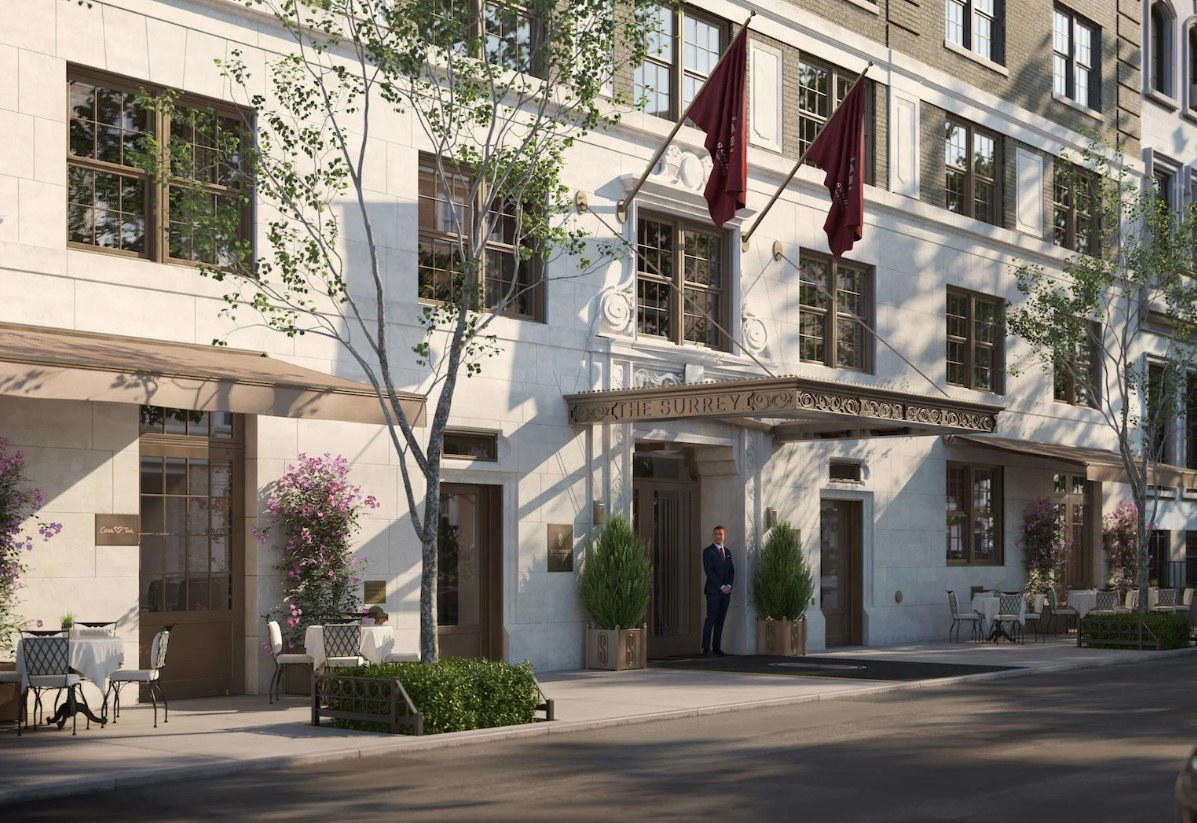
The Upper East Side's Quiet Claim on Manhattan Luxury
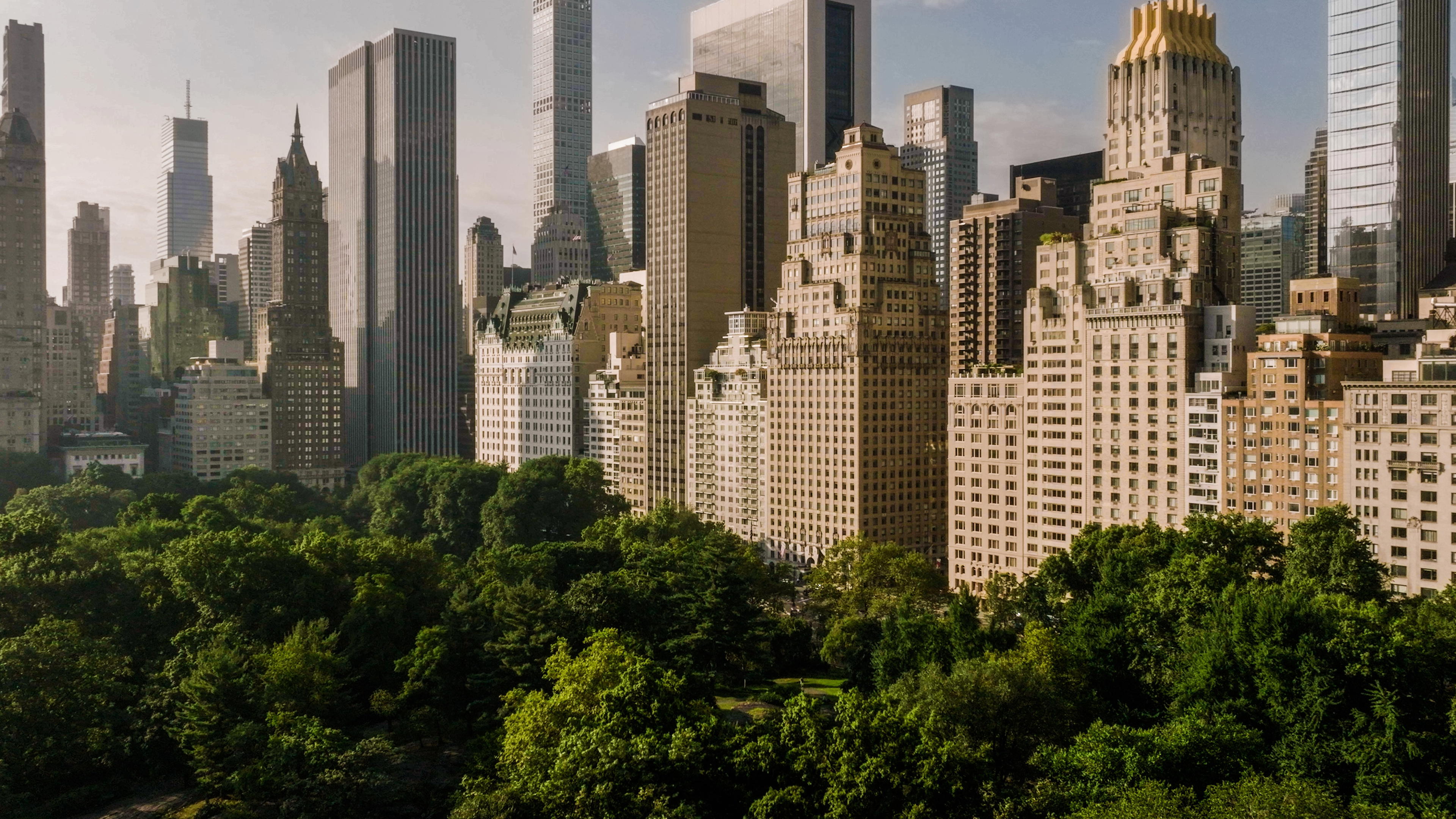
Manhattan's luxury hotel map has a telling split. Below 60th Street, the new entrants compete on spectacle: double-height lobbies, celebrity chef restaurants announced before the first nail is driven, rooms priced as much for status as for comfort. Above it, on the Upper East Side, the tradition runs differently. Discretion carries more weight than visibility. The neighbourhood's defining luxury posture is one of restraint, and hotels here succeed or fail on whether they can hold that register across every detail. The Surrey, A Corinthia Hotel, at 20 East 76th Street, sits squarely in that tradition, and the 2025 World Travel Awards — naming it both New York's Leading Luxury Hotel and North America's Leading Luxury Hotel — confirm that it holds the position with some authority.
For a frame of comparison, the Upper East Side's established luxury tier includes The Carlyle, A Rosewood Hotel and The Mark, both of which have spent decades defining what refined residential service looks like in this zip code.
A Building With a Particular Kind of History
The 16-story Art Deco building on East 76th Street was completed in 1926, originally conceived as a residence hotel at a moment when that format, part apartment, part hotel service, suited a certain kind of New York life perfectly. The guest list that followed over the next several decades (JFK, Bette Davis, Claudette Colbert among the documented names) reflected the building's capacity for discretion as much as its address. That history sits in a specific cultural context: the mid-century Upper East Side as the address of choice for New Yorkers who wanted proximity to the Met, to Central Park, and to a social world that operated without much interest in downtown's noise. The Surrey absorbed those values architecturally and operationally, and the current restoration by Corinthia works from that foundation rather than against it.
Designer Martin Brudnizki's interiors carry the Art Deco bones forward without museumifying them. The result is a building that reads as contemporary to a new generation of guests while remaining legible to anyone who knows the neighbourhood's visual vocabulary. That calibration, historic without being static, is harder to achieve than it sounds, and it matters on the Upper East Side more than it would elsewhere in the city.
Room Scale and What It Signals
The Surrey holds 70 guest rooms, 30 suites, and 14 residences, totalling 189 keys across the building. In Manhattan terms, that scale positions it as a mid-size property: large enough to operate a full-service hotel program, compact enough that the staff-to-guest ratio can remain high. The rooms themselves run generously sized by New York standards, a detail that carries more weight in a city where square footage is always the first concession made to economics. Signature suites draw their design references from the bridges of Central Park, one block away, grounding the interiors in the neighbourhood's most durable asset.
The 14 residences push the Surrey into a category occupied by very few Manhattan hotels: properties that blur the line between hotel stay and long-term urban address. That format echoes the building's original residential hotel identity and appeals to a guest profile that returns to the city regularly and wants more than a room number between visits.
Dining, the Members' Club Dynamic, and What Casa Tua Means Here
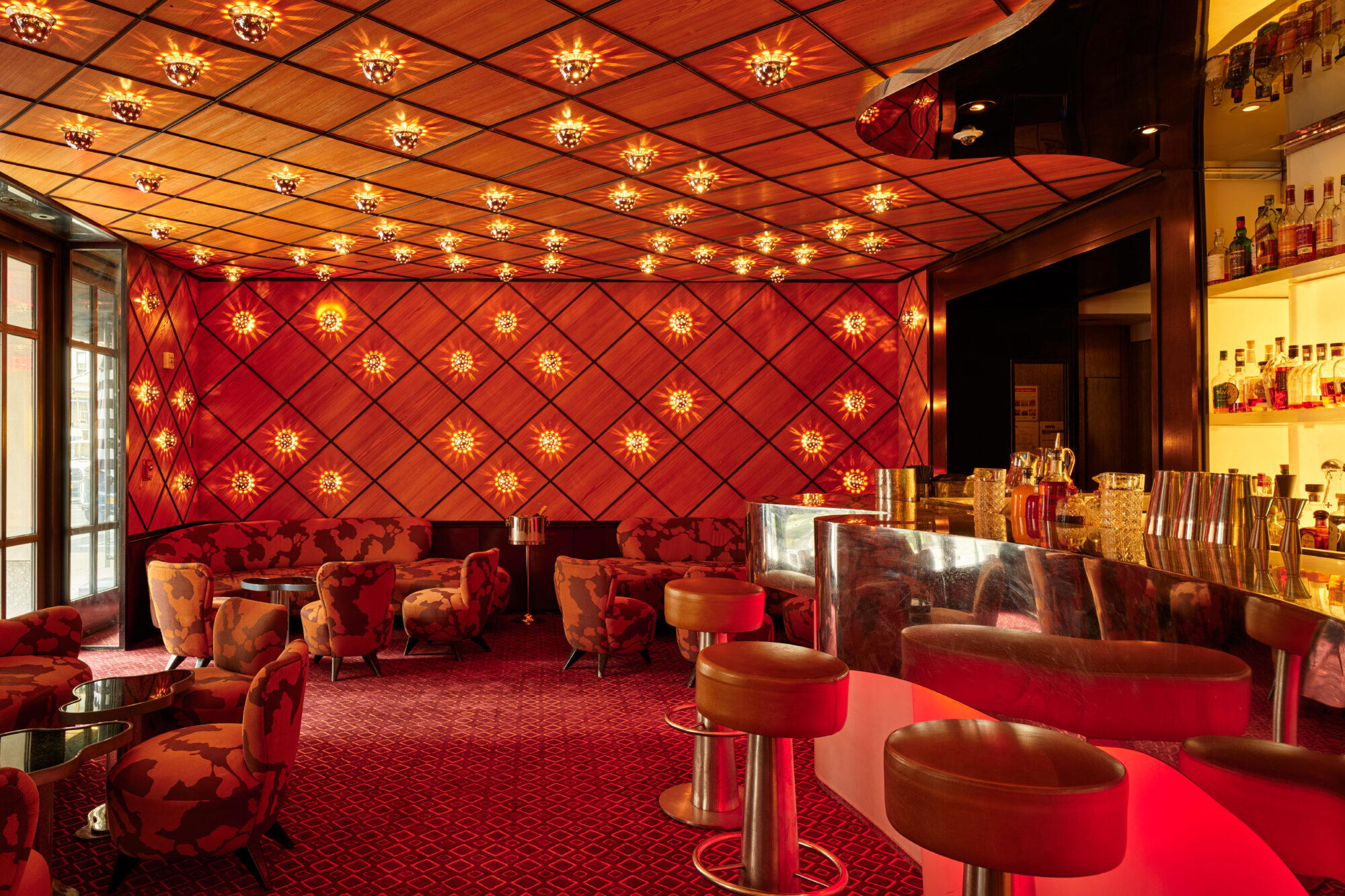
Surrey's restaurant and lounge operate as a collaboration with Casa Tua, the members' club with outposts in Miami, Aspen, and Paris. The public dining spaces are open to hotel guests and the general public; the Club itself is members-only. That structure creates a layered hospitality model that suits the Upper East Side particularly well: the hotel functions as a point of access for visitors, while the members' tier reinforces the residential, long-stay character that has defined the building since 1926.
Casa Tua's presence also positions The Surrey's food and beverage program within a recognisable international register. For guests who know the Miami or Aspen properties, the collaboration signals a consistent standard without requiring further explanation. The Star Wine List recognition, confirmed for 2026, adds a specific credential to the beverage program, a trust signal that places it alongside serious wine operations at comparable properties such as Aman New York and Casa Cipriani New York.
Wellness, Sisley Paris, and the Fitness Studio
The spa partnership with Sisley Paris places the wellness offering within a French luxury beauty framework that carries strong recognition among the hotel's likely guest demographic. A fitness studio opening onto a patio for outdoor yoga adds a residential quality to the wellness floor, less resort-style programming, more the kind of amenity a long-stay guest would build into a weekly routine.
Among Upper East Side properties, that combination of serious spa credentials and outdoor wellness space is not common. The Fifth Avenue Hotel, further south, and properties like Crosby Street Hotel and The Whitby Hotel in SoHo and Midtown respectively occupy different neighbourhood registers entirely. Within the Upper East Side itself, the Sisley partnership gives The Surrey a wellness identity that neither The Carlyle nor The Mark currently replicates.
Where The Surrey Fits in a Longer American Itinerary
For travellers building multi-property North American itineraries at a comparable standard, The Surrey functions as the New York anchor for a circuit that might include Amangiri in Canyon Point, Hotel Bel-Air in Los Angeles, Four Seasons at The Surf Club in Surfside, or Raffles Boston. The hotel's World Travel Awards positioning, against every North American luxury property, not just the Manhattan field, places it in the same conversation as Post Ranch Inn in Big Sur, Auberge du Soleil in Napa, SingleThread Farm Inn in Healdsburg, and Kona Village, A Rosewood Resort.
For those extending internationally, comparable properties in the Corinthia orbit and wider luxury tier include Aman Venice, Badrutt's Palace Hotel in St. Moritz, and Bvlgari Hotel Tokyo. Closer to home, The Greenwich Hotel, Troutbeck in Amenia, Little Palm Island Resort and Spa, Canyon Ranch Tucson, Sage Lodge in Pray, and 1 Hotel San Francisco round out the domestic consideration set for different travel formats and preferences. For the full New York dining and hotel picture, see our full New York City guide.
Know Before You Go
- Address: 20 East 76th Street, New York, NY 10021
- Rooms: 70 guest rooms, 30 suites, 14 residences (189 keys total)
- Price: On request only
- Spa: Partnership with Sisley Paris; fitness studio with outdoor patio
- Dining: Restaurant and lounge in collaboration with Casa Tua (open to hotel guests and public); Casa Tua Club for members only
- Wine: Star Wine List recognition (2026)
- Awards: World Travel Awards 2025, New York's Leading Luxury Hotel and North America's Leading Luxury Hotel
- Proximity: One block from Central Park; walking distance to the Metropolitan Museum of Art
- Booking: Contact the hotel directly; rates available on request
Peers You’d Cross-Shop
Comparable venues nearby, for context on price, style, and recognition.
| Venue | Cuisine | Price | Awards | Notes |
|---|---|---|---|---|
| The Surrey, A Corinthia HotelThis venue — the venue you are viewing | Art deco-inspired luxury boutique with residential feel | Not listed | 2 Michelin Keys · Star Wine List | Not listed |
| The Ritz-Carlton New York, Central Park | Contemporary luxury townhouse-inspired with panoramic Central Park views | Not listed | 1 Michelin Key · La Liste Top Hotels | Midtown-Times Square |
| Baccarat Hotel New York | Luxury crystal-inspired design hotel in Midtown Manhattan | $750–1,000 | 1 Michelin Key · La Liste Top Hotels | Midtown-Times Square |
| The Beekman | Historic luxury boutique hotel with modern comforts. | Not listed | 1 Michelin Key · Star Wine List | Financial District-Battery Park City |
| 1 Hotel Brooklyn Bridge | Sustainable luxury eco-hotel | Not listed | 1 Michelin Key · Virtuoso Luxury Hotel Partner | Brooklyn Heights |
| The Twenty Two New York | Luxurious members' club in a historic Edwardian brownstone blending heritage glamour with contemporary tastemakers. | Not listed | 1 Michelin Key · Mr & Mrs Smith Seal of Approval | Midtown South-Flatiron-Union Square |
Recognition history
Dated appearances from independent guides and award organizations, with the underlying list record or original source where available.
Michelin 2 Keys
Michelin
Star Wine List
Star Wine List
Virtuoso Luxury Hotel Partner
Virtuoso
Esquire Best New Hotels
Esquire
World Travel Awards
World Travel Awards
Full recognition history (6 entries)
Michelin 1 Key
Michelin
Continue exploring
More in New York City
Hotels in New York City
Browse all →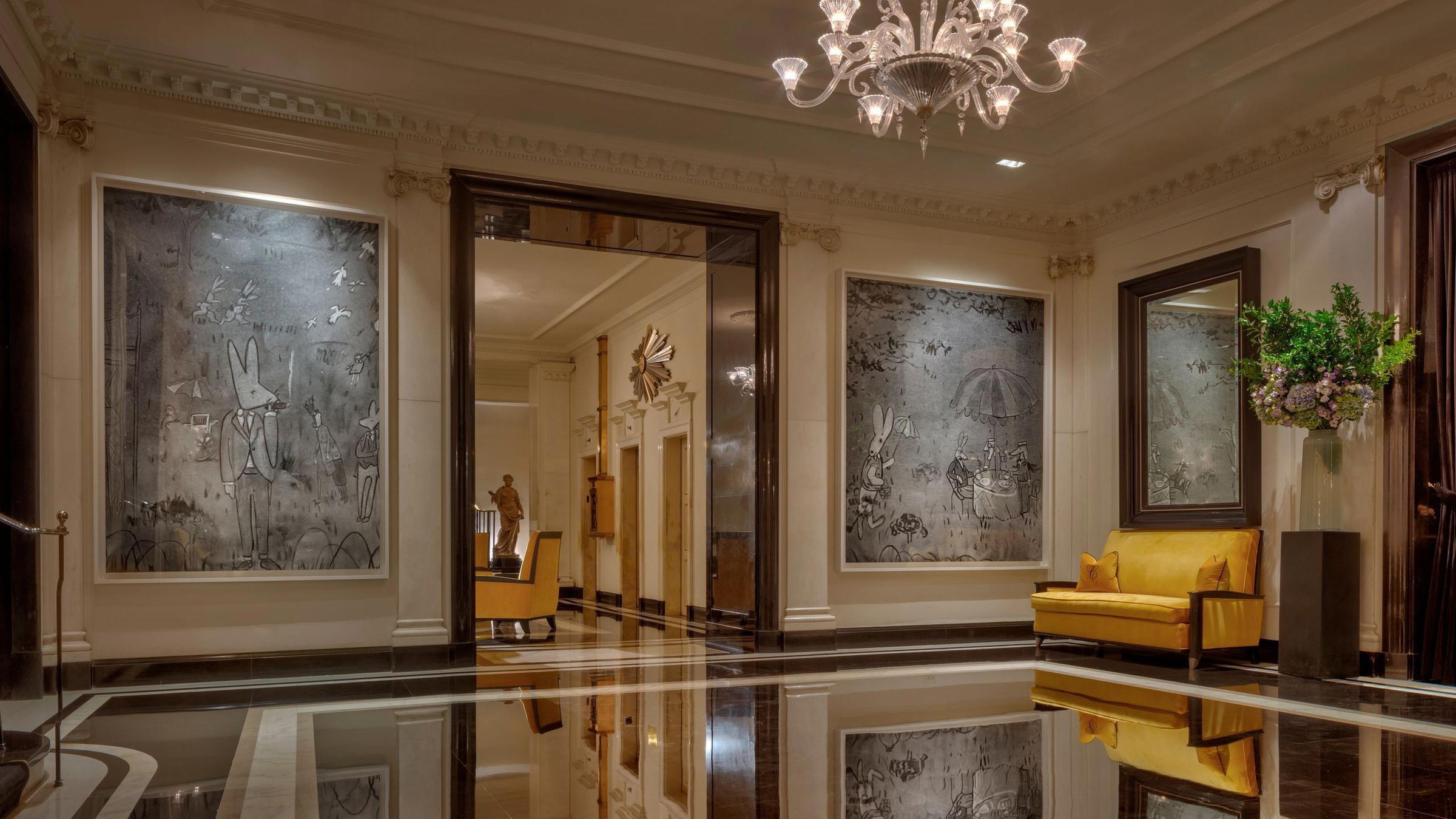
Bars in New York City
Browse all →
Restaurants in New York City
Browse all →




Details
- Elegant
- Sophisticated
- Quiet
- Intimate
- Romantic Getaway
- Business Trip
- Anniversary
- Historic Building
- Spa
- Fitness Center
- Room Service
- Concierge
- Wi Fi
- Restaurant
- Valet Parking
- Skyline
- Street Scene
- Wheelchair Accessible
- Elevator
- Step Free Entrance
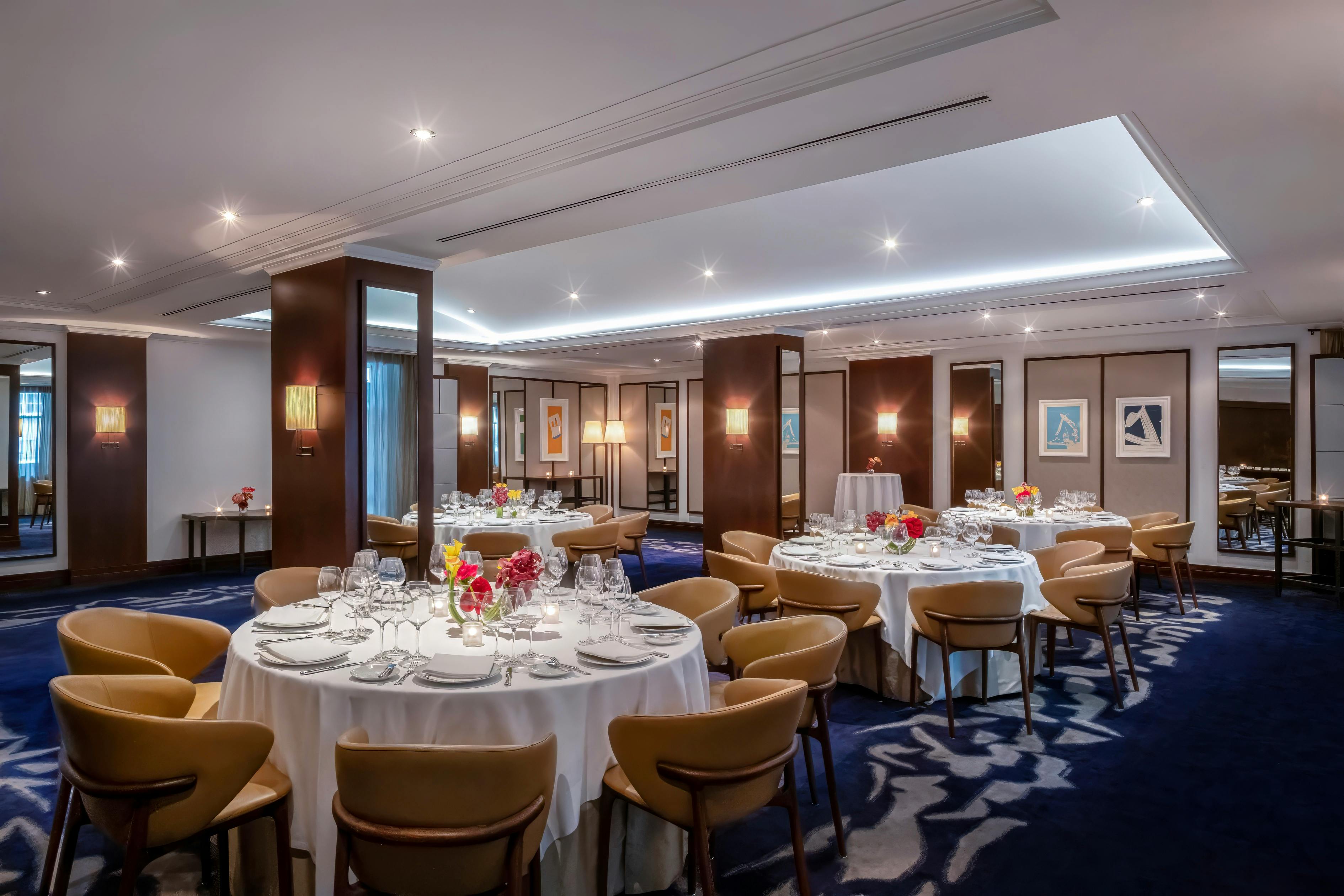
Tranquil and elegant with residential living room vibe, jewel-toned maximalist interiors in creams and browns, and a sophisticated, pampered atmosphere.