Au Cheval

Au Cheval on Cortlandt Alley occupies a specific niche in New York's casual-dining conversation: the kind of place where the ritual matters as much as the plate. The address alone signals something deliberate, tucked into one of Lower Manhattan's most atmospheric cobblestone corridors. For a city that invented the no-reservation standoff, Au Cheval fits the pattern while refining it.
Pearl is the En Primeur Club membership app — saves, bookings, and concierge access live there. Same editors, same standards.
- Address
- 33 Cortlandt Alley, New York, NY 10013
- Phone
- +1 646 350 2429
- Website
- auchevaldiner.com
- Directions
- Get directions
 Saves & bookings on Pearl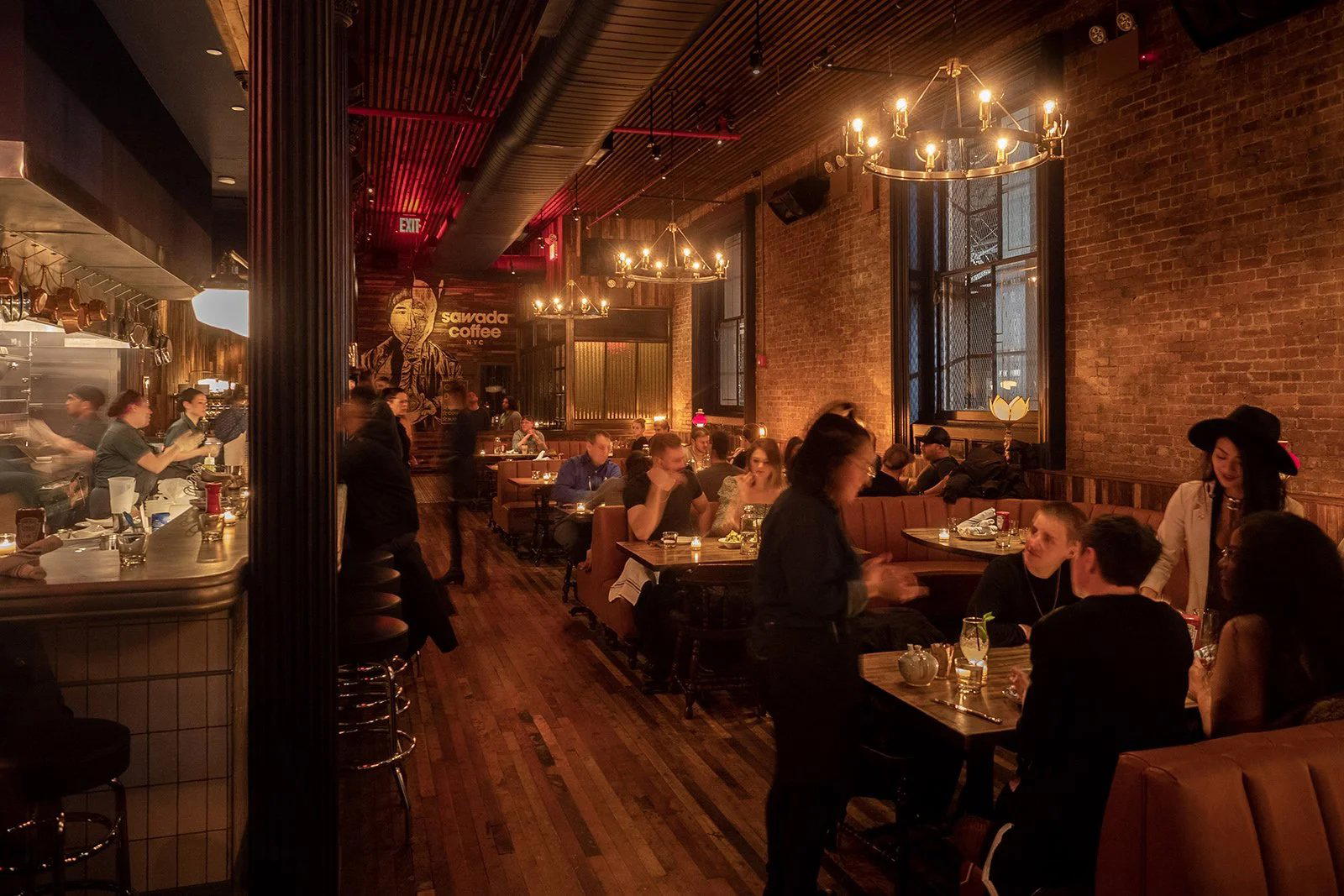
Cortlandt Alley and the Architecture of Anticipation
Cortlandt Alley is one of those Manhattan addresses that does half the work before you arrive. The cobblestones, the cast-iron facades, the compressed width of the street, all of it frames an expectation of something set apart from the Midtown grid. Au Cheval occupies this alley at 33 Cortlandt, and the setting is not incidental. The location is part of a broader shift in New York dining toward neighborhoods and side streets that carry texture the main avenues cannot replicate. Where the city's formal tasting-menu tier, represented by rooms like Le Bernardin, Per Se, and Eleven Madison Park, trades on hushed dining rooms and ritual formality, Au Cheval represents the opposite current: serious food executed without ceremony, in a space that pushes back against the idea that quality demands white tablecloths.
The original Au Cheval in Chicago built its reputation on exactly that compression of expectation, taking a diner format and applying it to kitchen discipline well above its price bracket. The New York outpost on Cortlandt Alley inherits that positioning and applies it to a city already fluent in the distinction between cheap and casual. In New York, casual dining is a well-developed genre with its own hierarchies. Au Cheval sits near the serious end of it.
How the Meal Actually Works
The dining ritual at the restaurant is defined more by what it refuses to do than by what it provides. There are no amuse-bouches, no palate cleansers, no pacing dictated by a kitchen's internal timeline. The format is direct: you arrive, you order, the food comes when it is ready. For a city that has spent the last decade adding courses and theatrical presentation to its mid-range dining options, the restaurant reads almost as a correction. The counter or table becomes a working surface rather than a stage.
This does not mean the experience is abrupt. The approach has more in common with the deliberate informality of a French bistro, where the quality of a dish carries the meal rather than the architecture of the service sequence. Across the American dining scene, a handful of places, including Lazy Bear in San Francisco and Smyth in Chicago, have explored what happens when you take ingredient-focused kitchens and remove the formal-dining scaffolding. The restaurant operates in a related but distinct space: the ambition is applied to a narrower, more focused format, with the burger as both symbol and substance.
The burger's prominence in the restaurant's reputation is worth examining as a cultural fact rather than a promotional claim. In a market where Masa prices an omakase at a level that would fund weeks of casual dining, and where Atomix has reframed Korean fine dining for a global audience, the restaurant's positioning around a well-executed burger is a deliberate act of restraint. The statement is that the format does not determine the seriousness of the kitchen.
The Ritual of Waiting and What It Signals
Walk-in culture in New York has its own sociology. At the restaurant, the absence of a conventional reservations system, at least in the way that formal dining rooms manage bookings, is a structural choice that shapes the experience before the food arrives. The wait itself becomes part of the meal's preamble. Here the anticipation is unremediated, which tends to sharpen the appetite and the attention.
This model has clear precedents. Internationally, spots that have built around genuine demand and walk-in mechanics, from ramen counters in Tokyo to natural wine bars in Paris, have found that the queue functions as a filter and a signal simultaneously. It tells the room who is there on purpose. For visitors planning around the restaurant, timing matters more than reservations in the conventional sense: arriving early in service or later on weeknights tends to reduce the wait. The Cortlandt Alley location also means the surrounding area rewards patience, with enough to explore nearby that a wait becomes less of an imposition.
Placement in the New York Dining Conversation
New York's restaurant scene is organized around a set of tiers that function more like parallel industries than a single hierarchy. The formal fine-dining tier, populated by places like Le Bernardin and Per Se, operates on a different axis entirely from the serious casual tier where the restaurant operates. Comparing them is less useful than recognizing that each tier has its own standards. Within the serious casual tier, the restaurant is positioned toward the disciplined end: the kitchen treats its limited format with the same rigor that farms-to-table restaurants like Blue Hill at Stone Barns bring to their more elaborate programs.
For readers building a New York itinerary that covers both formal and informal registers, the restaurant functions as a useful counterweight to longer, more structured meals. It occupies a different part of the schedule, a lunch or a late dinner rather than a center-stage evening, but it belongs to the same conversation about what New York dining is doing at its more considered end.
For context on how serious casual formats play out in other American cities, Emeril's in New Orleans, Providence in Los Angeles, Addison in San Diego, The French Laundry in Napa, Single Thread Farm in Healdsburg, Frasca Food and Wine in Boulder, and The Inn at Little Washington all demonstrate how seriously American kitchens treat format as a communicative choice. Internationally, the same argument appears in places like Atelier Moessmer Norbert Niederkofler in Brunico and Dal Pescatore in Runate, where format and place are inseparable from the food's meaning.
Practical Planning
The restaurant is at 33 Cortlandt Alley in Tribeca, walkable from multiple subway lines and positioned in a part of Lower Manhattan where the street grid itself is worth the detour. Given the walk-in format, the practical calculus involves timing rather than advance booking in the way that tasting-menu rooms require: weekday evenings and early service windows tend to offer shorter waits. Dress is casual, the format is flexible, and the experience is calibrated for people who want the food to do the talking without the surrounding production.
Cuisine and Recognition
Comparable venues nearby, for context on price, style, and recognition.
| Venue | Cuisine | Price | Notes |
|---|---|---|---|
| Au ChevalThis venue — the venue you are viewing | American Comfort Food & Burgers | $$$ | Not listed |
| The Parlor | Modern American Grill | $$$ | Midtown Manhattan |
| Bar Hugo - Rooftop | Cocktail-focused American rooftop bar with upscale bar bites | $$$ | SoHo |
| The Warren | Modern New American Gastropub | $$$ | West Village |
| 44 & X Hell's Kitchen | Modern New American | $$$ | Hell's Kitchen |
| Austin's Steakhouse | American Steakhouse | $$$ | Bay Ridge |
Recognition history
Dated appearances from independent guides and award organizations, with the underlying list record or original source where available.
Opinionated About Dining Casual in North America Highly Recommended
Opinionated About Dining
Continue exploring
More in New York City
More from Chef Brendan Sodikoff
Browse all →
Restaurants in New York City
Browse all →
Bars in New York City
Browse all →
Hotels in New York City
Browse all →




At a Glance
- Classic
- Intimate
- Lively
- Casual Hangout
- After Work
- Brunch
- Standalone
- Craft Cocktails
- Beer Program
Current opening hours
- Monday
- 5–10:30 PM
- Tuesday
- 5–10:30 PM
- Wednesday
- 12–10:30 PM
- Thursday
- 12–10:30 PM
- Friday
- 12–11:30 PM
- Saturday
- 11 AM–11:30 PM
- Sunday
- 11 AM–10:30 PM
Hours can change for holidays and private events. Last verified .
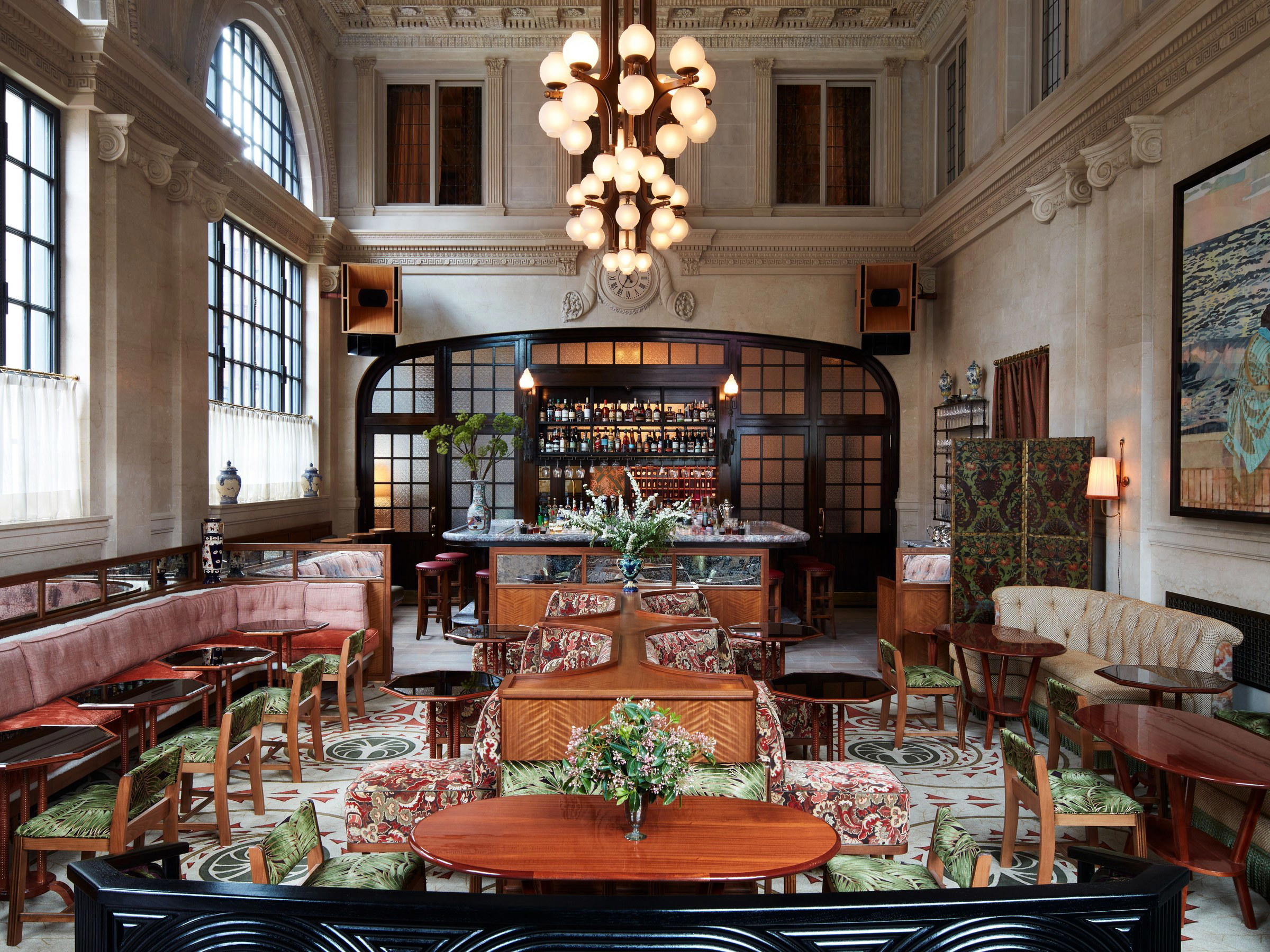
Big, handsome saloon with an inviting, relaxed atmosphere that encourages lingering; best visited during quiet afternoon hours to avoid dinner crowds.