The Carlyle, A Rosewood Hotel




2 Michelin Keys · World's 50 Best #64 · La Liste Top Hotels
The Carlyle has anchored the Upper East Side's hotel hierarchy since 1930, carrying a reputation built across nine decades of discreet service, Art Deco interiors, and a cabaret programme that remains one of New York's most consistent cultural offerings. Ranked #64 on the World's 50 Best Hotels list (2025) and awarded two Michelin Keys (2024), it sits at the intersection of residential comfort and institutional prestige, with 190 rooms starting at $1,600 per night.

Pearl is the En Primeur Club membership app, where members save venues, book tables and use the concierge.
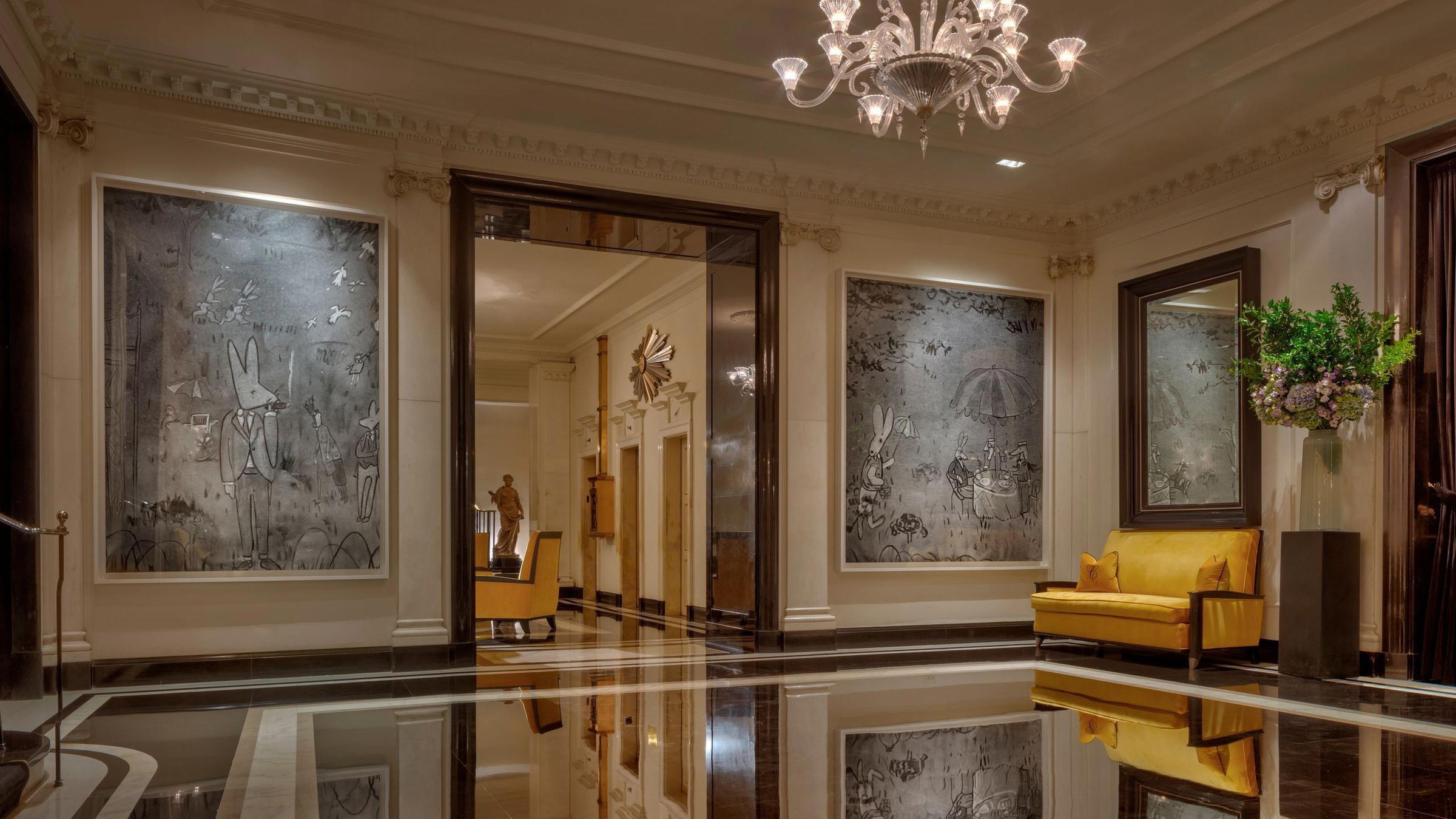
Where Madison Avenue's Old Guard Still Sets the Standard
Step off East 76th Street into The Carlyle's lobby and the tempo of the city changes immediately. The Art Deco lines are not a renovation conceit but a continuous thread running from the building's 1930 origins through successive interventions by Dorothy Draper, Mark Hampton, Renzo Mongiardino, and Thierry Despont, four of the twentieth century's most distinct interior voices, each leaving a layer without erasing the last. The effect is less museum and more palimpsest: history written over, not replaced. In a Manhattan hotel market that increasingly chases novelty, that accumulated character is a deliberate competitive position, and one that has proven durable.
The Mark, half a block north on 77th Street, competes for the same residential clientele and leans harder into contemporary design; the two hotels represent the neighbourhood's split between tradition and refresh. Downtown, the calculus is entirely different: Aman New York at the Crown Building trades on architectural drama and wellness scale, while The Fifth Avenue Hotel pitches to a younger luxury cohort drawn to a Flatiron address. The Carlyle does not compete with any of them on those terms. Its proposition is institutional permanence: the hotel that has hosted every American president since Truman, where the staff-to-guest relationship is measured in decades rather than check-ins.
The Rooms: Space as the Primary Luxury
In a city where the median hotel room operates somewhere between a berth and a broom closet, spatial generosity is the Upper East Side's most consistent differentiator from midtown volume properties. The Carlyle holds 190 rooms across a mix of configurations, and the majority offer more floor area than comparable categories across the broader New York market. The 190-key count is large enough to maintain full-service staffing but small enough to preserve the residential atmosphere that defines the hotel's character.
Room design varies deliberately rather than uniformly. Some categories lean into dark furniture and hardwood floors, giving them the feel of a private Manhattan apartment; others work in lighter grays and golds with brighter artwork. More than 20 suites include Steinway or Baldwin baby grand pianos, a feature with no practical parallel among New York's luxury hotels. At the leading, the Empire Suite runs to 2,600 square feet across three bedrooms on two levels. The Central Park View Suite offers unobstructed sight lines across the park and the Manhattan skyline, a combination that, in New York real estate terms, represents some of the most valuable views available from any hotel room in the city. For stays requiring extended residency, the hotel accommodates longer-term arrangements, a nod to the residential tradition that has defined Upper East Side life for a century.
Rates begin at $1,600 per night, positioning The Carlyle at the upper bracket of the New York hotel market alongside properties like Casa Cipriani New York and well above the midpoint of the city's luxury tier. That is a credentialled position across four independent assessment systems, not a single outlier endorsement.
Café Carlyle and Bemelmans: Two Institutions, One Building
New York's performing arts venues have largely consolidated into either large-scale production houses or intimate neighbourhood rooms without meaningful food programmes. Café Carlyle occupies a space that neither category adequately describes. The 90-seat supper club has operated as a cabaret destination since 1955, making it one of the longest-running venues of its format in the United States. The capacity constraint matters: at 90 seats, the room functions as a genuinely intimate experience rather than a scaled theatrical product, and sell-outs are routine rather than exceptional.
The booking that has become the venue's most documented fixture is Woody Allen's Monday night residency with the Eddy Davis New Orleans Jazz Band. Allen has played clarinet there with sufficient regularity that Monday performances are routinely sold out in advance. The jazz tradition in the room extends back further: pianist and singer Bobby Short performed at Café Carlyle for 30 years, a tenure the hotel acknowledged with a large portrait of Short hung in the foyer. Both cases illustrate how the supper club format has, at its most durable, produced artist-venue relationships that outlast seasons and defy the usual logic of programming cycles.
Bemelmans Bar operates on a different register. The room's murals, executed by Ludwig Bemelmans, the author and illustrator of the Madeline children's books, depict the four seasons of Central Park in a style that sits somewhere between whimsy and Viennese café tradition. The bar's Art Deco bones and mural programme make it one of the few surviving examples in Manhattan of a hotel bar whose visual identity was established by a working artist rather than an interior design firm. On the New York cocktail circuit, where the programming at bars like those inside The Whitby Hotel or Crosby Street Hotel tends toward contemporary technique, Bemelmans functions as a deliberate counter-argument: heritage over innovation, atmosphere over experiment.
The Upper East Side in Context
The neighbourhood surrounding The Carlyle is the densest concentration of museum institutions in the Western Hemisphere, the Met, the Guggenheim, the Neue Galerie, and the Frick Collection all within ten blocks. For guests whose itinerary is anchored in the arts rather than commerce, the address has a logic that no downtown or midtown hotel can replicate. The hotel's proximity to Central Park means the park functions as an immediate amenity rather than a destination requiring transit. These are structural advantages tied to geography, not service design, and they compound the hotel's proposition for a specific type of traveller.
Among Rosewood's wider portfolio, The Carlyle represents the brand's deepest historical anchor in North America. Elsewhere in the collection, Kona Village, A Rosewood Resort in Hawaii trades on landscape and seclusion, while The Carlyle's currency is precisely the opposite: urban density, cultural programming, and institutional memory. For context on what the Rosewood group delivers across formats and geographies, properties like Aman Venice and Badrutt's Palace Hotel in St. Moritz offer useful points of comparison for travellers who move between heritage city hotels across the Atlantic. Among American alternatives in the same heritage register, Hotel Bel-Air in Los Angeles and Auberge du Soleil in Napa represent the West Coast's version of long-established luxury, though neither carries the same density of cultural programming. For those exploring beyond the city, Troutbeck in Amenia offers a sharp counterpoint to Manhattan's pace within a few hours' drive.
For a broader overview of where The Carlyle sits within New York's hotel and restaurant hierarchy, see our full New York City guide. Properties operating in adjacent neighbourhoods and formats worth considering alongside The Carlyle include The Beekman for Tribeca's historic character and The Greenwich Hotel for a different kind of downtown permanence. Further afield for design-forward travellers, Raffles Boston represents the Northeast's most direct recent entry into the heritage luxury conversation.
Planning Your Stay
The Carlyle sits at 35 East 76th Street, in the heart of the Upper East Side, with easy access to the 6 train at 77th Street and multiple crosstown bus routes along 79th Street. Rooms start at $1,600 per night. Given the hotel's standing and the volume of repeat guests, booking well in advance is advisable, particularly for suite categories and for any visit that coincides with Monday night performances at Café Carlyle, which sell out consistently. Guests who plan to attend Bemelmans Bar during peak evening hours should arrive early: the 90-seat room fills quickly and does not take reservations for bar seating.
Comparable Spots, Quickly
Comparable venues nearby, for context on price, style, and recognition.
| Venue | Cuisine | Price | Awards | Notes |
|---|---|---|---|---|
| The Carlyle, A Rosewood HotelThis venue (the venue you are viewing) | Art Deco luxury hotel with vintage English style furnishings reminiscent of the Jazz Age. | $1,500–2,500 | 2 Michelin Keys · World's 50 Best #64 | Not listed |
| The Mark | Luxury boutique in historic Beaux Arts building | Not listed | 2 Michelin Keys · World's 50 Best #43 | Upper East Side-Carnegie Hill |
| The Fifth Avenue Hotel | luxury boutique in historic NoMad building | Not listed | 2 Michelin Keys · World's 50 Best #78 | Midtown South-Flatiron-Union Square |
| The Whitby Hotel | Contemporary tower with Kit Kemp’s signature colorful-modern English design | $1,000–1,500 | 3 Michelin Keys · Mr & Mrs Smith Seal of Approval | Midtown-Times Square |
| Crosby Street Hotel | Contemporary English luxury boutique hotel with playful design elements and artistic flair in a historic SoHo location. | $1,000–1,500 | 3 Michelin Keys · La Liste Top Hotels | SoHo-Little Italy-Hudson Square |
| Casa Cipriani New York | Historic waterfront members' club transformed into luxury hotel | Not listed | 3 Michelin Keys · Virtuoso Luxury Hotel Partner | Financial District-Battery Park City |
Recognition history
Dated appearances from independent guides and award organizations, with the underlying list record or original source where available.
Michelin 2 Keys
Michelin
World's 50 Best Hotels 51-100 #64
World's 50 Best
La Liste Top Hotels
La Liste
Forbes 4-Star
Forbes
Full recognition history (7 entries)
Michelin 2 Keys
Michelin
Michelin 2 Keys
Michelin
World's 50 Best Hotels #30
World's 50 Best
The Carlyle, A Rosewood Hotel
Featured Guides
Continue exploring
More in New York City
Hotels in New York City
All hotels in New York City →
Bars in New York City
All bars in New York City →





Details
- Elegant
- Classic
- Sophisticated
- Ornate
- Well Known
- Romantic Getaway
- Anniversary
- Honeymoon
- Business Trip
- Historic Building
- Panoramic View
- Butler Service
- Spa
- Pool
- Fitness Center
- Room Service
- Concierge
- Wi Fi
- Restaurant
- Business Center
- Valet Parking
- Elevator
- Wheelchair Accessible
- Accessible Parking
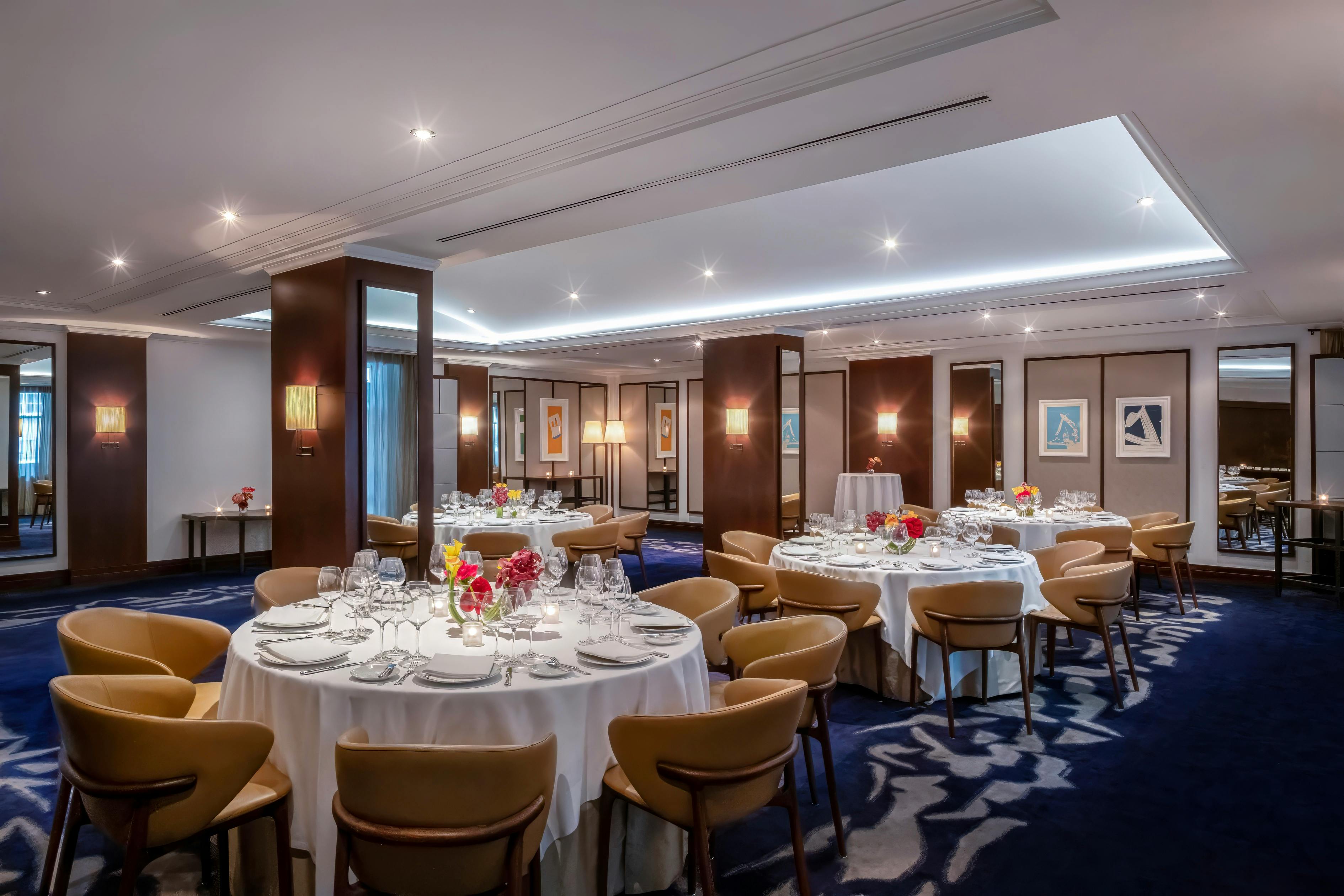
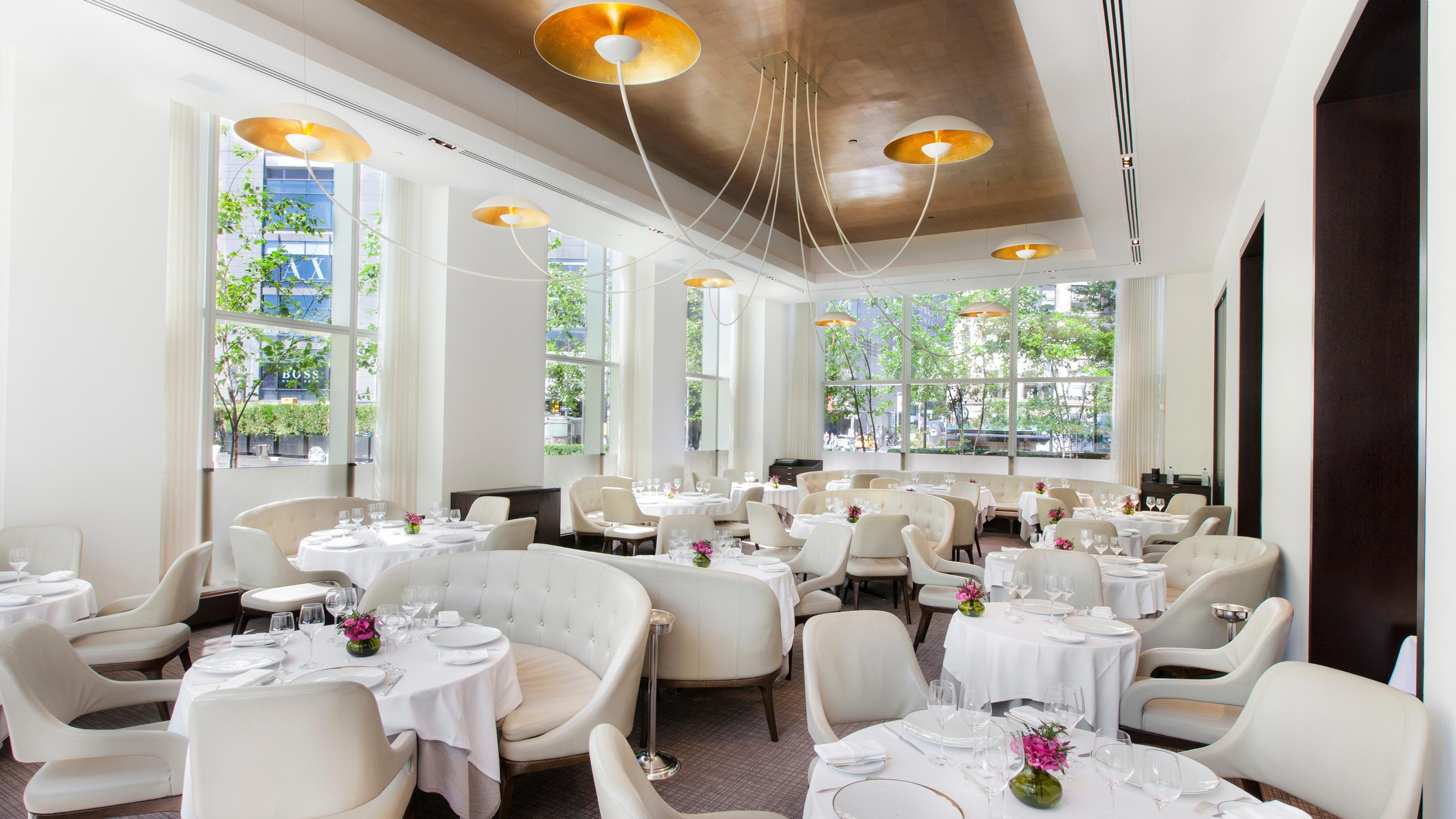
Elegant and historic with romantic, sophisticated lighting in a quiet, luxurious atmosphere.