Tooker Alley
Tooker Alley sits on Washington Avenue in Crown Heights, Brooklyn, operating in a neighbourhood bar register that Manhattan's premium cocktail scene has largely moved away from. The draw is a technically grounded drinks program in an unpretentious room, positioned well below the pricing tier of Midtown destination bars while drawing from a similar craft tradition. For visitors who want serious cocktails without the theatre, it earns attention.
Pearl is the En Primeur Club membership app — saves, bookings, and concierge access live there. Same editors, same standards.
- Address
- 793 Washington Ave, Brooklyn, NY 11238
- Phone
- +13479554743
- Website
- tookeralley.com
- Directions
- Get directions
 Saves & bookings on Pearl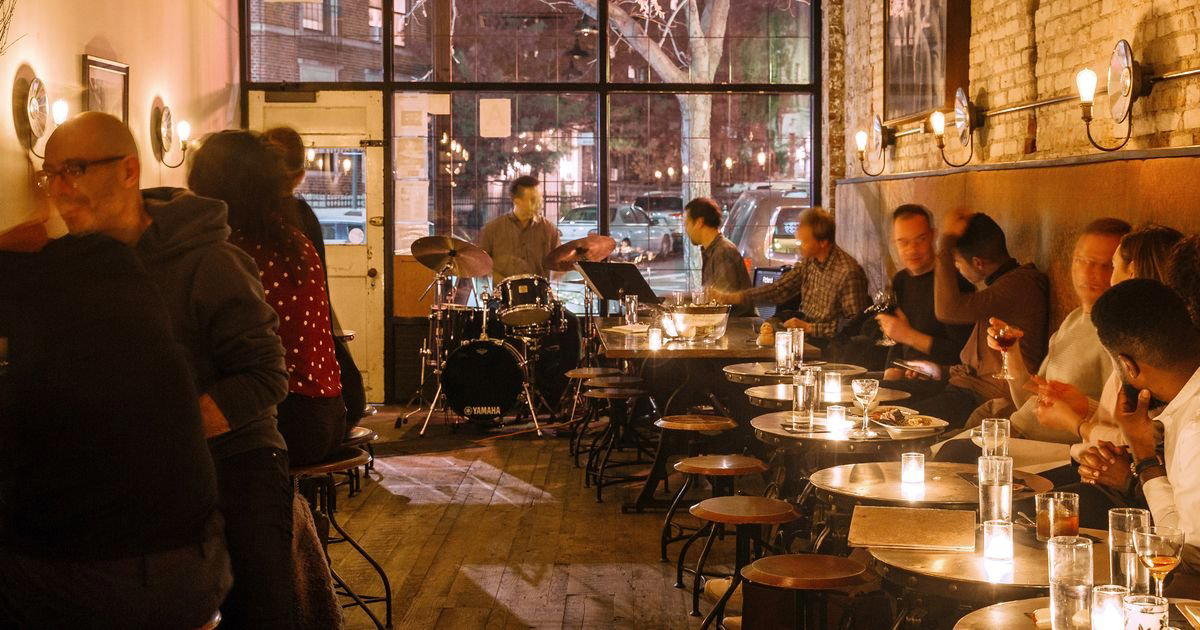
Crown Heights and the Brooklyn Bar Tradition
Brooklyn's cocktail scene has never operated on Manhattan's terms. While bars like those found in the same bracket as Le Bernardin or Per Se anchor a fine-dining-adjacent drinks culture across the river, Brooklyn evolved a parallel track: technically serious programs in rooms that make no effort at ceremony. Tooker Alley, at 793 Washington Avenue in Crown Heights, sits within that tradition. The address places it at the intersection of Prospect Heights and Crown Heights, a stretch of Washington Avenue that has attracted a mix of neighbourhood regulars and visitors willing to cross borough lines for a well-made drink.
Crown Heights does not carry the cocktail destination reputation of Williamsburg or the West Village. That relative obscurity shapes who the bar attracts and, more importantly, how it operates. Without the foot traffic that keeps destination bars in Manhattan's premium tier financially comfortable, places like Tooker Alley have to earn repeat visits on the quality of what's in the glass rather than on location or ambient novelty.
The Lunch and Evening Divide in Neighbourhood Bar Culture
The editorial angle on any serious neighbourhood bar is often found in the gap between its daytime and evening characters, and that divide is sharpest at spots that draw both locals and informed visitors. Daytime service at neighbourhood-anchored bars in Brooklyn tends toward a quieter, more deliberate register. For anyone calibrating a bar visit around value rather than atmosphere-seeking, daytime is consistently where that calculation lands favourably.
Evening service shifts the dynamic. Washington Avenue on a weekend night draws a different crowd than the afternoon, and the bar's identity is tested against that fuller room. The cocktail programs that hold up across both periods tend to have structure rather than relying on novelty. Comparatively, the bars that anchor New York's premium tier, the kind of technically ambitious programs that share a conceptual comparable set with places like Atomix in terms of craft discipline, if not cuisine category, draw a largely evening-only clientele. The lunch-versus-dinner divide doesn't register the same way at those addresses because daytime service often doesn't exist. Tooker Alley, operating as a neighbourhood anchor rather than a destination-only venue, is available across more of the day's range.
This operational breadth matters for how a visitor should plan a visit. If the priority is space at the bar, an unhurried conversation about the drinks list, and a room that hasn't hit capacity, the earlier window is the right call. If the goal is the full ambient register of a Brooklyn neighbourhood bar on a Thursday or Friday evening, the later hours provide that.
Positioning in the New York Cocktail Tier
New York's cocktail culture has stratified considerably over the past decade. At one end, destination tasting-menu bars charge per-course and require reservations weeks in advance. At the other, neighbourhood bars offer no pretension and often little craft. The middle tier, technically grounded, unpretentious, accessible in price, is where Crown Heights bars like Tooker Alley operate. This is a different competitive set than the venues drawing out-of-town visitors specifically for their bar programs, or the hotel bars attached to properties where the room rate already signals the pricing register.
For comparison, the kind of ambition on display at Masa or Jungsik New York exists in a category defined by formal credentialing, controlled access, and a price point that functions as a filter. The restaurant belongs to a category defined by different criteria: repeatability, neighbourhood embeddedness, and accessibility across income levels. Neither model is superior; they answer different questions. The useful one here is: where in Brooklyn does a well-travelled drinker go when they want craft without spectacle?
Across the United States, the bars that have managed to hold a craft-serious identity without escalating into the destination tier tend to appear in cities where the dining culture rewards restraint. Lazy Bear in San Francisco and Alinea in Chicago represent the formal end of that American craft ambition. Emeril's in New Orleans and Bacchanalia in Atlanta represent the regionally rooted alternative. Brooklyn's neighbourhood bar tradition sits outside both of those frames, closer to something localist and undeclared.
What the Address Tells You
793 Washington Avenue is not a landmark address in the way that, say, the blocks around Blue Hill at Stone Barns in Tarrytown carry built-in destination gravity. It is a working Brooklyn address, accessible by subway and unremarkable from the street in the way that most serious neighbourhood bars are unremarkable from the street. That is, broadly, the point. The bars that require elaborate exteriors to signal quality are usually compensating for something. The restaurant's Crown Heights location does not function as a marketing asset; it functions as a filter. The visitors who find it have usually looked for it.
Compared internationally, this model has analogues in the neighbourhood-serious bar scenes of cities like Melbourne and London, where the assumption is that the informed drinker will do the research. Globally recognised venues like 8½ Otto e Mezzo Bombana in Hong Kong or Alain Ducasse at Louis XV in Monte Carlo operate from the opposite premise: the address and the reputation are inseparable from the experience. Neither approach is wrong. They describe different relationships between a venue and its guest.
Planning a Visit
The surrounding neighbourhood offers enough in the way of adjacent restaurants and bars to make an evening of it without backtracking to Manhattan. Providence in Los Angeles, Single Thread Farm in Healdsburg, Addison in San Diego, The French Laundry in Napa, and The Inn at Little Washington each require advance planning and reservation infrastructure that restaurant does not. That accessibility is itself a feature for a certain kind of traveller.
Comparison Snapshot
Comparable venues nearby, for context on price, style, and recognition.
| Venue | Cuisine | Price | Notes |
|---|---|---|---|
| Tooker AlleyThis venue — the venue you are viewing | American Cocktail Bar with Tapas | $$$ | Not listed |
| Dolly's | Southern-inspired American Comfort | $$$ | Hell's Kitchen |
| The Queensboro | Queens-Inspired American Gastropub | $$$ | Jackson Heights |
| The Parlor | Modern American Grill | $$$ | Midtown Manhattan |
| Marlow & Sons | Seasonal New American with Japanese influences | $$$ | Williamsburg |
| Little Park | Seasonal American Farm-to-Table | $$$ | Tribeca-Civic Center |
Continue exploring
More in New York City
Restaurants in New York City
Browse all →
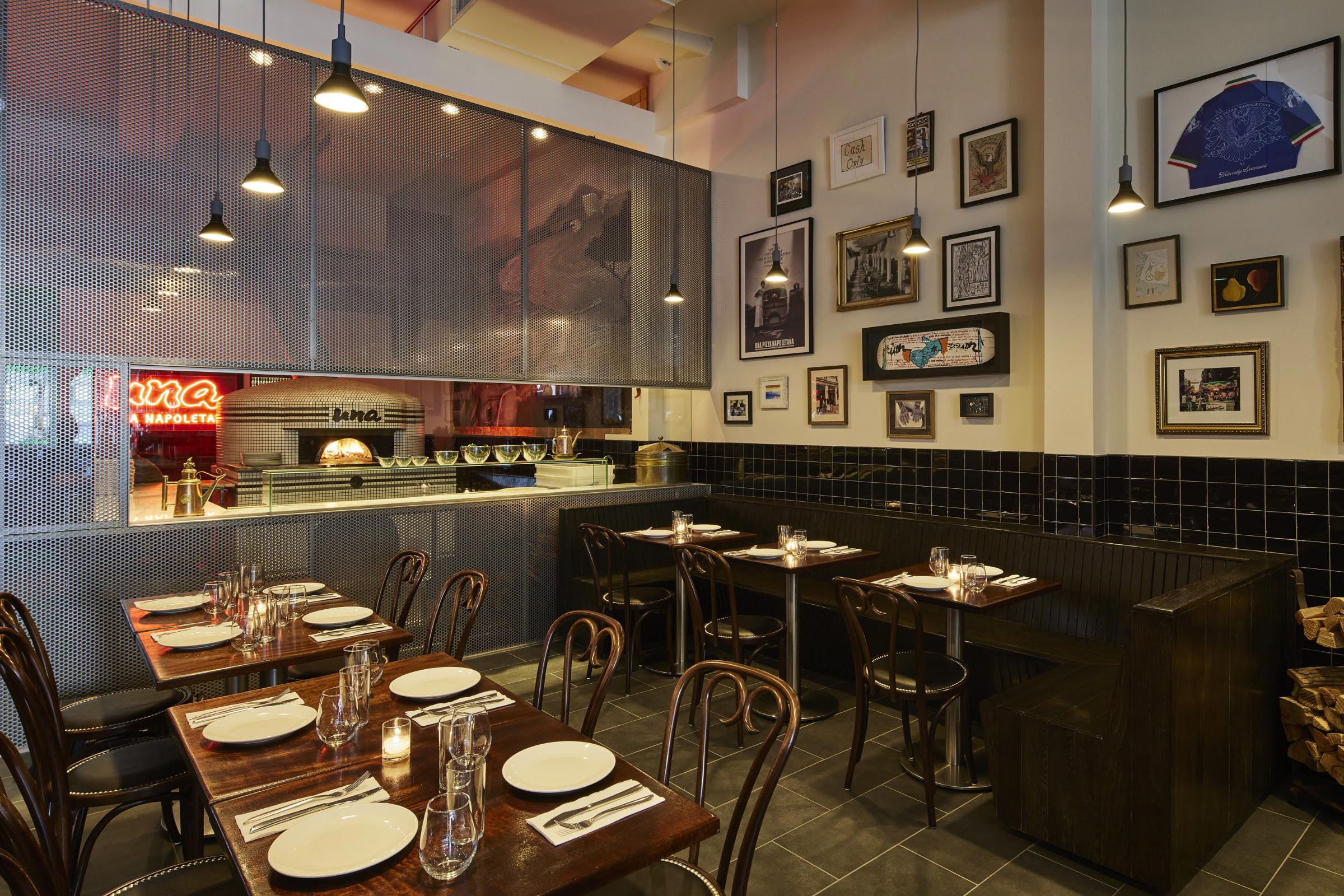
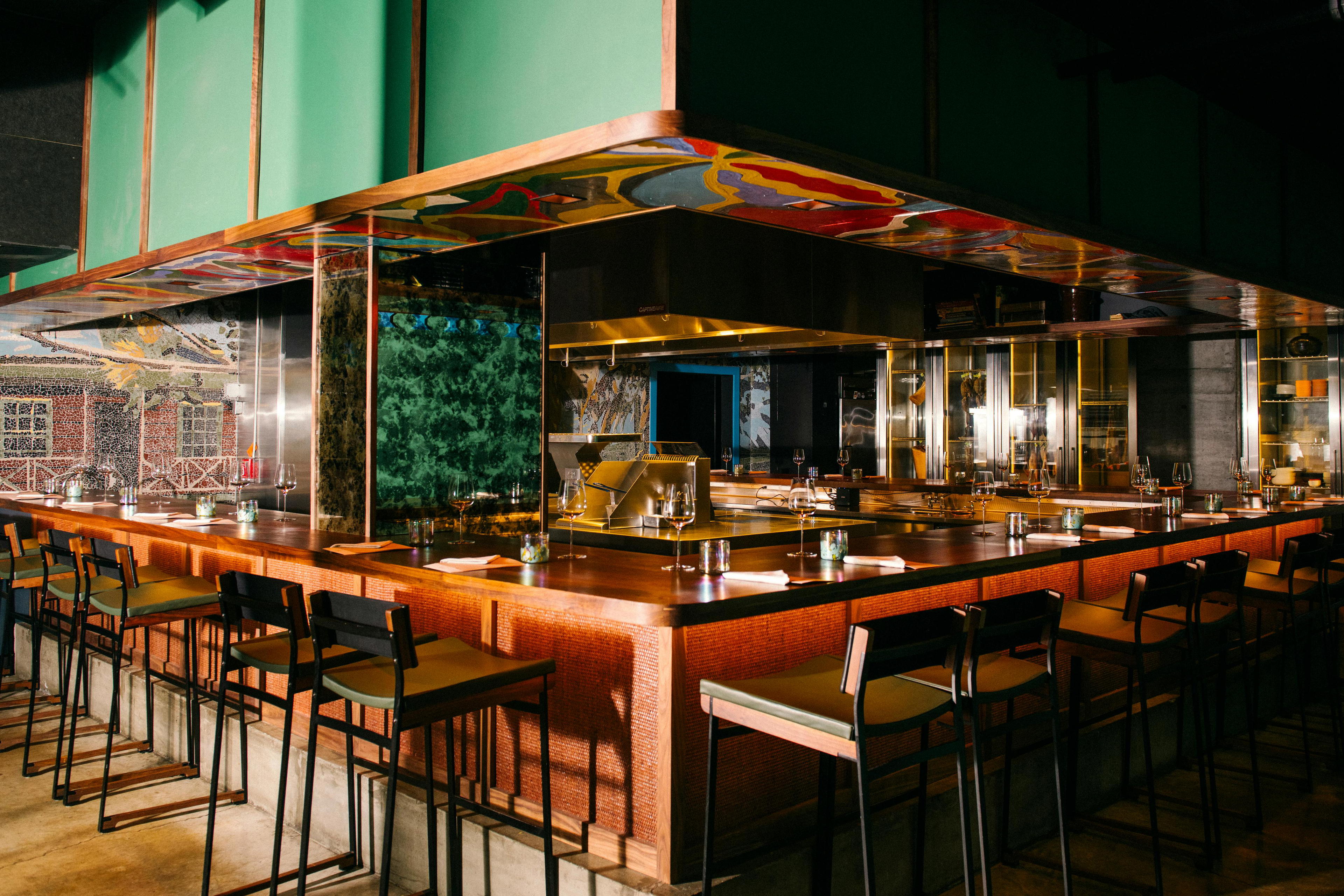
Bars in New York City
Browse all →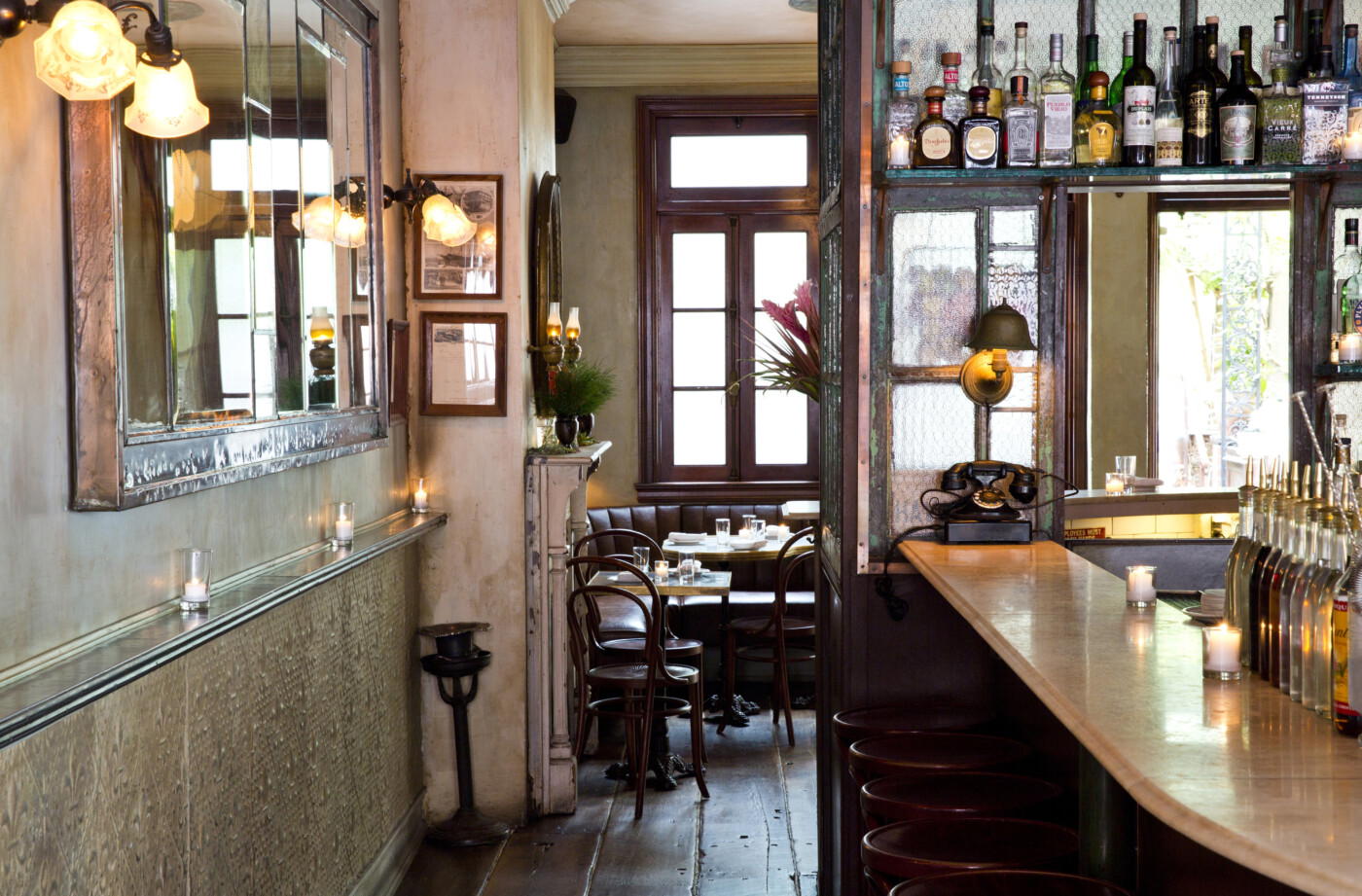
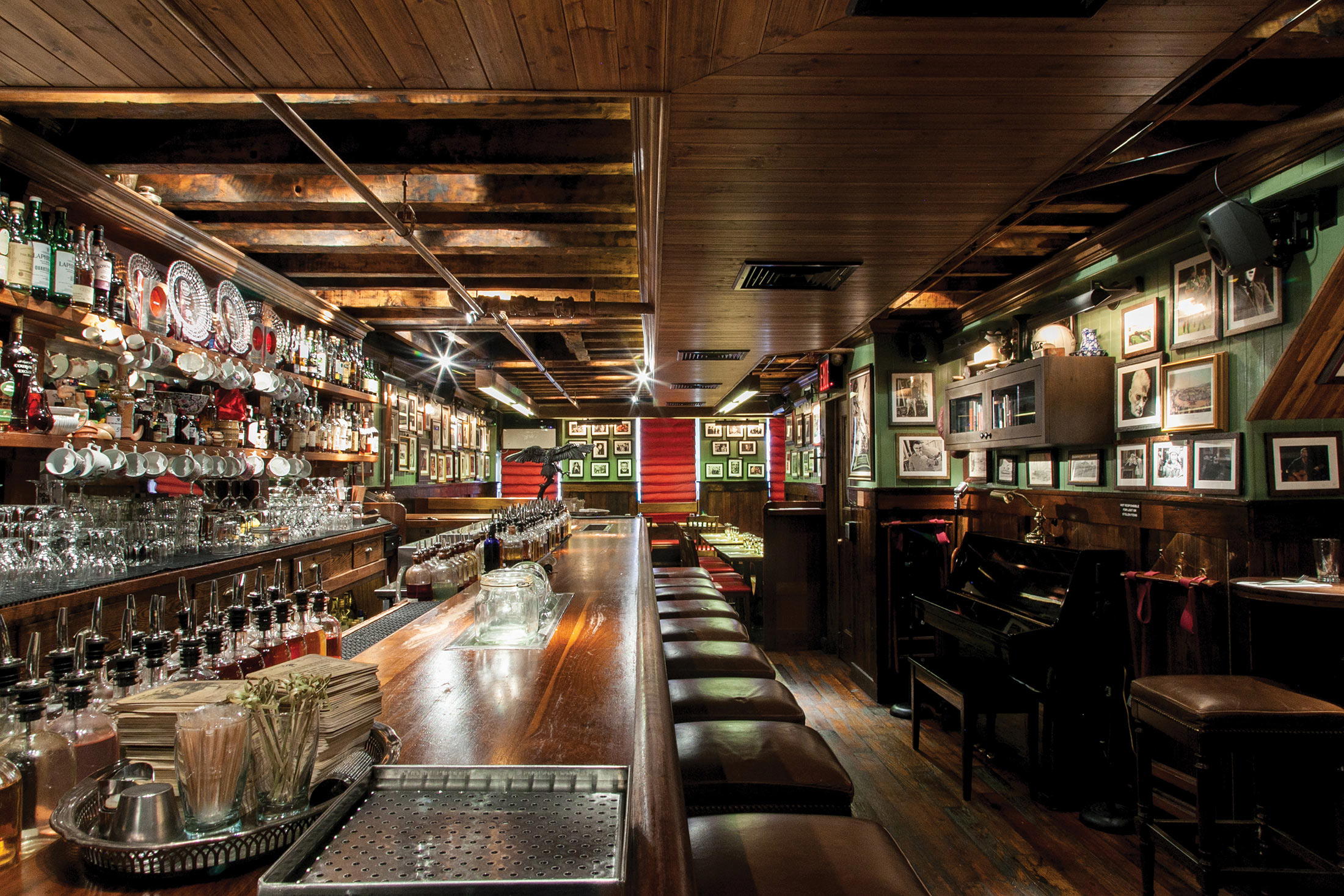
Hotels in New York City
Browse all →







At a Glance
- Classic
- Intimate
- Sophisticated
- Casual Hangout
- After Work
- Late Night
- Solo
- Live Music
- Standalone
- Craft Cocktails
Current opening hours
- Monday
- 5–11 PM
- Tuesday
- 5–11 PM
- Wednesday
- 5 PM–12 AM
- Thursday
- 5 PM–12 AM
- Friday
- 5 PM–2 AM
- Saturday
- 3 PM–2 AM
- Sunday
- 3–11:30 PM
Hours can change for holidays and private events. Last verified .
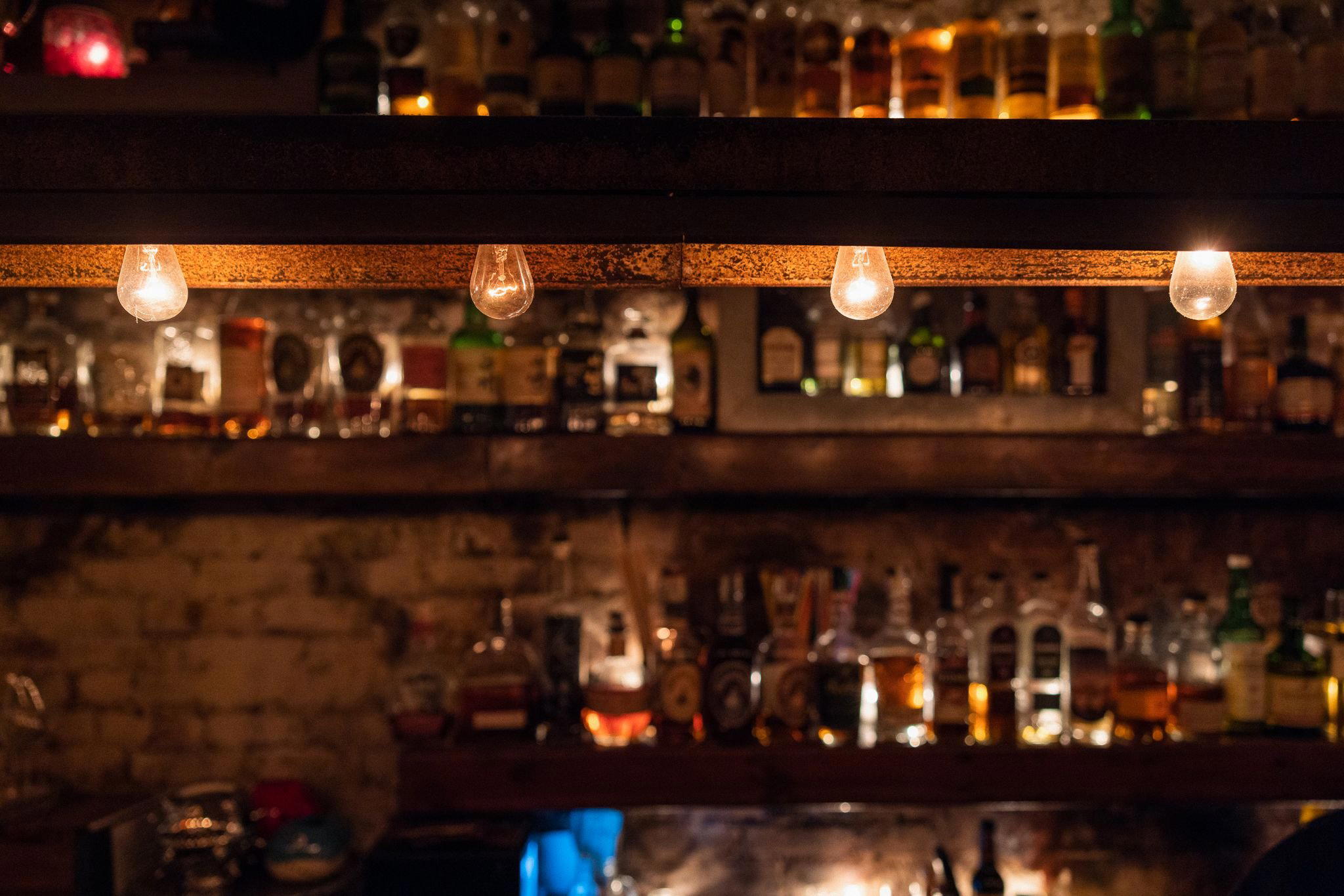
Dimly lit with Edison bulbs set against mirrored discs and heavy iron stools; understated decor with well-curated jazz playing softly in the background, evoking a sophisticated 1940s aesthetic.