Our verdict
Gair occupies a DUMBO address at 41 Washington Street where Brooklyn's industrial heritage meets a dining scene increasingly organised around ethical sourcing and low-waste kitchen practice. The restaurant sits within a neighbourhood cohort that has moved well past the farm-to-table shorthand, treating sustainability as operational discipline rather than marketing position.

Pearl is the En Primeur Club membership app, where members save venues, book tables and use the concierge.

DUMBO's Sustainability-First Dining Tier
Brooklyn's DUMBO neighbourhood has spent the past decade sorting itself into two distinct hospitality registers: the high-volume venue capitalising on waterfront real estate, and the smaller, programme-led operation where sourcing philosophy and kitchen discipline define the offering. Gair, at 41 Washington Street, belongs to the second category. The address itself carries weight: Washington Street is one of DUMBO's most photographed corridors, but the restaurants that have lasted here tend to do so on the strength of a coherent point of view rather than foot traffic alone.
Across the United States, a cohort of serious restaurants has reframed sustainability from a branding decision into a structural one. Places like Blue Hill at Stone Barns in Tarrytown and Single Thread Farm in Healdsburg have demonstrated that proximity-sourcing and waste-reduction protocols can coexist with ambitious tasting formats. On the West Coast, Lazy Bear in San Francisco and Providence in Los Angeles have built sustained critical reputations around ethically sourced seafood and hyperlocal produce networks. Gair enters that conversation from a Brooklyn vantage point, where the density of the regional supply chain, from Hudson Valley farms to Greenmarket vendors, gives kitchen teams a genuine infrastructure to work with rather than a theoretical commitment to local sourcing.
The Logic of Ethical Sourcing in a Dense City Market
New York presents a specific tension for sustainability-minded restaurants. The city's scale means ingredient access is extraordinary, but the economics of running a tight, waste-conscious kitchen in one of the world's highest-cost dining markets is a different proposition than doing so in a rural or semi-rural setting. The restaurants in New York that have made this work consistently, at the upper tier, tend to operate with constrained menus, high ingredient utilisation across multiple preparations, and procurement relationships built over years rather than sourced opportunistically through a distributor catalogue.
At the top of New York's fine dining tier, restaurants like Eleven Madison Park have made sustainability commitments structurally central, with a fully plant-based format that fundamentally reorients the kitchen's relationship to waste and sourcing. Le Bernardin has maintained long-term fishing sourcing relationships that go beyond standard seafood certifications. These are not marginal gestures; they represent operational decisions that shape the entire cost and menu architecture. Gair operates at a different scale and price point than those institutions, but the DUMBO restaurant cohort it belongs to is increasingly measured against those standards of intentionality.
For comparison, look at how sustainability has been structured into the menus of Smyth in Chicago or Addison in San Diego, both of which have built procurement frameworks that treat ethical sourcing as a kitchen management system rather than a talking point. In Europe, the model is even more entrenched: Atelier Moessmer Norbert Niederkofler in Brunico has built an entire culinary identity around alpine sourcing and zero-waste discipline. Dal Pescatore in Runate demonstrates that multi-generational family operations can embed sustainability as inherited practice rather than recent conversion. These international reference points matter because they set the standard against which serious sustainability claims in the United States get measured.
DUMBO as a Dining Neighbourhood
DUMBO's restaurant scene has matured considerably from its early phase as a weekend destination for Manhattan visitors crossing the bridge for brunch. The neighbourhood now sustains a weeknight dining culture, supported by a resident and professional population that has grown with the area's real estate development. Washington Street specifically functions as a kind of spine for the area's higher-end food and drink operations, with the Manhattan Bridge framing above and a mix of converted warehouse and new-build retail below.
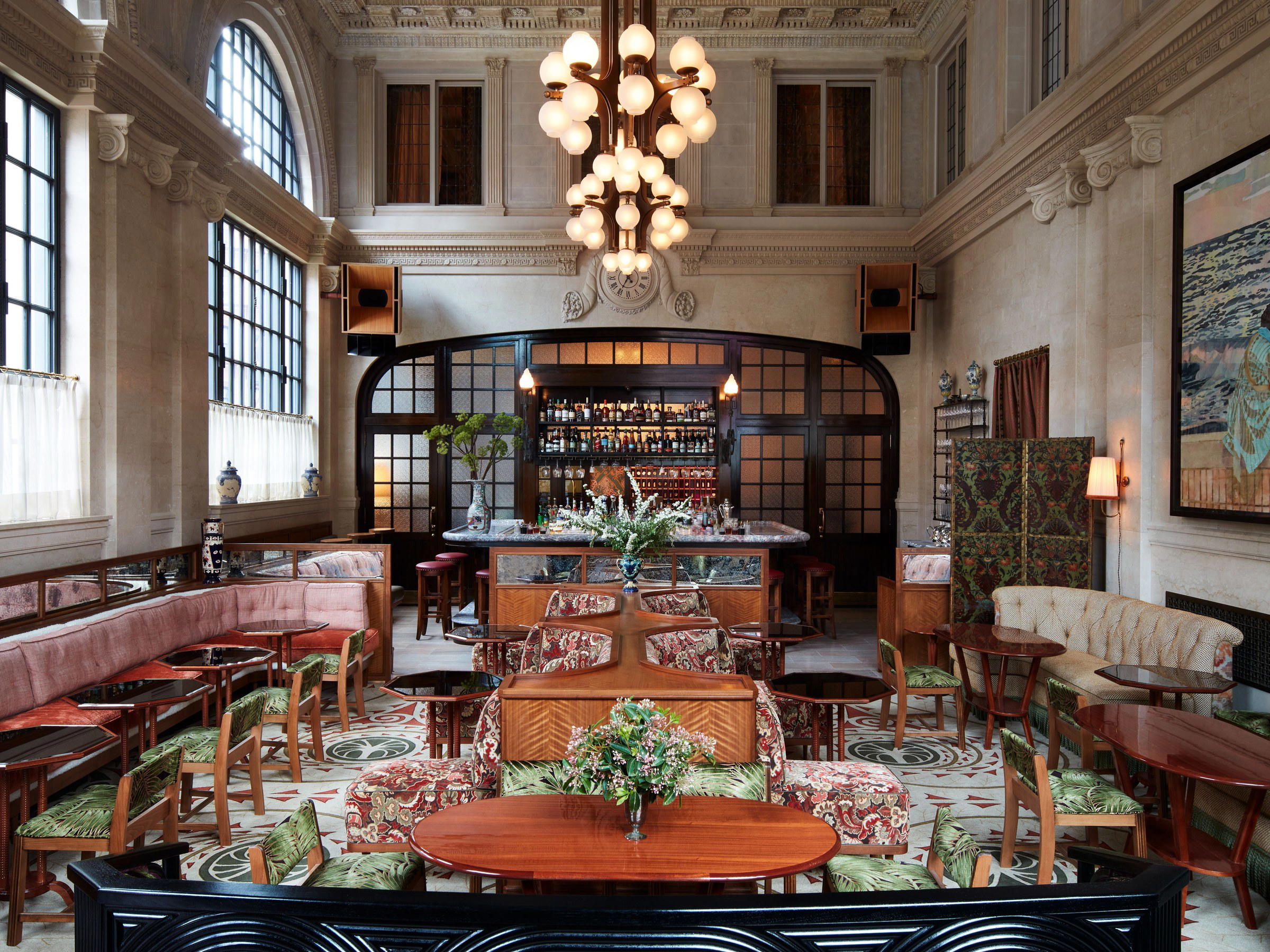
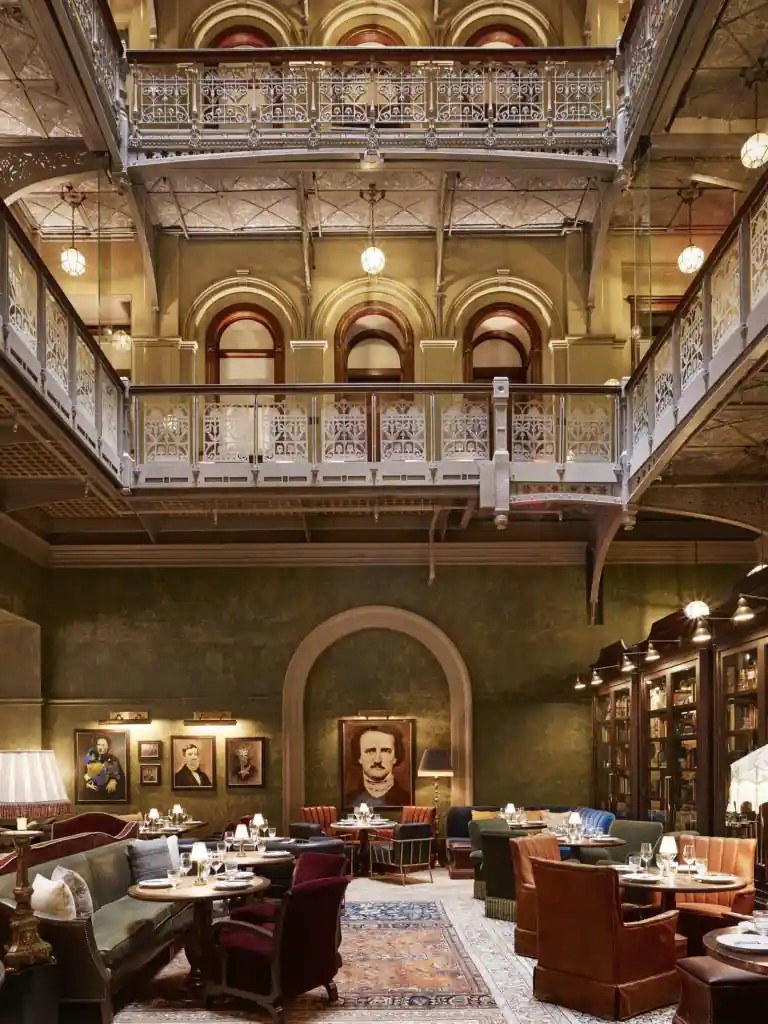
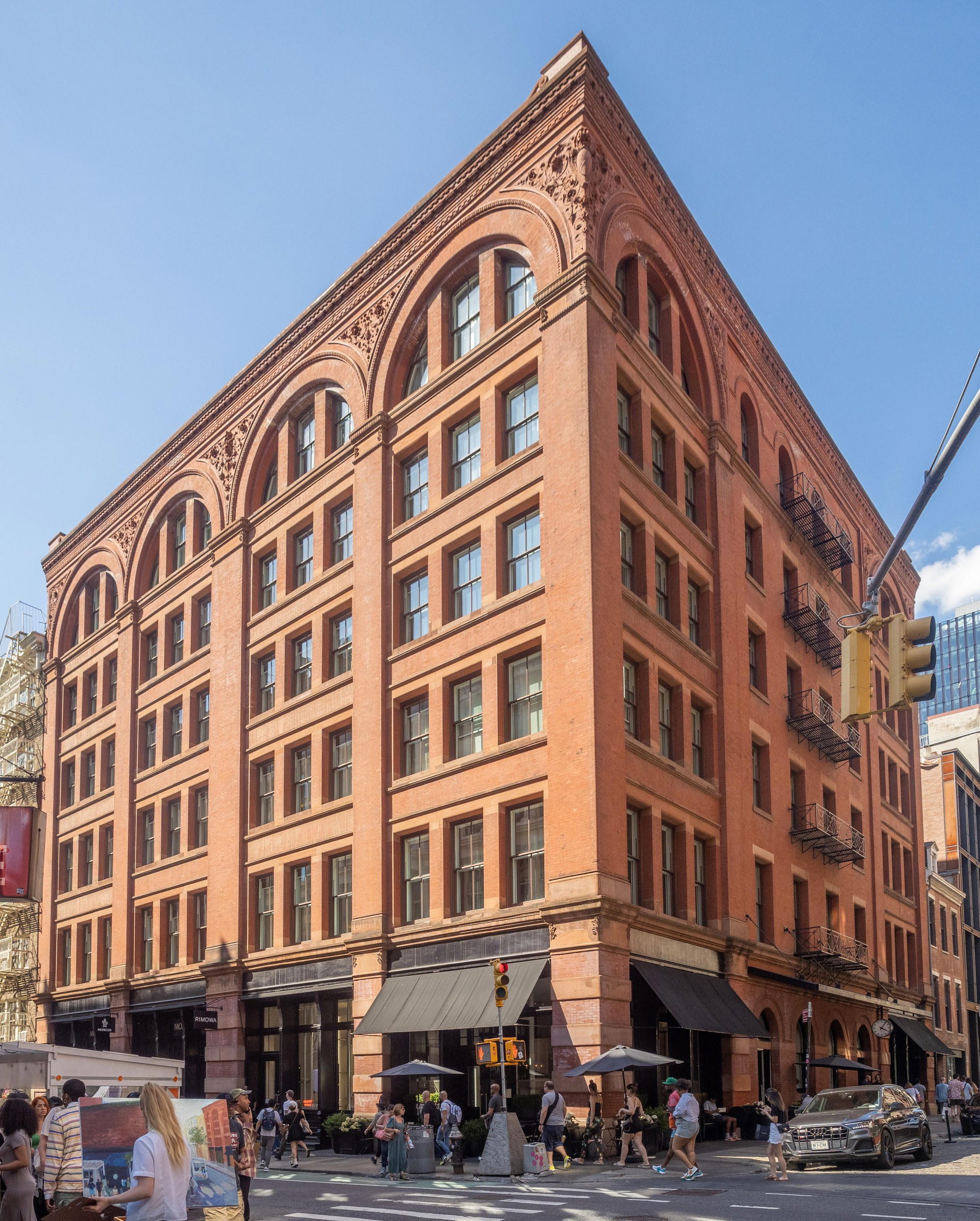
The neighbourhood's industrial heritage, including the large Gair building complex that gives the street its character, has created interior spaces that reward a certain kind of design approach: high ceilings, exposed structural elements, and materials that carry history rather than simulate it. Restaurants that have settled into these spaces tend to programme them with formats that match the scale, whether that is counter dining, communal tables, or open kitchen configurations that make the kitchen's discipline visible. This physical transparency aligns naturally with a sustainability-forward approach, where the sourcing and preparation process is part of what the diner is being invited to witness.
For the broader New York dining context and how DUMBO's restaurant tier fits within the city's neighbourhood-by-neighbourhood food culture, see our full New York City restaurants guide.
New York's restaurant market stratifies sharply. At the leading, a tier of tasting-menu destinations, including Masa, Per Se, and Atomix, commands price points and booking windows that position them as destination dining rather than neighbourhood options. Below that, a substantial middle tier of serious, independently operated restaurants carries the actual texture of the city's dining culture. DUMBO has historically produced more from that middle tier than from the leading, and that is not a limitation; it reflects the neighbourhood's character as a place where the dining proposition has to be strong enough to justify the trip across the river without relying on marquee names or trophy addresses.
Restaurants with a genuine sustainability framework occupy a distinct niche within that middle tier. They tend to attract a regular clientele that understands the constraints of seasonal and ethical sourcing, meaning shorter menus, ingredient substitutions when supply dictates, and price points that reflect the actual cost of responsibly procured product. Frasca Food and Wine in Boulder and The French Laundry in Napa both demonstrate that a coherent sourcing philosophy, maintained consistently over time, builds a loyalty that compensates for the operational constraints it imposes. Emeril's in New Orleans and The Inn at Little Washington show how regional identity and sourcing specificity can define a restaurant's market position across decades. Gair is a younger operation within that longer tradition, but the DUMBO location places it in a neighbourhood where that kind of longevity-through-integrity model is increasingly the benchmark.
Planning Your Visit
Gair is located at 41 Washington Street, Brooklyn, NY 11201, in the DUMBO neighbourhood. The address is accessible via the F and A/C trains to High Street-Brooklyn Bridge, a short walk from the station. Reservations: Booking details are not currently published on third-party platforms; contact the restaurant directly or check for availability through the venue's own channels. Dress: DUMBO's restaurant scene skews smart-casual; there is no published dress requirement. Budget: Pricing is not publicly listed at time of writing; expect a mid-to-upper range consistent with the neighbourhood's serious independent restaurant tier. Timing: Weekend evenings in DUMBO draw significant foot traffic from visitors; a weeknight booking typically means a quieter room and more attentive service pacing.
Frequently asked questions
What do regulars order at Gair?
Restaurants in Gair's category, those operating with a sustainability-forward and ethically sourced framework in Brooklyn, typically rotate their menus according to seasonal availability and supplier relationships. The most reliable approach is to ask the front-of-house team on arrival what has come in from current procurement relationships, as those items tend to reflect the kitchen's focus for that service.
Is Gair reservation-only?
In the DUMBO neighbourhood, independently operated restaurants at this tier generally accept reservations and can fill on weekend evenings without walk-in availability. Contacting the restaurant directly, or checking current booking platform listings, is the most accurate way to confirm whether walk-ins are accommodated. New York's serious independent restaurant tier across Brooklyn increasingly operates on a reservation-first model, particularly for dinner service.
What's the standout thing about Gair?
Gair's most coherent editorial distinction is its position within DUMBO's sustainability-oriented dining tier at a moment when ethical sourcing has moved from optional positioning to operational standard for serious independent restaurants. The Washington Street address places it within a neighbourhood cohort that is increasingly measured against the procurement discipline of recognised operations nationally. For diners coming specifically from Manhattan's fine dining circuit, the proposition is a Brooklyn-rooted alternative to the top-tier tasting formats at places like Atomix or Per Se, with a different price register and a more neighbourhood-embedded character.
How does Gair's approach to sustainability compare to other Brooklyn restaurants?
Brooklyn's independent restaurant scene has developed one of the more active ethical sourcing networks in the United States, with proximity to Hudson Valley farms, Catskill producers, and the Greenmarket system at Union Square giving kitchens a regional supply infrastructure that Manhattan venues often lack the physical logistics to use as efficiently. Within that context, restaurants that make waste reduction and supplier transparency structural, rather than supplementary, occupy a distinct position. Gair at 41 Washington Street sits within that discipline-first cohort, in a neighbourhood where the industrial building stock and the dining culture have developed together into something more considered than the outer-borough novelty it once was.
Reputation First
Comparable venues nearby, for context on price, style, and recognition.
| Venue | Cuisine | Price | Notes |
|---|---|---|---|
| GairThis venue (the venue you are viewing) | Modern American Gastropub | Not listed | Not listed |
| The Commissary | Modern American Bistro | $50–100 | Chinatown-Two Bridges |
| Au Cheval | American Comfort Food & Burgers | $50–100 | Tribeca-Civic Center |
| Beast | Modern American Rooftop Lounge | Not listed | Prospect Heights |
| Sereneco | Italian-influenced New American | $50–100 | Greenpoint |
| Bijan's | Persian-American | Not listed | Downtown Brooklyn-DUMBO-Boerum Hill |
Continue exploring
More in New York City
Restaurants in New York City
All restaurants in New York City →
Bars in New York City
All bars in New York City →





Details
- Modern
- Trendy
- Elegant
- Sophisticated
- Industrial
- Date Night
- Casual Hangout
- Late Night
- After Work
- Open Kitchen
- Craft Cocktails
- Local Sourcing
- Street Scene
- Skyline
- A La Carte
- Small Plates
- Craft Cocktails
Current opening hours
- Monday
- Closed
- Tuesday
- 4 PM–12 AM
- Wednesday
- 4 PM–12 AM
- Thursday
- 4 PM–12 AM
- Friday
- 4 PM–2 AM
- Saturday
- 12 PM–2 AM
- Sunday
- 12 PM–12 AM
Hours can change for holidays and private events. Hours as of .
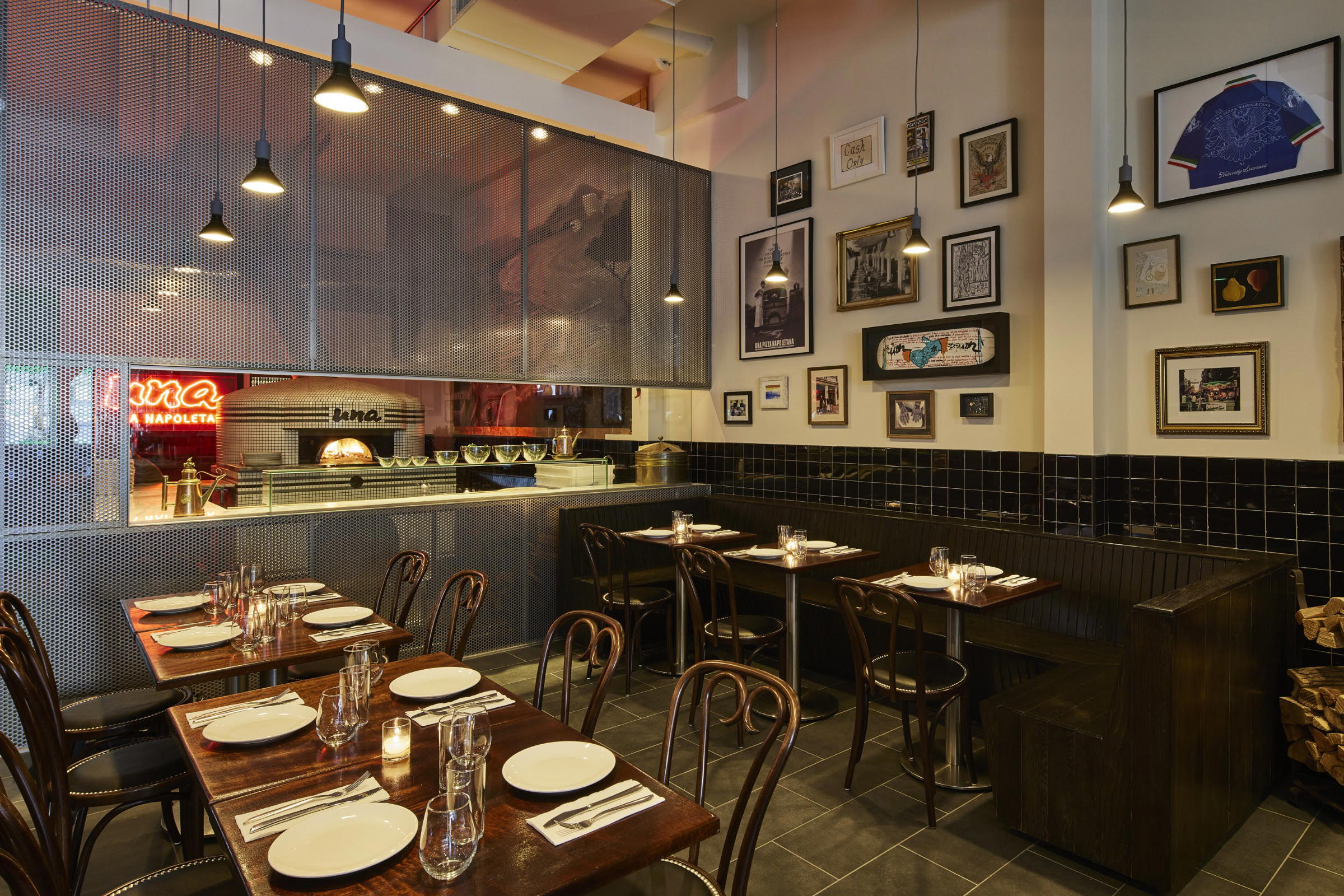
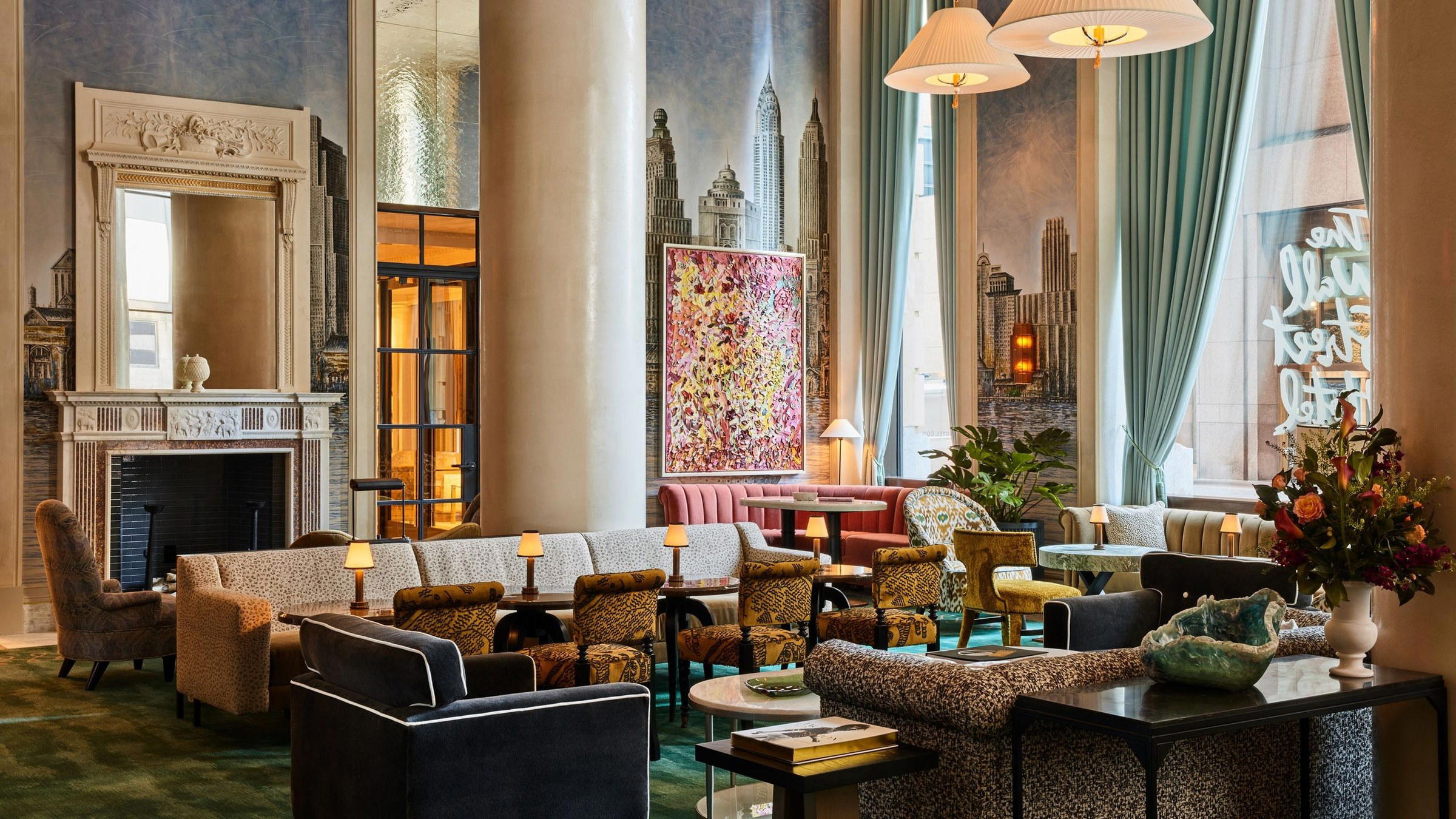
Spacious, bright, modern industrial interior with high ceilings and large windows flooding the space with natural light.