At Belgradstraße 9 in Munich's Maxvorstadt district, The Indian Room offers a lens into Indian cuisine within a city whose fine-dining scene skews heavily toward French and German traditions. The address alone positions it as part of a small but growing counter-narrative to Munich's Michelin-dominant culinary identity, making it a reference point for travellers seeking subcontinental cooking in southern Germany.
Pearl is the En Primeur Club membership app — saves, bookings, and concierge access live there. Same editors, same standards.
- Address
- Belgradstraße 9, 80796 München, Germany
- Phone
- +4915901126129
- Website
- the-indian-room.de
- Directions
- Get directions
 Saves & bookings on Pearl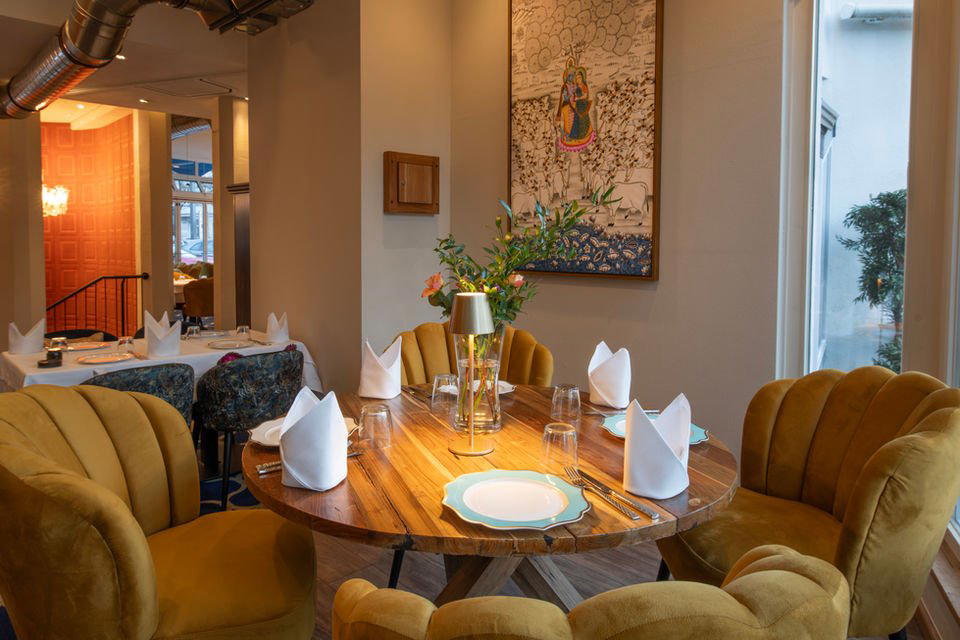
Indian Cooking in a City That Defaults to French
Munich's restaurant culture has long been organised around two poles: the grand Bavarian tavern tradition and the French-influenced fine-dining tier that includes institutions like Tantris and Atelier. Indian cooking in Germany sits in a peculiar position within that story: is now represented by restaurants taking a more exacting approach to spice architecture, regional differentiation, and sourcing.
The Indian Room Munich, at Belgradstraße 9 in the Maxvorstadt district, is a Modern Indian Fine Dining restaurant. JAN, Alois - Dallmayr Fine Dining, or Tohru in der Schreiberei, a serious Indian address represents a meaningful counterpoint. Munich's fine-dining conversation is dense with Michelin signal and European technique; restaurants working outside that framework often operate with less visibility but not necessarily with less craft.
What the Menu Structure Reveals
In Indian restaurant formats worldwide, the menu is one reliable indicator of culinary seriousness. At one end of the spectrum, you find the encyclopaedic menu that spans multiple regional traditions without committing to any, where Northern curries, Southern rice plates, and Goan seafood appear in the same list as a hedge against customer preference. At the other end are restaurants that organise their menus around a specific region, a particular cooking technique, or a tasting progression that sequences spice intensity and texture the way a European tasting menu sequences weight and richness.
A menu built around regional specificity signals a kitchen that has made an editorial choice. Dishes from, say, Kerala's coconut-rich coastal tradition carry a different logic than those from the Mughal-influenced kitchens of Lucknow or the tandoor-heavy repertoire of Punjab. When a restaurant commits to one of these threads rather than assembling all of them, it tells you something about the kitchen's point of view, and it gives the diner a more coherent experience. The structure becomes an argument. That argument, read correctly, is how you assess whether an Indian restaurant is operating as a serious kitchen or as a delivery mechanism for familiar comfort.
The same evaluative logic applies broadly across Germany's premium Indian addresses, and it applies at The Indian Room Munich. Regardless of the specific dishes in circulation on any given service, its Maxvorstadt address supports a dining room designed for longer, more deliberate meals.
Maxvorstadt as Context
Belgradstraße 9 places The Indian Room in Munich's Maxvorstadt quarter, a district better known for its museum density, university presence, and the kind of residential character that tends to support neighbourhood restaurants with genuine local loyalty. It is not the tourist-heavy Altstadt, nor the self-consciously fashionable Glockenbach district. Maxvorstadt dining tends to attract regulars, which means a restaurant with staying power in this part of the city is one that has earned repeat visits from a knowledgeable local audience rather than passing footfall.
That context matters when assessing Indian cooking specifically. Restaurants that survive on tourist traffic often drift toward an averaged-out version of the cuisine, calibrated to expectation rather than accuracy. A restaurant embedded in a residential neighbourhood, drawing a local base, faces a different pressure: it must be good enough to bring people back, which tends to keep the kitchen honest. Restaurants of this kind often find their footing in residential contexts.
German Fine Dining's Broader Moment
To understand what a serious Indian restaurant in Munich means, it helps to understand what German fine dining looks like in 2024. Across the country, the Michelin tier includes addresses as diverse as Aqua in Wolfsburg, Schwarzwaldstube in Baiersbronn, Vendôme in Bergisch Gladbach, Victor's Fine Dining by Christian Bau in Perl, and Waldhotel Sonnora in Dreis. The country's fine-dining identity is predominantly French-trained and European in technique, with the exception of hybrid addresses like CODA Dessert Dining in Berlin, which has earned Michelin recognition for a format built entirely around dessert, and restaurants drawing on Asian technique such as ES:SENZ in Grassau.
Within that context, Indian cooking sits in an underrepresented but not invisible position. The Michelin guide has historically been slow to recognise Indian cuisine at the highest levels outside the UK, though that has begun to shift across Europe. In Germany, the conversation about Indian fine dining is still forming, which means that restaurants working at a serious level now are establishing the terms of the argument before it becomes settled. Other cities offer instructive parallels: in New York, the progression from generic subcontinental dining to more ambitious Indian cooking at addresses like Atomix shows how quickly a city's frame of reference can shift when a few kitchens decide to hold themselves to a different standard.
Restaurant Haerlin in Hamburg, Schanz in Piesport, and Bagatelle in Trier provide useful data points for how regional German dining is evolving beyond the dominant Munich and Berlin centres.
Planning Your Visit
Address: Belgradstraße 9, 80796 München, Germany. Neighbourhood: Maxvorstadt, reachable by U-Bahn (Josephsplatz or Hohenzollernplatz are the closest stations on the U2 line). Reservations: recommended, particularly for weekend evenings. Hours: Mon: Closed; Tue: 5:30–11:30 PM; Wed: 5:30–11:30 PM; Thu: 5:30–11:30 PM; Fri: 5:30–11:30 PM; Sat: 5:30–11:30 PM; Sun: 12–10:30 PM. Dress: smart casual. Budget: price tier 3.
Peers Worth Knowing
Comparable venues nearby, for context on price, style, and recognition.
| Venue | Cuisine | Price | Notes |
|---|---|---|---|
| The Indian Room MunichThis venue — the venue you are viewing | Modern Indian Fine Dining | $$$ | Not listed |
| MONA | Modern Italian Fusion | $$$ | Au |
| Ganesha Indisches Restaurant | Authentic North Indian | $$ | Haidhausen |
| Restaurant Schapeau | German & Central European | $$$ | Altstadt |
| USHI | Modern Japanese Omakase Sushi & Ramen | $$$ | Denning |
| Cochinchina | Modern Vietnamese Fine Dining | $$$ | Schwabing |

At a Glance
- Elegant
- Sophisticated
- Cozy
- Modern
- Date Night
- Special Occasion
- Family
- Group Dining
- Standalone
- Extensive Wine List
Current opening hours
- Monday
- Closed
- Tuesday
- 5:30–11:30 PM
- Wednesday
- 5:30–11:30 PM
- Thursday
- 5:30–11:30 PM
- Friday
- 5:30–11:30 PM
- Saturday
- 5:30–11:30 PM
- Sunday
- 12–10:30 PM
Hours can change for holidays and private events. Last verified .
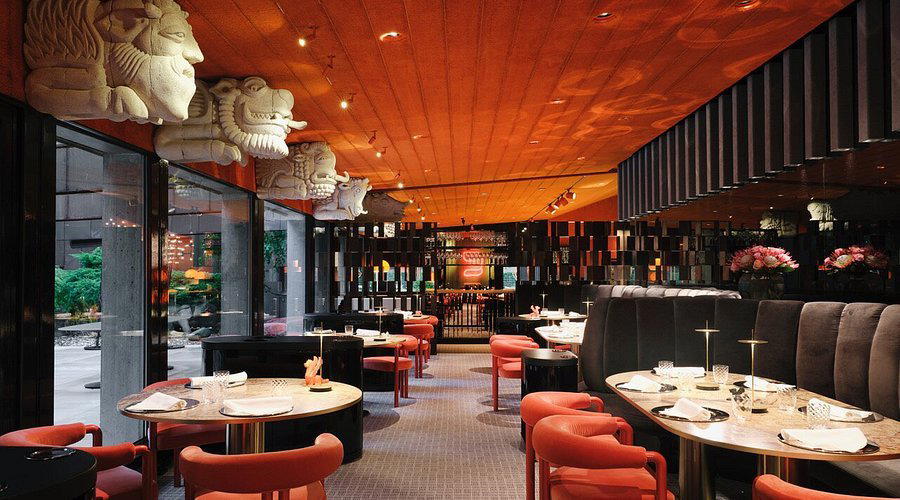
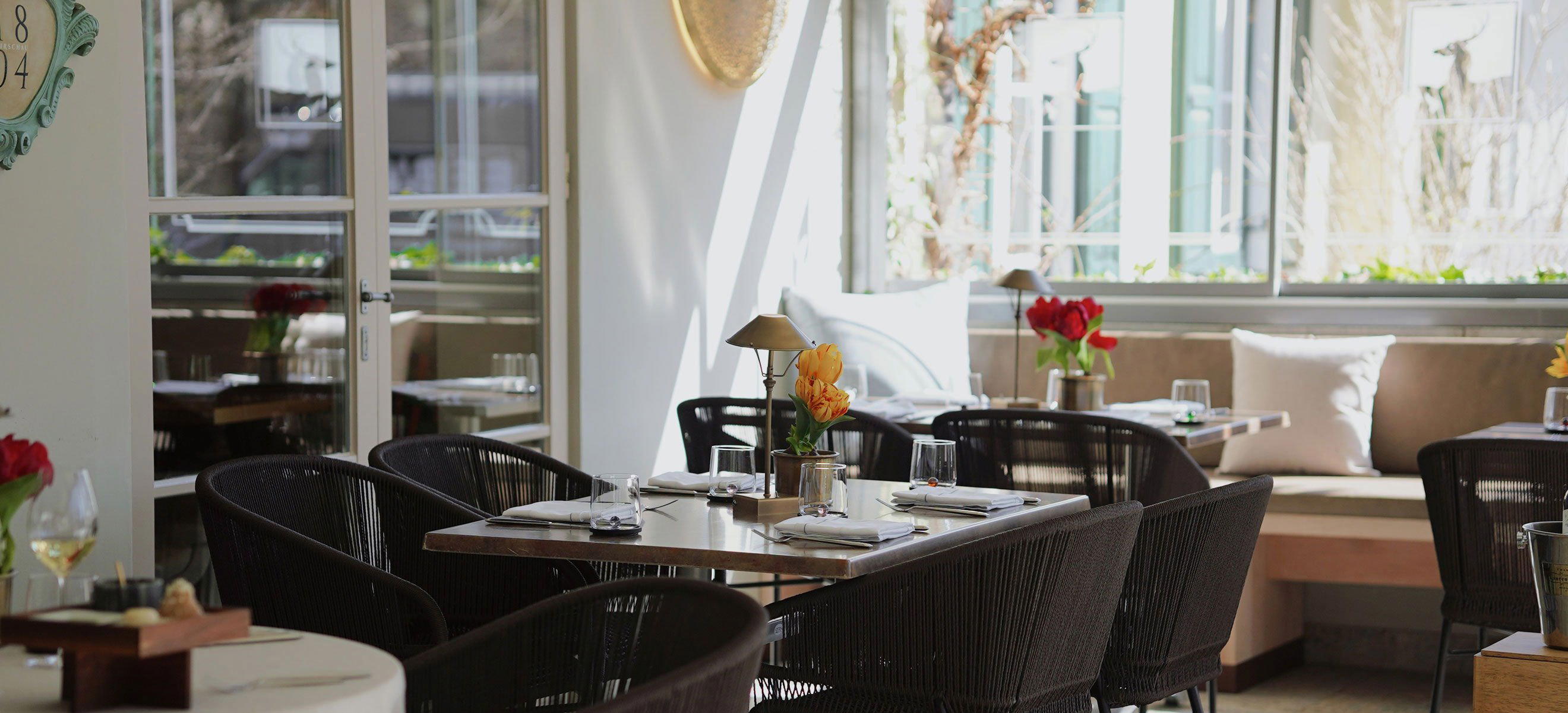
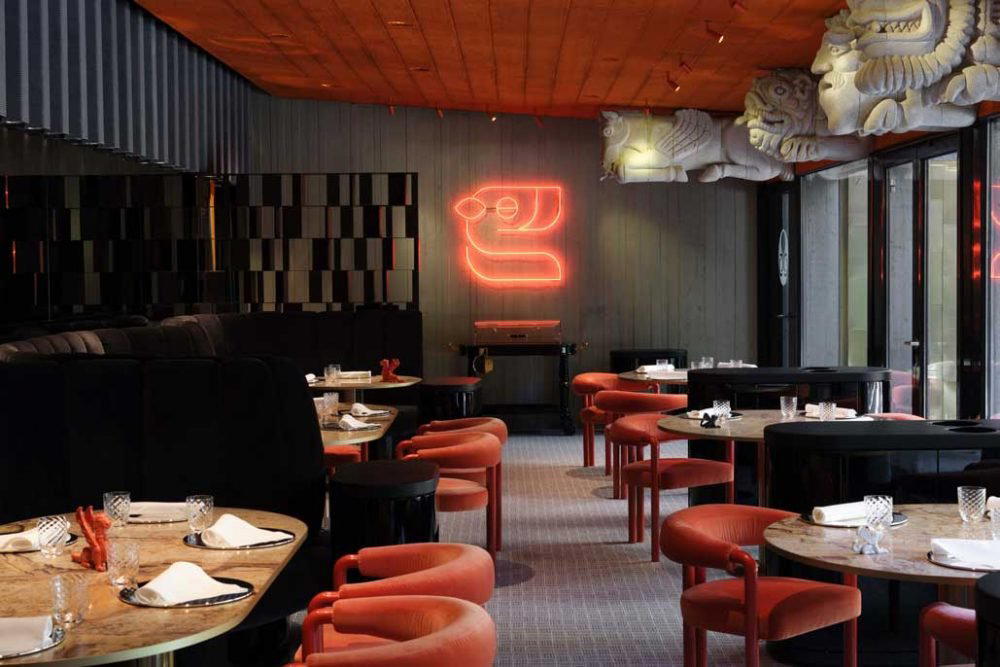
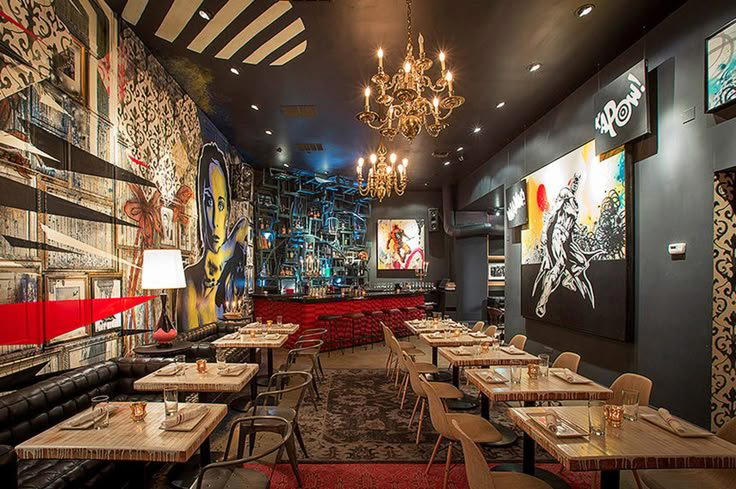
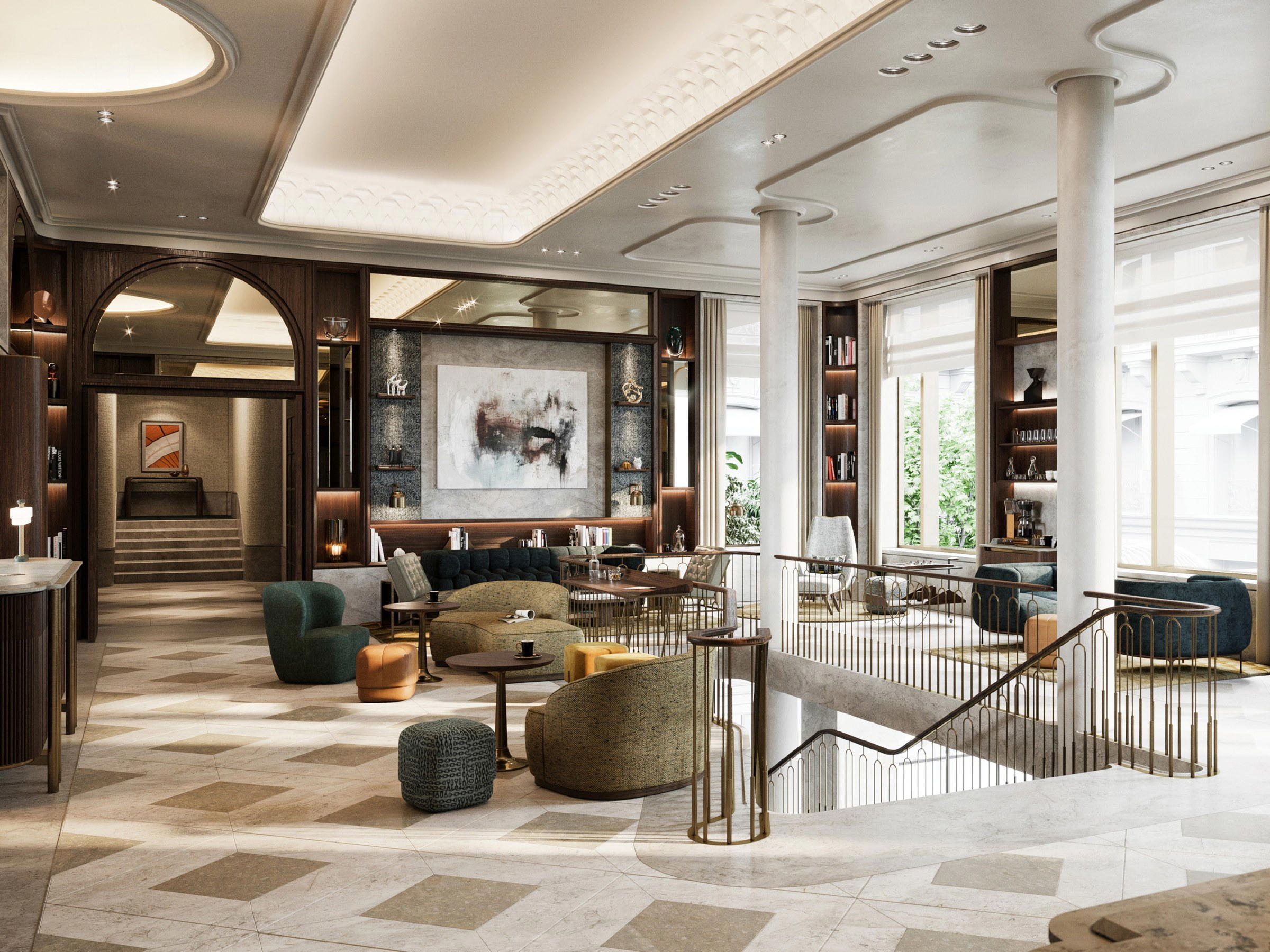
Elegant and spacious dining room with light, airy atmosphere, tasteful decor including velvet chairs, golden lamps, and crisp linens; relaxed yet refined.