


1 Michelin Star · La Liste Top Restaurants · Falstaff Restaurant - 96 Falstaff Points
Our verdict
Tantris DNA occupies the second room of Munich's most storied fine dining address, where half a century of house classics meets current kitchen ambition under chef Benjamin Chimura. Holding one Michelin star and recognised by La Liste 2026, the format is prix fixe, the wine list ranks among Germany's deepest, and service is professional without formality. Open Wednesday through Saturday for lunch and dinner.

Pearl is the En Primeur Club membership app, where members save venues, book tables and use the concierge.
The menu
What to order
- Sea bass à la ligne in pastry with caviar and Normande sauce
- Quenelles de brochet et écrevisses à la Nantua
- Boeuf Rossini in shortcrust pastry
- Chocolate mousse
- Pithiviers
The Weight of a Room
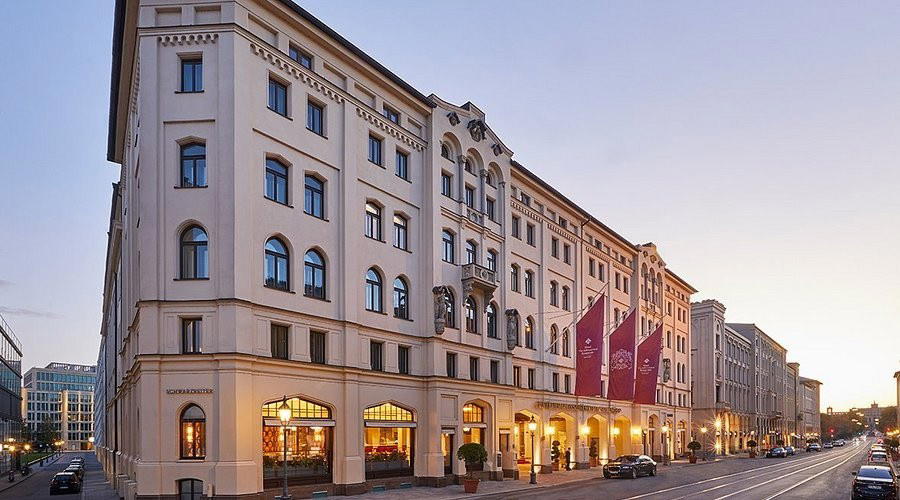
Approach Johann-Fichte-Straße 7 in Schwabing and you are walking toward one of the densest concentrations of fine dining history in Germany. The Tantris address has operated at the top of Munich's restaurant hierarchy since 1971, a run that makes it a generational reference point for how serious cooking in this city has developed. Within that address, Tantris DNA is the second room: a distinct format that sits alongside the flagship Tantris rather than beneath it, drawing on the same institutional archive while running its own menu logic.
The division between the two rooms is editorial as much as spatial. Where the flagship carries the full weight of its prix fixe heritage in an unaltered direction, DNA was conceived as the space where that archive is opened up, reread, and occasionally rewritten. The result is a format that will interest anyone who finds pure classicism satisfying but wants to see where a kitchen's current thinking diverges from the received canon.
The Logic of the Prix Fixe Here
Multi-course structured dining dominates Munich's upper tier. At Alois - Dallmayr Fine Dining, the format signals creative ambition in a historic retail building. At Atelier, it frames a French-inflected contemporary voice. At Tohru in der Schreiberei, the sequence mediates between German and Japanese cooking logic. Each of these approaches the prix fixe as a curatorial act: the kitchen decides the argument, the diner follows it.
Tantris DNA uses the same format with a specific internal tension as its subject. The menu positions five decades of house classics alongside new creations, which means the sequence is, in structural terms, a dialogue between what this kitchen has always done and what it is doing now. That is a rarer editorial choice than it might appear. Most restaurants with significant history either archive it entirely or abandon it for forward momentum. The DNA format treats the archive as active material rather than sentiment.
La Liste's 2026 assessment, which awards the restaurant 79 points and notes the format explicitly, describes dishes such as sea bass à la ligne in pastry with caviar and Normande sauce as evidence of premium ingredient quality. That dish, a classic French preparation demanding precise timing and technical restraint, illustrates where the menu sits: it is not experimental in the disruptive sense, but it is not merely conservative either. The technique is grounded in classical French tradition, the sourcing is current, and the interpretation belongs to the kitchen as it exists now under chef Benjamin Chimura.
Classical French Cooking in a German City
Munich's relationship with classical French cuisine runs deeper than most German cities. The Tantris address itself helped establish that connection in the early 1970s, at a moment when serious French cooking in Germany was concentrated in a handful of rooms, several of them in the south. The tradition has since broadened and fractured: Schwarzwaldstube in Baiersbronn and Restaurant Bareiss, also in Baiersbronn, carry that classical lineage in Baden-Württemberg. Vendôme in Bergisch Gladbach and Aqua in Wolfsburg represent other nodes of French-influenced high-end cooking across Germany. Restaurant Haerlin in Hamburg holds its position in the north. Against that national spread, Tantris DNA occupies a particular position: it is the room in Munich where the French classical tradition is not merely honoured but is materially present in the archive that the kitchen cites.
For comparison outside Germany, Brasserie Les Trois Rois in Basel represents classical French cooking in the German-speaking world from a different institutional angle, anchored in Swiss hotel tradition rather than stand-alone restaurant culture. The contrast is instructive: Tantris DNA operates without hotel infrastructure, which places the entire weight of the experience on the kitchen, the service, and the wine program.
What the Wine Program Signals
La Liste's note that the wine list is among the finest in Germany is a credential that deserves consideration on its own terms. A wine list of that standing at a restaurant this size implies decades of deliberate acquisition. The specific mention of Burgundy labels points toward a cellar that engages seriously with the part of France most directly connected to the cooking tradition on the plate. In practical terms, it also means the wine program functions as an argument for the food pairing rather than a supplement to it. Diners who approach the prix fixe with a pairing in mind will find that the list was built with exactly that possibility as a structural priority.
For reference across the broader restaurant scene, CODA Dessert Dining in Berlin and ES:SENZ in Grassau represent the range of approaches to beverage programs at Germany's Michelin-recognised restaurants. The depth signalled by Tantris DNA's list places it in a different category: a cellar that has compounded over time rather than been assembled for current effect.
Service as Architecture
La Liste's assessment of the front-of-house team as attentive, cordial, and professional but not stuffy identifies one of the persistent tensions in formal restaurant service. At this price tier, across all of Munich's leading rooms, the risk is that formality hardens into distance. The assessment suggests that Tantris DNA has resolved that tension in favour of hospitality over protocol, which in practice means the structured meal is supported rather than policed by the people delivering it. That matters in a prix fixe context because the diner has already surrendered choice to the kitchen: the service team's job is to make that surrender feel like collaboration rather than submission.
The broader Munich fine dining context supports this reading. JAN represents another room in the city where a structured format depends on service alignment to function as intended. The general direction across Munich's upper-tier restaurants has moved away from the formal distance that characterised European fine dining in an earlier decade, toward professional warmth as a defining quality.
Planning a Visit
Tantris DNA operates Wednesday through Saturday, with both lunch and dinner service. Lunch runs from noon to 4 pm; dinner from 6:30 pm to midnight. The restaurant is closed Sunday through Tuesday, which is standard for kitchens operating at this intensity. The address is Johann-Fichte-Straße 7, 80805 München, in the Schwabing district, a neighbourhood that carries more restaurant history per block than most Munich postcodes. The price tier is €€€€, consistent with the other rooms in the Tantris Maison Culinaire and with peer restaurants including Tohru in der Schreiberei and Atelier. Reservations at this level in Munich typically require lead time of several weeks, particularly for Friday and Saturday dinner slots.
For those building a broader Munich itinerary, EP Club's guides to Munich restaurants, Munich hotels, Munich bars, Munich wineries, and Munich experiences map the full range of options across price tiers and categories.
Frequently asked questions
What dish is Tantris DNA famous for?
La Liste's 2026 assessment cites sea bass à la ligne in pastry with caviar and Normande sauce as a reference point for the kitchen's ingredient quality and classical French technical range. The menu at Tantris DNA draws on five decades of house classics from the broader Tantris archive, so it is less a single-dish destination than a room where the depth of that repertoire, reinterpreted by chef Benjamin Chimura, is the consistent draw. The one Michelin star (2024) and La Liste recognition confirm that the kitchen's execution across the menu is the primary reason to visit, not any single preparation in isolation.
In Context: Similar Options
| Venue | Cuisine | Price | Awards | Notes |
|---|---|---|---|---|
| Tantris DNAThis venue (the venue you are viewing) | Classic French Fine Dining | $150–200 | 1 Michelin Star · La Liste Top Restaurants | Not listed |
| Tantris | Modern French Fine Dining | $300–500 | 2 Michelin Stars · World's 50 Best #73 | Modern French, French Contemporary |
| Tohru in der Schreiberei | Modern Japanese-European Fusion Fine Dining | $300–500 | Michelin Plate · La Liste Top Restaurants | Modern German - Japanese, Modern Cuisine |
| Alois - Dallmayr Fine Dining | Modern Bavarian Fine Dining with French and Nordic Influences | $300–500 | 2 Michelin Stars · La Liste Top Restaurants | Creative |
| Atelier | Charcoal-Grilled French Tasting Menu with Oita Wagyu | $100–150 | Tabelog 100 #51 | Creative French |
| Acquarello | Modern Italian Fine Dining | $100–150 | 1 Michelin Star | Italian - Mediterranean, Italian |
Recognition history
Dated appearances from independent guides and award organizations, with the underlying list record or original source where available.
Michelin 1 Star
Michelin
La Liste Top Restaurants
La Liste
Falstaff Restaurant - 96 Falstaff Points
Falstaff
Full recognition history (5 entries)
Michelin 1 Star
Michelin
Michelin 1 Star
Michelin
Continue exploring
More in Munich
Restaurants in Munich
All restaurants in Munich →
Bars in Munich
All bars in Munich →
Tantris DNA
The wine
- Wine program
- Deep wine list
- Extensive wine list
- Sommelier-led
Details
- Elegant
- Classic
- Sophisticated
- Well Known
- Date Night
- Special Occasion
- Celebration
- Business Dinner
- Garden
- Terrace
- Private Dining
- Historic Building
- Design Destination
- Extensive Wine List
- Sommelier Led
- Garden
- A La Carte
- Prix Fixe
- Burgundy Wines
- French Wine Selection
Current opening hours
- Monday
- Closed
- Tuesday
- Closed
- Wednesday
- 12–4 PM, 6:30 PM–12 AM
- Thursday
- 12–4 PM, 6:30 PM–12 AM
- Friday
- 12–4 PM, 6:30 PM–12 AM
- Saturday
- 12–4 PM, 6:30 PM–12 AM
- Sunday
- Closed
Hours can change for holidays and private events. Hours as of .
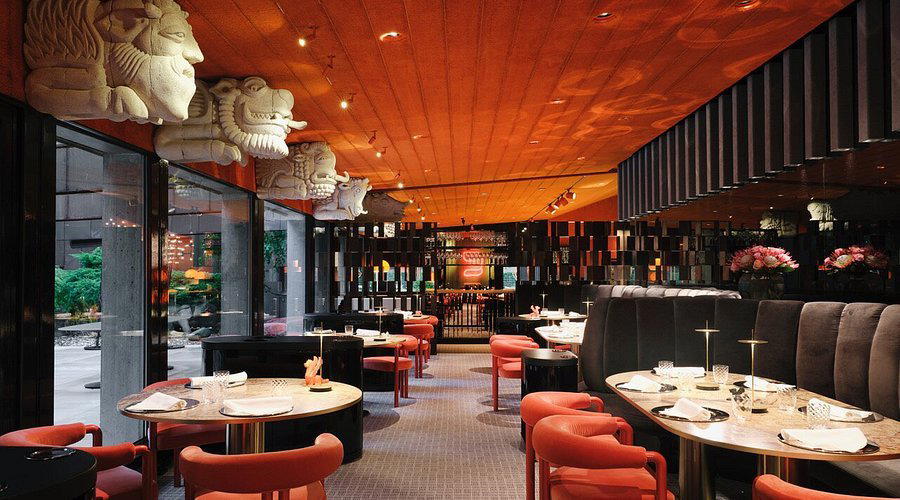
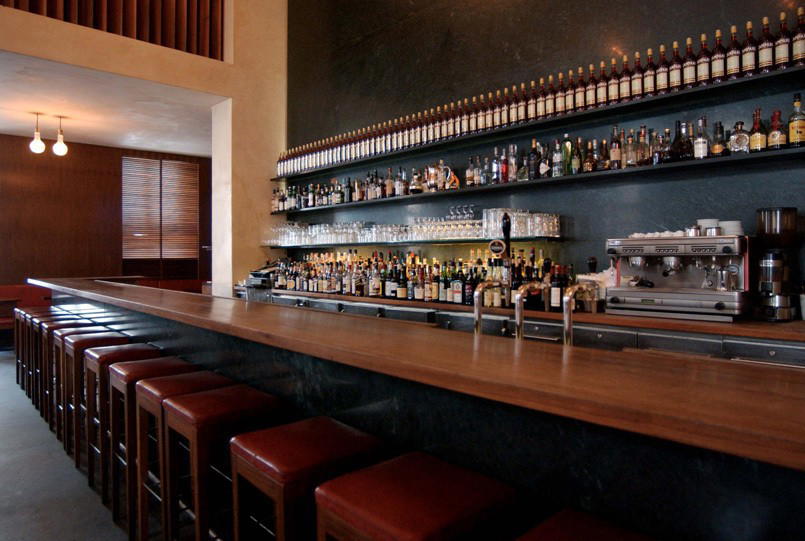
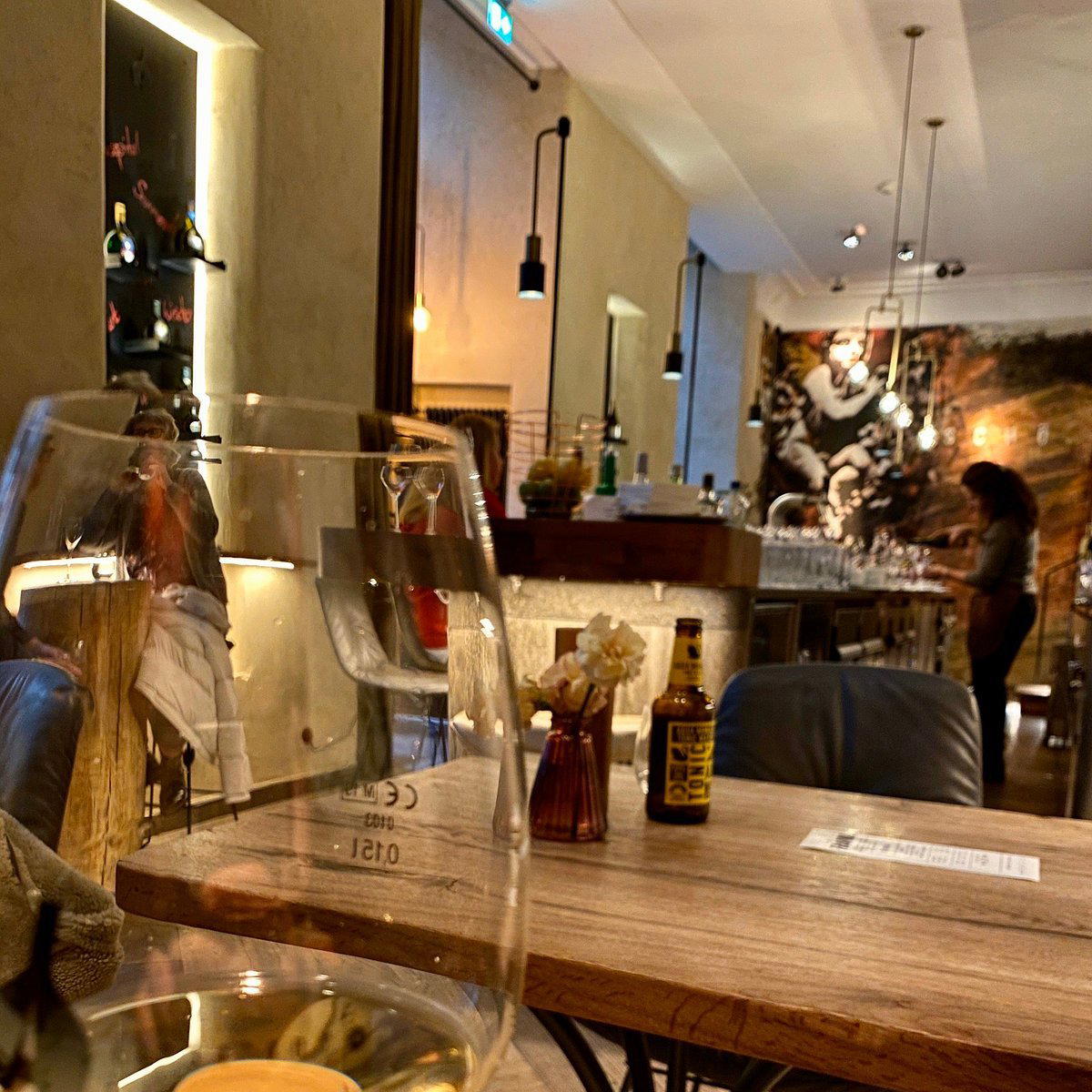
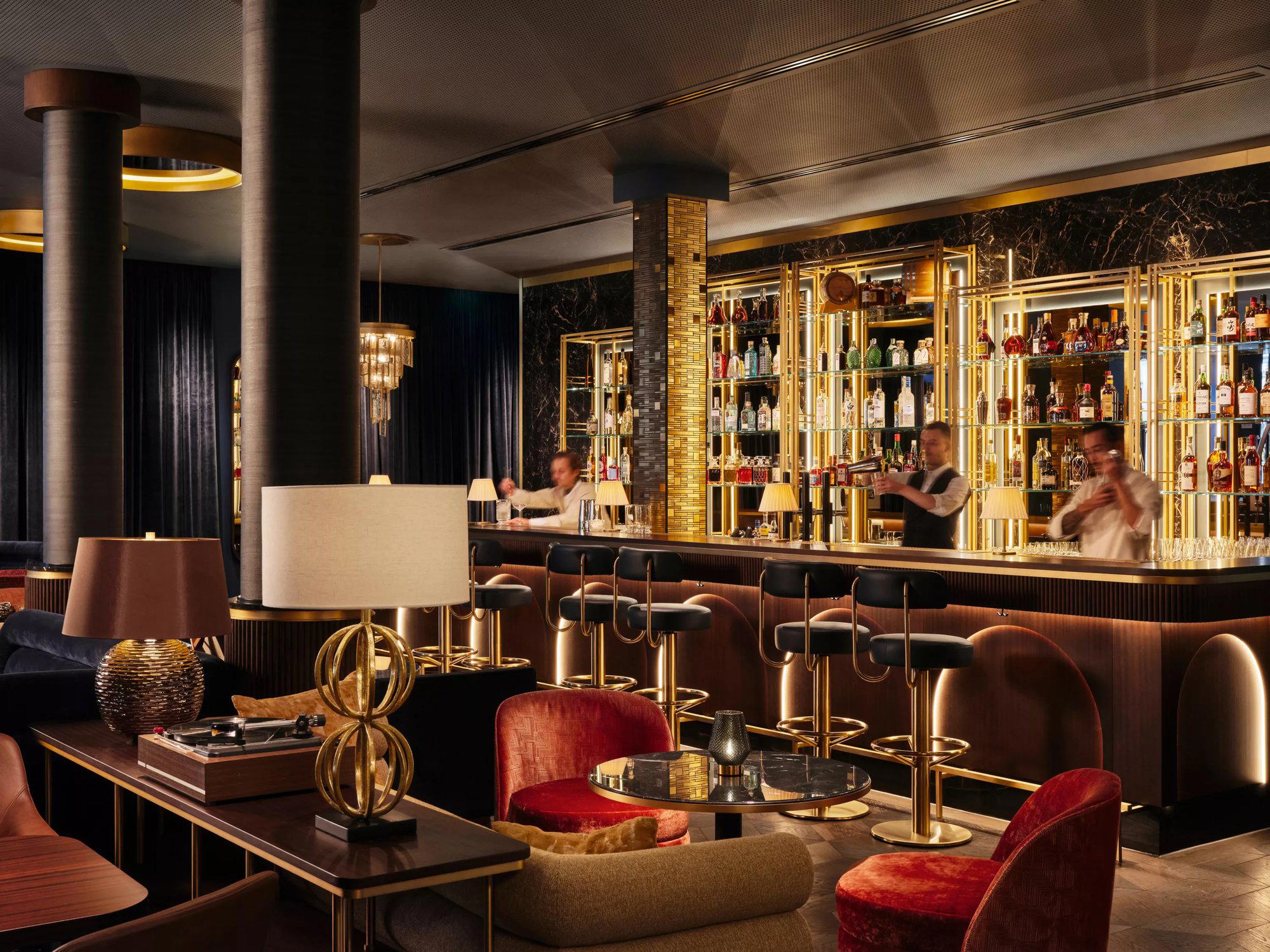
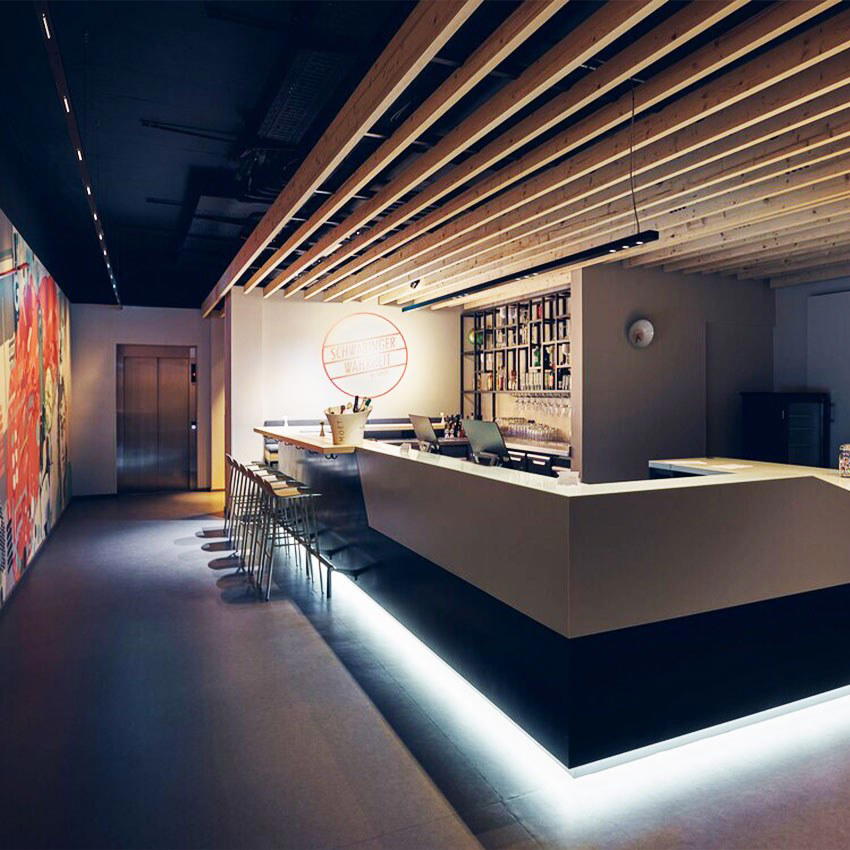
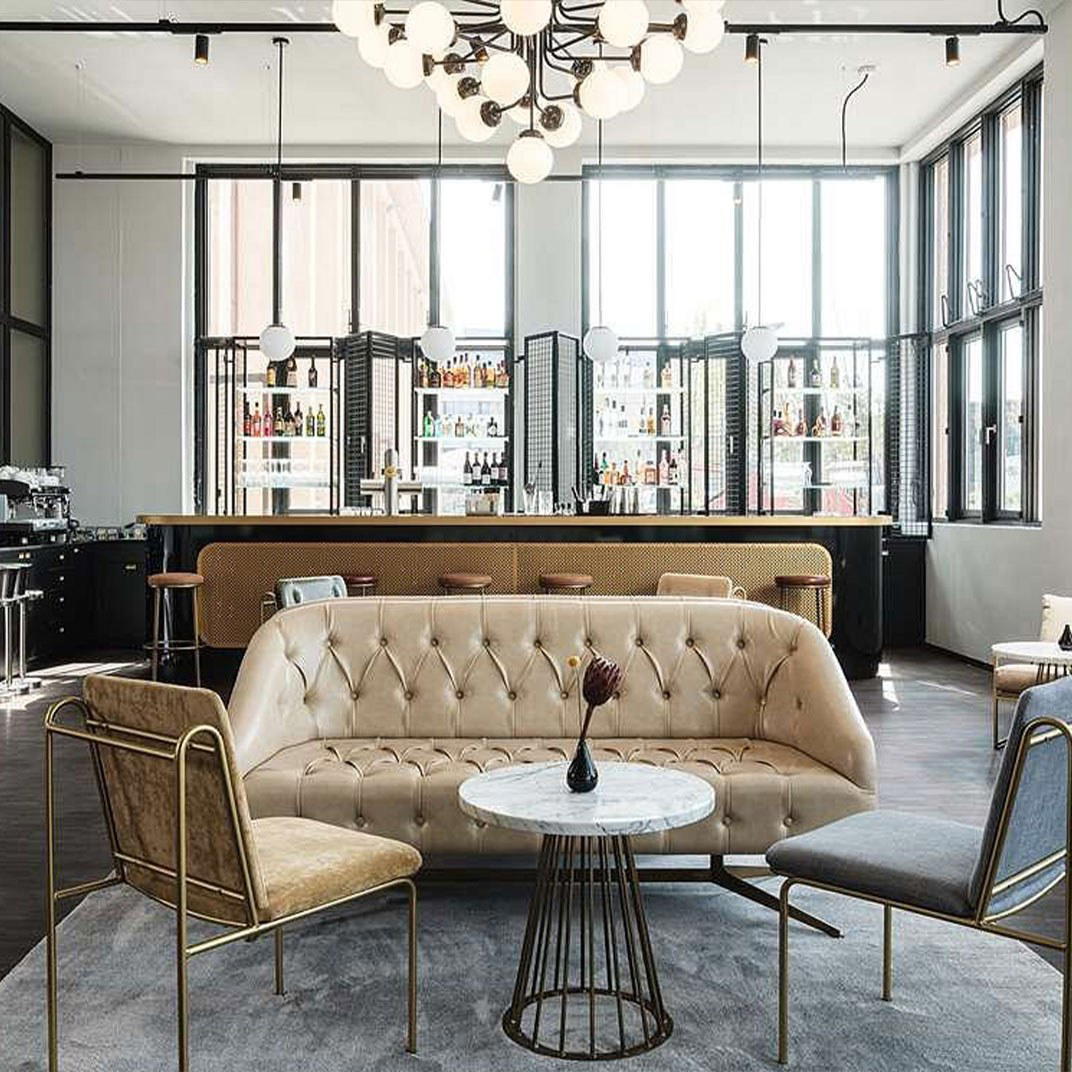
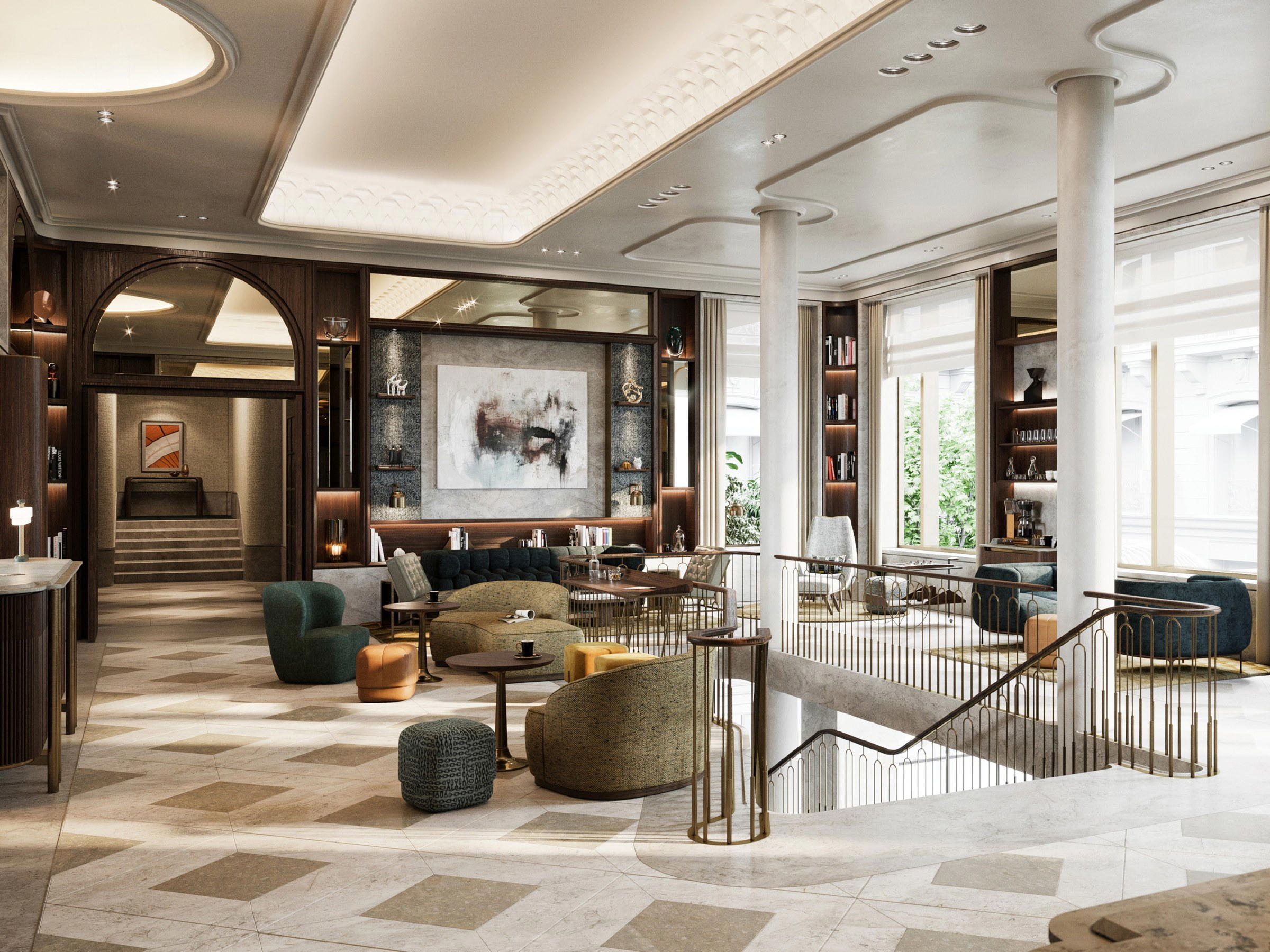
Noble 1970s aesthetic with modernized décor; intimate dining room with well-spaced tables overlooking a garden terrace; sophisticated yet relaxed atmosphere without stuffiness.