Cochinchina occupies a particular niche in Munich's Maxvorstadt district, where Vietnamese cooking traditions meet a city accustomed to precision at the table. Located on Kaiserstraße 28, the restaurant draws from Southeast Asian culinary heritage in a neighbourhood better known for its gallery culture and university crowd than for destination dining. For Munich diners looking beyond the city's dominant French and German fine-dining axis, it offers a distinct reference point.
Pearl is the En Primeur Club membership app — saves, bookings, and concierge access live there. Same editors, same standards.
- Address
- Kaiserstraße 28, 80801 München, Germany
- Phone
- +498938989577
- Website
- cochinchina.de
- Directions
- Get directions
 Saves & bookings on Pearl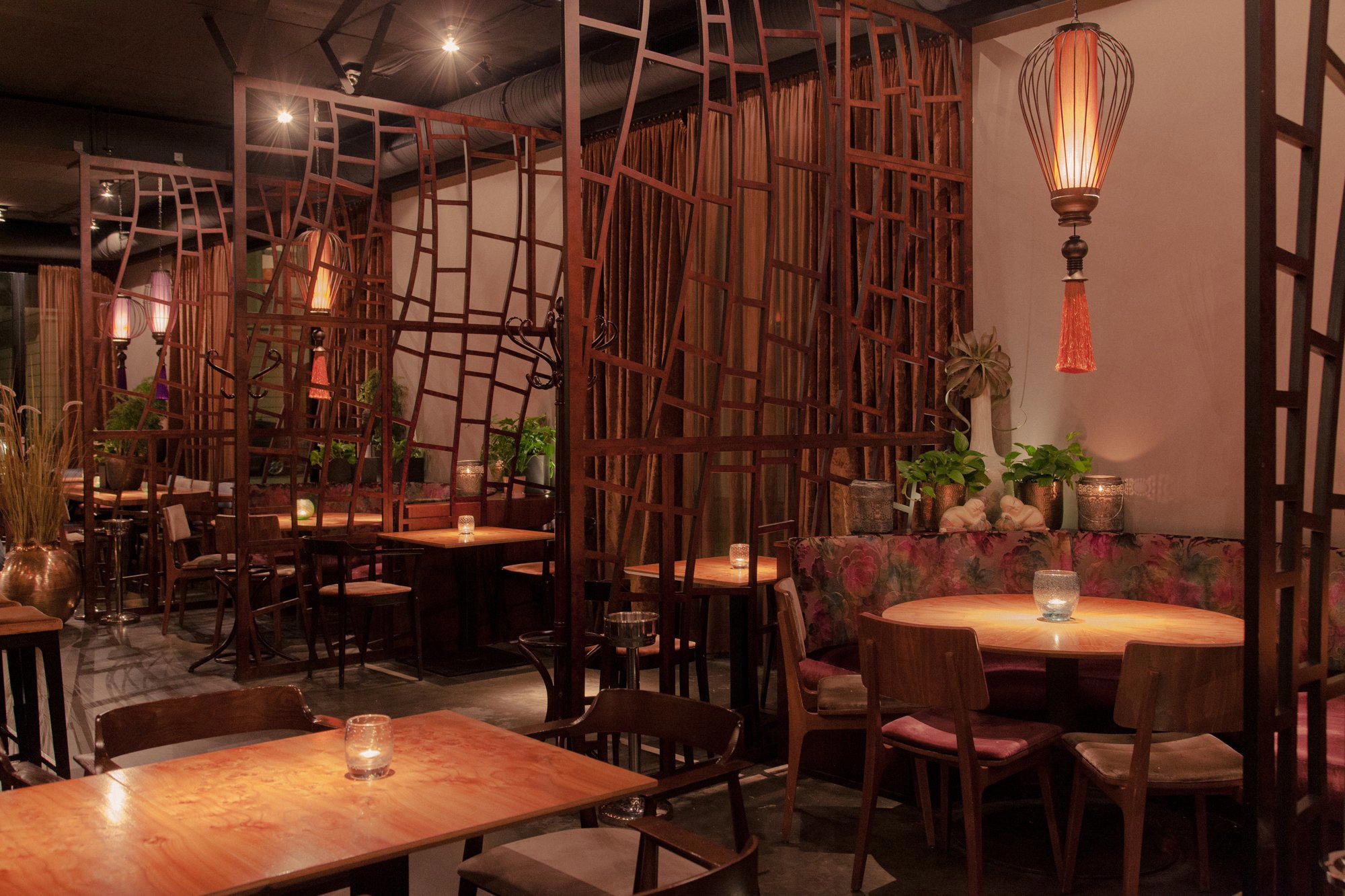
Kaiserstraße and the Case for Southeast Asian Sourcing in Munich
Munich's restaurant culture has long oriented itself around French technique and Bavarian produce. The city's decorated tables, from Tantris and Atelier to the creative precision of Alois - Dallmayr Fine Dining, have built their identities on European culinary architecture. Against that backdrop, a restaurant drawing on the cooking traditions of southern Vietnam occupies a genuinely different position. Cochinchina, at Kaiserstraße 28 in Maxvorstadt, operates in that space: Vietnamese food with the sourcing discipline and culinary seriousness that Munich diners have come to expect from the city's higher-register tables.
The name itself signals intent. Cochinchina was the colonial-era designation for southern Vietnam, encompassing what is now Ho Chi Minh City and the Mekong Delta region. That geography matters culinarily. Southern Vietnamese cooking is lighter and sweeter than its northern counterpart, relying on an abundance of fresh herbs, tropical produce, and coconut-inflected broths rather than the salt-forward, pho-centric profile associated with Hanoi. A restaurant named after that region is making a specific culinary commitment, not a generic pan-Asian one.
What the Address Tells You About the Dining Context
Maxvorstadt sits between Schwabing's café culture to the north and the city centre's denser commercial core to the south. The neighbourhood houses Munich's main university buildings, the Pinakothek museums, and a population comfortable with cultural specificity. It is not where Munich's most formal dining rooms have traditionally clustered, those tend to occupy hotel settings or the residential calm of Bogenhausen and Schwabing proper. A Vietnamese restaurant on Kaiserstraße is working with a different audience expectation: intellectually curious, experienced with international cooking, and less interested in ceremony than in substance.
That context shapes how ingredient sourcing functions as a signal. In a neighbourhood where the dining crowd skews international and well-travelled, provenance claims carry weight. Southeast Asian cooking at this level depends on supply chains that most German cities cannot easily support: specific varieties of Vietnamese mint, banana blossom, morning glory, and the fermented condiments, fish sauces, and shrimp pastes that give southern Vietnamese food its characteristic depth. Where those ingredients come from, and whether they are sourced with consistency, determines whether a kitchen is cooking the cuisine or approximating it.
The Sourcing Argument in German Vietnamese Cooking
Germany's Vietnamese restaurant scene has a distinctive history. A large Vietnamese community, particularly in the former East Germany, established a food culture that adapted over decades to local supply and local taste. Berlin, Leipzig, and Dresden developed their own Vietnamese restaurant traditions, often diverging significantly from the source cooking. Munich's Vietnamese dining scene developed along different lines, shaped by a smaller community and a city whose dining culture rewards precision over volume.
The restaurants that have distinguished themselves in this category across Germany tend to share a common characteristic: they treat sourcing as a non-negotiable rather than an aspiration. The difference between a fish sauce made from anchovies fermented in Phu Quoc for 12 months and a domestic substitute is measurable on the palate. The same applies to the herbs. Rau ram (Vietnamese coriander), la lot leaves, and perilla varieties do not have adequate substitutes in European produce markets. A kitchen committed to the cuisine either imports them or grows them. That logistical commitment is the foundation on which authentic southern Vietnamese cooking is built in a European context.
For Munich, which has shown appetite for exactly this kind of sourcing seriousness at tables like Tohru in der Schreiberei, where Japanese sourcing principles inform a German-Japanese hybrid approach, or at JAN, where provenance is central to the menu's identity, Cochinchina's positioning makes sense. The city has demonstrated it will pay attention to where food comes from when the kitchen gives it reason to.
How This Fits Munich's Broader Dining Development
Munich's fine dining scene has spent the last decade consolidating around a recognisable identity: technically serious, produce-focused, with strong French and German lineage. The Michelin-decorated end of the market is well-covered. What has been less developed is a mid-to-upper register of international cooking that takes its source cuisines as seriously as the city's European tables take theirs. That gap is where restaurants with genuine sourcing commitments, regardless of cuisine type, have room to build a distinct position.
Across Germany more broadly, the dining rooms that have earned sustained recognition, from Schwarzwaldstube in Baiersbronn and Aqua in Wolfsburg to the dessert-focused rigour of CODA Dessert Dining in Berlin, have in common a refusal to approximate. They work from primary ingredients and defined culinary logic. That standard, increasingly applied across cuisine categories and not only European ones, is what distinguishes a serious restaurant from a competent one. Internationally, the same principle holds at reference points like Le Bernardin in New York City, where sourcing rigour defines the entire operation, or the community-embedded model of Lazy Bear in San Francisco.
Cochinchina's address in Maxvorstadt places it within walking distance of a substantial university and arts population. That audience, combined with Munich's general dining sophistication, creates conditions where a Vietnamese restaurant with genuine sourcing credentials can build a following on culinary merit rather than novelty alone.
Category Peers
Comparable venues nearby, for context on price, style, and recognition.
| Venue | Cuisine | Price | Notes |
|---|---|---|---|
| CochinchinaThis venue — the venue you are viewing | Modern Vietnamese Fine Dining | $$$ | Not listed |
| ChuChin | Modern Vietnamese | $$$ | Haidhausen |
| Jack Glockenbach | Authentic Vietnamese | $$ | Isarvorstadt |
| DuDu | Authentic Vietnamese | $$ | Isarvorstadt |
| Ca Go Restaurant | Vietnamese Fusion | $$ | Theresienwiese |
| An An Vietnamese Cuisine | Vietnamese Fine Cuisine | $$ | Neuhausen |

At a Glance
- Trendy
- Elegant
- Modern
- Intimate
- Date Night
- Special Occasion
- Group Dining
- Open Kitchen
- Craft Cocktails
Current opening hours
- Monday
- 11:30 AM–3 PM, 5:30–11:30 PM
- Tuesday
- 11:30 AM–3 PM, 5:30–11:30 PM
- Wednesday
- 11:30 AM–3 PM, 5:30–11:30 PM
- Thursday
- 11:30 AM–3 PM, 5:30–11:30 PM
- Friday
- 11:30 AM–3 PM, 5:30–11:30 PM
- Saturday
- 11:30 AM–3 PM, 5:30–11:30 PM
- Sunday
- 11:30 AM–3 PM, 5:30–11:30 PM
Hours can change for holidays and private events. Last verified .
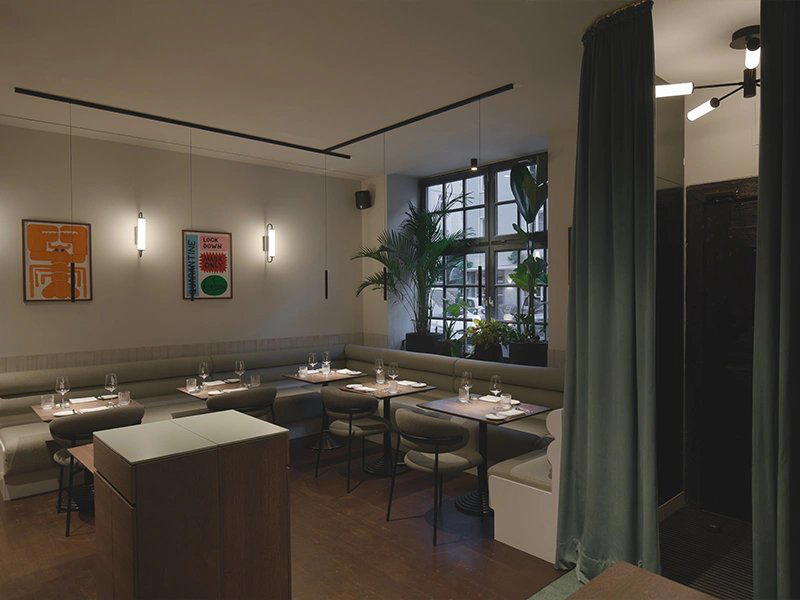
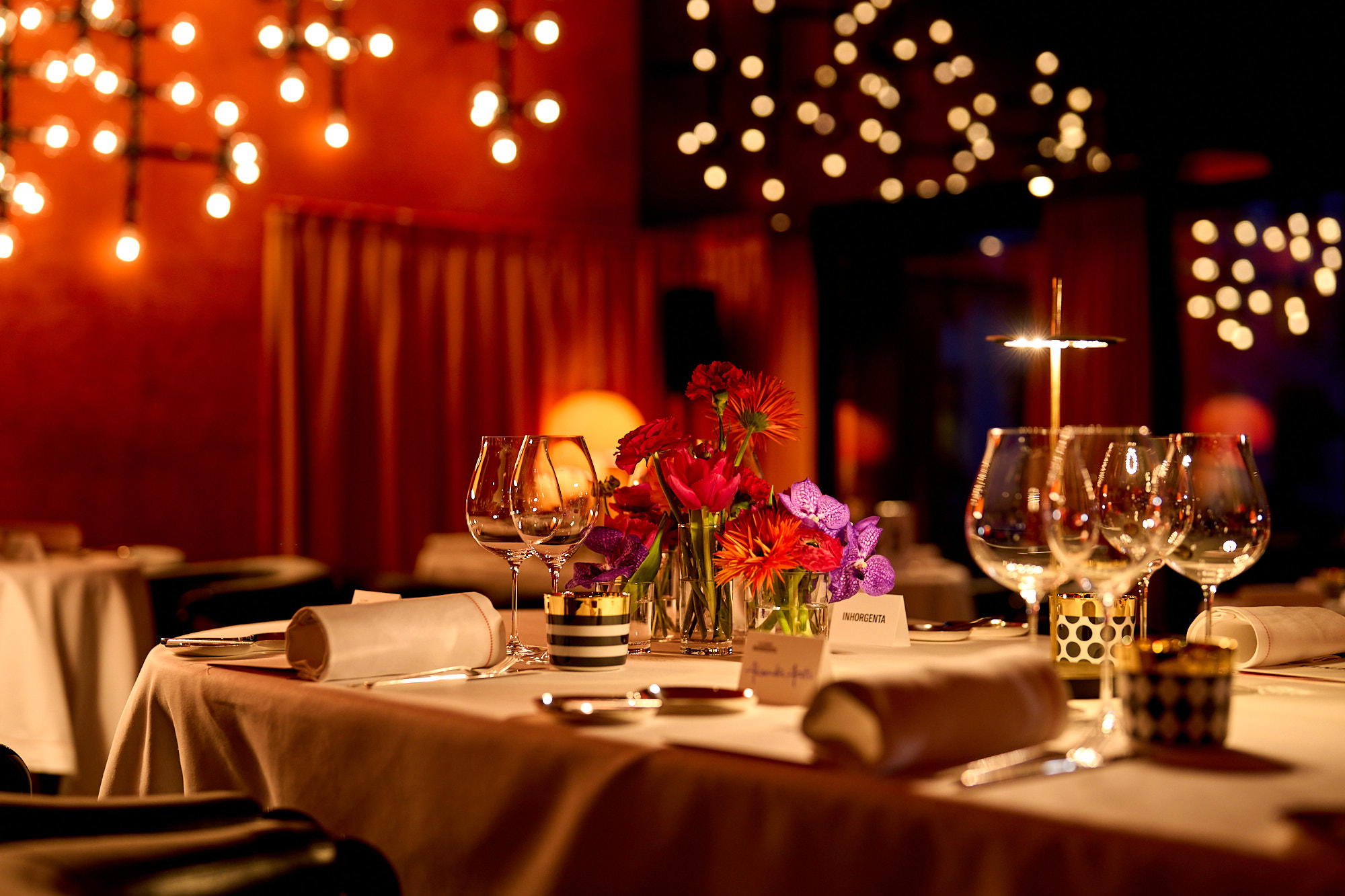
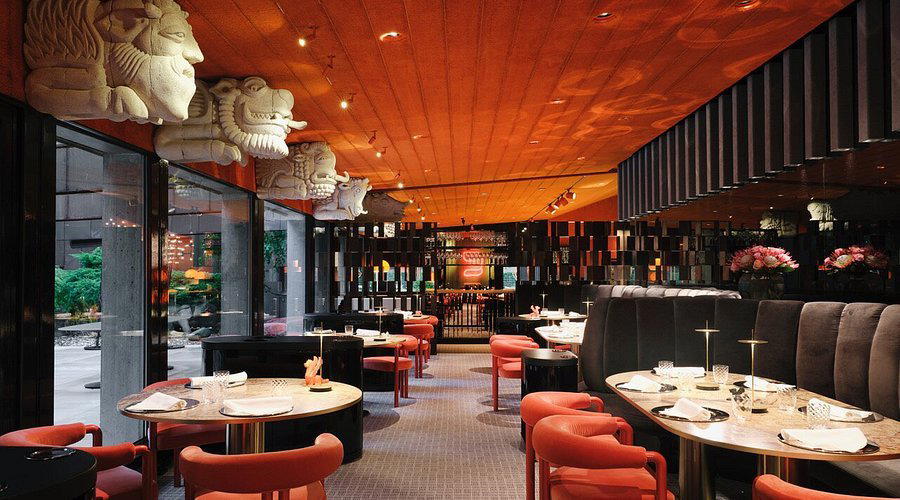
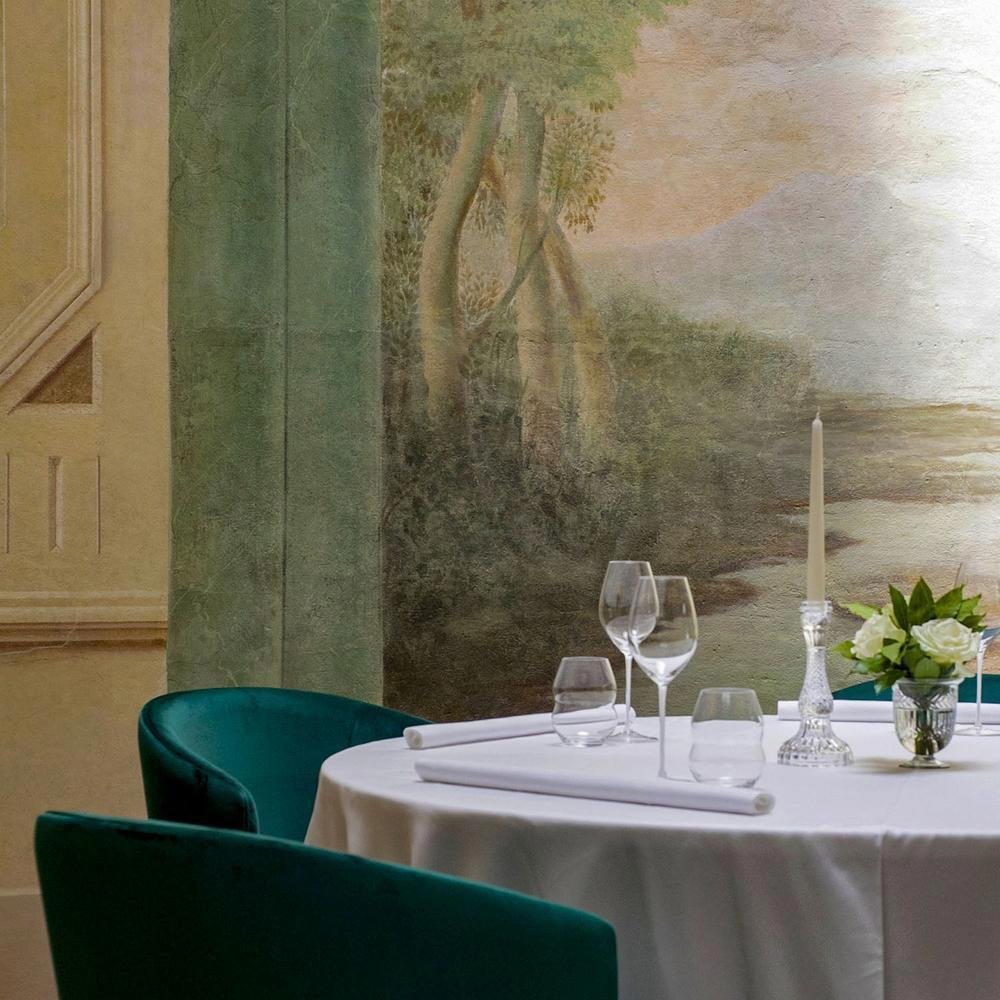
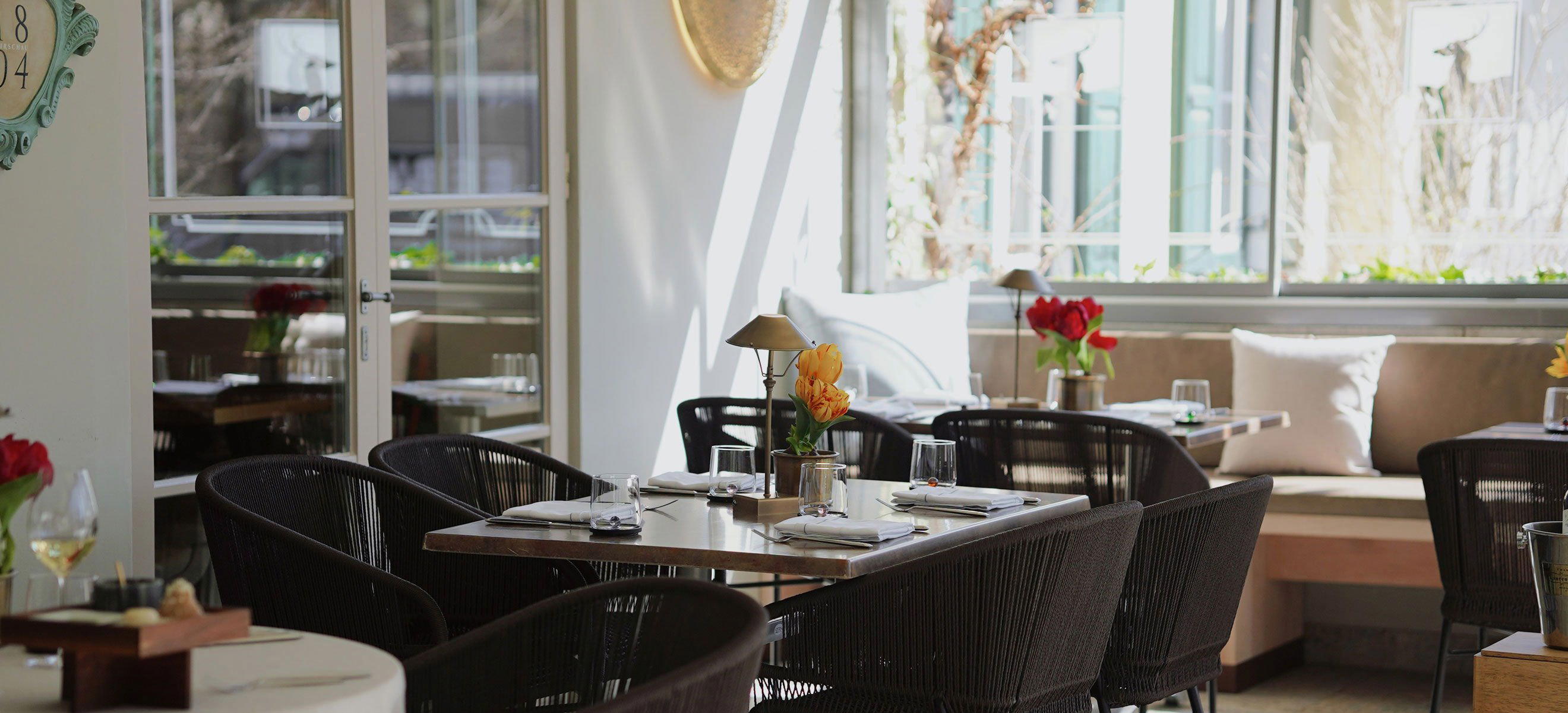
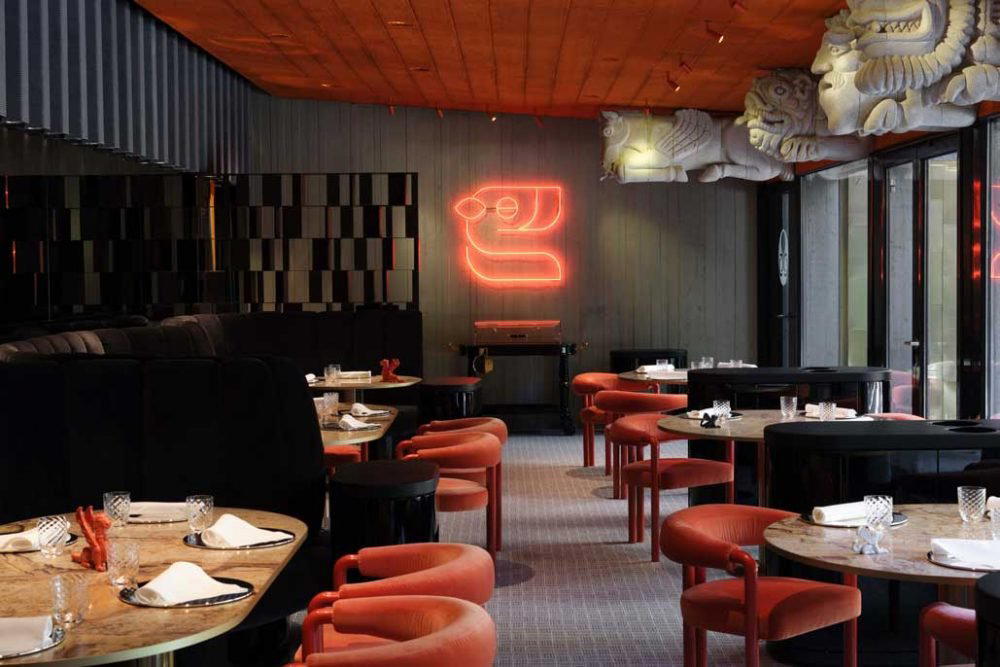
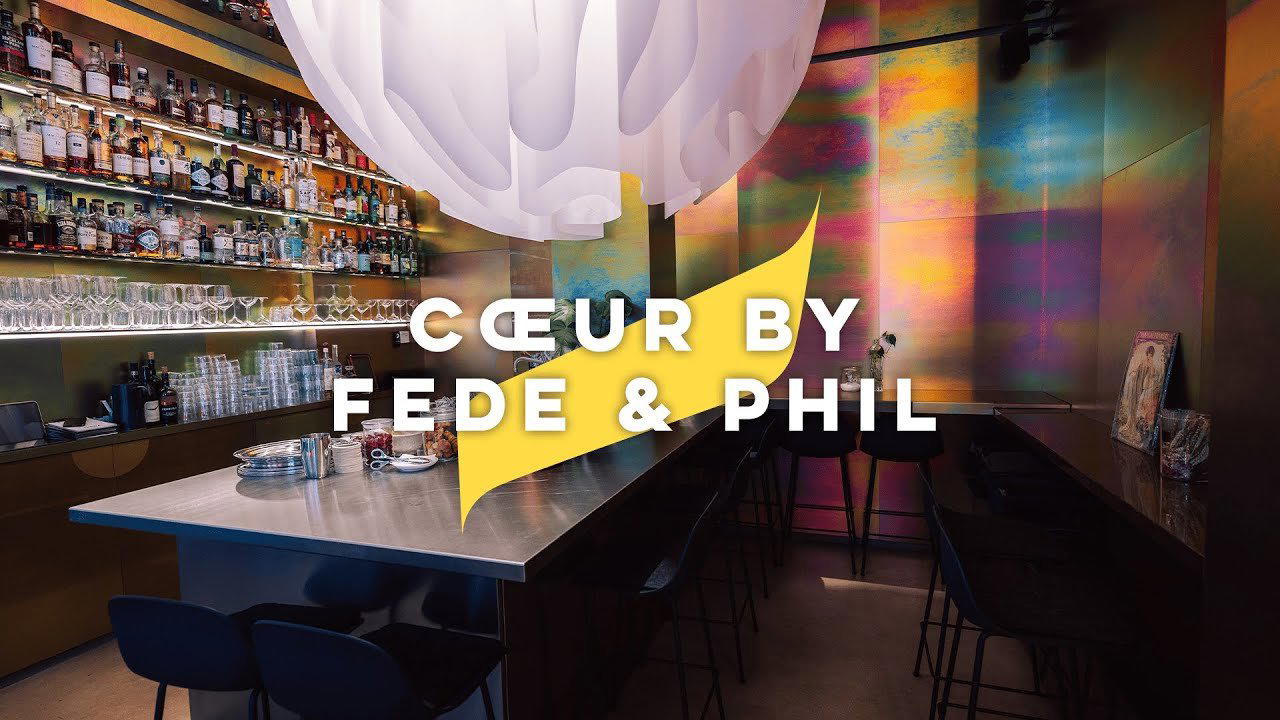
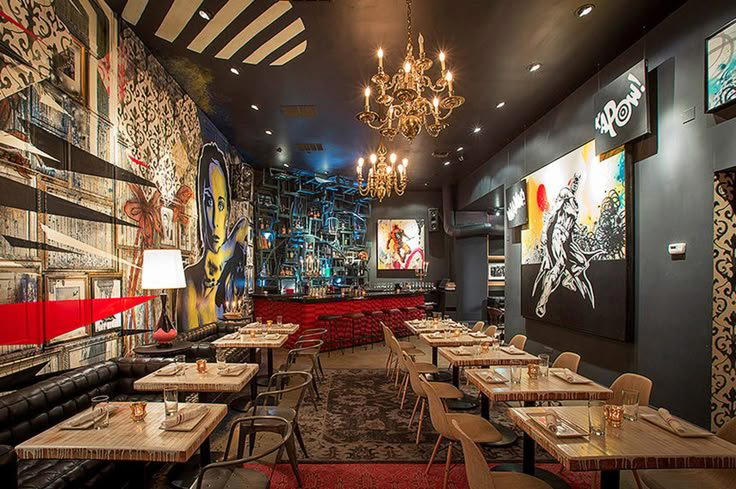
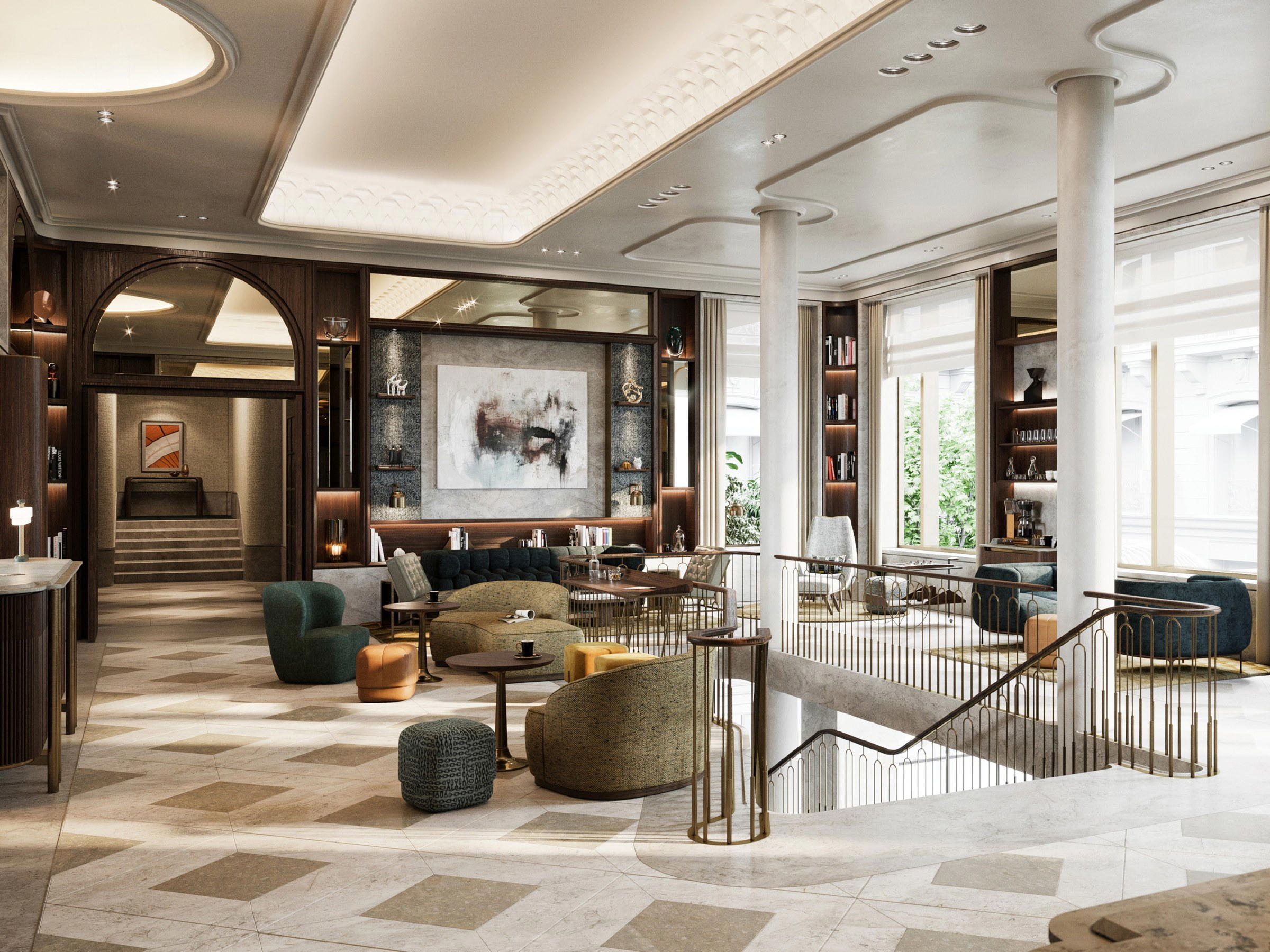
Trendy, moodily-lit modern interior with stylish decor, though can feel crowded and noisy during peak times.