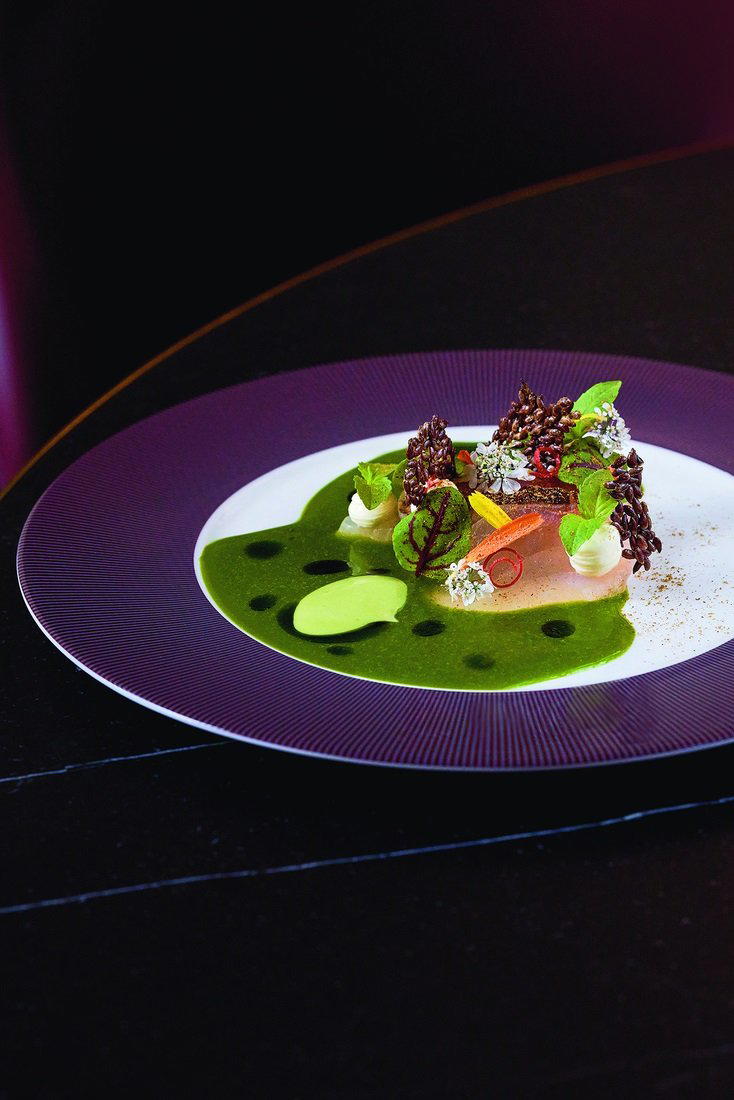
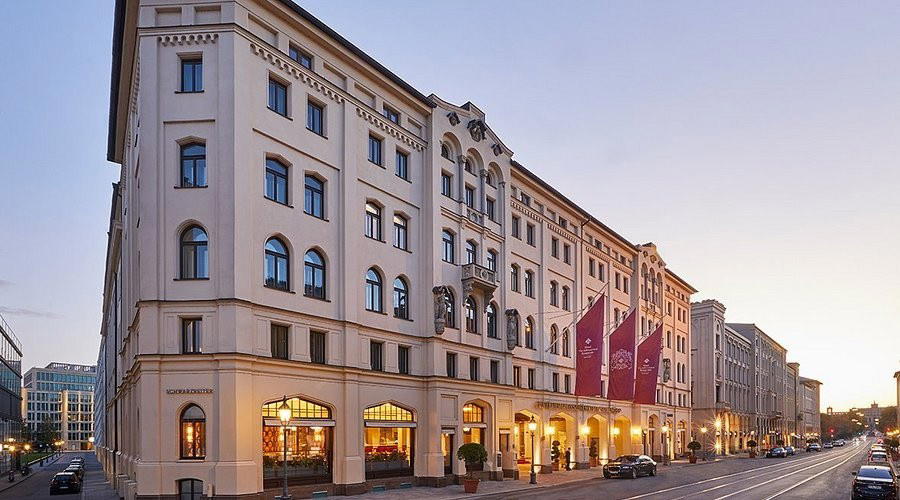
MONA serves Modern Italian Fusion at Rosenheimer Str. 15 in Munich, with an extensive wine list, a leisurely pace, and an upscale casual room inside a Hilton hotel.
Pearl is the En Primeur Club membership app — saves, bookings, and concierge access live there. Same editors, same standards.
- Address
- Rosenheimer Str. 15, 81667 München, Germany
- Phone
- +498944249500
- Website
- mona-restaurant.de
- Directions
- Get directions
 Saves & bookings on Pearl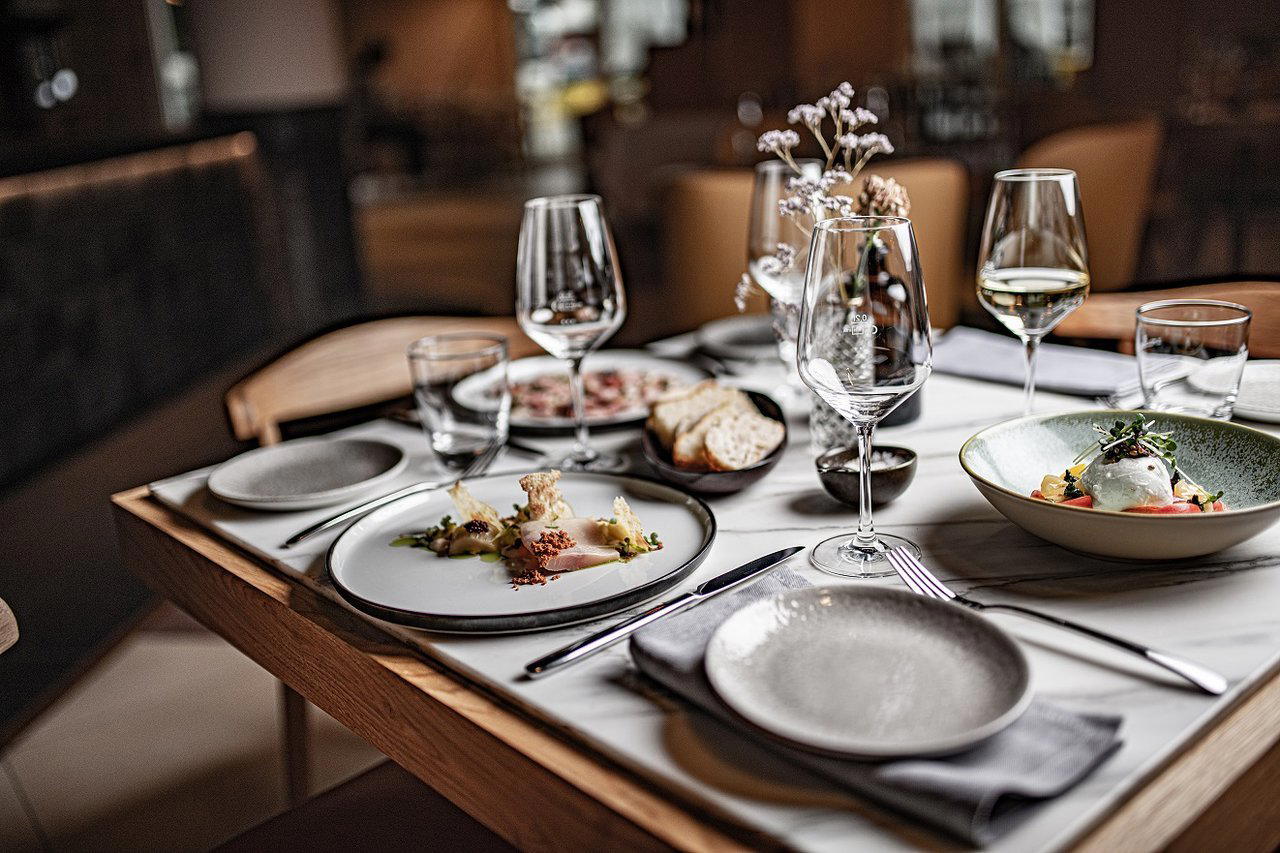
Haidhausen, After Dark
MONA is a restaurant in Munich, Germany, serving Modern Italian Fusion at a price tier around $60 per person. Rosenheimer Strasse cuts through Haidhausen with the matter-of-fact confidence of a neighbourhood that knows its worth. East of the Isar, away from the Altstadt's tourist circuits and the formal dining rooms clustered around Maximilianstrasse, this stretch of Munich has developed its own rhythm: creative industries by day, a considered restaurant and bar scene by night. MONA occupies a position on that street that places it squarely within Haidhausen's character rather than at a remove from it. The address, 15 Rosenheimer Strasse, sits in a district where the city's appetite for serious eating intersects with a preference for rooms that feel lived-in rather than stage-managed.
Haidhausen earned its contemporary reputation partly by resisting the annexation of the international hotel-restaurant complex and partly by absorbing a dense network of independent operators. That resistance matters in a city where fine dining can tip quickly toward ceremony. Munich's top tier, represented by addresses like Tantris or Atelier, tends toward the formal-room tradition. Haidhausen offers an alternative gravitational pull, and MONA enters that conversation from a position of neighbourhood alignment rather than deliberate contrast.
Where Munich Eats in Munich
Munich's dining scene in 2024 is defined less by one dominant style than by a productive tension between the Michelin-weighted formality of its established rooms and the looser, more exploratory format of newer entrants. Tohru in der Schreiberei fused German and Japanese technique into a format that placed it outside the usual category sorting. Alois at Dallmayr used its historic address to frame a creative tasting menu with deliberate institutional weight. JAN carved out a position in the creative tier by keeping the room intimate and the sourcing explicit. Each of these sits within the €€€€ bracket and draws a similar audience: Bavarian residents comfortable spending at fine-dining price points, and an increasing share of visitors arriving specifically for the restaurant.
MONA's place in this field is defined by geography as much as format. Haidhausen is not where Munich's Michelin establishment concentrated, and that positioning shifts what a restaurant here is competing for. The comparable set is not Tantris or the formal Altstadt rooms but a collection of neighbourhood operations that serve as the city's everyday serious dining. In most major European cities, this intermediate tier, located in residential-adjacent districts, functions as reliably good dining, because it depends on repeat local custom rather than destination traffic. That is the pressure MONA operates under, and it is a demanding one.
The Scene on Rosenheimer Strasse
The eastern arc of the Isar, from the Gasteig cultural centre south toward the Au district, has accumulated enough restaurants, wine bars, and independent cafes in the past decade to function as a coherent food neighbourhood rather than a collection of individual stops. Rosenheimer Strasse is its central axis, and the dynamics here reward walking. Restaurants positioned along this stretch benefit from foot traffic that is largely local and largely purpose-driven; people arriving from the Ostbahnhof or crossing the Isar from Bogenhausen tend to know where they are going.
That specificity of audience shapes what operators on this street do well. Format experimentation is more feasible when a reliable local base reduces the pressure to explain concepts. Ingredient-led menus are more sustainable when the customer already trusts the sourcing before reading the menu note. Whether MONA leans into any of these neighbourhood dynamics specifically is something the room's booking patterns and returning-guest ratio would clarify more than exterior observation. What the address signals, in categorical terms, is alignment with a district that rewards quality and penalises mediocrity more efficiently than tourist-heavy zones do.
Germany's Broader Fine Dining Geography
Munich does not operate in isolation from Germany's wider restaurant hierarchy. The country's starred dining skews toward smaller cities and regional hotel properties in a way that surprises visitors expecting concentration in the major urban centres. Aqua in Wolfsburg, Schwarzwaldstube in Baiersbronn, and Vendôme in Bergisch Gladbach carry three stars each while remaining attached to hotel or resort properties far from any major city. Waldhotel Sonnora in Dreis, Schanz in Piesport, and Victor's Fine Dining by Christian Bau in Perl follow the same dispersed logic. Even in Berlin, the format innovation that has drawn international attention at places like CODA Dessert Dining operates outside the traditional tasting-menu format entirely.
Munich sits within this geography as a city with meaningful fine-dining density but a market that also values neighbourhood dining without ceremony. ES:SENZ in Grassau draws Munich-adjacent diners willing to travel south for a starred experience in the Alpine foothills, which itself says something about how the region calibrates dining ambition against setting. Restaurant Haerlin in Hamburg and Bagatelle in Trier each occupy specific positions within Germany's distributed dining scene. MONA enters this ecosystem from the Haidhausen position: urban, neighbourhood-embedded, and operating without the resort backdrop that anchors several of Germany's most decorated rooms.
For context beyond Germany, Le Bernardin in New York City and Atomix in New York City represent the kind of sustained critical recognition that comes from combining neighbourhood rootedness with format clarity. The comparison is instructive less as a claim of equivalence than as a frame for what serious neighbourhood dining can achieve over time.
Know Before You Go
District: Haidhausen, east of the Isar
Nearest transport: Rosenheimer Platz (S-Bahn) or Ostbahnhof, both within walking distance
Price range: About $60 per person
Hours: Mon: 12-3 PM, 5:30-11 PM; Tue: 12-3 PM, 5:30-11 PM; Wed: 12-3 PM, 5:30-11 PM; Thu: 12-3 PM, 5:30-11 PM; Fri: 12-3 PM, 5:30-11 PM; Sat: 12-3 PM, 5:30-11 PM; Sun: Closed
Booking: Reservations recommended
Dress code: Smart casual
Standing Among Peers
Comparable venues nearby, for context on price, style, and recognition.
| Venue | Cuisine | Price | Notes |
|---|---|---|---|
| MONAThis venue — the venue you are viewing | Modern Italian Fusion | $$$ | Not listed |
| Da Paolo | Sardinian Trattoria | $$$ | Theresienwiese |
| Canal Grande | Classic Italian Canal-Side Ristorante | $$$ | Nymphenburg |
| Dr. Drooly | Vegan Neapolitan Pizza | $$ | Theresienwiese |
| Forza Napoli | Authentic Neapolitan Pizza | $$ | Haidhausen |
| Ristorante ROMANS | Classic Italian Trattoria | $$$ | Neuhausen |
At a Glance
- Elegant
- Intimate
- Modern
- Date Night
- Business Dinner
- Special Occasion
- Open Kitchen
- Hotel Restaurant
- Extensive Wine List
Current opening hours
- Monday
- 12–3 PM, 5:30–11 PM
- Tuesday
- 12–3 PM, 5:30–11 PM
- Wednesday
- 12–3 PM, 5:30–11 PM
- Thursday
- 12–3 PM, 5:30–11 PM
- Friday
- 12–3 PM, 5:30–11 PM
- Saturday
- 12–3 PM, 5:30–11 PM
- Sunday
- Closed
Hours can change for holidays and private events. Last verified .
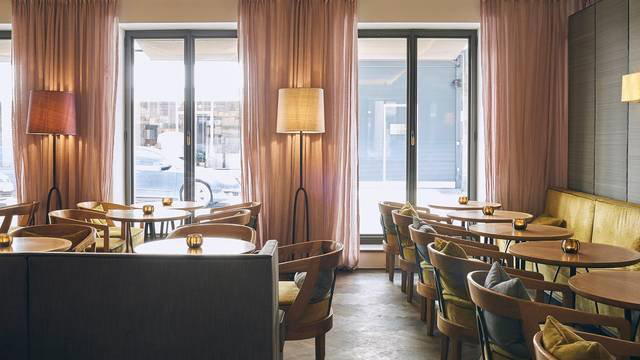
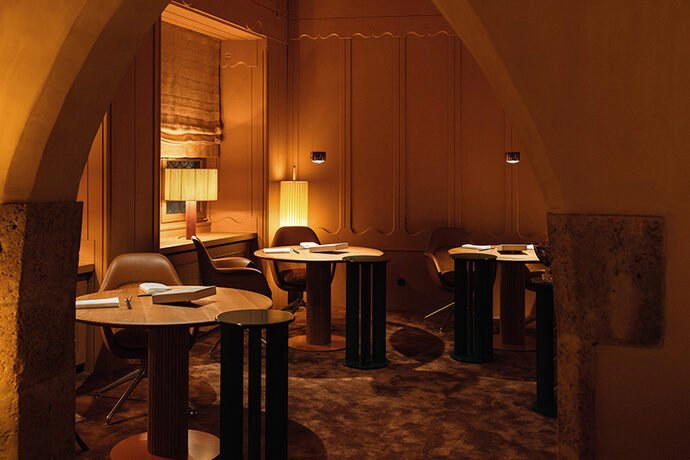
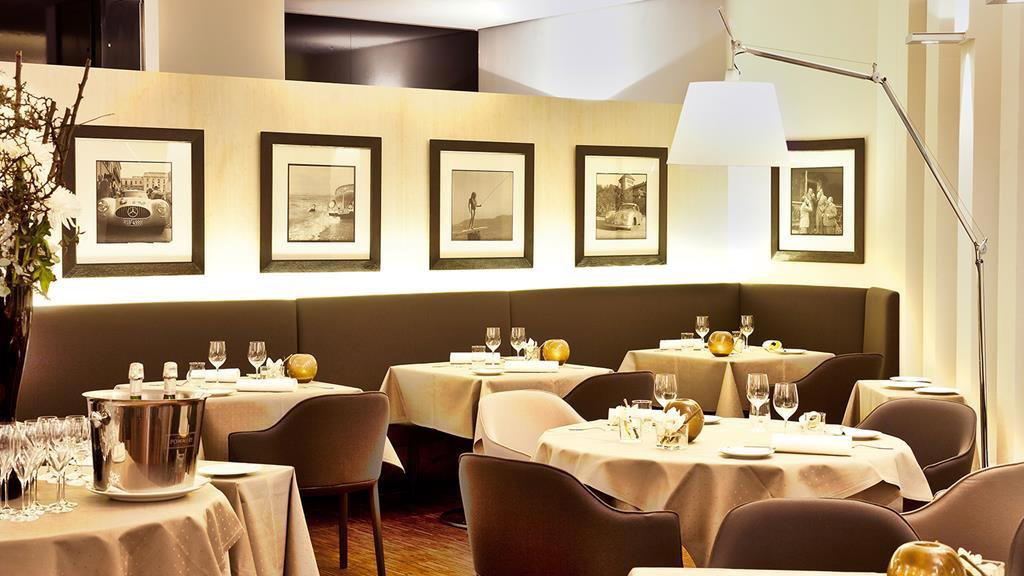
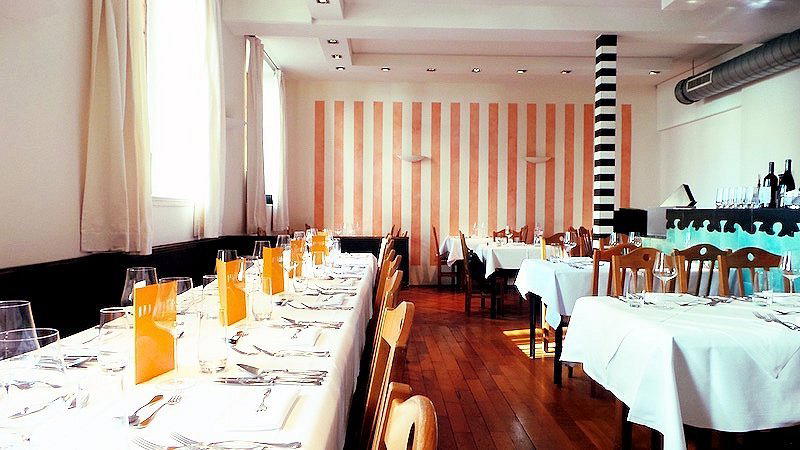
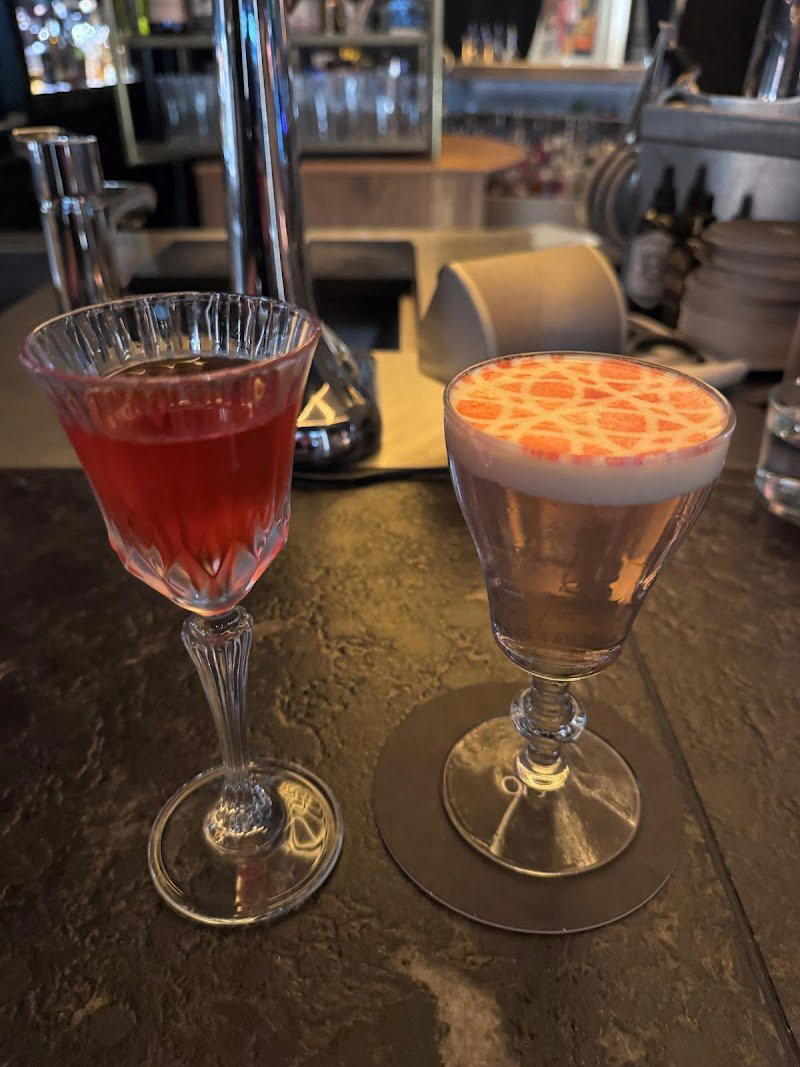
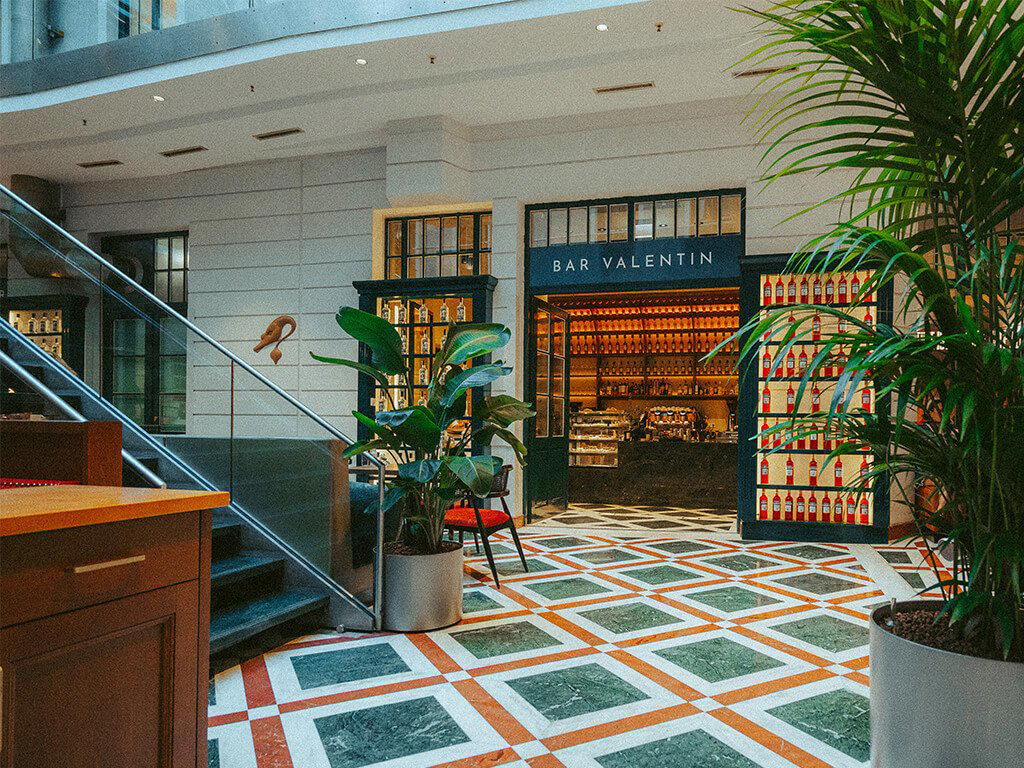
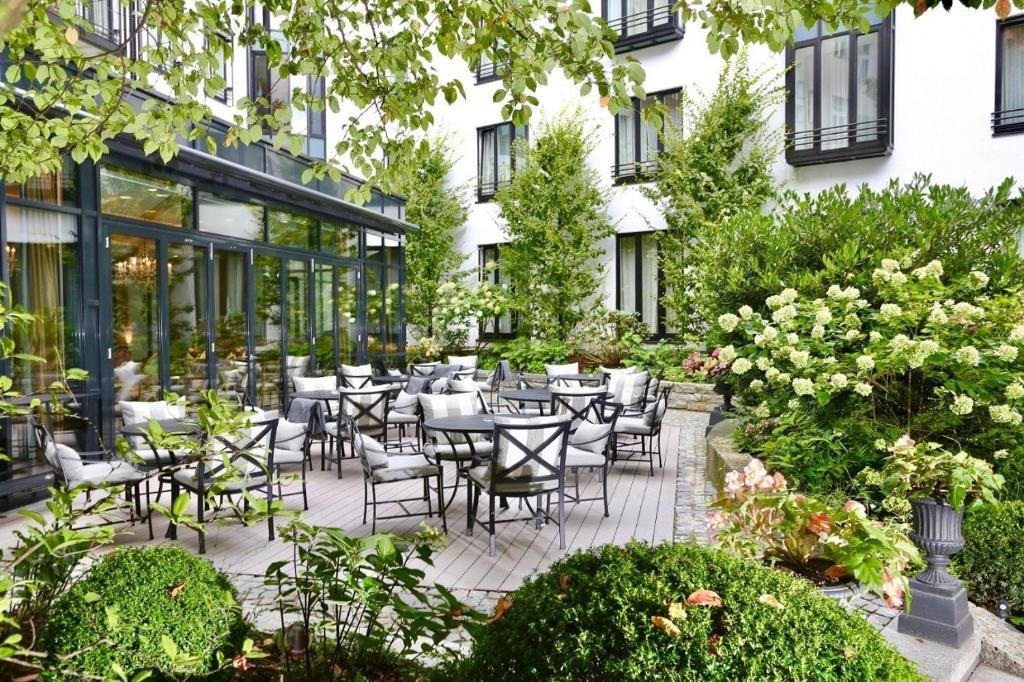
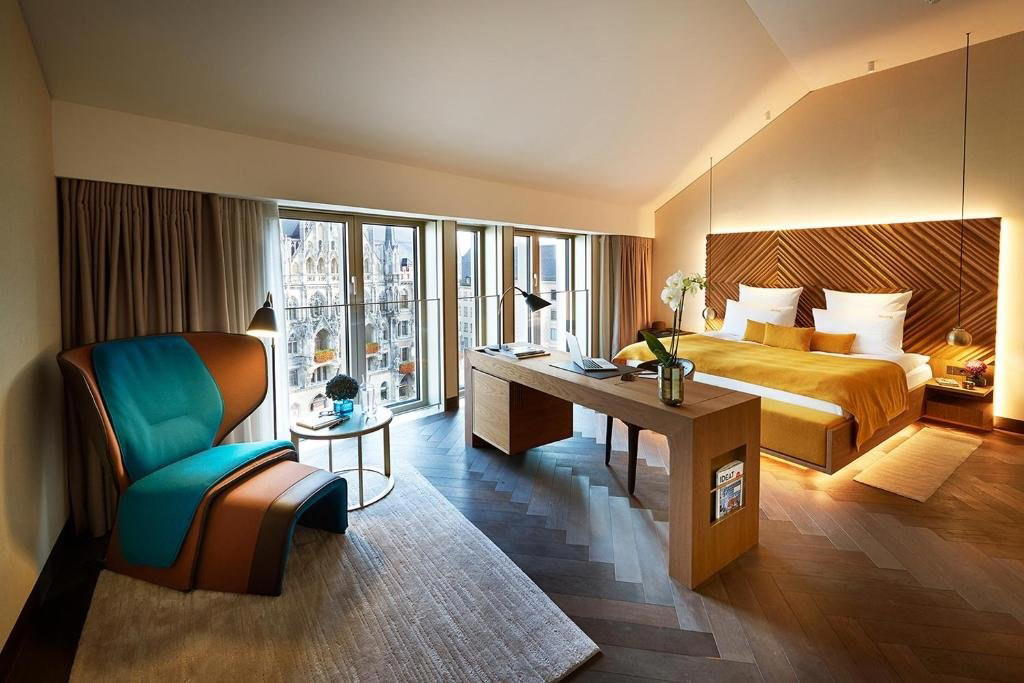
Intimate with separate seating areas, open kitchen views, and lively acoustics from hard-surfaced floors.