Munich's Indian restaurant scene is thin at the serious end, which makes Ganesha Indisches Restaurant on Rosenheimer Strasse a reference point worth knowing. Positioned in the Haidhausen district, it serves a city whose dining identity leans heavily toward German, French, and Japanese influence, making a committed Indian kitchen notable by contrast. For travellers moving between Munich's fine-dining circuit and something outside that axis, Ganesha fills a specific gap.
Pearl is the En Primeur Club membership app — saves, bookings, and concierge access live there. Same editors, same standards.
- Address
- Rosenheimer Str. 113a, 81667 München, Germany
- Phone
- +4949894480962
- Website
- xn--ganeshamnchen-3ob.de
- Directions
- Get directions
 Saves & bookings on Pearl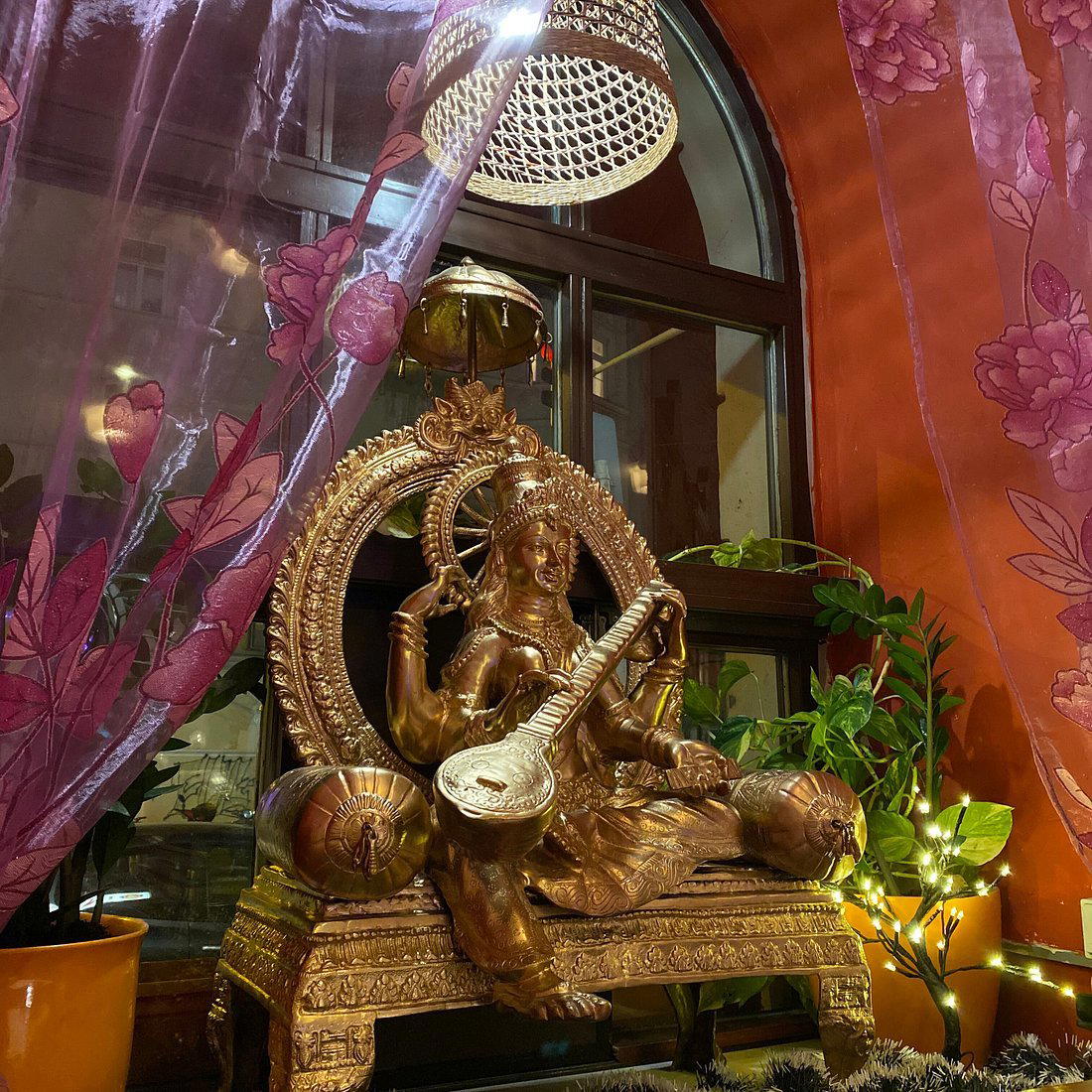
Where Munich's Indian Kitchen Sits in the City's Dining Order
Munich's restaurant identity is built around a handful of dominant pillars: Bavarian tradition, French-trained fine dining, and a growing Japanese influence that venues like Tohru in der Schreiberei and JAN have pushed into serious critical territory. Indian cuisine occupies a much smaller slice of that picture. The city has no equivalent of London's or Amsterdam's densely layered subcontinental scene, which means the restaurants that do exist carry more weight for visitors and residents seeking that register. Ganesha Indisches Restaurant, on Rosenheimer Strasse 113a in Haidhausen, is a casual Authentic North Indian restaurant in Munich.
Haidhausen itself is relevant here. The district sits east of the Isar, removed from the tourist concentration around Marienplatz, and its dining character is more neighbourhood-rooted than the centre. It is the kind of area where a kitchen survives on returning local trade rather than passing footfall, which places different demands on consistency than a high-turnover city-centre address would.
The Sourcing Question in Indian Cooking Outside the Subcontinent
The central challenge for any Indian restaurant operating in central Europe is spice sourcing. Indian cooking at its most precise is built on ingredients with specific regional provenance: Kashmiri chillies for their pigment and moderate heat, Malabar black pepper, Tellicherry cardamom, specific varieties of basmati aged for texture. In India, these distinctions are assumed. Outside it, the question of whether a kitchen is working with the right raw material or substituting with generic European spice-rack equivalents is often the difference between food that reads as Indian and food that merely gestures toward it.
This is not an abstract concern. The spice trade routes that once connected South Asia to Bavaria through Venice and later through Hamburg are long-established, and specialist importers in Germany do supply restaurant kitchens with subcontinental-grade ingredients. The question is whether a given kitchen is accessing those supply chains or working with what is locally convenient. A dish like a properly constructed dal or a dry-roasted curry will reveal the answer quickly: the depth of a tarka, the bloom of whole spices in hot fat, the layering of heat across the palate rather than a single frontal burn.
For a Munich address like Ganesha, the sourcing context matters because it determines which tier of the city's Indian options the kitchen occupies. Munich's Indian restaurants broadly split between those serving an Indianised-European hybrid, calibrated for local palates, and those maintaining closer fidelity to subcontinental technique. The distinction is not a value judgment about authenticity in some romantic sense; it is a practical guide to what a diner should expect on the plate.
Atmosphere and Physical Setting
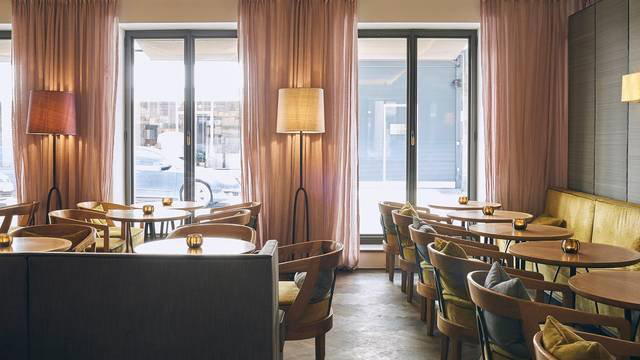
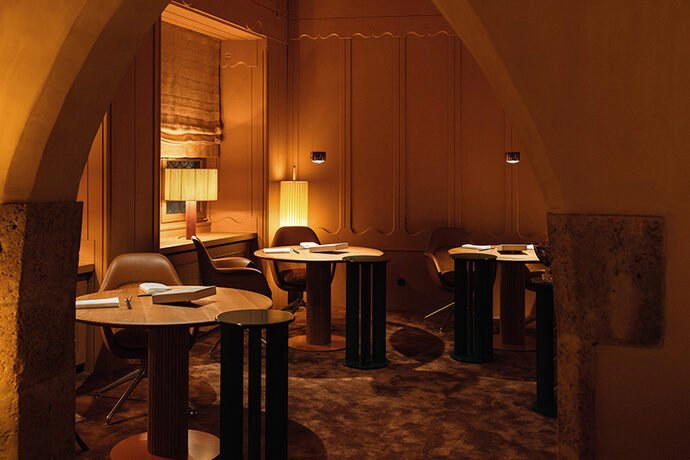
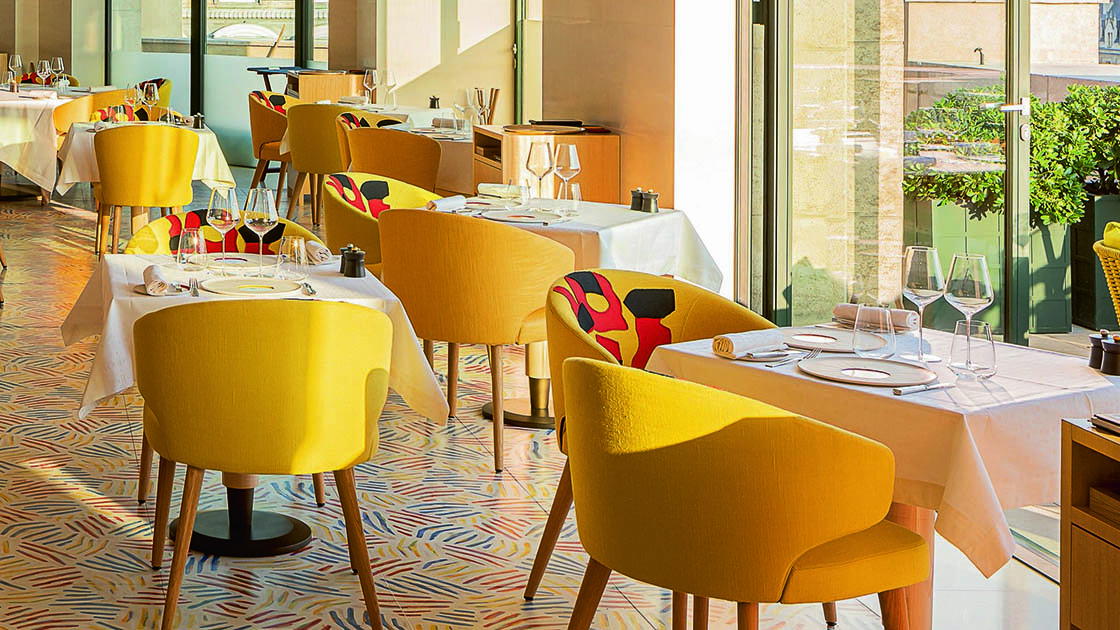
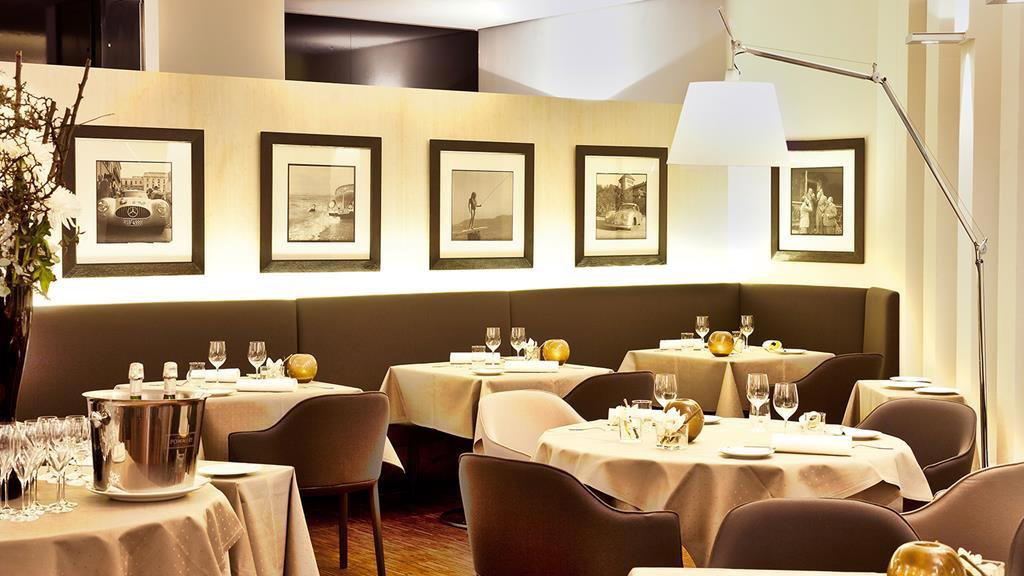
Rosenheimer Strasse is a long arterial road running through Haidhausen and into Au, lined with a mix of residential blocks, neighbourhood bars, and independent retail. It is not a dining destination street in the way that, say, Munich's Maxvorstadt carries concentration of cultural and culinary draw, but it is functional and local in character. A restaurant at 113a is deep into the residential stretch, which shapes the atmosphere inside: this is not a room designed for occasion dining or for the kind of theatrical service that venues like Atelier or Alois - Dallmayr Fine Dining have built around the fine-dining ritual. The physical environment at an address like this tends toward the warm and informal: the register of a neighbourhood kitchen rather than a destination restaurant.
That informality is consistent with how the broader tier of Munich's Indian restaurants operates. Without the pressure of competing against the city's Michelin-tracked French and creative houses, a room like this can focus on the food and the repeat-customer relationship rather than on table choreography. The trade-off is that the room itself carries less of the sensory architecture that drives a first-impression experience.
Positioning Against Munich's Wider Restaurant Scene
For context on how the city's serious dining works, Munich's decorated end is anchored by restaurants with strong Franco-German or creative-European lineage. Tantris has operated as a reference point in Modern French for decades. Germany more broadly has a deep bench of Michelin-tracked addresses, from Schwarzwaldstube in Baiersbronn to Aqua in Wolfsburg and Vendôme in Bergisch Gladbach. Ganesha does not compete in that register, nor is it positioned to. It occupies the neighbourhood-Indian category, which in Munich means competing against a thin field rather than a crowded one.
That positioning has practical implications for the traveller. Someone moving through Munich's serious dining circuit, touching the creative tasting menus, the wine-programme restaurants, the Japanese-influenced counters, will find Ganesha useful as a register change rather than as a continuation of that same experience. The value is in what it is not, as much as in what it is: a different culinary tradition, a different price point, a different pace.
For a broader view of where this restaurant sits within Munich's full dining range, the EP Club Munich restaurants guide maps the city's options across price tiers and cuisine categories.
Planning Your Visit
| Venue | Cuisine | Price Tier | Booking Lead Time | District |
|---|---|---|---|---|
| Ganesha Indisches Restaurant | Indian | Not published | Not confirmed | Haidhausen |
| Tantris | Modern French | €€€€ | Weeks to months | Schwabing |
| Tohru in der Schreiberei | Modern German-Japanese | €€€€ | Weeks to months | City centre |
| Atelier | Creative French | €€€€ | Weeks to months | City centre |
Ganesha is moderately priced, with an average spend of about $25 per person. It is recommended to reserve ahead, and hours run Monday to Saturday from 11:30 AM to 2:30 PM and 5:30 PM to 11 PM, with Sunday service from 5:30 PM to 10:30 PM.
In Context: Similar Options
Comparable venues nearby, for context on price, style, and recognition.
| Venue | Cuisine | Price | Notes |
|---|---|---|---|
| Ganesha Indisches RestaurantThis venue — the venue you are viewing | Authentic North Indian | $$ | Not listed |
| Bombay Indien Grill | Indian Grill | $$ | Schwabing |
| Indian Bites | Authentic Indian Punjabi | $$ | Sendling-Westpark |
| Sushi Cent | Japanese Sushi | $$ | Haidhausen |
| HOCHREITER'S Steirer am Markt | Traditional Bavarian & Alpine Cuisine | $$ | Altstadt |
| Zum Franziskaner | Traditional Bavarian | $$ | Lehel |

At a Glance
- Cozy
- Casual Hangout
- Family
- Terrace
- Extensive Wine List
Current opening hours
- Monday
- 11:30 AM–2:30 PM, 5:30–11 PM
- Tuesday
- 11:30 AM–2:30 PM, 5:30–11 PM
- Wednesday
- 11:30 AM–2:30 PM, 5:30–11 PM
- Thursday
- 11:30 AM–2:30 PM, 5:30–11 PM
- Friday
- 11:30 AM–2:30 PM, 5:30–11 PM
- Saturday
- 11:30 AM–2:30 PM, 5:30–11 PM
- Sunday
- 5:30–10:30 PM
Hours can change for holidays and private events. Last verified .
Cozy atmosphere with good ambiance as per guest reviews.