Our verdict
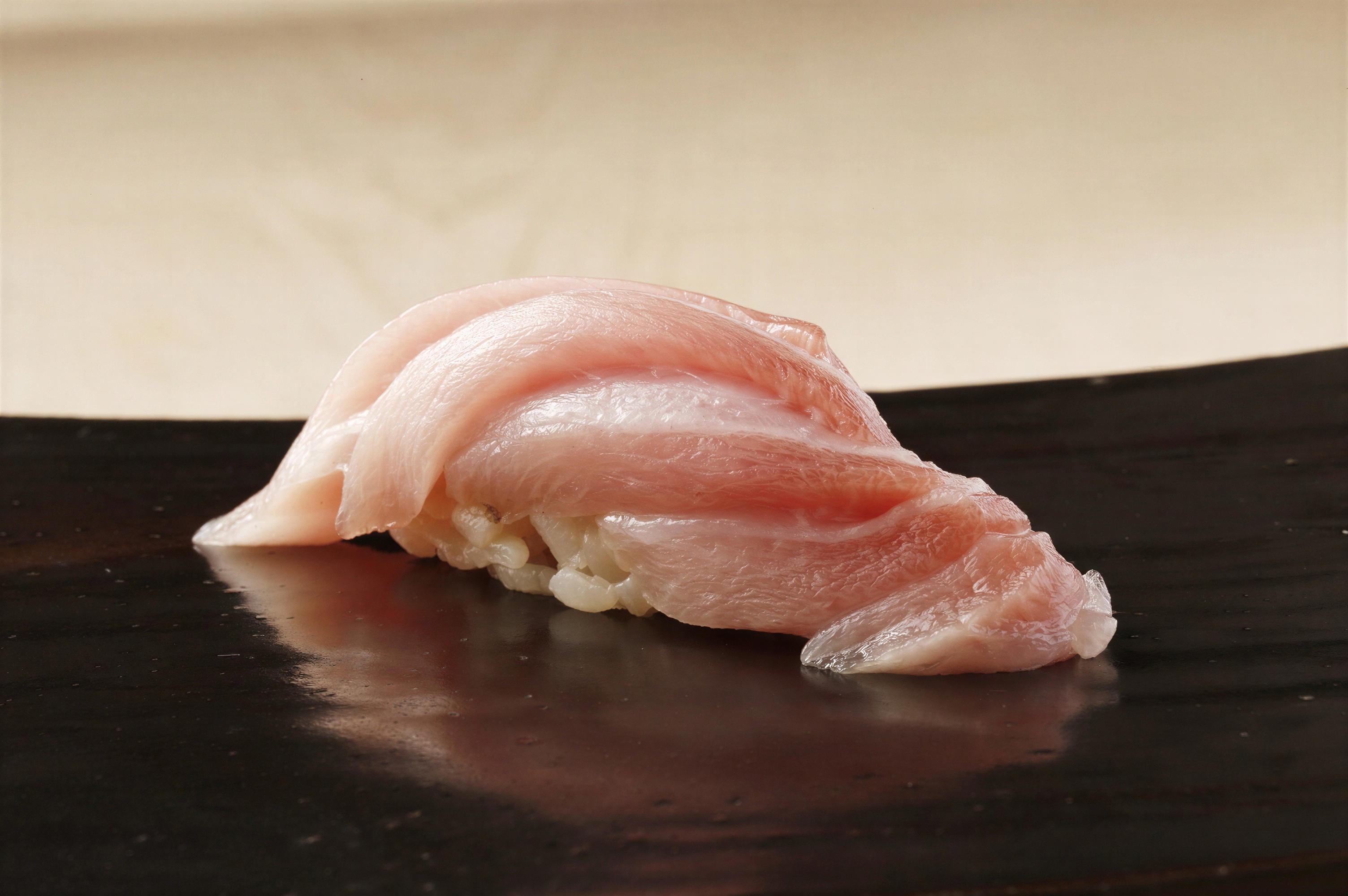
USHI serves Modern Japanese Omakase Sushi & Ramen in Munich, with a sake program and an open kitchen for a leisurely dinner.

Pearl is the En Primeur Club membership app, where members save venues, book tables and use the concierge.

Where Bogenhausen Meets the Counter
Herkomerplatz sits at a particular remove from Munich's dining centre of gravity. The Bogenhausen neighbourhood, east of the Englischer Garten, has long functioned as a quieter residential counterweight to the city's Michelin-dense inner core, where addresses like Tantris and Atelier anchor the city's reputation for serious European fine dining. USHI occupies a different register in that geography: Herkomerpl. 1A is not a showroom address, and the restaurant does not perform like one. That restraint is, increasingly, a position rather than an absence.
Munich's upper-tier dining has split between two modes over the past decade. One cohort, including Alois - Dallmayr Fine Dining and JAN, occupies flagship or landmark settings and competes on the basis of institutional weight. A second, smaller cohort works from quieter spaces where the format itself carries the argument. USHI belongs to the second category. Its Bogenhausen position signals something about what kind of audience it addresses and what kind of experience it is built around.
The Sustainability Frame: What Ethical Sourcing Looks Like at This Tier
Across Germany's fine dining tier, the conversation around sourcing has shifted decisively. What was once a differentiating gesture, citing specific farms or fishing operations, has become an expectation at any address charging premium prices. The more meaningful question now is how deeply the commitment runs: whether it shapes the menu structure, the portion logic, the wine selection, or only the marketing copy. At restaurants like CODA Dessert Dining in Berlin and ES:SENZ in Grassau, the sustainability frame has been allowed to shape format decisions in visible ways, including reduced protein portions, fermentation-led preservation, and menu structures built around what seasonal supply makes available rather than what a fixed concept demands.
USHI sits within that broader shift in German fine dining. The Bogenhausen address places it close to Bavarian regional supply chains that remain among the most developed in the country, with access to alpine dairy, freshwater fish from lakes in the pre-alpine zone, and a vegetable-growing tradition that, while less celebrated than Baden-Württemberg's, is substantive. German fine dining operations that have chosen to anchor themselves to regional sourcing, including Schwarzwaldstube in Baiersbronn and Schanz in Piesport, demonstrate that a geographically committed sourcing model can produce menus with genuine specificity rather than generic seasonality claims.
The ethical sourcing argument in this tier also extends to waste. Kitchens operating at a counter or small-format level have a structural advantage here: smaller mise en place volumes, tighter feedback loops between preparation and service, and the practical pressure of not over-ordering when margins are already compressed at the premium end. What looks like minimalism on the plate is often a direct function of waste-reduction discipline in the kitchen.
Munich Fine Dining in Context: Where USHI Sits
Tohru in der Schreiberei has established a German-Japanese fusion register that operates at the highest recognised tier. Tantris, a historical anchor of Munich's dining reputation, continues to define the French-influenced formal end. These are the comparative reference points that shape how any serious Munich address is read by a well-travelled diner. USHI's position in Bogenhausen, away from the inner-city clustering of these addresses, suggests it is building its case through a different set of signals.
For context, the gap between Munich's leading institutional addresses and its quieter neighbourhood operators is not primarily a quality gap. It is a format gap. Addresses like Aqua in Wolfsburg and Vendôme in Bergisch Gladbach have shown that significant critical standing is achievable outside traditional metropolitan fine dining centres. The logic applies within a city too: a Bogenhausen address is not a handicap if the restaurant is building for a specific, returning audience rather than for footfall or tourist traffic.
At the international comparison level, the counter-format restaurants that have achieved the most durable reputations, including Atomix in New York City and Le Bernardin, demonstrate that format clarity and consistency over time outperform novelty. That is the operating logic USHI's position implies, even if its specific menu and service details are not in wide public circulation.
What the Address Implies About the Audience
Bogenhausen has historically housed Munich's wealthiest residential concentration. The neighbourhood's dining culture reflects that: there is a premium on privacy, on restaurants that do not need to be seen in the way that an Innenstadt address does. This is not the audience that arrives via a food-tourism loop. It is a local, returning audience with high baseline expectations and limited tolerance for formats built around novelty or spectacle. Restaurants that survive in this neighbourhood tend to do so because they are solving a recurring need for a specific group, not because they are capturing a moment.
That audience profile also tends to align with sustainability commitments that go beyond surface-level certification. For a diner who is already sourcing consciously at a household level, a restaurant that reflects similar discipline in its purchasing and waste management is not a bonus feature. It is a baseline expectation. USHI's Herkomerplatz location puts it directly in contact with that diner.
Planning a Visit
USHI is located at Herkomerpl. 1A in Munich's Bogenhausen district. The address is accessible from the city centre by tram or taxi, and the neighbourhood has limited on-street parking relative to demand during evening service. Booking logistics for addresses in this tier across Munich vary: some operate exclusively through direct reservation, others through third-party platforms. Given the small-format signals that USHI's positioning implies, advance planning of several weeks is advisable, particularly for weekend dates. For the wider Munich fine dining circuit, our full Munich restaurants guide maps the key addresses across neighbourhood and format. Comparison visits to Waldhotel Sonnora in Dreis, Restaurant Haerlin in Hamburg, or Victor's Fine Dining by Christian Bau in Perl provide useful calibration for understanding where Munich's upper tier sits within the broader German fine dining spectrum. Similarly, Bagatelle in Trier offers a point of reference for how regional German addresses have built credibility outside the traditional metropolitan frame.
Frequently asked questions
What's USHI's location?
USHI is located at Herkomerpl. 1A, 81679 München, Germany, Munich.
Is USHI in Munich suitable for a business dinner?
Bogenhausen's dining culture has historically supported exactly this format: intimate, residential, and removed from the noise of central Munich, which suits focused conversation. USHI's address at Herkomerplatz 1A places it within a neighbourhood long associated with Munich's business and professional class. The combination of location and fine dining positioning makes it a considered option for smaller, high-trust gatherings rather than large corporate events.
What dish is USHI famous for?
The restaurant sits within Munich's fine dining tier alongside peers like Tohru in der Schreiberei, where seasonal sourcing defines the menu rather than a fixed marquee dish. Visiting without fixed expectations is the correct approach here.
How far ahead should I plan for USHI?
USHI is located at Herkomerplatz 1A in a neighbourhood that draws a local, returning clientele rather than tourist walk-ins, which typically compresses availability faster than central Munich addresses. Reservations in this tier of Bogenhausen dining generally warrant at least four to six weeks' notice, particularly for weekend sittings. Contacting the restaurant directly is the most reliable route.
What's USHI best at?
USHI's position in Bogenhausen, Munich's most affluent residential district and east of the Englischer Garten, points to a restaurant built around a confident, neighbourhood-rooted identity rather than the visibility plays of city-centre fine dining. The address alone suggests a kitchen cooking for regulars who return for consistency rather than spectacle. That is the mode Munich's serious residential dining does well, and where USHI operates.
A Minimal comparable set
Comparable venues nearby, for context on price, style, and recognition.
| Venue | Cuisine | Price | Notes |
|---|---|---|---|
| USHIThis venue (the venue you are viewing) | Modern Japanese Omakase Sushi & Ramen | $30–50 | Not listed |
| Restaurant Kaito | Authentic Japanese Sushi | $50–100 | Neuhausen, Authentic Japanese Sushi |
| Ichiban Restaurant | Japanese & Vietnamese Sushi Restaurant | $20–30 | Riem, Japanese & Vietnamese Sushi Restaurant |
| Levante | Levantine Mezze Bar | $30–50 | Schwabing, Levantine Mezze Bar |
| Suzuki | Authentic Japanese Comfort Food | $10–20 | Altstadt, Authentic Japanese Comfort Food |
| Ho Tay | Traditional North Vietnamese | Not listed | Oberföhring, Traditional North Vietnamese |
USHI
Featured Guides

Continue exploring
More in Munich
Restaurants in Munich
All restaurants in Munich →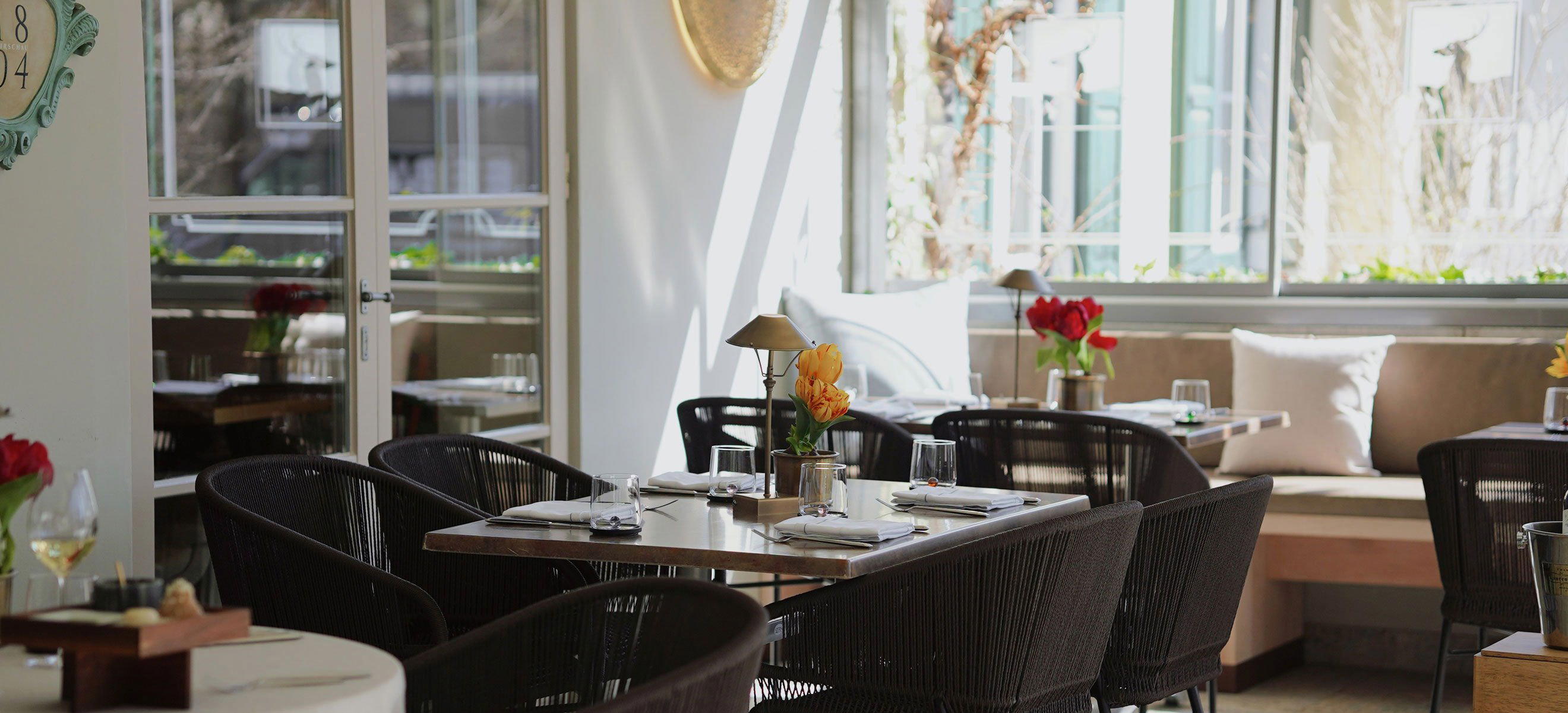
Bars in Munich
All bars in Munich →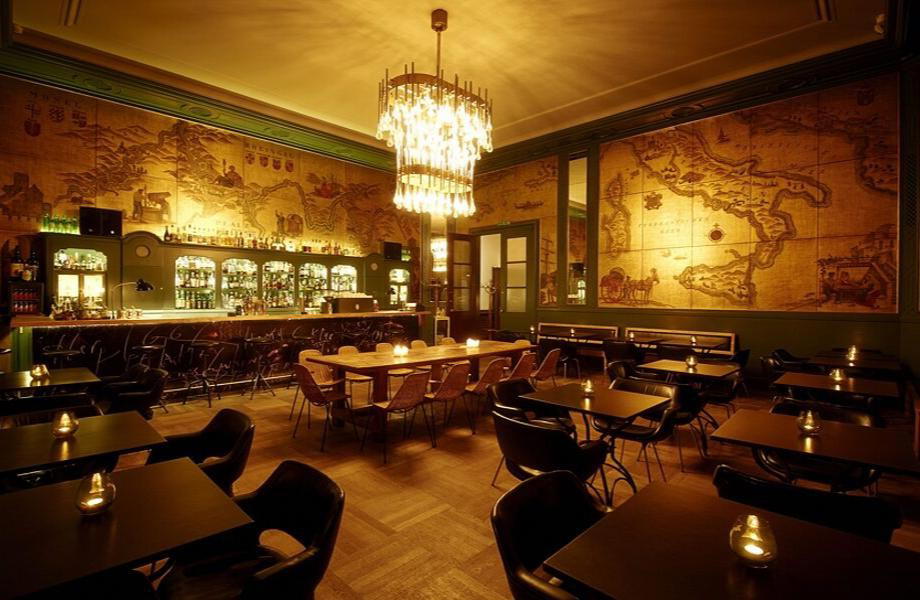
Details
- Modern
- Cozy
- Intimate
- Date Night
- Solo
- Special Occasion
- Open Kitchen
- Sake Program
- Omakase
- A La Carte
- Vegetarian Friendly
Current opening hours
- Monday
- Closed
- Tuesday
- 5–10:30 PM
- Wednesday
- 5–10:30 PM
- Thursday
- 5–10:30 PM
- Friday
- 5–11 PM
- Saturday
- 5–11 PM
- Sunday
- 5–10:30 PM
Hours can change for holidays and private events. Hours as of .
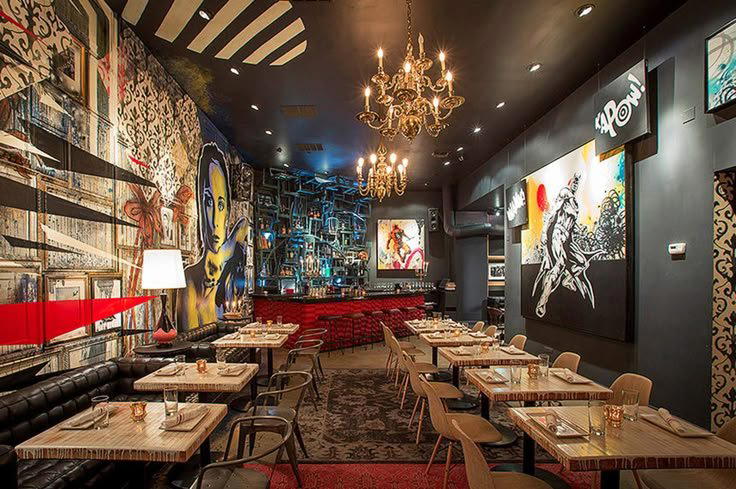
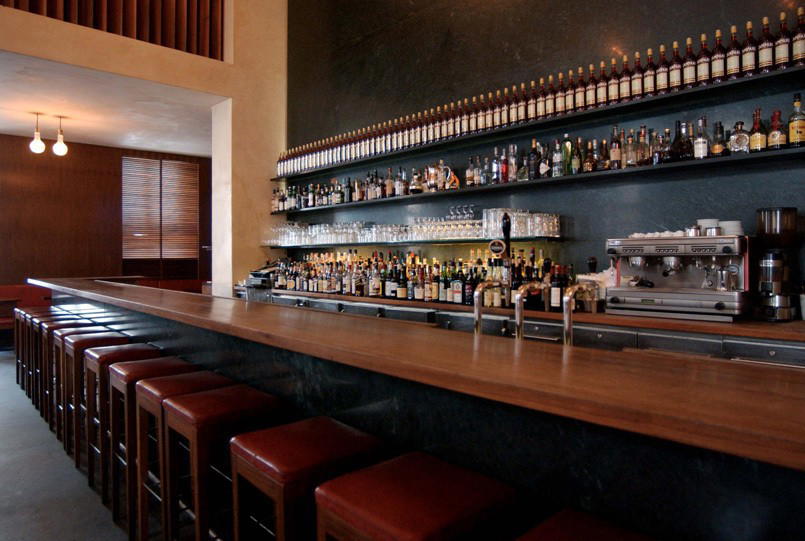
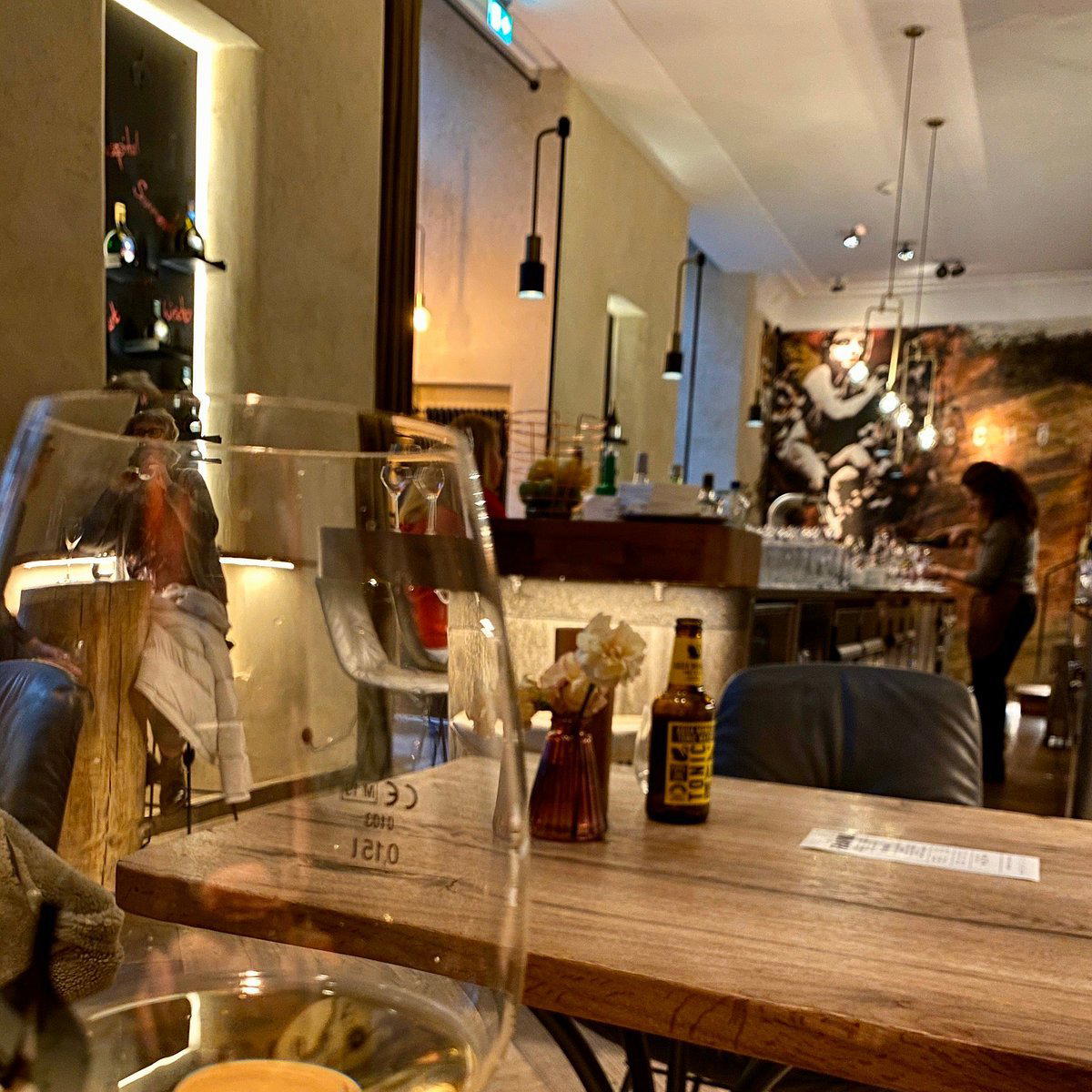
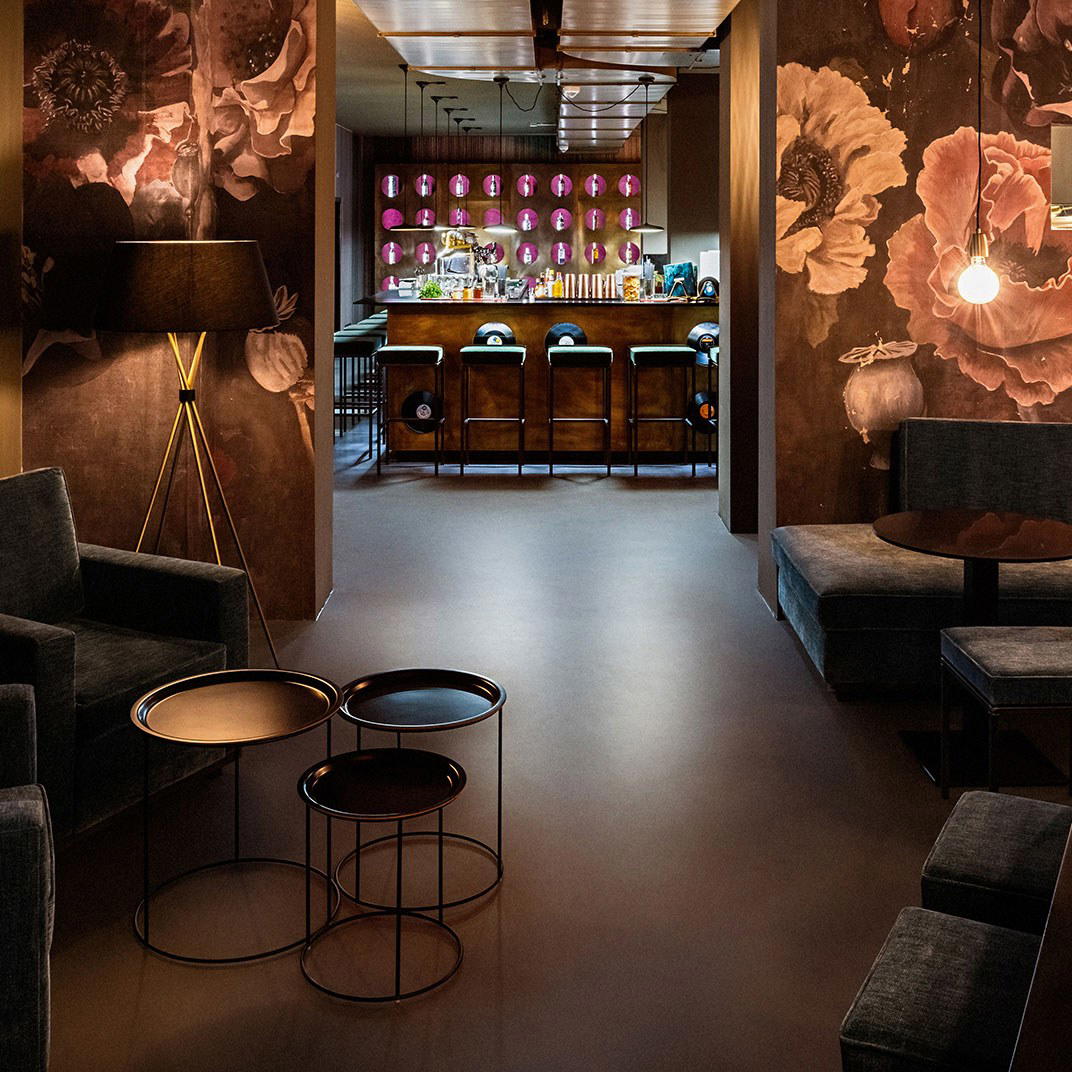
Cozy and modern atmosphere in a charming wooden pavilion with moderate noise levels.