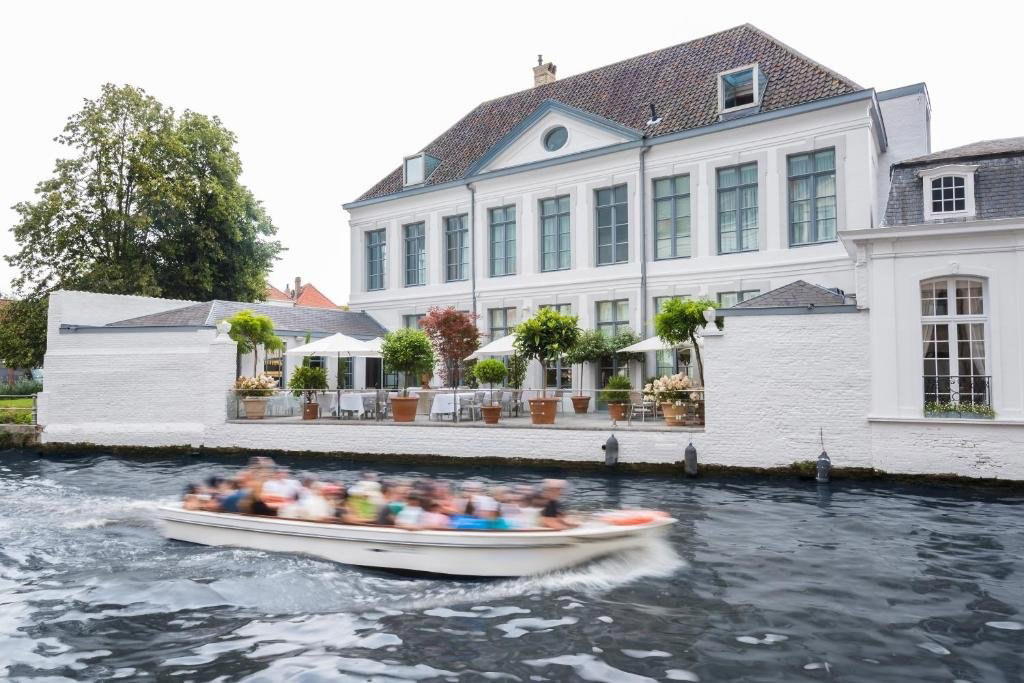
On the Werfkaai waterfront in Bruges, The Blue Lobster occupies a stretch of canal-facing dining where seafood and sustainability intersect more deliberately than at most Belgian coastal restaurants. The address places it within walking distance of the city's historic center, while its name signals a focus on the North Sea's most prized shellfish. Book ahead; waterfront tables at this price point in Bruges fill early.
Pearl is the En Primeur Club membership app — saves, bookings, and concierge access live there. Same editors, same standards.
- Address
- Werfkaai 1, 8380 Brugge, Belgium
- Phone
- +32468173139
- Website
- thebluelobsterzeebrugge.be
- Directions
- Get directions
 Saves & bookings on Pearl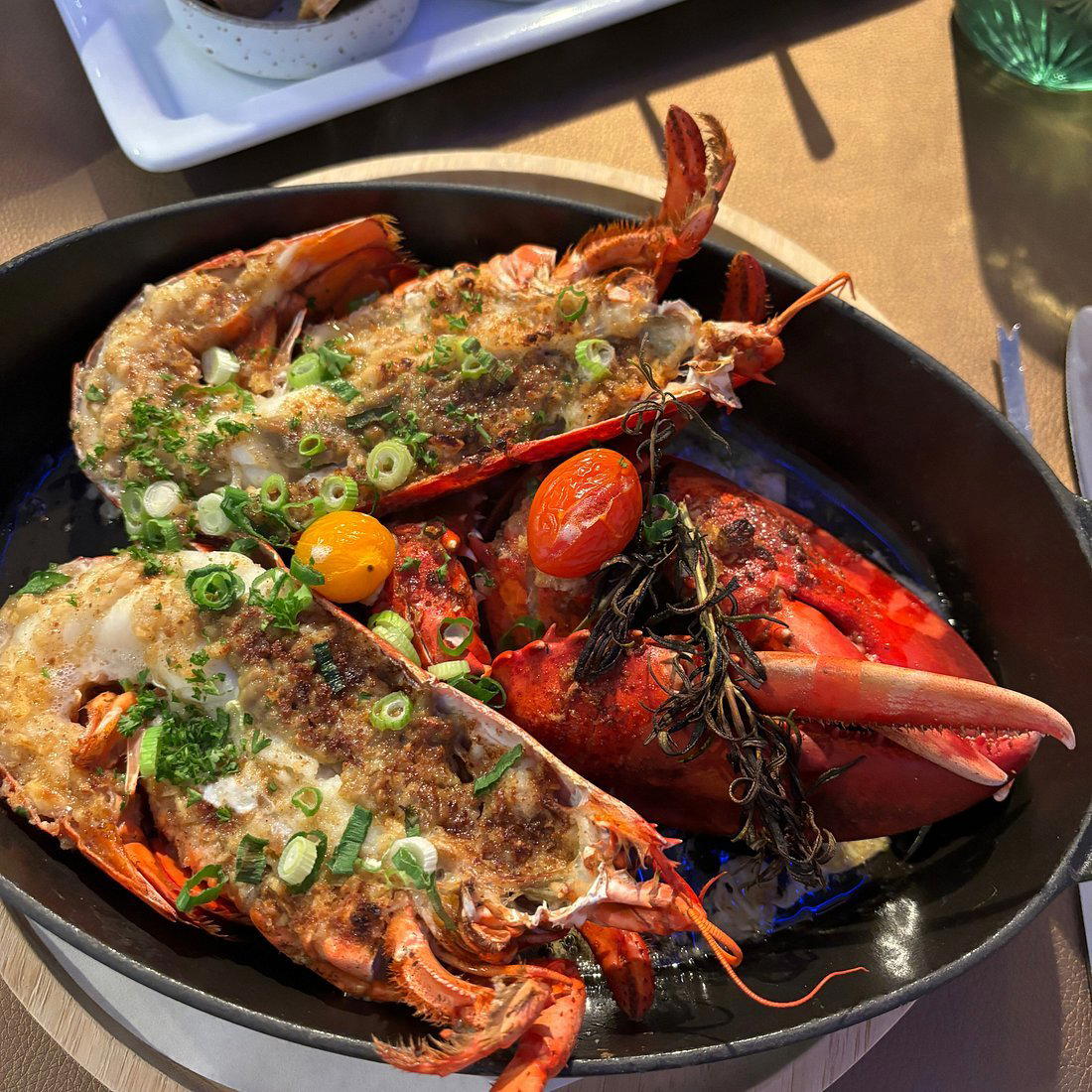
Where the Canal Meets Conscious Seafood
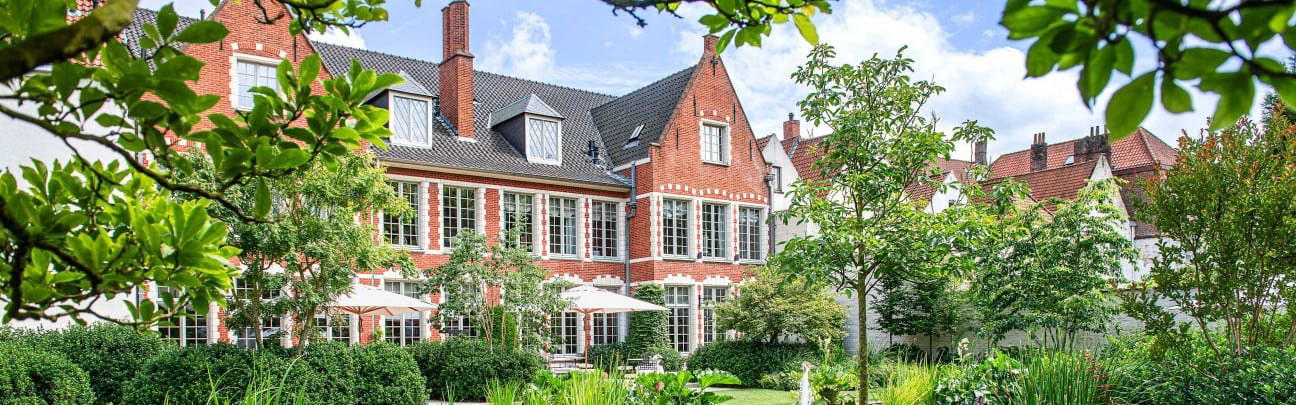
Bruges wears its medieval architecture lightly, but the waterfront at Werfkaai is a different proposition from the tourist-facing terraces around the Markt. The quay has a working quality to it, a reminder that this city was once one of Europe's great trading ports, its canals carrying goods rather than gondola tours. Restaurants that set up along stretches like this tend to earn their position through food rather than footfall, because the clientele willing to walk a little further expects something worth the detour. The Blue Lobster is a restaurant in Bruges, Belgium, serving Belgian seafood at a moderate price tier. It sits at Werfkaai 1, at the edge of that logic.
Seafood-focused dining in Bruges operates in a particular register. The city sits close enough to the North Sea coast, and to Zeebrugge's working port, that provenance claims carry weight they might not elsewhere. Diners at this latitude have grown up eating grey shrimp on toast, mussels steamed in Belgian ale, and sole meunière in versions that bear little resemblance to what a landlocked kitchen produces. The bar for seafood honesty is high, and a name like The Blue Lobster sets an expectation that the kitchen intends to meet it.
The Sustainability Frame That Is Reshaping Belgian Coastal Cooking
Across Flemish West Belgium, a small group of kitchens has moved from sourcing as a selling point to sourcing as a structural commitment. Willem Hiele in Oudenburg became a reference point for that shift, building an entire menu around what the immediate coastal ecosystem could yield, from sea vegetables to bycatch species most restaurants would refuse. Bartholomeus in Heist operates on similar principles closer to the waterline. What these kitchens share is a willingness to let sustainable yield, rather than market demand, determine what appears on the plate.
The Blue Lobster belongs to this broader current. The name alone signals a choice: the European lobster, Homarus gammarus, faces serious pressure across its traditional Atlantic range, and any restaurant that leads with it is making an implicit argument about how it sources and portions the ingredient. Serious kitchens in this space work with certified trap fisheries, limit catch volumes, and price accordingly, which tends to push these menus into a higher price tier than their more generalist neighbours. That is not incidental. It is the cost structure of doing the sourcing work properly.
The wider Belgian fine dining scene has been grappling with these questions at the summit of the market. L'air du temps in Liernu built its reputation partly on garden-to-table integration and zero-waste discipline. Hof van Cleve - Floris Van Der Veken in Kruishoutem sits at the apex of the country's fine dining pyramid and has increasingly embedded ethical sourcing into its supply chain. The argument that sustainability and formal ambition are incompatible has largely been retired. What remains is execution.
The Bruges Restaurant Context
Bruges supports a denser concentration of serious restaurants than its population would suggest, in part because it draws a European visitor base willing to spend on meals. The city's recognised fine dining tier includes Mémoire and Sans Cravate, both working in creative French registers at the €€€€ level, alongside Zet'Joe by Geert Van Hecke and the long-established De Karmeliet. These are kitchens with Michelin recognition and national reputations, and they define the benchmark against which newer or more specialist addresses are measured.
The restaurant does not compete directly with that French-leaning fine dining tier. Its comparable set is narrower: restaurants whose identity is built around a single product category, where the sourcing story and the menu are inseparable. That is a smaller and more demanding frame. Getting the lobster right, cooked correctly, from the right fishery, priced to reflect real cost, leaves nowhere to hide. Diners who seek out an address like this are not looking for an elaborate tasting menu; they are looking for the honest version of a specific thing done well.
For a broader picture of where the restaurant sits within the city's dining options, the full Bruges restaurants guide maps the field across price points and styles. The contrast with a Flemish neighbourhood bar like 't Apertje illustrates how wide the city's range actually runs.
Seafood Ethics Beyond Belgium
The North Sea is not the only body of water producing this conversation. Le Bernardin in New York City has long argued that one rigorous approach to fish cookery begins with sourcing, not technique. Zilte in Antwerp operates at the summit of Belgium's Michelin structure with similar discipline around provenance. Even at the level of Boury in Roeselare, a kitchen with three Michelin stars, the commitment to local and seasonal supply has become structural rather than decorative. The pattern is consistent: the restaurants that have made sustainability operational rather than rhetorical are concentrating at the serious end of the market.
For anyone tracking Belgian fine dining more broadly, Bozar Restaurant in Brussels and Castor in Beveren offer useful reference points in different regional and price contexts. De Jonkman in Sint-Kruis sits close to Bruges and operates in a style that rewards comparison. d'Eugénie à Emilie in Baudour extends the picture into Wallonia. And for a Korean-influenced perspective on how sourcing and technique intersect at the highest level internationally, Atomix in New York City makes an instructive counterpoint.
Planning Your Visit
The address at Werfkaai 1 in Bruges places the restaurant along the southern canal ring, accessible on foot from the city center in under fifteen minutes from the Markt. The waterfront setting means the approach is part of the experience: the canal walk along this stretch is quieter than the tourist corridors, and arriving on foot rather than by taxi gives a clearer sense of the neighbourhood's working character. Specific booking methods, hours, and current pricing are best confirmed directly with the venue, as these details are subject to change. The broader Bruges dining season peaks in spring and early summer, when day-trippers thin out and the city's restaurant trade settles into a more considered rhythm.
The Quick Read
Comparable venues nearby, for context on price, style, and recognition.
| Venue | Cuisine | Price | Notes |
|---|---|---|---|
| The Blue LobsterThis venue — the venue you are viewing | Zeebrugge, Belgian Seafood | $$ | Not listed |
| De Verloren Hoek | St-anna, Belgian Fusion Tapas | $$ | Not listed |
| Gouden Karpel | Not listed | $$ | Historic Center, Traditional Belgian Seafood |
| De Gastro | Historic Center, Classic Belgian Bistro | $$ | Not listed |
| Chez Vincent | Not listed | $ | Sint-Salvatorskerkhof, Belgian Fries & Fast Food |
| Preus | Not listed | $$$ | St-Anna, Bruges, Contemporary Belgian Fine Dining |
At a Glance
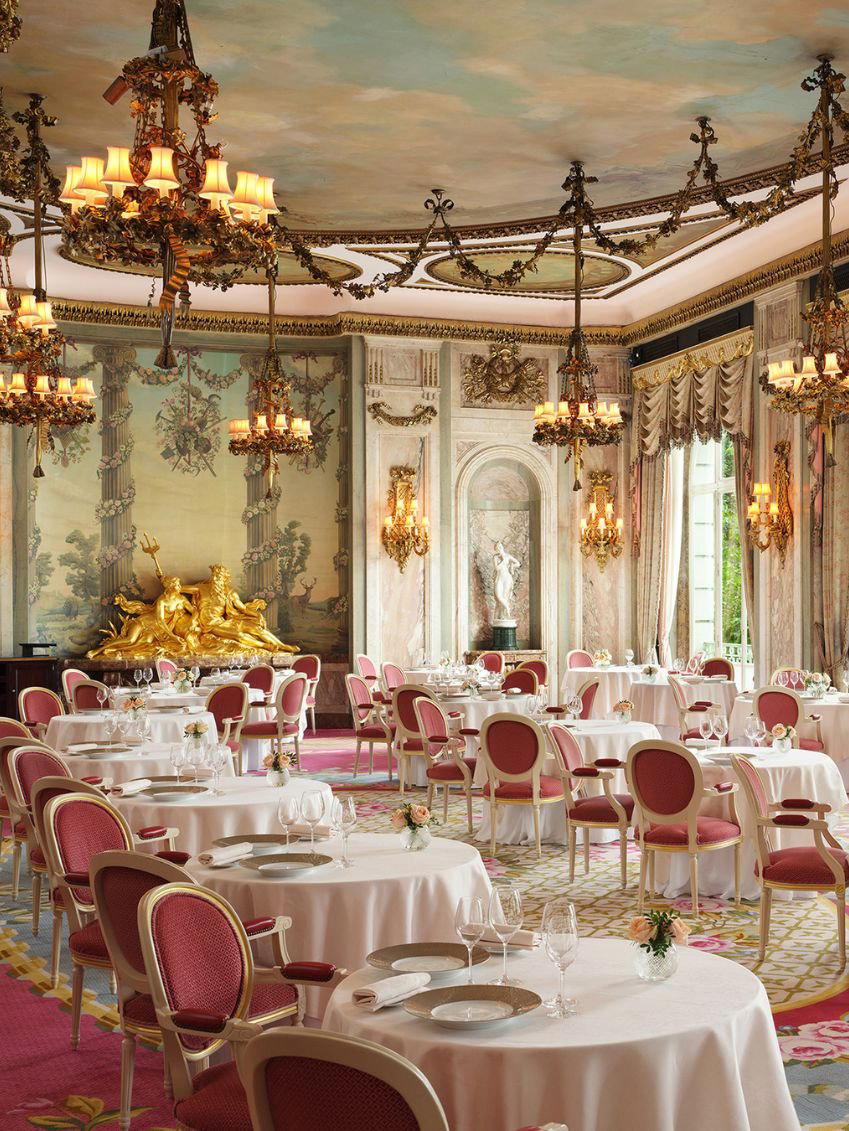
- Cozy
- Intimate
- Date Night
- Family
- Open Kitchen
- Local Sourcing
Current opening hours
- Monday
- 12–2 PM
- Tuesday
- 12–2 PM, 6:30–8 PM
- Wednesday
- 12–2 PM, 6:30–8 PM
- Thursday
- Closed
- Friday
- Closed
- Saturday
- 12–2 PM, 6:30–8 PM
- Sunday
- 12–2 PM, 6:30–8 PM
Hours can change for holidays and private events. Last verified .
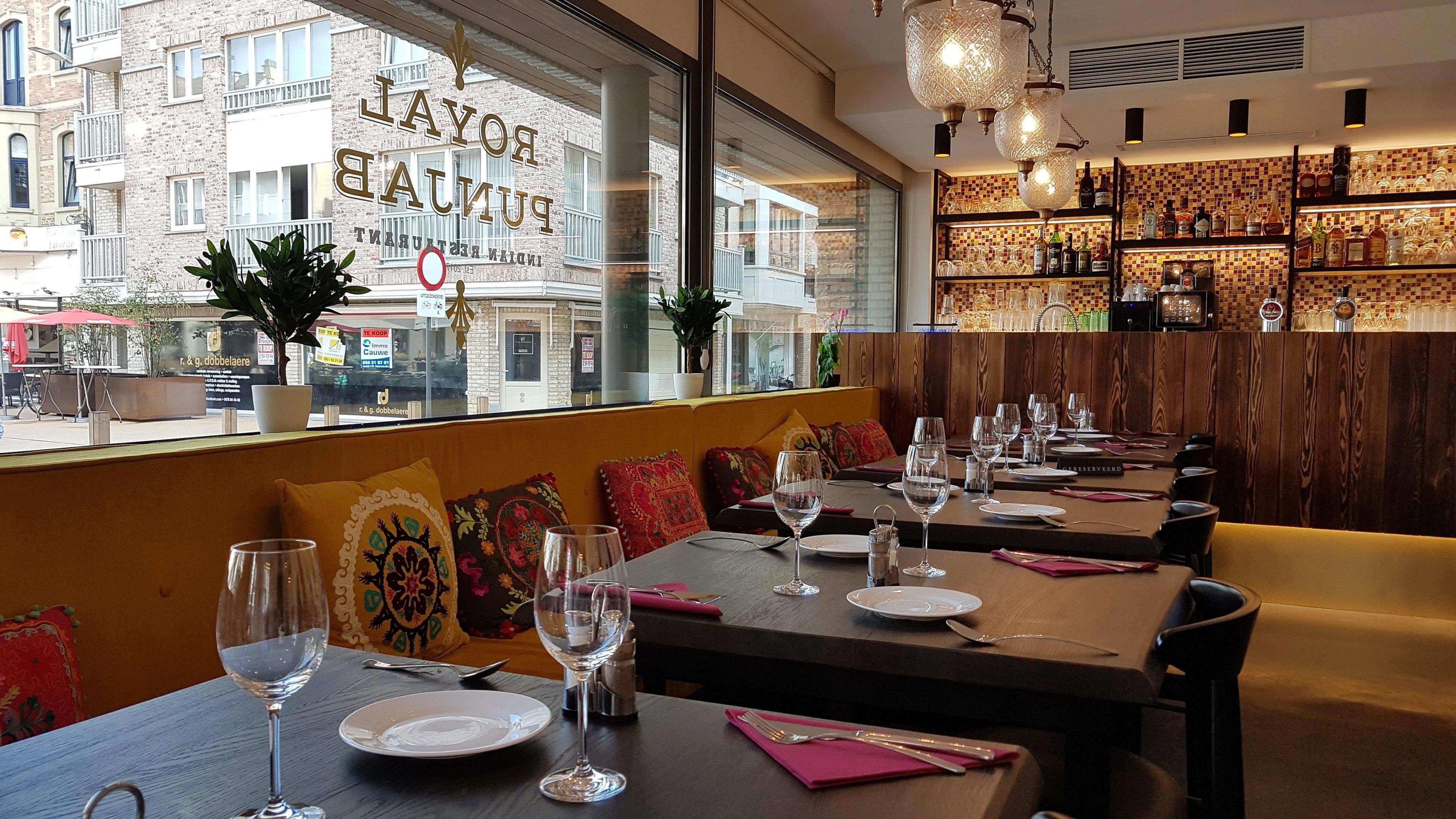
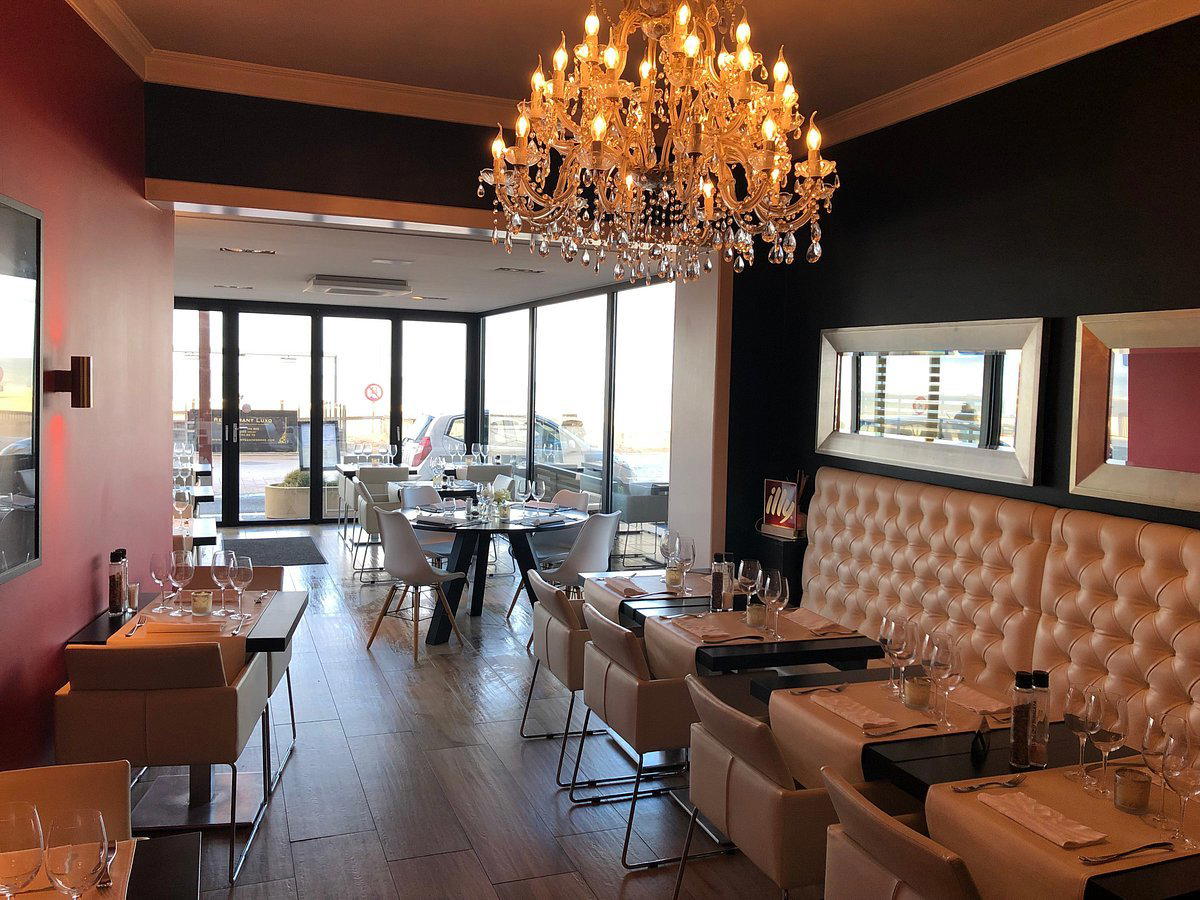
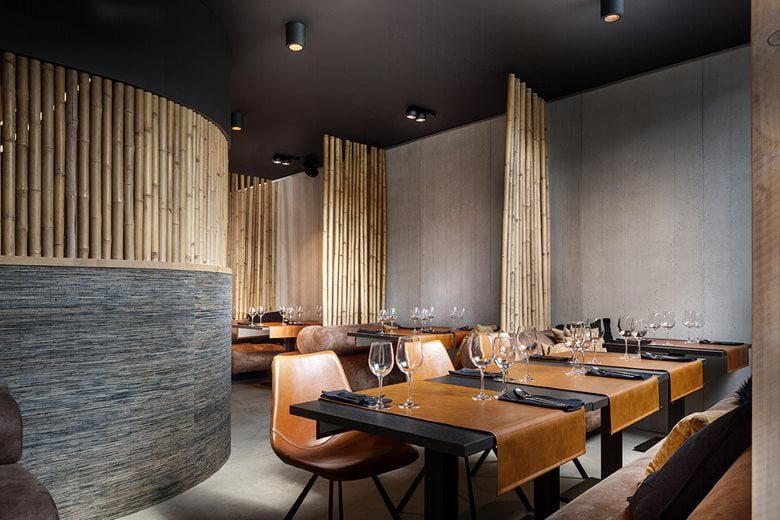
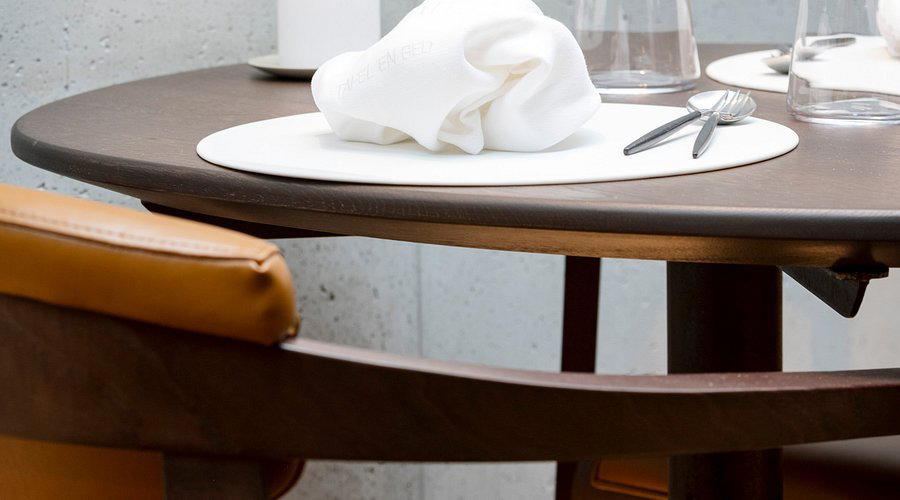
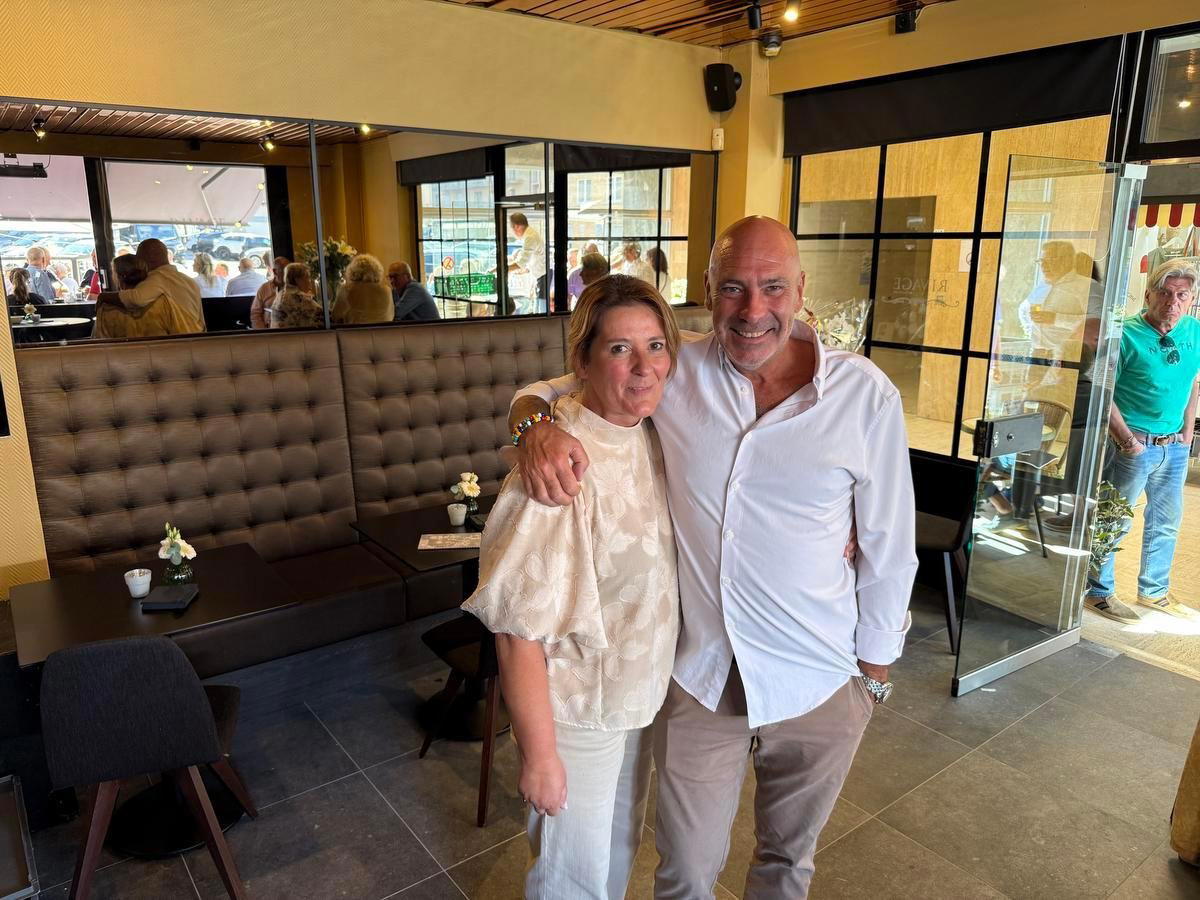
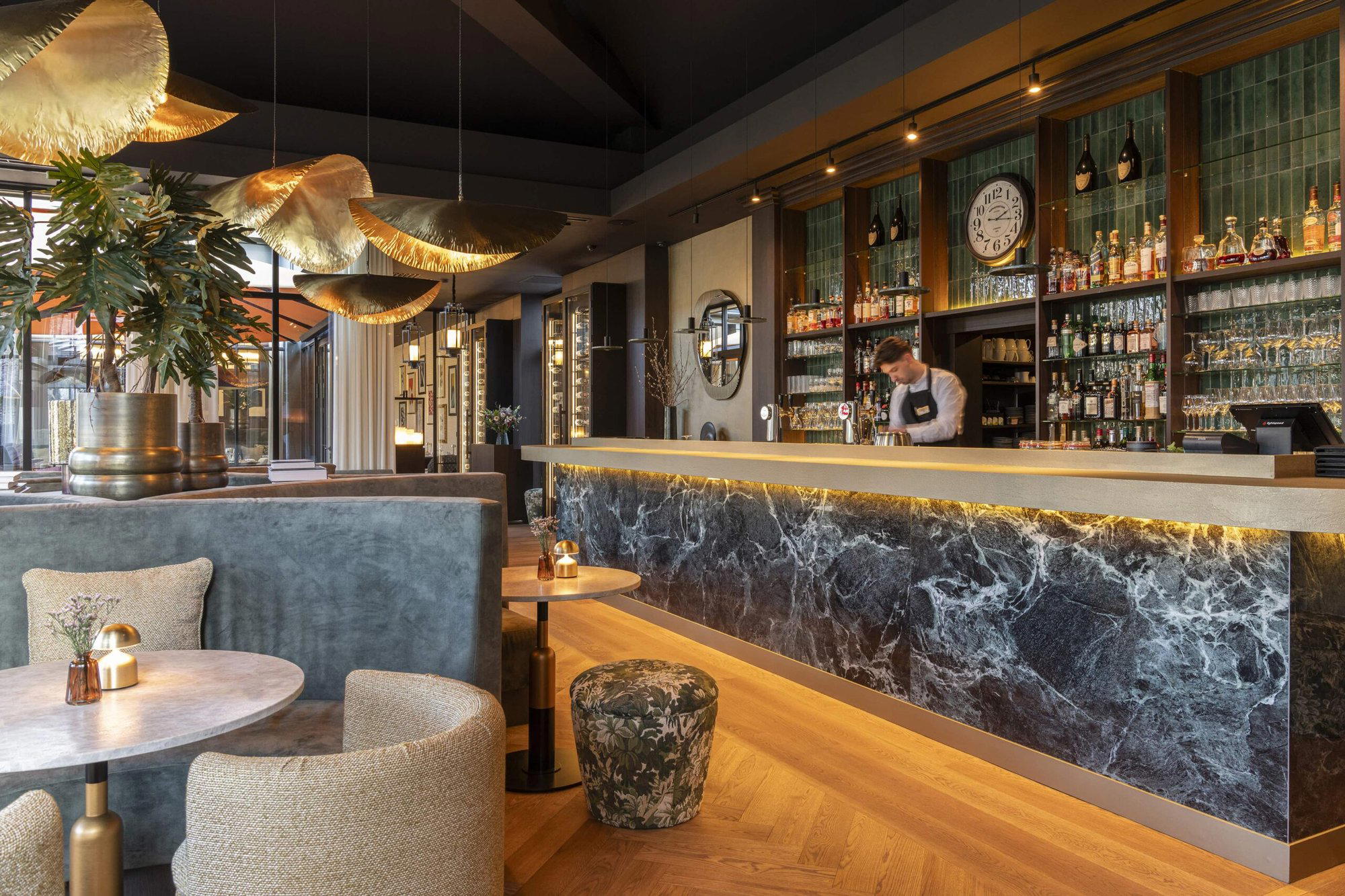
Cozy and neat interior with warm, welcoming atmosphere created by the owner couple.