On a quiet residential stretch of Carmersstraat, De Verloren Hoek occupies the kind of address that rewards those paying attention to Bruges beyond its postcard centre. The name, 'The Lost Corner', signals the ethos: a neighbourhood-scale seriousness that sits outside the main tourist circuit while remaining squarely within the city's broader fine-dining conversation.
Pearl is the En Primeur Club membership app — saves, bookings, and concierge access live there. Same editors, same standards.
- Address
- Carmersstraat 178, 8000 Brugge, Belgium
- Phone
- +32484762572
- Website
- deverlorenhoek.com
- Directions
- Get directions
 Saves & bookings on Pearl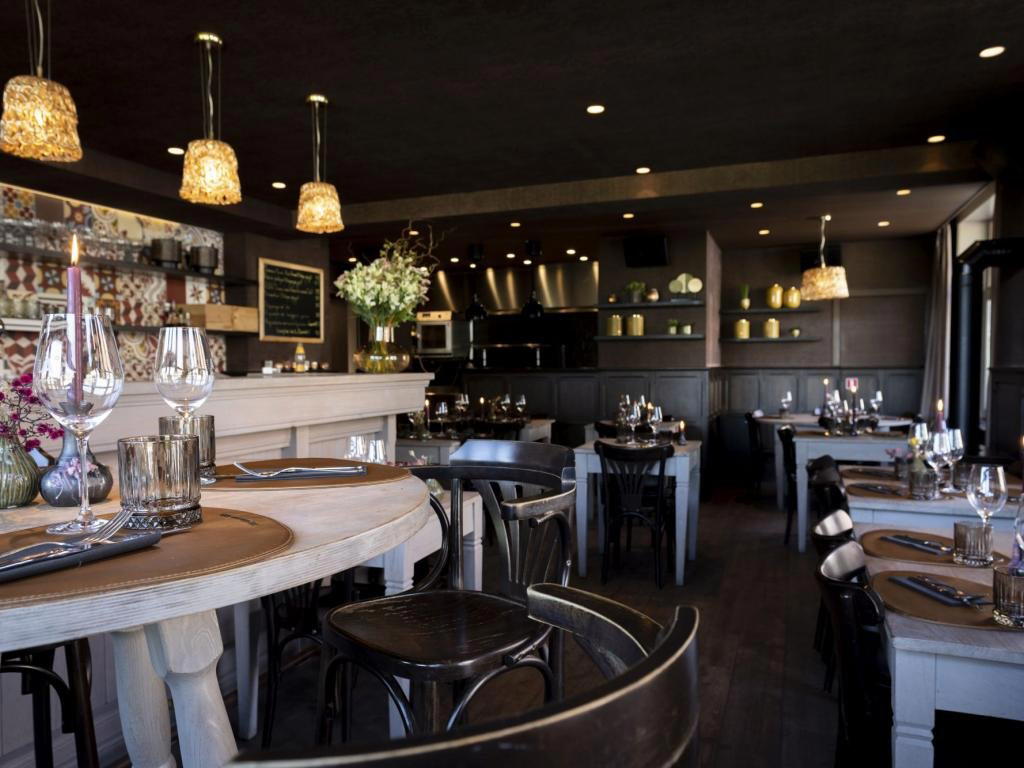
The Lost Corner of Bruges
Carmersstraat runs through one of Bruges's quieter residential quarters, where the canal-and-cobblestone theatrics of the Markt give way to something closer to actual city life. It is on this street, at number 178, that De Verloren Hoek, literally 'The Lost Corner', operates at a remove from the tourist density that defines so much of central Bruges. The approach tells you something before you've crossed the threshold: this is a room that depends on locals returning, on word of mouth, on the kind of trust that a neighbourhood address demands and a prime-tourist-strip address never needs to earn.
Bruges has long carried a reputation for conservative, product-driven cooking, a tradition rooted in West Flemish ingredients, North Sea fish, and a kitchen culture that prizes technique over spectacle. De Verloren Hoek belongs to a smaller, less-heralded tier within the same city: addresses where the ambition is present but the profile is deliberately low.
The Arc of the Meal
Multi-course formats in Bruges tend to follow a rhythm shaped by geography: the proximity of the North Sea pulls the early courses toward shellfish and cold-water fish, while the Flemish interior, leeks, chicory, game in season, anchors the later plates. In this sense, the progression of a meal at a Bruges table is almost climatically logical, moving from brine and cold coastal ingredients toward earthier, richer territory as the evening deepens.
De Verloren Hoek operates within that broader regional logic. The progression here is not disruptive, there is no attempt to overturn West Flemish cooking's foundational grammar, but it is deliberate. Opening courses tend toward the restrained: clean acids, careful salinity, an attention to texture that Belgian kitchens at this level have refined across decades. The middle of the meal is where the kitchen's confidence tends to show, in the handling of protein and in the willingness to let a single strong ingredient carry a plate without intervention. By the final savoury course, the room has usually settled into the particular warmth that a neighbourhood restaurant achieves when the pacing has been right from the start.
This is a style of cooking that rewards patience. The Belgian fine-dining tradition, represented at its most decorated end by tables like Hof van Cleve in Kruishoutem and Boury in Roeselare, has always valued the unhurried meal over the high-concept statement. The restaurant sits within that tradition, with a similar underlying seriousness about the sequence of the table.
Where It Sits in the Bruges Scene
Bruges's restaurant market has a structural quirk that shapes every table in the city: the tourist volume is enormous relative to the resident population, which means that the city's serious kitchens compete partly against each other and partly against the gravitational pull of restaurants that exist purely to service coach-tour footfall. The serious addresses cluster in a recognisable comparable set. Mémoire and Sans Cravate represent the contemporary French-influenced tier. 't Apertje operates in a more informal register. The restaurant occupies a different position again: the neighbourhood address that the serious local diner returns to precisely because the room hasn't been optimised for the visitor economy.
That distinction matters. A restaurant calibrated for locals in Bruges is calibrated for a demanding audience. The same region that contains Bruges also contains Willem Hiele in Oudenburg and Vrijmoed in Gent, and Flemish diners are not sentimental about mediocrity simply because it's local. To earn repeat custom in that context is a verifiable credential, even where formal awards are absent.
Belgian Fine Dining in Wider Context
Belgium's dining culture is frequently underread by travellers who use the country as a corridor to France or the Netherlands. The Belgian kitchen tradition is technically demanding and regionally specific in ways that don't resolve neatly into any single national stereotype. At the decorated end, it produces tables like Zilte in Antwerp and the Flemish kitchens represented at an international level. At a quieter frequency, it produces the kind of address that restaurant represents: precise, unpretentious in its setting, and serious in its sourcing without using that seriousness as a marketing instrument.
The same pattern appears in other Belgian cities. Bozar Restaurant in Brussels, La Durée in Izegem, and Ralf Berendsen in Neerharen each occupy specific niches within the Belgian scene without necessarily attracting the international attention that their equivalents in Paris or Copenhagen command. Understanding the restaurant means understanding that Belgian fine dining's most interesting work often happens at this less-publicised frequency. For international comparison, the format shares something with progressive tasting-menu restaurants like Lazy Bear in San Francisco, where the communal, neighbourhood-rooted character is as much the point as the cooking itself, and contrasts with the technical intensity of a room like Le Bernardin in New York City, where the product and the pedigree are the explicit proposition.
Other Belgian addresses worth contextualising alongside the restaurant include Cuchara in Lommel, d'Eugénie à Emilie in Baudour, and Ralf Berendsen in Neerharen, each a table that repays attention from travellers willing to move beyond the obvious Belgian dining circuit.
Planning Your Visit
The restaurant is at Carmersstraat 178, in the quieter northern residential section of Bruges, reachable on foot from the historic centre in roughly fifteen to twenty minutes. Reservations are recommended, and the restaurant's opening hours are Tue 5:30-9 PM; Wed-Sat 12-1:15 PM and 6-9 PM; Mon and Sun closed. Visiting Bruges outside the peak summer tourist season, from October through March, generally means a calmer city and a more natural pacing at neighbourhood-oriented tables like this one.
Recognition Snapshot
Comparable venues nearby, for context on price, style, and recognition.
| Venue | Cuisine | Price | Notes |
|---|---|---|---|
| De Verloren HoekThis venue — the venue you are viewing | Belgian Fusion Tapas | $$ | Not listed |
| Bonte B | Modern Belgian Fine Dining | $$$ | Bruges Center |
| Chez Vincent | Belgian Fries & Fast Food | $ | Sint-Salvatorskerkhof |
| De Gastro | Classic Belgian Bistro | $$ | Historic Center |
| Mosh | Artisanal Smashburgers | $$ | Sint-Jansplein |
| Bistro Den Amand | Seasonal Belgian Bistro | $$ | Old Town Bruges |
Continue exploring
More in Bruges
Restaurants in Bruges
Browse all →
Bars in Bruges
Browse all →
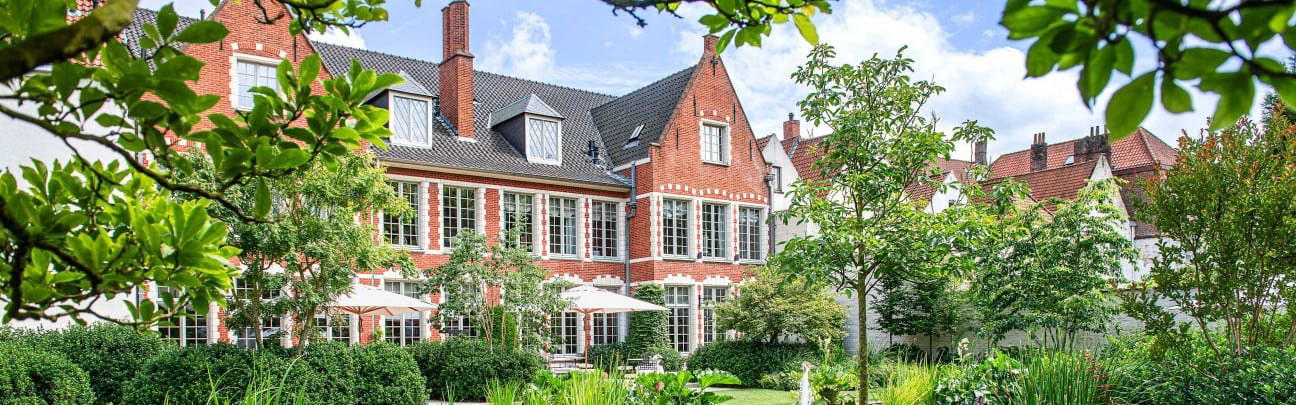
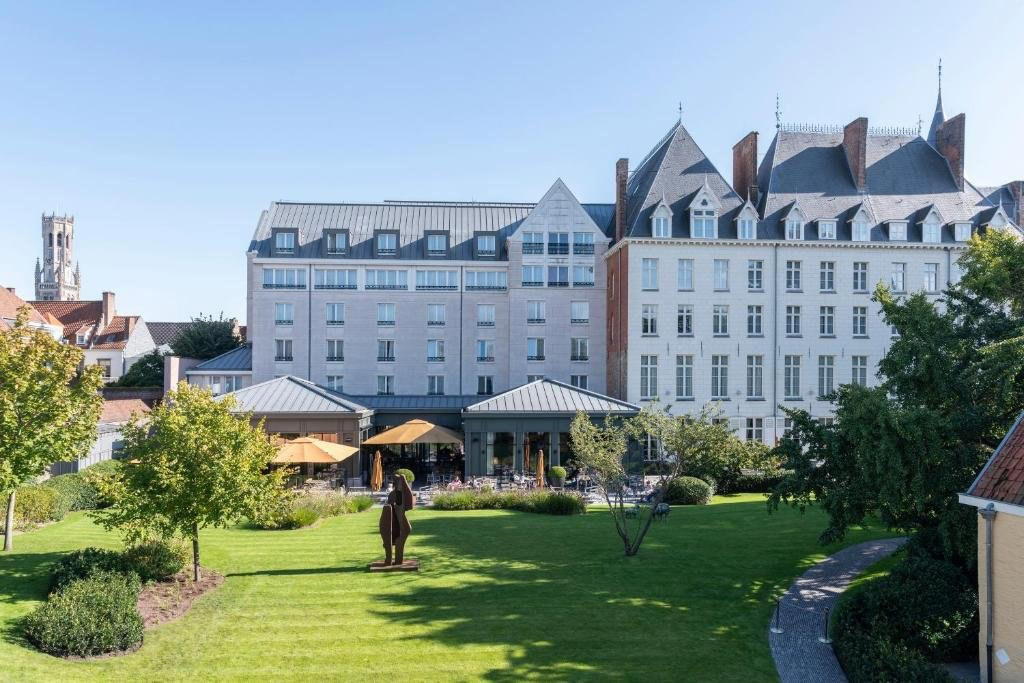
Hotels in Bruges
Browse all →
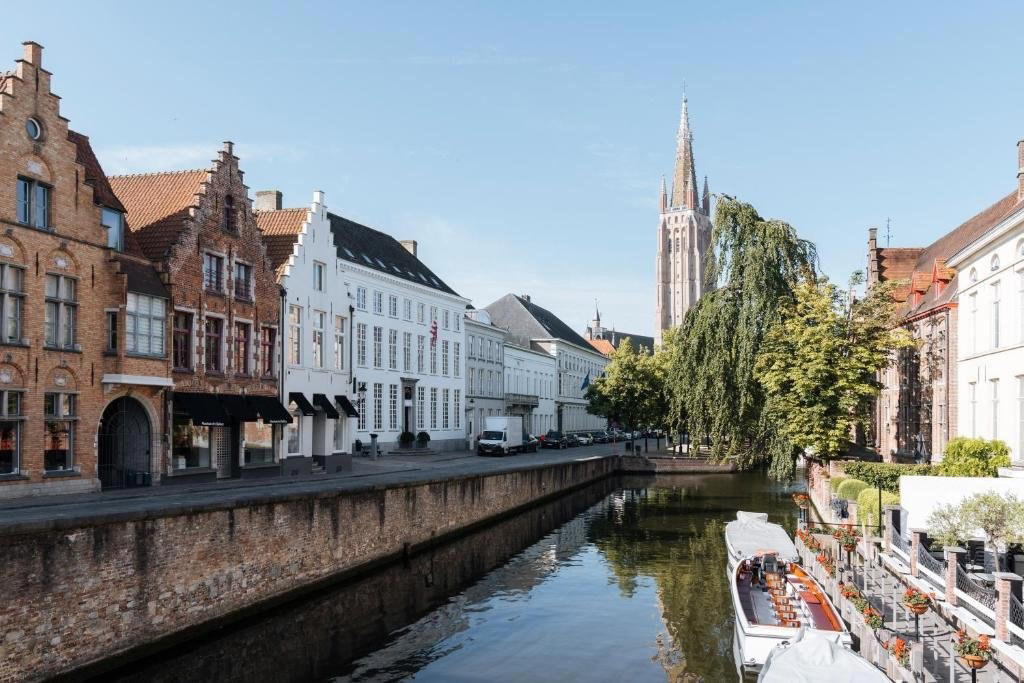
Wineries in Bruges
Browse all →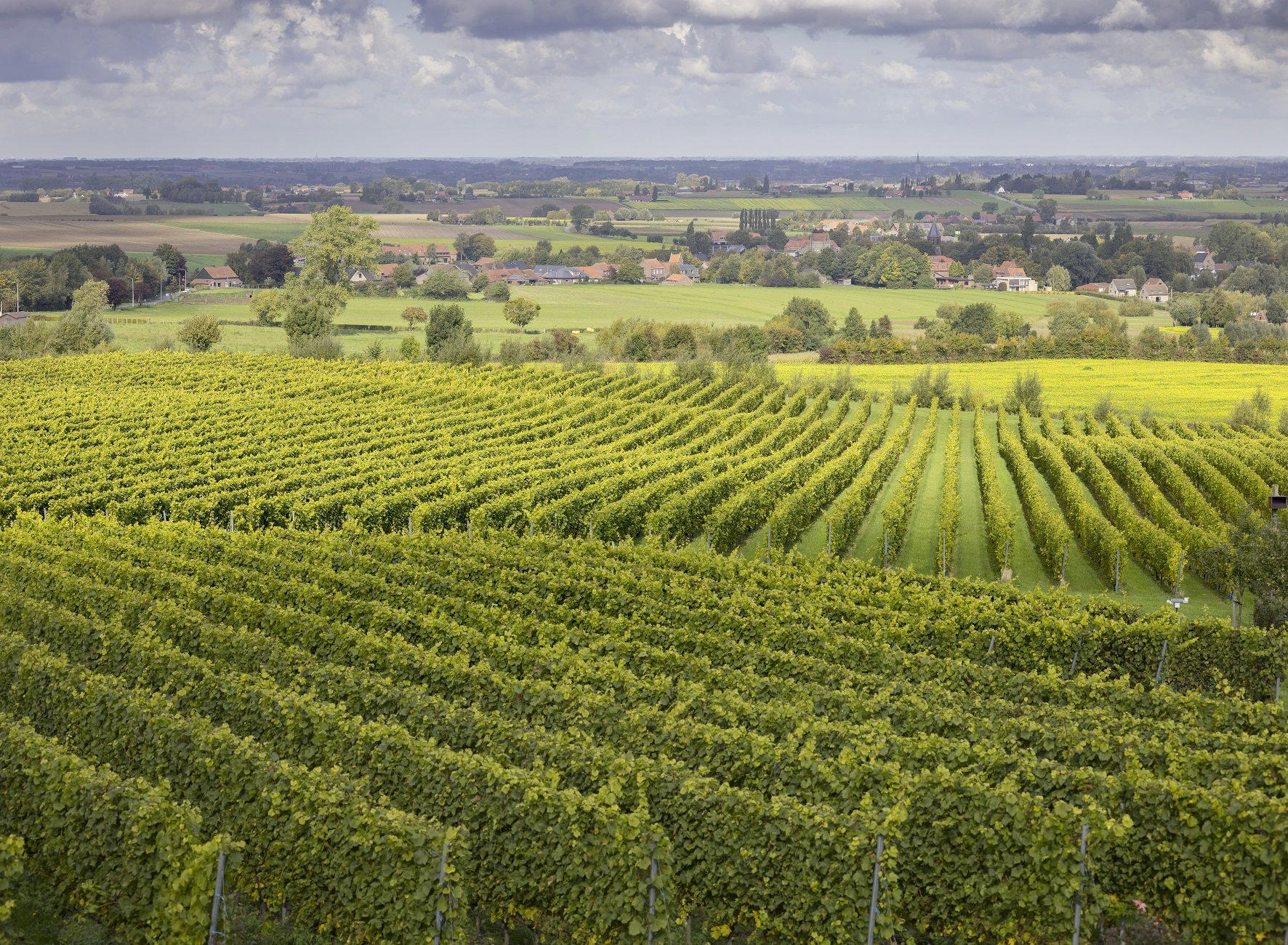
At a Glance
- Cozy
- Rustic
- Intimate
- Date Night
- Special Occasion
- Terrace
- Historic Building
- Street Scene
Current opening hours
- Monday
- Closed
- Tuesday
- 5:30–9 PM
- Wednesday
- 12–1:15 PM, 6–9 PM
- Thursday
- 12–1:15 PM, 6–9 PM
- Friday
- 12–1:15 PM, 6–9 PM
- Saturday
- 12–1:15 PM, 6–9 PM
- Sunday
- Closed
Hours can change for holidays and private events. Last verified .
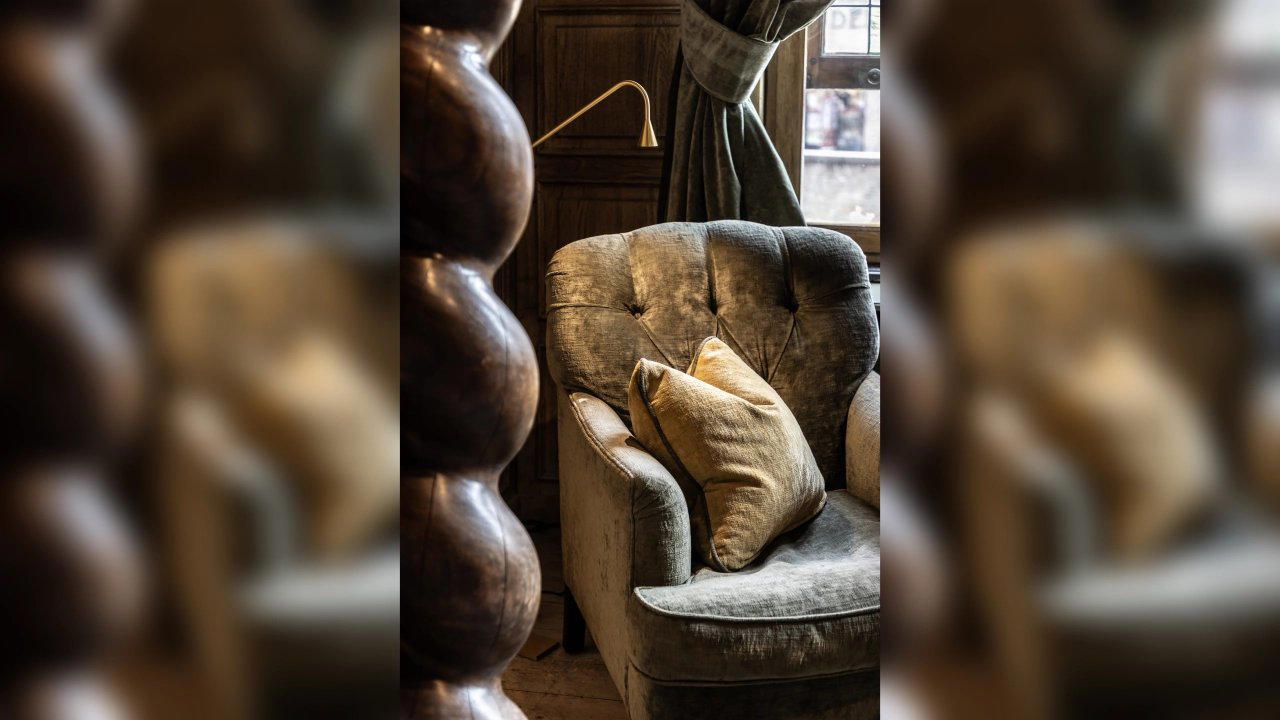
Cozy interior with atmospheric lighting, evoking a sense of historic charm and intimacy.