Gouden Karpel occupies a prominent address on Bruges's Vismarkt, the centuries-old fish market square that has defined how this city sources and cooks seafood. It sits within a dining tradition where the North Sea's daily catch meets kitchen technique shaped by both Flemish habit and continental influence, a combination that places it firmly in the conversation around Bruges's serious fish-focused restaurants.
Pearl is the En Primeur Club membership app — saves, bookings, and concierge access live there. Same editors, same standards.
- Address
- Vismarkt 9, 8000 Brugge, Belgium
- Phone
- +3250333494
- Website
- dengoudenkarpel.be
- Directions
- Get directions
 Saves & bookings on Pearl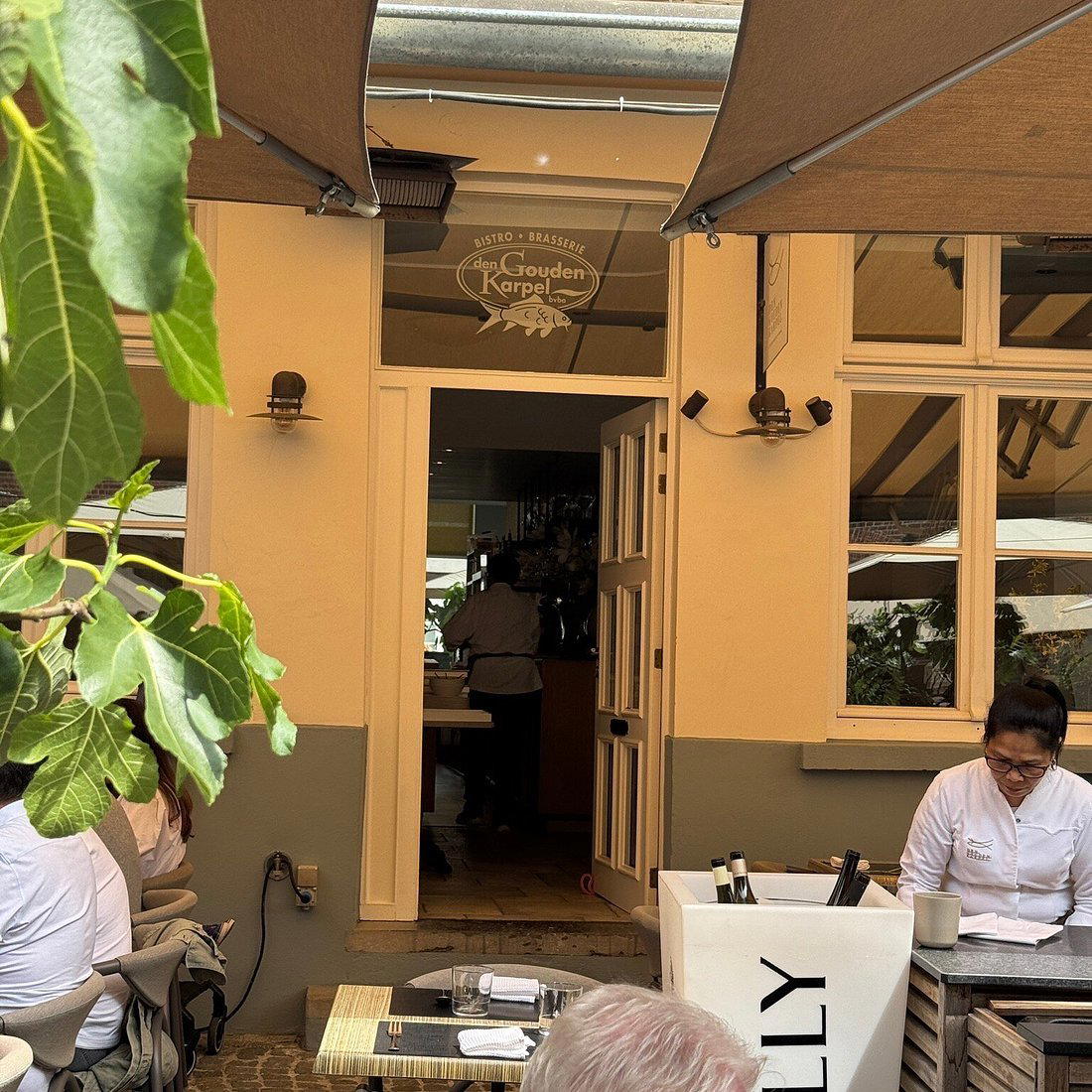
The Square That Shaped What Goes on the Plate
The Vismarkt in Bruges is not decorative heritage. The covered fish market at the centre of the square operated as a working trade point for centuries, and its geography still organises a cluster of fish-oriented restaurants that now line the surrounding streets. Gouden Karpel, a traditional Belgian seafood restaurant at Vismarkt 9 in Bruges, sits directly within that tradition. The location is a signal before the food arrives: restaurants that choose the Vismarkt are making a statement about what they consider primary, the product, sourced close, and the identity that comes with it.
The city draws from the same West Flemish fishing heritage that animates places like Bartholomeus in Heist and Willem Hiele in Oudenburg, both of which have built serious reputations on North Sea provenance and precise technique. In Bruges itself, the upper tier of dining includes De Karmeliet, long associated with Belgian fine dining, and a newer cohort of modern European addresses like Mémoire, Sans Cravate, and Zet'Joe by Geert Van Hecke. Gouden Karpel operates in a different register from those tasting-menu destinations, more anchored to a single product category, more directly tied to the market outside its windows.
Local Ingredients, the Method Behind Them
The intersection of imported technique and indigenous product is where Belgian coastal cooking has consistently produced its most coherent results. West Flanders kitchens have long applied French classical structure, precise stocks, carefully managed acidity, controlled heat, to fish and shellfish that arrive from the North Sea, the Oostende docks, and the shallow tidal zones off the Flemish coast. The geography produces sole, turbot, grey shrimp, mussels, and razor clams with characteristics shaped by cold, nutrient-rich water: firmer flesh, cleaner brine, more defined flavour than warmer-sea equivalents.
That productive tension between French-derived kitchen logic and Flemish raw material is visible across the region's serious fish restaurants. At Boury in Roeselare and Zilte in Antwerp, technique operates at high resolution around products with clear regional identity. The same logic applies at the Vismarkt end of Bruges: a kitchen that treats the square's heritage as a sourcing mandate, not a marketing premise, will cook differently from one that simply names local waters on a menu.
At the global level, the model has precedents. Le Bernardin in New York City built its reputation on French technique applied with absolute discipline to fish as the primary subject. Atomix in New York City does something structurally similar with Korean product logic filtered through fine-dining formats. In each case, the intelligence of the kitchen shows in how method serves material rather than overwriting it.
Seasonal Timing and What It Changes
The Vismarkt's rhythm is seasonal in ways that directly affect what a kitchen here can offer. Grey shrimp from the Belgian coast peak in autumn and early winter, when cold water concentrates their flavour. Sole and turbot are available year-round but are at their most consistent from late spring through summer. Mussel season in Belgium runs roughly from July through April, with the August-to-October window considered the point of highest quality. Visitors planning around a specific product should book accordingly, arriving in October to eat shrimp, or in June for turbot, rather than treating the calendar as neutral.
This seasonal specificity is a feature of the broader Flemish coastal dining tradition, not something any individual restaurant controls. It does mean, however, that the experience of eating at a Vismarkt address in November differs materially from the same table in March. The square itself is more atmospheric in colder months, when tourist traffic thins and the covered market structure becomes easier to appreciate on its own terms. For visitors combining Bruges dining with other Belgian destinations, Hof van Cleve in Kruishoutem, Bozar Restaurant in Brussels, and L'air du temps in Liernu are reference points that sit within the same high-attention Belgian dining circuit.
Planning a Visit
Gouden Karpel is located at Vismarkt 9, in the heart of Bruges's fish market precinct, within walking distance of the Burg and Markt squares. The address is accessible on foot from most central accommodation; the Vismarkt itself is a short walk from the main canal routes that define Bruges's tourist geography. For those arriving by rail, the station is roughly fifteen minutes on foot or five minutes by taxi from the Vismarkt area.
Contact and booking details are best confirmed directly. The restaurant's Vismarkt position places it among several fish-focused options in the immediate vicinity, so confirming format, hours, and reservation requirements before visiting is advisable, particularly during peak summer periods when Bruges absorbs high visitor volumes.
For comparable experiences within the city, 't Apertje and De Jonkman in Sint-Kruis represent different positions in the local dining range, while Castor in Beveren and d'Eugénie à Emilie in Baudour extend the circuit for those prepared to travel into the Flemish interior.
Comparable Spots
Comparable venues nearby, for context on price, style, and recognition.
| Venue | Cuisine | Price | Notes |
|---|---|---|---|
| Gouden KarpelThis venue — the venue you are viewing | Traditional Belgian Seafood | $$ | Not listed |
| The Blue Lobster | Belgian Seafood | $$ | Zeebrugge |
| Cuvee | Natural Wine Bar with Belgian Small Plates | $$ | St-anna |
| 't Apertje | Classic Belgian Bistro | $$ | Sint-Kruis |
| Breydel de Coninc | Traditional Belgian Seafood | $$$ | St-anna |
| MÁS | Mexican Street Food | $$ | historic city centre |
Continue exploring
More in Bruges
Restaurants in Bruges
Browse all →
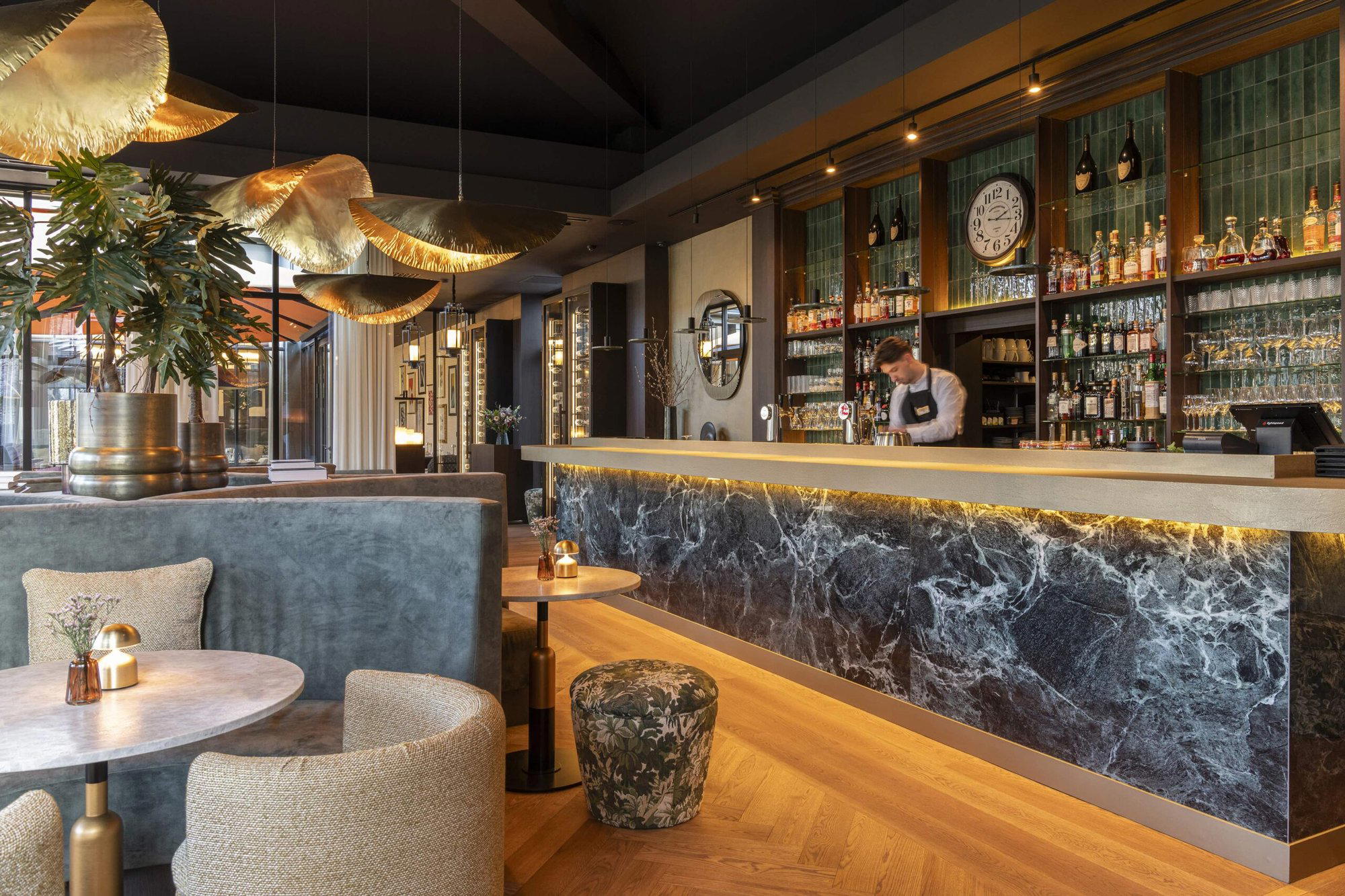
Bars in Bruges
Browse all →
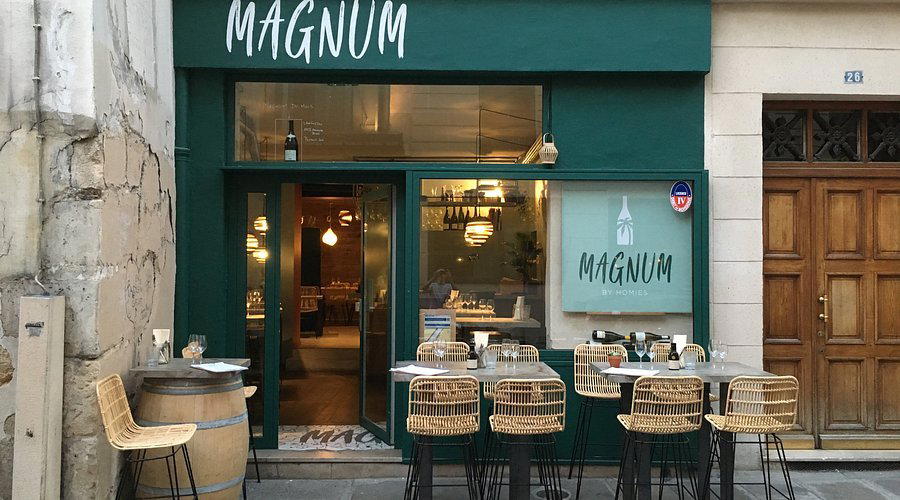
Hotels in Bruges
Browse all →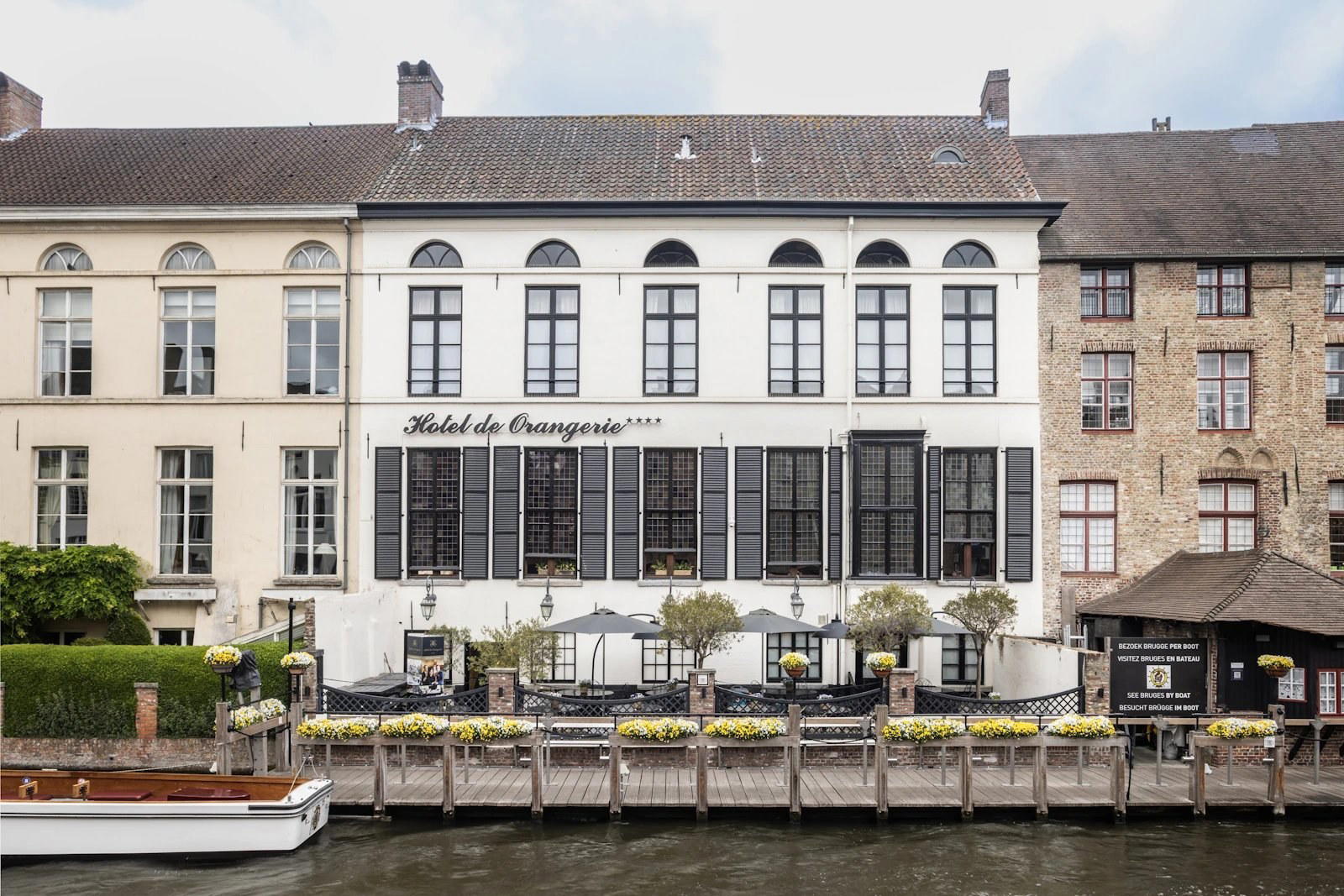
Wineries in Bruges
Browse all →
At a Glance
- Classic
- Cozy
- Lunch
- Dinner
- Historic Building
- Local Sourcing
- Street Scene
Current opening hours
- Monday
- Closed
- Tuesday
- 12–2 PM, 6:30–9 PM
- Wednesday
- 12–2 PM, 6:30–9 PM
- Thursday
- 12–2 PM, 6:30–9 PM
- Friday
- 12–2 PM, 6:30–9 PM
- Saturday
- 12–2 PM, 6:30–9 PM
- Sunday
- Closed
Hours can change for holidays and private events. Last verified .
Charming and inviting maritime atmosphere with a simple, café-like fishbar setup amid bustling fish shop activity.