
De Karmeliet put Bruges on the international fine dining map with three consecutive appearances on the World's 50 Best Restaurants list between 2003 and 2006, reaching as high as number 22. Located on Langestraat in the historic city centre, the restaurant represents the benchmark for Belgian fine dining in a city better known for its medieval canals than its culinary ambition.8 confirms the reputation has endured.
Pearl is the En Primeur Club membership app — saves, bookings, and concierge access live there. Same editors, same standards.
- Address
- Langestraat 19, 8000 Brugge, Belgium
- Website
- dekarmeliet.be
- Directions
- Get directions
 Saves & bookings on Pearl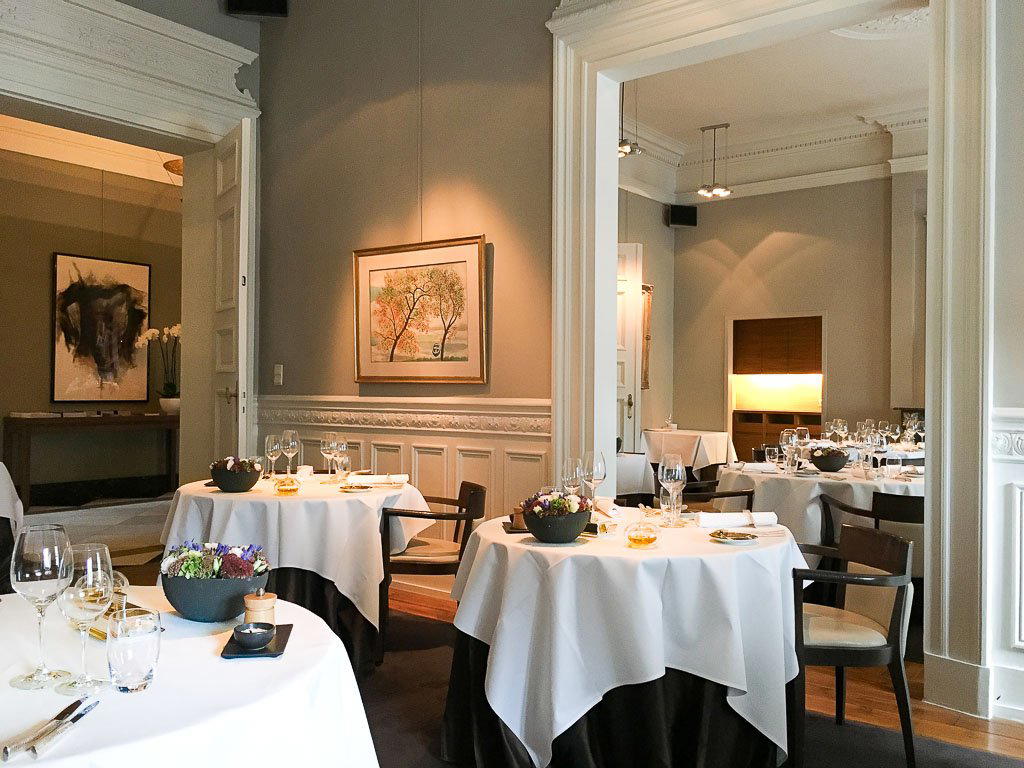
What the 50 Best Rankings Said About Belgian Fine Dining
For most of the early 2000s, the global fine dining conversation was dominated by Spanish molecular gastronomy and French classicism. Belgium, and Bruges specifically, sat at the edge of that conversation, respected among specialists, undercovered by the international press. De Karmeliet changed that calculus. Its appearance on the World's 50 Best Restaurants list in 2003, ranked at number 22, placed a Belgian kitchen among the more referenced addresses on the planet that year. Two further placements followed: number 48 in 2004 and number 47 in 2006. Three consecutive years in the 50 Best, across a period when the list was consolidating its authority as the industry's most scrutinised ranking, constitutes a record that few Belgian restaurants have matched before or since.
The significance of those rankings extends beyond trophy counting. In the early 2000s, appearing in the World's 50 Best carried a different weight than it does now. The list was smaller in its influence but tighter in its signal value, a placement implied that international jury members had eaten there, had compared it against peers in Paris, London, San Sebastián, and New York, and had found it credible at that level. For a restaurant in a Flemish city of 120,000 people, that kind of external validation reshaped what international visitors expected when they arrived in Bruges for dinner. Fine dining in Belgium began to be taken seriously in a way it had not been before.
Bruges as a Fine Dining Address
Bruges presents a specific challenge for serious restaurants. The city draws millions of visitors annually, the majority of them passing through on day trips from Brussels or Ghent, and much of the hospitality infrastructure is calibrated to that volume. Canal-side cafes, tourist menus, and chocolate shops define the visitor experience for most arrivals. Fine dining has always occupied a smaller, more deliberate niche here, serving the city's permanent population of informed locals alongside the smaller cohort of visitors who arrive specifically to eat well.
De Karmeliet, addressed at Langestraat 19 in the historic centre, occupies that niche at its most formal end. The street itself is quieter than the main tourist arteries, Steenstraat, Markt, Burg, which places the restaurant in a part of the city that rewards purposeful navigation rather than accidental discovery. Arriving on foot from the Markt takes roughly ten minutes, which is enough distance to shift the mood from canal-side tourism to something more considered. The building is characteristic of Bruges' domestic architecture: a townhouse facade that makes no concession to restaurant signage theatrics.
Within Bruges' current fine dining tier, De Karmeliet's 50 Best history places it in a different historical category from its contemporaries. Mémoire, Sans Cravate, and Assiette Blanche each hold Michelin recognition and represent the current Bruges fine dining set; Zet'Joe by Geert Van Hecke adds a Modern European dimension at the same price tier. De Karmeliet's comparison set, however, is less the current Bruges scene and more the generation of Belgian restaurants that appeared internationally in the early 2000s alongside it. The peer group is Hof van Cleve in Kruishoutem, Zilte in Antwerp, and Boury in Roeselare, kitchens that built their reputations during a period when Flemish fine dining was establishing its international credentials.
Belgian Fine Cuisine: The Tradition It Represents
Belgian fine dining occupies an unusual position in the European culinary hierarchy. It shares the French technical foundation, classical saucing, brigade structure, seasonal produce logic, but has historically been more willing to incorporate Flemish ingredient traditions: North Sea fish and shellfish, game from the Ardennes, witloof and hop shoots as seasonal markers, and a greater willingness to feature beer alongside wine in serious pairings. The cuisine type listed for the restaurant is Belgian Fine, a designation that carries more specificity than it might appear. It implies a kitchen working within the French classical tradition but expressing it through Flemish produce and sensibility rather than through Parisian orthodoxy.
This distinction matters for understanding what the restaurant represents relative to, say, Bozar Restaurant in Brussels, which operates within the capital's more cosmopolitan fine dining register, or Le Bernardin in New York City, which represents the French classical tradition in its most internationally exported form. Belgian Fine is a regional inflection, not a derivation, and the 50 Best rankings confirmed that international jurors recognised the distinction as adding value rather than limiting ambition.
Flemish fine dining in the coastal and canal cities has also been shaped by proximity to the North Sea. Bartholomeus in Heist and Willem Hiele in Oudenburg demonstrate how that coastal ingredient logic has continued to evolve in younger kitchens. The restaurant's 50 Best placements occurred before that younger generation had fully established itself, which gives the restaurant a foundational rather than contemporary role in understanding how Flemish fine dining developed.
Reading the Google Rating in Context
8 from 19 reviews is a specific data point worth parsing carefully. The low review count suggests the restaurant does not serve high volume, this is not a restaurant where hundreds of tourists leave quick ratings after a canal-side meal. The high score across that smaller sample points to a consistent experience delivered to a self-selecting audience that arrived with considered expectations. At the fine dining level, that pattern of low volume and high satisfaction is more meaningful than the reverse.
For context, restaurants at the level the restaurant occupied during its 50 Best years, comparable to Atomix in New York City in terms of critical tier, if not in cuisine tradition, typically attract review audiences who understand what they're evaluating. A 4.8 from that cohort carries more signal than a 4.8 from a high-volume tourist operation. The rating suggests the kitchen's standards have held across a long operating history, which is itself a form of evidence for a restaurant whose defining moments came two decades ago.
Planning a Visit: What to Know Before You Go
Bruges is served by direct train from Brussels Midi in approximately one hour, making it feasible as a long-day destination from the Belgian capital or as a stopover from London via Eurostar. For visitors prioritising the restaurant specifically, an overnight stay removes the timing pressure that day trips impose on a serious dinner. The restaurant's address on Langestraat is walkable from most accommodation in the historic centre.
ATELIER D THE BISTRO represents a more casual French register for secondary meals.
Comparable Venues
Comparable venues nearby, for context on price, style, and recognition.
| Venue | Cuisine | Price | Awards | Notes |
|---|---|---|---|---|
| De KarmelietThis venue — the venue you are viewing | Modern French Fine Dining with Belgian Seafood | $$$$ | World's 50 Best #22 | Not listed |
| Sans Cravate | Creative French | $$$$ | Michelin 1 Star | St-anna |
| Mémoire | Contemporary French-Belgian Fine Dining | $$$$ | Michelin 1 Star | Historic Center |
| Zet'Joe by Geert Van Hecke | Creative French Fine Dining | $$$$ | Michelin 1 Star | Bruges |
| Tou. Gou | Creative French Farm-to-Table | $$ | Bib Gourmand | centrum Brugge |
| Le Mystique | Modern French Fine Dining | $$$$ | Michelin Plate | City Centre |
Recognition history
Dated appearances from independent guides and award organizations, with the underlying list record or original source where available.
World's 50 Best Best Restaurants #47
World's 50 Best
World's 50 Best Best Restaurants #48
World's 50 Best
World's 50 Best Best Restaurants #22
World's 50 Best
Continue exploring
More in Bruges
Restaurants in Bruges
Browse all →
Bars in Bruges
Browse all →
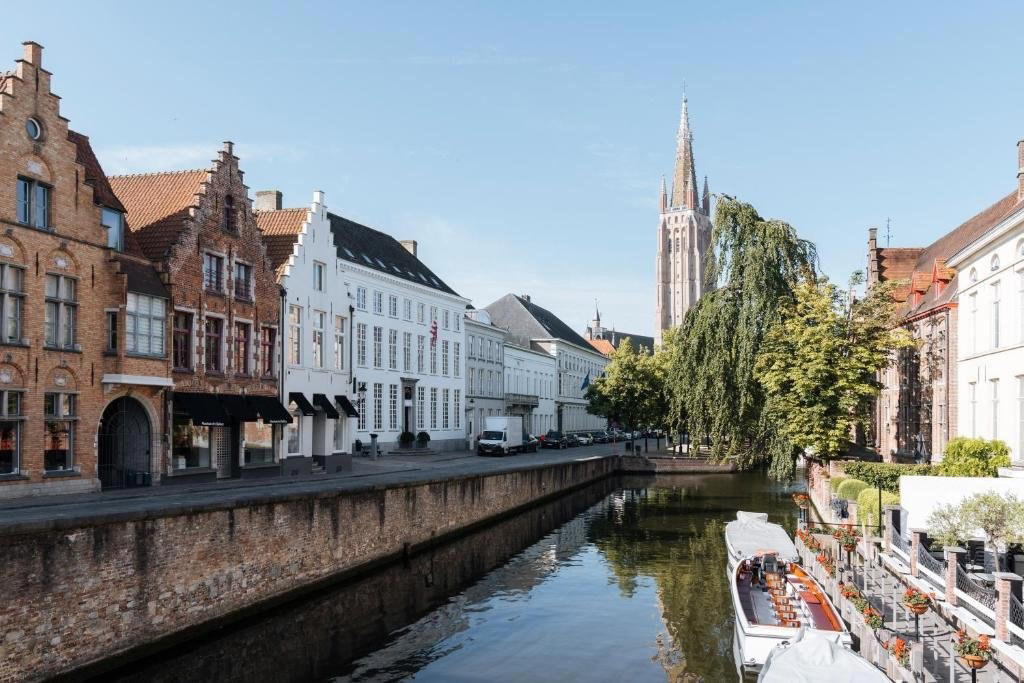
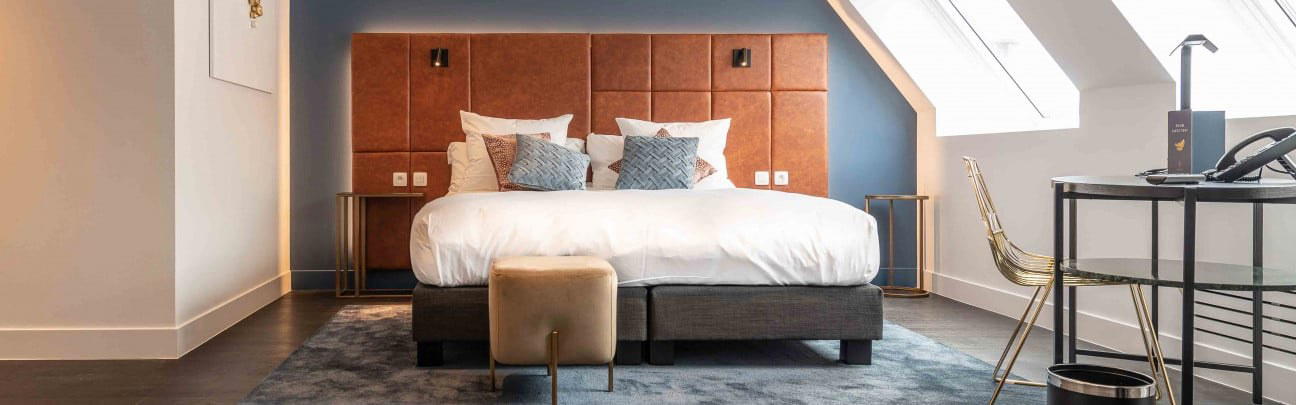
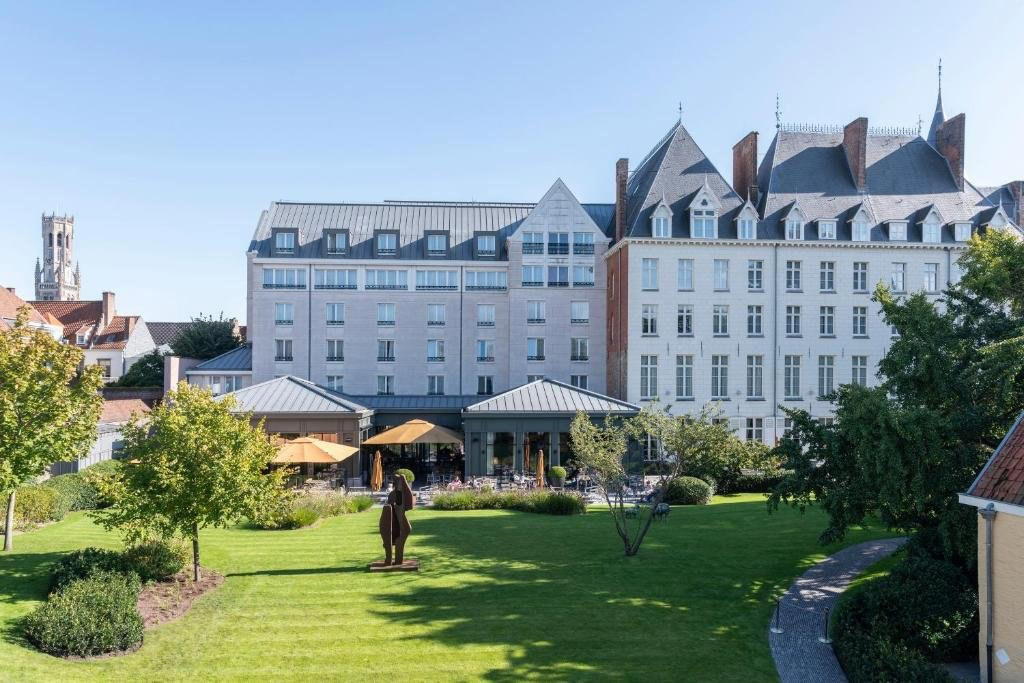
Hotels in Bruges
Browse all →
Wineries in Bruges
Browse all →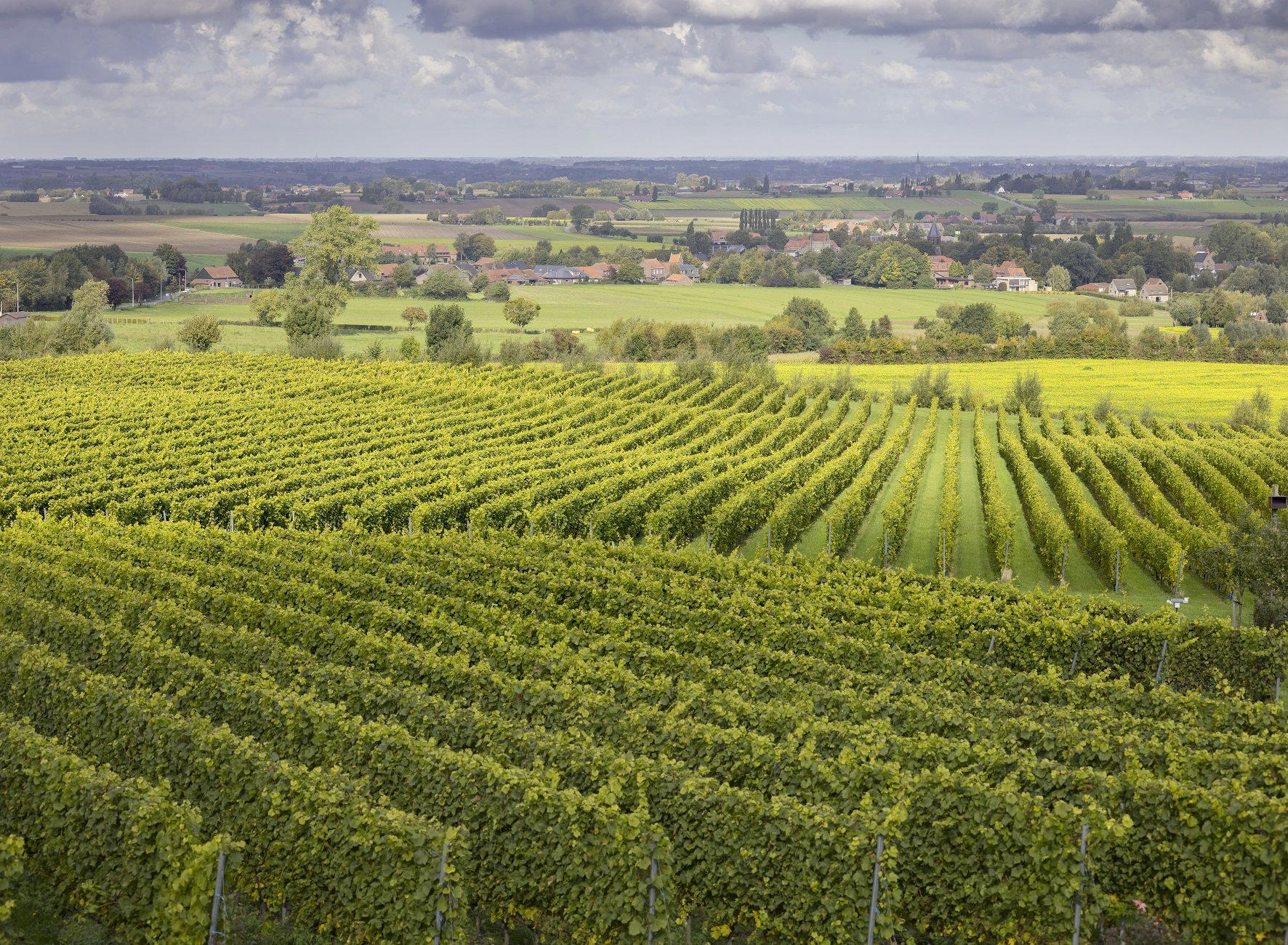
At a Glance
- Elegant
- Sophisticated
- Intimate
- Classic
- Special Occasion
- Date Night
- Business Dinner
- Historic Building
- Extensive Wine List
- Sommelier Led
- Local Sourcing
Peaceful carpeted dining room with paintings, candlelit setting creating an elegant and intimate atmosphere.