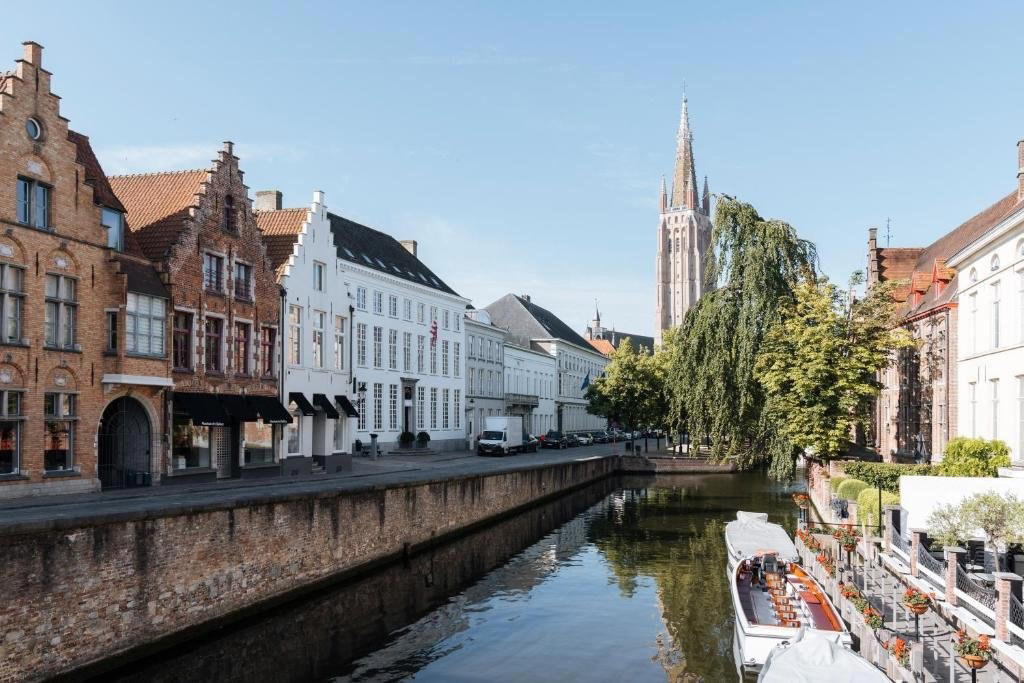
Positioned along the Damse Vaart canal southeast of Bruges's historic centre, 't Apertje occupies a stretch of the city where waterway dining has its own quiet tradition, distinct from the tourist-facing terraces of the Markt. The address places it firmly outside the central dining cluster, drawing a local crowd and suggesting a kitchen that earns its return visits on cooking rather than footfall.
Pearl is the En Primeur Club membership app — saves, bookings, and concierge access live there. Same editors, same standards.
- Address
- Damse Vaart-Zuid 223, 8310 Brugge, Belgium
- Phone
- +3250350012
- Website
- apertje.be
- Directions
- Get directions
 Saves & bookings on Pearl
Canal-Edge Dining Beyond the Historic Centre
Bruges rewards those who leave the Markt behind. The canal roads running south and east of the centre, including the Damse Vaart corridor, carry a different character: fewer tourists, more residents on bicycles, and restaurants that operate on neighbourhood logic rather than proximity to the belfry. 't Apertje, at Damse Vaart-Zuid 223, sits within this quieter register, positioned where the canal widens into the flat Flemish polder landscape that connects Bruges to Damme. It is the kind of address that takes a small effort to reach and tends to attract the guests who know why they are going.
Canal-side dining in this part of West Flanders has a modest but persistent tradition. The routes along the Damse Vaart have long drawn cyclists and walkers on weekends, and the restaurants along the water have historically served a function that is part destination meal, part rest stop. That context shapes the atmosphere around 't Apertje before a single dish arrives.
The Arc of a Meal Along the Damse Vaart
Belgium's dining culture has always moved between two registers: the quick, convivial table that runs on beer and frites, and the more considered meal that treats the table as a place for time rather than efficiency. Restaurants outside the urban core, particularly those with a canal or countryside address, tend to occupy the latter space. Guests arrive having made a journey, however small, and the kitchen is expected to honour that.
The tasting progression at venues operating in this tradition typically begins with something grounded in the local larder. West Flanders and the polders around Bruges produce grey shrimp, eel, and a range of freshwater fish, alongside the chicory, leeks, and root vegetables that define Flemish seasonal cooking. A meal structured around this geography tends to open with something delicate, a nod to the water and the season, before moving through richer preparations as the courses advance.
That arc, from lighter to more substantial, from the canal to the countryside, reflects a discipline that the better restaurants along these waterways have refined over decades. The coastal and polder belt around Bruges carries its own strand of that argument, with venues like Bartholomeus in Heist demonstrating how a canal or coastal address can anchor a kitchen's identity rather than limit it.
Where 't Apertje Sits in the Bruges Dining Picture
Bruges has a small but concentrated set of restaurants that attract serious diners. The central cluster includes Mémoire, operating in the modern French idiom, Sans Cravate with its creative French approach, and Zet'Joe by Geert Van Hecke, which draws on modern European and creative French traditions at the €€€€ tier. De Karmeliet anchors the city's Belgian fine dining heritage, while Assiette Blanche adds another modern French option to the mix.
Against that central cluster, the restaurant occupies a different position by geography and likely by format. Canal addresses in this part of Bruges tend to attract a more local and regional dining public, and the register is often less formal than the city-centre fine dining tier. That is not a criticism but a distinction. The Flemish tradition of the honest, well-executed regional meal, prepared with good ingredients and served without ceremony, has produced restaurants that outlast many of their more decorated peers.
For context on what the broader Belgian fine dining scene looks like beyond Bruges, Zilte in Antwerp, Bozar Restaurant in Brussels, and L'air du Temps in Liernu each represent the upper tier of Belgian cooking in their respective cities and regions. d'Eugénie à Emilie in Baudour, Castor in Beveren, and De Jonkman in Sint-Kruis round out the picture of serious Flemish cooking spread across the region. Internationally, the progression-driven tasting format practised at venues like Le Bernardin in New York City and the course-by-course narrative architecture of Atomix illustrate how the structured meal has become a global grammar, even as regional Belgian restaurants maintain their own, less theatrical version of it.
Planning a Visit
The address at Damse Vaart-Zuid 223 places the restaurant outside comfortable walking distance from the historic centre, roughly 3 to 4 kilometres southeast along the canal. The practical options are cycling, which suits the flat terrain and the canal-path infrastructure that connects central Bruges to the Damme road, or driving, which requires attention to parking along the canal bank. Given the canal-side location and the weekend cycling culture around the Damse Vaart, warm-weather weekend lunches are likely the busiest service.
Standing Among Peers
Comparable venues nearby, for context on price, style, and recognition.
| Venue | Cuisine | Price | Notes |
|---|---|---|---|
| 't ApertjeThis venue — the venue you are viewing | Classic Belgian Bistro | $$ | Not listed |
| Réliva | Seasonal Organic European | $$ | historic centrum |
| Pralinette | Artisanal Belgian Chocolatier | $$ | Historic Center |
| Gouden Karpel | Traditional Belgian Seafood | $$ | Historic Center |
| Chocolaterie Sukerbuyc | Artisanal Belgian Chocolates | $$ | Historic Center |
| t'Lammetje | Traditional Belgian Seafood & Lamb Bistro | $$ | Heart of Bruges, near Fishmarket |
At a Glance
- Cozy
- Classic
- Scenic
- Casual Hangout
- Group Dining
- Waterfront
- Terrace
- Standalone
- Local Sourcing
- Waterfront
Current opening hours
- Monday
- 12–2 PM, 6:30–8 PM
- Tuesday
- 12–2 PM, 6:30–8 PM
- Wednesday
- Closed
- Thursday
- Closed
- Friday
- 12–2 PM, 6:30–8 PM
- Saturday
- 12–2 PM, 6:30–8 PM
- Sunday
- 12–2 PM, 6:30–8 PM
Hours can change for holidays and private events. Last verified .
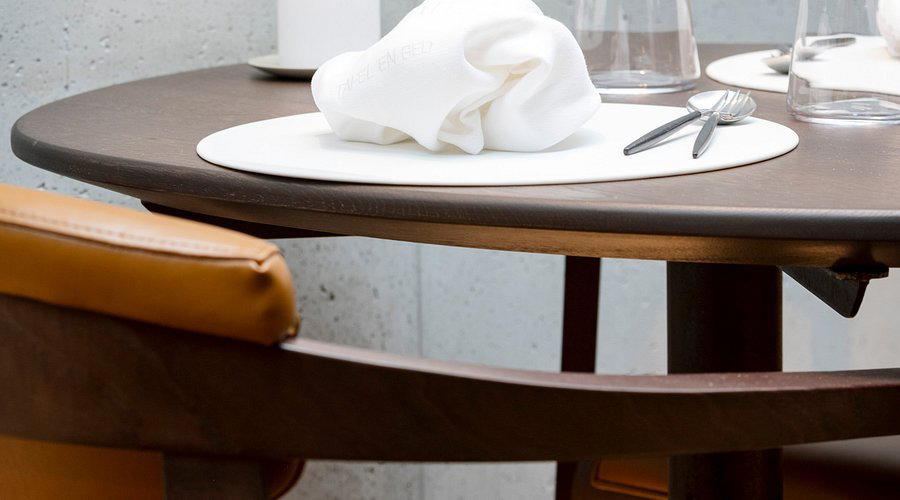
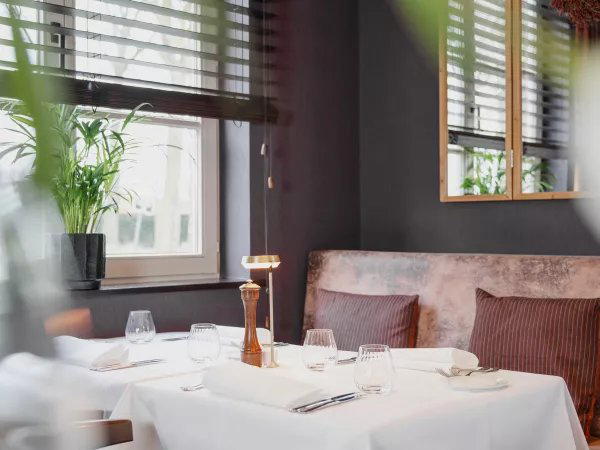
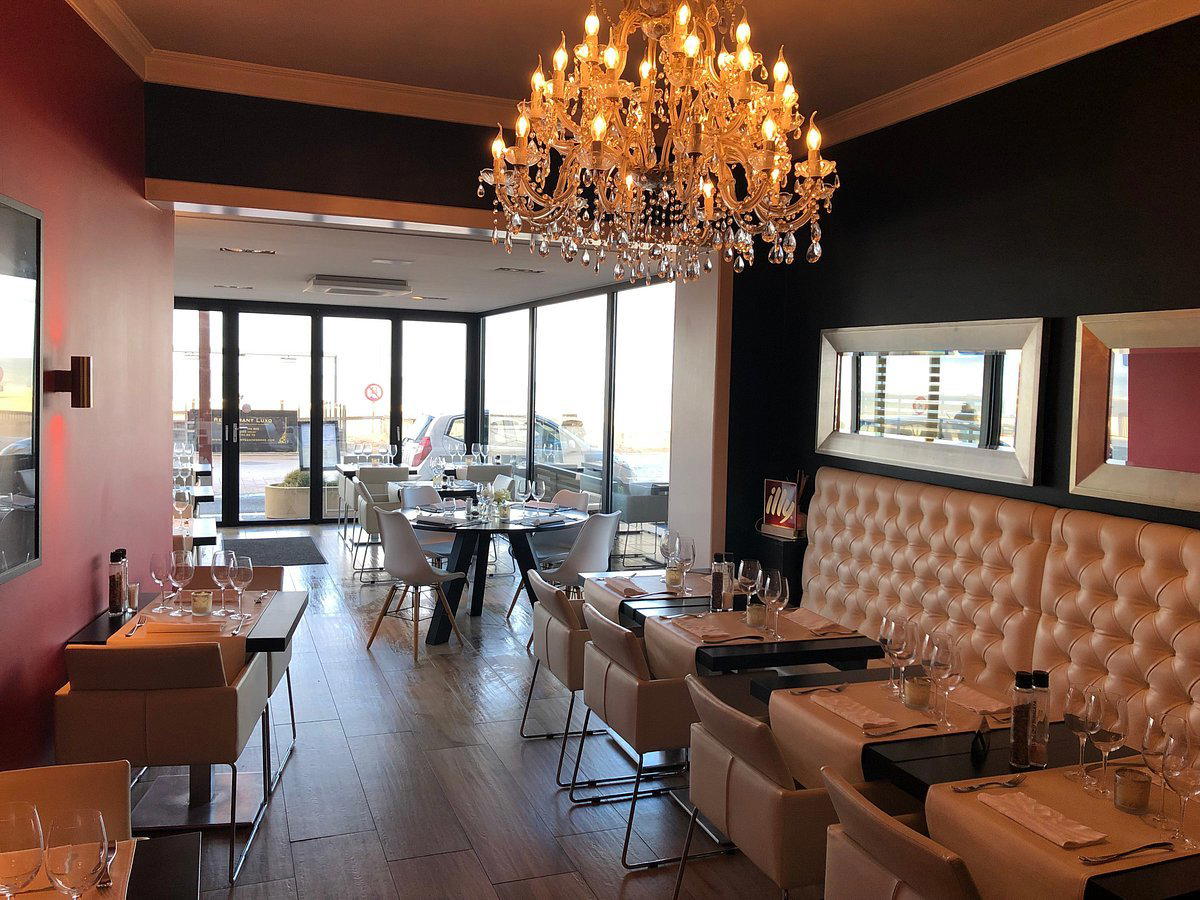
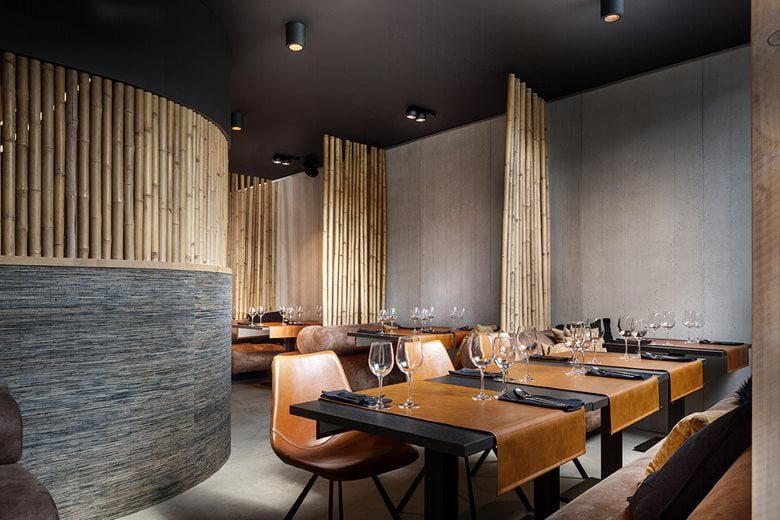
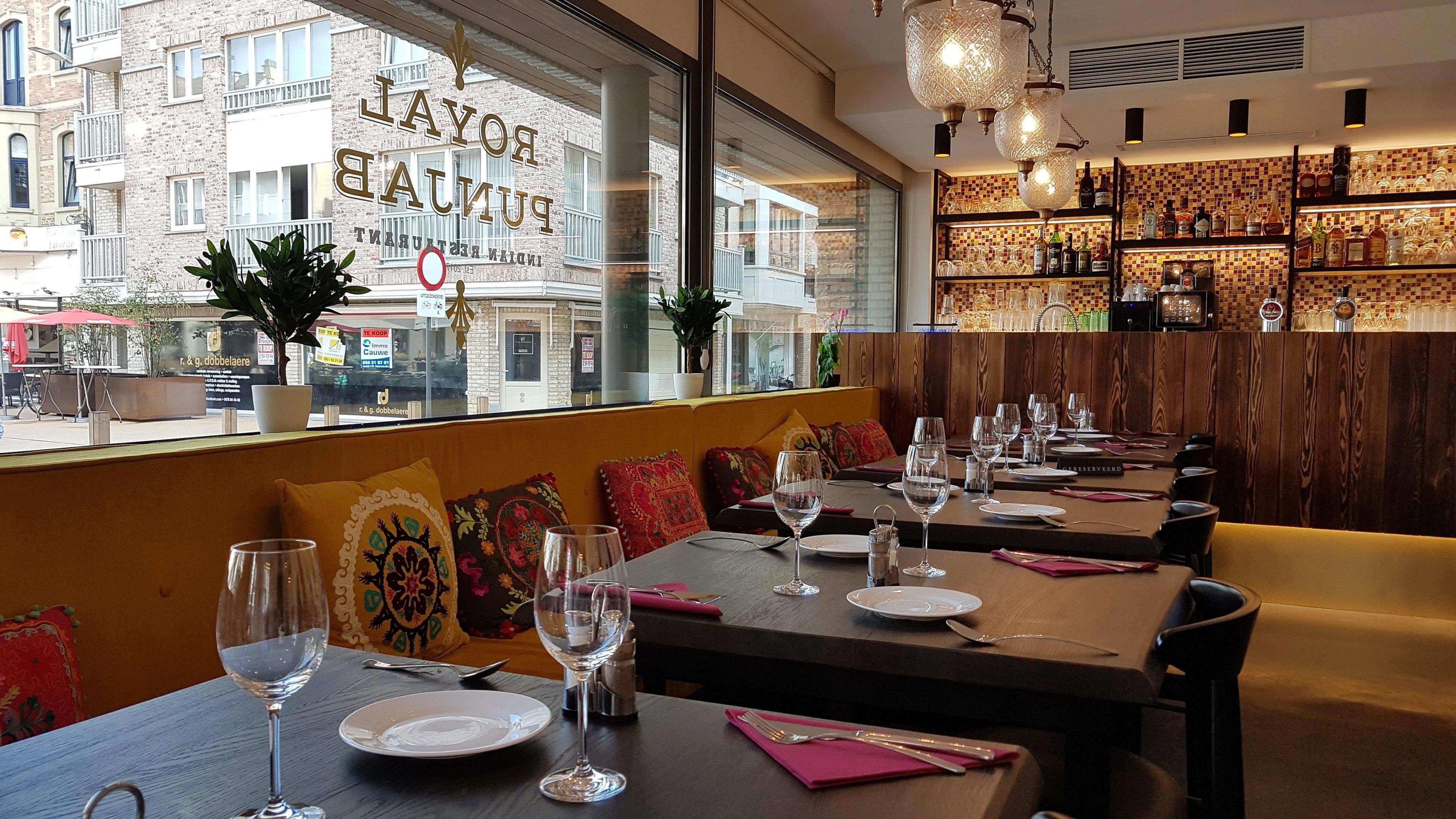
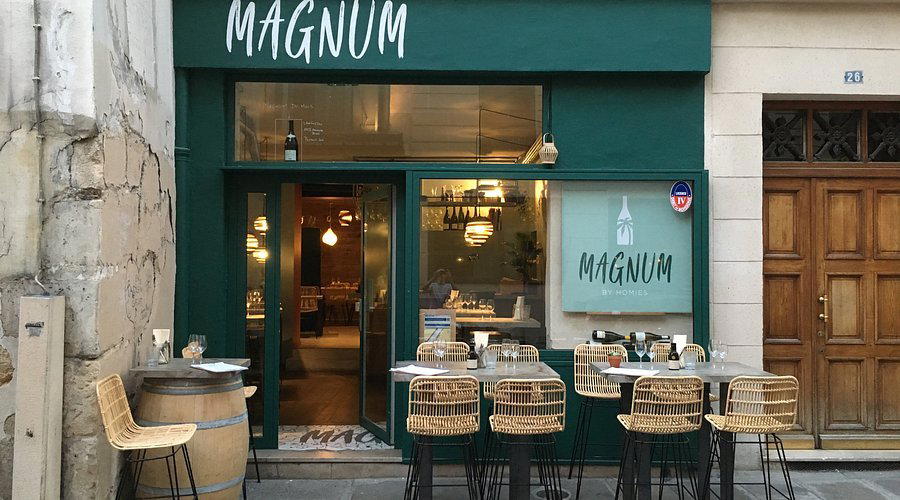
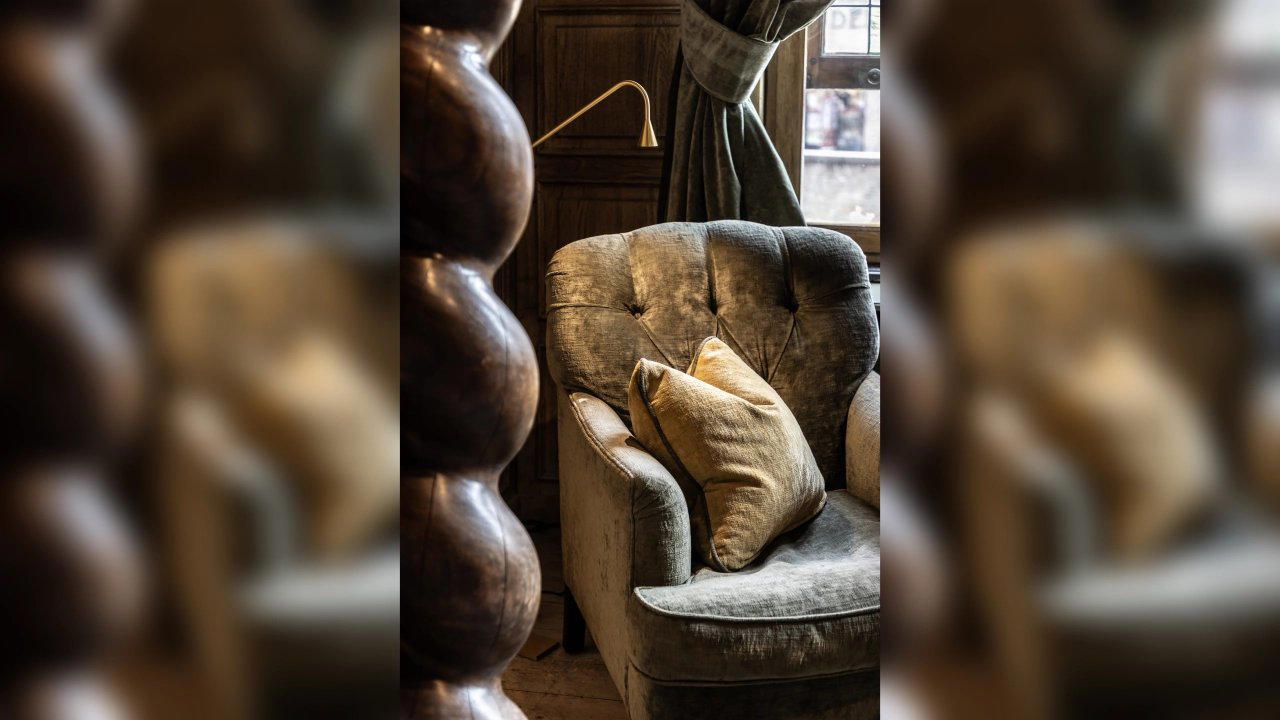
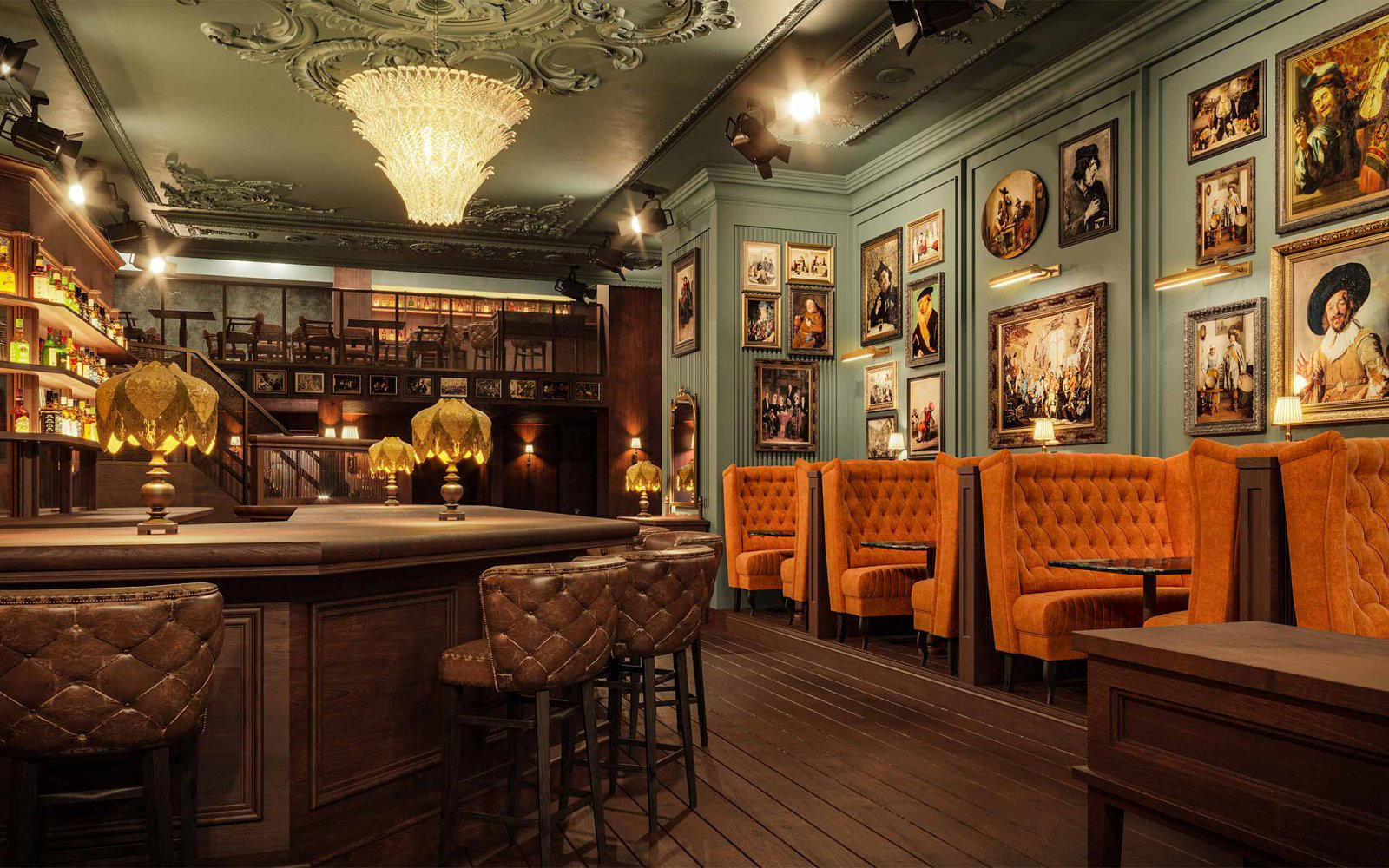
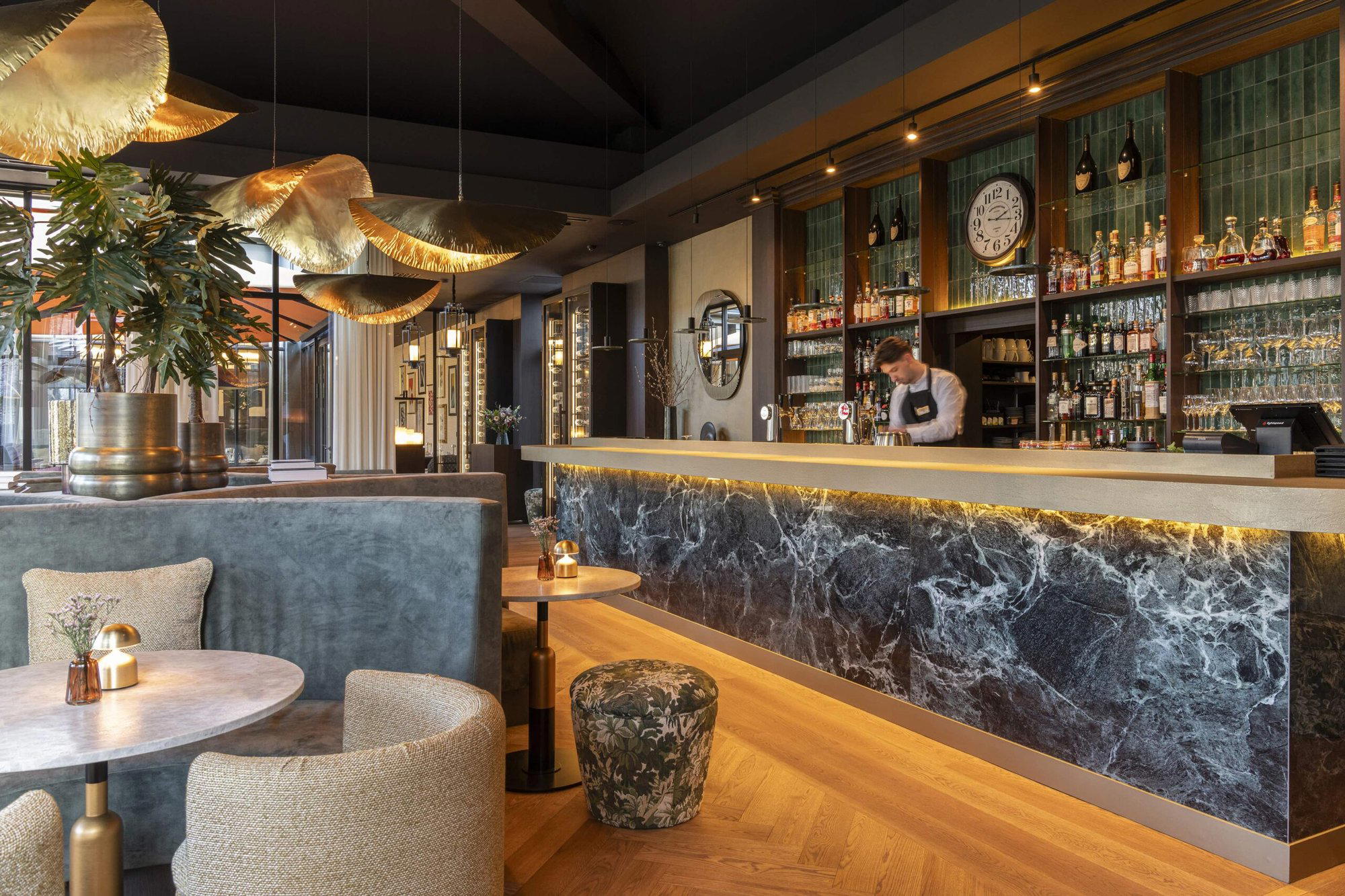
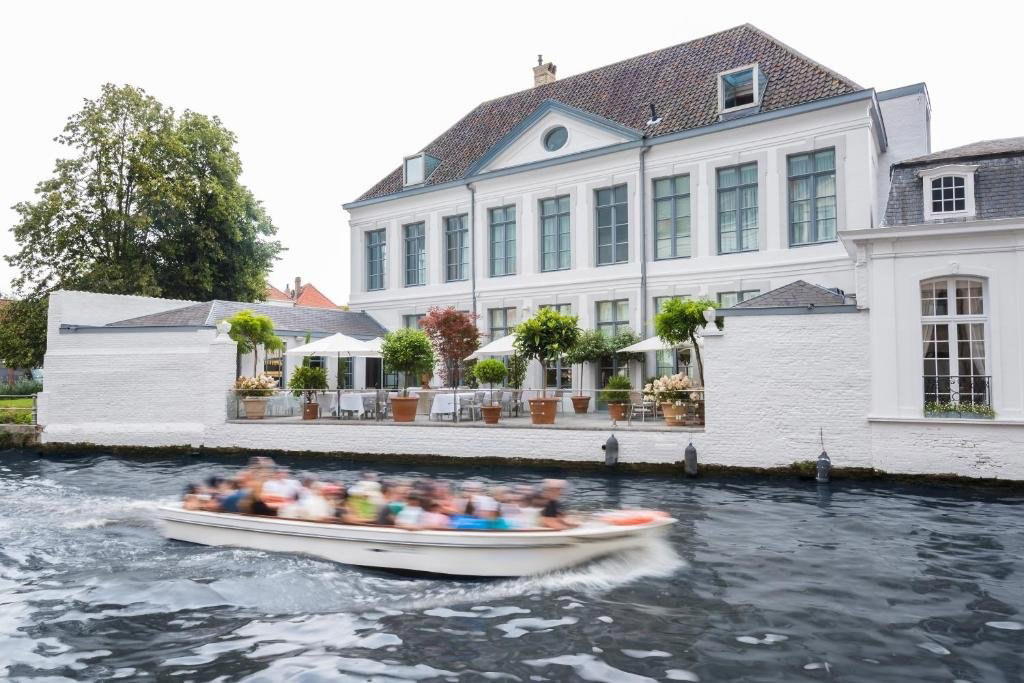
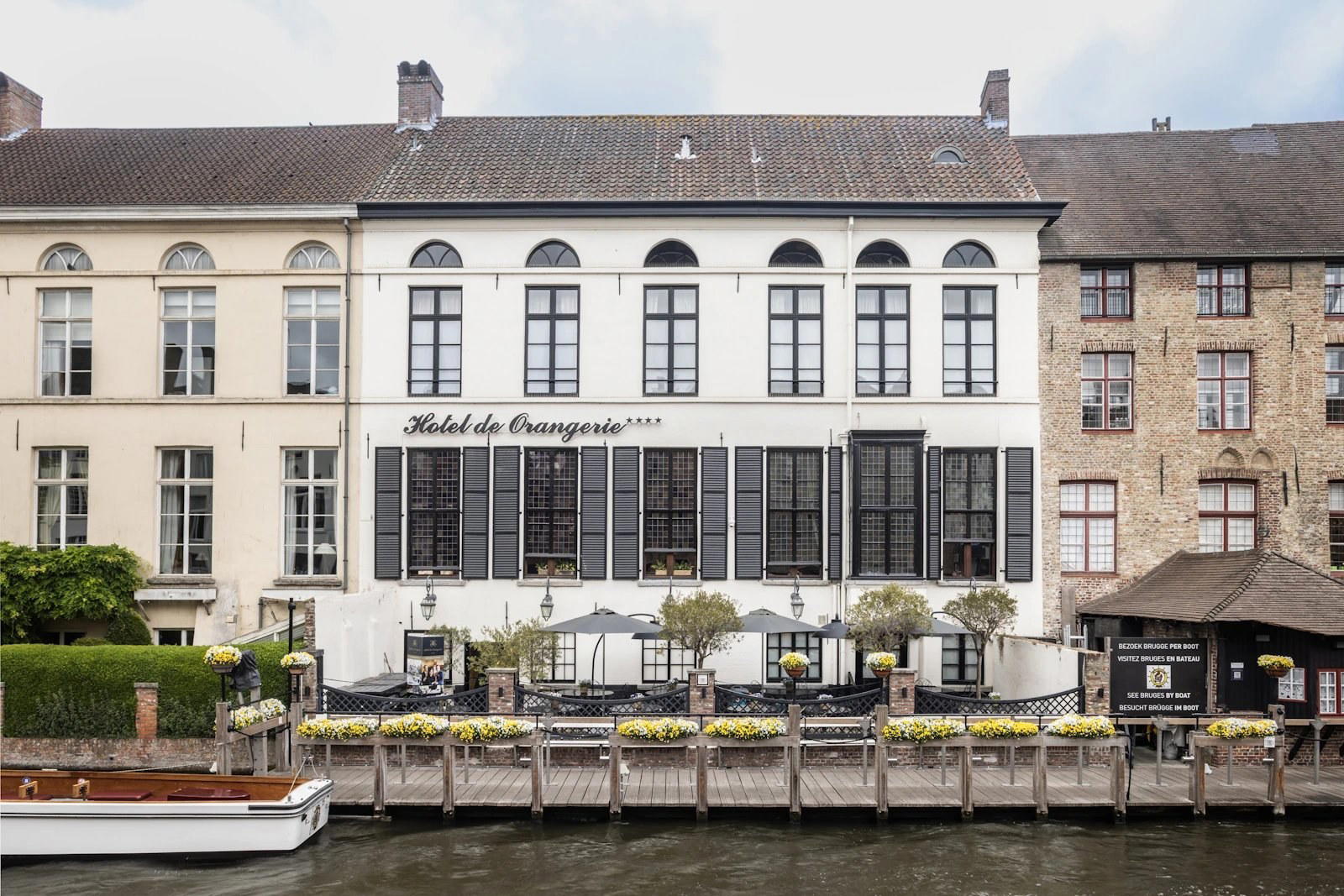
Cozy and intimate atmosphere in a small but welcoming space overlooking the canal, with a sunny terrace offering views until sunset.