Chez Vincent occupies a churchyard address at Sint-Salvatorskerkhof 1, placing it steps from one of Bruges's oldest ecclesiastical landmarks. The restaurant sits within a Bruges dining scene that has developed serious depth across French-influenced and Belgian fine dining formats. Visitors looking for a neighbourhood-rooted table rather than a hotel dining room will find this address worth tracking.
- Address
- Sint-Salvatorskerkhof 1, 8000 Brugge, Belgium
- Phone
- +32 50 68 43 95
- Website
- chezvincent.eu
- Directions
- Get directions
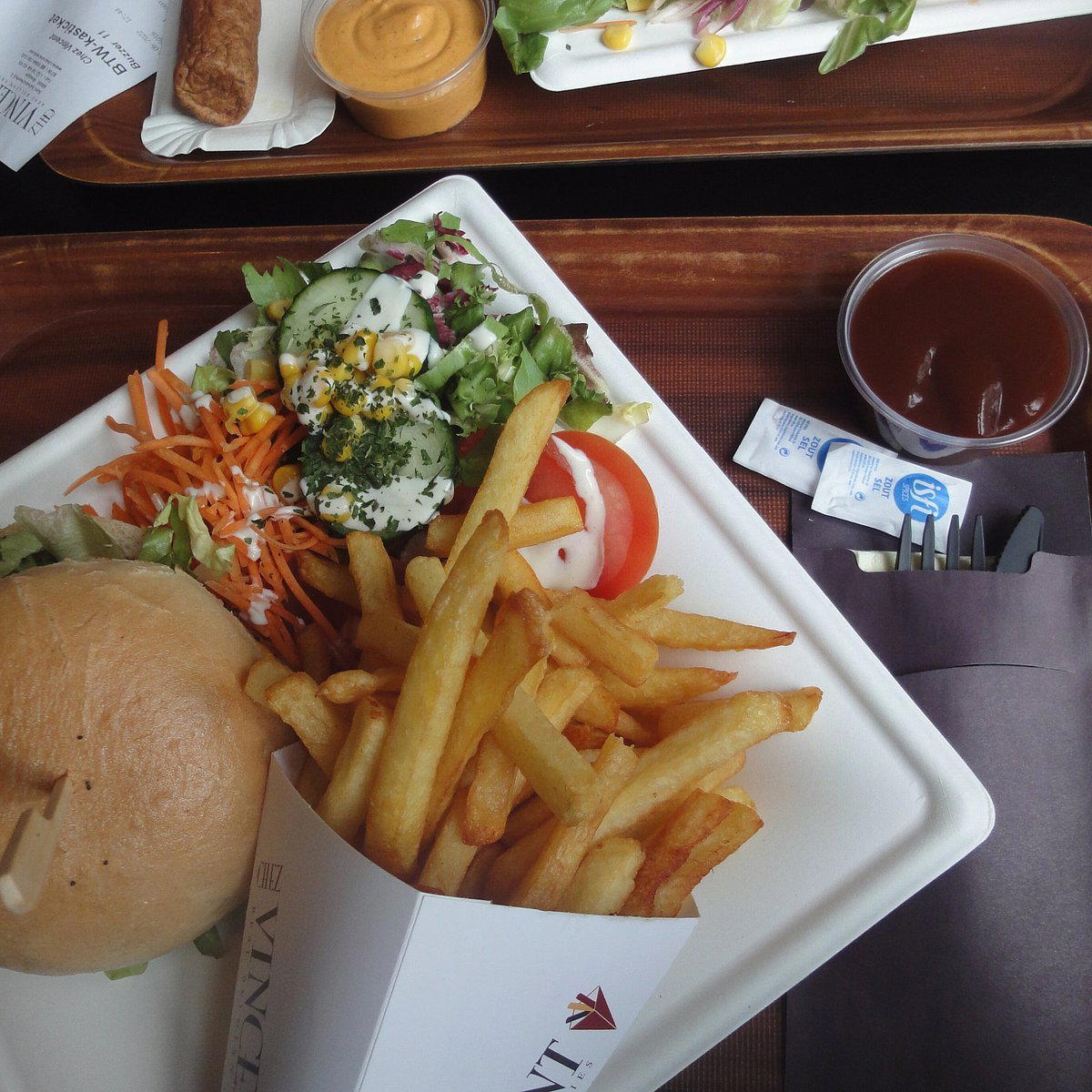
A Churchyard Address in a City That Takes Dining Seriously
Sint-Salvatorskerkhof is the kind of address that earns its own atmosphere before you reach the door. The square fronts the Cathedral of Saint Salvator, whose Gothic tower has presided over this corner of Bruges since the thirteenth century, and the streets leading to it are paved in the worn cobblestone that characterises the medieval core of the city. Restaurants that choose addresses like this are rarely accidental about their location. The proximity to a working cathedral square rather than a canal-side tourist strip signals a different kind of ambition: a table aimed at people who already know the city, or want to.
Bruges has built a dining identity that outpaces its population. The city of roughly 120,000 supports a restaurant ecosystem with Michelin-recognised addresses at multiple price points, a strong tradition of Belgian fine dining drawing on West Flemish produce, and a growing number of chef-led rooms that reference French technique while sourcing locally. De Karmeliet long anchored the city's upper tier, and Sans Cravate and Mémoire have since reinforced the depth of the French-influenced bracket. Chez Vincent enters that context at Sint-Salvatorskerkhof 1, a few minutes' walk from the city's historic market square.
Where the Food Comes From, and Why That Matters in West Flanders
West Flanders is one of Belgium's most productive agricultural provinces, and the sourcing logic available to Bruges restaurants reflects that. The North Sea coast sits within reach, supplying grey shrimp, plaice, and seasonal shellfish that appear across the region's menus. Inland, the Flemish polders produce lamb and beef with a grassland character distinct from the grain-fed alternatives common in industrial supply chains. The region's vegetable cultivation, particularly around Roeselare and the agricultural belt between Bruges and the coast, gives chefs consistent access to produce that doesn't need to travel far to reach the plate.
This matters because the Belgian fine dining tradition has increasingly oriented itself around proximity sourcing as a marker of quality and identity, not simply as an ethical position. At Willem Hiele in Oudenburg, the relationship between kitchen and local fishing community is central to the restaurant's entire identity. At Boury in Roeselare, West Flemish produce is treated with the same seriousness as French luxury ingredients. Restaurants that position themselves within this tradition are, in effect, making a claim about what the region tastes like, not just what technique can do to imported ingredients.
Chez Vincent's churchyard location also places it within walking distance of the Sint-Salvatorscathedral market quarter, where local traders and specialty suppliers operate on a smaller scale than the tourist-facing markets near the Markt. That kind of proximity to local supply networks tends to be reflected in the sourcing decisions a neighbourhood restaurant makes over time.
The Bruges Dining Context: Where Chez Vincent Sits
Bruges's restaurant scene divides, broadly, into three tiers. At the leading end, rooms like Zet'Joe by Geert Van Hecke and Mémoire operate with the ambition and price structure of Belgian gastronomic dining, multicourse tasting menus, wine pairings, and the kind of service architecture that requires advance booking several weeks out. In the middle, a cluster of creative bistros and neighbourhood restaurants with serious kitchens serve à la carte formats at more accessible price points. Below that sits the tourist-oriented layer, which is extensive and largely navigable by elimination.
The restaurant at Sint-Salvatorskerkhof 1 occupies a position away from the canal-front strip that captures most visitor foot traffic, which is itself a locating signal. Restaurants in this part of the city tend to draw from a mix of local regulars and visitors who have done enough research to move beyond the obvious addresses. That dynamic typically produces a different room temperature, quieter, more settled, than the busier tourist-facing areas near the Burg and the Markt.
For visitors building a multi-restaurant itinerary across Bruges, it is worth considering how the restaurant fits alongside the city's broader French-influenced tier. 't Apertje represents a more casual neighbourhood format, while Sans Cravate and Mémoire sit at the more formal end of the spectrum. The restaurant's address suggests a middle register, though the specifics of format, price, and menu approach require direct confirmation with the venue.
Belgian Fine Dining in a Wider Flemish Frame
To understand what the restaurant is doing within a Bruges address, it helps to situate Bruges within the wider Flemish dining conversation. Flanders has produced some of Belgium's most internationally recognised restaurants: Hof van Cleve in Kruishoutem and Zilte in Antwerp operate at a level that competes directly with French and Scandinavian fine dining benchmarks. Vrijmoed in Gent and Bozar Restaurant in Brussels demonstrate how Flemish and Walloon culinary traditions can absorb international influence while retaining regional identity.
Within that frame, West Flemish restaurants, including Bruges addresses, are increasingly understood as expressions of a specific terroir rather than provincial outposts of a Brussels-centred fine dining model. The grey shrimp of the North Sea coast, the lamb from the polders, the endive and chicory cultivated across the region: these are ingredients with a distinct character that doesn't require French refinement to be interesting. Restaurants that work with them on their own terms, rather than as substitutes for luxury imports, tend to produce a more coherent sense of place. That orientation, when it is present, is one of the more reliable marks of quality in West Flemish dining.
For travellers moving through Belgium with serious eating as a priority, the Bruges-to-coast corridor also connects to addresses like La Durée in Izegem and, further afield, Ralf Berendsen in Neerharen, each representing a different facet of Flemish fine dining outside the major city centres.
Planning a Visit
The restaurant is located at Sint-Salvatorskerkhof 1, 8000 Brugge, adjacent to the Cathedral of Saint Salvator in the older residential quarter of the city centre. The address is walkable from central Bruges in under ten minutes, and the area has limited parking, arriving by foot or by bicycle, as most Bruges locals do, is the practical approach.
At-a-Glance Comparison
Comparable venues nearby, for context on price, style, and recognition.
| Venue | Cuisine | Price | Notes |
|---|---|---|---|
| Chez VincentThis venue — the venue you are viewing | Belgian Fries & Fast Food | $ | Not listed |
| De Gastro | Classic Belgian Bistro | $$ | Historic Center |
| Bistro Den Amand | Seasonal Belgian Bistro | $$ | Old Town Bruges |
| Gouden Karpel | Traditional Belgian Seafood | $$ | Historic Center |
| La Tâche | French with Mediterranean Influences | $$$ | St. Pieters |
| Mosh | Artisanal Smashburgers | $$ | Sint-Jansplein |
Continue exploring
More in Bruges
Restaurants in Bruges
Browse all →
Bars in Bruges
Browse all →
Hotels in Bruges
Browse all →
Wineries in Bruges
Browse all →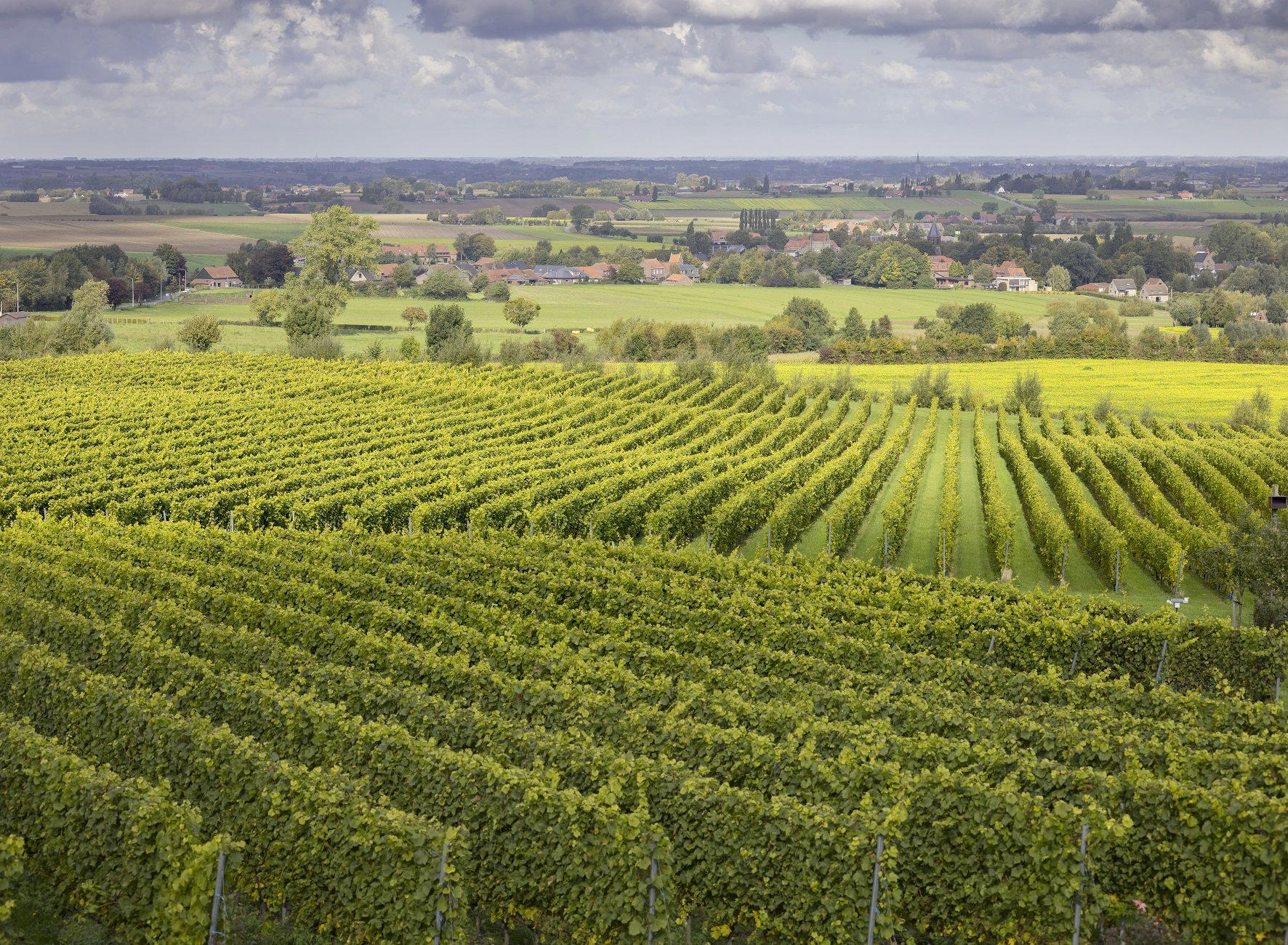
At a Glance
- Cozy
- Classic
- Casual Hangout
- Historic Building
- Street Scene
Casual and bustling atmosphere in an old building with terrace seating and cathedral overlook.