
1 Michelin Star
Our verdict
De Zuidkant holds a Michelin star in Damme, the compact medieval town just east of Bruges, and has retained that recognition across both 2024 and 2025.

Pearl is the En Primeur Club membership app, where members save venues, book tables and use the concierge.
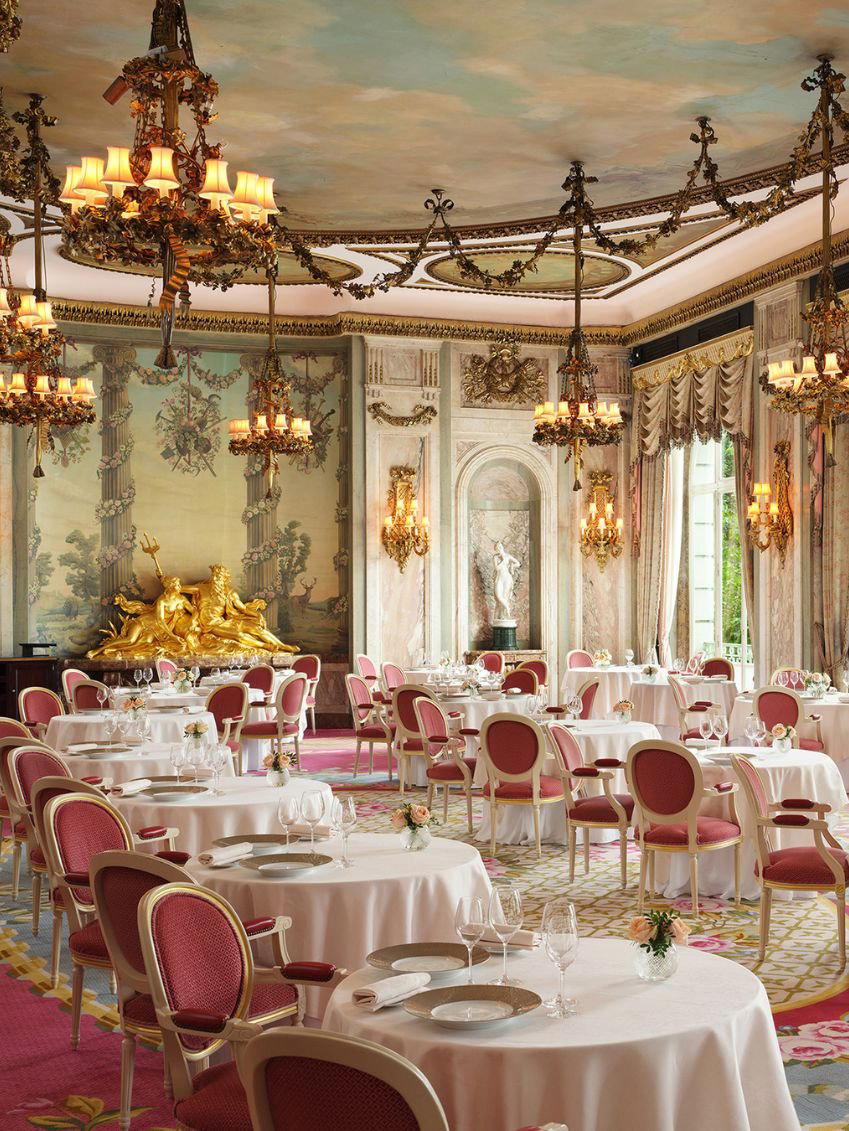
Where the Polders Meet the Plate
Damme sits on the Bruges-Sluis canal, a few kilometres northeast of the city, and the approach through flat polder farmland is part of the experience before a single plate arrives. The town is small enough that Jacob van Maerlantstraat, the address of De Zuidkant, is a short walk from wherever you park. That proximity to working agricultural land is not incidental to what modern cuisine means in this part of West Flanders. The region around Bruges has long operated as a kitchen garden for the city, and restaurants that position themselves in towns like Damme inherit both the supply chain and the obligation to use it well. For a broader look at what the town offers across categories, see our full Damme restaurants guide.
The Michelin Signal and What It Means Here
A single Michelin star retained across consecutive years, 2024 and 2025, is a meaningful marker in the Belgian context. Belgium has one of the highest densities of Michelin-starred restaurants per capita in Europe, which means inspectors apply pressure consistently and retention is not automatic. De Zuidkant holding its star in both cycles places it in a competitive tier that includes destination restaurants across the Flemish countryside, where the reference set is not just urban fine dining but a network of rural tables with serious cooking programs.
For comparison, the broader West Flanders scene includes Boury in Roeselare, operating at three Michelin stars with a Modern Flemish and Creative French orientation at the €€€€ tier, and De Jonkman in Sint-Kruis, a two-star address with a Modern Flemish and Creative identity. De Zuidkant's €€€ price point positions it as more accessible than either, while the single star places it inside the recognised tier rather than below it. That combination, credentialled but not at the upper price ceiling, is a specific kind of value proposition in a region where dining out at this level requires planning and budget allocation.
Elsewhere in the Belgian fine dining map, Castor in Beveren and Cuchara in Lommel both operate at two Michelin stars and the €€€€ level, reinforcing that De Zuidkant's €€€ classification puts it in a distinct bracket for those working within a tighter ceiling. The same pattern holds if you look toward Antwerp's Zilte or Brussels' Bozar Restaurant, both of which operate at higher price points in urban contexts.
Sourcing Logic in Polder Country
The editorial angle that matters most for De Zuidkant is geography as sourcing infrastructure. The polders of the Bruges hinterland produce lamb, dairy, root vegetables, and coastal-adjacent fish from the nearby North Sea ports at Zeebrugge and Oostende. A modern cuisine kitchen in Damme does not need to construct a farm-to-table narrative as a marketing position, the supply chain is simply what is available, and working with it is the path of least resistance as much as it is a philosophical one.
This is a pattern that distinguishes Flemish countryside restaurants from their urban counterparts. In Bruges itself, the concentration of tourism creates demand for consistent product regardless of season. In Damme, a destination restaurant operates on a different logic: the audience travels to the table, which means the kitchen can build its offer around what the surrounding land and coast produce rather than what a broad tourist audience expects to find. For a West Flemish example of how this sourcing orientation can define an entire restaurant identity, Willem Hiele in Oudenburg has made coastal and polder sourcing the structural premise of its menu. Bartholomeus in Heist takes a similar position from the coastal side of the equation. De Zuidkant sits within that regional sensibility, at a price point that keeps it accessible relative to its starred peers.
In Damme itself, Mout operates in the farm-to-table register, offering a point of contrast: where Mout foregrounds the sourcing relationship explicitly, De Zuidkant works within the modern cuisine format, which tends to process those ingredients through a more technical lens before they reach the plate.
Diner Consensus at a High Sample Size
At that sample volume, the score is not driven by a handful of early enthusiasts, it reflects a consistent pattern across a range of visits and diner profiles. The gap between critical recognition (Michelin) and popular endorsement (Google) can be wide at some addresses; here the alignment is close, which suggests the experience holds across a broader audience than the narrow band of fine dining specialists who weight heavily toward Michelin decisions.
That alignment matters for planning purposes. Addresses where critical and popular scores diverge often indicate a very specific type of diner being served well at the expense of others. De Zuidkant's convergence at the high end of both scales reduces that risk for visitors who are not specialist diners but are making a special-occasion decision.
Planning a Visit
Damme is reachable from Bruges by bicycle along the canal towpath, a route that takes roughly 25 to 30 minutes and adds a layer of physical context to the flat agricultural setting you'll encounter around the restaurant. By car from Bruges, the drive is under ten minutes. From Ghent, the journey is approximately 45 minutes by road. Given the restaurant's Michelin status and the limited seating that typically characterises destination tables of this scale in small Flemish towns, advance booking is the practical baseline. The €€€ price range positions De Zuidkant in the bracket where a full evening, multiple courses, wine, will sit in the range typical for starred Belgian restaurants outside the top tier, making it a considered spend rather than a casual drop-in. For accommodation options in the town, see our full Damme hotels guide. Those extending the visit further might also consult our Damme bars guide, our Damme wineries guide, and our Damme experiences guide for a fuller itinerary.
For those building a longer Flemish fine dining circuit, De Zuidkant pairs logically with Hof van Cleve in Kruishoutem or d'Eugénie à Emilie in Baudour as part of a multi-day itinerary through Belgium's starred landscape. For those interested in how modern cuisine operates at the international end of the same register, Frantzén in Stockholm and FZN by Björn Frantzén in Dubai represent how the format scales globally.
Frequently asked questions
Does De Zuidkant work for a family meal?
What's the overall feel of De Zuidkant?
What do people recommend at De Zuidkant?
Side-by-Side Snapshot
| Venue | Cuisine | Price | Awards | Notes |
|---|---|---|---|---|
| De ZuidkantThis venue (the venue you are viewing) | Modern Belgian Fine Dining | Not listed | 1 Michelin Star | Not listed |
| Boury | Creative French Fine Dining | $300–500 | 3 Michelin Stars · La Liste Top Restaurants | Modern Frlemish, Creative French |
| Comme chez Soi | French - Belgian, Classic Cuisine | Not listed | Michelin 1 Star | Not listed |
| Hertog Jan at Botanic | Modern Japanese Omakase Fine Dining | Not listed | 2 Michelin Stars · La Liste Top Restaurants | Modern Flemish, Creative |
| L'Eau Vive | Modern French Fine Dining | $150–200 | 2 Michelin Stars · La Liste Top Restaurants | French, Modern French |
| La Durée | Modern French Fine Dining | $150–200 | 2 Michelin Stars · La Liste Top Restaurants | French-Belgian, Creative |
Recognition history
Dated appearances from independent guides and award organizations, with the underlying list record or original source where available.
Michelin 1 Star
Michelin
Full recognition history (3 entries)
Michelin 1 Star
Michelin
Michelin 1 Star
Michelin
Continue exploring
More in Damme
Restaurants in Damme
All restaurants in Damme →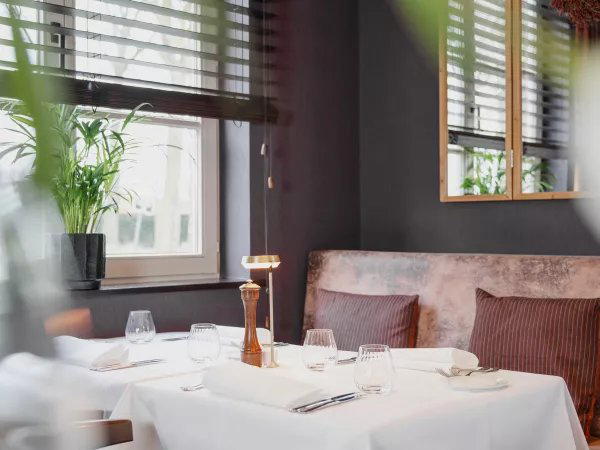
Details
- Cozy
- Romantic
- Intimate
- Elegant
- Date Night
- Special Occasion
- Open Kitchen
- Extensive Wine List
- Local Sourcing
- A La Carte
- Vegetarian Friendly
- Vegan Options
Current opening hours
- Monday
- 12–1 PM, 7–9 PM
- Tuesday
- 12–1 PM, 7–9 PM
- Wednesday
- Closed
- Thursday
- Closed
- Friday
- 12–2 PM, 7–9 PM
- Saturday
- 12–2 PM, 7–9 PM
- Sunday
- Closed
Hours can change for holidays and private events. Hours as of .
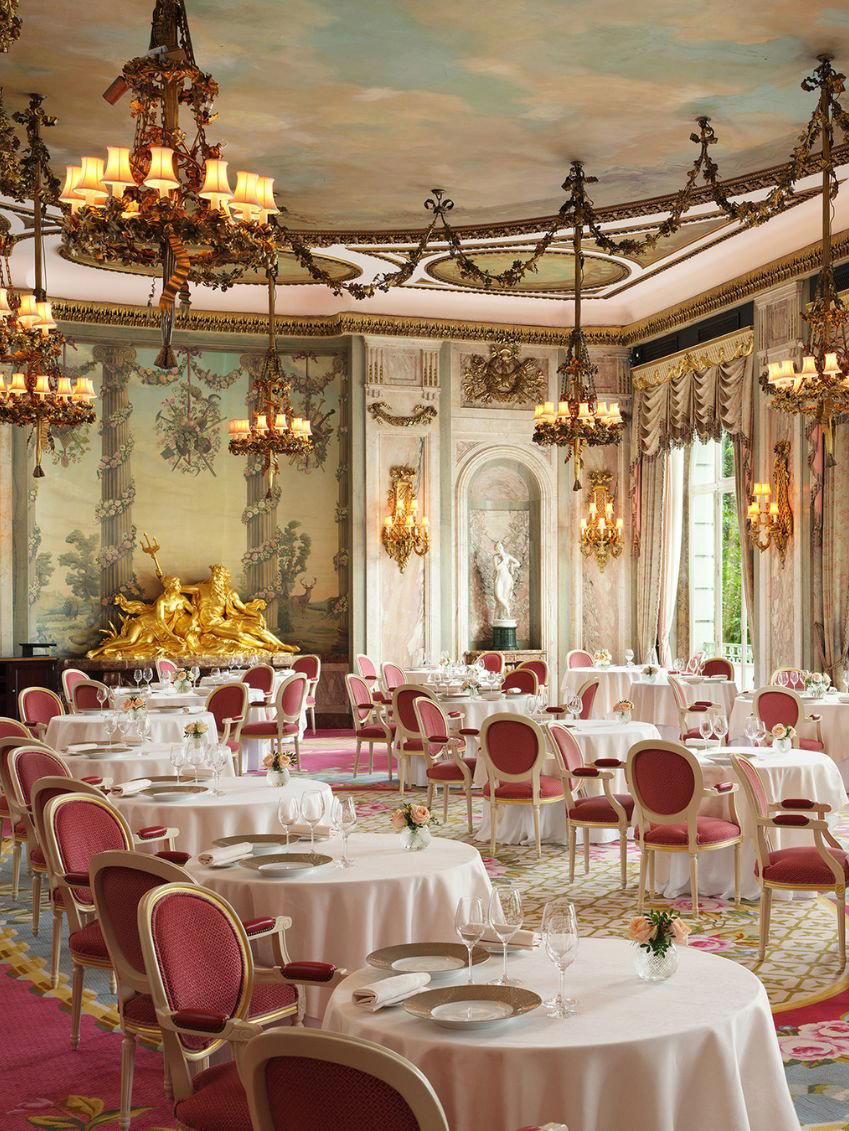
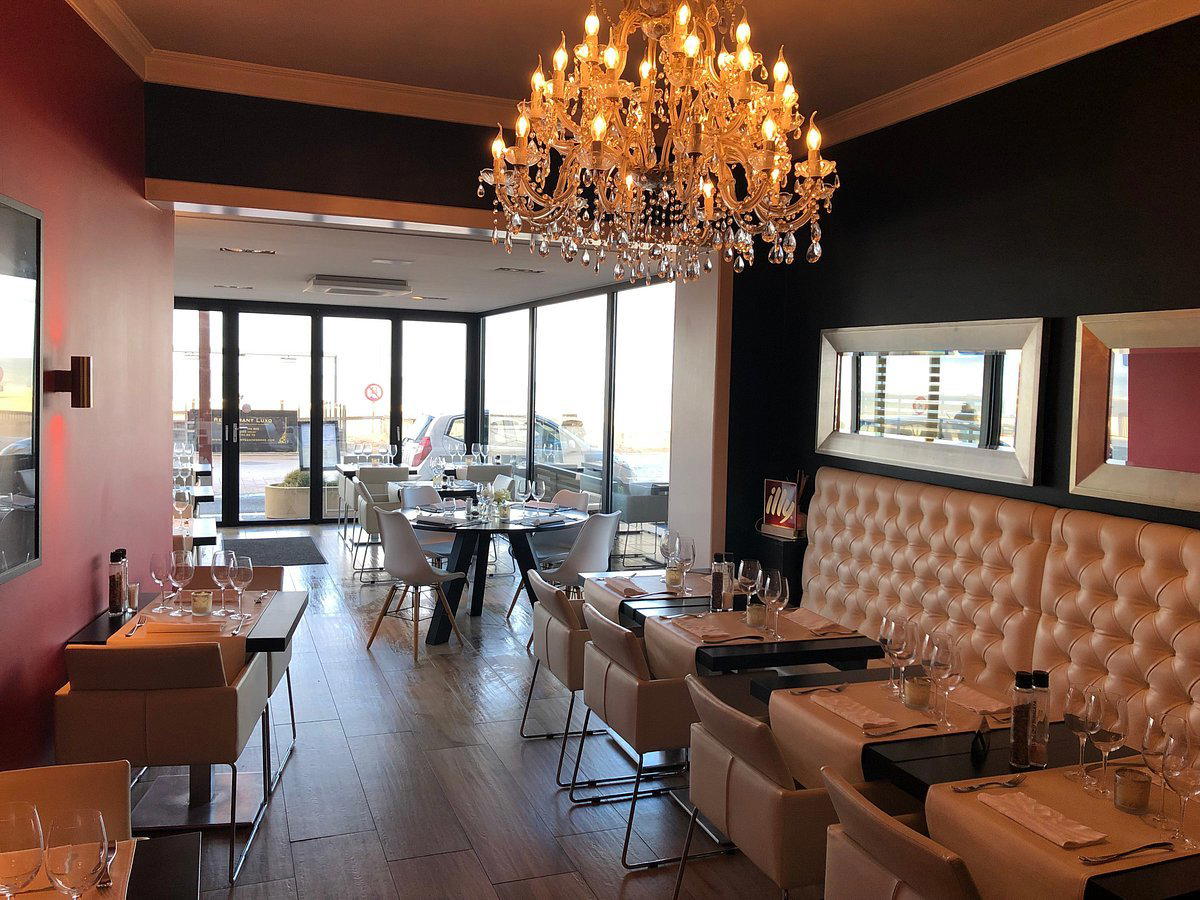
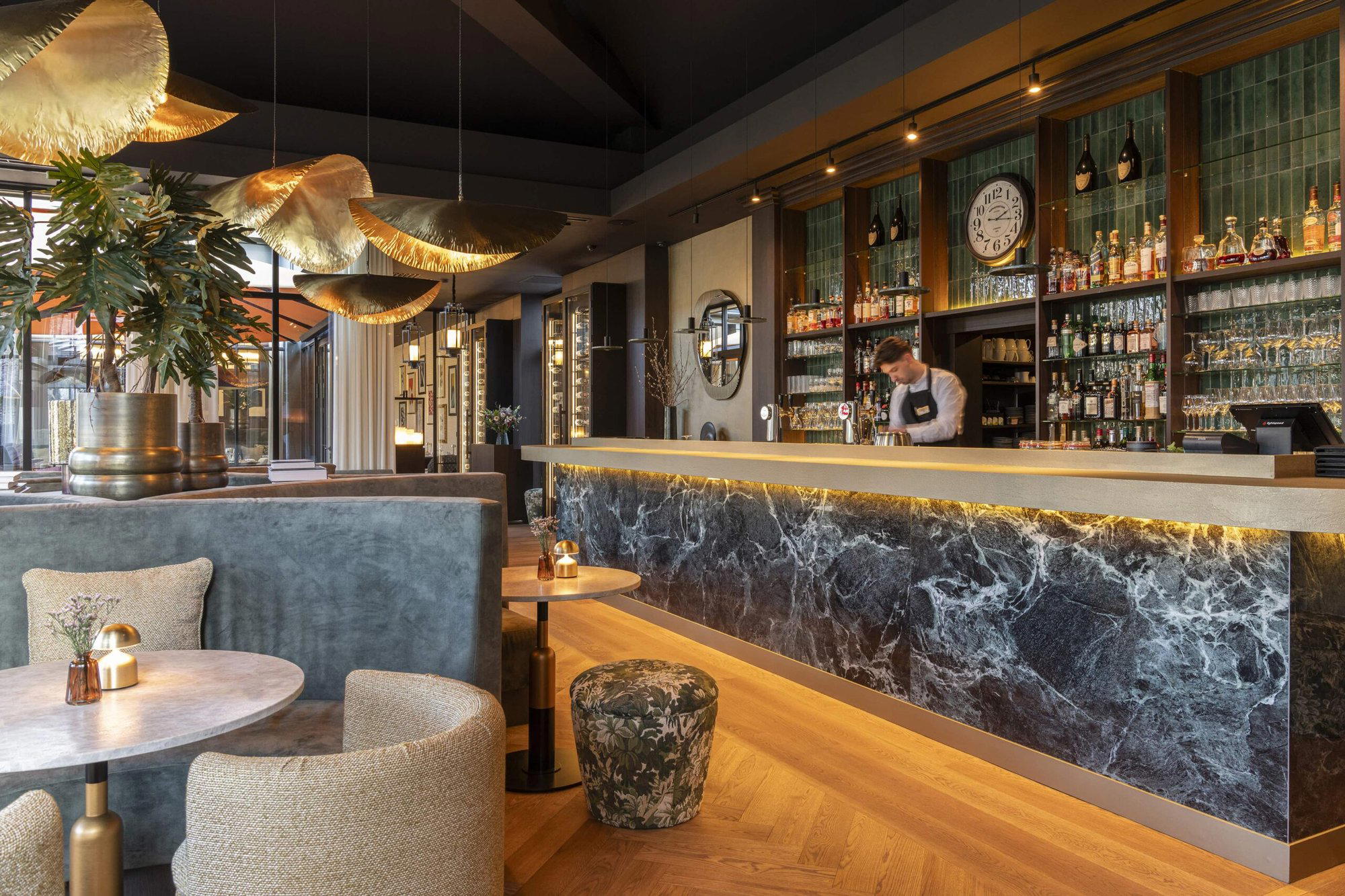
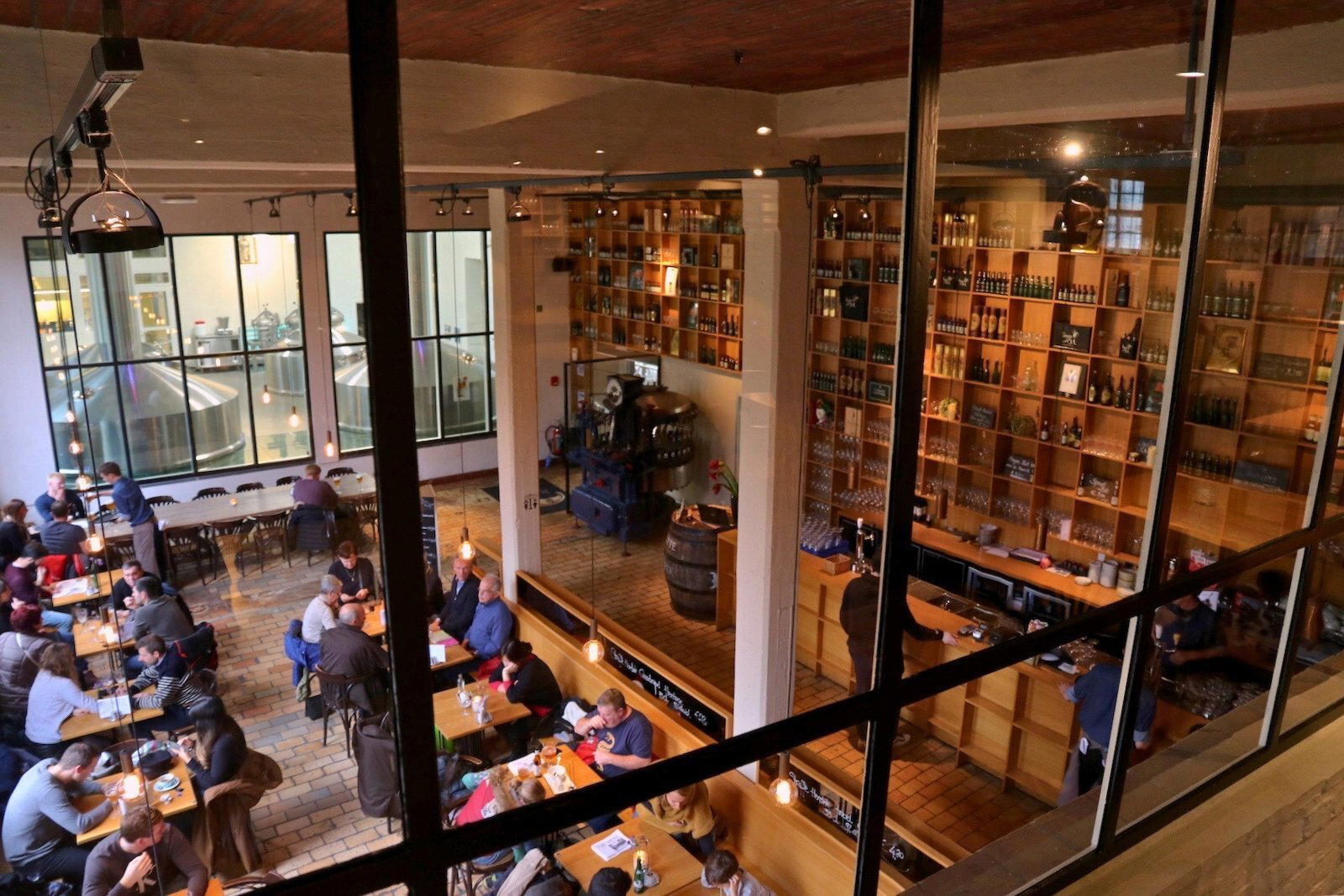
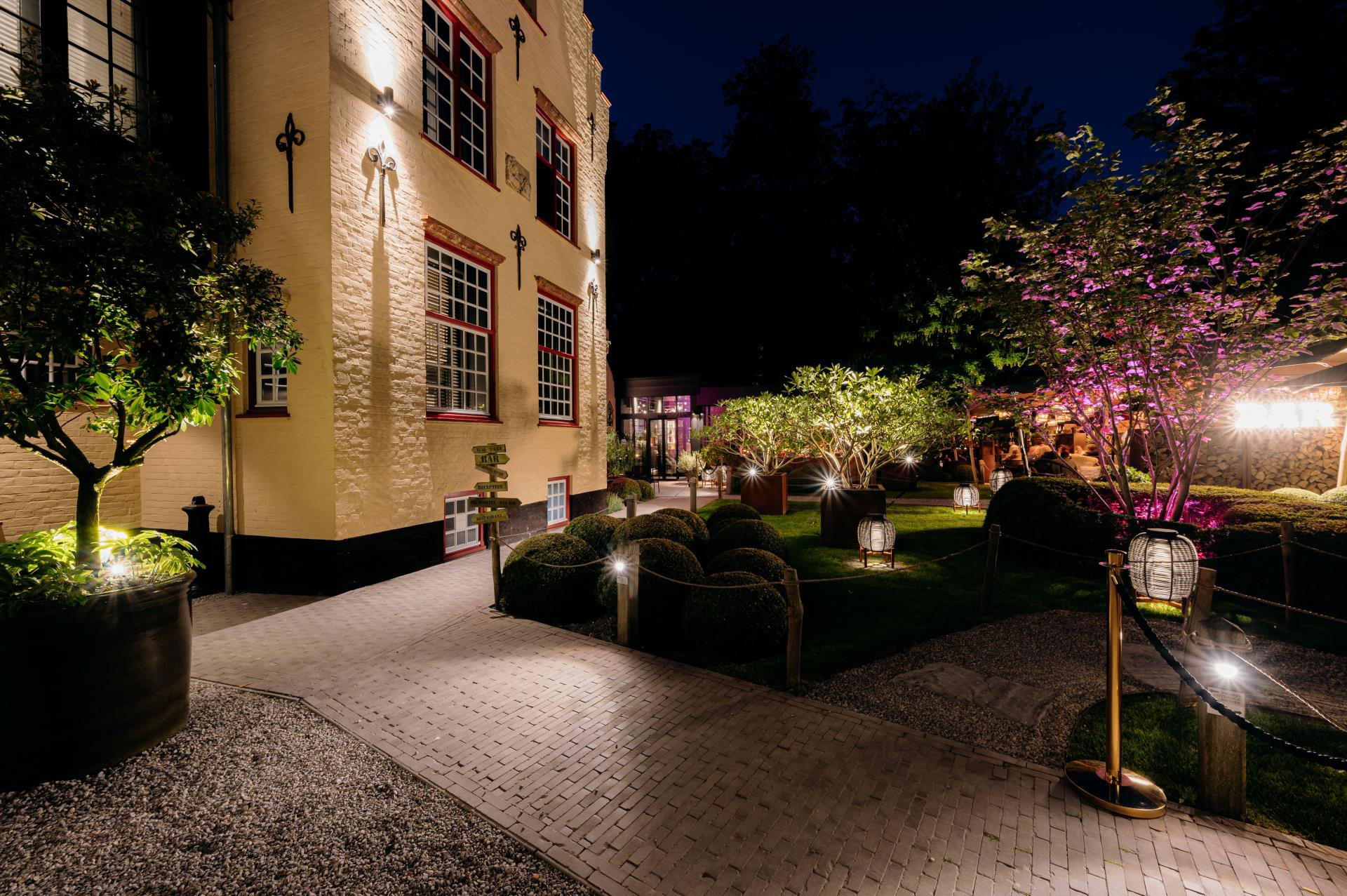
Cozy and inviting with a romantic interior, warm open fire, pleasant lighting, and a relaxed, homey feel.