On Via Iside in Rome's Celio neighbourhood, The Barber Shop occupies a niche where Italian craft bar culture meets the city's appetite for concept-driven spaces. Rome's cocktail scene has shifted decisively toward format and identity, and this address positions itself within that movement, drawing a crowd that approaches drinking with the same seriousness it brings to the table.
Pearl is the En Primeur Club membership app — saves, bookings, and concierge access live there. Same editors, same standards.
- Address
- Via Iside, 2, 00184 Roma RM, Italy
- Phone
- +393487975289
- Website
- tbspeakeasy.com
- Directions
- Get directions
 Saves & bookings on Pearl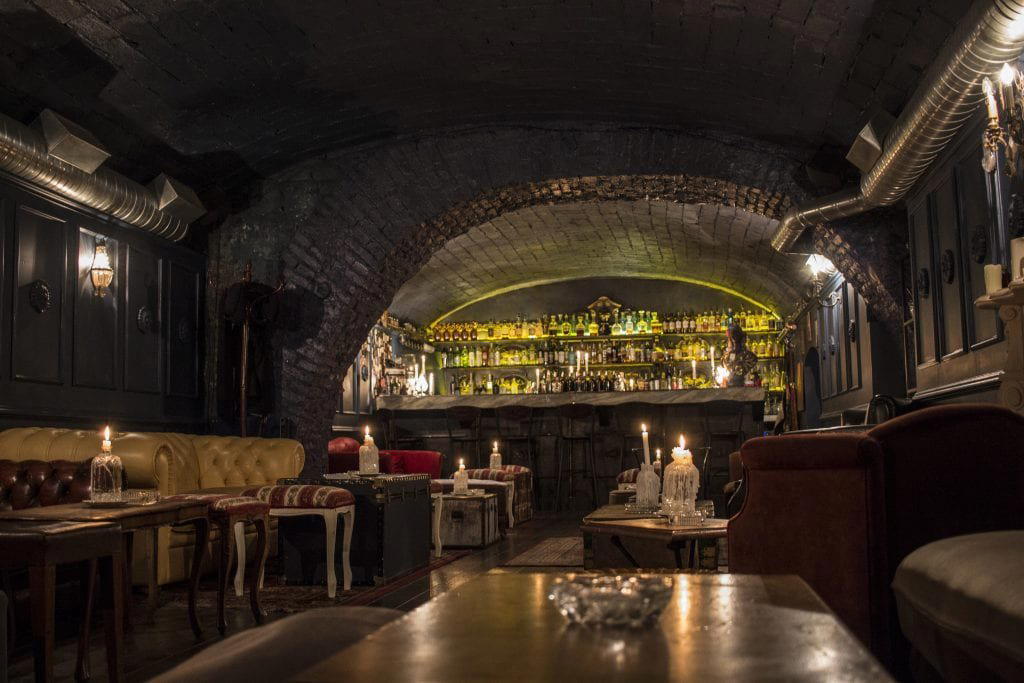
Rome's Cocktail Culture and Where The Barber Shop Sits Within It
Via Iside runs quietly between the Celio hill and the edge of the ancient city, a street where the traffic is light and the addresses are specific rather than accidental. In Rome, the bar scene has historically existed in the shadow of the restaurant culture, treated as preamble or postscript rather than a destination in its own right. That has changed. Over the past decade, a generation of concept-driven bars has pushed Rome into a conversation it was previously absent from, the one about serious drinking, format identity, and what a cocktail program can mean in a city that previously defined itself almost entirely through its food. The Barber Shop on Via Iside, 2 is one address that sits inside that shift.
The Setting: Where the Concept Begins
In European cocktail culture, the barbershop conceit has precedent. The idea of repurposing a grooming-trade identity for a bar space carries roots in the post-speakeasy era of concept bars that swept through London, Berlin, and eventually Rome. What distinguishes the better versions of this format from the merely theatrical is whether the concept shapes the experience in operational terms, or simply decorates it. The physical environment of a bar in this register typically uses barber chairs, mirrors, and the visual grammar of a mid-century grooming salon to create an atmosphere that is specific rather than generic. The concept anchors a distinct sensory moment on arrival, the kind of entry that separates a bar from a room with drinks.
Rome has relatively few bars that have committed to a format with this level of costume and architecture. The city's more established aperitivo and cocktail addresses tend toward either heritage-hotel grandeur, as seen at the long counters of the historic centre, or stripped-back neighbourhood wine bars that resist theatrics entirely. The Barber Shop occupies a different register, one closer to the London and New York model of bar-as-concept, where the room is as deliberately constructed as the drinks list.
Italian Bar Culture and the Roman Exception
Italy's drinking culture has never mapped neatly onto international cocktail trends. The aperitivo tradition runs deep and geographically specific: Campari in Milan, Aperol in the Veneto, and in Rome a more catholic approach that draws on local amari and vermouth alongside the national staples. Rome's bar culture has historically been more populist and less format-driven than Milan's, which has long had a structured aperitivo hour with food, or Florence's, which benefits from a tourist economy that sustains higher-concept venues. For Rome, the emergence of seriously programmed cocktail bars has required threading the needle between the city's instinct for accessibility and the ambitions of a new generation of bartenders.
That tension is productive. The bars that have found a footing in Rome's premium drinking tier tend to do so by anchoring their programs in Italian spirits and ingredient logic, using the country's wealth of bitters, vermouths, and regional distillates as the conceptual backbone rather than defaulting to the international template. This is a different approach from what you find at, say, Atomix in New York City, or the precision-technique bars of the American East Coast. In Rome, the cultural rootedness tends to be Italian and specifically territorial, drawing on the same instinct for provenance that defines the restaurant culture.
The Neighbourhood and What It Signals
The Celio and Testaccio neighbourhoods have quietly accumulated a density of addresses that function outside the tourist circuit without being inaccessible to it. Via Iside sits in proximity to the Colosseum without being swallowed by the foot traffic that defines the immediate perimeter of that site. This is significant: bars and restaurants in Rome's most heavily visited corridors tend toward the transactional, optimised for turnover rather than repeat custom. An address a few streets removed from that circuit operates under different commercial logic, building a clientele that is deliberate rather than incidental.
This mirrors a pattern visible across Rome's more considered dining and drinking addresses. Il Pagliaccio, one of Rome's two-Michelin-starred restaurants working in the contemporary Italian register, operates on a side street in the Centro Storico rather than on a landmark piazza. Achilli al Parlamento, the city's noted creative dining address near the parliament buildings, similarly relies on address knowledge rather than ambient footfall. In Rome, destination status is often signalled by being slightly off the obvious route.
Rome's Premium Dining and Drinking Tier: The Broader Picture
For readers approaching Rome as a food and drink destination, the city offers a tier of ambitious addresses. At the summit of the restaurant category, La Pergola remains the city's only three-Michelin-star address, operating in a category apart. Below that, a cluster of creative and contemporary Italian restaurants, including Acquolina and Enoteca La Torre, has pushed the city's culinary ambition well beyond its trattorian defaults. Across Italy more broadly, addresses like Osteria Francescana in Modena, Le Calandre in Rubano, and Piazza Duomo in Alba define what Italian fine dining looks like at its most internationally recognised. Enoteca Pinchiorri in Florence and Enrico Bartolini in Milan represent the northern Italian end of that spectrum. Rome's premium bar culture is a younger and less codified tier, but it is developing with the same seriousness.
A Tight Comparison
Comparable venues nearby, for context on price, style, and recognition.
| Venue | Cuisine | Price | Notes |
|---|---|---|---|
| The Barber ShopThis venue — the venue you are viewing | Monti, Speakeasy Cocktails | $$ | Not listed |
| Romeow Cat Bistrot | Ostiense, Vegan Cat Bistrot | $$ | Not listed |
| Barnum Roma | Parione, Specialty Cafe with Brunch | $$ | Not listed |
| Arso Trattoria Moderna | Not listed | $$ | .null, Traditional Roman Trattoria |
| Materia Cafe | Not listed | $$ | Esquilino, Italian Cafe with Healthy Mediterranean |
| Hostaria Romana | Colonna, Traditional Roman Trattoria | $$ | Not listed |
Continue exploring
More in Rome
Restaurants in Rome
Browse all →
Bars in Rome
Browse all →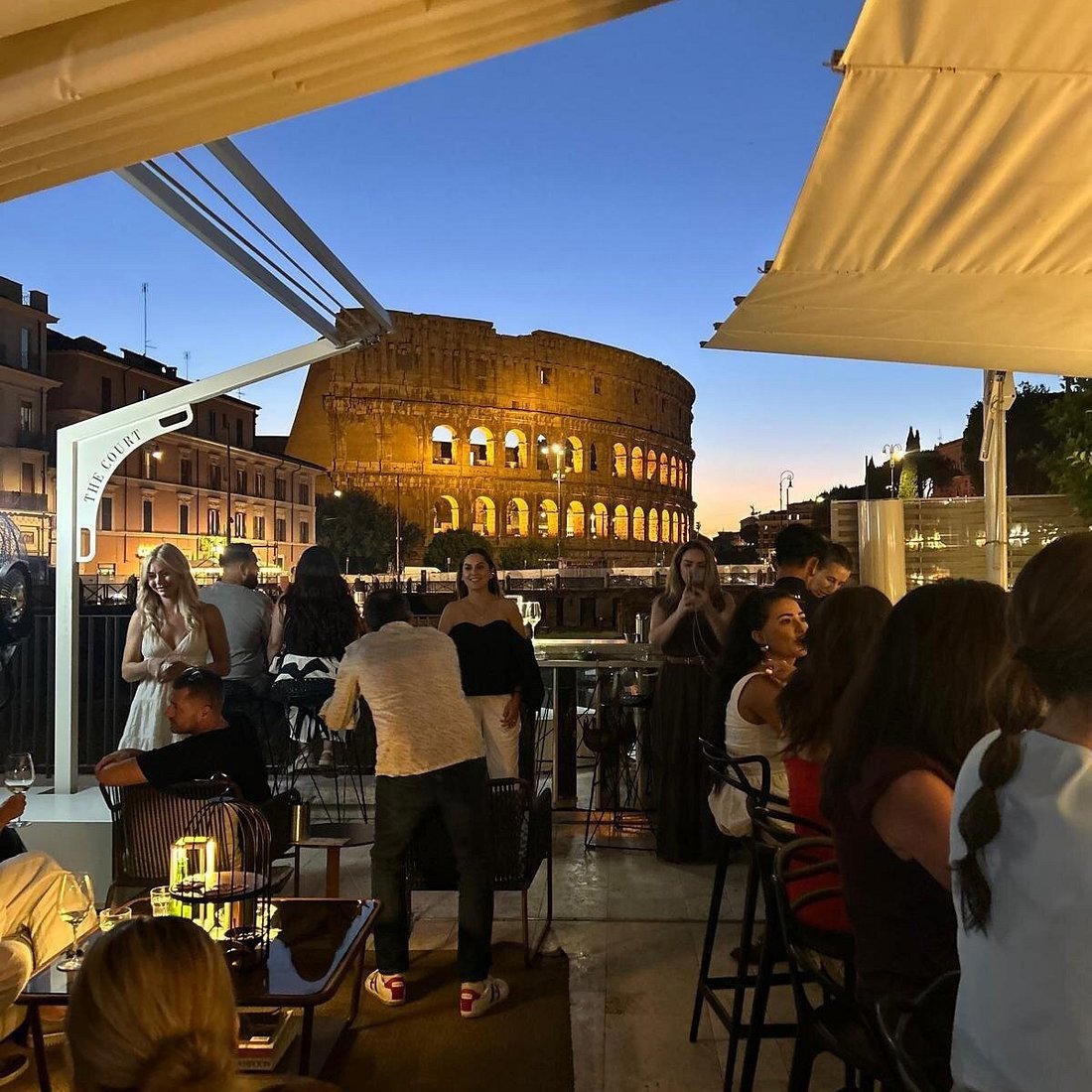
Hotels in Rome
Browse all →
Wineries in Rome
Browse all →
At a Glance
- Intimate
- Trendy
- Date Night
- Late Night
- Live Music
- Craft Cocktails
Current opening hours
- Monday
- 10 PM–4 AM
- Tuesday
- Closed
- Wednesday
- 10 PM–4 AM
- Thursday
- Closed
- Friday
- 11 PM–4:30 AM
- Saturday
- 11 PM–4:30 AM
- Sunday
- 10 PM–4 AM
Hours can change for holidays and private events. Last verified .
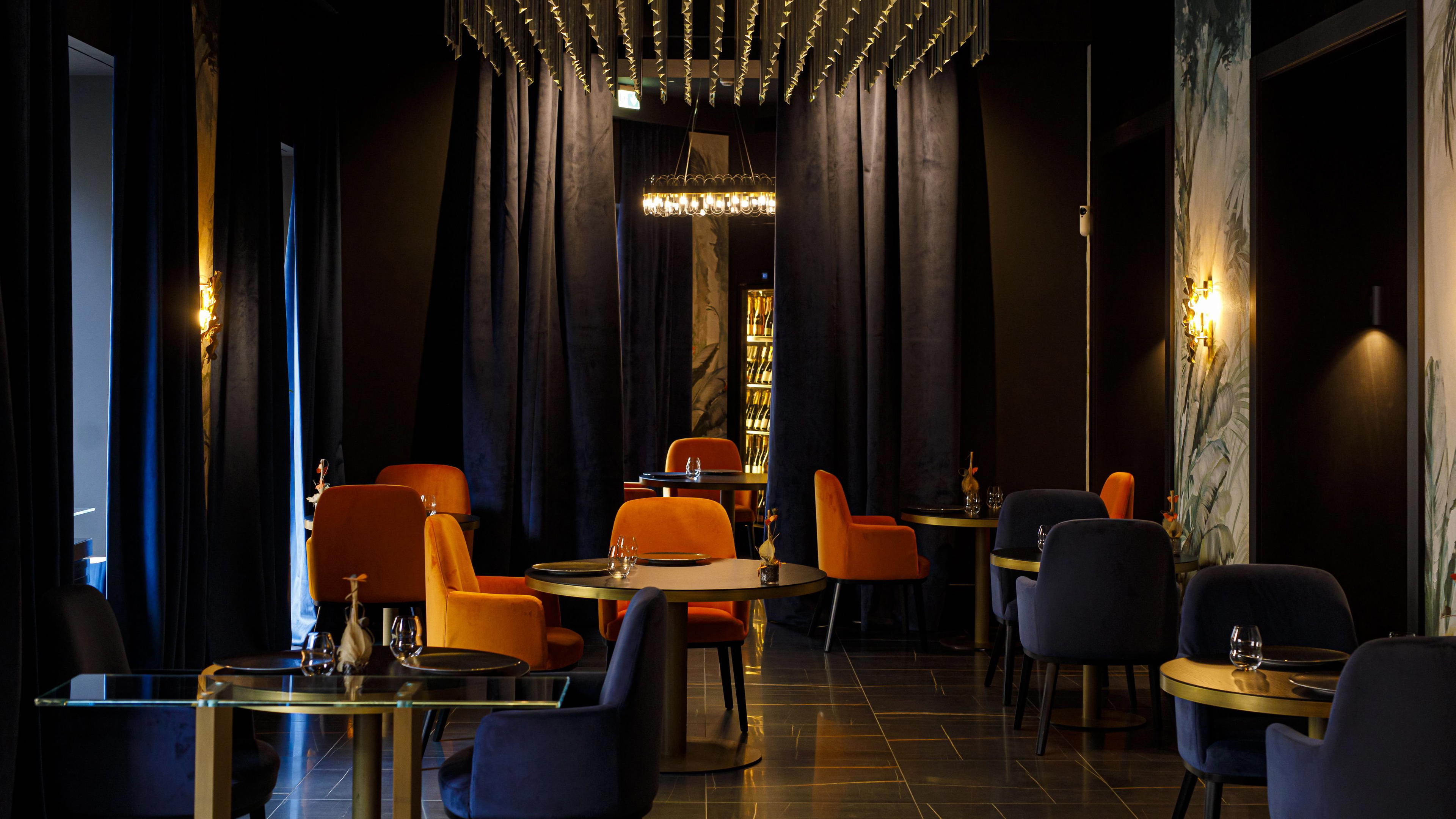
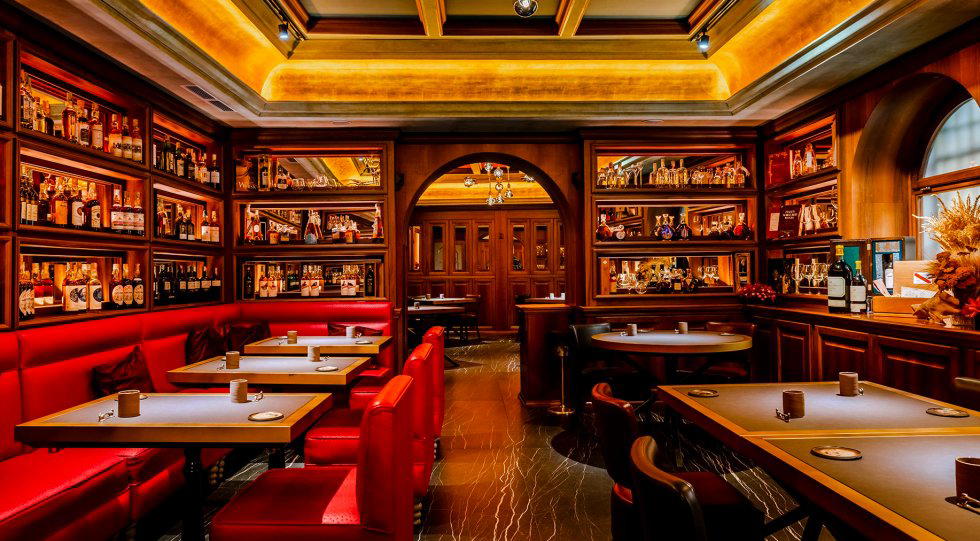
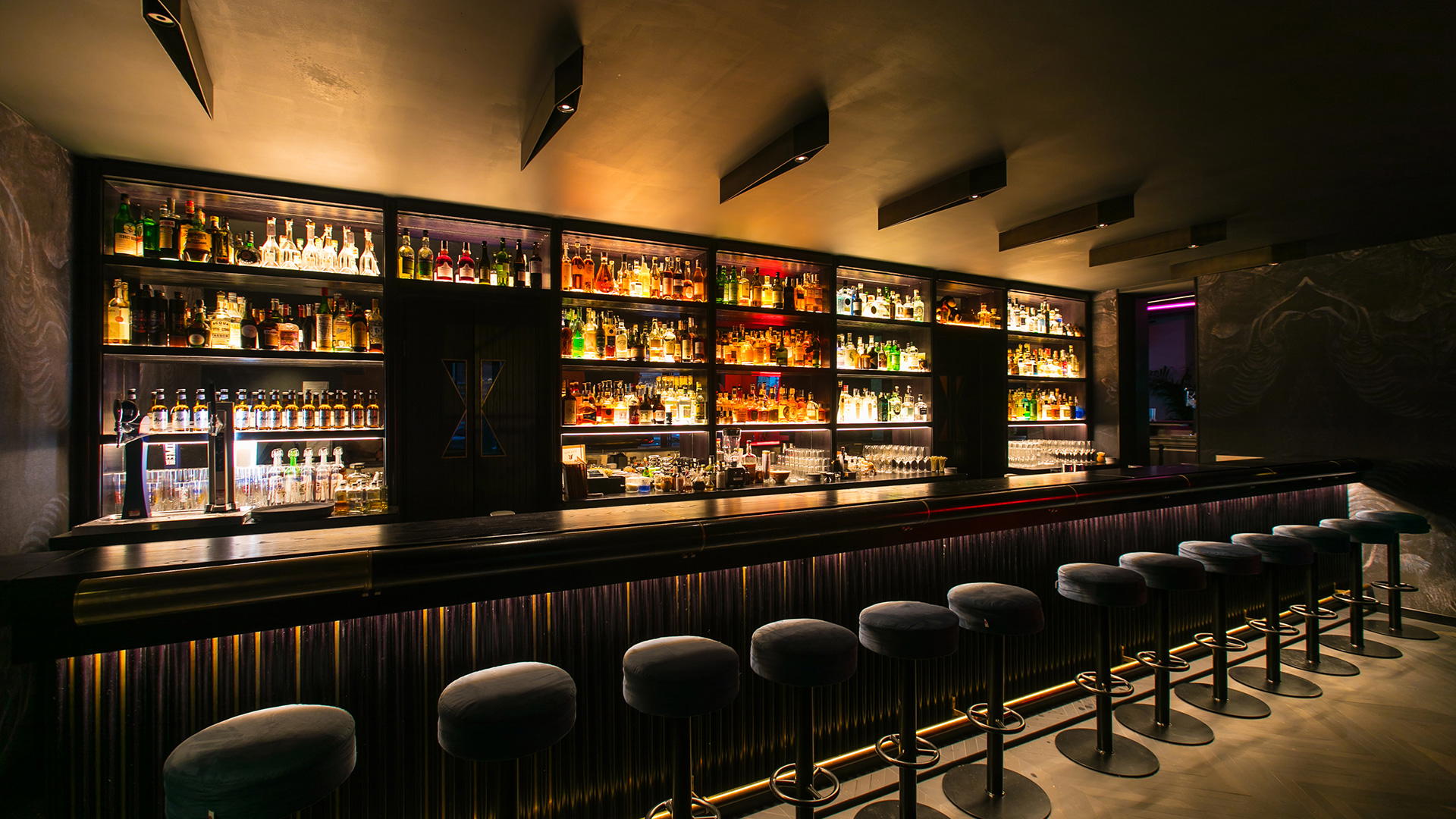
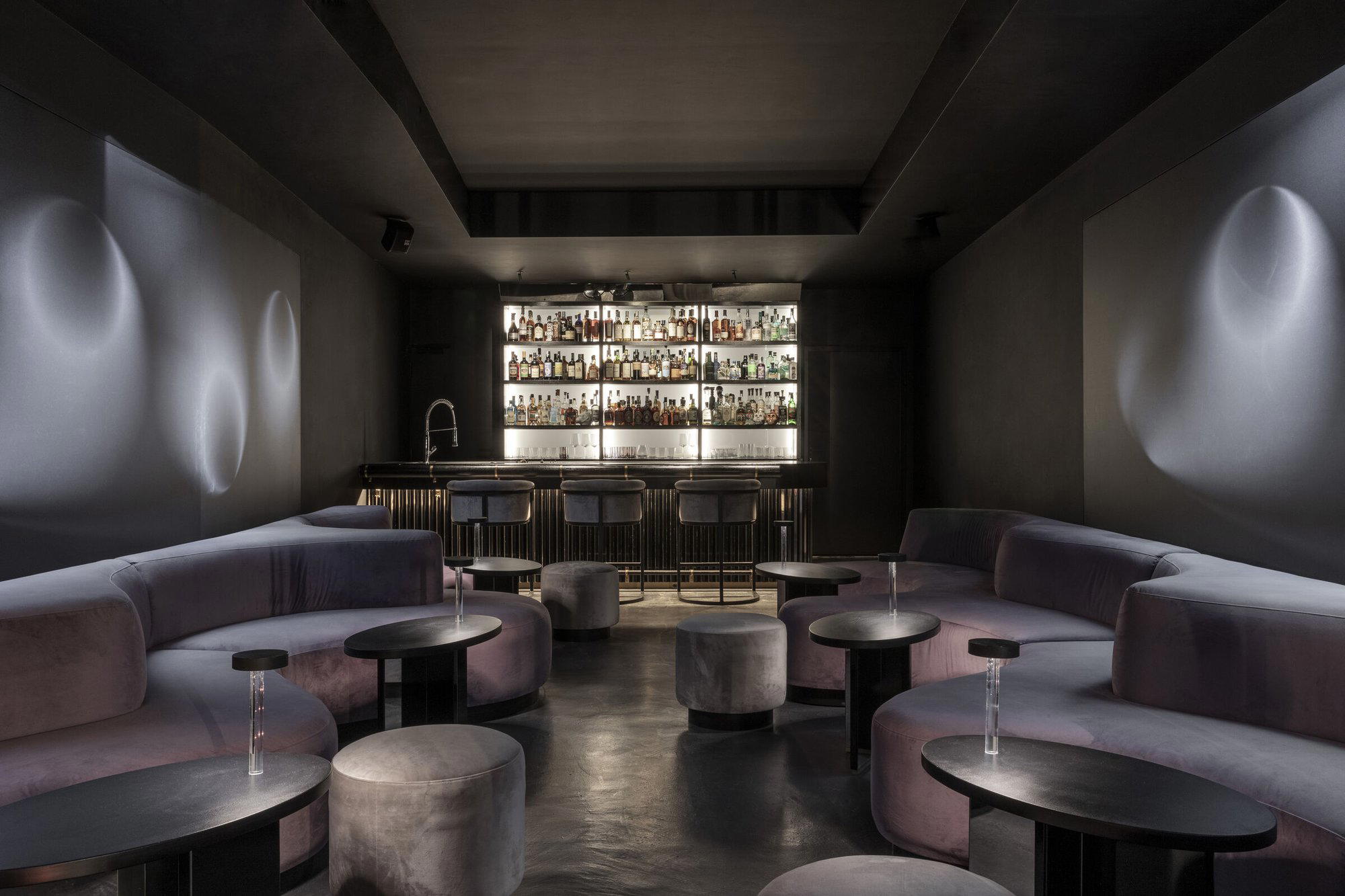
Soft lighting, sofas, tables with particular details, and live music creating a stylish underground atmosphere.