Our verdict
On Via del Pellegrino in Rome's Campo de' Fiori quarter, Barnum Roma occupies one of the city's more atmospheric addresses for an aperitivo or evening drink. The bar sits within a neighbourhood where old Roman social ritual and contemporary cocktail culture coexist, drawing a local crowd that treats the space as an extension of the street outside.

Pearl is the En Primeur Club membership app — saves, bookings, and concierge access live there. Same editors, same standards.
- Address
- Via del Pellegrino, 87, 00186 Roma RM, Italy
- Phone
- +39 06 6476 0483
- Hours
- Daily 8 AM–3:30 PM
- Website
- barnumroma.com
- Directions
- Get directions
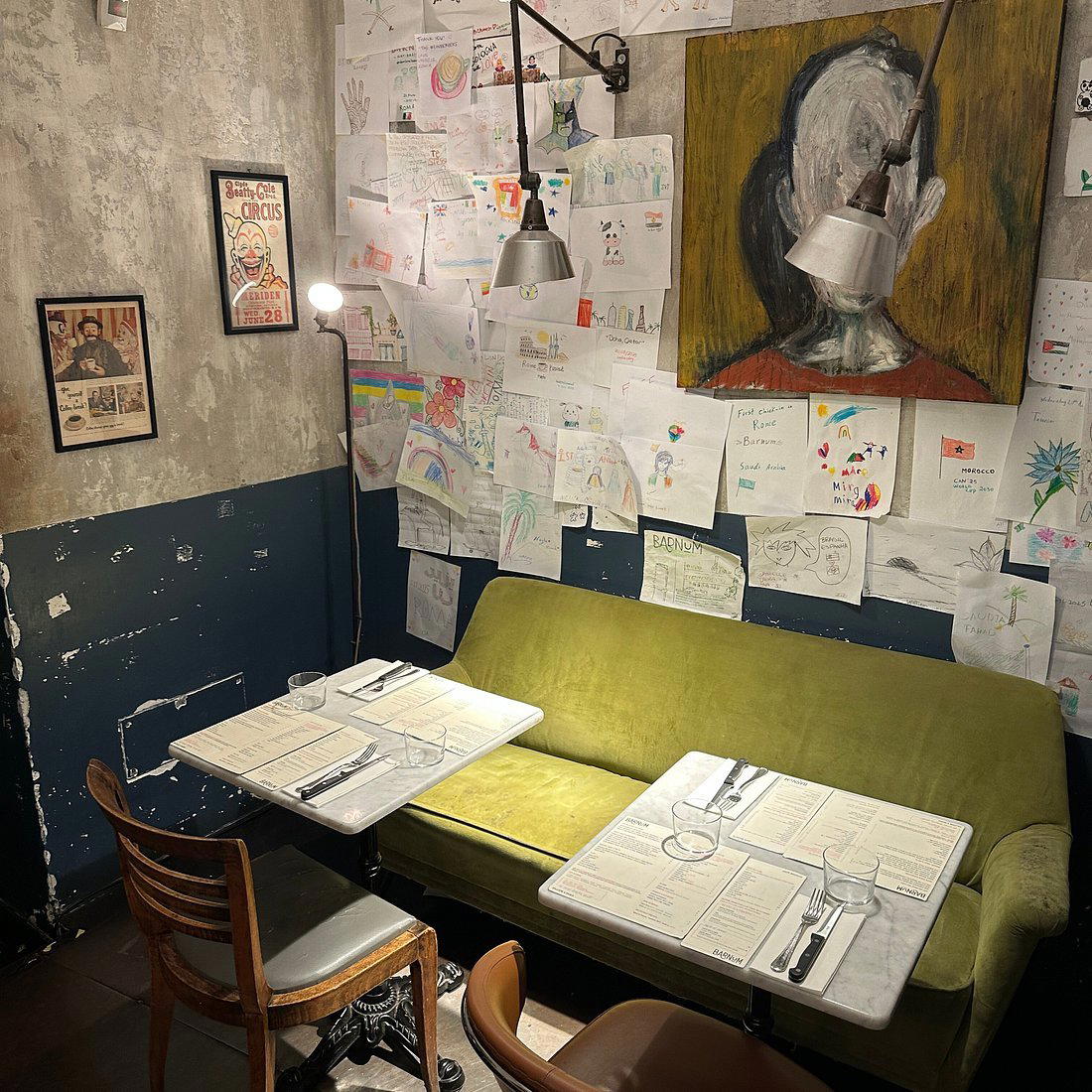
Via del Pellegrino and the Roman Aperitivo Tradition
Rome's aperitivo hour has never fully adopted the Milanese model of complimentary buffet spreads and aggressively marketed happy hours. What it has retained, particularly in the tangle of streets around Campo de' Fiori and the Via del Pellegrino corridor, is something older and less choreographed: a glass taken slowly, at a marble counter or a small table pushed close to the street, in rooms where the architecture does most of the talking. Barnum Roma sits on this axis, at Via del Pellegrino 87 in the 00186 postal district, which covers the historic centre west of the Corso Vittorio Emanuele II and north of the Campo itself.
This part of Rome operates on a different tempo from the tourist-facing piazzas nearby. Via del Pellegrino is a working street in the old sense, populated by artisans, print shops, and neighbourhood bars that have outlasted several cycles of gentrification. A bar that holds a position here draws its authority from the street rather than from a design concept, and the physical environment reflects that — the kind of interior where the walls carry more history than the menu carries ambition.
The Atmosphere: What the Room Communicates
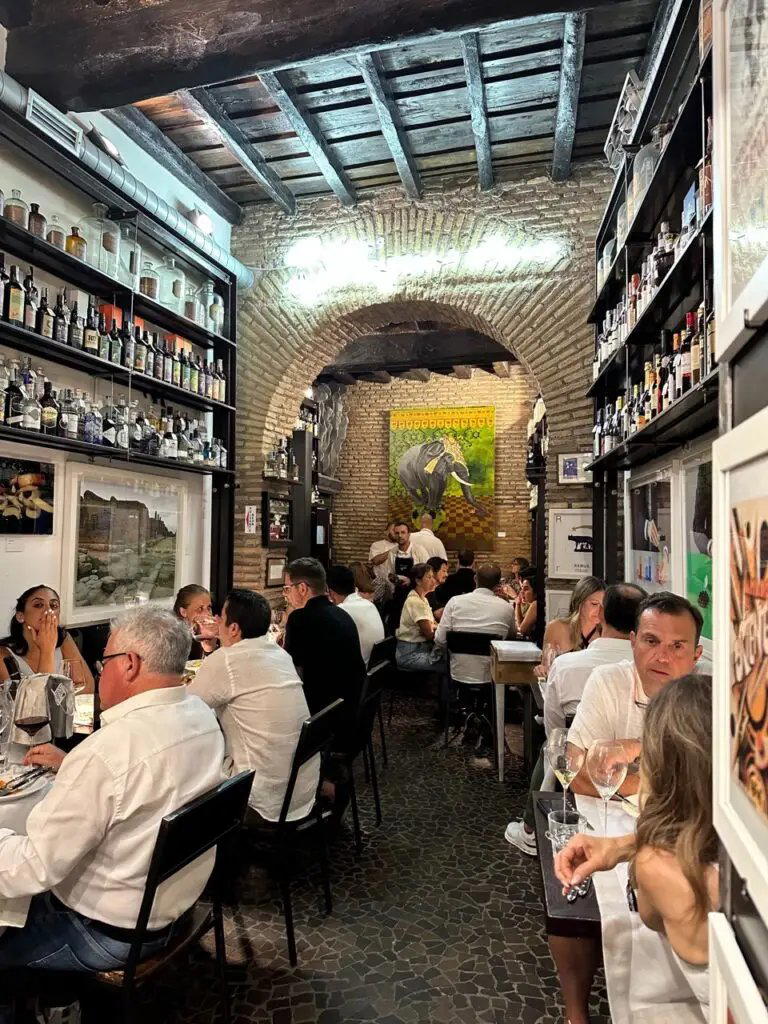
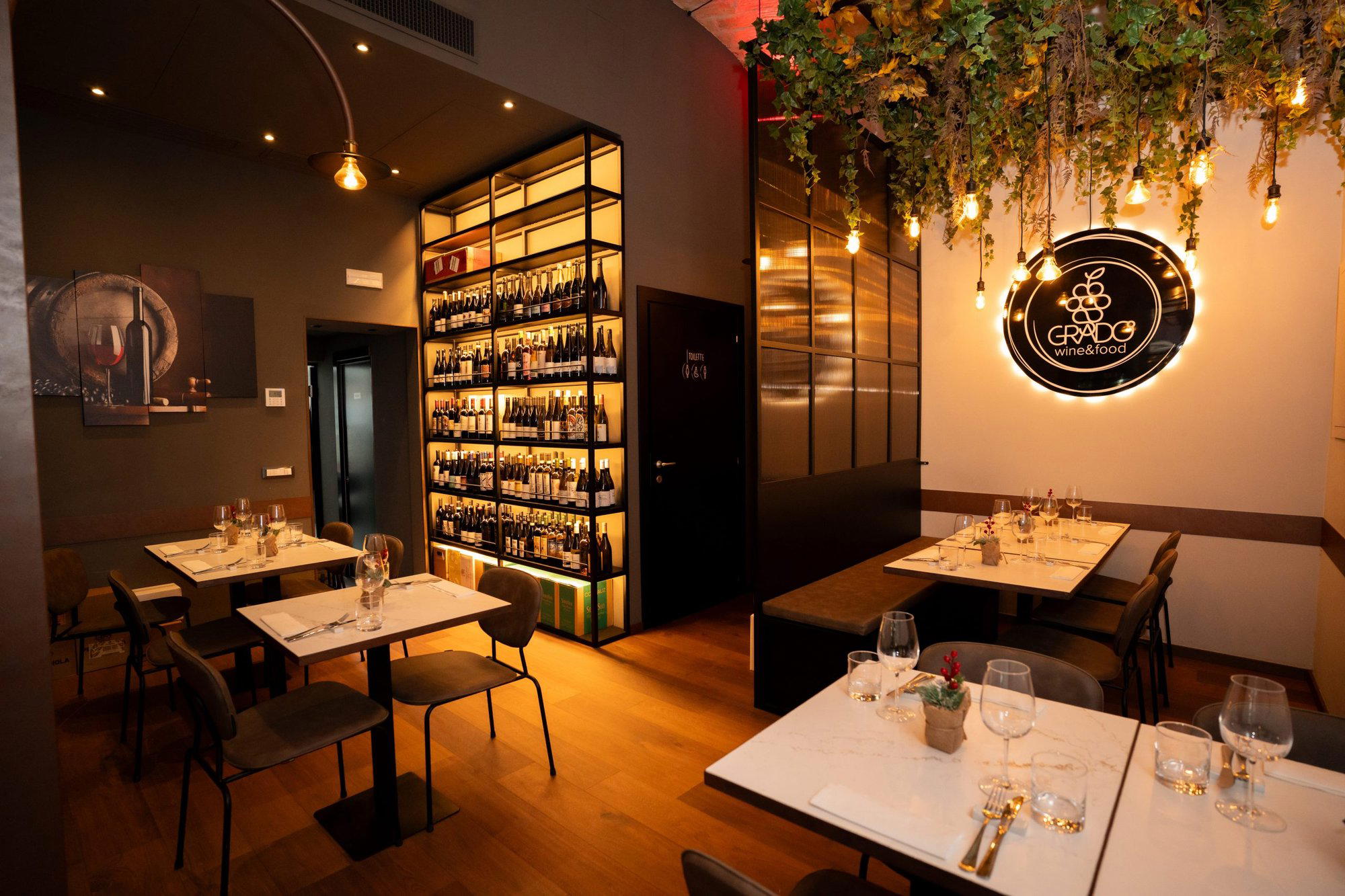
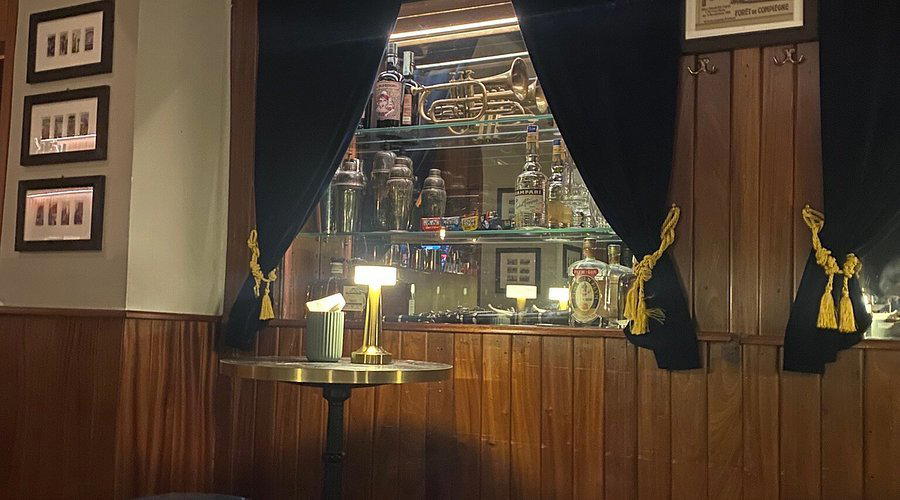
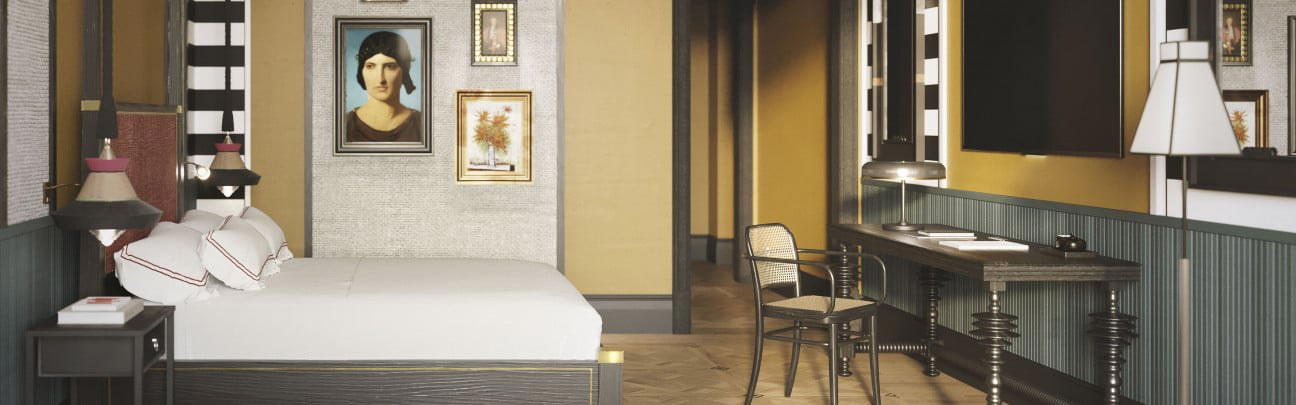
The sensory character of bars in this district is shaped by compression. Rooms are small, ceilings are low, and the sounds of conversation and clinking glass carry further than they would in a larger space. Natural light, where it enters at all, does so through narrow street-facing windows in the late afternoon, casting the amber quality that Rome's older interiors seem to amplify. By early evening that light has gone, and the room shifts into something more interior, lit by fixtures that have rarely changed in decades.
In Roman bar culture, this compression is not a limitation — it is the point. The physical closeness of a small counter forces the kind of casual exchange that a sprawling terrace venue cannot manufacture. Regulars at bars along Via del Pellegrino tend to stand rather than sit, keep their coats on, and treat the bar itself as a social hinge rather than a destination. Barnum Roma operates within this grammar.
Campo de' Fiori Quarter: Where This Bar Sits in Rome's Bar Geography
Rome's bar scene does not have a single centre of gravity in the way that London or New York organises its cocktail culture around identifiable neighbourhoods. Instead it fragments into micro-zones, each with its own social register. Testaccio carries a younger, late-night character. Prati draws an aperitivo crowd tied to the legal and media professions based near the Vatican courts. The Campo de' Fiori quarter, where Barnum Roma operates, occupies a middle position: historically working-class, now mixed, with a daytime tourist pressure that recedes after dark and leaves behind a more local evening crowd.
Rome's Michelin-decorated restaurants, including La Pergola, Il Pagliaccio, and Acquolina, operate in a different register entirely, drawing on tasting-menu formats and kitchen credentials that belong to a national conversation about Italian fine dining. Barnum Roma's context is more local and more immediate: it answers to the street it is on, not to a guide.
For visitors moving between Rome's more formal dining experiences, whether at Enoteca La Torre or Achilli al Parlamento, a stop in the Campo de' Fiori quarter offers a necessary counterpoint. The Roman bar at its most functional is not a preamble to dinner, it is a social institution in its own right, and Via del Pellegrino is one of the streets where that institution still operates without performance.
Italian Bar Culture in Broader Context
The neighbourhood bar holds a different position in Italian social life than its equivalents elsewhere. In a country where Osteria Francescana in Modena and Le Calandre in Rubano represent one extreme of the dining spectrum, and where destination restaurants like Piazza Duomo in Alba or Uliassi in Senigallia attract international attention, the neighbourhood bar persists as the daily social infrastructure that none of those experiences replace. It is where Romans actually spend time, measured in minutes rather than courses.
This is the tradition that bars along Via del Pellegrino participate in, and it is why the sensory texture of the room matters more than the menu. The smell of espresso at a Roman bar counter, the particular acoustics of marble and tile, the rhythm of a barista working without pause during the morning rush, these are the signals that place a bar inside a living urban culture rather than outside it, serving it from a remove.
Planning Your Visit
Via del Pellegrino 87 is reachable on foot from Campo de' Fiori in under three minutes, and from the Corso Vittorio Emanuele II in roughly the same time. The street runs parallel to Via dei Giubbonari and connects the Campo quarter to the Via Giulia neighbourhood, making it a natural waypoint for anyone moving through the historic centre on foot. Rome's historic centre has no metro access at this specific location; the nearest useful bus lines run along Corso Vittorio Emanuele II, a short walk south.
Given the sparse public data available on booking, hours, and current pricing, visitors are advised to verify current details directly before planning around a specific visit. What the Campo de' Fiori quarter reliably offers, regardless of which bar proves open on a given evening, is the kind of Roman street life that the more trafficked piazzas nearby have largely lost to tourism pressure. Via del Pellegrino holds that in reserve.
For visitors building a broader Italian itinerary, the contrast between Rome's neighbourhood bars and the country's regional fine dining destinations is worth sitting with. From Dal Pescatore in Runate to Reale in Castel di Sangro, Quattro Passi in Marina del Cantone, or Atelier Moessmer Norbert Niederkofler in Brunico, Italy's serious dining addresses are often far from Rome. The city's own contribution to the national table sits more in its trattorias and neighbourhood bars than in its fine dining rooms. Our full Rome restaurants guide maps both registers.
Frequently asked questions
Where do I go for Barnum Roma?
Barnum Roma is located at Via del Pellegrino, 87, 00186 Roma RM, Italy, Rome.
Is Barnum Roma a good option for a drink before or after dinner near Campo de' Fiori?
Via del Pellegrino 87 is reachable in under three minutes on foot from Campo de' Fiori and a similar distance from Corso Vittorio Emanuele II, which makes it a practical stop on either side of a dinner in the centro storico. Unlike the square's more visible bars, Barnum Roma sits on a narrower street that channels a local rather than passing crowd, which changes the pace of the room considerably.
What do regulars order at Barnum Roma?
Barnum Roma sits in a quarter where the aperitivo order tends toward a glass of local wine or a Campari-based drink — the kind of choice that reflects the Roman tradition of drinking simply and without ceremony. The bar's position on Via del Pellegrino, away from the tourist-facing square, means its clientele skews toward people who already know what they want rather than those browsing a laminated cocktail list.
Do I need a reservation for Barnum Roma?
Bars at Barnum Roma's neighbourhood scale in the Campo de' Fiori quarter operate on a walk-in basis for drinks service — no advance booking is needed or expected. Arriving during peak aperitivo hours, typically early evening, is when the room fills fastest given how compact bars in this district tend to be.
City Peers
A quick peer check to anchor this venue’s price and recognition.
| Venue | Cuisine | Price | Awards | Notes |
|---|---|---|---|---|
| Barnum RomaThis venue — the venue you are viewing | Specialty Cafe with Brunch | $20–30 | Not listed | Not listed |
| Enoteca La Torre | Modern Italian Fine Dining | $200–300 | 2 Michelin Stars · La Liste Top Restaurants | Creative |
| Il Pagliaccio | Modern Italian-Japanese Fusion Fine Dining | $150–200 | 2 Michelin Stars · La Liste Top Restaurants | Contemporary Italian, Creative |
| Aroma | Modern Roman Fine Dining | $200–300 | 1 Michelin Star · Falstaff Restaurant - 93 Falstaff Points | Modern Cuisine |
| Idylio by Apreda | Modern Mediterranean-Asian Fusion | $150–200 | 1 Michelin Star · La Liste Top Restaurants | Modern Italian, Italian Contemporary |
| La Palta | Country cooking | Not listed | Not listed | Not listed |
Continue exploring
More in Rome
Restaurants in Rome
Browse all →
Bars in Rome
Browse all →
Hotels in Rome
Browse all →

Details
- Cozy
- Trendy
- Modern
- Brunch
- Casual Hangout
- Open Kitchen
- A La Carte
- Specialty Coffee
- Vegetarian Friendly
- Vegan Options
- Gluten Free Options
Current opening hours
- Monday
- 8 AM–3:30 PM
- Tuesday
- 8 AM–3:30 PM
- Wednesday
- 8 AM–3:30 PM
- Thursday
- 8 AM–3:30 PM
- Friday
- 8 AM–3:30 PM
- Saturday
- 8 AM–3:30 PM
- Sunday
- 8 AM–3:30 PM
Hours can change for holidays and private events. Last verified .
Cozy and creative atmosphere with vintage couches, artwork, books, and a lightly circus-themed vibe under sexy lighting.