
Teuchi Udon Ishizuka places Okegawa’s everyday noodle culture in a more serious frame: hand-made udon, Japanese cooking, and a house-restaurant format that has earned Tabelog 100 Udon EAST selections in 2020, 2022, and 2024. The appeal is not luxury theatre; it is regional wheat-noodle craft at modest pricing, with a room built for counter seats, tables, and tatami rather than ceremony.
Pearl is the En Primeur Club membership app — saves, bookings, and concierge access live there. Same editors, same standards.
- Address
- 埼玉県桶川市南1-7-5
- Phone
- +81487711277
- Website
- tabelog.com
- Directions
- Get directions
 Saves & bookings on Pearl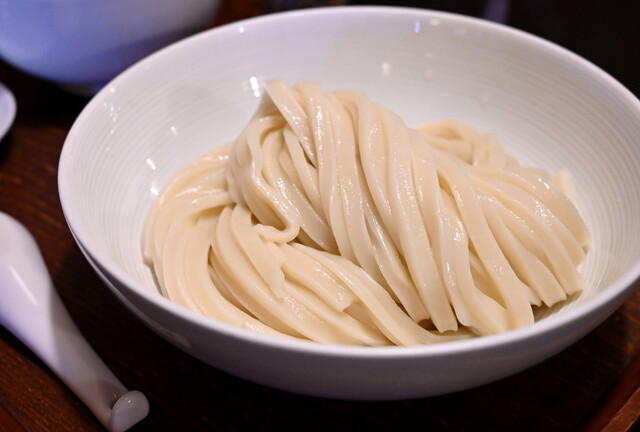
Okegawa gives udon a different setting from Tokyo’s station-basement noodle counters. The rhythm is suburban and practical: a straightforward local room, a menu centered on wheat noodles, and a style of eating that values texture over spectacle. Teuchi Udon Ishizuka belongs to that Okegawa dining context, where the draw is not a chef’s grand thesis but the discipline of udon in a city that treats everyday noodle eating seriously.
That matters because udon in this part of the dining map is often judged by texture before ornament. Wheat noodles carry the meal; broth, dipping sauce, tempura, rice sides, and other supporting dishes sit around that central fact. In this tier, ingredient talk is less about rarefied produce lists and more about whether the kitchen treats flour, water, seasoning, and heat as the main event. Teuchi Udon Ishizuka’s 2024 Tabelog Hyakumeiten recognition puts it in a narrower field than the casual price point suggests.
Udon in Okegawa's wheat-noodle lane
Okegawa has room for udon specialists that do not need to imitate Tokyo’s more polished dining grammar. The city is close enough to the capital for a simple food stop but far enough that the meal reads as local routine rather than destination choreography. Its noodle culture is direct: lunch and dinner price bands, practical meals, and value pricing that keeps wheat noodles in daily circulation.
The recognition here is useful because Tabelog’s Hyakumeiten lists tend to separate category specialists from general-purpose restaurants. A 2024 Tabelog Hyakumeiten udon selection signals visibility in a category where small differences in noodle texture, serving temperature, and seasoning can decide whether a bowl feels alive or merely filling. The restaurant’s Tabelog score of 3.72 also places it above the casual-neighbourhood baseline without pushing it into the luxury-dining economy.
The competitive context is compact but telling. Nearby Teuchi Udon Matsuya occupies another everyday udon lane, while references such as Chuka Soba Yoshikawa Ageo ten, Ryu no Ko, Kiseki Shokudo Ageo ten, and Jinenjo show how the area’s casual dining scene spreads across noodles, rice sets, and Japanese comfort formats rather than formal tasting menus. Against that group, Ishizuka’s award history gives the udon category a firmer editorial reason to travel for it.
A local restaurant room, not a counter performance
Format shapes expectations. This is best approached as a local udon restaurant rather than a luxury room: practical, accessible in tone, and built around the bowl rather than the performance surrounding it. The setting suits diners looking for a direct meal in Okegawa, with the emphasis falling on wheat noodles and Japanese cuisine rather than on elaborate service rituals.
That format also explains the tone of the experience. This is not an omakase counter where the guest watches every movement as theatre; it is a modest restaurant where the craft is embedded in the plate rather than staged for attention. The core identity remains udon and Japanese cooking. For travelers, that distinction is useful: the value sits in a specific food form, not in a long evening of service choreography.
Okegawa’s broader trip planning can be kept simple. Readers building a food-led route should start with Our full Okegawa restaurants guide, then decide whether the city is a short meal stop or part of a slower regional circuit. Overnight demand is modest, but Our full Okegawa hotels guide helps separate practical stays from rail-connected alternatives. Evening drink options belong in Our full Okegawa bars guide, while Our full Okegawa wineries guide and Our full Okegawa experiences guide are better read as wider context than as direct add-ons to a noodle lunch.
Where it fits in a Japan food itinerary
The strongest reason to include this stop is category clarity. Japan’s high-end dining coverage often over-indexes on sushi, kaiseki, and French-influenced tasting menus; udon, soba, ramen, curry, and set-meal specialists explain more about how people actually eat across regional cities. An udon shop with category recognition gives travelers a way to read local food culture without spending at a fine-dining level.
For comparison across Japan, EP Club’s restaurant archive moves from specialist regional rooms to urban formats: other heritage-city restaurants, dense urban dining rooms, casual cafes, and regional everyday specialists all show how price, format, and local demand produce different kinds of credibility. The point is not to rank them against an Okegawa udon shop; it is to see how different local dining habits create different measures of value.
That same lens applies beyond Okegawa. Other Japanese restaurants sit in different everyday-to-specialist lanes, from curry and hamburger shops to contemporary counters and casual rice-based formats. Farther afield, Japanese-inspired bars and onigiri shops overseas show how familiar categories change once they leave their local supply chains and dining habits behind.
The editorial verdict is concise: Teuchi Udon Ishizuka is for travelers who care about the craft behind a modest bowl as much as the ceremony around an expensive meal. Its 2024 Tabelog Hyakumeiten recognition gives the detour weight, but the deeper value is cultural. Okegawa offers a grounded reading of udon as local dining infrastructure: wheat noodles, Japanese cooking, and a price tier that keeps seriousness close to daily life.
Quick Comparison
Comparable venues by cuisine and price in the same metro.
| Venue | Cuisine | Price | Notes |
|---|---|---|---|
| Teuchi Udon Ishizuka | Traditional hand-made udon | $ | Okegawa |
| Teuchi Udon Matsuya | Traditional handmade udon & curry udon | $ | Okegawa |
| Miyabi Tei | Japanese neighborhood bakery & deli | $ | Not listed |
| Sanchome no Teuchi Udon | Musashino-style handmade udon | $ | .null |
| Chuka Soba Ibuki | Niboshi-focused ramen | $ | Itabashi |
| Kuromatsu Honpo Sogetsu | Traditional Japanese Wagashi & Dorayaki Shop | $ | Kita |
Recognition history
Dated appearances from independent guides and award organizations, with the underlying list record or original source where available.
Tabelog 100 #31 · No. 31
Tabelog · Tabelog 100 - Udon - EAST - 2024
Continue exploring
More in Okegawa
Restaurants in Okegawa
Browse all →




Bars in Okegawa
Browse all →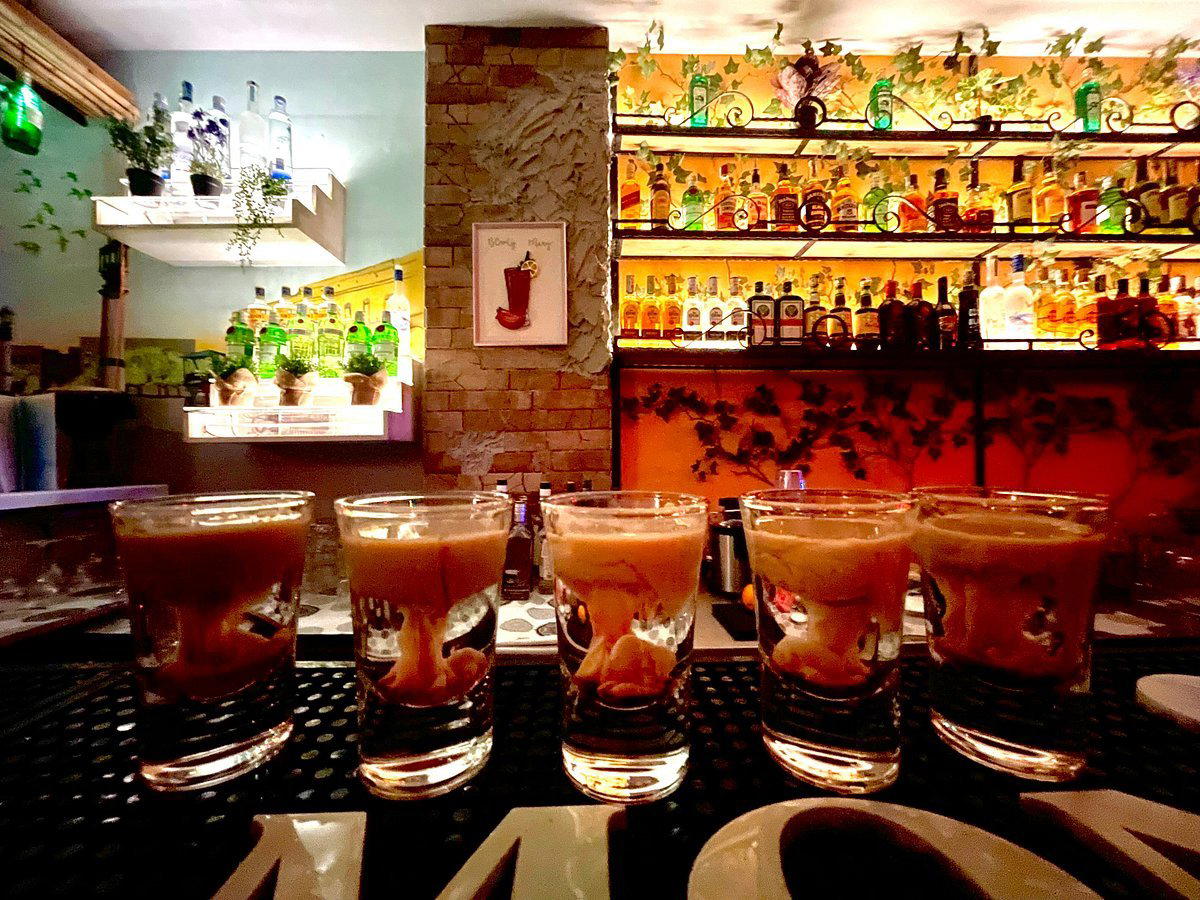



Hotels in Okegawa
Browse all →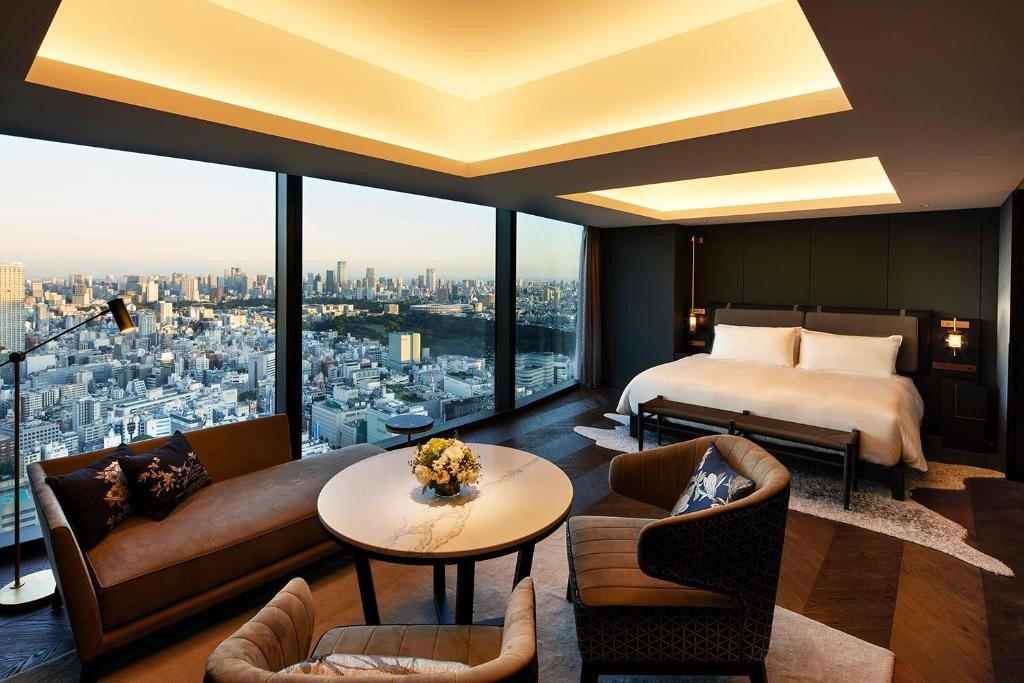
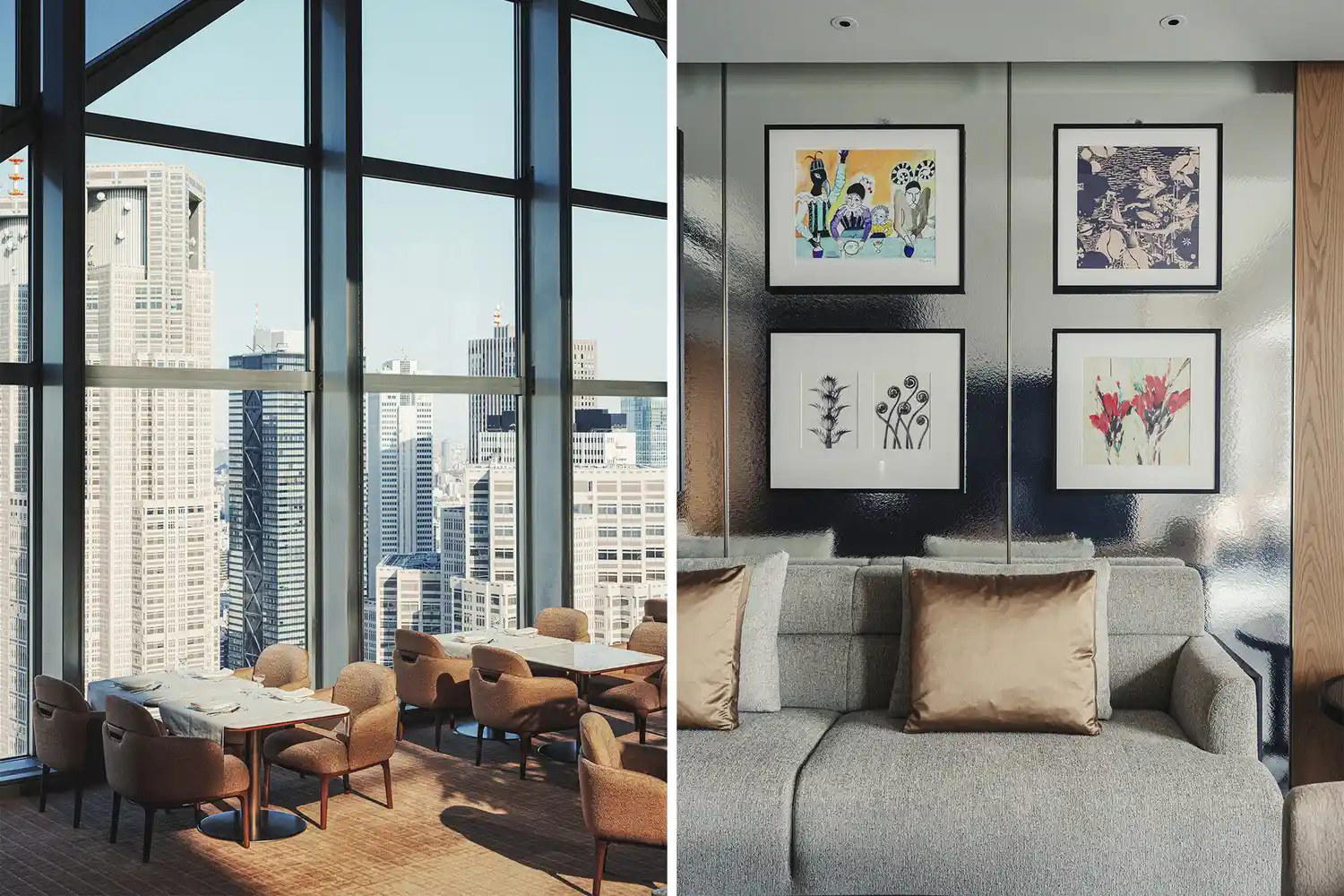


Wineries in Okegawa
Browse all →
At a Glance
- Classic
- Cozy
- Rustic
- Family
- Casual Hangout
- Solo
- Group Dining
- After Work
- Standalone
- Historic Building
- Sake Program
- Beer Program
A relaxed, family-friendly house-restaurant with simple, classic interiors featuring counter seats, tables, and tatami rooms that create a cozy, traditional atmosphere suited to everyday meals rather than formal dining.
Know Before You Go
- Reservations
- Walk in friendly
- Dress code
- Casual
- Getting there
- 埼玉県桶川市南1-7-5