
Sugamo’s soba culture rewards restraint: buckwheat provenance, milling, blending, and texture matter more than ceremony. Teuchi Soba Kikutani Sugamo honten belongs in that serious neighbourhood register, with Tabelog 100 Soba EAST recognition in 2025 and a compact 24-seat house-restaurant format that keeps attention on handmade noodles rather than spectacle.
Pearl is the En Primeur Club membership app — saves, bookings, and concierge access live there. Same editors, same standards.
- Address
- 東京都豊島区巣鴨4-14-15
- Phone
- +81339183462
- Website
- teuchisobakikutani.com
 Saves & bookings on Pearl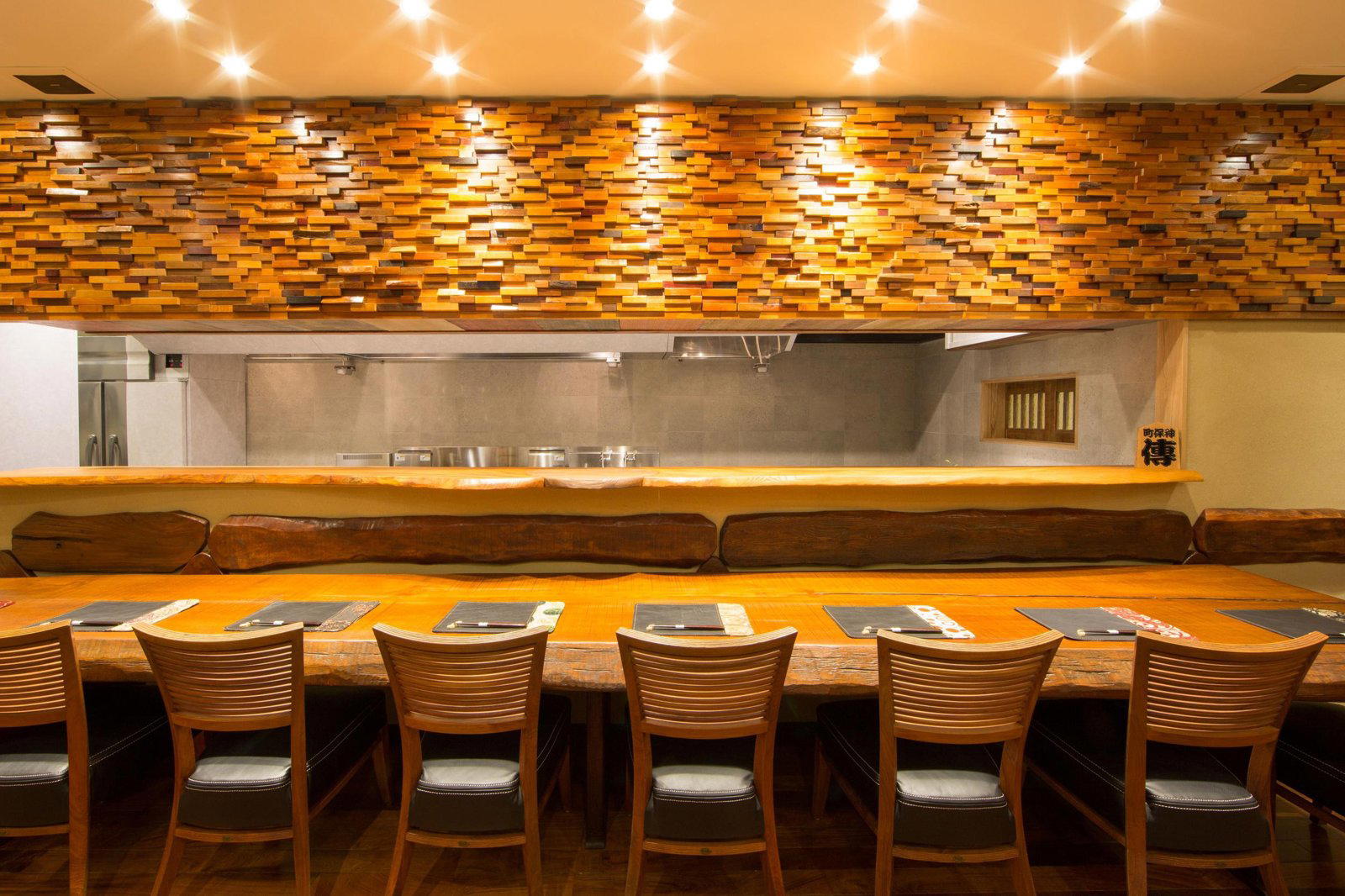
Approaching the old Sugamo side of Toshima, Tokyo loosens its grip. Retail slows, the Toden Arakawa Line feels closer to daily life than city theatre, and soba returns to its proper scale: grain, water, handwork, and timing. That context makes Teuchi Soba Kikutani Sugamo honten interesting. It does not mimic Ginza’s luxury-counter economy or the tasting-menu choreography that dominates international attention. It belongs to a quieter Tokyo tradition where the serious question is not how elaborate the room feels, but how clearly the noodle expresses buckwheat.
That distinction matters. Soba can be everyday lunch, seasonal marker, drinking companion, or craft object. At the higher end of casual soba, the work becomes choices about production area, grind, buckwheat-to-binder ratio, blending, and aging. Those variables shape aroma, bite, and how the noodle takes tsuyu. Kikutani’s stated focus on two types of soba fits that tradition: comparison is the point. Rather than treating soba as a neutral base for toppings, the format asks diners to notice difference within the grain itself.
Two soba styles make buckwheat the main argument
Tokyo has many noodle categories that translate easily: ramen has broth drama, udon has chew, tempura soba has visual clarity. Soba is more exacting. Its appeal sits in the narrow band between fragrance and texture, where small technical shifts carry the meal. A soba tasting built around two mori soba preparations gives a controlled comparison, a sharper way to understand the craft than ordering one bowl and calling it done.
The ingredient angle is not ornamental. Buckwheat behaves differently by growing region, milling style, blend, and resting period. In a city where diners read omakase counters through provenance and aging, soba deserves the same scrutiny. The difference is price and posture. The listed average price is JPY 1,000–JPY 1,999 for lunch and dinner, while course information notes a JPY 4,000 lunch course tied to reservations. That places the experience in a rare Tokyo lane: ingredient-led, technically serious, and still closer to neighbourhood dining than luxury dining.
Tabelog selected the restaurant for its Soba EAST “Tabelog 100” list in 2025, with earlier selections in 2024, 2021, 2019, 2018, and 2017. Such awards help because soba excellence is hard to read from décor or menu length. A modest noodle shop can operate with sourcing discipline that puts it among studied specialists. The Tabelog score of 3.71 reinforces that this is a venue followed by diners who care about category-specific craft, not just general popularity.
Sugamo gives the meal its scale
Sugamo is the right frame for this soba. The area is not built around the international restaurant circuit, which works in its favour. Nearby comparisons show the neighbourhood’s breadth: Mensouan Sunada occupies the same accessible soba price band, Sugamo Tokiwa Shokudo Honten sits in the everyday teishoku register, and Ganso Shio Daifuku Mizuno points to the area’s sweet-shop and street-snack identity. The point is not that one address replaces another, but that Sugamo supports food traditions meant for repeat local use rather than destination theatre.
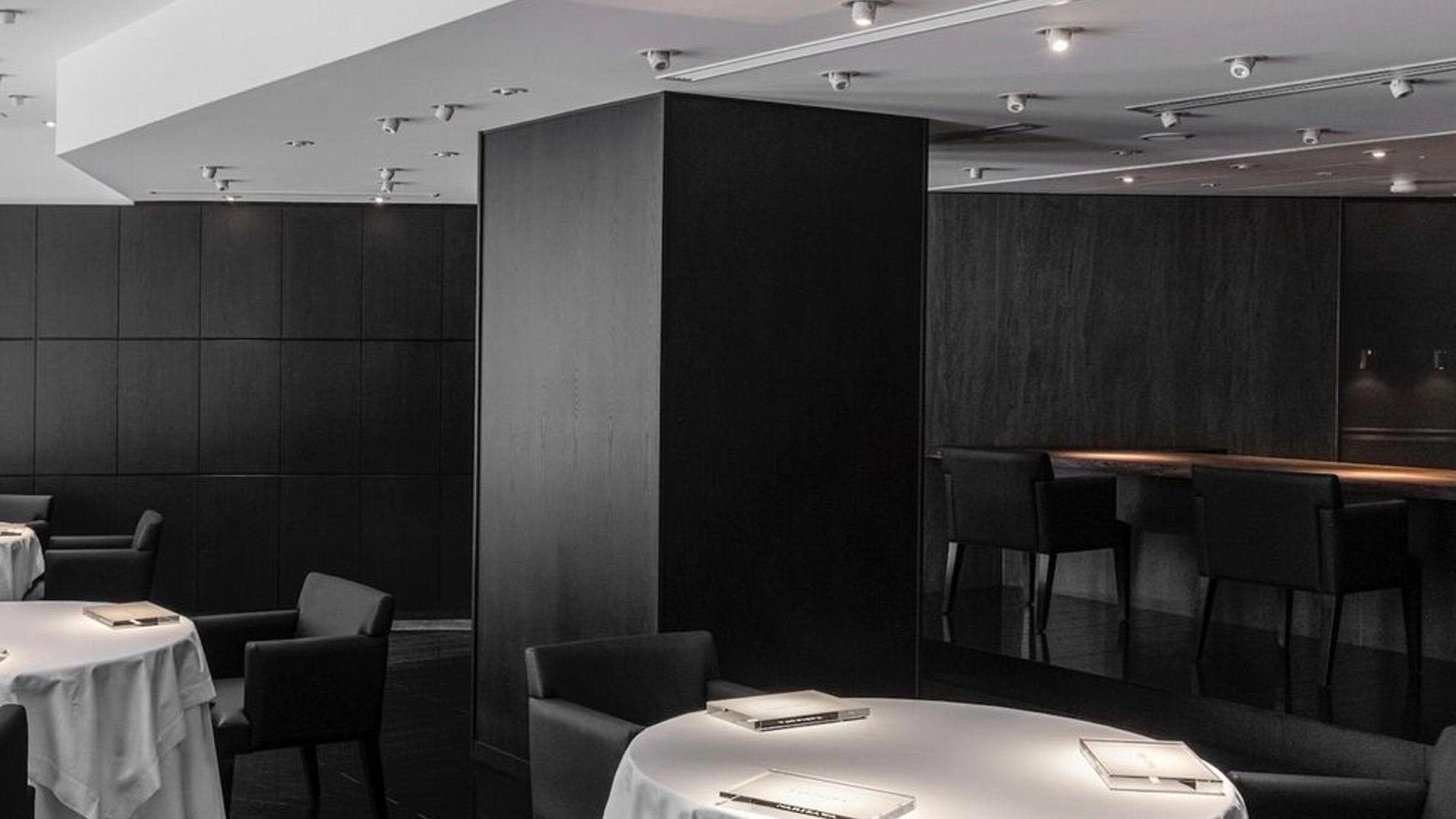
Within that setting, the small room has practical consequences. The restaurant lists 24 seats, including tables and a private room for four, with private use available for up to 20 people. That suits neighbourhood rhythm but cannot absorb casual demand without planning, especially for the course format. The room is non-smoking, children are welcome, and the listing notes a kids menu and stroller access. Those details separate it from more severe soba counters where silence and adult drinking culture dominate.
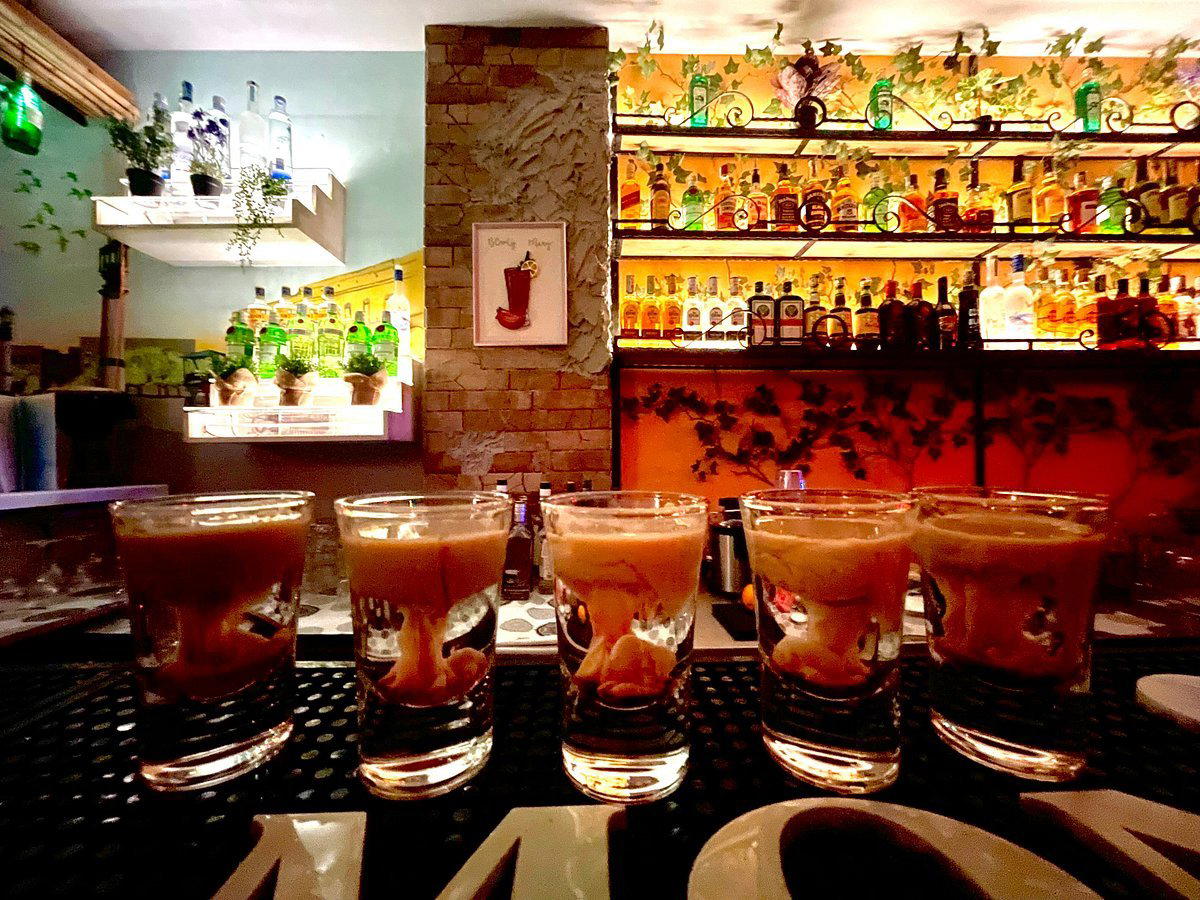
The drinks program points to soba’s older relationship with alcohol. Sake, shochu, and wine are listed, with attention to sake and wine in particular. In Tokyo soba culture, noodles can conclude a drinking meal rather than serve as the whole event. That explains the reservation note around the course being designed for diners who enjoy soba with sake. Soba-ya are not merely noodle shops; at their more traditional end, grain, dipping sauce, seasonal small plates, and drinks share one table grammar.
Know Before You Go
- Address: 東京都豊島区巣鴨4-14-15, Toshima, Tokyo.
- Nearest rail access: Koshinzuka Station on the Toden Arakawa Line is listed as a 3-minute walk; Sugamo Station is listed as a 13-minute walk.
- Hours: Tuesday to Sunday and public holidays, 11:30 AM–3:00 PM (L.O. 2:30 PM) and 6:00 PM–8:30 PM (L.O. 8:00 PM). Closed Monday; if Monday is a public holiday, closure moves to Tuesday.
- Price signal: Listed average price is JPY 1,000–JPY 1,999 for lunch and dinner; a JPY 4,000 lunch course is noted for reservations.
- Reservations: Available. Lunch reservations are accepted for two groups only at 11:30 AM when ordering the course meal.
- Seats: 24 seats, including a private room for four.
- Payments: VISA and Master are accepted; PayPay is accepted; electronic money is not accepted.
- Parking: No on-site parking; coin parking is listed within a 5-minute walk.
For a broader Tokyo dining map, compare this soba address with casual and specialist entries in Our full Tokyo restaurants guide, including . 鮪と炭火焼き うお炭 秋葉原店, 12/10 Shinjuku ten, 124. KAGURAZAKA (Yakitori), 2D Cafe, and 3 Chome no Curry Ya San. Trip planning beyond restaurants can sit alongside Our full Tokyo hotels guide, Our full Tokyo bars guide, Our full Tokyo wineries guide, and Our full Tokyo experiences guide.
Elsewhere in Japan and beyond, EP Club’s wider restaurant coverage ranges from -Grilled beef Sukiyaki- KAMAKURA TANUKIAN 鎌倉 たぬき庵 in Kamakura.cafe in Osaka.know in Kumamoto, (Shoku) Vietnam in Kawasaki, [Curry Senmon Ten] Maruyama Kyoju. in Sapporo, and [ki:] in Kyoto to Los Angeles-area Japanese drinking and casual formats such as Jōdo Saké Bar in Los Angeles and Onigiri Time in Pasadena.
The Quick Read
Comparable venues at a glance for context.
| Venue | Cuisine | Price | Notes |
|---|---|---|---|
| Teuchi Soba Kikutani Sugamo hontenThis venue — the venue you are viewing | Toshima, Handmade Soba & Soba Kaiseki | $$ | Not listed |
| Yamacho (黒うどん 山長) | Not listed | $$ | Harajuku, Black Udon (Kuro Udon) |
| IkkoAn | Bunkyō, Traditional Japanese Wagashi | $$ | Not listed |
| Waguri Ya Yanaka ten | Not listed | $$ | Taitō, Japanese Chestnut Sweets / Mont Blanc Café |
| Usagiya CAFE | Not listed | $$ | Taitō, Traditional Japanese sweets cafe (dorayaki & kakigori) |
| Uokyu Eat-in Ajimise Honten | Chūō, Traditional Japanese Kasuzuke | $$ | Not listed |
Recognition history
Dated appearances from independent guides and award organizations, with the underlying list record or original source where available.
Tabelog 100 #1 · No. 1
Tabelog · Tabelog 100 - Soba - EAST - 2025









At a Glance
- Cozy
- Classic
- Intimate
- Solo
- After Work
- Casual Hangout
- Family
- Standalone
- Sake Program
- Beer Program
- Local Sourcing
Calm and cozy neighborhood soba shop with a classic, quietly refined atmosphere where guests linger over handmade soba and sake rather than rush a quick meal.