
Kobe’s Sannomiya dining map is often read through beef, sake, and late-night counters, but its Italian rooms deserve closer attention. terzo sits in that smaller pizza-and-wine lane, with Tabelog Pizza 100 selections in 2019, 2021, 2023, and 2025, a 24-seat format, and pricing that places it above casual slices but below the city’s formal dining bracket.
Pearl is the En Primeur Club membership app — saves, bookings, and concierge access live there. Same editors, same standards.
- Address
- 兵庫県神戸市中央区北長狭通2-6-6 ヤナセビル 2F
- Website
- tabelog.com
 Saves & bookings on Pearl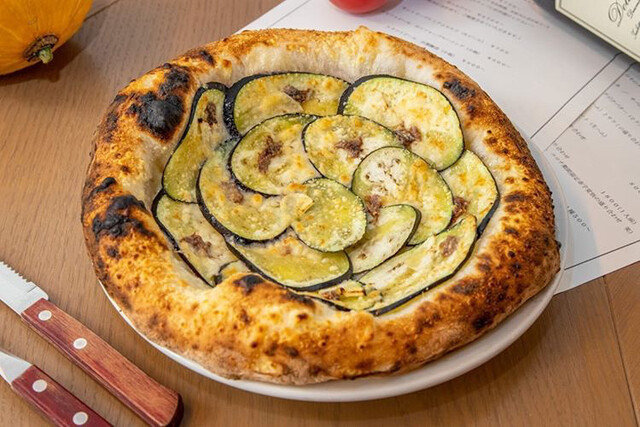
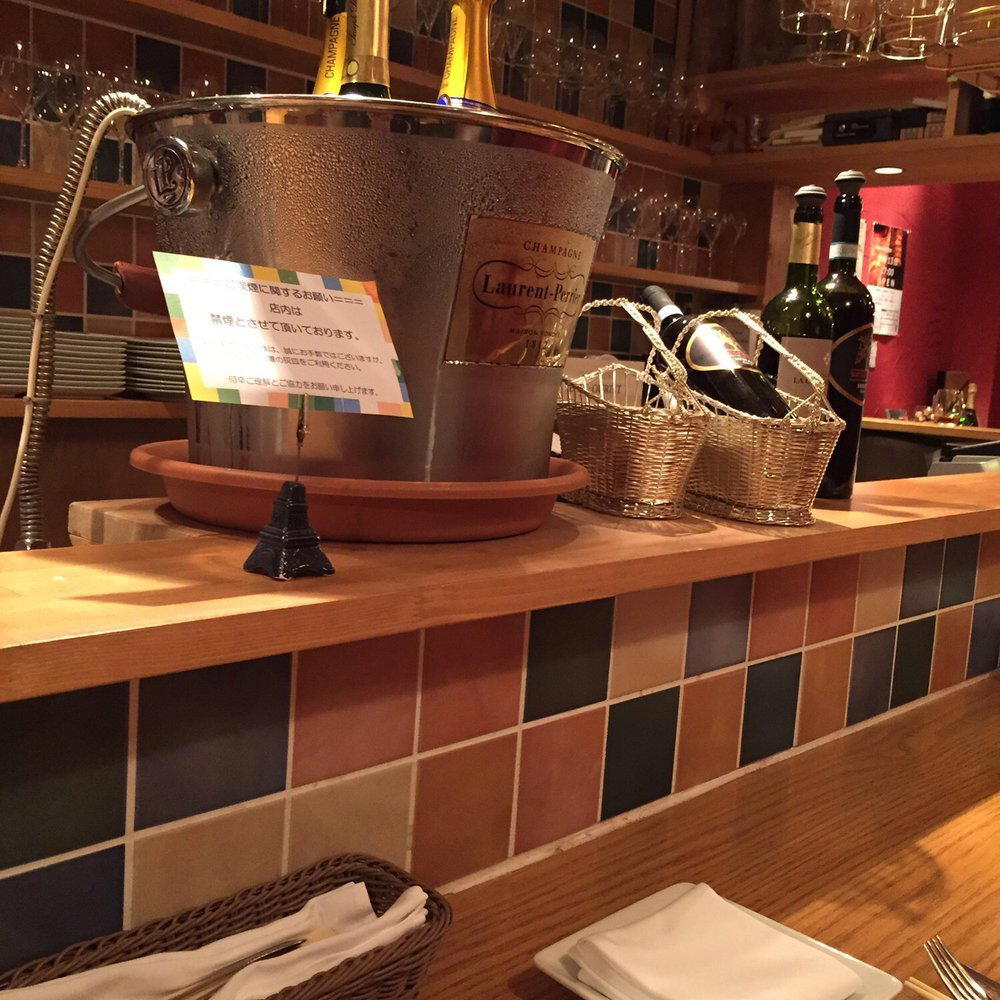
Upstairs in central Kobe, the appeal is compression rather than street-level theatre: a small room, short seat count, pizza and pasta beside wine, and service that must move with coordination rather than ceremony. In Sannomiya, where restaurants often split between quick station-area meals and destination dining built around beef, sushi, or kappo rhythm, Italian works differently. It rewards timing, oven discipline, and a front-of-house team able to keep 24 seats from feeling rushed or slack.
terzo sits in the narrow Kobe tier where pizza is a full dinner, not a casual stop. Its Tabelog Pizza 100 selections in 2019, 2021, 2023, and 2025 give travelers a public benchmark in a category hard to judge from outside. The price band, JPY 6,000 to JPY 7,999 at dinner and JPY 4,000 to JPY 4,999 at lunch, sets the register: not a luxury tasting-menu room or budget pizzeria, but a wine-led Italian table where the bill reflects a complete meal.
Pizza, pasta, and wine in Kobe's compact Italian tier
Kobe’s international dining character is deliberate. The port city has long absorbed foreign cooking styles, then narrowed them into local habits: smaller rooms, sharper service choreography, and menus between Japanese precision and European reference points. Here, pizza restaurants with serious wine lists are less novelty than mid-to-premium social dining rooms, especially around Sannomiya and Motomachi, where groups want energy without counter-only formality.
The useful comparison is not bargain pizza or hotel Italian, but Kobe rooms with similar budgets and different moods. Banshu Jizake Hino shares the JPY 6,000 to JPY 7,999 evening band through sake, while Canton Ryori Chinese Shuka Toa rodo ten rises to JPY 10,000 to JPY 14,999 at dinner. Miyasu, at JPY 15,000 to JPY 19,999, is another spend category. Against that spread, terzo’s value is specificity: pizza, pasta, Italian cooking, and wine in a room small enough for pacing to matter.
The format reveals the team dynamic. Two counter seats and 22 table seats leave little margin for uneven service. Kitchen, wine side, and floor must operate as one circuit: orders cannot pile up, glasses cannot lag behind food, and table turns cannot be an afterthought. The stated attention to wine supports that reading. This is not pizza with drinks attached, but closer to a casual Italian wine room where the bottle or glass can shape the meal as much as the dough.
Why recognition matters more in a crowded pizza category
Pizza is one of Japan’s most competitive imported cuisines because it travels well and exposes weakness quickly. Some formats can hide behind luxury ingredients; pizza gives less cover. Dough, heat, timing, and balance show immediately, so repeated national-list inclusion matters more than a single year of attention. Tabelog’s Pizza 100 selections across four cycles place terzo in a sustained, not accidental, conversation.
That recognition helps frame expectations for visitors using Kobe as a food city rather than a day trip. The city’s restaurant identity is often reduced to beef, but the better itinerary treats Kobe as compact specialties. A visitor might read our full Kobe restaurants guide for the broader map, then use category anchors to choose the right night: beef at Aburi Niku Kobo Wakkoku Shinkobe ten or Aburi Niku Kobo Wakkoqu Kitano Sakamoto Ten, coffee at Akaneya Coffee Ten, a different casual register at Akari, or a halal option at Ali's Halal Kitchen. The point is sequence: Kobe rewards diners who avoid making every meal play the same role.
For full-stay planning, the surrounding map matters too. Our full Kobe hotels guide, full Kobe bars guide, full Kobe wineries guide, and full Kobe experiences guide help separate dinner from the rest of the evening. That separation is useful because a wine-focused Italian meal can either begin the night or carry it, depending on the group.
The planning read: small room, mid-premium spend, low tolerance for improvisation
The practical read is simple: a small Kobe dining room with 24 seats, no private rooms, and a dinner budget in the city’s mid-premium range. It is non-smoking, nearby streets are also designated non-smoking, and parking is not available. Payment flexibility is stronger than at many small Japanese restaurants, with major credit cards accepted and PayPay listed, though electronic money is not.
The family policy is permissive but not child-focused. Kids are welcome, yet there are no children’s menus or chairs, strollers are discouraged because of room size, and outside food and drink, including baby food, are not allowed. It suits older children who can sit through a regular meal better than families needing infant logistics.
Etiquette signal is clear: no formal dress code is listed, but strong fragrance can be a problem. In a compact room built around oven heat, wine, and close table spacing, that protects the experience for other diners. The restaurant opened in 2012 and announced a 2025 relocation within the same broader area, so current address checks are sensible before setting out.
For readers comparing beyond Kobe, the lesson travels. Japan’s regional dining cities often contain serious specialist rooms below the national fine-dining spotlight, from -Grilled beef Sukiyaki- KAMAKURA TANUKIAN 鎌倉 たぬき庵 in Kamakura to. 鮪と炭火焼き うお炭 秋葉原店 in Tokyo.cafe in Osaka.know in Kumamoto, (Shoku) Vietnam in Kawasaki, and [Curry Senmon Ten] Maruyama Kyoju. in Sapporo. Even outside Japan, focused small formats such as Jōdo Saké Bar in Los Angeles or Onigiri Time in Pasadena prove the same point: a narrow concept succeeds when the team runs it with discipline. In Kobe, terzo is the Italian night for diners who want the room, wine, and pizza to work as one system.
The Essentials
Comparable venues at a glance for context.
| Venue | Cuisine | Price | Notes |
|---|---|---|---|
| terzoThis venue — the venue you are viewing | Chūō, Modern Italian pizza and wine bar | $$$ | Not listed |
| Ciccia | Not listed | $$$ | Chūō, Intimate Italian wine restaurant with chef’s course in Kobe |
| quarto | Chūō, Pizza & Italian Trattoria | $$$ | Not listed |
| Fushin | Chūō, Traditional Chinese | $$$ | Not listed |
| Ito Grill | Not listed | $$$ | Chūō, Classic Kobe yoshoku & charcoal‑grilled Kobe beef |
| yokoyama | Chūō, Modern Innovative Fusion | $$$ | Not listed |
Recognition history
Dated appearances from independent guides and award organizations, with the underlying list record or original source where available.
Tabelog 100 #80 · No. 80
Tabelog · Tabelog 100 - Pizza - 2025
Continue exploring
More in Kobe
Restaurants in Kobe
Browse all →
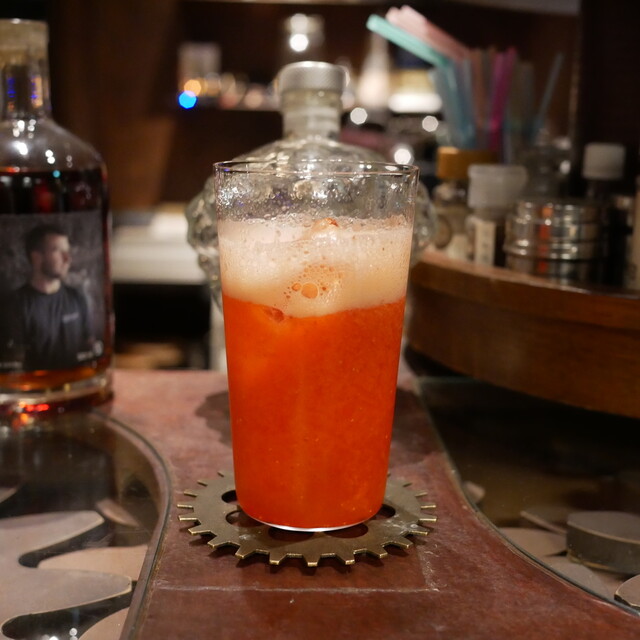
Bars in Kobe
Browse all →
Hotels in Kobe
Browse all →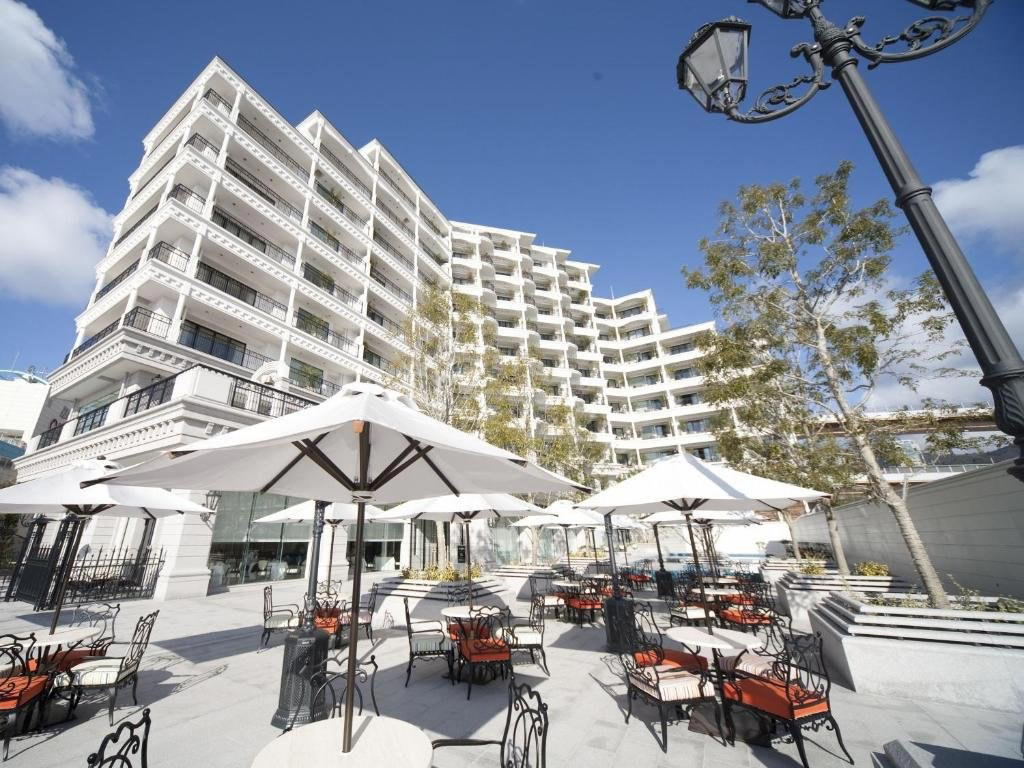


At a Glance
- Modern
- Cozy
- Trendy
- Intimate
- Date Night
- Casual Hangout
- After Work
- Celebration
- Standalone
- Design Destination
- Extensive Wine List
- Beer Program
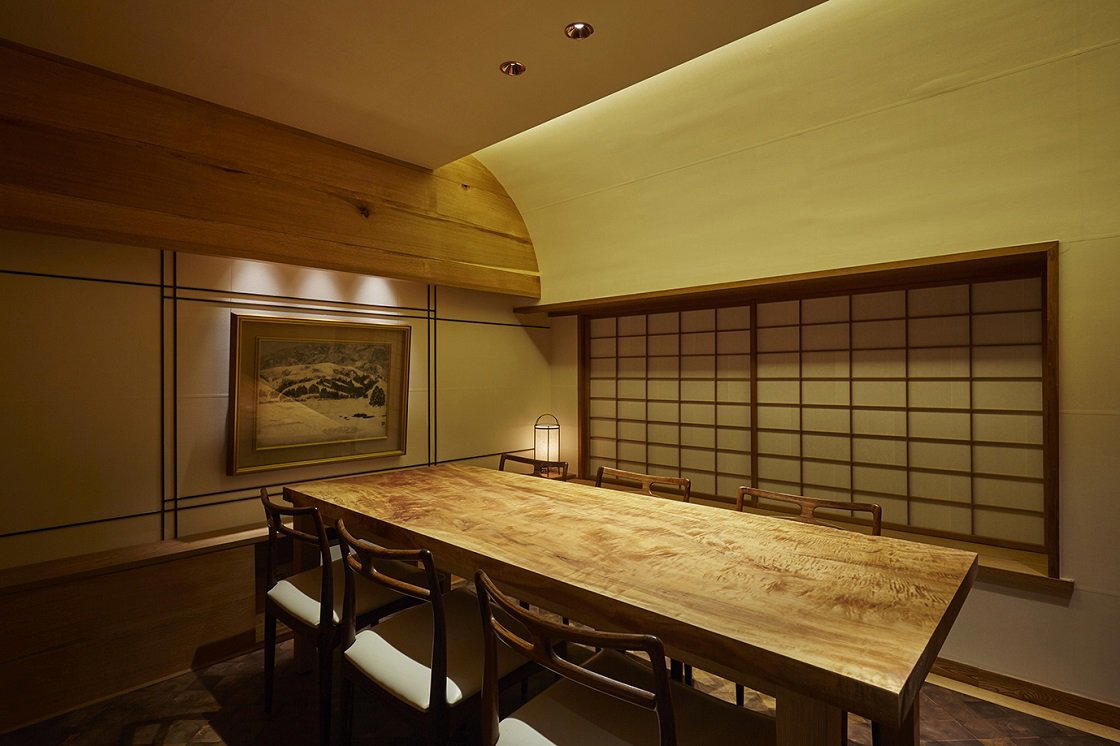
A small, stylish second‑floor hideout with counter and sofa seating, relaxed yet polished lighting, and a cozy, modern bistro feel suited to dates or friends over pizza and wine rather than a loud, bustling pizzeria.