
Tabelog 100 #59
Our verdict
Teppanyaki Oomi places Shiga’s beef culture in a hotel-counter format overlooking Lake Biwa, with 17 counter seats and recognition in Tabelog’s Steak / Teppanyaki WEST 100 for 2024 and 2025. The draw is not spectacle for its own sake, but the regional grammar of Omi beef, cooked in front of guests with drinks support that includes sake, shochu, wine and cocktails.

Pearl is the En Primeur Club membership app — saves, bookings, and concierge access live there. Same editors, same standards.
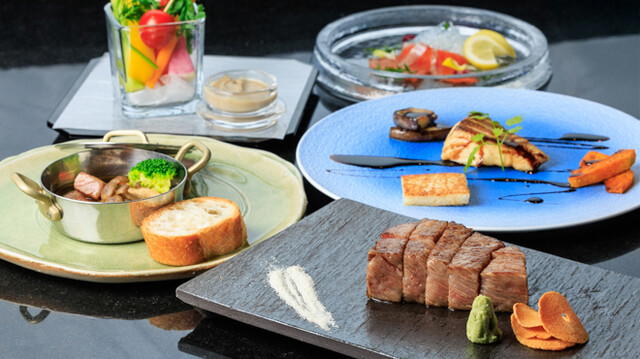
The menu
What to order
- Omi wagyu teppanyaki course
- Kaiseki-style teppanyaki set menus
Lake Biwa shapes dining in Otsu. The city’s strongest meals often carry water, mountain and old-road commerce rather than metropolitan flash, and teppanyaki is a useful lens on that culture. At Teppanyaki Oomi, the format puts cooking in direct view, while the broader story is Shiga’s relationship with beef, ceremony and travel: a regional dining culture shaped by Kyoto proximity, lake routes and local hospitality.
Teppanyaki in Japan is often misunderstood abroad as theatre first, cuisine second. In Kansai and western Japan, serious steak and teppanyaki rooms are disciplines of heat management, timing, portion rhythm and quiet service. A grill-led meal can create a focused experience, keeping attention close to the cooking surface without making the chef a stage act. Its recognition defines its bracket: it was selected for Tabelog’s Hyakumeiten recognition in 2025, with a listed score of 3.63 and a dinner budget of JPY 8,000 - JPY 9,999.
Otsu beef culture gives the teppanyaki format its regional argument
Shiga’s beef tradition predates much modern Japanese wagyu branding. In Otsu, that cultural force comes from geography as much as marbling. Kyoto is close enough to shape dining expectations, but Otsu remains its own place: a lake city of temple routes, merchant history and quieter hospitality. Teppanyaki fits because it treats beef as ingredient and occasion, with cooking decisions public and service paced around the grill.
That context explains why Otsu’s category splits sharply. A specialist beef restaurant such as Omi Gyu Senmon Ten Omi Kadoman sits on one side of the city’s food map, while everyday local sweets at Miidera Chikara Mochi Honke occupy another. Between those poles, Otsu’s better meals express specific local material rather than broad tasting-menu ideology. Other Otsu dining rooms, from noodle stops to grill cooking and traditional local meals, show the city’s compact range: sweets, beef, teppanyaki, yakiniku, steak and other regional formats each reflect a different strand of Shiga rather than one dominant restaurant culture.
Teppanyaki Oomi helps visitors by translating that regional beef identity into a legible format without flattening it. The restaurant is categorized as teppanyaki, yakiniku and steak, but the teppanyaki format gives the meal its hierarchy. Yakiniku is usually self-directed and table-driven; steakhouse dining can be plate-focused; teppanyaki sits between craft and hospitality, with the grill as both kitchen and point of focus. That suits Otsu, where the point is controlled cooking and pacing, not excess.
A restaurant that behaves like a specialist teppanyaki room
Restaurants in regional Japan can be convenient all-purpose dining rooms or serious venues using a narrow format to create a clear identity. Teppanyaki Oomi belongs in the second camp. Its Otsu setting gives visitors a practical anchor in the city, while the teppanyaki format keeps the experience from feeling anonymous. The appeal is not only the ingredient category but the directness of the cooking: heat, timing and service are all visible parts of the meal.
The special-occasion logic is clear for a steak and teppanyaki room of this tier. The format can feel polished without needing heavy ceremony, and the grill rhythm gives the meal structure. In Japan, teppanyaki dining can be formal; here, the listed categories and budget suggest a planned meal rather than a casual stop. For celebrations or a focused lunch, that can be a strength: enough structure, with the focus on cooking rather than private-room formality.
Experienced Japan diners will note the caveats. Ingredient origins and menu items can change with supply, normal for restaurants handling premium perishables. Displayed budget guidance places dinner at JPY 8,000 - JPY 9,999 and lunch at JPY 5,000 - JPY 5,999, making the restaurant easier to position against other Otsu choices. Reservations and service details should be checked directly before visiting. This is not a generic steak stop; it is a planned meal, especially for travellers folding Otsu into a Kyoto or Lake Biwa itinerary.
How to read Otsu through one teppanyaki room
Otsu rewards diners who resist treating it as Kyoto’s overflow. Its food identity is quieter and local: lake fish traditions, temple sweets, soba stops, beef restaurants and cooking shaped by Shiga’s agricultural history. Teppanyaki Oomi belongs to the beef-and-griddle strand, while its clear categorization as teppanyaki, yakiniku and steak makes it unusually legible for visitors comparing options without a local network.
For a fuller read on the city, pair this teppanyaki restaurant with broader EP Club Otsu coverage: Our full Otsu restaurants guide, Our full Otsu hotels guide, Our full Otsu bars guide, Our full Otsu wineries guide and Our full Otsu experiences guide. The contrast matters: Otsu is not a single-dish city, and its stronger dining choices make more sense across categories than ranked into a generic itinerary.
Travellers comparing Japanese beef formats elsewhere should separate regional purpose from restaurant genre. Other dining in Japan may frame beef through hot pot, charcoal, izakaya service or casual grill formats, while Otsu’s better meals often point back to local rhythm and setting. The wider Japan map stretches further, showing how category names alone rarely explain the meal. Outside Japan, Japanese references can carry into a different dining context entirely, but Teppanyaki Oomi is best understood through Otsu rather than through a generic global idea of Japanese steak.
The verdict is clear: this is a serious Otsu teppanyaki restaurant for diners who want Shiga’s beef culture in a controlled, accessible format. The 2025 Tabelog Hyakumeiten recognition supplies the external signal; the listed teppanyaki, yakiniku and steak categories explain the fit. For visitors already in Lake Biwa country, it offers a more regionally grounded reading of steak and griddle cooking than another generic dinner in a larger city.
Frequently asked questions
What days is Teppanyaki Oomi closed?
Teppanyaki Oomi’s regular closing days are not specified in the provided listing; check directly with the restaurant before visiting.
What should I budget for a meal at Teppanyaki Oomi?
Budget guidance for Teppanyaki Oomi is Dinner: JPY 8,000 - JPY 9,999; Lunch: JPY 5,000 - JPY 5,000 - JPY 5,999.
Where is Teppanyaki Oomi in Otsu?
Otsu.
What is Teppanyaki Oomi known for?
Teppanyaki Oomi is known for teppanyaki, yakiniku and steak in Otsu, with Tabelog Hyakumeiten recognition listed for 2025.
Budget Reality Check
Comparable venues by cuisine and price in the same metro.
| Venue | Cuisine | Price | Awards | Notes |
|---|---|---|---|---|
| Teppanyaki OomiThis venue (the venue you are viewing) | Teppanyaki with Omi Wagyu in a Lake Biwa hotel setting | $50–100 | Tabelog 100 #59 | Not listed |
| Omi Gyu Senmon Ten Restaurant Matsukiya Honten | Omi Beef Steak and Sukiyaki | $50–100 | Tabelog 100 #2 | Karahashicho, Omi Beef Steak and Sukiyaki |
| 相撲料理神雷 | Traditional Japanese Chanko-Nabe | $20–30 | Not listed | 三井寺, Sumo Chanko Nabe |
| 比良山荘 | Traditional Japanese | $20–30 | La Liste Top Restaurants · Tabelog Silver #35 | Otsu, Traditional Japanese |
| Teuchi Soba Sobaya Sumikura | Handmade soba & tempura | $10–20 | Tabelog 100 #95 | Not listed |
| Jidoriya Onza | Omi Jidori Yakitori | $50–100 | Tabelog Bronze #340 | Mano, Omi Jidori Yakitori |
Recognition history
Dated appearances from independent guides and award organizations, with the underlying list record or original source where available.
Tabelog 100 #59 · No. 59
Tabelog · Tabelog 100 - Steak / Teppanyaki - WEST - 2025
Continue exploring
More in Otsu
Restaurants in Otsu
All restaurants in Otsu →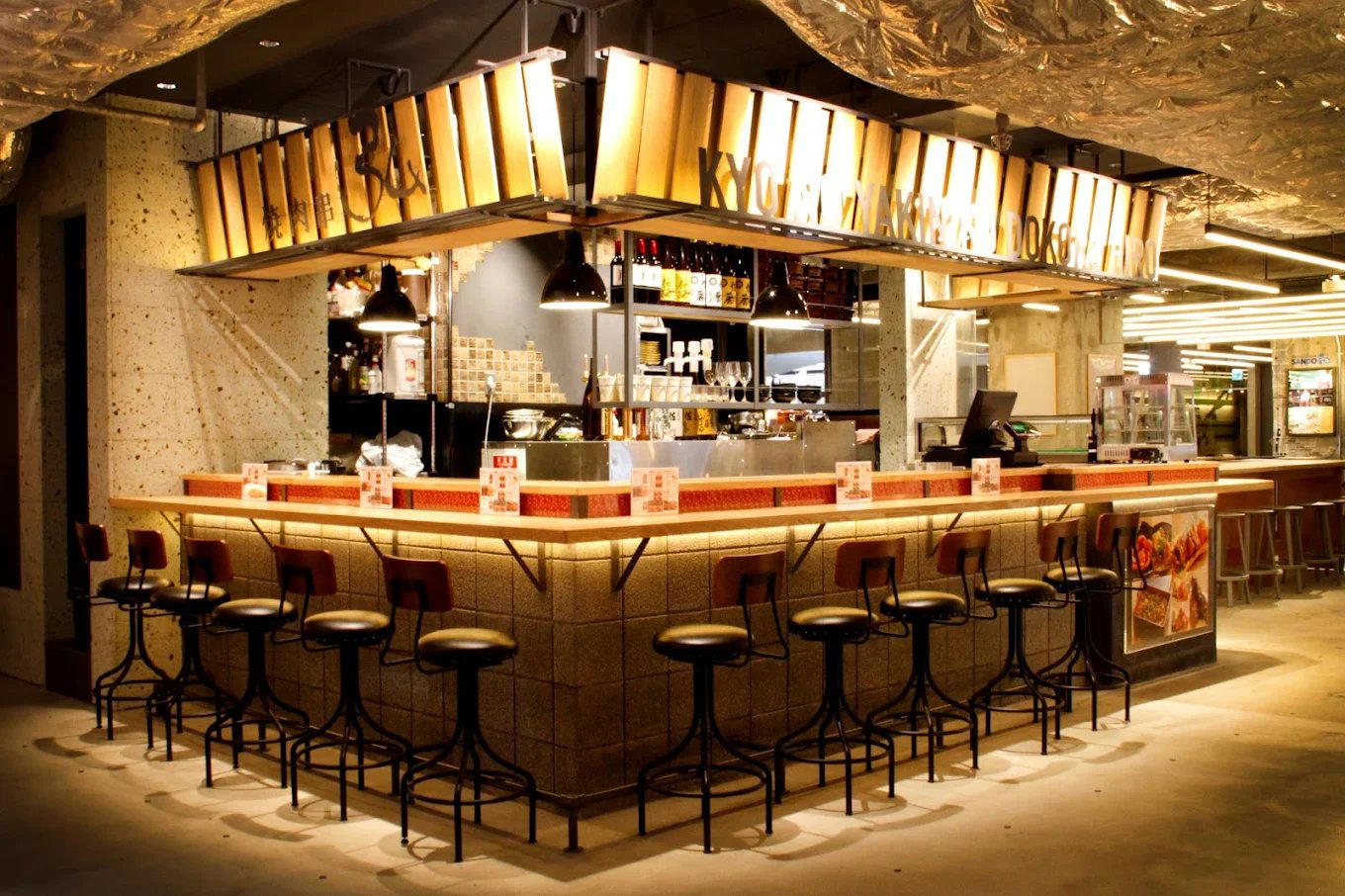
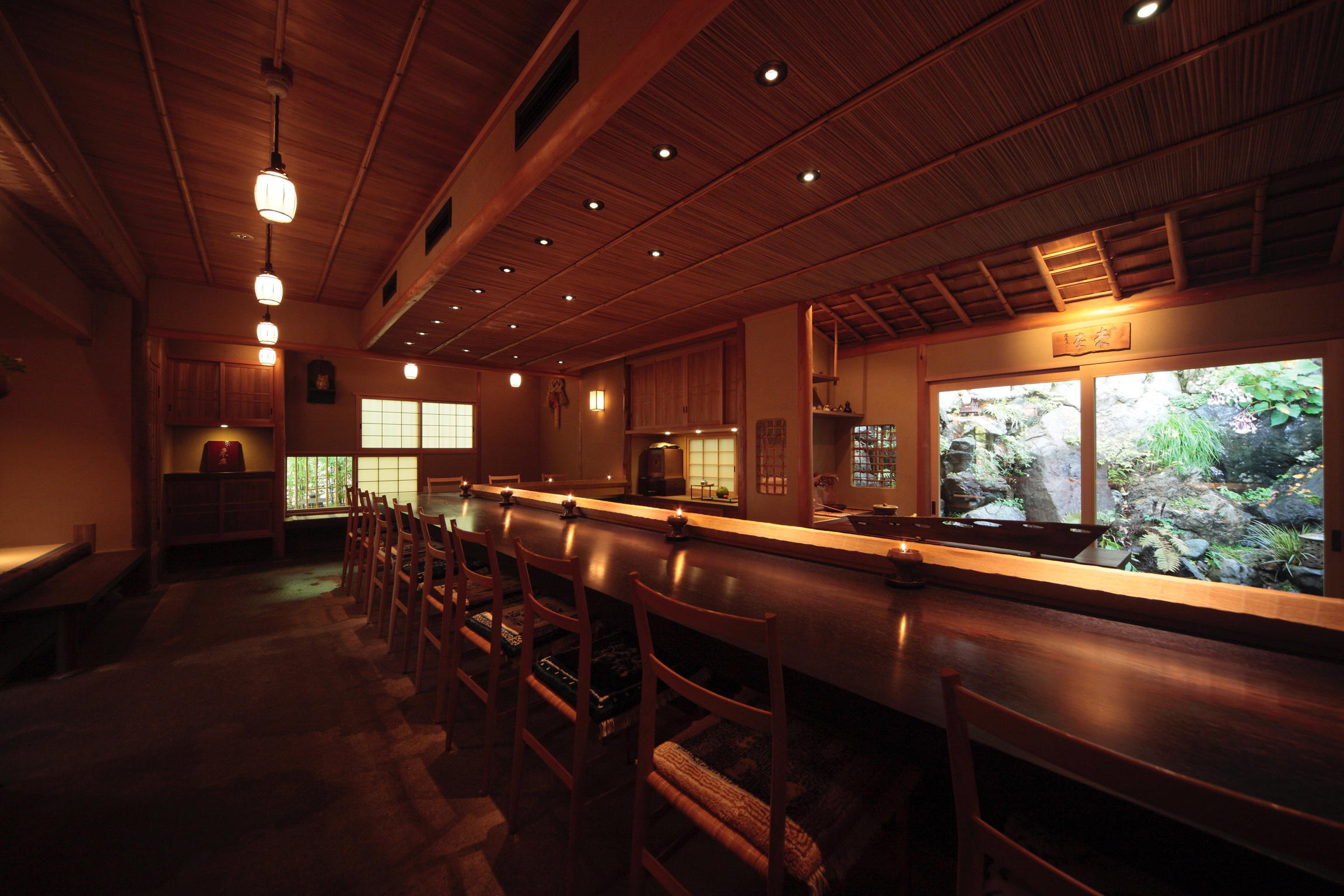

Bars in Otsu
Browse all →

Hotels in Otsu
All hotels in Otsu →

Wineries in Otsu
Browse all →
Details
- Elegant
- Scenic
- Romantic
- Sophisticated
- Date Night
- Business Dinner
- Family
- Celebration
- Special Occasion
- Group Dining
- Chefs Counter
- Waterfront
- Panoramic View
- Hotel Restaurant
- Private Dining
- Sake Program
- Local Sourcing
- Waterfront
- Tasting Menu
- Set Menu
- Counter Dining
- Sake
- Beer
- Wine
- Pescatarian Friendly
Current opening hours
- Monday
- 11:30 AM–3 PM, 5–9 PM
- Tuesday
- 11:30 AM–3 PM, 5–9 PM
- Wednesday
- 11:30 AM–3 PM, 5–9 PM
- Thursday
- 11:30 AM–3 PM, 5–9 PM
- Friday
- 11:30 AM–3 PM, 5–9 PM
- Saturday
- 11:30 AM–3 PM, 5–9 PM
- Sunday
- 11:30 AM–3 PM, 5–9 PM
Hours can change for holidays and private events. Last verified .
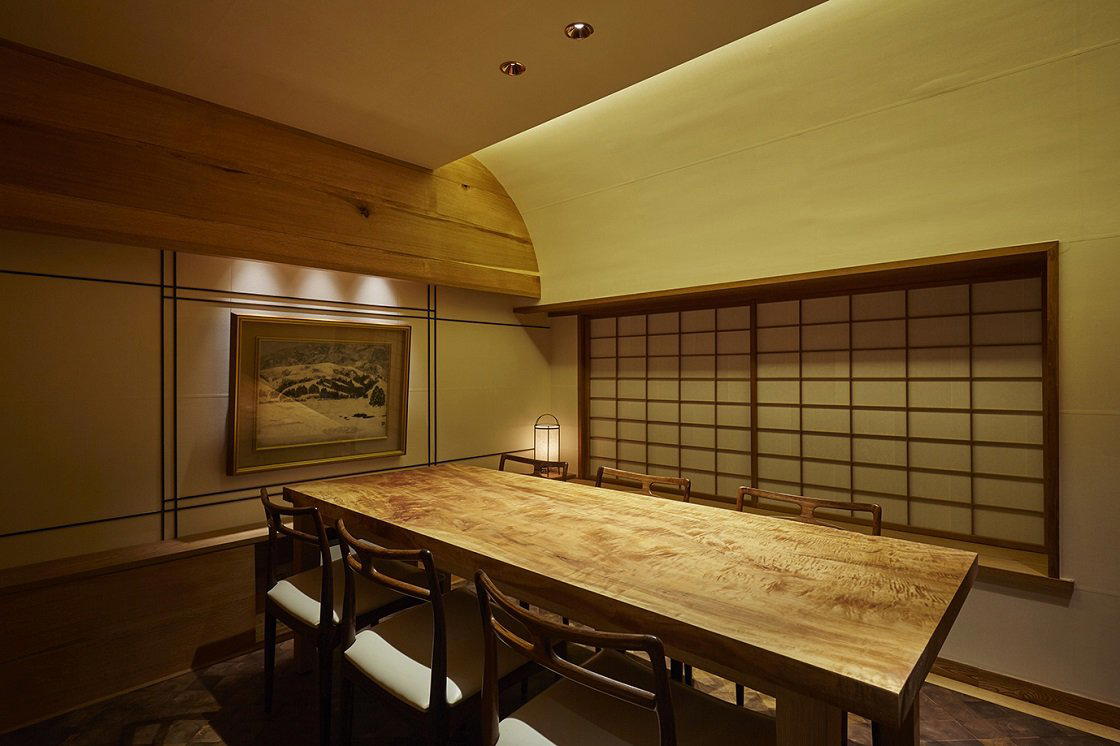
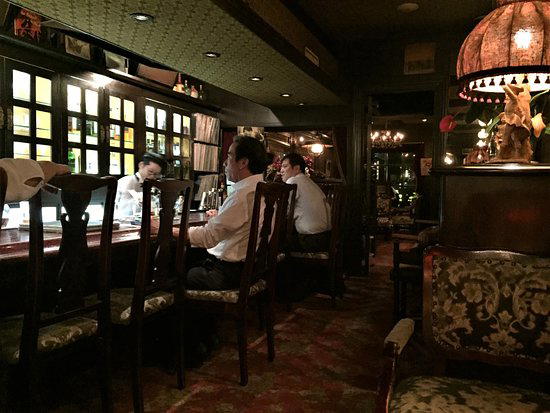
Refined hotel teppanyaki room with a small counter, attentive service, and a calm, upscale atmosphere that feels suitable for special occasions while remaining relaxed rather than formal.