
Tabelog 100 #2
Our verdict
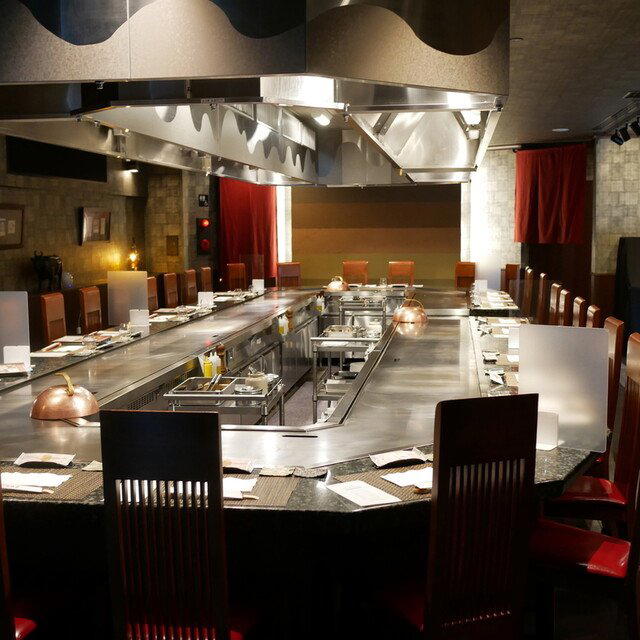
Otsu’s Omi beef tradition has a serious address in Karahashicho, where a three-floor format moves from teppanyaki counter to banquet hall and private rooms. Omi Gyu Senmon Ten Restaurant Matsukiya Honten is selected for Tabelog 100 Steak / Teppanyaki WEST 2025, with Omi beef, sukiyaki and beef dishes framed by a substantial wine, sake and shochu program.

Pearl is the En Primeur Club membership app — saves, bookings, and concierge access live there. Same editors, same standards.
The menu
What to order
- Omi beef steak
- Sukiyaki
- Omi-beef deep fried
- Grilled Omi beef sushi
Approach Otsu and the scale of the city’s beef culture becomes physical: Omi Gyu Senmon Ten Restaurant Matsukiya Honten reads less like a passing luxury stop than a regional dining institution. Its appeal is not only for travellers moving through Shiga; it is an Otsu address where steak, sukiyaki and beef dishes can serve family meals, business entertaining and formal celebrations with equal purpose.
Omi beef is often discussed beside Japan’s most famous wagyu names, but its strongest argument is geographical rather than promotional. Shiga’s cattle culture is tied to the wider Otsu and Lake Biwa setting, where regional food identity gives the meal a context beyond luxury branding. In Otsu, that history reads differently from a generic big-city steak circuit. The meal is less about importing metropolitan theatre and more about eating a regional beef tradition close to its source.
Omi beef as a regional product, not a generic wagyu label
The distinction matters because premium wagyu can become anonymous once it is reduced to marbling grades and luxury shorthand. Omi Gyu Senmon Ten Restaurant Matsukiya Honten keeps the focus narrower: steak, sukiyaki and beef dishes, with Omi beef as the organising principle rather than one option among many. Its selection for Tabelog Hyakumeiten in 2025 places it inside a regional conversation where beef sourcing, preparation style and local reputation compete on different terms from other Japanese dining formats.
Otsu’s stronger dining map is broader than beef. Chikasada gives the city another local reference point, while Korakuan and other Otsu dining rooms show how the city’s appetite moves across Japanese formats, seasonal cooking and everyday special-occasion meals. Against that spread, Matsukiya’s role is specific: it makes Omi beef the centre of gravity, then gives diners several ways to read it.
That range is one clear expression of the restaurant’s appeal. Beef-focused dining in Japan often has to balance richness, pacing and occasion; the better rooms use format to manage appetite rather than to turn dinner into performance for its own sake. Here, the important editorial point is focus. Steak highlights the ingredient directly, while sukiyaki and other beef dishes shift the same subject toward conversation, ceremony and group dining.
A large-format restaurant with serious beef credentials
Scale is not usually an advantage in premium dining, but beef restaurants are a partial exception. The category often needs multiple use cases: focused meals, family tables, business groups and celebratory demand. This Otsu restaurant is best read through that flexibility. For travellers, the choice is not simply whether to eat Omi beef, but which version of the experience fits the occasion.
The drinks side should be considered in the same practical way. Beef dining can support a range of pairings, but the important point is not a trophy-list mentality. Wagyu’s fat can flatten generic matches, so the best drinking strategy is one that keeps the meal in balance and gives the beef a local frame instead of treating it as a stand-alone luxury object.
Recognition helps separate this from the many wagyu rooms that trade on breed names alone. Tabelog’s 2025 Hyakumeiten recognition is not a Michelin star, and it should not be read as one, but it is a useful signal in a category where local reputation, repeat custom and ingredient handling matter. The Tabelog score listed for the restaurant is 3.59, which in Japan’s conservative user-rating culture is meaningful enough to note without inflating it into mythology.
For travellers building an Otsu itinerary, the practical decision is whether this meal should anchor a Shiga food day or sit between time in the city and around the lake. Its Otsu setting puts it outside the densest Kyoto dining orbit, which is part of the appeal. Otsu rewards diners who stop treating it as a side trip and start reading it as its own food city. For broader planning, use Our full Otsu restaurants guide, then pair the meal with Our full Otsu hotels guide, Our full Otsu bars guide, Our full Otsu wineries guide and Our full Otsu experiences guide.
How it fits into a wider Japan beef itinerary
Omi beef is only one strand of Japan’s beef culture. Travellers comparing regional expressions can look across Japan for different sukiyaki, steak and beef-dish formats, but those comparisons should not blur the point of this Otsu address. Other cities complicate the itinerary with their own specialist rooms and casual Japanese formats, while overseas versions of Japanese drinking and snack culture belong to a separate conversation from Shiga beef.
The editorial call is clear: this is the Otsu meal for diners who want Omi beef treated as a regional subject rather than a luxury buzzword. Choose steak when the point is directness, sukiyaki when the point is tradition, or other beef dishes when the occasion calls for a broader meal. The strongest reason to go is not rarity; it is context. In Shiga, Omi beef has a home city, and the meal makes more sense when eaten there.
Frequently asked questions
Can I bring kids to Omi Gyu Senmon Ten Restaurant Matsukiya Honten?
The available listing positions Omi Gyu Senmon Ten Restaurant Matsukiya Honten as an Otsu restaurant for steak, sukiyaki and beef dishes. For children, stroller needs or family-specific arrangements, confirm directly with the restaurant before booking.
What is the atmosphere like at Omi Gyu Senmon Ten Restaurant Matsukiya Honten?
It is best understood as a beef-focused Otsu restaurant rather than a generic wagyu stop. The experience can move between steak, sukiyaki and other beef dishes, with the mood depending on the format you choose.
What's the price range at Omi Gyu Senmon Ten Restaurant Matsukiya Honten?
Pricing at Omi Gyu Senmon Ten Restaurant Matsukiya Honten is listed as Dinner: JPY 10,000 - JPY 14,999; Lunch: JPY 5,000 - JPY 5,999.
What is Omi Gyu Senmon Ten Restaurant Matsukiya Honten known for?
Omi Gyu Senmon Ten Restaurant Matsukiya Honten is known in Otsu for steak, sukiyaki and beef dishes, and is listed with Tabelog Hyakumeiten recognition for 2025.
In Context: Similar Options
Comparable venues by cuisine and price in the same metro.
| Venue | Cuisine | Price | Awards | Notes |
|---|---|---|---|---|
| Omi Gyu Senmon Ten Restaurant Matsukiya HontenThis venue (the venue you are viewing) | Omi Beef Steak and Sukiyaki | $50–100 | Tabelog 100 #2 | Not listed |
| 行楽庵 | Traditional Japanese Kaiseki | $100–150 | Not listed | Otsu |
| Teuchi Soba Sobaya Sumikura | Handmade soba & tempura | $10–20 | Tabelog 100 #95 | Otsu |
| Omi Gyu Senmon Ten Omi Kadoman | Traditional Omi beef steak & hotpot restaurant | $100–150 | Tabelog 100 #40 | Chuo, Otsu |
| Chikasada | Traditional Unagi & Lake Fish Restaurant | $30–50 | Tabelog 100 #98 | .null |
| じどりや 穏座 | Heritage Chicken Yakitori | $50–100 | Not listed | 真野 (Mano), Otsu |
Recognition history
Dated appearances from independent guides and award organizations, with the underlying list record or original source where available.
Tabelog 100 #2 · No. 2
Tabelog · Tabelog 100 - Steak / Teppanyaki - WEST - 2025
Continue exploring
More in Otsu
Restaurants in Otsu
All restaurants in Otsu →
Bars in Otsu
Browse all →

Hotels in Otsu
All hotels in Otsu →
Wineries in Otsu
Browse all →
Details
- Classic
- Elegant
- Sophisticated
- Cozy
- Family
- Group Dining
- Celebration
- Special Occasion
- Historic Building
- Standalone
- Sake Program
- Local Sourcing
- A La Carte
- Set Menu
- Sake
A traditional, long-established Japanese beef restaurant with a refined, heritage-driven atmosphere centered on Omi beef dining.