Tenzushi (天寿し 京町店)
Our verdict
On a quiet stretch of Kyomachi in Kitakyushu's Kokurakita ward, Tenzushi represents the kind of sushi counter that defines northern Kyushu's understated approach to the form: deliberate pacing, deeply regional sourcing, and a dining rhythm closer to ritual than restaurant service. For travellers already familiar with Fukuoka's more visible dining scene, this address offers a different register entirely.

Pearl is the En Primeur Club membership app, where members save venues, book tables and use the concierge.
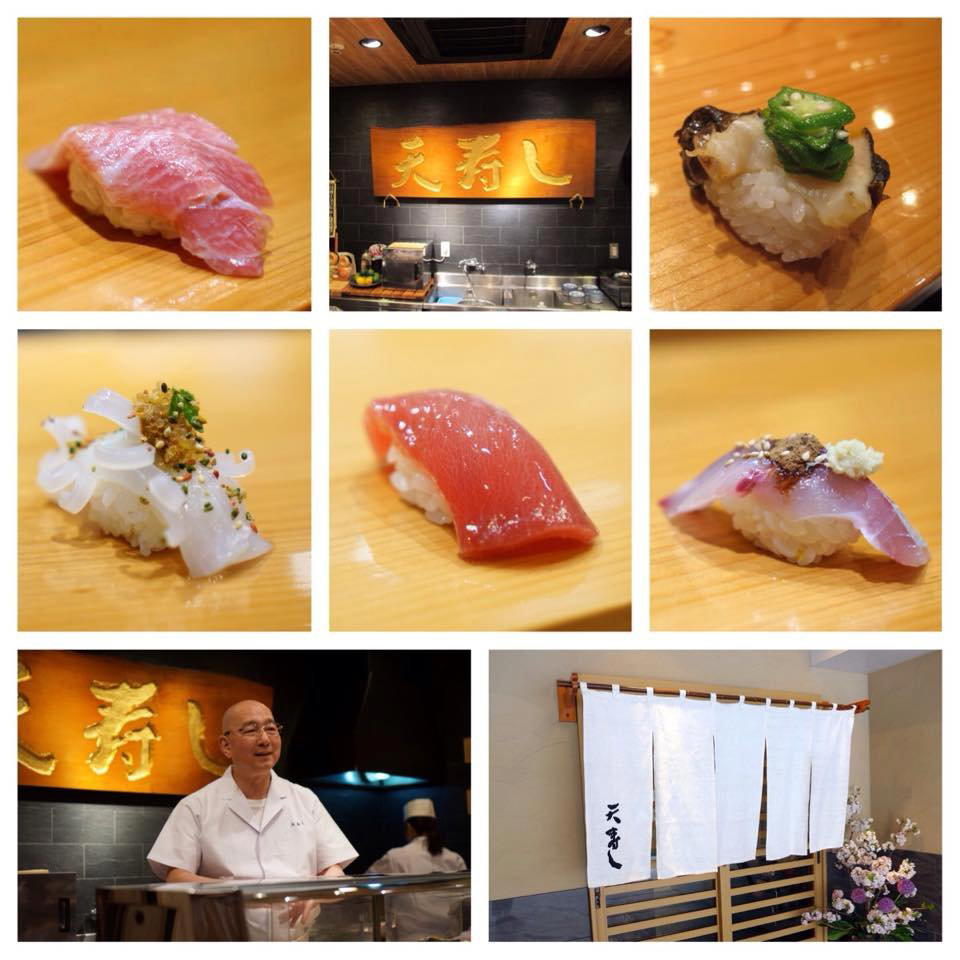
The menu
What to order
- Squid
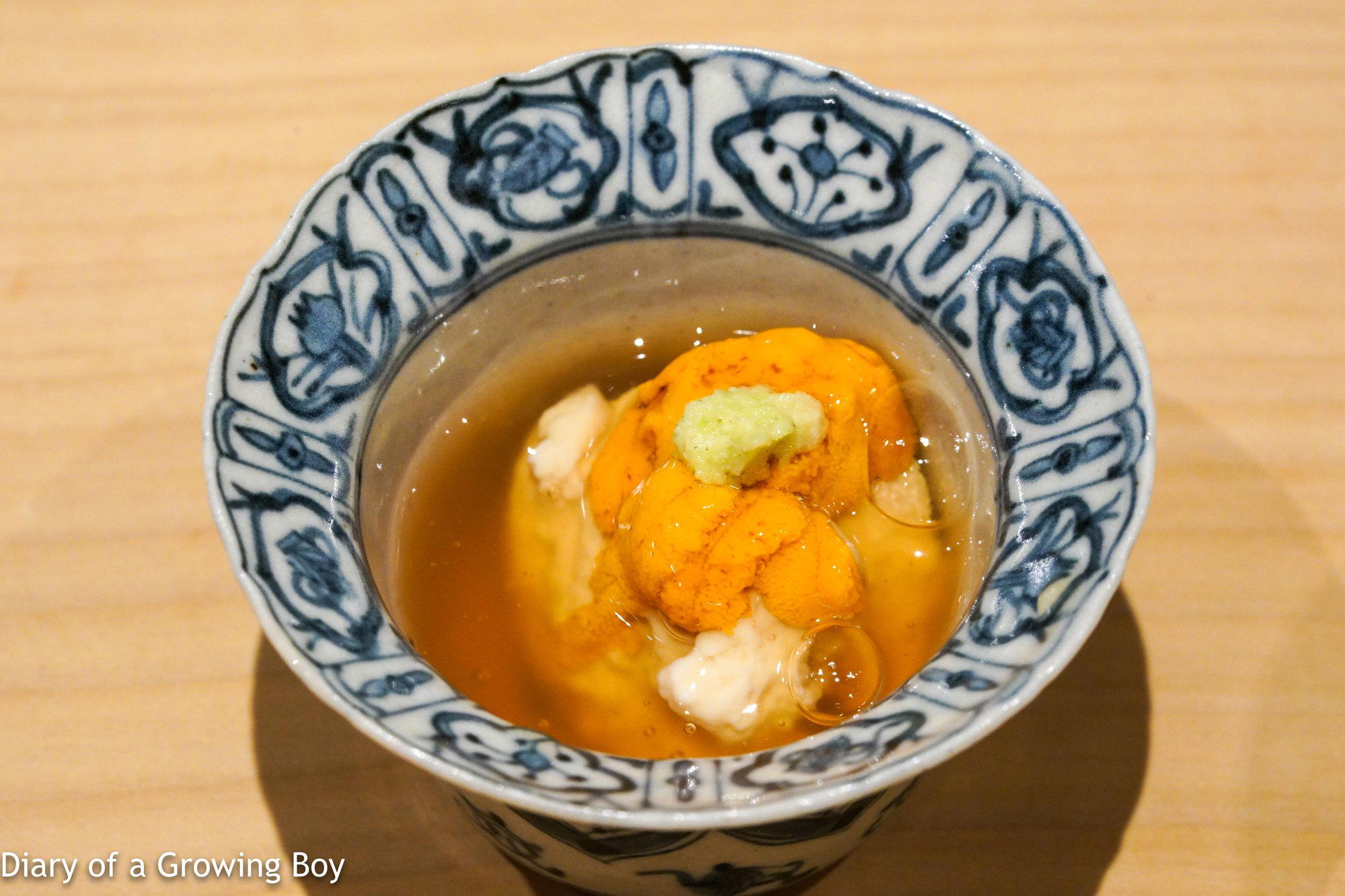
- Red sea urchin
- Oma bluefin tuna
- Marinated tuna
- Sea bream
- Conger eel
- Toro hand roll with sea grapes
The Counter Tradition in Northern Kyushu
Kitakyushu sits in a curious position within Japan's culinary geography. Close enough to Fukuoka to draw comparisons, yet distinct enough in character to sustain its own dining culture, the city has produced a cluster of sushi counters that operate largely outside the Michelin circuit that defines Tokyo and Osaka recognition. This is not a scene that markets itself. The sushi houses along Kyomachi and the surrounding streets of Kokurakita are known, when they are known at all, through local recommendation and repeat visits rather than guidebook placement. Tenzushi, at 3-11-9 Kyomachi, sits within that tradition.
The broader context matters here. Northern Kyushu's approach to sushi reflects the region's proximity to some of Japan's most productive fishing grounds. The Genkai Sea and Kanmon Strait deliver fish with regional specificity, different species profiles, different seasonal rhythms, that separate Kyushu sushi from the Edomae conventions that dominate Tokyo's premium counters. Where Harutaka in Tokyo operates within a lineage defined by temperature-controlled aging and vinegar traditions rooted in the Edo period, Kyushu counters tend to work with fresher, more immediate sourcing, and the meal carries that regional identity through every course.
Arriving and Settling In
The Kyomachi address places Tenzushi in the commercial heart of Kokurakita, within walking distance of Kokura Station and the covered shopping arcades that define the neighbourhood's street-level character. The surrounding blocks carry the density of a working city centre rather than a curated dining district, which is itself a signal: this is a counter built for regulars and serious local diners, not for the tourist infrastructure that clusters around more prominent culinary destinations. Arriving on foot from Kokura Station takes roughly ten minutes, and the address is easier to find with a map application than by signage alone.
Inside, the counter format that defines serious sushi dining in Japan creates an immediate structure to the experience. The itamae works within arm's reach, and the pacing of the meal is set by the kitchen rather than the table. This is a format that rewards patience and attention. For diners accustomed to the more theatrical omakase counters of cities like Tokyo or Osaka, the register here is quieter and more considered, closer in spirit to the restrained format you might encounter at Goh in Fukuoka than to the high-ceremony productions of the capital's three-star tier.
The Ritual of the Meal
Japanese counter dining operates according to a set of unspoken conventions that are worth understanding before you sit down. The omakase format, where the chef determines the order and composition of the meal, is not simply a menu style; it is a transfer of authority. The diner's role becomes one of attention and response rather than selection. Pieces arrive in sequence that reflects both the chef's reading of ingredient quality on a given day and a traditional logic of progression, moving through lighter preparations toward richer, more assertive flavours.
At a Kyushu counter, this progression often incorporates elements that would be unusual at a Tokyo Edomae house. Hikari-mono (silver-skinned fish), which includes mackerel and sardine species abundant in regional waters, may appear earlier and with more prominence than the tuna-led sequences common in the capital. The vinegar balance in the shari (rice) tends to reflect local preference, which in Kyushu often means a slightly sweeter, lighter profile than the sharper rice vinegars that define some northern styles. These are not concessions to local taste so much as expressions of a distinct regional tradition that predates the standardisation that Michelin recognition has reinforced in Tokyo's leading counters.
The etiquette expected of the diner is consistent across Japan's serious counters: eat each piece as it is presented rather than letting it rest, handle nigiri by hand if you prefer (this is acceptable and often preferred at traditional counters), and calibrate soy sauce use carefully, if at all, given that many pieces will be seasoned by the chef before they reach you. These conventions apply at Tenzushi as they do at counters with significantly higher profiles, at Sushi Morita nearby, or further afield at the more decorated houses such as Gion Sasaki in Kyoto.
Kitakyushu's Broader Dining Scene
Understanding where Tenzushi sits within Kitakyushu's dining culture requires some sense of the city's overall offer. This is not Fukuoka, which has developed a self-conscious food identity around yatai stalls, ramen, and a concentrated cluster of restaurants drawing national and international attention. Kitakyushu is older, more industrial in heritage, and its dining scene reflects that, serious, locally oriented, and without particular interest in external validation. The city's leading addresses, including Inakaan, Nikaku, and Terasawa, operate in this register. Terroir Aitoibukuro represents a different strand entirely, but even there the orientation is local rather than international. For broader context on how these addresses fit together, our full Kitakyushu restaurants guide maps the city's dining character across categories.
Japan's wider sushi geography also illuminates the Tenzushi context. Counters in smaller cities and regional centres often operate at a level of technical seriousness that goes unrecognised outside Japan, partly because the Michelin Guide's coverage of Japan has historically concentrated on Tokyo, Osaka, and Kyoto. The counters that draw international attention, places like HAJIME in Osaka, represent one pole of recognition. Regional counters in cities like Kitakyushu, Nanao (一本木 石川割烹), and Nishikawa Machi (羽根屋) represent something different: craft operating outside the awards infrastructure entirely. For reference, comparable institutions further afield include akordu in Nara and Atomix in New York City, where the emphasis on process and precision operates largely independently of spectacle.
Planning Your Visit
Kitakyushu is accessible by Shinkansen from Hakata (Fukuoka) in approximately fifteen minutes, and from Hiroshima in under an hour, which makes it a practical day-trip or overnight addition to a Kyushu itinerary centred on Fukuoka. The Kyomachi address is within walking distance of Kokura Station's exits. Given the regional dining culture, advance contact, ideally through a hotel concierge or a Japanese-speaking intermediary, is advisable before visiting, as smaller counters of this type typically operate on a reservations basis without English-language booking infrastructure. Timing a visit to coincide with the fishing seasons that define Kyushu's ingredient calendar, particularly the colder months when many prized species are at their leading, rewards planning.
Frequently asked questions
Where do I go for Tenzushi (天寿し 京町店)?
Tenzushi (天寿し 京町店) is located at 小倉北区京町3-11-9, 北九州市, 福岡県, 802-0002, Kitakyushu.
Is Tenzushi (天寿し 京町店) a practical base for exploring Kitakyushu's dining scene?
The Kyomachi address in Kokurakita puts Tenzushi within the covered arcade district near Kokura Station, which serves as the practical hub for dining in northern Kyushu. Kitakyushu is reachable from Hakata (Fukuoka) in approximately fifteen minutes by Shinkansen, making it a viable day-trip destination for those already based in Fukuoka. The city's sushi counters, including Tenzushi, reflect a distinct local character rather than a satellite version of Fukuoka's better-documented restaurant scene.
What do regulars order at Tenzushi (天寿し 京町店)?
Tenzushi operates in the omakase format standard to serious sushi counters in northern Kyushu, which means the chef determines the sequence rather than the diner. Regulars at counters of this type in Kitakyushu tend to defer entirely to the chef's selection, trusting the day's fish over any fixed preference.
Can I walk in to Tenzushi (天寿し 京町店)?
Tenzushi sits on Kyomachi in Kokurakita, a central commercial district within walking distance of Kokura Station, so access is straightforward. That said, counter restaurants at this level in Japan almost universally require advance reservation, and walk-in availability is not confirmed. Contacting ahead is advisable before visiting.
What's Tenzushi (天寿し 京町店) best at?
Tenzushi holds its position as a sushi counter in Kitakyushu's Kyomachi district, a city whose dining culture sits apart from Fukuoka despite the fifteen-minute Shinkansen link between them. Counter sushi in Kokurakita operates within a tradition that prizes restraint and seasonal fish over theatrics.
Cuisine Context
Comparable venues nearby, for context on price, style, and recognition.
| Venue | Cuisine | Price | Awards | Notes |
|---|---|---|---|---|
| Tenzushi (天寿し 京町店)This venue (the venue you are viewing) | Kyushu-mae Omakase Sushi | $300–500 | Not listed | Not listed |
| Sushi Morita (もり田) | Kyushu-mae Sushi | $50–100 | Not listed | Kokurakita-ku |
| Sushi Asauumi | Traditional Edomae-Style Sushi Omakase | $100–150 | Tabelog 100 #53 | Kokurakita-ku |
| Zubora Tei | Traditional Okonomiyaki & Teppan-yaki | $20–30 | Tabelog 100 #62 | Kokurakita Ward |
| Inakaan (田舎庵 小倉本店) | Traditional Japanese Unagi | $30–50 | Not listed | Kokurakita-ku |
| Izumi | Japanese Dumplings (Gyoza) | Not listed | Tabelog 100 #75 | Kurosaki Ekimae |
Continue exploring
More in Kitakyushu
Restaurants in Kitakyushu
All restaurants in Kitakyushu →
Bars in Kitakyushu
Browse all →
Details
- Intimate
- Elegant
- Well Known
- Sophisticated
- Special Occasion
- Celebration
- Date Night
- Chefs Counter
- Open Kitchen
- Local Sourcing
- Sustainable Seafood
- Omakase
- Counter Dining
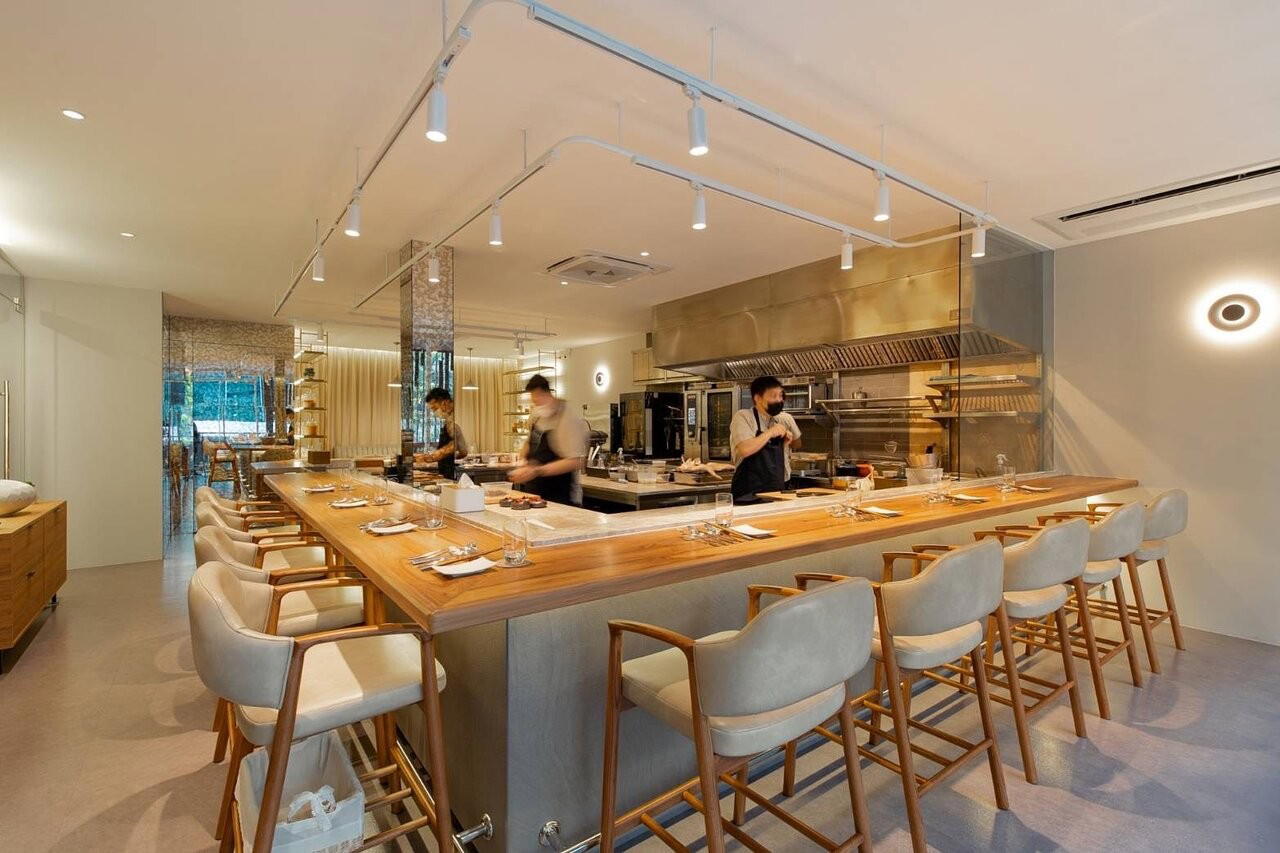
Intimate counter setting with warm, welcoming atmosphere despite the chef's foreboding appearance; casual yet refined energy with the head chef engaging guests in conversation.