Inakaan (田舎庵 小倉本店)

Our verdict
Inakaan (田舎庵 小倉本店) sits in Kitakyushu's Kokura Kita district, where the city's older dining traditions have proven more durable than its industrial reputation might suggest. The restaurant has maintained a steady local following across decades, placing it among a small tier of Kitakyushu addresses that reward attention from visitors willing to look beyond Fukuoka City's more publicised dining circuit.

Pearl is the En Primeur Club membership app, where members save venues, book tables and use the concierge.
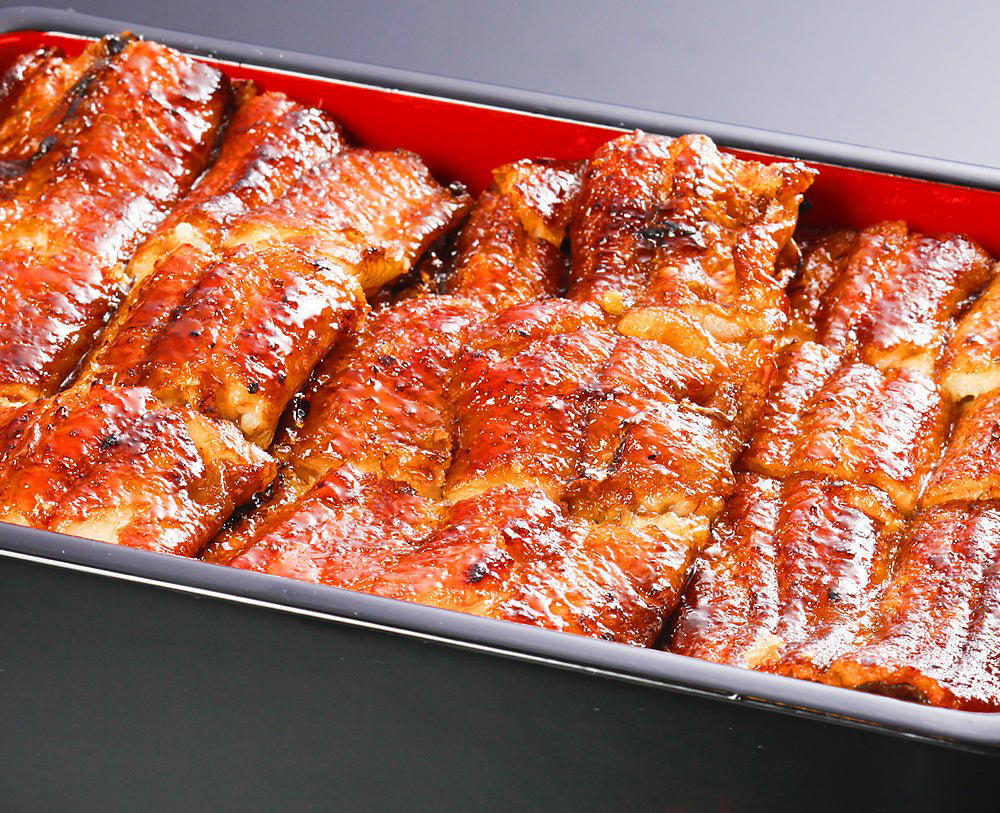
Kokura's Older Dining Layer
Kitakyushu's dining identity has always operated in Fukuoka City's shadow, a city of roughly one million people that rarely appears in international food media despite holding serious culinary depth. Within Kitakyushu, the Kokura Kita ward concentrates the densest cluster of longstanding restaurants, many of which have accumulated neighbourhood reputations over generations without ever pursuing the kind of external validation that comes from award cycles or press campaigns. Inakaan (田舎庵 小倉本店) at 小倉北区鍛冶町 sits inside that tradition: a Kokura address with continuity as its most legible credential.
That continuity matters in a dining context like this one. Kitakyushu's proximity to the Genkai Sea and the Chikuho agricultural interior means the city has historically had access to ingredients that larger, flashier markets further south were paying premiums to import. The restaurants that have lasted here tend to be the ones that understood that proximity as a structural advantage rather than a point of local pride. Whether Inakaan has formalised that sourcing logic into a documented philosophy is not something the public record confirms, but its position in a city with genuine ingredient access places it inside a regional tradition where provenance has always been the quiet foundation of quality.
What Ingredient Geography Means in Northern Kyushu
Northern Kyushu's food supply draws from several distinct zones within a short radius. The Genkai Sea, which runs along the northern edge of Fukuoka Prefecture, produces fish that move through Kitakyushu's markets before the longer haul south. Inland, the Chikuho basin and the agricultural ranges of Fukuoka Prefecture's rural zones supply vegetables, rice, and poultry that rarely travel far before appearing on a plate. For restaurants operating in this geography, the supply chain is not a sourcing challenge in the way it might be for equivalent restaurants in Tokyo or Osaka; the challenge is in recognising and selecting from what is already close.
This regional sourcing pattern distinguishes northern Kyushu's more serious restaurants from the industrialised middle tier that dominates most Japanese cities at volume. The restaurants worth attention in this part of Japan tend to use what is near, what is seasonal, and what the local fishing and farming economy actually produces in quantity. For visitors arriving from further afield, it is useful context: dishes here may look familiar in format while tasting specifically of a geography that does not export much of itself. That specificity is what separates a regional dining tradition from a local approximation of a national one.
For a broader picture of where Inakaan sits within the city's dining circuit, our full Kitakyushu restaurants guide maps the full range of the city's serious addresses.
Kitakyushu's higher-end dining tier is small but coherent. Sushi Morita (もり田) and Tenzushi (天寿し 京町店) represent the sushi side of that tier, where Genkai Sea fish and the regional counter format produce a style of omakase that is formally distinct from the Tokyo model. Terasawa and Terroir Aitoibukuro occupy different registers within the city's more European-inflected and kaiseki-adjacent formats.
That is not a diminishment. In Japanese regional dining, sustained operation without dramatic reinvention is frequently the most reliable signal of genuine quality: the kitchen is feeding real customers, repeatedly, without the crutch of novelty.
Northern Kyushu in the Wider Japanese Dining Frame
To understand what Kitakyushu's better restaurants are doing, it helps to place them against the more visible parts of Japan's dining geography. The kaiseki counters in Kyoto, the omakase rooms in Tokyo's Ginza, the modern French formats of Osaka: these are the reference points that most international visitors carry. Gion Sasaki in Kyoto and HAJIME in Osaka represent the high-formalism end of western Japan's dining spectrum. Harutaka in Tokyo sits inside the capital's premium sushi register. Goh in Fukuoka operates in the city directly south of Kitakyushu at the intersection of kaiseki precision and Kyushu ingredient logic.
What distinguishes Kitakyushu's dining tier from all of these is the absence of external pressure to perform. The city does not attract the volume of international food tourism that keeps Tokyo's leading counters perpetually oversubscribed or that has made Fukuoka City a recognised stop on the regional circuit. That lower external pressure produces a dining environment where restaurants can operate at a pace and with a consistency that high-demand venues in more visible cities sometimes struggle to maintain. For visitors willing to make the journey, it is a structural advantage rather than a consolation.
Japan's broader regional dining depth is visible in addresses like akordu in Nara, which has built a serious European wine and food program in a city better known for deer and temples, or in destinations further north like Hokkaido's more considered restaurant addresses in Sapporo. The pattern is consistent: Japan's secondary cities reward the visitor who approaches them with the same seriousness they bring to Tokyo or Kyoto.
Planning a Visit
Kitakyushu is accessible from Fukuoka's Hakata Station via the Sanyo Shinkansen or local express in under thirty minutes, making the city a realistic day-trip or overnight addition to any Fukuoka-anchored itinerary. Within Kitakyushu, Kokura Station is the primary hub, and the 鍛冶町 address of Inakaan is within walking distance of the station's central exit. Dress code expectations at this category of Kokura establishment tend toward neat casual rather than formal, consistent with the city's working-class-adjacent dining culture, though confirming directly is advisable for first visits.
Frequently asked questions
What's the address for Inakaan (田舎庵 小倉本店)?
Inakaan (田舎庵 小倉本店) is located at 小倉北区鍛冶町1-1-13, 北九州市, 福岡県, 802-0004, Kitakyushu.
How does Inakaan (田舎庵 小倉本店) fit into the broader unagi dining tradition in Kyushu?
Kyushu has its own distinct unagi heritage, with the Kansai-style approach of grilling without pre-steaming more common in southern regions. Inakaan's position in Kokura, Kitakyushu places it at the northern edge of this tradition, drawing on freshwater sourcing from the broader Fukuoka prefecture supply network. As one of the established names in a city that operates largely below the radar of Japan's food press, the restaurant represents a regional continuity that Fukuoka City's more internationally visible restaurants do not replicate.
What dish is Inakaan (田舎庵 小倉本店) famous for?
Inakaan is associated with unagi (freshwater eel), a specialty that has defined the restaurant's identity in Kokura, Kitakyushu's central district. The preparation draws on a northern Kyushu tradition that differs from the Kanto bushi-style in both seasoning approach and the grilling sequence used before steaming.
Is Inakaan (田舎庵 小倉本店) reservation-only?
Restaurants at Inakaan's standing within Kitakyushu's higher-end dining tier typically require advance booking, particularly at lunch and on weekends. Contacting the venue directly before visiting is advisable.
What has Inakaan (田舎庵 小倉本店) built its reputation on?
The restaurant's standing in Kitakyushu comes from sustained focus on unagi at a time when the city's dining scene is rarely covered by international food press.
Can Inakaan (田舎庵 小倉本店) handle vegetarian requests?
An eel-focused restaurant in the northern Kyushu tradition is built around freshwater fish as its central ingredient, which limits vegetarian options structurally. Sides such as pickles, rice, and dashi-based preparations may be available, but guests with vegetarian requirements should confirm directly with the restaurant before visiting the 小倉北区 address.
Is eating at Inakaan (田舎庵 小倉本店) worth the cost?
Within Kitakyushu specifically, the city offers serious cooking without the pricing pressure found in Tokyo or Kyoto, which tends to make the cost-to-quality ratio more favourable for visitors travelling from Hakata, reachable in under thirty minutes by shinkansen.
Comparable Spots, Quickly
| Venue | Cuisine | Price | Awards | Notes |
|---|---|---|---|---|
| Inakaan (田舎庵 小倉本店)This venue (the venue you are viewing) | Traditional Japanese Unagi | $30–50 | Not listed | Not listed |
| Teruzushi | Entertainment Sushi | $300–500 | Tabelog Bronze #459 · The Best Chef One Knife | Sushi |
| Tsubasa | Kokura-Style Sushi | $50–100 | Tabelog Bronze #481 | Sushi |
| Nikaku | Edomae Sushi | $150–200 | Tabelog 100 #73 | Not listed |
| Terasawa | Traditional Japanese Fine Dining | Not listed | Tabelog Bronze #457 | Not listed |
| Terroir Aitoibukuro | Modern Japanese Tasting Menu | Not listed | Tabelog Bronze #458 | Not listed |
Recognition history
Dated appearances from independent guides and award organizations, with the underlying list record or original source where available.
Opinionated About Dining Casual in Japan Ranked #127
Opinionated About Dining
Continue exploring
More in Kitakyushu
Restaurants in Kitakyushu
All restaurants in Kitakyushu →

Bars in Kitakyushu
Browse all →
Details
- Classic
- Rustic
- Cozy
- Family
- Casual Hangout
- Sake Program
- A La Carte
- Sake
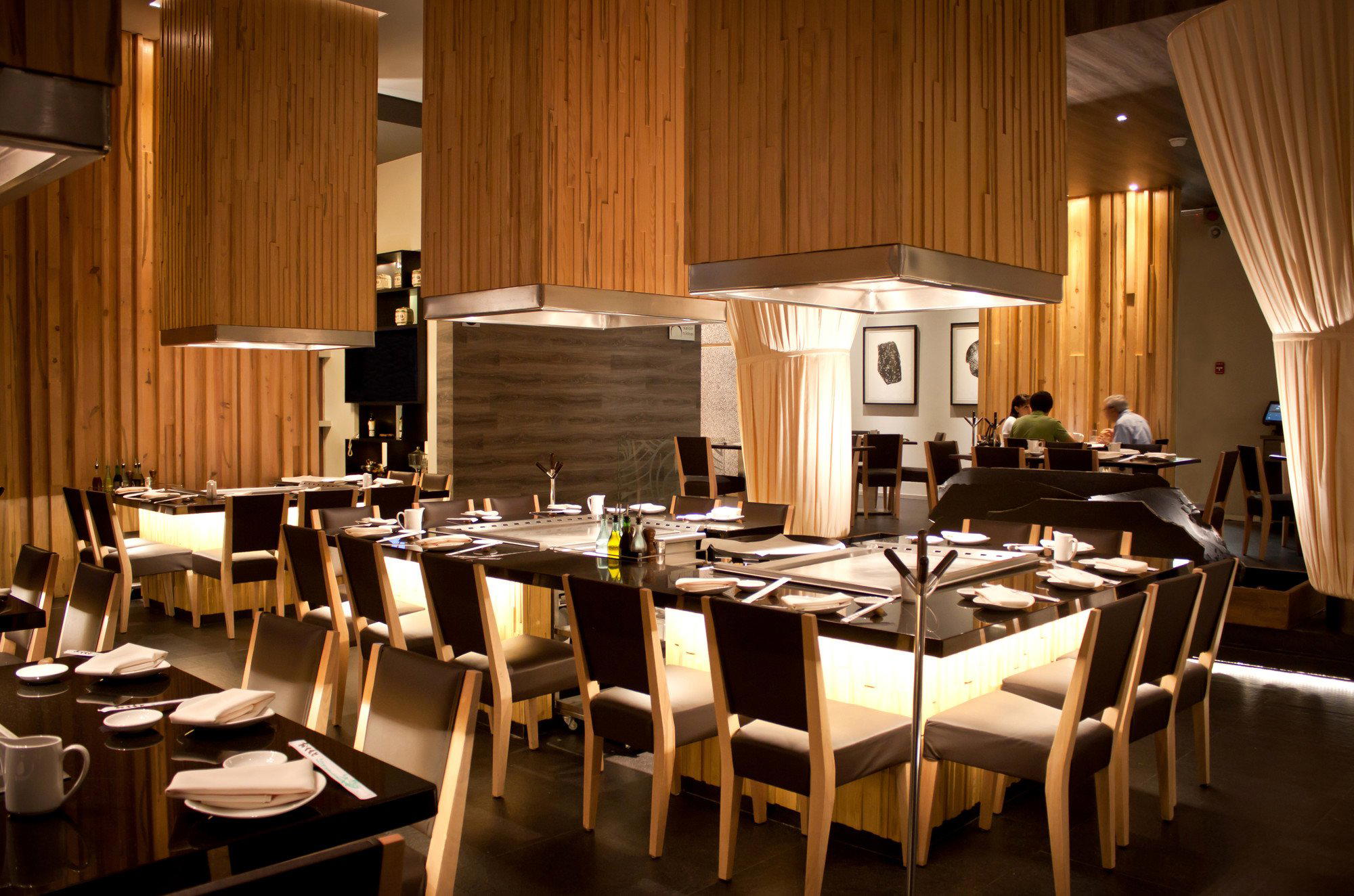
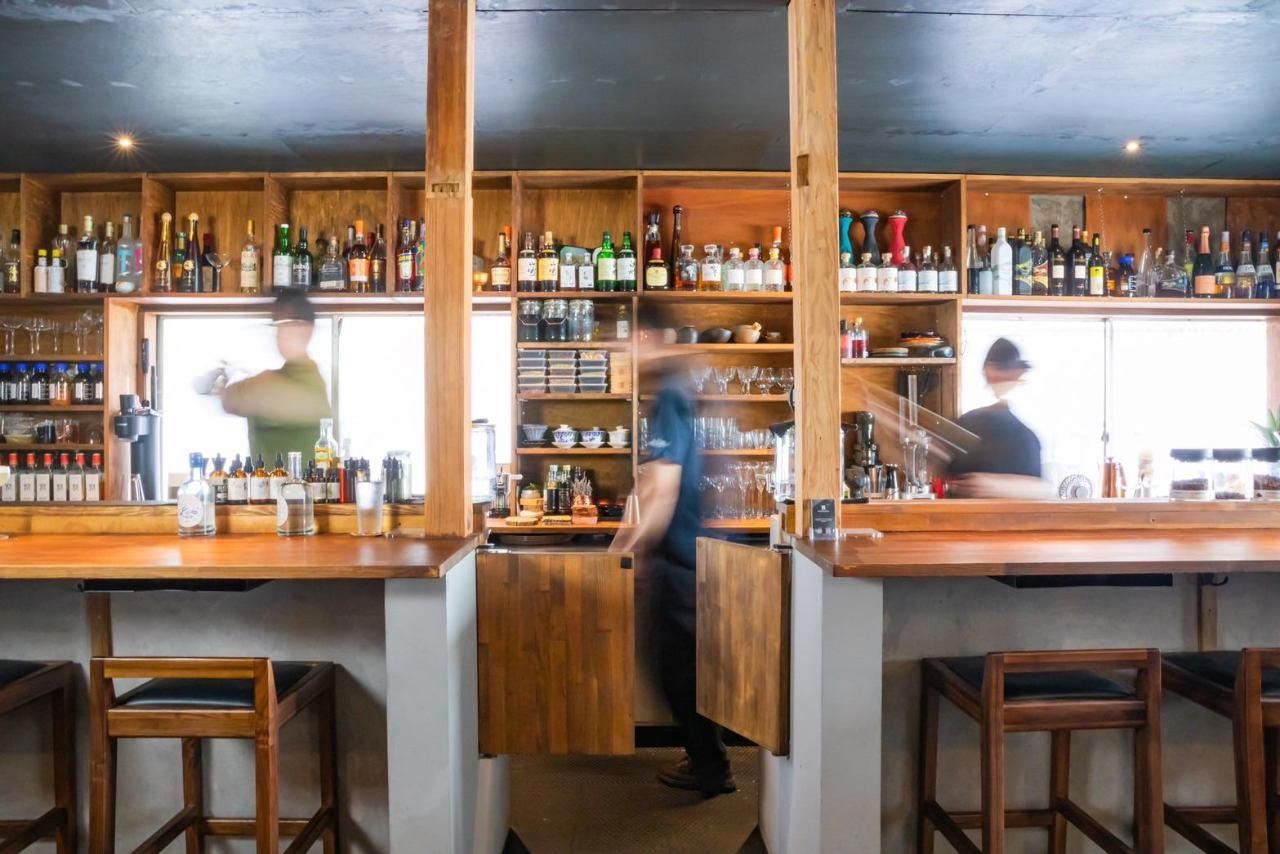
Calm space with tatami rooms and table seating, offering a traditional Japanese atmosphere.