Nikaku

Tabelog 100 #73
Our verdict
Nikaku puts Kitakyushu into the serious Edomae sushi conversation through a seven-seat counter, a fish-led format, and recognition from Tabelog, including a 2025 Bronze Award and selection for Sushi WEST 100. The point is not theatrical luxury; it is a compact counter where sourcing, rice, timing, and restraint carry the meal.

Pearl is the En Primeur Club membership app, where members save venues, book tables and use the concierge.
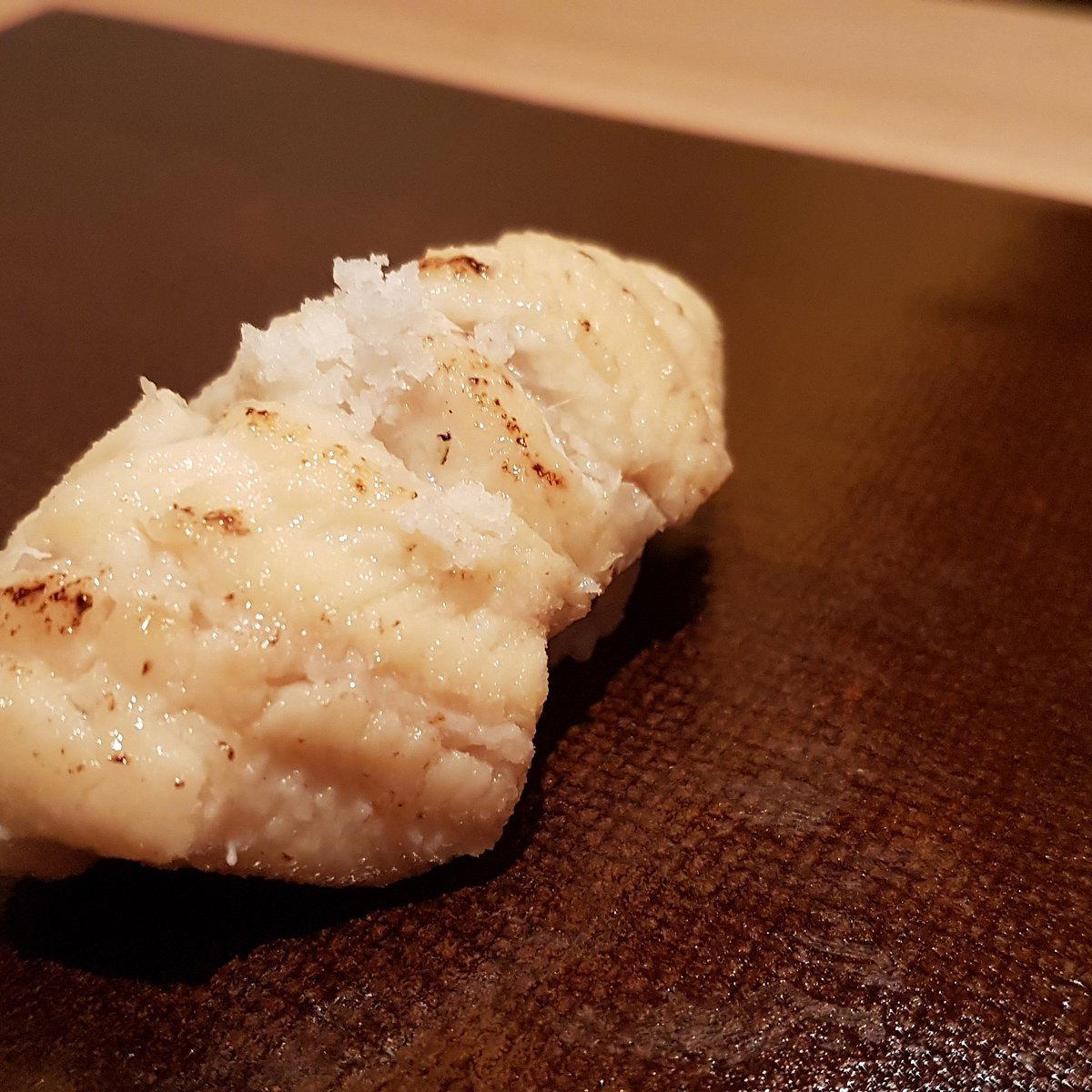
Adachi is not the part of Kitakyushu that announces dinner with neon or hotel-lobby polish. The approach is quieter, more residential, and that matters: the sushi counter here belongs to a different rhythm from the city’s ramen shops, udon counters, and eel rooms. In a port city with direct access to strong seafood culture, a seven-seat Edomae counter reads less like a Tokyo transplant than a local argument for precision, seasonality, and fish handling.
Nikaku sits at the expensive end of Kitakyushu dining, with both lunch and dinner commonly priced in the JPY 30,000 to JPY 39,999 range. That places it far from the everyday bracket represented by Gyoran Tei Honten, Hountei, or Imanami Udon, and closer to a destination counter meal where the cost is tied to procurement, labour, and seat scarcity. The Tabelog Award 2025 Bronze recognition and Sushi WEST 100 selection in 2025 give that positioning external weight, especially in western Japan’s crowded sushi field.
A seven-seat Edomae counter shaped by fish rather than theatre
Edomae sushi is often misunderstood outside Japan as a fixed style rather than a working method. Its logic depends on treatment: curing, marinating, ageing, temperature, vinegar balance, and the match between neta and shari. In Kitakyushu, the format gains another layer because the city sits within a wider Kyushu seafood economy rather than the Tokyo market circuit that dominates international sushi discourse. A counter such as this has to justify itself through fish choice and handling, not spectacle.
Nikaku is categorized as sushi, notes a particular focus on fish, and operates entirely around counter seating. Wine and sake are both part of the drinks frame, which matters at this tier: sushi counters outside Tokyo increasingly have to serve guests who expect nihonshu with regional fluency and wine with enough structure for vinegar, fat, and saline flavours. The room’s small scale also changes the meal’s social contract. Seven seats mean there is little buffer between preparation and guest; timing, pacing, and quiet attention become part of the format.
This is where Nikaku’s scale has editorial significance. Kitakyushu’s dining identity is often associated with casual regional staples, from tonkotsu ramen to udon and grilled seafood, while high-priced sushi remains a narrower category. For a broader view of the city’s range, these restaurants map those contrasts across price and format. The sushi counter occupies the opposite end of that spectrum from snackable city eating: fewer seats, higher spend, and a meal built around ingredient control rather than turnover.
Why sourcing matters more in Kitakyushu than polish
Ingredient sourcing is the essential lens here. Western Japan’s sushi culture does not need to imitate Ginza to be serious; it needs access, judgement, and the confidence to let local and regional fish define the sequence. Fukuoka and Kitakyushu sit close to productive waters, and the wider Kyushu supply chain gives chefs a different set of choices from counters that build their prestige around Tokyo market mythology. The relevant question is not whether the room looks grand. It is whether the fish program has enough depth to sustain a high-price counter.
The Tabelog score of 3.84, Bronze Award recognition in 2025, and repeated Sushi WEST 100 selections in 2021, 2022, and 2025 indicate sustained attention rather than a passing spike. Those signals are useful because sushi is a category where small differences in sourcing and preparation are often invisible in advance. Awards do not taste the fish for the diner, but they help place the counter among western Japan’s serious sushi addresses.
Kitakyushu also rewards diners who think beyond a single reservation. The same city can support a low-cost ramen stop, a sweets break at Hyo Kashiya KOMARU, a more traditional eel meal at Inaka An Kokura honten, and a high-spend sushi counter in Adachi. That spread is the point: the city’s value is not one dining personality but the friction between everyday regional cooking and tightly controlled specialist formats.
How to read the meal in the city's wider dining map
For travellers, the decision is not simply whether to eat sushi. It is whether to allocate one of a limited number of Kitakyushu meals to a counter where the main return is concentration: fewer seats, higher spend, and a format that depends on the chef’s control of fish, rice, and pace. Diners looking for noise, groups, or a casual drop-in meal will find the city easier elsewhere. Diners comparing western Japan sushi counters will find a compact, sourcing-led address with recognition and a price bracket to match.
The planning layer is also unusually specific for a small counter. Service runs at lunch and dinner on most days, with Wednesday closed and the first Tuesday of each month also listed as a closure. Reservations are available, including online booking through Pocket Concierge, and the seven-seat format makes advance planning sensible. The address is in Adachi, Kokurakita Ward, with Jono listed as the nearest station; the counter is also described as about 10 to 15 minutes by taxi from Kokura Station. Credit cards are accepted, electronic money is not, private rooms are unavailable, and parking is limited to one space at the back.
Used well, Nikaku is not an isolated trophy booking but a way to understand Kitakyushu at higher resolution. Pairing it with the city’s casual institutions, hotel base, and after-dinner options gives the meal more context.
Frequently asked questions
When can I go to Nikaku?
Hours at Nikaku: Mon, Tue, Thu, Fri, Sat, Sun 12:00 - 14:00 17:00 - 22:00 L.O. 20:45.
What's Nikaku's location?
Nikaku is located in Kitakyushu.
What's Nikaku best at?
Nikaku is an Edomae sushi restaurant with a focus on fish. The Tabelog Bronze award in 2025 and selection for Tabelog Sushi WEST 2025 support that reputation, alongside the all-counter format.
At-a-Glance Comparison
Comparable venues by cuisine and price in the same metro.
| Venue | Cuisine | Price | Awards | Notes |
|---|---|---|---|---|
| NikakuThis venue (the venue you are viewing) | Edomae Sushi | $150–200 | Tabelog 100 #73 | Not listed |
| Inaka An Kokura honten | Traditional Unagi (Grilled Eel) Restaurant | $30–50 | Tabelog 100 #23 | Kokurakita-ku |
| Terroir Aitoibukuro | Modern Japanese Tasting Menu | Not listed | Tabelog Bronze #458 | Yatsugatake area, Yamanashi |
| 天寿し 京町店 | Modern Kyushu-style Omakase Sushi | $300–500 | La Liste Top Restaurants · Tabelog Silver #141 | Kokura |
| Zubora Tei | Traditional Okonomiyaki & Teppan-yaki | $20–30 | Tabelog 100 #62 | Kokurakita Ward |
| Sushi Asauumi | Traditional Edomae-Style Sushi Omakase | $100–150 | Tabelog 100 #53 | Kokurakita-ku |
Recognition history
Dated appearances from independent guides and award organizations, with the underlying list record or original source where available.
Tabelog 100 #73 · No. 73
Tabelog · Tabelog 100 - Sushi - WEST - 2025
Full recognition history (2 entries)
Tabelog Bronze
Tabelog
Continue exploring
More in Kitakyushu
Restaurants in Kitakyushu
All restaurants in Kitakyushu →
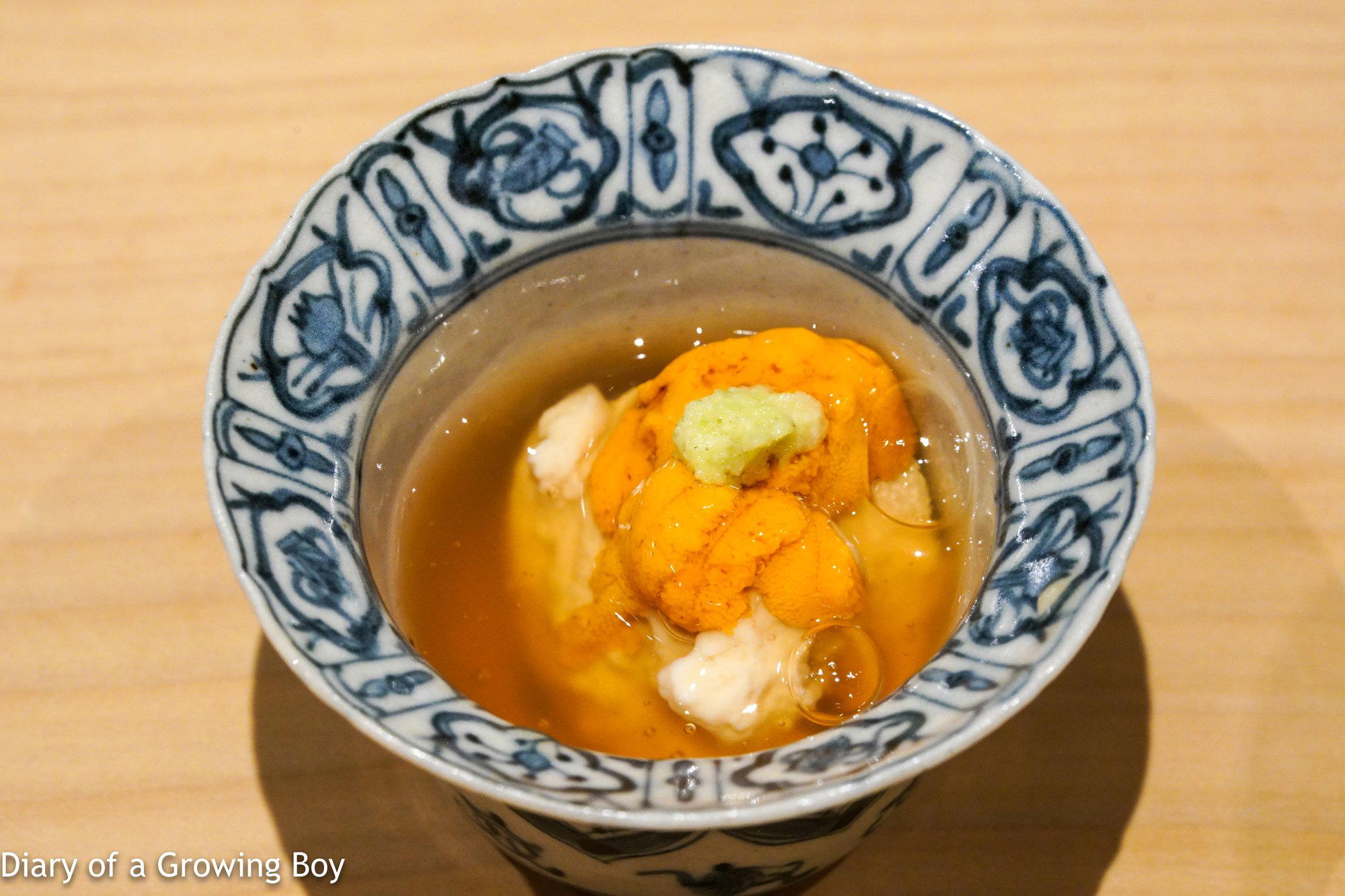
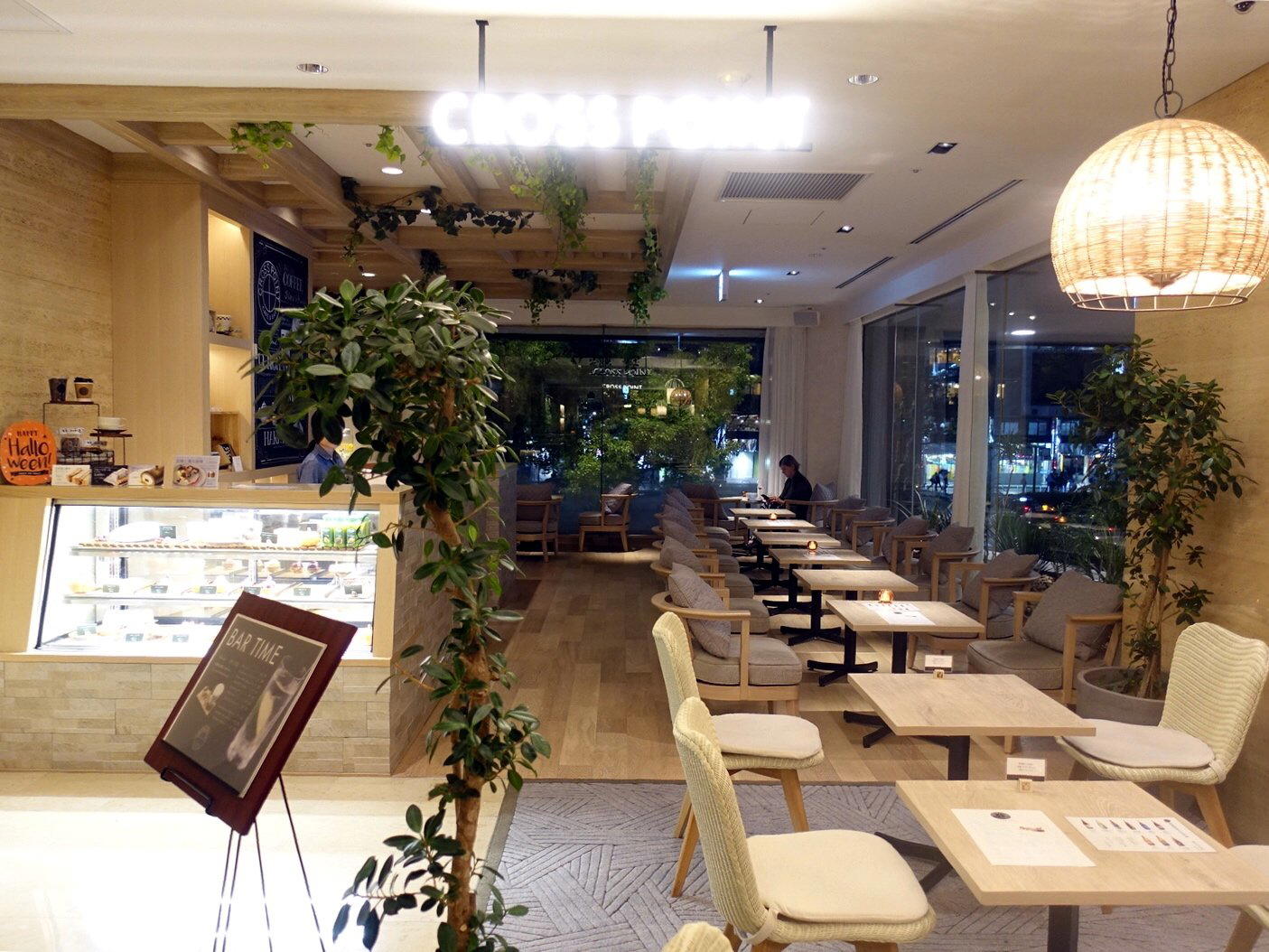
Bars in Kitakyushu
Browse all →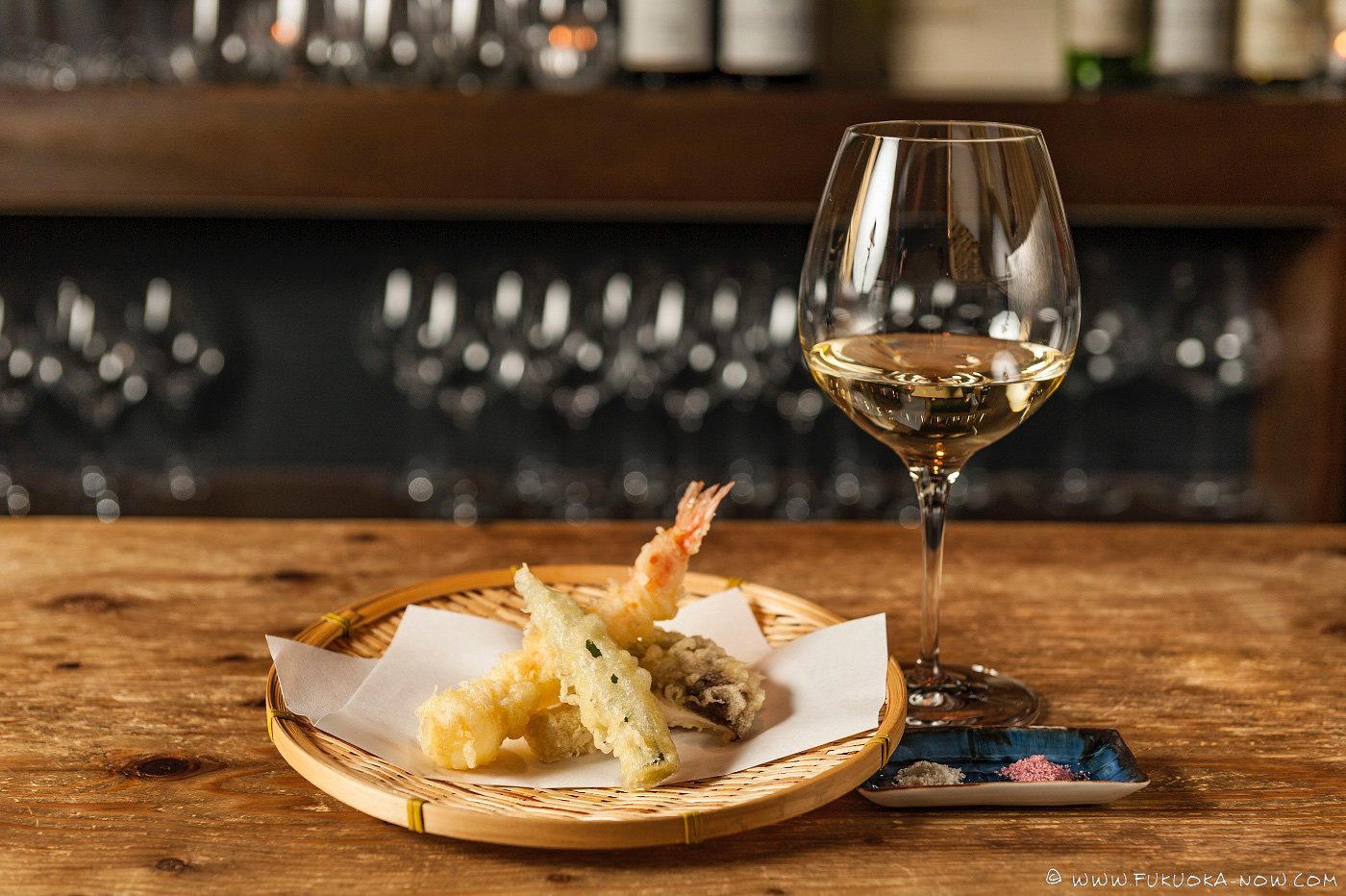
Details
- Elegant
- Intimate
- Sophisticated
- Special Occasion
- Date Night
- Chefs Counter
- Sake Program
- Local Sourcing
- Mountain
- Omakase
- Counter Dining
- Sake Program
Current opening hours
- Monday
- 12–2 PM, 5:30–10 PM
- Tuesday
- 12–2 PM, 5:30–10 PM
- Wednesday
- Closed
- Thursday
- 12–2 PM, 5:30–10 PM
- Friday
- 12–2 PM, 5:30–10 PM
- Saturday
- 12–2 PM, 5:30–10 PM
- Sunday
- 12–2 PM, 5:30–10 PM
Hours can change for holidays and private events. Hours as of .
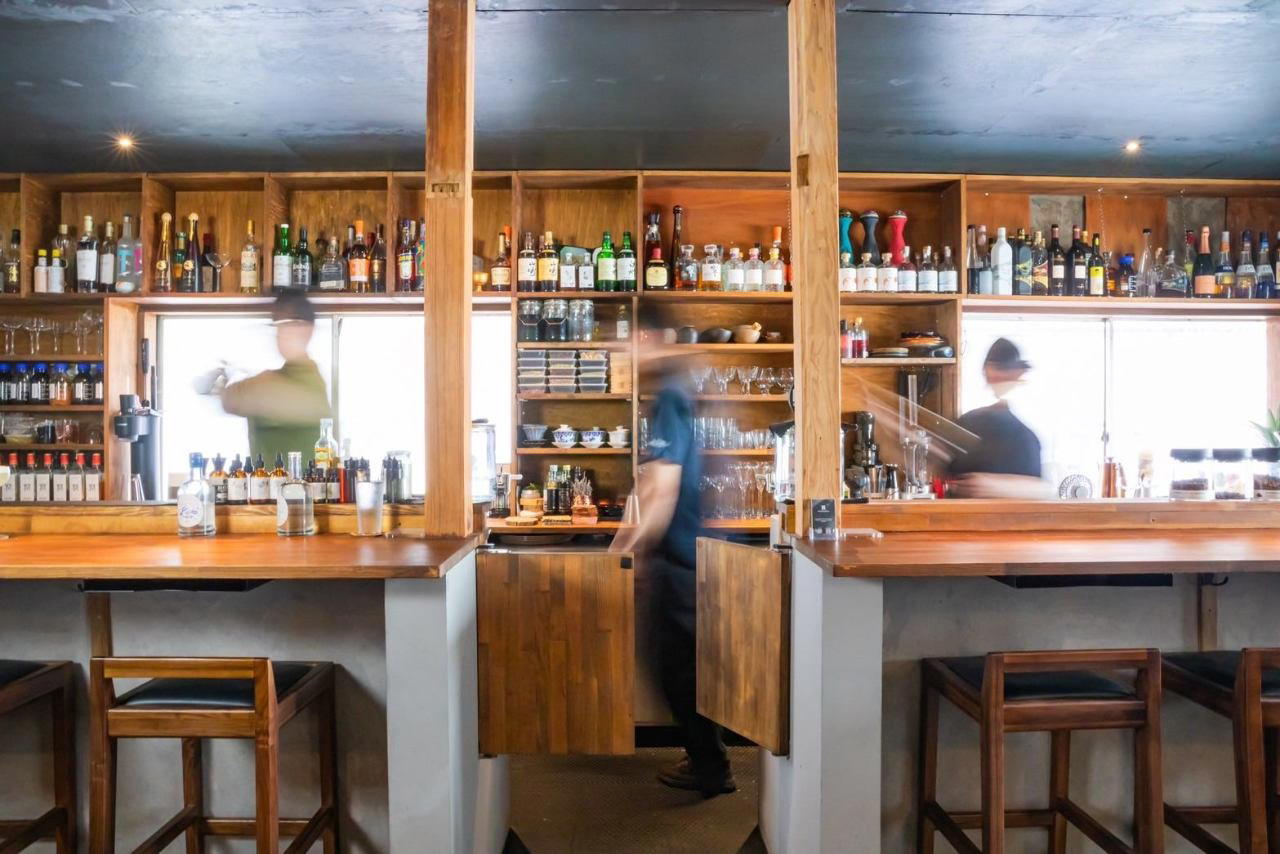
Immaculate wood counter with 7-8 seats in a relaxing, hideout-style space focused on the chef's craft.