Izumi

Tabelog 100 #75
Our verdict
Izumi places Kitakyushu’s counter-service dumpling culture in sharp focus: compact, low-friction, and serious about gyoza without turning it into ceremony. Its selection for Tabelog 100 - Dumplings - 2024 gives the room a clear credential, while the Kurosaki setting keeps the experience tied to the city’s everyday eating habits rather than destination dining theatre.

Pearl is the En Primeur Club membership app, where members save venues, book tables and use the concierge.
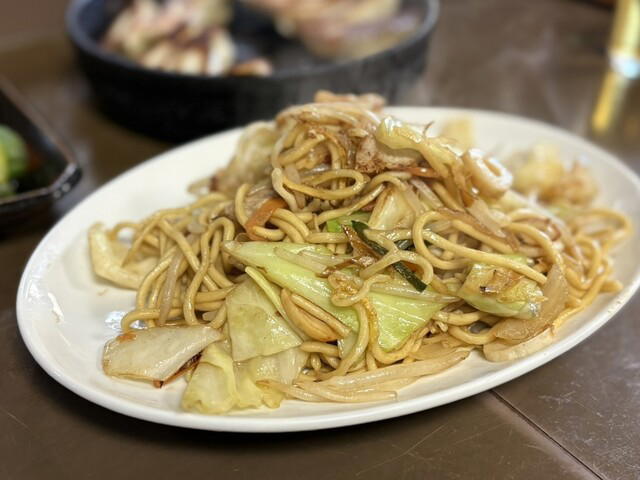
Approaching a small dumpling specialist in Kitakyushu is different from arriving at a tasting-menu restaurant. The cues are tighter and more practical: a compact frontage, a focused rhythm of orders, and the sense that turnover matters because the format is built around a narrow speciality. Izumi belongs to that Japanese category of restaurants where the room is not designed to distract from the main act. In Kitakyushu, that matters. The city’s stronger food identity is not about long-form luxury dining; it is about compact specialisms, railway-adjacent eating, local regulars, and dishes that travel well across solo meals and informal nights out.
Dumplings carry a different kind of prestige in Japan from sushi or kaiseki. They sit closer to everyday appetite: a pan, a short order, often beer nearby, often no need for ceremony. The serious dumpling shops are judged less by ornament than by consistency, heat, wrapper texture, and how cleanly the cooking format handles repetition. Selection for Tabelog 100 - Dumplings - 2024 puts Izumi inside a national conversation about that craft, not as a luxury address, but as a specialist in a genre where small differences are the whole argument.
Kitakyushu's compact dining culture gives dumplings their proper setting
Kitakyushu is a useful lens on local dining because it rewards places built for regular use rather than performance: focused menus, compact rooms, and food that does not require a long evening to make its point. A narrow specialist format fits that urban grammar. It also changes the way the meal reads. There is little need for separation between cooking, service, and customer; the restaurant’s credibility has to survive at close range.
That intimacy is central to dumpling culture. Dumplings look simple until a shop has to repeat them across an evening without losing texture or timing. The point is not elaboration; it is control. In this tier, recognition from a dumpling-specific list carries more editorial weight than a general popularity claim because it places the restaurant among specialists rather than among broad casual dining rooms. Izumi’s Tabelog score of 3.60 also signals the type of Japanese review environment in which small, focused restaurants can develop serious followings without behaving like formal restaurants.
Kitakyushu’s food scene rewards this narrowness. Focused counters, sweet shops, and old-school local restaurants often define the city more clearly than multipurpose dining rooms. Nearby editorial reference points show the range: everyday dining rooms speak to the city’s daily food culture, established local dining to its civic memory, and Hyo Kashiya KOMARU to the sweet-shop side of the city’s specialist map. Seen in that company, a dumpling specialist is not a minor stop; it is part of the same civic pattern.
The distinction is the narrow brief, not a chef narrative
There is no need to build the argument around biography here. The stronger reading is structural: dumpling restaurants in Japan often become meaningful precisely because they avoid the theatre attached to chef-led dining. The craft is public, repetitive, and easy to judge badly. A focused format exposes the work to the room, while the dish’s portability keeps the restaurant’s role close to everyday appetite. That combination places Izumi closer to the practical heart of Japanese casual dining than to the export image of Japanese food as pristine ceremony.
The price band reinforces the same point. This is not a splurge category; it is an accessible specialist meal, with dinner listed at JPY 2,000 - JPY 2,999, which makes the award recognition more interesting. In luxury dining, high prices can create the expectation of precision. In dumplings, precision has to appear inside a modest format where the guest may be alone, with friends, or simply eating around a focused craving. The audience is broader, the tolerance for fuss is lower, and the measure of quality is repeatability.
Kitakyushu travellers often build meals around one clear local strength rather than a single grand restaurant reservation. That is why Izumi pairs naturally with a wider city itinerary rather than dominating it. Readers mapping a food-focused day should use Our full Kitakyushu restaurants guide for the broader dining frame, then add category stops according to appetite. For non-restaurant planning, Our full Kitakyushu hotels guide, Our full Kitakyushu bars guide, Our full Kitakyushu wineries guide, and Our full Kitakyushu experiences guide help keep the trip from becoming a string of disconnected meals.
How to read Izumi within a Japan-wide specialist map
The useful comparison is not with formal restaurants, but with other narrow-format Japanese venues where the promise is contained and legible. In Kitakyushu, Hyo Kashiya KOMARU occupies another small-specialist lane, while Kurosaki Inakaan Hibiya sits elsewhere on the local dining map. Those contrasts matter because they show how the city’s value is spread across categories rather than concentrated in one prestige tier. Dumplings, sweets, noodles, and established local cooking all compete for attention on different terms.
Across Japan, that specialist logic appears in many forms: compact counters, casual dining rooms, café culture, contemporary local restaurants, regional comfort cooking, and other tightly focused formats. Even outside Japan, the same editorial pattern is visible when a focused format defines the visit, rather than a broad menu trying to do everything at once.
The decision case for Izumi is therefore clear: come for a compact, award-recognised dumpling specialist rather than a broad restaurant experience. Its place in Kitakyushu is strongest when read as part of the city’s everyday dining intelligence, where small rooms and tight formats often explain more about local taste than formal restaurants do.
Frequently asked questions
What part of town is Izumi in?
Kitakyushu.
What should I budget for a meal at Izumi?
Pricing at Izumi is listed as JPY 2,000 - JPY 2,999.
What's the best way to book Izumi?
For booking or visit planning, use the latest official or listing information before you go. The listed phone number is +81-93-621-5604.
What is Izumi known for?
Izumi is known for dumplings and was selected for Tabelog 100 Dumplings in 2024. Its listed price range is JPY 2,000 - JPY 2,999.
Price Lens
Nearby venues at a similar price tier for orientation.
| Venue | Cuisine | Price | Awards | Notes |
|---|---|---|---|---|
| IzumiThis venue (the venue you are viewing) | Japanese Dumplings (Gyoza) | Not listed | Tabelog 100 #75 | Not listed |
| Miyoshino | Traditional Yakitori & Chicken Dishes | $30–50 | Tabelog 100 #8 | Kokura Kita Ward, Traditional Yakitori & Chicken Dishes |
| Kurosaki Inakaan Hibiya | Japanese Unagi (Eel) | Not listed | Tabelog 100 #68 | Kurosaki, Japanese Unagi (Eel) |
| teppan sakaba hitojiman | Teppan izakaya with okonomiyaki & monjayaki | $30–50 | Tabelog 100 #74 | Kokuraminami-ku, Teppan izakaya with okonomiyaki & monjayaki |
| Zubora Tei | Traditional Okonomiyaki & Teppan-yaki | $20–30 | Tabelog 100 #62 | Kokurakita Ward, Traditional Okonomiyaki & Teppan-yaki |
| 御料理 まつ山 | Seasonal Kyushu Kaiseki Omakase | $300–500 | Tabelog Silver #74 | Kurosaki, Kaiseki Japanese |
Recognition history
Dated appearances from independent guides and award organizations, with the underlying list record or original source where available.
Tabelog 100 #75 · No. 75
Tabelog · Tabelog 100 - Dumplings - 2024
Continue exploring
More in Kitakyushu
Restaurants in Kitakyushu
All restaurants in Kitakyushu →
Bars in Kitakyushu
Browse all →



Details
- Classic
- Cozy
- Well Known
- Solo
- Casual Hangout
- Standalone
- Counter Dining
- A La Carte
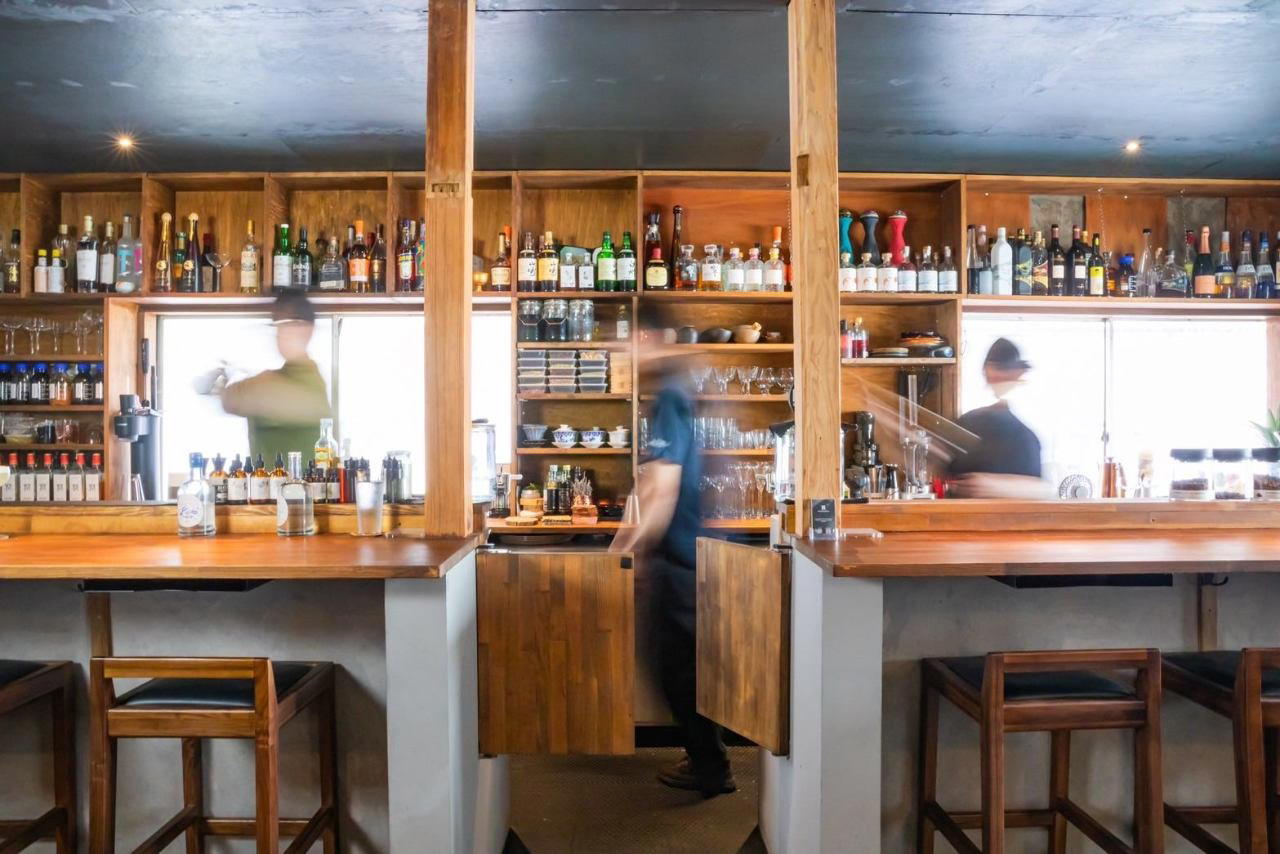
Compact, old-school, counter-only gyoza shop atmosphere with a busy, no-frills feel centered on quick turnover and take-away service.