SOIL Nagatoyumoto

Design Hotels Member
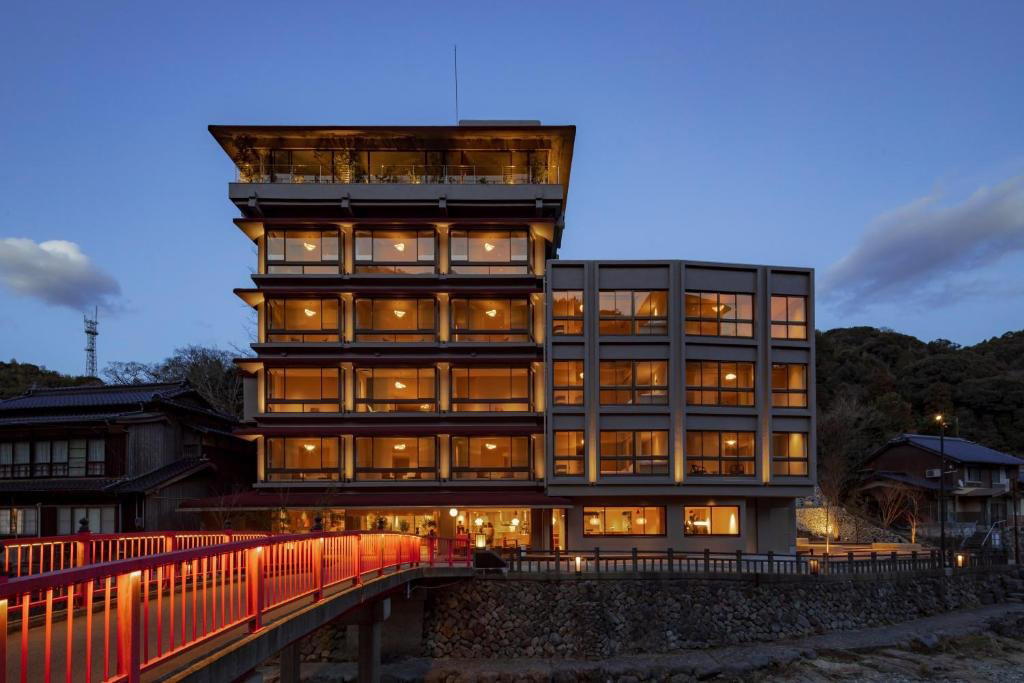
SOIL Nagatoyumoto puts guests within walking distance of the thermal springs, riverside paths, and local flavors that define this quiet corner of Yamaguchi Prefecture. The property is designed around direct access to the onsen neighborhood rather than insulating visitors from it — a deliberate positioning that separates it from resort-style retreats elsewhere in western Japan.

Pearl is the En Primeur Club membership app — saves, bookings, and concierge access live there. Same editors, same standards.
Where the Town Is the Design
Japan's premium ryokan circuit has long operated on a principle of beautiful enclosure: arrive, surrender, let the property fold around you. The best-known addresses in that tradition — Gora Kadan in Hakone, Asaba in Izu, Zaborin in Kutchan — are conceived as self-contained worlds where the guest rarely needs to step outside to feel they have encountered Japan. SOIL Nagatoyumoto takes a different position. Its architecture of experience is outward-facing: the onsen district, the river corridor, the flavors of Nagato itself are not backdrop but the actual program. The property functions as an access point rather than a destination in isolation, which places it in a smaller, more deliberate niche within Japanese hospitality design.
That orientation is less common than it sounds. Many properties in thermal spring towns treat the surrounding streets as logistical necessity rather than amenity. SOIL's approach, connecting guests actively with the springs, the riverside, and local producers, reflects a design philosophy that has gained traction in Japan's boutique accommodation sector over the past decade, particularly among properties seeking to differentiate from larger onsen resorts that replicate similar formats across multiple locations.
Nagatoyumoto as Spatial Context
Nagato sits in the western reaches of Honshu, in Yamaguchi Prefecture, at a remove from the better-trafficked onsen circuits of Kyushu and the Kii Peninsula. That distance is part of the appeal. Where destinations like Beppu draw large resort infrastructure, ANA InterContinental Beppu Resort and Spa occupies the international-brand end of that market, Nagatoyumoto has retained a smaller, more vernacular character. The town's thermal springs run alongside the Otogawa River, and the walkable neighborhood around them carries the particular texture of a Japanese spa town that has not been substantially redeveloped for mass tourism.
For guests arriving from Kyoto or Hiroshima, Nagatoyumoto represents a deliberate step away from the urban ryokan format. Properties like HOTEL THE MITSUI KYOTO or Bvlgari Hotel Tokyo offer one kind of luxury positioning, refined, urban, internationally legible. SOIL operates in a different register, one where the quality signal is geographic specificity rather than brand recognition. The Setouchi region's broader hospitality conversation, represented by properties like Azumi Setoda in Onomichi and Benesse House on Naoshima, has helped shift the frame: western Honshu is now understood by serious travelers as a region with its own hospitality logic, separate from Kyoto or Tokyo templates.
The Walkable Onsen Neighborhood
The walkability claim at the center of SOIL's positioning is worth examining carefully. In most onsen towns, the distance between accommodation and the public baths, the food stalls, and the riverside paths is the defining variable of the stay. Guests at properties set back from the thermal district, or those that provide in-house baths as the primary experience, tend to have a more interiorized experience. SOIL's address at 2257 Fukagawa Yumoto places it inside the Nagatoyumoto district proper, which means the hot springs infrastructure, the riverside promenade, and local eating are accessible on foot without logistics.
This matters because the texture of an onsen town is almost entirely a pedestrian experience. The ritual of moving between different bath temperatures, the rhythm of yukata-clad guests on evening streets, the small restaurants that depend on walk-in trade from those same guests: these are things that cannot be replicated inside a single property, however well-designed. Properties that position themselves as access points to this pedestrian culture, rather than substitutes for it, tend to attract a specific kind of traveler, one who values encounter over insulation. For a useful comparison within the broader hot spring accommodation spectrum, Nishimuraya Honkan in Kinosaki represents the traditional high-end version of this model, where the ryokan's relationship to the town's public baths is structural rather than incidental.
Flavors of Nagato
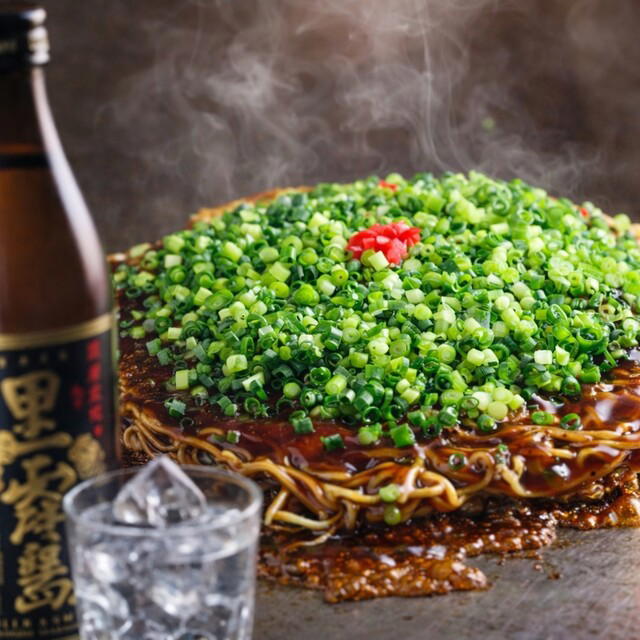
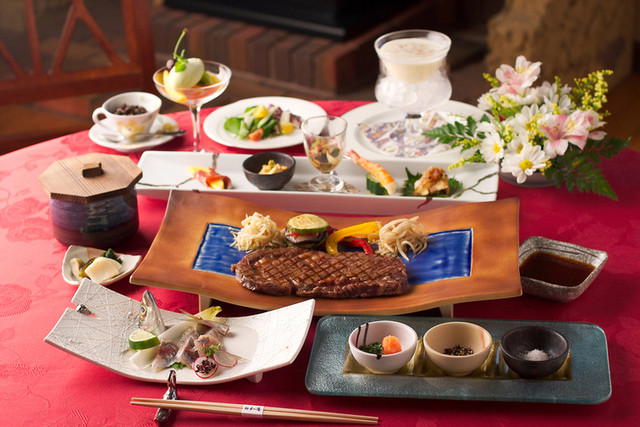
Yamaguchi Prefecture's food identity is less documented internationally than its counterparts in Kyoto or Kyushu, which works in the region's favor for guests who have exhausted the more-traveled kaiseki circuits. The Sea of Japan coastline produces fugu (globefish) for which Shimonoseki, Yamaguchi's port city, is the national center of trade. Inland, the prefecture's rivers support freshwater ingredients that appear in local cooking in forms distinct from the more-famous kaiseki vocabulary of Kyoto. SOIL's stated connection to local flavors positions it within a regional food narrative that is genuinely distinct rather than a local variant of a national template.
This connects to a broader pattern visible at properties like Amanemu in Mie and Araya Totoan in Kaga, where the most compelling food experiences are built around hyper-local sourcing specific to a prefecture or coastal zone rather than national-standard ingredients treated in nationally recognized styles. The argument for staying in Nagatoyumoto rather than a more-traveled onsen destination is substantially a food argument: the ingredients here are not available at the same point of origin anywhere else in Japan.
Planning a Stay
Nagatoyumoto is most directly accessed by rail via Nagato-Yumoto Station on the Mine Line, which connects to the San-in Main Line at Nagato-shi. From Shin-Yamaguchi Shinkansen station, itself served from Hakata and Hiroshima, the transfer involves local rail and takes approximately 90 minutes. Guests traveling from the Kansai region often combine Nagatoyumoto with stops at Sekitei near Hiroshima or route through the Setouchi islands before moving west. Autumn and early spring are the travel periods with the most favorable conditions: summer in western Honshu runs warm and humid, while winter, though cold, brings a different character to the thermal bath experience that some travelers actively seek. For broader context on the western Japan onsen circuit, see our full Nagatoyumoto guide.
The property's positioning within a walkable district means the conventional advice about choosing a ryokan with the strongest in-house facilities is less directly applicable here. The calculus shifts toward proximity to the town's infrastructure. Guests arriving without a car, which is entirely viable given rail access, will find the pedestrian logic of the stay more coherent than at properties requiring shuttle transport to reach the springs or restaurants. For thermal-spring stays elsewhere in Japan's less-trafficked circuits, comparable reference points include ENOWA Yufu in Yufu, Fufu Nikko, and Bettei Otozure, which occupies the same Nagato area with a more enclosed, high-end ryokan format for comparison.
Comparison Snapshot
Comparable venues nearby, for context on price, style, and recognition.
| Venue | Cuisine | Price | Awards | Notes |
|---|---|---|---|---|
| SOIL NagatoyumotoThis venue (the venue you are viewing) | Regenerated ryokan with contemporary openness flowing like the Otozure River. | $100–200 | Design Hotels Member | Not listed |
| Sakura Terrace The Gallery | Contemporary urban retreat blending slow travel philosophy with artistic public spaces | $1–100 | Michelin Selected | Higashikujo |
| Candeo Hotels Kyoto Karasuma Rokkaku | Modern ryokan-inspired heritage hotel | $1–100 | Michelin Selected | Nakagyo Ward |
| voco Osaka Central | Design-oriented IHG sub-brand emphasizing contemporary aesthetics with cultural heritage integration | $200–300 | Michelin Selected | Kyomachibori, Nishi-ku |
| Moxy Kyoto | Playful lifestyle hotel blending urban fun with Kyoto heritage. | $100–200 | Michelin Selected | Nakagyo-ku |
| 四季亭 | 純和風旅館 | Not listed | 3-Star | つなぎ温泉 |
Recognition history
Dated appearances from independent guides and award organizations, with the underlying list record or original source where available.
Design Hotels Member
Design Hotels
Continue exploring
More in Nagatoyumoto
Hotels in Nagatoyumoto
All hotels in Nagatoyumoto →
Details
- Modern
- Scenic
- Cozy
- Minimalist
- Wellness Retreat
- Weekend Escape
- Panoramic View
- Wi Fi
- Restaurant
- Sauna
- Spa
- Mountain
Serene and soothing with river sounds, wood aromas, and natural light creating a peaceful, nature-connected atmosphere.