Terasawa

Tabelog Bronze #457
Our verdict
Oryori Terasawa has held Tabelog Bronze recognition every year from 2019 through 2026 and appears three times on the Tabelog Japanese Cuisine EAST 100 list. The eight-seat house restaurant in Kitakami, Iwate, operates on a reservation-only basis, with dinner courses priced between JPY 20,000 and JPY 29,999. Private rooms accommodate groups of two to eight, and the kitchen draws on Iwate's regional produce for kaiseki-style Japanese cuisine.

Pearl is the En Primeur Club membership app, where members save venues, book tables and use the concierge.
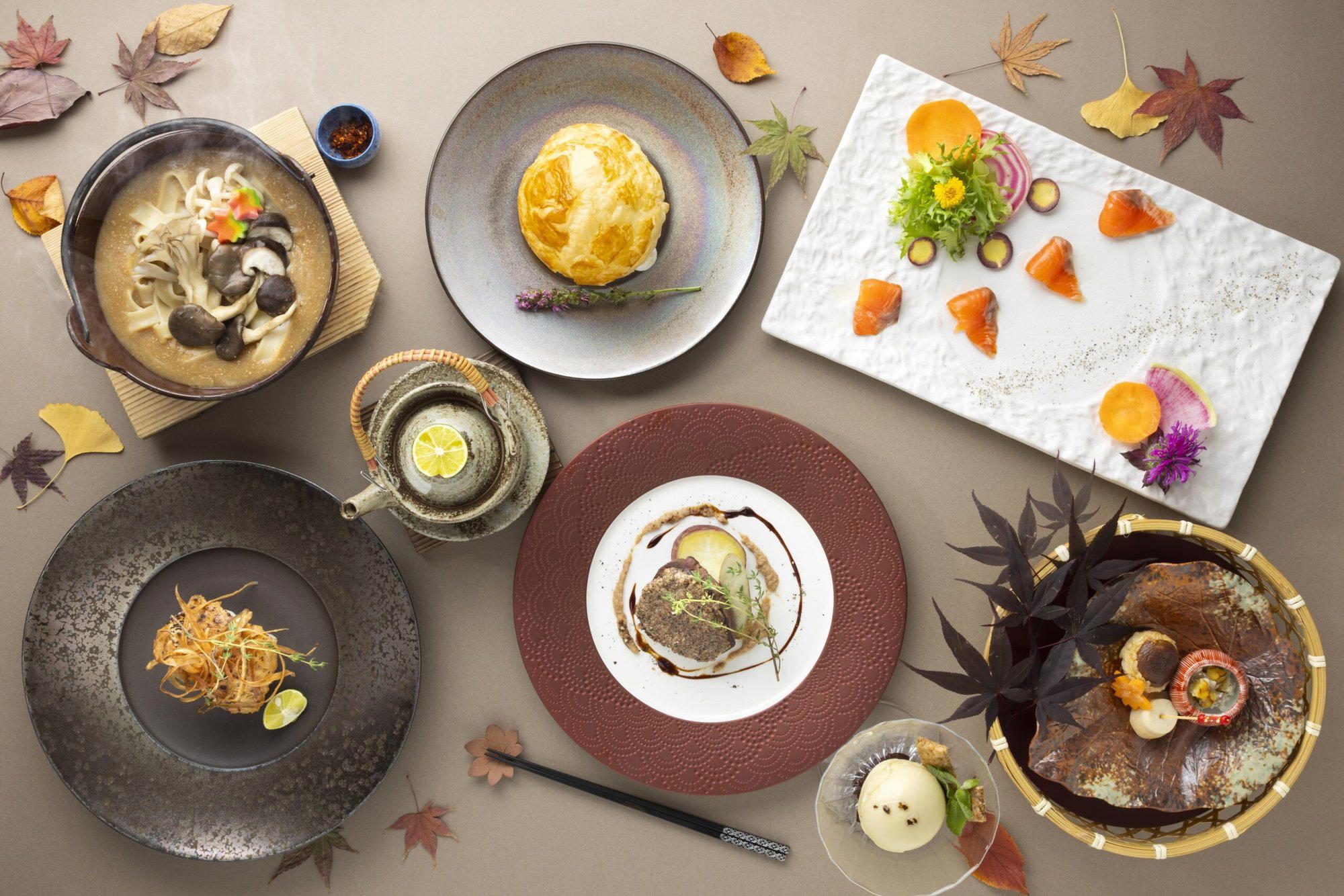
A House Restaurant in Iwate, Held to a High Standard
The category of oryori (literally, "honourable cooking") occupies a specific tier in Japanese dining. It implies a kitchen that applies classical Japanese technique to seasonal, locally sourced ingredients, served in an intimate setting where the room itself is part of the experience. In Japan's regional cities, this format tends to survive not through marketing but through accumulated trust: the same guests returning, the same local producers supplying, and a consistency that aggregator scores eventually reflect. Oryori Terasawa, open since April 2013 in Kitakami, Iwate, fits that pattern precisely. Its Tabelog score of 4.09 and eight consecutive Bronze awards from 2019 through 2026 are not the product of a single strong season but of sustained, year-on-year performance judged by a platform whose Bronze threshold eliminates most restaurants in Japan outright.
What the Awards Actually Mean
Tabelog's award structure places fewer than 1,000 restaurants in its Bronze tier or above across the entire country in any given year. Beyond the annual Bronze, the restaurant has been selected for the Tabelog Japanese Cuisine EAST "100" list in 2021, 2023, and 2025, a curation that identifies the hundred most highly regarded Japanese cuisine restaurants across eastern Japan. That selection, repeated three times, places Terasawa in the same conceptual tier as destination kaiseki restaurants in Tokyo, Kyoto, and other cities with far greater international profiles. For comparison, consider how the award ecosystems around Harutaka in Tokyo or Gion Sasaki in Kyoto function: recognition accrues through domestic critical consensus before international attention follows. Terasawa has the domestic consensus; it simply operates in a city that fewer international visitors reach.
The Cultural Logic of Kaiseki in a Regional City
Kaiseki, the multi-course format that developed from the tea ceremony tradition and was later formalised into the elaborate seasonal procession recognised today, carries a specific tension when it moves outside the original Kyoto-Osaka axis. The format demands seasonal ingredients, and regional Japan often has a stronger claim to those ingredients than the metropolitan centres where the tradition is most commercialised. Iwate Prefecture, with its cold-climate agriculture, mountain produce, and Pacific coastline, supplies materials that Kyoto restaurants have historically imported. A kitchen in Kitakami that sources locally is not compromising on the kaiseki premise; it is, arguably, closer to its original logic. This is the cultural frame through which Terasawa should be understood. It is not a regional approximation of a metropolitan form. It is a restaurant applying a classical form to materials that happen to be on its doorstep.
The drinks programme reinforces this regional positioning. The kitchen holds a noted commitment to nihonshu (sake), which in Iwate means proximity to several breweries whose output rarely reaches export markets. Shochu and wine are also available, but the sake emphasis is deliberate and consistent with the seasonal, place-specific character of kaiseki service.
Format, Scale, and What Eight Seats Means in Practice
Eight seats is a meaningful constraint. In the taxonomy of Japanese dining, it is not quite the intimacy of a four- or six-seat counter, but it is small enough that each service is effectively a single sitting with one kitchen and one kitchen's attention. At Terasawa, those eight seats are distributed across private rooms configured for two, four, six, or eight guests, so the experience is not communal in the way of a counter omakase but private in the way of a formal Japanese dining room. The entire venue is available for private hire, which makes it viable for business dinners and family occasions that require discretion. This format is common among high-end regional kaiseki restaurants in Japan, where the private room is both a practical arrangement and a cultural statement about the relationship between host and guest.
Reservations are mandatory. The kitchen closes Sunday evenings and Mondays, and lunch services start at either 11:30 or 12:00. Courses are priced at JPY 18,000 and JPY 15,000 before tax, service charge, and drinks, with a 10% service charge applied. A JPY 7,000 or JPY 10,000 lunch course is available for groups of five or more. Dinner typically runs JPY 20,000 to JPY 29,999 per person based on review data. Credit cards are accepted; electronic money and QR code payments are not.
Getting There and Planning the Visit
Kitakami sits on the Tohoku Shinkansen line between Sendai and Morioka, accessible within roughly two hours from Tokyo. From Kitakami Station, the restaurant is a 15-minute walk, or an 8-minute drive from the Kitakami Etsuriko Interchange. On-site parking accommodates three vehicles, which is relevant for guests arriving from elsewhere in Iwate by car. The dress code guideline is specific: guests are asked to avoid perfume and fabric softener, a policy consistent with the food-first environment that kaiseki dining requires. Children are welcome, with those of elementary school age and above joining the adult course.
For visitors planning a broader Iwate itinerary, or those arriving via Fukuoka with connections into Tohoku, the regional context is worth noting. Iwate's dining scene is less internationally documented than Kyoto or Tokyo, but the Tabelog 100 Eastern Japan selection demonstrates that the critical infrastructure for assessing quality is fully functioning. See our full Kitakyushu restaurants guide for broader regional context, along with our full Kitakyushu hotels guide, bars guide, and experiences guide for planning a complete stay. Within the premium Japanese dining tier, it is also worth cross-referencing HAJIME in Osaka, Goh in Fukuoka, akordu in Nara, and 1000 in Yokohama as part of any Japan dining itinerary that moves beyond the metropolitan defaults.
Where Terasawa Sits in the Kitakyushu-Adjacent Dining Conversation
The restaurant's Tabelog city classification sometimes places it in discussions alongside Kitakyushu and Fukuoka dining, given database indexing conventions and the proximity of northern Kyushu to Iwate via shinkansen travel planning. Within that broader Japanese regional dining conversation, the sushi-focused restaurants of northern Kyushu such as Teruzushi and Tsubasa represent a different tradition, while Nikaku, Terroir Aitoibukuro, and TOBIUME each occupy distinct format niches. Terasawa's kaiseki positioning in Iwate is its own category: a reservation-only, eight-seat, private-room Japanese cuisine restaurant with a nationally recognised track record and pricing that aligns it with serious destination dining rather than casual regional eating.
For international visitors accustomed to benchmarking against restaurants like Le Bernardin in New York City or Atomix in New York City, the relevant frame is a tightly controlled format, significant critical recognition on its home platform, and a cuisine rooted in place. The scale is smaller and the city less familiar, but the signals of quality are consistent and verifiable.
Planning Notes
- Reservations required in advance by phone: +81-197-72-7708
- Dinner: JPY 20,000 to JPY 29,999 per person; Lunch: JPY 15,000 to JPY 19,999; a lower-price lunch course is available for groups of five or more
- 10% service charge applies; tax and drinks are additional
- Private rooms available for two, four, six, or eight guests; full private venue hire available
- Closed Sunday evenings and Mondays
- 15-minute walk from JR Kitakami Station; 8-minute drive from Kitakami Etsuriko Interchange; three parking spaces on site
- Credit cards accepted; no electronic money or QR code payments
- Guests should avoid perfume and fabric softener
Frequently asked questions
Where is Terasawa in Kitakyushu?
Terasawa is located at Iwate Kita上 City大通ri4chome 43, Kitakyushu.
When can I go to Terasawa?
Hours at Terasawa: Mon, Tue, Wed, Thu, Fri, Sat, Sun, Public Holiday, Day before public holiday, Day after public holiday 11:30 - 14:00 18:00 - 21:00.
Is Terasawa Michelin-listed?
Terasawa has received recognition including:
What should I order at Terasawa?
The kitchen runs a set course format exclusively, so the menu is determined by the kitchen rather than the diner. Courses are priced from JPY 15,000 at lunch and JPY 18,000 at dinner (before tax, service charge, and drinks). A separate JPY 7,000–10,000 course is available for lunch only, for groups of five or more.
What's the signature at Terasawa?
No single dish is publicly documented as a named signature, which is consistent with the kaiseki format where the menu follows seasonal produce from the Iwate region. Terasawa's sustained Tabelog score of 4.09 and consecutive Bronze Awards from 2019 through 2026 point to the kitchen's consistency across seasonal rotations rather than reliance on any one preparation.
Can Terasawa accommodate dietary restrictions?
Given the eight-seat capacity and reservation-only format, contacting the restaurant directly at 0197-72-7708 before booking is the practical approach. Children of elementary school age and above join the adult course, and no children's menu is offered.
Price and Positioning
Comparable venues nearby, for context on price, style, and recognition.
| Venue | Cuisine | Price | Awards | Notes |
|---|---|---|---|---|
| TerasawaThis venue (the venue you are viewing) | Traditional Japanese Fine Dining | Not listed | Tabelog Bronze #457 | Not listed |
| 江戸前鮨 二鶴 | Edomae Sushi | $150–200 | Tabelog 100 #73 | Kitakyushu, japanese |
| Kurosaki Inakaan Hibiya | Japanese Unagi (Eel) | Not listed | Tabelog 100 #68 | Kurosaki, Japanese Unagi (Eel) |
| Zubora Tei | Traditional Okonomiyaki & Teppan-yaki | $20–30 | Tabelog 100 #62 | Kokurakita Ward, Traditional Okonomiyaki & Teppan-yaki |
| TOBIUME | Modern Kaiseki | Not listed | Tabelog Silver #142 | Yahatanishi-ku, Modern Kaiseki |
| Tsudaya Kanbee | Dining | Not listed | Tabelog 100 #61 | Not listed |
Recognition history
Dated appearances from independent guides and award organizations, with the underlying list record or original source where available.
Tabelog Bronze #457
Tabelog
Full recognition history (3 entries)
Tabelog 100 #24 · No. 24
Tabelog · Tabelog 100 - Japanese cuisine - EAST - 2025
Tabelog Bronze
Tabelog
Continue exploring
More in Kitakyushu
Restaurants in Kitakyushu
All restaurants in Kitakyushu →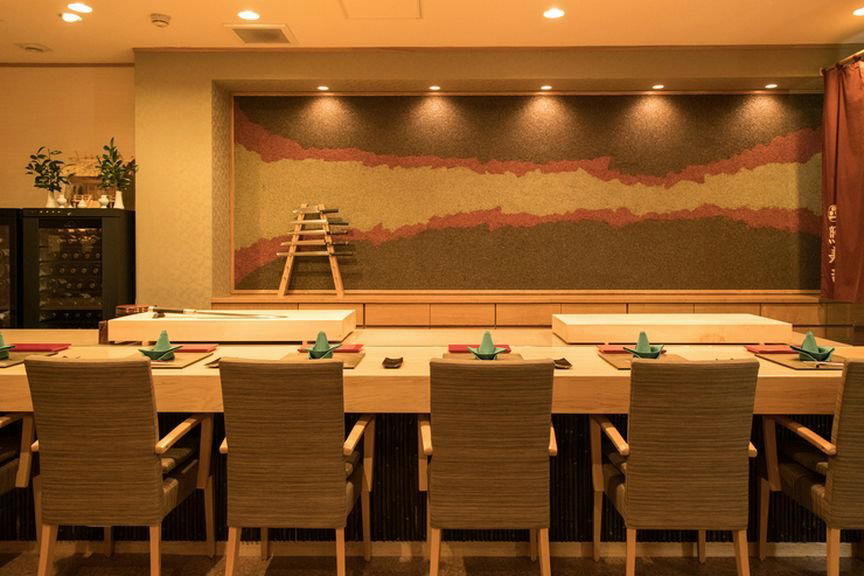
Bars in Kitakyushu
Browse all →
Details
- Special Occasion
- Standalone
- Sake Program
- Sake
Classic and elegant Japanese dining atmosphere.