Tenjou
Tenjou occupies a Flatiron address at 25 W 23rd Street, sitting within a New York dining tier where architectural intentionality and spatial restraint carry as much weight as what arrives at the table. The address places it between Midtown's high-volume destination dining and the more experimental pockets of lower Manhattan, a positioning that shapes both its competitive set and its likely audience.
Pearl is the En Primeur Club membership app — saves, bookings, and concierge access live there. Same editors, same standards.
- Address
- 25 W 23 St, New York, NY 10010
- Phone
- +19179652500
- Website
- opentable.com
- Directions
- Get directions
 Saves & bookings on Pearl
Flatiron's Spatial Logic and Where Tenjou Fits
New York's Flatiron district has spent the better part of a decade consolidating a dining identity that sits between the expense-account formality of Midtown and the looser, chef-driven experimentation of the East Village and lower Manhattan. The blocks around 23rd Street now hold a particular type of restaurant: serious without being ceremonial, design-conscious without tipping into spectacle. Tenjou, a Modern Japanese Comfort Food restaurant at 25 W 23rd Street, occupies that band of the market. The address alone signals something about positioning. This is not a neighbourhood where venues stumble into prominence, the real estate economics and the proximity to established destination dining (Midtown's Per Se and Le Bernardin sit within reasonable distance to the north) mean that any serious opening here is a deliberate act of placement.
Architecture as Argument
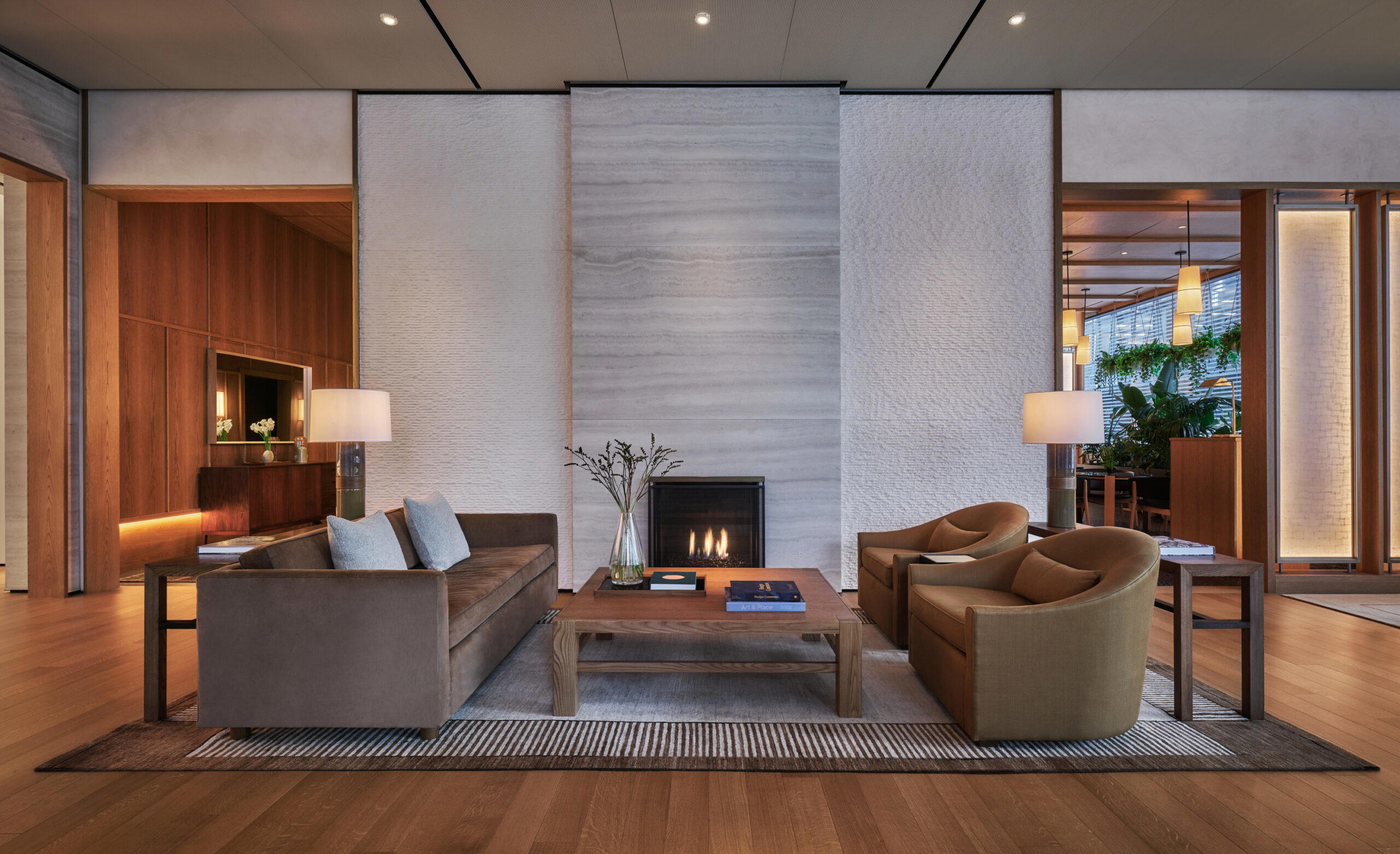
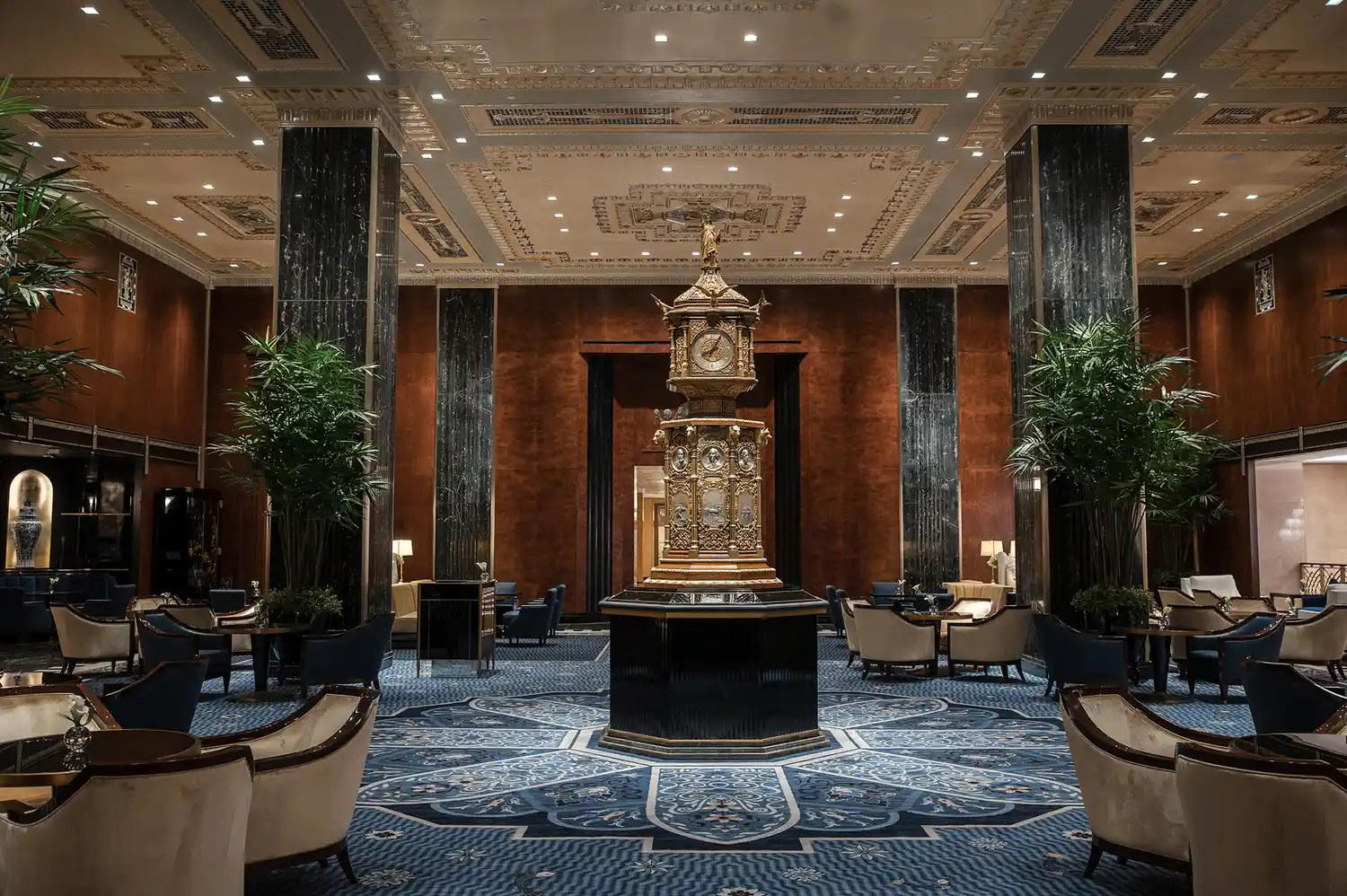
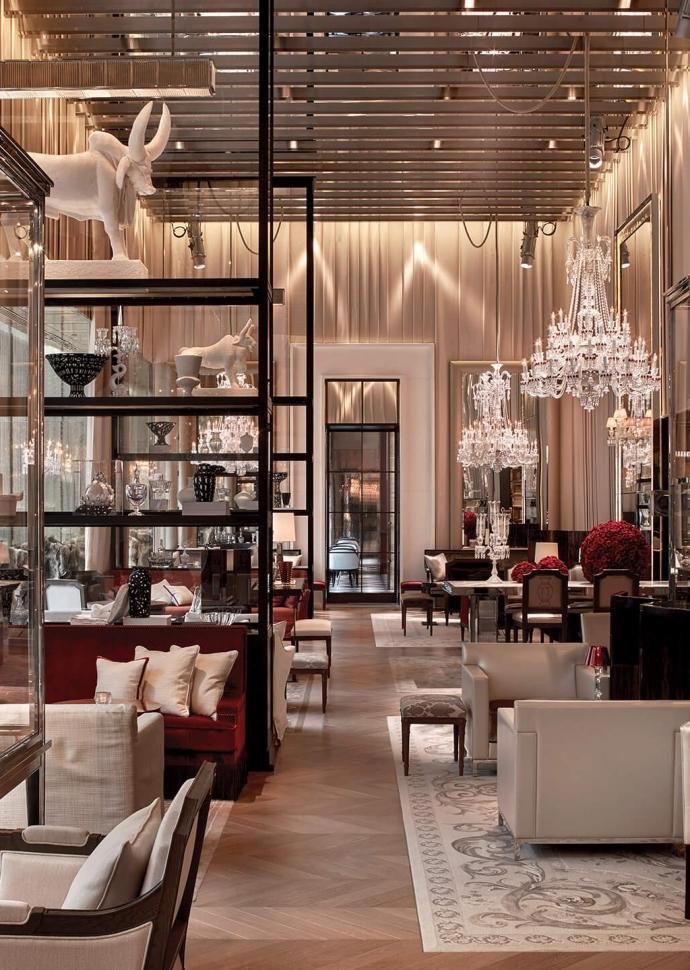
In the current phase of high-end New York dining, the physical container of a restaurant is increasingly understood as a position statement. The shift away from the white-tablecloth uniformity that defined American fine dining through the 1990s has produced two divergent trajectories: maximalist interiors designed to generate visual content, and restrained, material-led spaces where the architecture does the persuading quietly. Tenjou's Flatiron setting suggests the latter instinct. Manhattan buildings along the 23rd Street corridor tend toward cast-iron and masonry construction with generous ceiling heights, structural conditions that reward interiors which let volume and light do the work rather than layering surface onto surface.
That spatial inheritance matters because it shapes how a dining room communicates hierarchy and intimacy simultaneously. Counter formats and tightly edited seating arrangements, which have become the dominant grammar of serious dining in New York, tend to read differently in a room with architectural bones than in a purpose-built shell. Comparable operations across the American fine dining circuit, Alinea in Chicago, Lazy Bear in San Francisco, Single Thread Farm in Healdsburg, have each demonstrated that the spatial logic of a room sets guest expectations before a single course arrives. The room is, in that sense, the opening argument.
The Competitive Set at This Address
Positioning a restaurant in Flatiron means competing not only with immediate neighbours but with the broader logic of how New York diners allocate their highest-stakes reservations. At the premium end, the city's most-discussed rooms currently include tasting-format counters drawing on Korean and Japanese traditions: Atomix and Jungsik New York have each established that progressive Asian fine dining can hold its own against the French-trained establishments that long defined New York's upper tier. Meanwhile, Masa continues to set the price ceiling for Japanese omakase in the city. Any new entry into this stratum is read against that backdrop, whether the opening wants to be or not.
The Flatiron location places Tenjou slightly south and west of the densest cluster of notable rooms, which creates both a challenge and an opportunity. Destination diners who have already built routines around Midtown or the Upper West Side need a reason to re-route. But for the growing share of New York diners who treat the neighbourhood south of 30th Street as their primary territory, an address on 23rd Street reads as accessible rather than pilgrimage-adjacent.
What the Design Tradition Implies About the Experience
Design-led restaurants in the current American market tend to sort into recognisable typologies. There is the counter-dominated room where the kitchen is the visual focal point and the geometry of seating enforces a particular kind of attention. There is the salon-format room where tables are arranged to suggest occasion without imposing theatre. And there is the hybrid room, where different zones operate at different registers of formality. The Flatiron building stock supports all three approaches, and the choice among them communicates directly to the kind of guest a restaurant intends to attract and the kind of evening it intends to produce.
Across American fine dining rooms that have drawn sustained editorial attention, from Blue Hill at Stone Barns in Tarrytown to The French Laundry in Napa to Addison in San Diego, the rooms that age leading are those where spatial decisions reflect a genuine point of view rather than a trend response. The same pattern holds internationally: Alain Ducasse at Louis XV in Monte Carlo and 8½ Otto e Mezzo Bombana in Hong Kong have each demonstrated that a room with architectural conviction holds its relevance across dining cycles in ways that spaces designed to moment-capture do not. The question for any new Flatiron opening is which category it intends to occupy.
Dining Season and When to Go
New York's dining calendar has its own seasonal logic. The September-to-November window, when the city's population returns from summer and the cultural calendar accelerates, consistently produces the highest demand for serious dining reservations. Conversely, the January-to-February period offers the leading conditions for actually securing a table at rooms that run on tight reservation windows, as demand softens across the city even as kitchens remain at full operation. Other American restaurants worth considering during quieter travel windows include Providence in Los Angeles, Bacchanalia in Atlanta, The Inn at Little Washington, and Emeril's in New Orleans.
Planning Your Visit
Address: 25 W 23rd Street, New York, NY 10010. Neighbourhood: Flatiron, Manhattan, walkable from the 23rd Street subway stops on the N/R/W and F/M lines. Reservations: recommended. Dress: smart casual. Budget: about $30 per person. See our full New York City restaurants guide for broader context on pricing tiers across the city's dining market.
Peers in This Market
Comparable venues nearby, for context on price, style, and recognition.
| Venue | Cuisine | Price | Notes |
|---|---|---|---|
| TenjouThis venue — the venue you are viewing | Modern Japanese Comfort Food | $$ | Not listed |
| Umi | Japanese Sushi | $$ | Fresh Meadows |
| IPPUDO NY | Hakata-Style Tonkotsu Ramen | $$ | East Village |
| Hori | Authentic Japanese Izakaya | $$ | East Midtown-Turtle Bay |
| Sake Bar By Zabb | Japanese Izakaya | $$ | Elmhurst |
| Wagamama | Modern Pan-Asian with Japanese Inspiration | $$ | Midtown South-Flatiron-Union Square |
Continue exploring
More in New York City
Restaurants in New York City
Browse all →
Bars in New York City
Browse all →
Hotels in New York City
Browse all →




At a Glance
- Cozy
- Modern
- Elegant
- Casual Hangout
- Date Night
- Open Kitchen
- Sake Program
Current opening hours
- Monday
- 11 AM–12 AM
- Tuesday
- 11 AM–12 AM
- Wednesday
- 11 AM–12 AM
- Thursday
- 11 AM–12 AM
- Friday
- 11 AM–12 AM
- Saturday
- 11 AM–12 AM
- Sunday
- 11 AM–12 AM
Hours can change for holidays and private events. Last verified .
Serene, Japanese-inspired dining atmosphere that’s elegant and inviting with refined ambiance.