Umi occupies a specific tier in New York's omakase scene where Japanese technique meets considered fusion thinking. In a city where the gap between entry-level sushi counters and the rarefied end has widened considerably, Umi positions itself as a serious option for those who want precision without the full ceremonial weight of the city's most expensive counters. Bookings and planning are worth approaching with the same care you'd give any competitive Manhattan reservation.

Pearl is the En Primeur Club membership app — saves, bookings, and concierge access live there. Same editors, same standards.
New York's Omakase Evolution and Where Umi Sits Within It
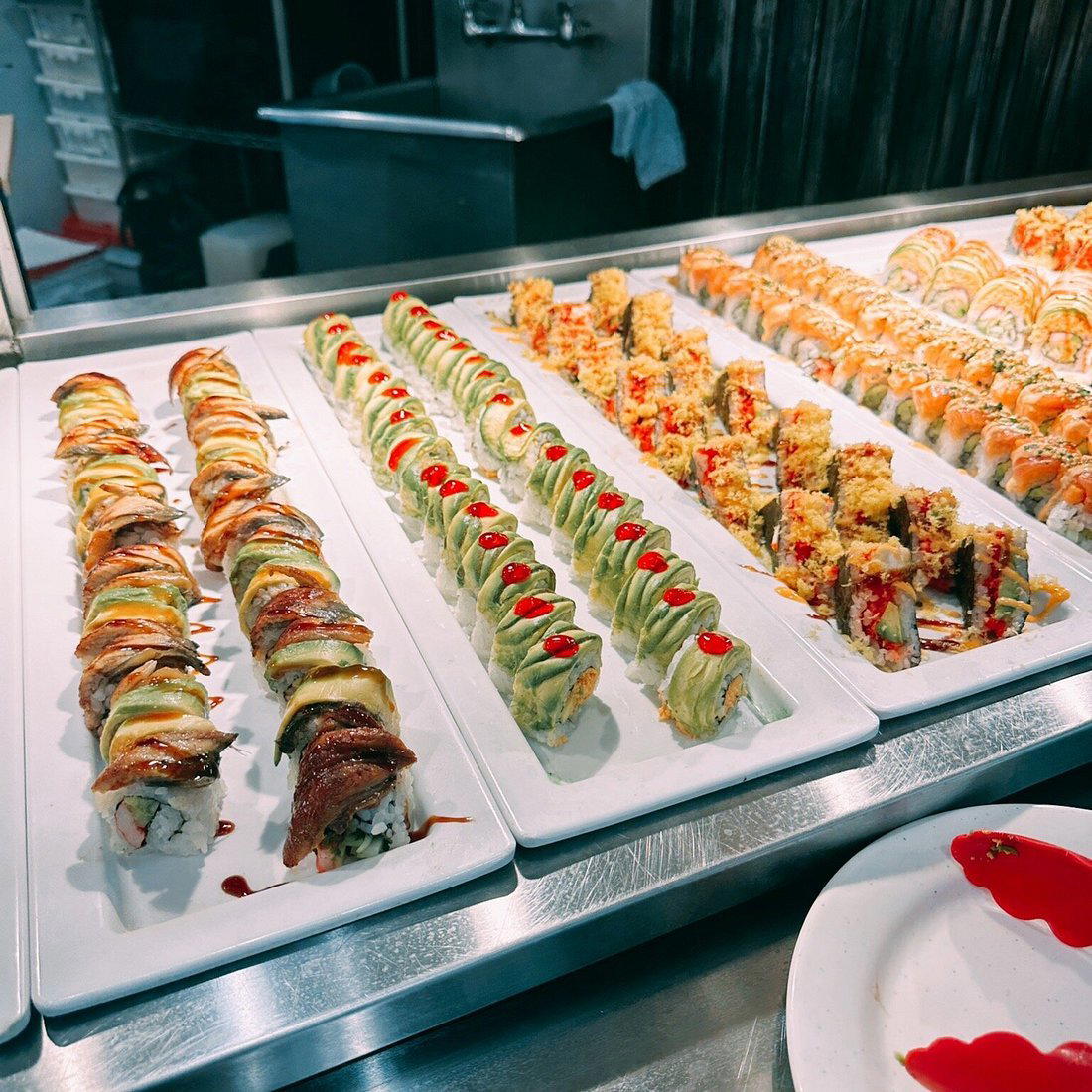
Umi is a New York City restaurant serving a Sushi & Seafood Buffet menu at a casual, walk-in-friendly price point of about $40 per person. Manhattan's Japanese dining scene has undergone a measurable restructuring over the past decade. What was once a relatively flat spectrum, running from neighbourhood sushi bars to a handful of counter-only omakase rooms, has stratified into something more complicated. At the apex, venues like Masa operate in a tier defined less by cuisine and more by experience architecture: fixed-format, reservation-scarce, priced against European fine dining peers such as Per Se and Le Bernardin. Below that ceiling, a wider middle band has developed, where Japanese kitchens integrate fusion thinking without abandoning the structural discipline of omakase. Umi belongs to that middle register, placing it inside a competitive conversation that is, in many ways, more interesting than the extremes.
The fusion thread is worth taking seriously as a category signal rather than a compromise. In New York, Japanese-fusion omakase has moved from a slightly suspect designation in the early 2000s to a distinct and credible format. Kitchens working this approach are no longer hedging traditional technique with Western flavours to broaden appeal; the better examples treat the integration as a genuine creative position, one that reflects how Japanese chefs trained across multiple culinary traditions bring those influences back into a structured tasting format. Umi's cuisine listing as Japanese, Omakase, and Japanese Fusion places it explicitly inside that evolved mode.
The Physical Approach: Setting the Register Before You Sit
Arriving at a counter-format restaurant in Manhattan carries a different set of cues than entering a room-based fine dining space. You are moving toward something particular: a fixed seat, a predetermined sequence, a kitchen visible enough to be part of the experience. The physical approach, whether a narrow corridor leading to a counter, a minimal street-level entry that gives nothing away, or a more deliberate lobby moment, tells you immediately how seriously the kitchen takes that format. New York's better omakase rooms have largely stripped back the entrance experience to let the counter do the communicating. Umi operates within this broader convention, in a city where understatement at the door has become its own signal of seriousness.
The broader neighbourhood context of New York's Japanese fine dining distribution matters here. Unlike Tokyo, where geography clusters certain formats in specific wards, Manhattan's premium Japanese counters have dispersed across the island, from Midtown adjacents to downtown pockets, each carrying slightly different clientele expectations.
Fusion as an Evolving Position, Not a Fixed Menu
The evolution of Japanese-fusion cooking in American fine dining follows a recognisable arc. The first wave, prominent in the 1990s and early 2000s, leaned heavily on presentation novelty and ingredient borrowing. The current form is more structurally rigorous: fusion elements now tend to appear in technique and texture rather than as conspicuous ingredient combinations. A Japanese counter working at this level might draw on French sauce reductions, fermentation approaches from Korean or Scandinavian traditions, or protein-handling techniques from European classical kitchens, without those borrowings announcing themselves as the point. The result is food that reads as coherent and singular, even when its construction is genuinely multicultural.
This matters for how you calibrate expectations at Umi. The omakase format establishes sequence and pacing as the chef's prerogative, but the fusion designation suggests the sequence will not follow a strictly orthodox Japanese progression. If you arrive expecting the spare, ceremony-first experience of a venue rooted entirely in Edomae tradition, you may be misreading the room. If you arrive expecting a kitchen using Japanese structure to organise a wider set of influences, you are likely to be well-served. For context on how other American fine dining venues handle the integration of Japanese-adjacent techniques into a broader format, the work being done at Lazy Bear in San Francisco and Alinea in Chicago illustrates the spectrum of ambition that serious tasting-format kitchens now occupy.
Placing Umi in the New York Competitive Set
It occupies an intermediate position where the commitment to omakase format and demonstrable technique places it in conversation with venues that take the tasting sequence seriously, while the fusion angle opens the cuisine toward something less codified than a strictly traditional house. Within Manhattan, this means Umi competes for the same reservation decision as other counter-format venues that pair Japanese discipline with creative range.
César and Saga, both of which operate in contemporary fine dining registers with their own distinct positions in the city's premium dining map. Internationally, the question of where Japanese-fusion fine dining has travelled farthest from its origins finds useful reference points at 8½ Otto e Mezzo Bombana in Hong Kong and Alain Ducasse at Louis XV in Monte Carlo, where European fine dining institutions have absorbed Asian technique in the opposite direction.
Domestically, the integration of Japanese precision into American tasting menus has produced some of the country's most compelling cooking. The French Laundry in Napa, Single Thread Farm in Healdsburg, and Providence in Los Angeles each demonstrate how Japanese influence operates at different intensities within technically demanding American kitchens. Emeril's in New Orleans represents an earlier American fine dining template that preceded this Japanese integration wave, providing useful historical contrast.
Planning Your Visit
Booking any serious omakase counter in Manhattan requires treating the reservation as the first act of the meal, not an afterthought. Dress is casual.
Cuisine-First Comparison
Comparable venues nearby, for context on price, style, and recognition.
| Venue | Cuisine | Price | Notes |
|---|---|---|---|
| UmiThis venue — the venue you are viewing | Sushi & Seafood Buffet | $$ | Not listed |
| Davelle | Japanese Kissaten Cafe | $$ | Lower East Side |
| Dai Hachi | Traditional Japanese Sushi | $$ | Long Island City-Hunters Point |
| Amber | Japanese Sushi with Pan-Asian Fusion | $$ | Upper East Side-Carnegie Hill |
| Souen | Macrobiotic Japanese | $$ | East Village |
| Uminoie | Homestyle Japanese Izakaya | $$ | East Village |
Continue exploring
More in New York City
Restaurants in New York City
Browse all →
Bars in New York City
Browse all →
At a Glance
- Modern
- Lively
- Family
- Group Dining
- Celebration
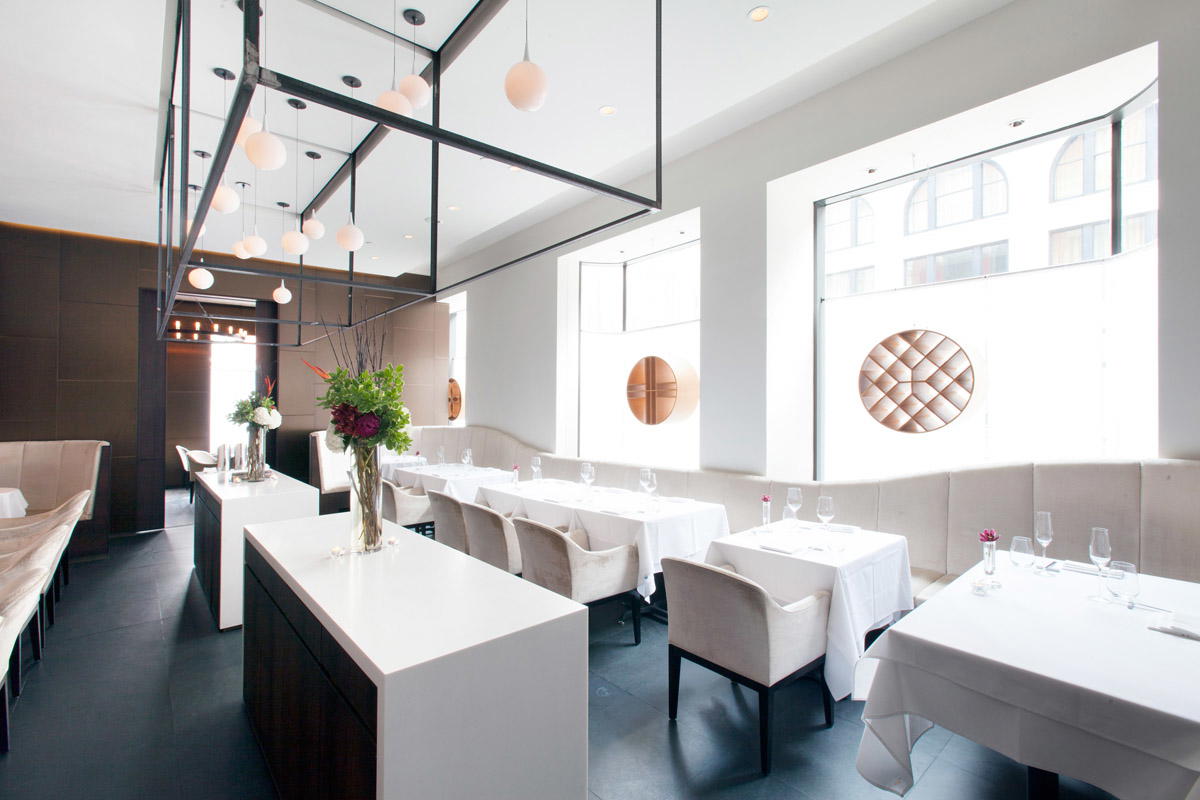
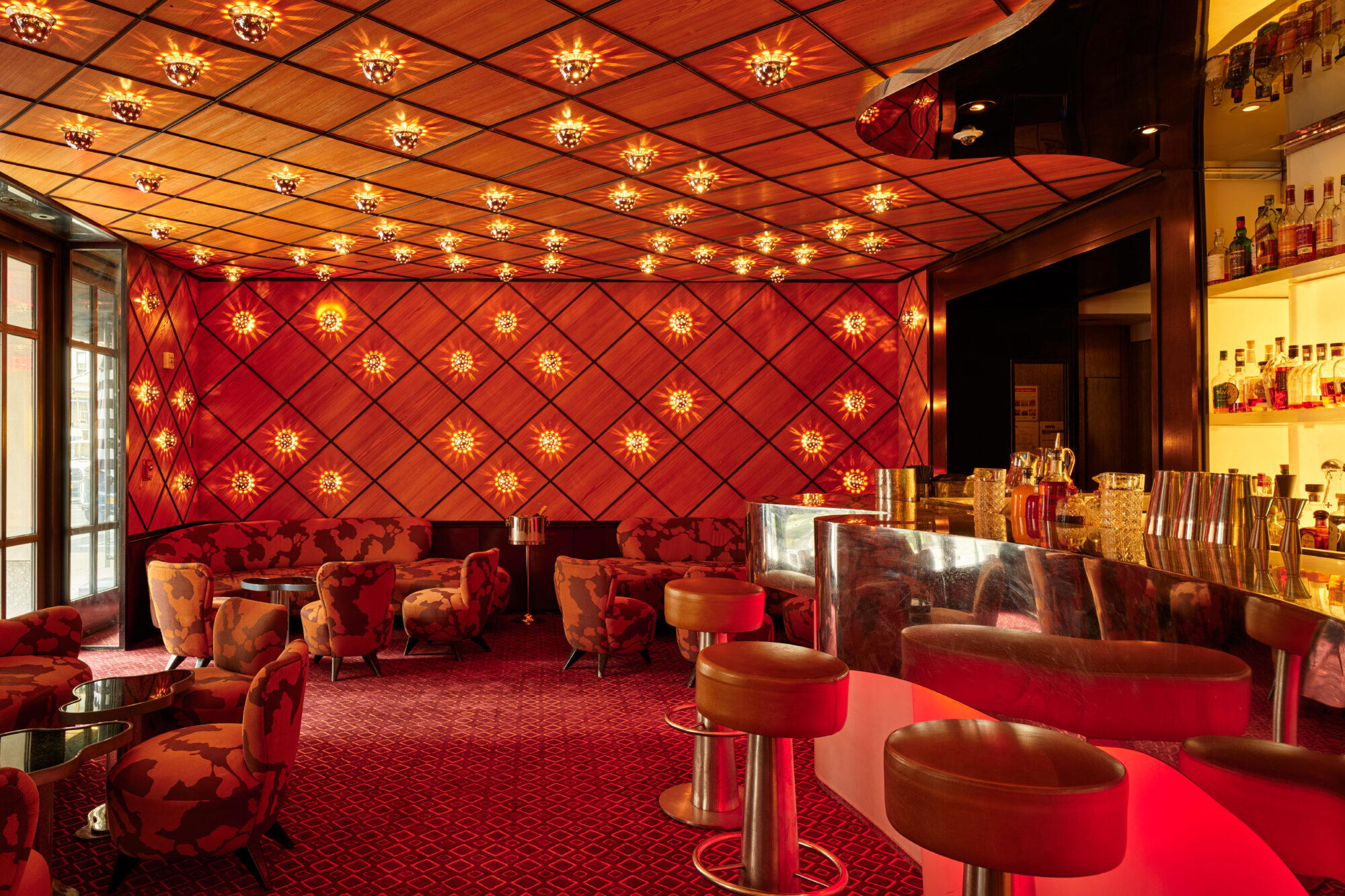
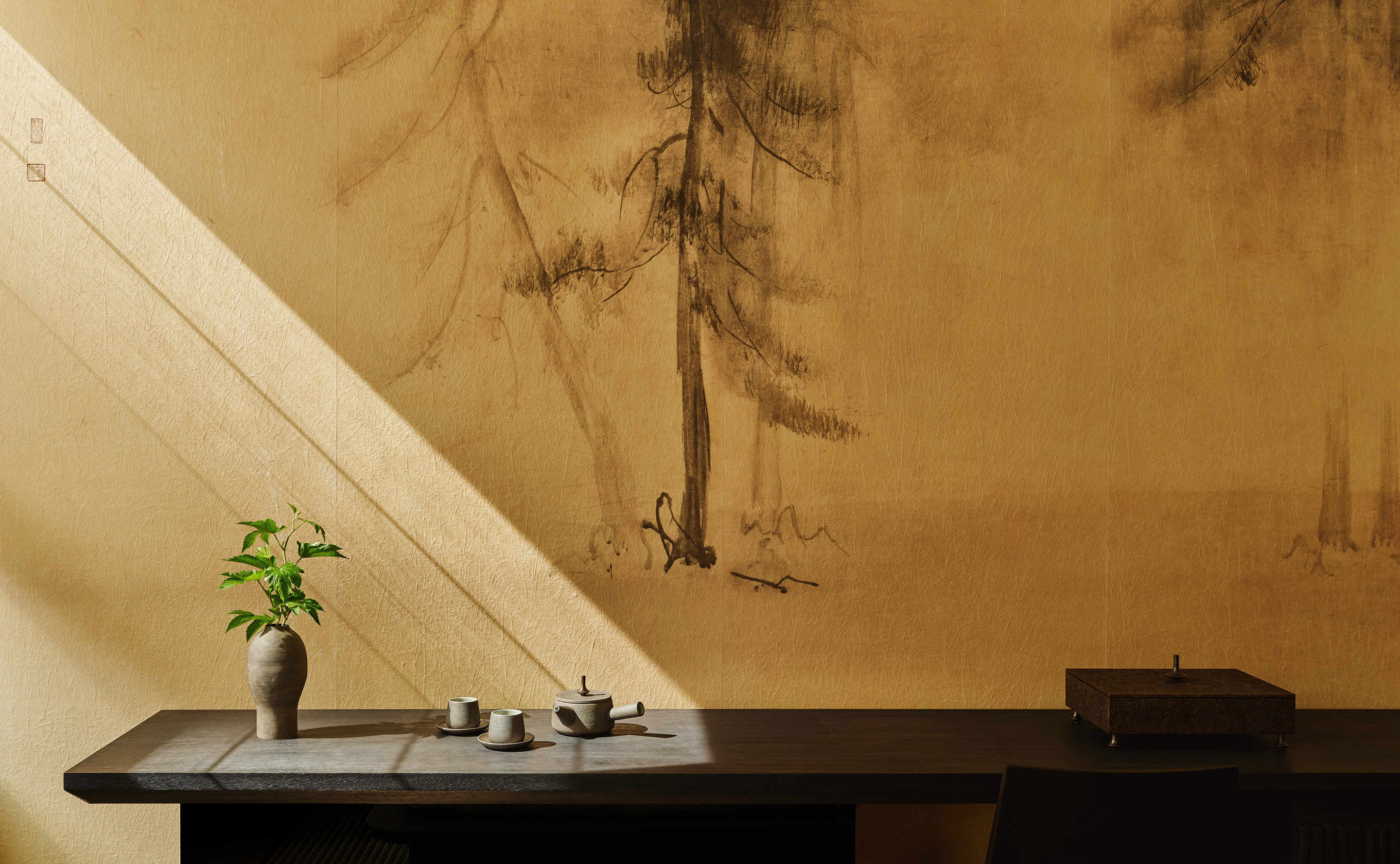
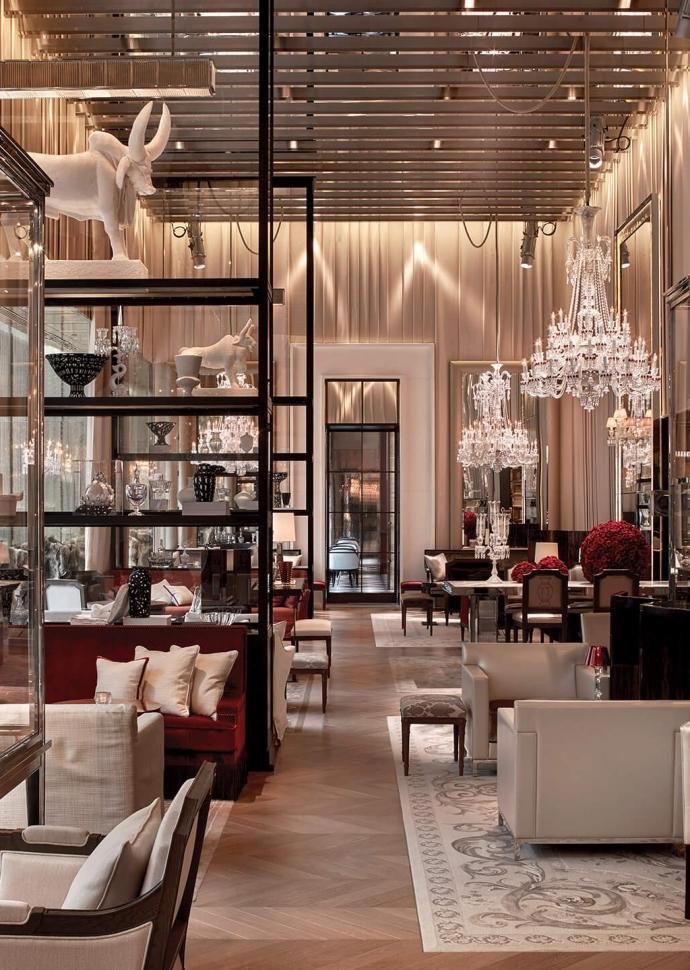
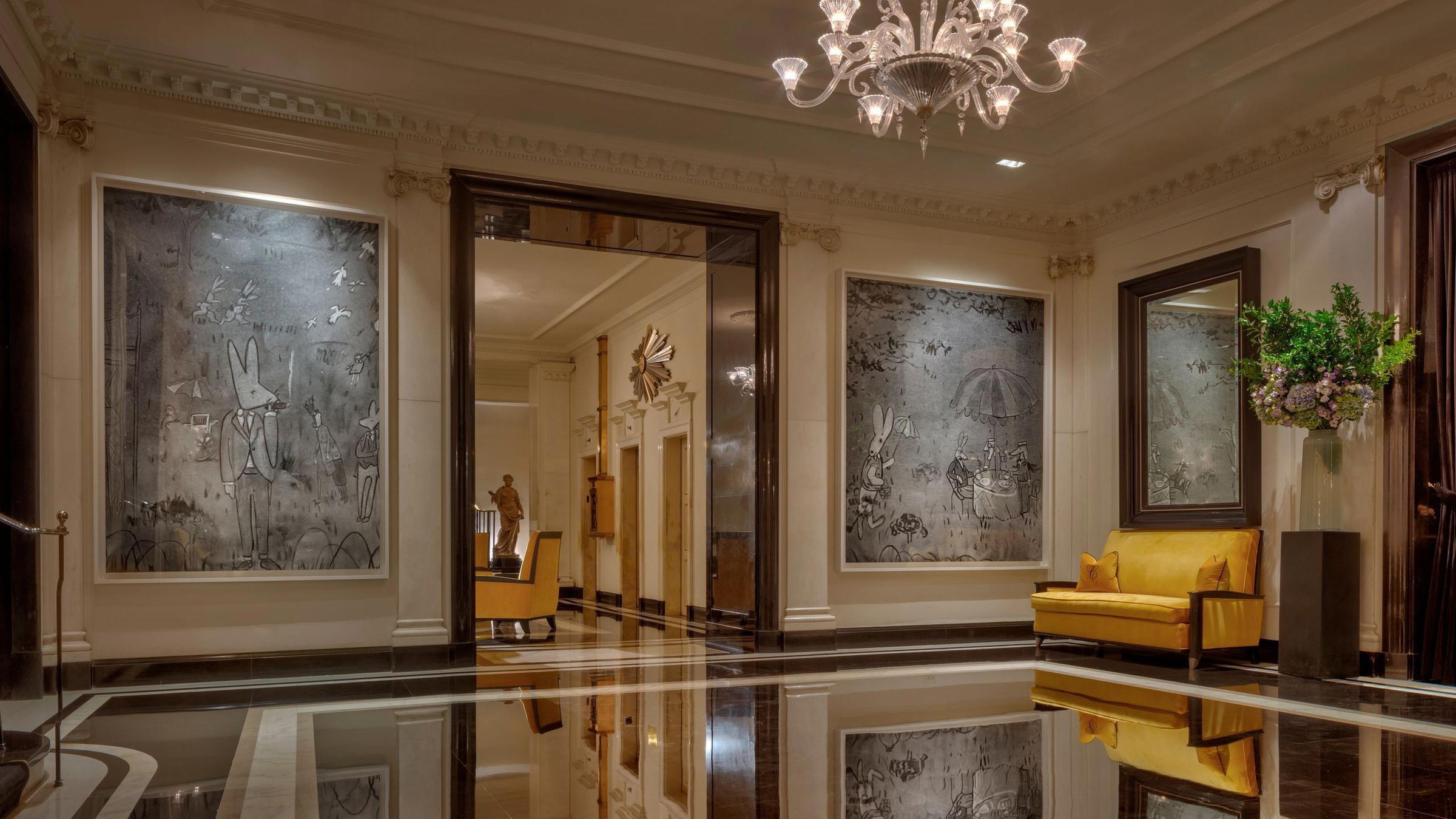
Modern, bright, clean, and comfortable with a family-friendly welcoming atmosphere.