Wagamama
Wagamama at 210 Fifth Avenue brings the British-Japanese chain's communal noodle-bar format to Flatiron, offering ramen, rice bowls, and pan-Asian plates at a price point well below Manhattan's omakase tier. The long shared tables and open kitchen reflect the Japanese canteen tradition the brand draws from, making it a practical midday or post-work option in a neighbourhood better known for tasting menus and hotel dining rooms.
Pearl is the En Primeur Club membership app — saves, bookings, and concierge access live there. Same editors, same standards.
- Address
- 210 fifth avenue at, W 26th St, New York, NY 10010
- Phone
- +12129206233
- Website
- wagamama.us
- Directions
- Get directions
 Saves & bookings on Pearl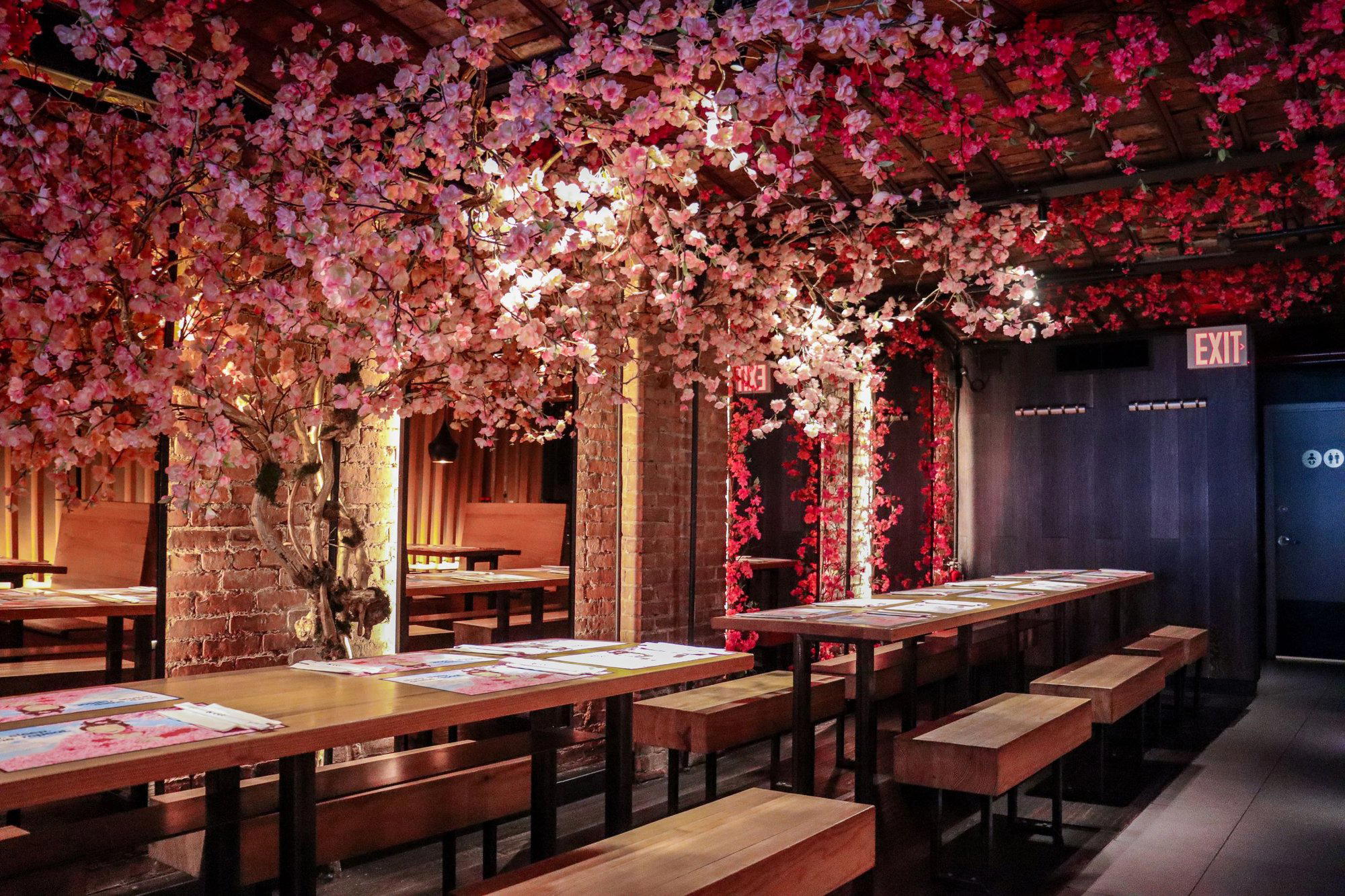
Flatiron's Noodle-Bar Tier: Where Wagamama Sits
Fifth Avenue in the Flatiron district occupies an interesting middle band in New York's dining spectrum. Within a few blocks, you have the kind of prix-fixe rooms where a single dinner can exceed what most diners spend on food in a week, and then you have the casual, counter-style operations that draw on imported formats: the ramen shop, the rice-bowl canteen, the communal noodle bar. Wagamama belongs firmly to that second category. The British-Japanese chain plants its Flatiron outpost at 210 Fifth Avenue, close to the corner of West 26th Street, in territory where the lunch crowd skews toward tech workers and gallery visitors rather than expense-account diners.
The gap between this price tier and the city's higher-end Asian dining rooms is significant. Restaurants like Atomix, Jungsik New York, and Masa occupy a bracket defined by multi-course precision, allocation-style booking, and per-head spends that routinely clear several hundred dollars. Wagamama operates at the other end of the spectrum entirely, which is not a criticism so much as a positioning note: the two tiers serve entirely different reader decisions.
The Japanese Canteen Tradition Behind the Format
To understand what Wagamama is doing, it helps to understand the Japanese eating culture it draws from. The izakaya and the ramen-ya have long operated on principles of informality, speed, and communal seating. In Japan, the idea that a serious bowl of noodles requires a booking, a dress code, or a three-hour commitment would strike most diners as absurd. Wagamama's founders, when they opened the original Bloomsbury location in London in 1992, were explicitly borrowing from that tradition, adapting the ramen-ya's democratic energy for a Western urban audience.
That cultural context matters when you sit down at one of the long communal tables here. The format is not incidental. The shared tables, the open kitchen visible from the dining room, the menu that moves across Japanese, Korean, and broader pan-Asian reference points: all of it reflects a deliberate interpretation of how casual Asian dining operates at its most functional. New York, a city with a serious ramen culture in its own right, receives this format with a degree of informed familiarity.
Pan-Asian Breadth and What That Signals
The menu at Wagamama is broader than a purist ramen shop and narrower than a full pan-Asian restaurant. It sits in the middle ground that many mid-market Asian-influenced chains occupy: enough ramen to anchor the identity, supplemented by rice bowls, gyoza, bao, and dishes that nod toward Korean and Southeast Asian flavours without committing to any single culinary tradition. This breadth is a commercial decision as much as a culinary one, and it places Wagamama in a different competitive tier than the focused specialists. A dedicated tonkotsu shop in the East Village or a Korean-barbecue room in Koreatown is doing something more disciplined; Wagamama is doing something more accessible.
Wagamama is not in that conversation, nor is it trying to be. Understanding where a venue sits on that axis helps calibrate expectations before you arrive.
The Flatiron Location and Neighbourhood Logic
The 210 Fifth Avenue address puts Wagamama at the edge of Flatiron, a neighbourhood that has developed a diverse mid-market dining presence alongside its handful of destination restaurants. Madison Square Park is a short walk north, and the area draws significant foot traffic from the tech and media offices that have clustered around the district over the past decade. For visitors, the location is practical: the 23rd Street subway stop on the N/R and F/M lines is close, and the neighbourhood sits between Midtown's tourist density and the more residential feel of Greenwich Village to the south.
The Flatiron and NoMad area has seen enough restaurant openings in recent years to give diners real options at every price point.
Wagamama in a Wider American Context
Casual noodle-bar format that Wagamama represents has parallels across American cities. Restaurants like Lazy Bear in San Francisco, Alinea in Chicago, and The French Laundry in Napa occupy the tasting-menu extreme of the spectrum, where the format demands commitment and the price point is the point. Le Bernardin and Per Se represent that same apex tier within New York itself. Wagamama functions as a useful reference for what the accessible, chain-operated, mid-market end of the city's dining range looks like, and understanding the full spectrum requires knowing both poles.
Planning Your Visit
Wagamama at 210 Fifth Avenue is recommended for reservations, though walk-ins are welcome when space allows. The communal seating format and mid-market price point mean that queues can form at lunch and early evening on weekdays when the Flatiron office crowd is present. Arriving before noon or after 2 p.m. on weekdays, or avoiding peak weekend dinner hours, will generally reduce wait time. The address sits close enough to Madison Square Park to make it a reasonable stop before or after time in the area.
Budget and Context
Comparable venues nearby, for context on price, style, and recognition.
| Venue | Cuisine | Price | Notes |
|---|---|---|---|
| WagamamaThis venue — the venue you are viewing | Not listed | $$ | Not listed |
| Kura | Not listed | $$ | East Village, Traditional Japanese Omakase |
| Takahachi | East Village, Japanese Sushi | $$ | Not listed |
| Totto Ramen Midtown East | Not listed | $$ | East Midtown-Turtle Bay, Chicken Paitan Ramen |
| Kouzan | Not listed | $$ | Upper West Side (Central), Traditional Japanese Sushi |
| Tenjou | Not listed | $$ | Midtown South-Flatiron-Union Square, Modern Japanese Comfort Food |
Continue exploring
More in New York City
Restaurants in New York City
Browse all →
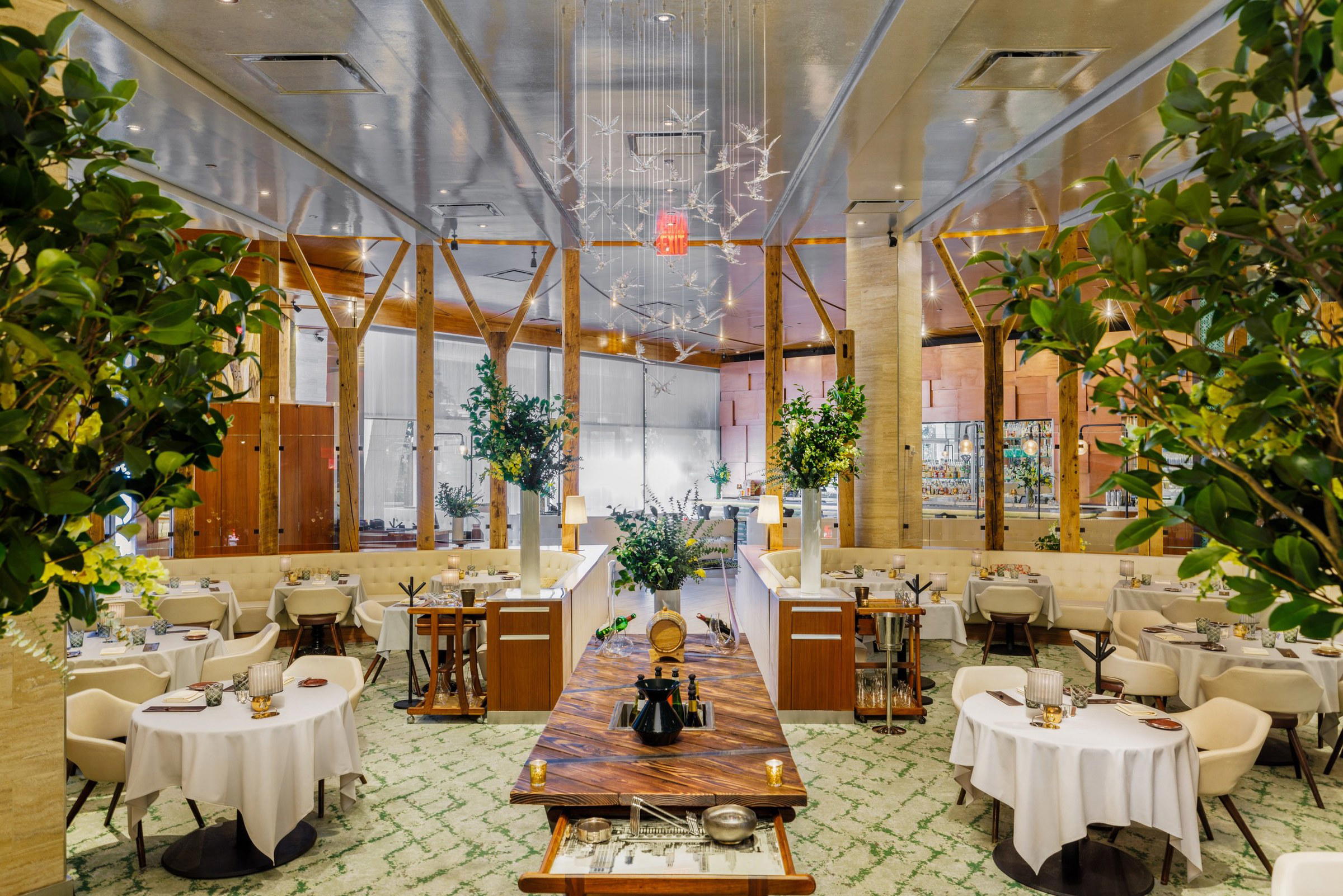
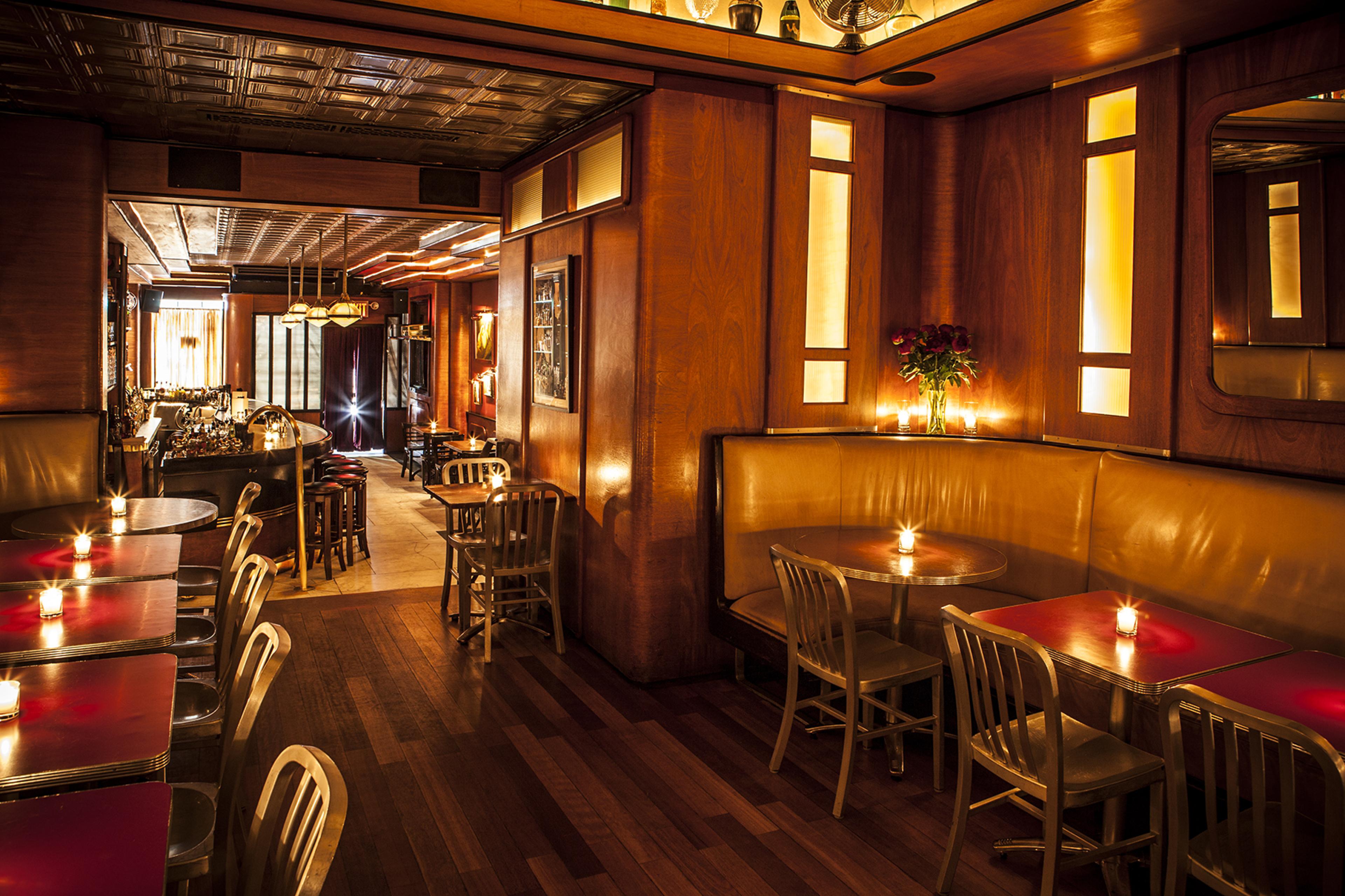
Bars in New York City
Browse all →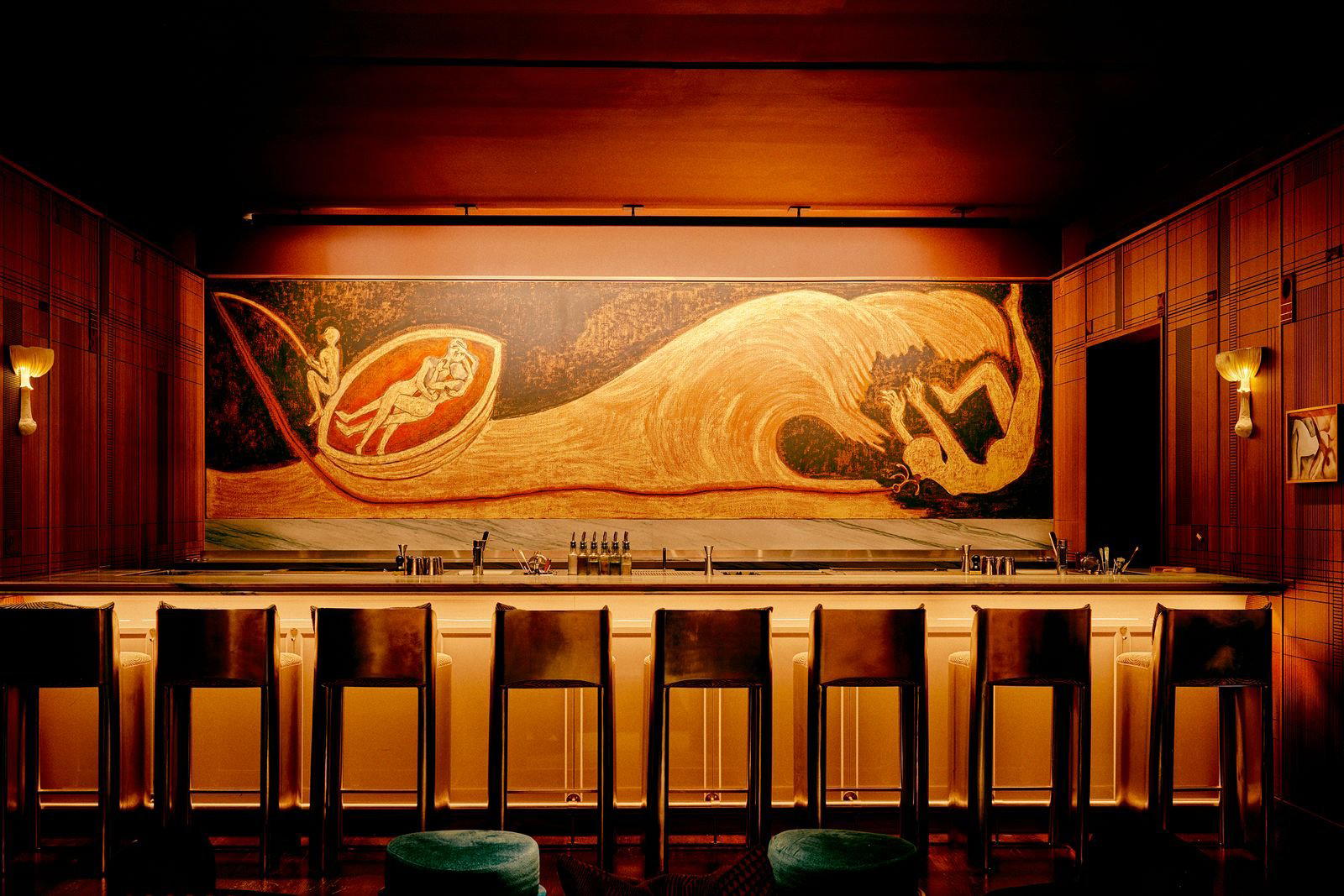
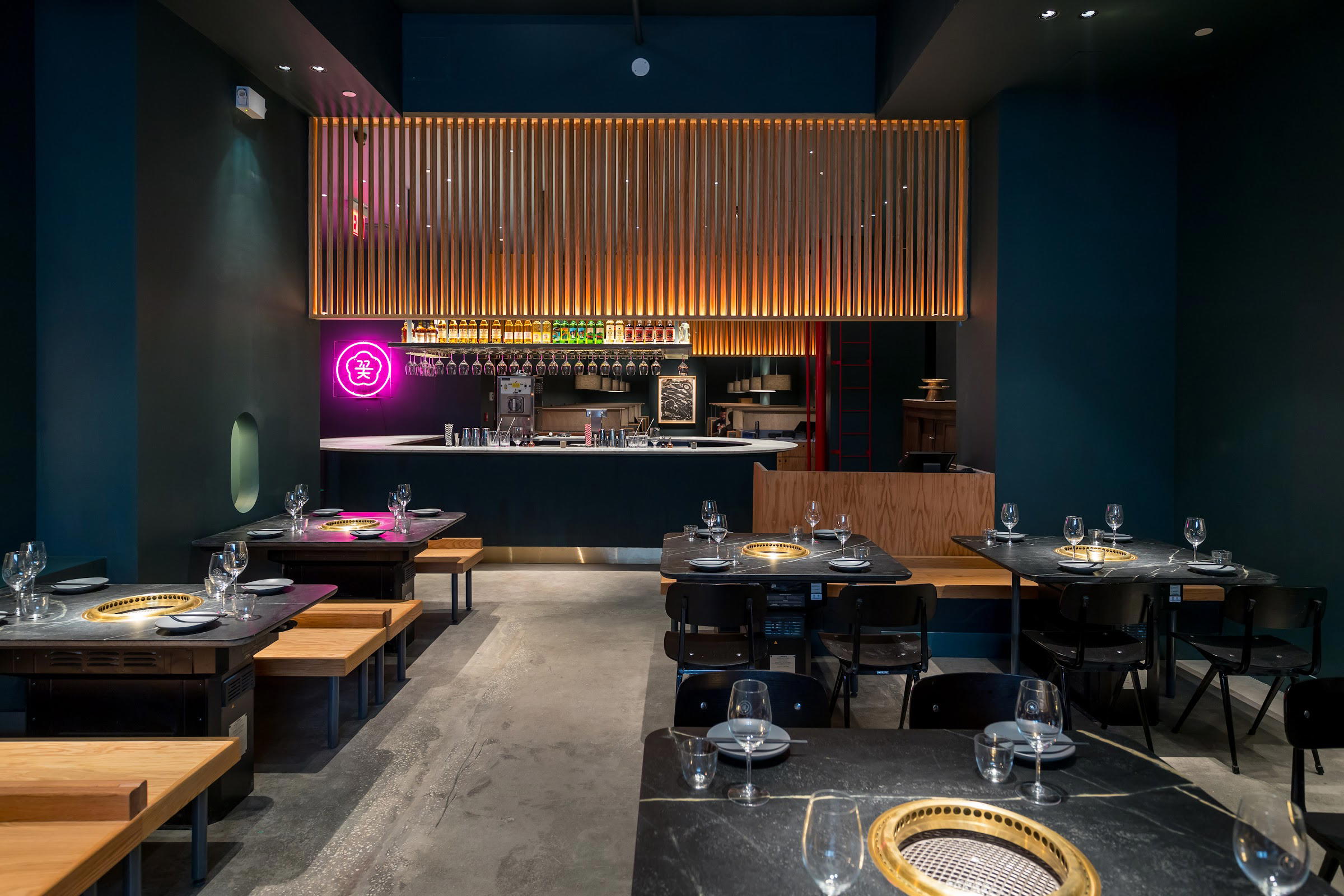

Hotels in New York City
Browse all →




At a Glance
- Modern
- Lively
- Elegant
- Trendy
- Casual Hangout
- Group Dining
- After Work
- Open Kitchen
- Craft Cocktails
Current opening hours
- Monday
- 11 AM–10 PM
- Tuesday
- 11 AM–10 PM
- Wednesday
- 11 AM–10 PM
- Thursday
- 11 AM–10 PM
- Friday
- 11 AM–11 PM
- Saturday
- 11 AM–11 PM
- Sunday
- 11 AM–10 PM
Hours can change for holidays and private events. Last verified .
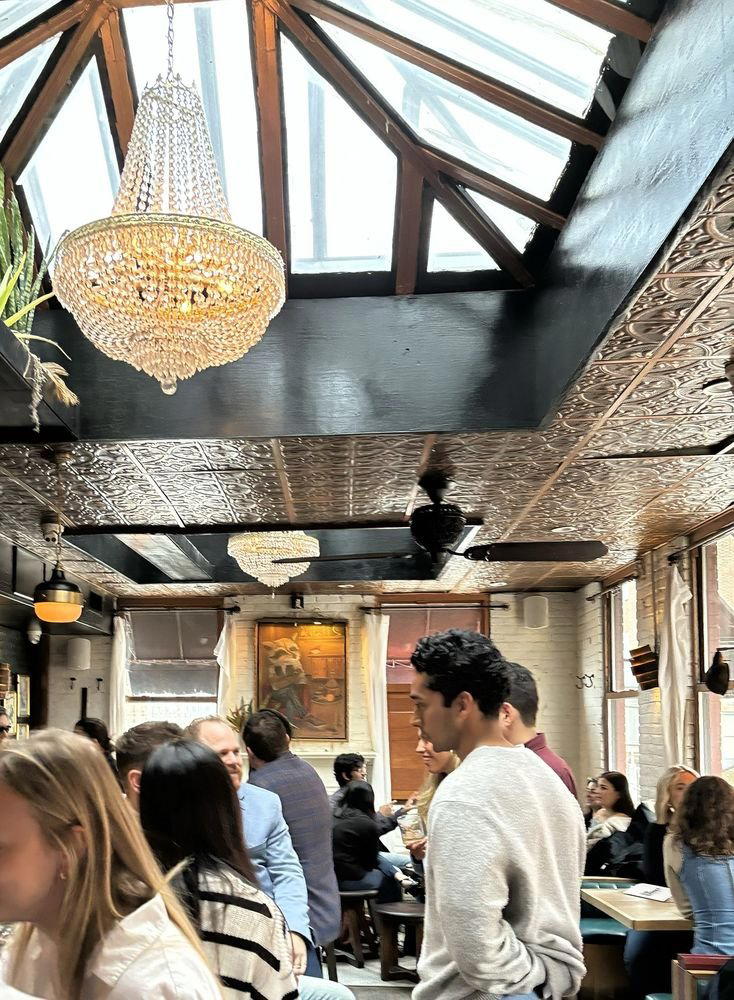
Elegant and sophisticated décor with a club-like, energetic environment that matches the fresh spin on pan-Asian cuisine.