IPPUDO NY
New York's ramen conversation runs from neighborhood bowls to nationally recognized chains, and Ippudo NY at 65 4th Ave sits at a specific point in that range: a Japanese export with Hakata-style credentials, operating in a city that has absorbed ramen as a serious dining category rather than a convenience food. The East Village location places it within walking distance of the blocks that first normalized Japanese ramen culture in Manhattan.
Pearl is the En Primeur Club membership app — saves, bookings, and concierge access live there. Same editors, same standards.
- Address
- 65 4th Ave, New York, NY 10003
- Phone
- +1 212 388 0088
- Website
- ippudous.com
- Directions
- Get directions
 Saves & bookings on Pearl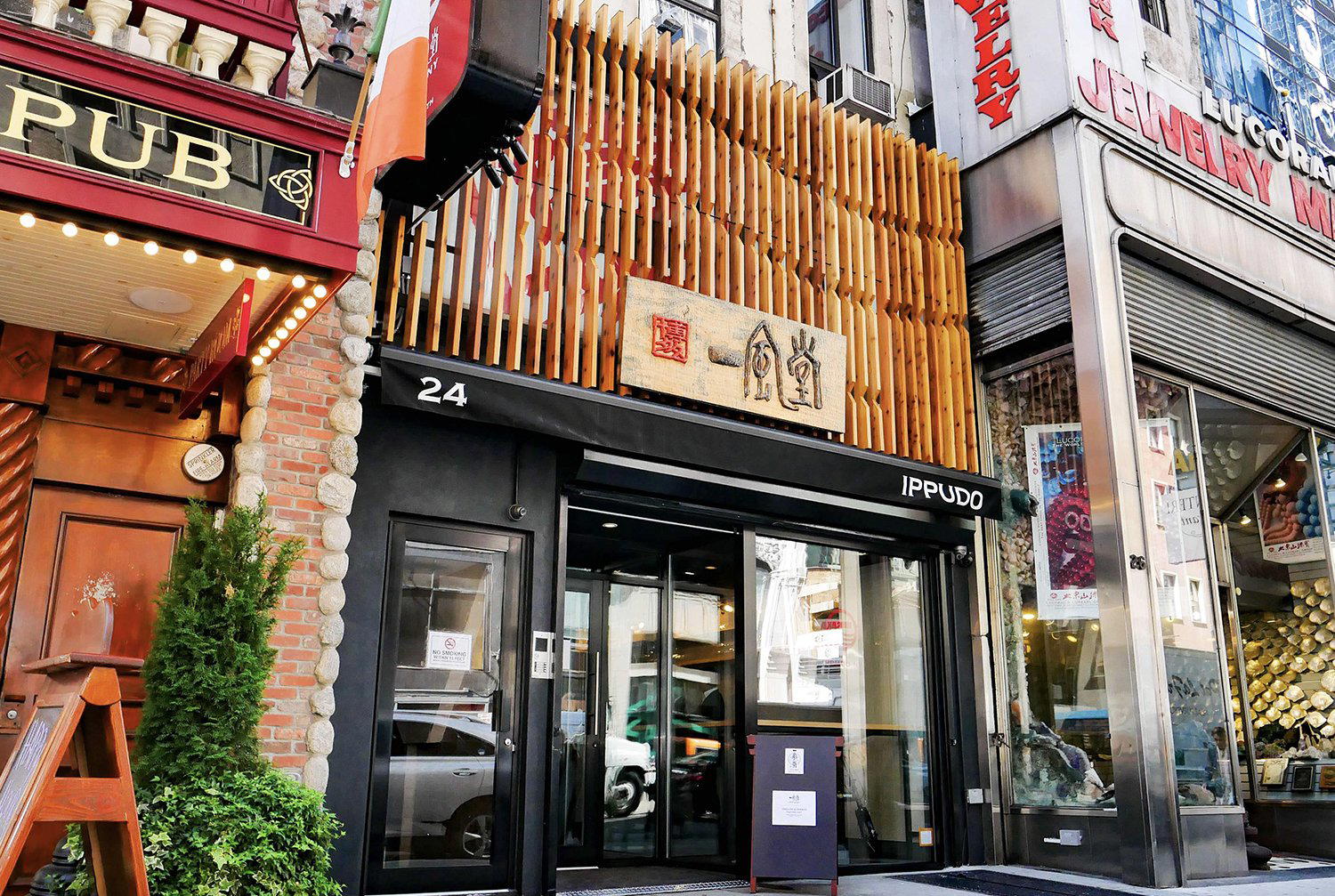
What the East Village Bowl Says About New York Ramen
Walk along 4th Avenue toward the East Village on any evening and the line outside Ippudo NY tells you something about how ramen arrived in Manhattan. This is not a neighborhood bowl-shop situation, where regulars duck in solo for a quick fix. The format here is louder, more social, and more deliberate, a dining experience transplanted from Fukuoka and recalibrated for a city that had little frame of reference for Hakata-style tonkotsu when Ippudo first planted a flag in New York. That context matters when assessing what the restaurant represents in the broader American ramen story.
Ramen in New York now occupies a tier structure similar to what happened to sushi in the 1990s and 2000s: a gradual segmentation from novelty import to stratified local category, with serious practitioners at the high end and fast-casual operations below. Ippudo sits in the middle-upper band of that structure, positioned by brand lineage and Hakata origin rather than by the artisanal-local credentials that newer independents use to differentiate. It is a different competitive logic from the single-location ramen shops that have opened in Brooklyn and Queens, and understanding that distinction is the starting point for knowing when to choose it over alternatives.
Hakata Technique in a Manhattan Setting
The editorial angle on Ippudo NY is less about the specific bowls and more about what Hakata tonkotsu represents as a technique brought to a market that initially knew it only as a rough approximation. Hakata-style ramen is defined by its pork-bone broth, cooked at a sustained high heat to produce an opaque, collagen-dense liquid quite different from the clearer broths of other Japanese ramen traditions. That technique is not native to New York ingredients, but it is built on a framework that can incorporate local sourcing decisions without compromising the style's structural logic, the kind of method-first, ingredient-second thinking that appears across other imported culinary traditions that have taken root here.
New York has been absorbing international culinary techniques through a similar mechanism for decades. The city's restaurant scene, which spans everything from the French-trained precision of Le Bernardin to the Korean modernist rigor at Atomix, operates as a kind of live laboratory for techniques that originate elsewhere and adapt through a combination of ingredient access, chef migration, and diner expectation. Ramen follows that same arc. The Hakata method that Ippudo represents was not invented for New York, but it has been running in New York long enough that it now has its own local context, regulars who understand what they are ordering, and a dining public that can distinguish it from the instant-noodle associations that preceded it.
Where It Sits in the New York Japanese Dining Map
New York's Japanese dining tier runs from casual to extreme-premium, with Ippudo occupying the accessible end of the credentialed range. At the other extreme, counters like Masa represent omakase dining at a price point and reservation depth that operates in a different universe. The comparison is not to diminish Ippudo but to clarify what kind of visit it enables: a reliably calibrated bowl from a brand with Fukuoka roots, accessible in price, high in throughput, and consistent in a way that independent ramen shops, which depend on a single chef's daily decisions, sometimes are not.
That reliability is itself a data point. In a city where the fine dining tier at venues like Eleven Madison Park or Per Se requires months of planning and multi-hundred-dollar commitments, Ippudo offers a different kind of value proposition: Hakata technique, reasonable accessibility, and a dining room energy that suits groups, solo diners, and the after-work crowd without requiring the ceremonial commitment of New York's upper tier. It fills a gap in the Japanese dining spectrum that the omakase category cannot serve.
For a broader view of where Ippudo sits among New York's wider dining options,
The East Village Location as Context
The address at 65 4th Ave places Ippudo in the East Village, the neighborhood that served as the entry point for much of New York's Japanese food culture in the 2000s. The East Village had Japanese restaurants before Ippudo, but the arrival of a major Fukuoka-origin brand in that neighborhood was part of a broader moment when the area shifted from a curiosity zone for Japanese expats to a destination for the wider New York dining public. The neighborhood now supports a range of Japanese formats, izakaya, sushi, udon, which means Ippudo competes not just with other ramen shops but with the full breadth of Japanese dining options within a short radius.
That competitive density is, in one sense, a form of validation: you do not build a sustained customer base in a neighborhood saturated with Japanese alternatives without producing something that holds up to direct comparison. The queue that forms most evenings is partly a function of the brand, but it is also a function of what the neighborhood expects from a ramen shop operating at this price point.
Planning Your Visit
Ippudo NY is walk-in friendly rather than a standard advance-booking restaurant. Walk-in queuing during peak hours is the standard approach, and the waits on weekends and Friday evenings are longer than midweek. Arriving before the dinner rush, closer to opening than to 7 or 8pm, reduces wait time substantially.
For those building a broader American dining itinerary, ramen culture appears in different forms across the country's major cities. The farm-driven tasting format at Blue Hill at Stone Barns in Tarrytown, the technique-led precision of The French Laundry in Napa, and the ingredient-forward approach at Single Thread Farm in Healdsburg each demonstrate how imported culinary logic adapts to local agricultural context, which is the same structural tension that Hakata ramen negotiates in Manhattan. Other reference points in the broader American fine dining conversation include Lazy Bear in San Francisco, Smyth in Chicago, Providence in Los Angeles, Addison in San Diego, Emeril's in New Orleans, The Inn at Little Washington, and Frasca Food & Wine in Boulder. For European parallels on the imported-technique question, Atelier Moessmer Norbert Niederkofler in Brunico and Dal Pescatore in Runate offer a useful counterpoint in how regional culinary identity withstands external influence.
Accolades, Compared
Comparable venues nearby, for context on price, style, and recognition.
| Venue | Cuisine | Price | Notes |
|---|---|---|---|
| IPPUDO NYThis venue — the venue you are viewing | Hakata-Style Tonkotsu Ramen | $$ | Not listed |
| Next Door by Wegmans | Contemporary Japanese Sushi & Robata | $$ | Greenwich Village |
| Fuji Hibachi - Times Square | Hibachi Japanese Grill | $$ | Hell's Kitchen |
| Nami Nori Williamsburg | Modern Japanese Temaki Bar | $$ | Williamsburg |
| Chuko | Brooklyn Craft Ramen | $$ | Clinton Hill |
| Ramen DANBO Park Slope | Fukuoka-Style Tonkotsu Ramen | $$ | Park Slope |
Continue exploring
More in New York City
Restaurants in New York City
Browse all →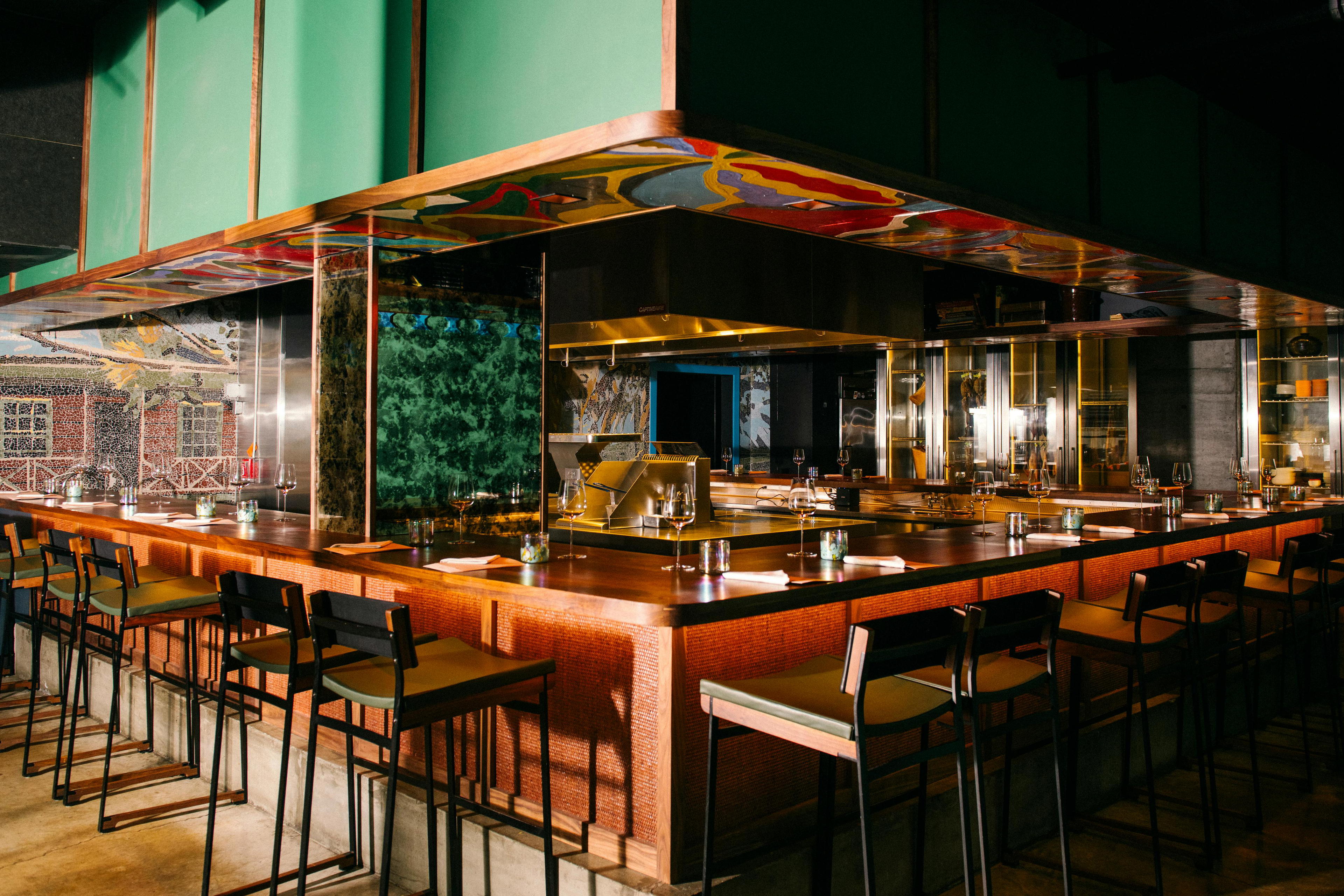
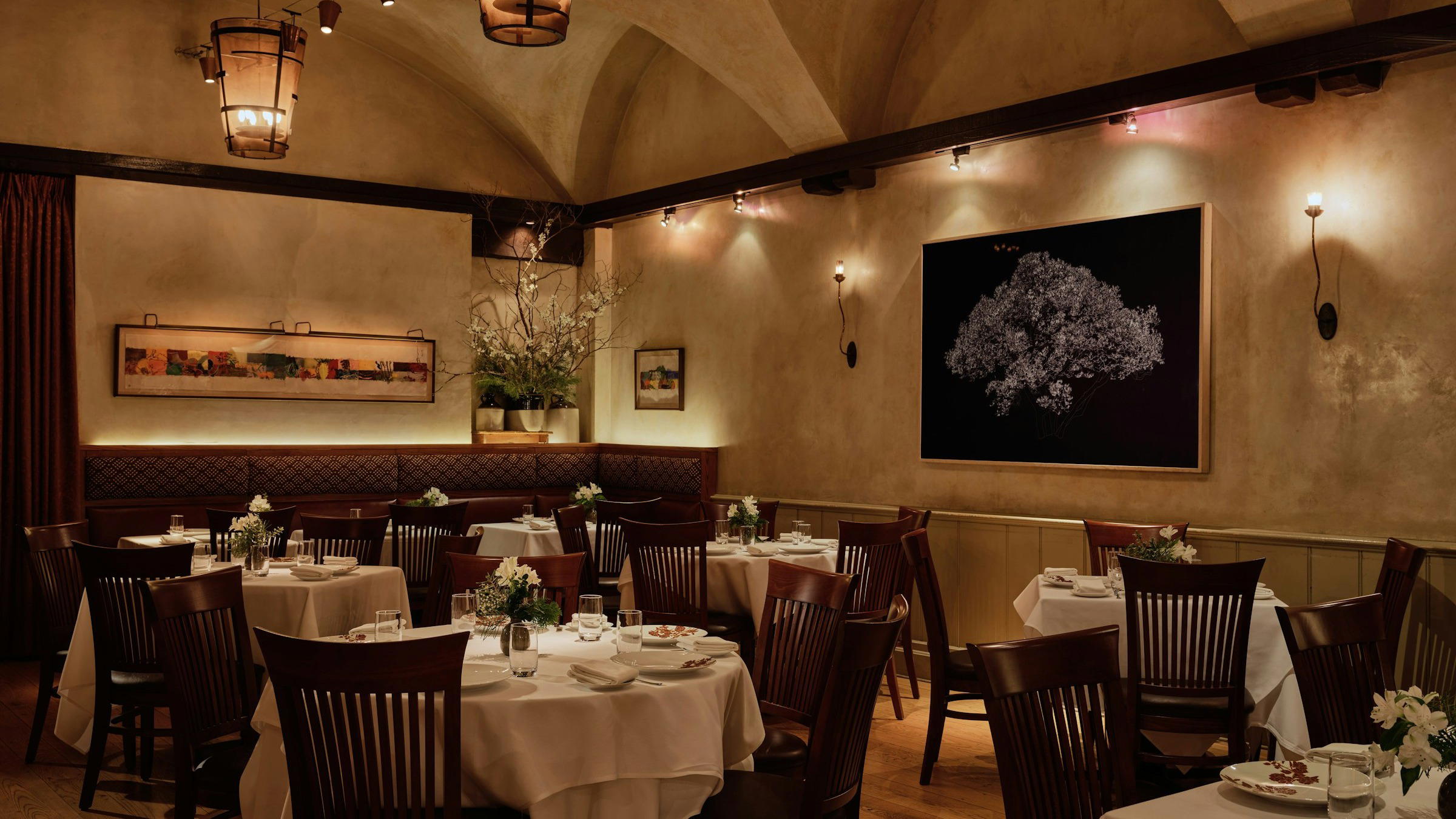
Bars in New York City
Browse all →

Hotels in New York City
Browse all →






At a Glance
- Lively
- Cozy
- Trendy
- Energetic
- Casual Hangout
- Late Night
- After Work
- Open Kitchen
- Sake Program
Current opening hours
- Monday
- 11:30 AM–10:30 PM
- Tuesday
- 11:30 AM–10:30 PM
- Wednesday
- 11:30 AM–10:30 PM
- Thursday
- 11:30 AM–10:30 PM
- Friday
- 11:30 AM–11:30 PM
- Saturday
- 11 AM–11:30 PM
- Sunday
- 11 AM–10:30 PM
Hours can change for holidays and private events. Last verified .
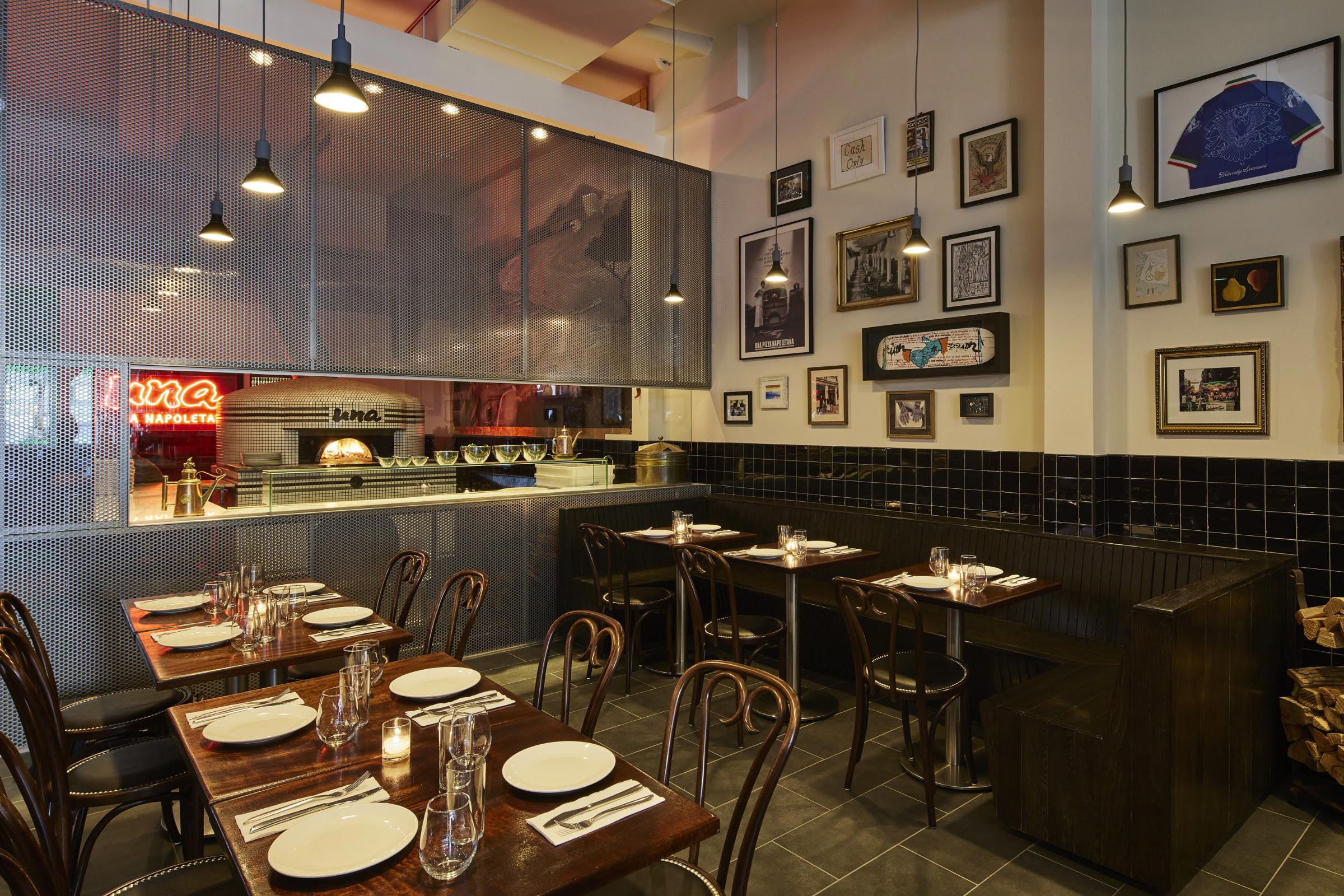
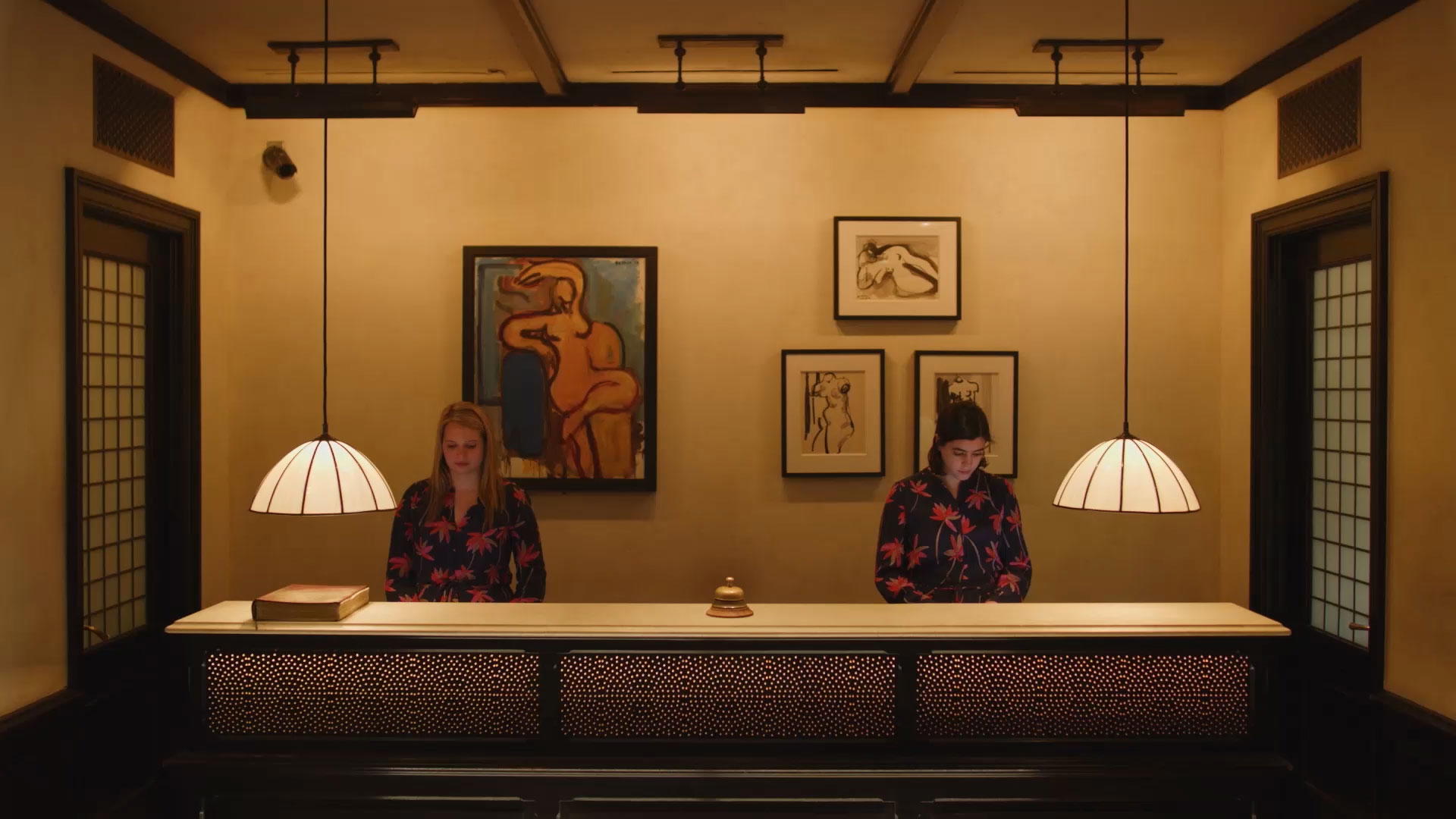
Cozy and inviting with warm lighting, open kitchen energy, and lively theater district vibe.