Tabelog 100 #67
Our verdict
A Tabelog Award winner every year since 2017 and a consistent entry in the Tabelog Tonkatsu 100, Manger operates from a 12-seat counter in Yao, on the southeastern edge of Osaka's metropolitan sprawl. Chef Kunio Sakamoto has held this format since 1996, running lunch and dinner on a walk-in, same-day-reservation basis at a price point that sits well below most award-level tonkatsu in Japan.

Pearl is the En Primeur Club membership app, where members save venues, book tables and use the concierge.
A Counter in Yao, and What It Says About Osaka's Tonkatsu Scene
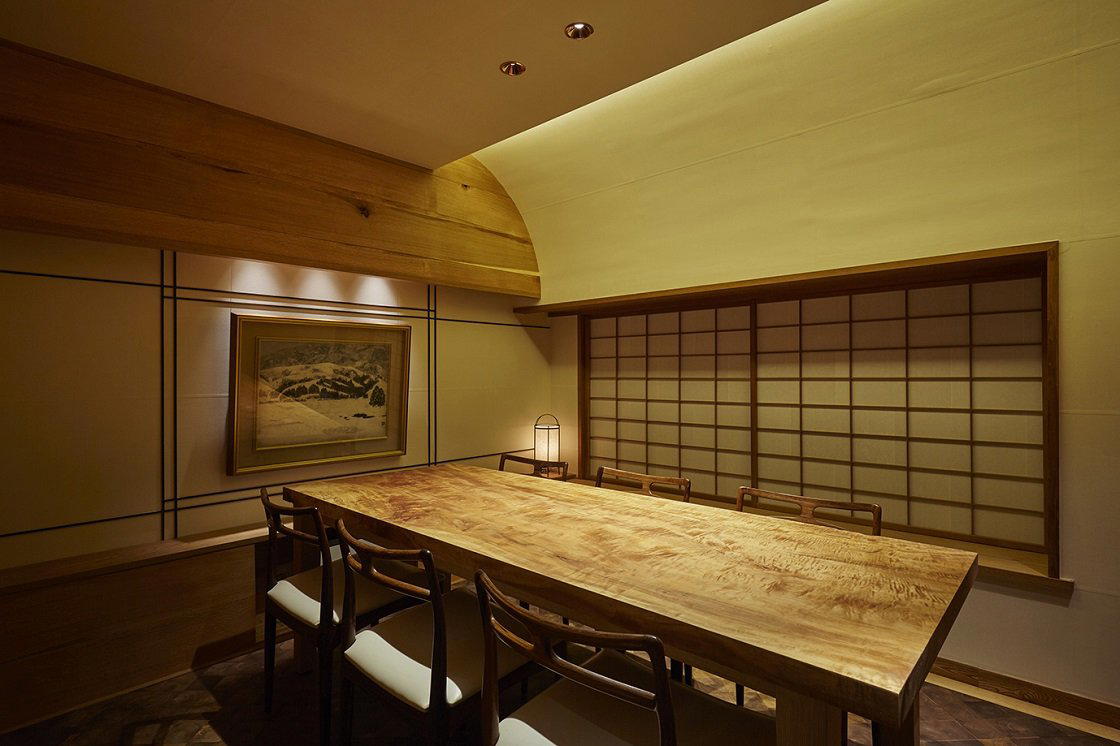
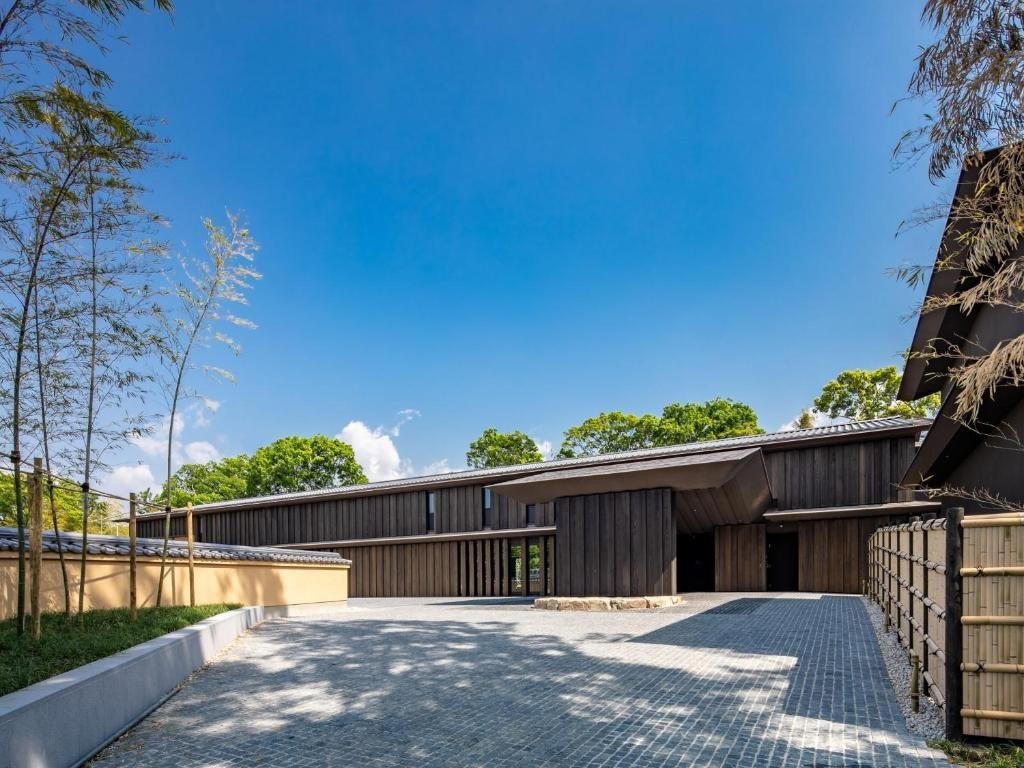
The suburban address does most of the filtering for you. Manger sits in Yao, a residential city on the southeastern edge of Osaka Prefecture, a five-minute walk from the North Exit of Yao Station on the JR Kansai Main Line (Yamatoji Line). There is no central Osaka postcode to signal prestige, no tasting-menu format to justify a reservation months in advance. What greets you instead is a 12-seat counter in a space described as stylish but undemonstrative, oriented entirely around the frying of pork. That deliberate narrowness is, in the context of Japan's specialist dining culture, a statement of confidence rather than limitation.
Osaka's tonkatsu scene divides into two broad tiers. The first clusters around central districts and leans on the city's food-tourism traffic; the second operates at a remove from that circuit, sustained by local regulars who treat the dining room as a neighborhood resource rather than a destination. Manger has accumulated enough national recognition to sit awkwardly between those tiers, pulling visitors from across Japan while maintaining the operational rhythms of the second. Lunch concludes once 60 covers are served; dinner closes at 40. Both sessions open from 8:30 AM daily on a same-day basis only, no advance reservations taken. The structure rewards early planning on the day of your visit rather than weeks ahead.
The Award Record and What It Signals
Japan's Tabelog platform functions as the country's most granular public record of restaurant quality, drawing on a large reviewer base weighted toward frequent diners. A Tabelog Silver award, which Manger held consecutively from 2020 through 2023, places a restaurant in roughly the leading one percent of reviewed establishments in its category. The slide to Bronze from 2024 onward reflects normal score fluctuation within a competitive and well-reviewed category rather than a decline in standing; a 4.23 score as of the 2026 cycle and a current Opinionated About Dining ranking of 39 in Casual Japan (2025, down from 21 in 2023) confirm that the kitchen remains in strong form by any national measure. The restaurant also carries consecutive Tabelog Tonkatsu 100 selections dating back to 2017, a category-specific list that identifies the hundred most compelling tonkatsu counters operating anywhere in Japan in a given year. Appearing on that list for eight consecutive cycles, across format and price tiers that span Tokyo's high-end pork specialists down to regional neighborhood counters, positions Manger in a small cohort of operations that have sustained quality over time rather than peaking and receding.
For comparison within Osaka's broader premium dining ecosystem, the city also holds three-Michelin-starred French operations like HAJIME (French, Innovative) and La Cime (French) at the ¥¥¥¥ tier. Manger occupies entirely different territory: a specialist format at accessible price points with a sustained peer-ranked record that is harder to build than a single-year award.
Technique, Format, and the Logic of Specialization
The editorial angle worth pursuing at Manger is not one venue's story but a broader question about what specialization produces over time. Japan's leading tonkatsu counters have, over several decades, applied the same rigor to pork cutlets that kaiseki culture applies to seasonal Japanese cuisine: sourcing attention at the raw material level, precision at the frying stage, and a service format narrow enough to maintain consistency. This is the intersection of imported culinary discipline, in this case the European-origin pork cutlet adapted into Japanese kitchen culture in the Meiji era, and a distinctly Japanese approach to craft mastery that treats repetition and refinement as virtues rather than limitations.
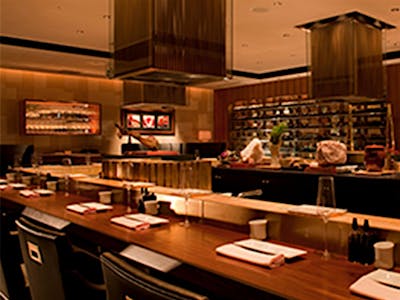
The counter format at Manger, 12 seats only, reinforces that logic. At that scale, there is no back-of-house shortcut that the service format can absorb; each piece of pork travels a short distance from the kitchen to the diner. The drinks list, which includes sake, shochu, and wine selected with stated care, suggests that the experience is framed as a proper meal rather than a quick lunch stop. Takeout is available for those who prefer to eat elsewhere, though the counter format is clearly the intended context.
Among Osaka's tonkatsu specialists with a comparable award footprint, Tonkatsu Fujii and Tonkatsu KATSU Hana operate in the same category and are worth considering as part of a focused Osaka tonkatsu itinerary. At the more formal kaiseki end of Osaka's Japanese dining spectrum, Kyomachibori Nakamura represents a different price tier and tradition entirely. For those building a wider Kansai circuit, Gion Sasaki in Kyoto and akordu in Nara offer contrasting approaches to regional Japanese cooking within a day's travel. Tonkatsu as a category also has strong Tokyo representatives worth benchmarking: Butagumi and Fry-ya are both in the same award tier and operate in distinct ways from a Yao counter. Further afield, Harutaka in Tokyo, Goh in Fukuoka, 1000 in Yokohama, and 6 in Okinawa each represent specialist counter dining in their respective cities.
Getting There and Making It Work
The logistics here are genuinely part of the visit's character. Yao is not on most visitors' standard Osaka itinerary; reaching it requires the JR Kansai Main Line from Tennoji or Osaka Station to Yao Station, a journey of around 20 minutes from central Osaka. From the station's North Exit, the restaurant is a five-minute walk through a shopping street. Nine parking spaces are available for those arriving by car, a practical detail that reflects the suburban location and local-regular clientele. The restaurant has been in operation since July 10, 1996, meaning the current format has been tested and refined over nearly three decades under Chef Kunio Sakamoto.
The same-day reservation system functions as follows: reservations open at 8:30 AM each day for both lunch (11:00 AM to 2:00 PM, up to 60 covers) and dinner (5:00 PM to 8:30 PM, up to 40 covers). Service ends when capacity is reached, not at a fixed closing time. Major credit cards are accepted (VISA, Mastercard, JCB, AMEX, Diners), as is PayPay QR payment; electronic money is not accepted. A service charge applies. The restaurant is non-smoking throughout. Children are welcome, and the occasion data flags it as suited to family visits and groups of friends. Private rooms are not available, nor is the venue available for exclusive hire.
For those building a full Osaka trip, see our full Osaka restaurants guide, our full Osaka hotels guide, our full Osaka bars guide, our full Osaka wineries guide, and our full Osaka experiences guide.
Know Before You Go
- Address: 2 Chome-3-22 Yokoen, Yao, Osaka 581-0086, Japan
- Getting there: 5-minute walk from the North Exit of Yao Station, JR Kansai Main Line (Yamatoji Line)
- Hours: Wednesday to Sunday, 11:00 AM to 2:00 PM and 5:00 PM to 8:30 PM; closed Monday and Tuesday
- Reservations: Same-day only; reservations open at 8:30 AM daily
- Capacity limits: Lunch closes at 60 covers; dinner closes at 40 covers
- Seats: 12 counter seats only; no private rooms
- Price range: JPY 2,000–2,999 (listed); JPY 4,000–5,999 per person based on reviewer spending
- Payment: VISA, Mastercard, JCB, AMEX, Diners, PayPay; no electronic money; service charge applies
- Parking: 9 spaces available on-site
- Takeout: Available
- Smoking: Non-smoking throughout
- Phone: +81-72-996-0175
- Website: tonkatsumanger.com
- Open since: July 10, 1996
Frequently asked questions
Where exactly is Manger?
Manger is located at 2 Chome-3-22 Yokoen, Yao, Osaka 581-0086, Japan, Osaka.
Which chef is Manger associated with?
The chef associated with Manger is Kunio Sakamoto.
What do people recommend at Manger?
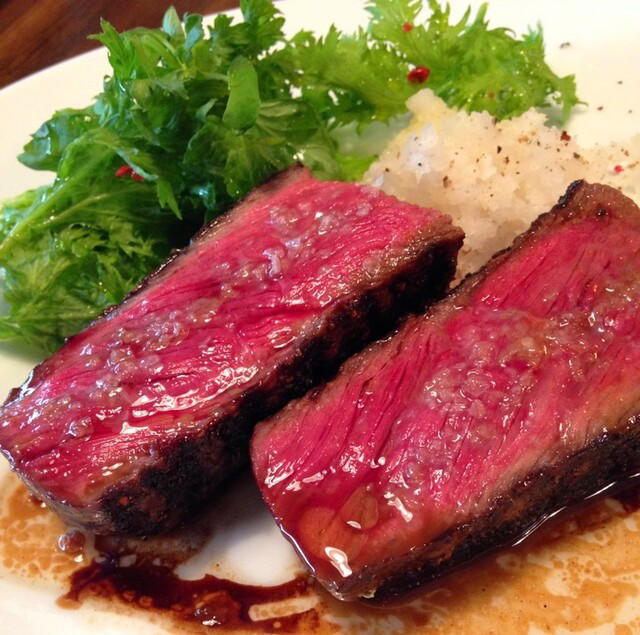
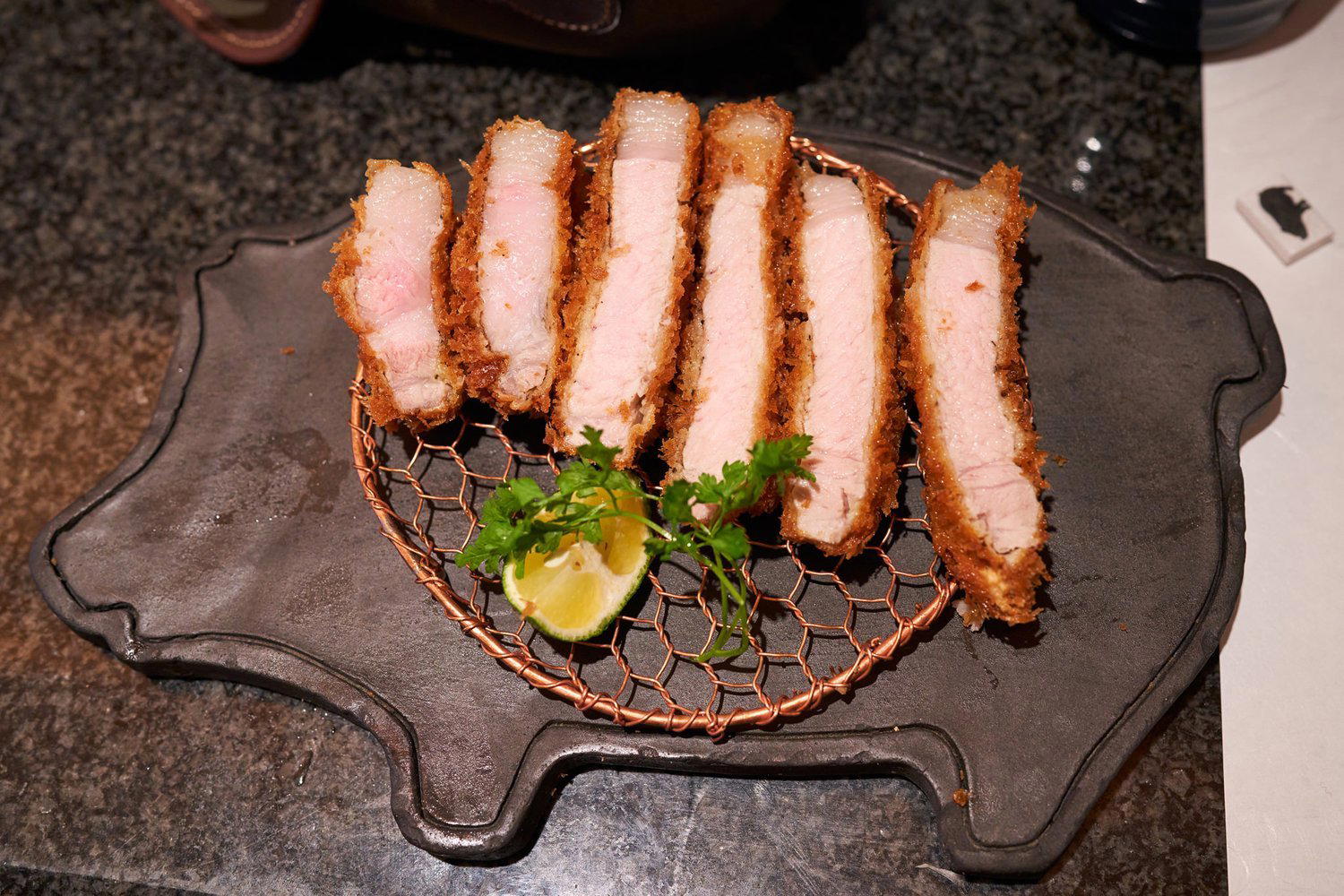
The menu centres on tonkatsu, Japanese-style breaded pork cutlet, served at a 12-seat counter where the kitchen's output stays narrow and consistent. Tabelog reviewers place actual spend at JPY 4,000–5,999 per person at dinner, above the listed price bracket, which suggests most visitors order more than the base course. The counter-only format and same-day reservation policy mean the experience is shaped around a single, focused meal rather than a wide-ranging menu.
What should I expect cuisine-wise at Manger?
What are the opening hours for Manger?
Hours at Manger: Hours: Monday Closed Tuesday Closed Wednesday 11 am–2 pm, 5–8 pm Thursday 11 am–2 pm, 5–8 pm Friday 11 am–2 pm, 5–8 pm Saturday 11 am–2 pm, 5–8 pm Sunday 11 am–2 pm, 5–8 pm.
Is Manger award-winning?
Manger has received recognition including:
What makes Manger worth seeking out?
The award record is the clearest argument: Manger has held a Tabelog Award every year since 2017 and has been selected for the Tabelog Tonkatsu 100 list in 2017, 2018, 2019, 2021, 2022, and 2024, placing it consistently among Japan's top-ranked tonkatsu specialists. Opinionated About Dining ranked it #21 in its Casual Japan list in 2023, rising from #34 in 2024 to #39 in 2025. The restaurant opened in July 1996, giving it nearly three decades of single-category focus in a residential Yao neighbourhood that draws visitors specifically for this counter.
A Pricing-First Comparison
Comparable venues nearby, for context on price, style, and recognition.
| Venue | Cuisine | Price | Awards | Notes |
|---|---|---|---|---|
| MangerThis venue (the venue you are viewing) | Premium Tonkatsu | $30–50 | Tabelog 100 #67 | Not listed |
| Momen | Kappo | $100–150 | Tabelog Bronze #289 | Chūō, Kappo |
| Hachi | Binchōtan-Grilled Wagyu Omakase | $150–200 | Michelin Plate | Kita, Binchōtan-Grilled Wagyu Omakase |
| Kitashinchi Shien | Premium Yakitori Omakase | $50–100 | Michelin Plate | Kita, Premium Yakitori Omakase |
| Kushikatsu Daibon | Modern Kushikatsu | $100–150 | Michelin Plate · Tabelog Bronze #51 | Kita, Modern Kushikatsu |
| Sumibiyakitori Ikoka | Charcoal-Grilled Yakitori Omakase | $50–100 | Michelin Bib Gourmand · Tabelog 100 #49 | Chūō, Charcoal-Grilled Yakitori Omakase |
Recognition history
Dated appearances from independent guides and award organizations, with the underlying list record or original source where available.
Opinionated About Dining Casual in Japan Ranked #44
Opinionated About Dining
Tabelog 100 #67 · No. 67
Tabelog · Tabelog 100 - Tonkatsu - 2026
Full recognition history (7 entries)
Tabelog Bronze #253
Tabelog
Opinionated About Dining Casual in Japan Ranked #39
Opinionated About Dining
Tabelog Bronze
Tabelog
Opinionated About Dining Casual in Japan Ranked #34
Opinionated About Dining
Opinionated About Dining Casual in Japan Ranked #21
Opinionated About Dining