Our verdict
Nara's Quiet Dining Register Nara occupies a distinct position in Japan's premium dining geography. It is close enough to Kyoto and Osaka to draw comparison, yet its dining culture operates on a different register, quieter, more rooted in the city's identity as Japan's ancient capital, less driven by the kind of concentrated Michelin foot traffic that defines Kyoto's Gion corridor or Osaka's Kitashinchi district. Restaurants here tend to reflect that cadence. The address for 滴翠 (Tekisui), 高畑町1184-1, a neighbourhood southeast of Nara Park where traditional machiya townhouses sit beside moss-covered stone walls, is consistent with that character. This is not the tourist-facing core of the city; it is the kind of address that requires intention. The Cultural Weight of Yamato Cuisine To understand where 滴翠 sits, it helps to understand what Nara means to Japanese culinary history. The Yamato region, the old name for what is now Nara Prefecture, is among the oldest continuously settled areas in Japan, and its food culture reflects centuries of Buddhist temple cuisine, ceremonial court dining, and proximity to the first permanent imperial capital. Kaiseki, as a form, traces its structural logic partly through this lineage: small, sequential courses that follow seasonal produce, restrained in seasoning, legible in their debt to the land and season. That tradition finds its most concentrated expression in venues positioned in neighborhoods like Takabatake, where 滴翠's address places it. For comparison, the kaiseki tradition running through venues like Gion Sasaki in Kyoto draws from a parallel but distinct lineage, more urban, more influenced by Gion's entertainment district history. Nara's version is quieter and, if anything, older in its reference points. Across Japan's premium dining tier, the question of how a venue interprets regional identity has become increasingly central. HAJIME in Osaka uses French technique to reframe Kansai produce. akordu in Nara applies European structure to local ingredients. 滴翠, based on its address and name, which translates roughly as "dripping emerald" or "jade dew," evoking water, moss, and the garden aesthetic so central to Nara's visual identity, appears to operate in a different register: one oriented toward a more classical Japanese mode. The name alone signals an aesthetic alignment with the wabi-influenced sensibility that Nara's cultural heritage demands. Takabatake-cho: The Neighbourhood as Context The Takabatake district, where 滴翠's address falls, is one of Nara's most historically intact residential areas. It borders the forested hills of Kasugayama and sits adjacent to the deer-roamed park corridor that connects the city's major shrines and temples. Foot traffic here is low by Nara's already-modest tourist standards; the area is known among Japanese visitors rather than international tour groups. Restaurants that operate in this part of the city, rather than the Sanjo-dori or Higashimuki shopping districts, are typically oriented toward local clientele or destination diners who have specifically sought them out. That self-selection shapes the dining room atmosphere significantly: the room tends to be quieter, the pace slower, the assumption of engagement with the cuisine higher. Nearby, 奈良・春日奥山月日亭 operates in a similarly removed setting, drawing on the forest and mountain backdrop of the Kasuga Grand Shrine approach. The pattern of placing premium Japanese dining rooms at a deliberate remove from city center density is not unique to Nara, 旭山乃 in Sapporo and 琵琶湖萬 in Takashima both follow a similar logic, but in Nara it carries particular resonance, given the city's foundational relationship between built environment and natural landscape. Seasonal Orientation and the Yamato Table Japanese haute cuisine at this level is built on an assumption that the season is the menu's primary author. In Nara, that means ingredients specific to the Yamato region: persimmons from Gojo, tea from Yamato Wase, mountain vegetables from the Yoshino area, and the freshwater fish that have moved through the region's culinary history for centuries. Venues in this tier construct their menus around what is arriving, not what is on rotation year-round. For diners accustomed to the kaiseki format at venues like Goh in Fukuoka, the underlying structure will be familiar, a progression from lighter to richer courses, from raw to cooked, with rice arriving near the end, but the ingredient vocabulary in Nara is distinctly its own. This seasonal orientation also means that the dining experience shifts substantially across the calendar. Spring brings bamboo shoots and young greens from the hills above Yoshino. Autumn is the season most associated with Nara's visual identity, the red-gold of the deer park's maples, persimmon harvest, matsutake from the cedar forests, and typically considered the most expressive moment for this style of cuisine. Diners planning specifically to engage with the Yamato seasonal table should account for this when timing a visit. Planning a Visit The 高畑町 address puts 滴翠 roughly a fifteen-to-twenty minute walk southeast from Kintetsu Nara Station, or a short taxi ride from either the Kintetsu or JR Nara stations. The neighbourhood has no direct bus connection from the main tourist circuit, which reinforces its character as a destination rather than a stop on a broader itinerary. Given the address category and the format implied by the name and location, booking through a hotel concierge or a Japanese-language reservation service is likely the most reliable approach, as venues at this level in Nara do not always maintain English-language booking infrastructure. Visitors coming from Osaka or Kyoto should factor in Nara's compressed scale: this is a city where a full dining visit can be structured around a broader cultural itinerary, including Kasuga Taisha or Tōdai-ji, without requiring an overnight stay, though an overnight visit allows for a more unhurried engagement with the neighbourhood itself. For those building a broader Kansai dining itinerary, Harutaka in Tokyo and Atomix in New York City represent the international tier against which Japan's regional fine dining venues are often implicitly measured. Domestically, the comparison set for a Nara venue of this address and apparent orientation would include kaiseki rooms in Kyoto's quieter districts and the smaller premium dining rooms in regional cities like Kanazawa. For further context on dining in this city, see our full 奈良市 restaurants guide, which maps the dining scene across price tiers and neighbourhoods. 麺屋 NOROMA represents the city's less formal but equally considered end of the dining spectrum. Frequently Asked Questions What should I order at 滴翠?Because the cuisine at this level of Japanese dining in Nara is almost certainly structured as a set course rather than an à la carte selection, the menu is not typically a matter of individual ordering. The kitchen determines the progression based on what is seasonal and available. If you have dietary restrictions or specific preferences, communicating them at the time of booking is the standard practice at kaiseki-format venues in the Yamato region, see references to similar formats at Gion Sasaki in Kyoto. The regional ingredients of Nara Prefecture, particularly mountain vegetables and local freshwater produce, are likely to be central to the menu.How far ahead should I plan for 滴翠?Nara's premium dining rooms, particularly those in residential districts rather than the tourist core, tend to operate with limited capacity and a local-leaning clientele. Reservation lead times at comparable venues in Nara and across Kansai's quieter dining addresses range from three weeks to three months. International visitors should add buffer time and consider booking via a concierge service or Japanese-language platform to avoid communication barriers. Autumn is the most competitive period given both the seasonal cuisine and the region's foliage tourism peak.What do critics highlight about 滴翠?The venue's address in Takabatake-cho, one of Nara's most historically considered neighbourhoods, and its name's aesthetic signals suggest positioning within the classical end of Yamato cuisine. For verified critical recognition at this level, akordu in Nara and venues in our 奈良市 restaurants guide carry documented recognition.Can 滴翠 handle vegetarian requests?Traditional kaiseki cuisine in Japan has complex relationships with vegetarian requirements: the Buddhist-rooted shojin ryori tradition is entirely plant-based, but standard kaiseki menus often include seafood and dashi derived from fish stock. At venues in the Nara region, where Buddhist culinary heritage is historically significant, there is sometimes greater fluency with plant-based substitutions.Is 滴翠 overpriced or worth every penny?As a reference point, kaiseki venues in comparable Kansai settings, residential, limited capacity, seasonally driven, typically range from ¥15,000 to ¥40,000 per person at dinner, with lunch formats available at lower price points at some addresses. At that range, the value question is less about price-to-portion and more about the coherence of the seasonal narrative and the quality of the service cadence. The Takabatake address suggests a venue oriented toward the serious end of that spectrum.What distinguishes 滴翠's location from other premium dining addresses in Nara?The 高畑町 address places 滴翠 at the eastern edge of the city, closer to the forest hills of Kasugayama than to Nara's main commercial corridors. This situates the venue within a historically intact residential zone that functions as a kind of buffer between the deer park's cultural monuments and the mountain landscape beyond. Among Nara's premium dining addresses, this location implies a particularly immersive relationship with the city's natural and architectural heritage, the aesthetic conditions that the venue's name explicitly references, and distinguishes it from venues positioned in or near the Sanjo-dori tourist spine.

Pearl is the En Primeur Club membership app, where members save venues, book tables and use the concierge.
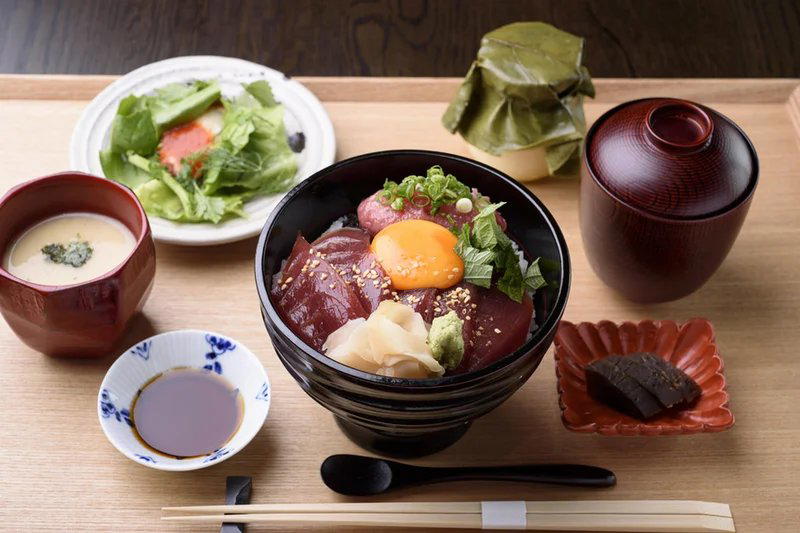
The menu
What to order
- Seasonal tempura
- Wagyu beef cutlet
- Aromatic curry
- Asuka-style smooth pudding
Nara's Quiet Dining Register
Nara occupies a distinct position in Japan's premium dining geography. It is close enough to Kyoto and Osaka to draw comparison, yet its dining culture operates on a different register, quieter, more rooted in the city's identity as Japan's ancient capital, less driven by the kind of concentrated Michelin foot traffic that defines Kyoto's Gion corridor or Osaka's Kitashinchi district. Restaurants here tend to reflect that cadence. The address for 滴翠 (Tekisui), 高畑町1184-1, a neighbourhood southeast of Nara Park where traditional machiya townhouses sit beside moss-covered stone walls, is consistent with that character. This is not the tourist-facing core of the city; it is the kind of address that requires intention.
The Cultural Weight of Yamato Cuisine
To understand where 滴翠 sits, it helps to understand what Nara means to Japanese culinary history. The Yamato region, the old name for what is now Nara Prefecture, is among the oldest continuously settled areas in Japan, and its food culture reflects centuries of Buddhist temple cuisine, ceremonial court dining, and proximity to the first permanent imperial capital. Kaiseki, as a form, traces its structural logic partly through this lineage: small, sequential courses that follow seasonal produce, restrained in seasoning, legible in their debt to the land and season. That tradition finds its most concentrated expression in venues positioned in neighborhoods like Takabatake, where 滴翠's address places it. For comparison, the kaiseki tradition running through venues like Gion Sasaki in Kyoto draws from a parallel but distinct lineage, more urban, more influenced by Gion's entertainment district history. Nara's version is quieter and, if anything, older in its reference points.
Across Japan's premium dining tier, the question of how a venue interprets regional identity has become increasingly central. HAJIME in Osaka uses French technique to reframe Kansai produce. akordu in Nara applies European structure to local ingredients. 滴翠, based on its address and name, which translates roughly as "dripping emerald" or "jade dew," evoking water, moss, and the garden aesthetic so central to Nara's visual identity, appears to operate in a different register: one oriented toward a more classical Japanese mode. The name alone signals an aesthetic alignment with the wabi-influenced sensibility that Nara's cultural heritage demands.
Takabatake-cho: The Neighbourhood as Context
The Takabatake district, where 滴翠's address falls, is one of Nara's most historically intact residential areas. It borders the forested hills of Kasugayama and sits adjacent to the deer-roamed park corridor that connects the city's major shrines and temples. Foot traffic here is low by Nara's already-modest tourist standards; the area is known among Japanese visitors rather than international tour groups. Restaurants that operate in this part of the city, rather than the Sanjo-dori or Higashimuki shopping districts, are typically oriented toward local clientele or destination diners who have specifically sought them out. That self-selection shapes the dining room atmosphere significantly: the room tends to be quieter, the pace slower, the assumption of engagement with the cuisine higher.
Nearby, 奈良・春日奥山月日亭 operates in a similarly removed setting, drawing on the forest and mountain backdrop of the Kasuga Grand Shrine approach. The pattern of placing premium Japanese dining rooms at a deliberate remove from city center density is not unique to Nara, 旭山乃 in Sapporo and 琵琶湖萬 in Takashima both follow a similar logic, but in Nara it carries particular resonance, given the city's foundational relationship between built environment and natural landscape.
Seasonal Orientation and the Yamato Table
Japanese haute cuisine at this level is built on an assumption that the season is the menu's primary author. In Nara, that means ingredients specific to the Yamato region: persimmons from Gojo, tea from Yamato Wase, mountain vegetables from the Yoshino area, and the freshwater fish that have moved through the region's culinary history for centuries. Venues in this tier construct their menus around what is arriving, not what is on rotation year-round. For diners accustomed to the kaiseki format at venues like Goh in Fukuoka, the underlying structure will be familiar, a progression from lighter to richer courses, from raw to cooked, with rice arriving near the end, but the ingredient vocabulary in Nara is distinctly its own.
This seasonal orientation also means that the dining experience shifts substantially across the calendar. Spring brings bamboo shoots and young greens from the hills above Yoshino. Autumn is the season most associated with Nara's visual identity, the red-gold of the deer park's maples, persimmon harvest, matsutake from the cedar forests, and typically considered the most expressive moment for this style of cuisine. Diners planning specifically to engage with the Yamato seasonal table should account for this when timing a visit.
Planning a Visit
The 高畑町 address puts 滴翠 roughly a fifteen-to-twenty minute walk southeast from Kintetsu Nara Station, or a short taxi ride from either the Kintetsu or JR Nara stations. The neighbourhood has no direct bus connection from the main tourist circuit, which reinforces its character as a destination rather than a stop on a broader itinerary. Given the address category and the format implied by the name and location, booking through a hotel concierge or a Japanese-language reservation service is likely the most reliable approach, as venues at this level in Nara do not always maintain English-language booking infrastructure. Visitors coming from Osaka or Kyoto should factor in Nara's compressed scale: this is a city where a full dining visit can be structured around a broader cultural itinerary, including Kasuga Taisha or Tōdai-ji, without requiring an overnight stay, though an overnight visit allows for a more unhurried engagement with the neighbourhood itself.
For those building a broader Kansai dining itinerary, Harutaka in Tokyo and Atomix in New York City represent the international tier against which Japan's regional fine dining venues are often implicitly measured. Domestically, the comparison set for a Nara venue of this address and apparent orientation would include kaiseki rooms in Kyoto's quieter districts and the smaller premium dining rooms in regional cities like Kanazawa. For further context on dining in this city, see our full 奈良市 restaurants guide, which maps the dining scene across price tiers and neighbourhoods. 麺屋 NOROMA represents the city's less formal but equally considered end of the dining spectrum.
Frequently asked questions
Where do I go for 滴翠?
滴翠 is located at 高畑町1184-1, 奈良市, 奈良県, 630-8301, 奈良市.
What makes 滴翠 different from kaiseki restaurants in nearby Kyoto or Osaka?
滴翠 operates from Takabatake-cho in 奈良市, a neighbourhood that borders Kasugayama's forested hills and remains one of the most historically intact residential areas in the city, a setting that shapes the register of the meal before a dish arrives. Nara's identity as the Yamato region, Japan's earliest capital, gives its cuisine a historical claim that Kyoto and Osaka cannot replicate: ingredients, techniques, and seasonal references here trace to a culinary lineage predating the better-known centres. The absence of Nara from international dining itineraries is less a reflection of quality than of the city's resistance to the tourism-facing infrastructure that puts Kyoto restaurants on global radar.
What should I order at 滴翠?
The format at this level of Yamato kaiseki is set-course only: the kitchen determines what you eat based on seasonal availability, not the reverse. Nara's agricultural calendar, wild mountain vegetables in spring, river fish through summer, Yamato beef and persimmons in autumn, drives the sequencing. There is no à la carte selection to navigate.
How far ahead should I plan for 滴翠?
Reservation windows at serious kaiseki counters in Japan's secondary cities often extend one to two months, and Nara's limited supply of this category of restaurant concentrates demand further. Given that 滴翠 sits in Takabatake-cho, a residential district with no walk-in dining culture, arriving without a confirmed booking is not realistic. Contact well in advance, and if the venue has a Japanese-language preference for reservations, arrange assistance accordingly.
What do critics highlight about 滴翠?
No specific critical reviews or award citations are documented in the available record for 滴翠. What the address and neighbourhood context suggest is a restaurant operating within Nara's quietly serious dining register, closer in spirit to Kyoto's residential kaiseki tradition than to the visibility-driven Osaka scene. Nara venues at this level tend to attract attention through word-of-mouth among Japan's domestic dining circuit rather than international press cycles.
Can 滴翠 handle vegetarian requests?
Traditional Yamato kaiseki draws heavily on dashi, fish-based stocks, as its foundational flavour architecture, which means strict vegetarian or vegan requests require direct communication with the kitchen well before arrival. Flag dietary requirements at the time of reservation.
Is 滴翠 overpriced or worth every penny?
As a benchmark, comparable Nara kaiseki experiences typically run ¥15,000–¥30,000 per person at dinner, positioning them below Kyoto's top-tier but in the same qualitative register. The Takabatake-cho location, set away from tourist infrastructure, suggests a restaurant pricing to a local and domestic-visitor clientele rather than to international hotel-dining expectations.
Pricing, Compared
| Venue | Cuisine | Price | Awards | Notes |
|---|---|---|---|---|
| 滴翠This venue (the venue you are viewing) | Nara-style Japanese Kaiseki and Teppanyaki | Not listed | Not listed | Not listed |
| HAJIME | Avant-Garde Japanese Fine Dining | $300–500 | 3 Michelin Stars · World's 50 Best #83 | French, Innovative |
| Harutaka | Edo-Style Omakase Sushi | $200–300 | 3 Michelin Stars · World's 50 Best #76 | Sushi |
| L'Effervescence | Modern French with Japanese Influences | $200–300 | 3 Michelin Stars · World's 50 Best #69 | French |
| RyuGin | Modern Kaiseki | $500+ | 3 Michelin Stars · World's 50 Best #41 | Kaiseki, Japanese |
| Crony | Modern French with Japanese Influences | $150–200 | 2 Michelin Stars · World's 50 Best #34 | Innovative, French |
Continue exploring
More in Nara
Restaurants in Nara
All restaurants in Nara →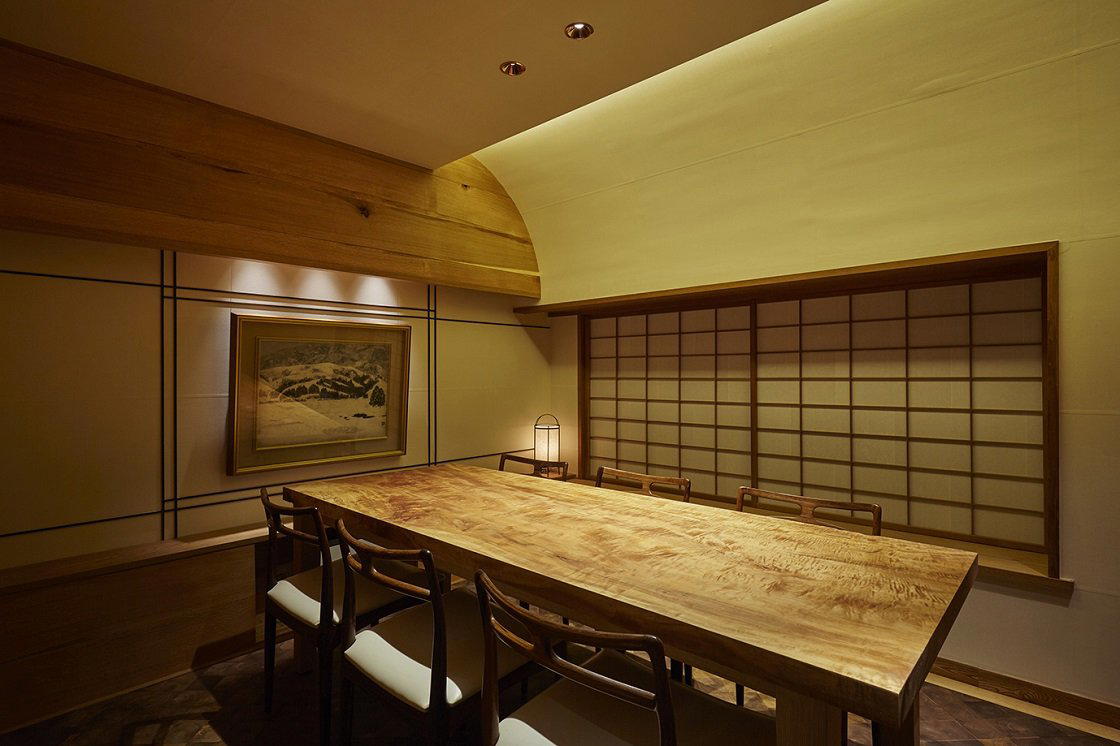


Bars in Nara
All bars in Nara →

Hotels in Nara
All hotels in Nara →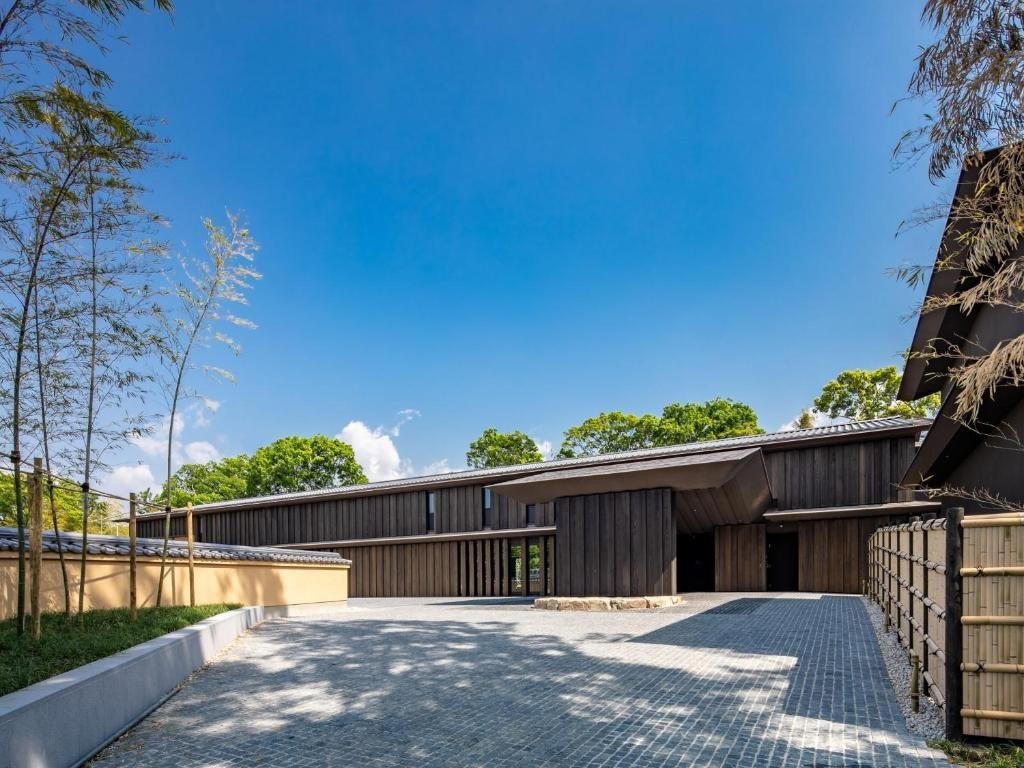


Wineries in Nara
Browse all →
Details
- Quiet
- Elegant
- Scenic
- Sophisticated
- Intimate
- Special Occasion
- Date Night
- Celebration
- Business Dinner
- Hotel Restaurant
- Garden
- Local Sourcing
- Garden
- Set Menu
- Tasting Menu
- Allergy Accommodating
Current opening hours
- Monday
- 11:30 AM–3:30 PM
- Tuesday
- 11:30 AM–3:30 PM
- Wednesday
- 11:30 AM–3:30 PM
- Thursday
- 11:30 AM–3:30 PM
- Friday
- 11:30 AM–3:30 PM
- Saturday
- 11:30 AM–3:30 PM
- Sunday
- 11:30 AM–3:30 PM
Hours can change for holidays and private events. Last verified .
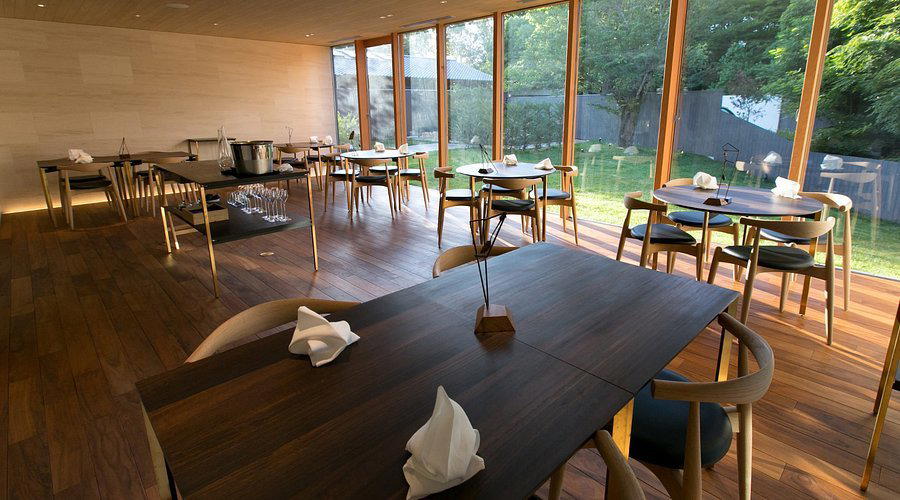
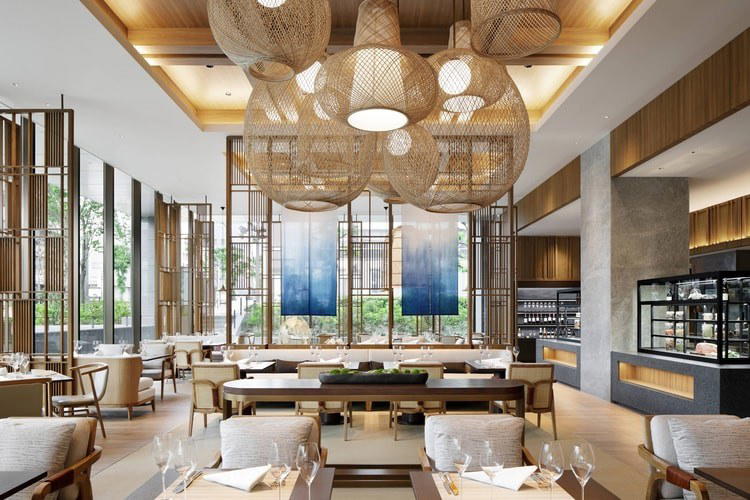
Tranquil and refined, with a relaxed atmosphere and a Japanese garden backdrop suited to leisurely hotel dining.