Teaism
A long-running tea house on R Street NW, Teaism occupies a particular niche in Washington's midday dining scene: casual, ingredient-focused, and rooted in pan-Asian tea culture at a moment when the city's restaurant conversation skews heavily toward tasting menus and cocktail-forward formats. It draws a steady neighborhood crowd without the booking friction of D.C.'s more decorated rooms.
Pearl is the En Primeur Club membership app — saves, bookings, and concierge access live there. Same editors, same standards.
- Address
- 2009 R St NW, Washington, DC 20009
- Phone
- +12026673827
- Website
- teaism.com
- Directions
- Get directions
 Saves & bookings on Pearl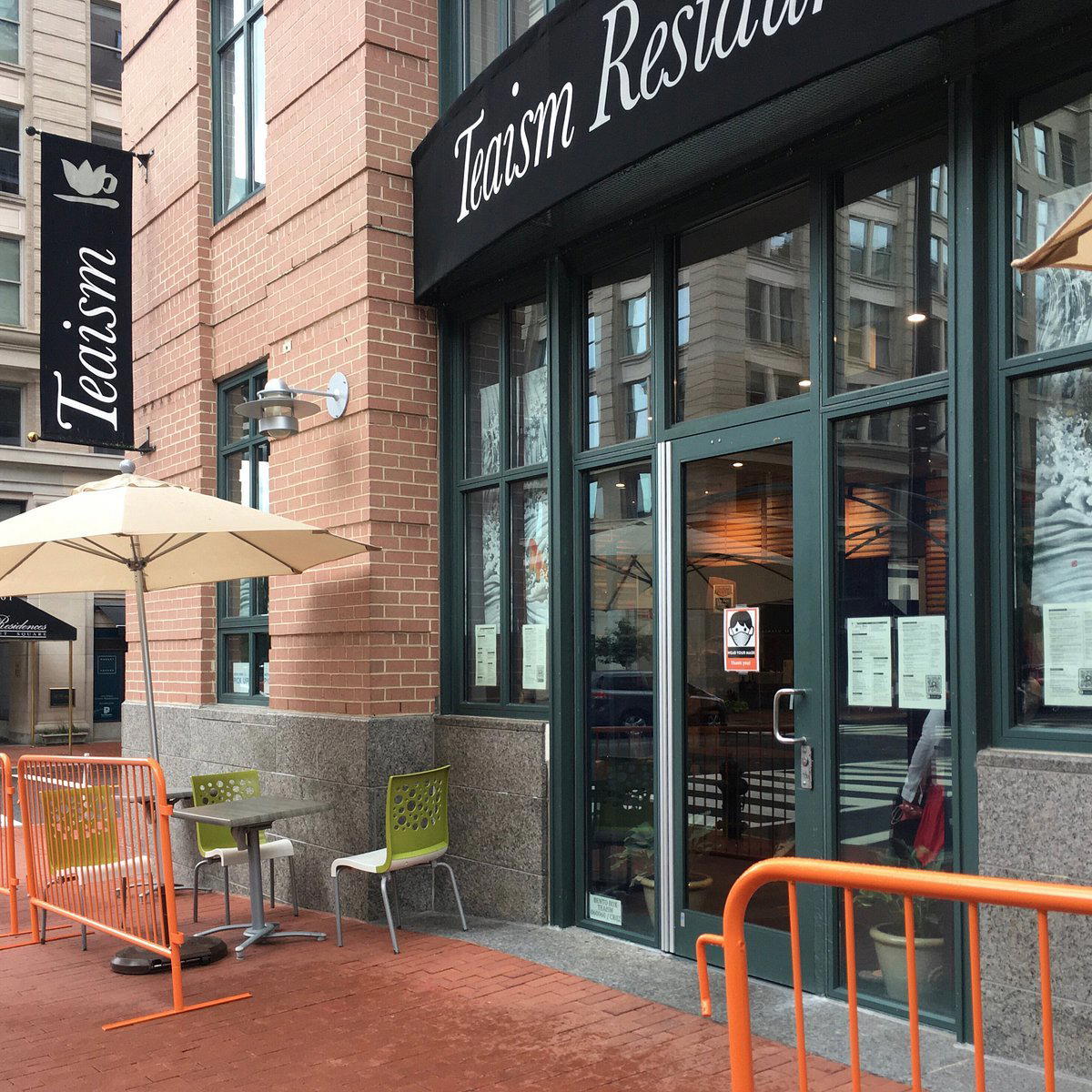
Where the City Slows Down: Tea Culture on R Street
Washington's dining conversation in the 2020s has tilted sharply toward the theatrical and the high-commitment: tasting menus at Jônt, molecular formats at minibar, and the elaborate sourcing narratives of places like Oyster Oyster. Teaism is a casual Pan-Asian Tea House in Washington, D.C. Against that backdrop, the tea house format occupies an entirely different register: unhurried, ingredient-driven in a quieter way, and built around a beverage tradition that predates the modern restaurant by centuries. Teaism, on R Street NW in the Dupont-adjacent stretch of the city, sits squarely in that counter-current.
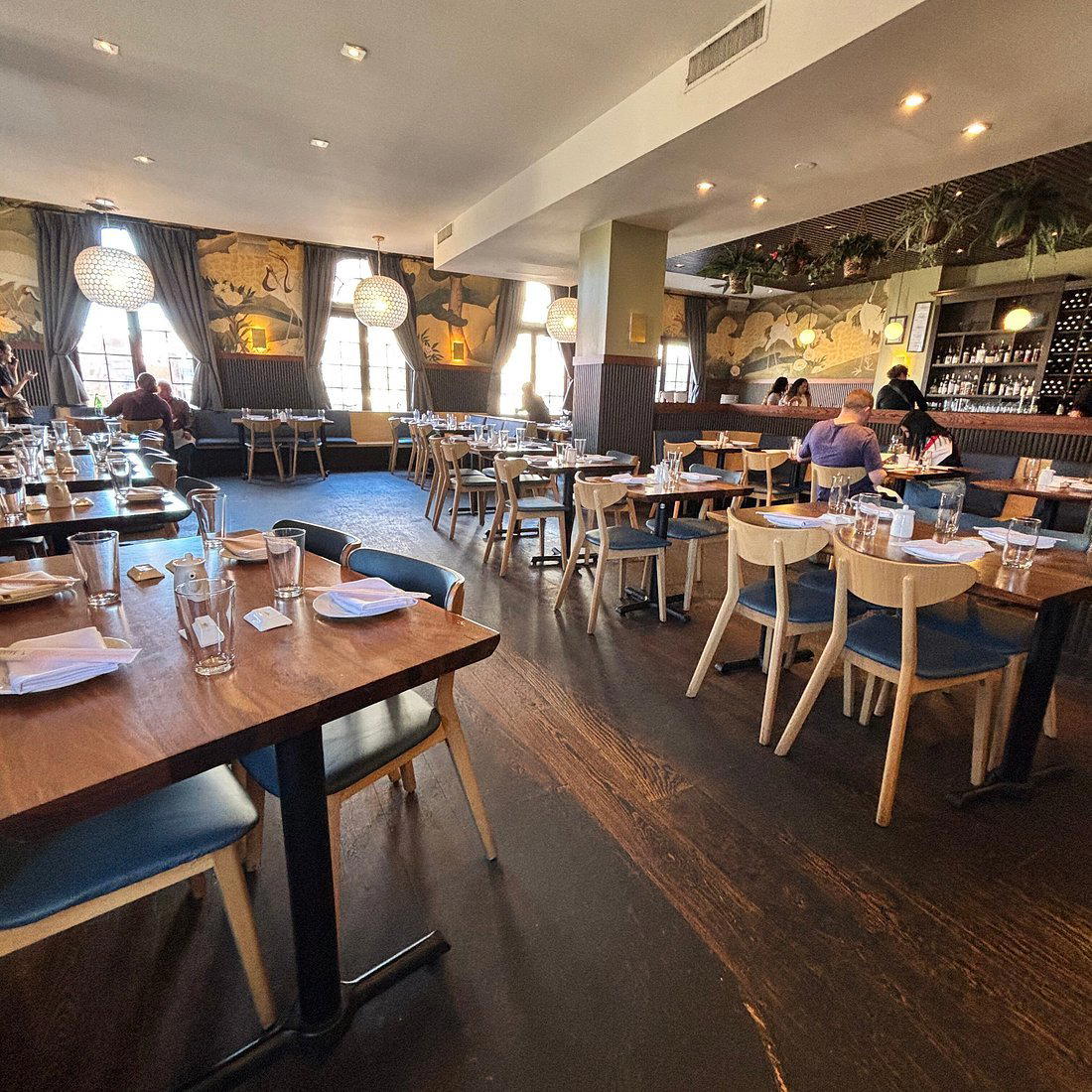
The address, 2009 R St NW, places it in a residential corridor where the pace is governed by dog walkers and weekend farmers market crowds rather than reservation clocks. Arriving here, you are already in a different tempo than the Penn Quarter or 14th Street corridors. The physical environment reads accordingly: low-key, without the architectural gestures that signal fine dining ambition. That restraint is the point.
The Sourcing Logic Behind Tea-Centered Dining
The tea house model, at its most considered, is fundamentally an ingredient-sourcing argument. Unlike wine-centric restaurants, where provenance is communicated through producers and vintages on a list, tea-centered dining asks the kitchen to build food around the same logic that governs the cup: origin, processing method, seasonal variation, and the sensory dialogue between leaf and accompaniment. American tea culture has historically collapsed this into commodity, the standard restaurant iced tea or the hotel lobby herbal bag, but the serious tea house format that took hold in several U.S. cities through the 1990s insisted on a different approach.
Teaism's format belongs to that tradition. The emphasis on sourcing tea by type, region, and preparation method rather than treating it as a beverage afterthought places it in a small peer group nationally. In the American context, that peer group is more comparable in spirit to Blue Hill at Stone Barns, where the sourcing philosophy generates the menu rather than decorating it, than to the city's more conventional dining options, even if the price points and formality levels differ entirely.
The food at tea houses operating in this tradition tends to follow the same logic: lighter preparations, often pan-Asian in influence, that don't compete with the tea for sensory dominance. The kitchen's job is to complement the cup, not overshadow it. In practice, that often means bento-format plates, rice-based dishes, and small savory items calibrated for midday rather than late-evening appetite. That format also functions as an implicit sourcing discipline: the ingredients need to hold up to scrutiny without elaborate technique as a mask.
D.C.'s Tea House Niche in Broader Context
Washington has accumulated a serious dining infrastructure over the past two decades, with Michelin recognition arriving and deepening across several cuisine categories. The city now supports tasting menus with Peruvian architecture at Causa, wood-fired Middle Eastern at Albi, and the full range of New American ambition. See our full Washington, D.C. restaurants guide for context on where those rooms sit relative to each other.
Within that infrastructure, the tea house occupies a structural gap. It does not compete with the tasting menu circuit or the cocktail-bar scene that has matured around venues like those on 14th Street. Its competition is more accurately the good neighborhood cafe, the Japanese import, or the lunch-only counter that serves a daytime crowd with different priorities than evening diners. Nationally, the tea house format has remained small and specialist: a handful of serious operations in major cities, but no chain expansion or investor-led scaling. That stasis is partly cultural, American dining capital has not followed tea with the same enthusiasm it has followed coffee, and partly structural, since the margin logic of tea service does not reward rapid scaling.
For comparison, rooms like Single Thread Farm in Healdsburg or The French Laundry operate at the opposite end of the commitment spectrum: multi-hour, reservation-heavy, agriculturally sourced in a fully documented way. The tea house argument is that ingredient integrity does not require that level of formality or spend to be genuine. That is a defensible editorial position, and in Teaism's case, the Dupont neighborhood location reinforces it, this is a room that functions as daily infrastructure for its surrounding blocks, not as a destination event.
Planning Your Visit
The table below situates Teaism against a selection of D.C. rooms across the key logistical variables that matter for midday dining decisions.
| Venue | Price Tier | Format | Advance Booking Needed | Cuisine Focus |
|---|---|---|---|---|
| Teaism (R St NW) | $ (estimated casual) | Tea house, all-day casual | Walk-in typical | Pan-Asian, tea-centered |
| Oyster Oyster | $$$ | Seated dinner, tasting | Advance booking required | New American, sustainable |
| Causa | $$$$ | Tasting menu | Weeks in advance | Peruvian |
| Albi | $$$$ | Seated dinner | Advance booking recommended | Middle Eastern |
| Jônt | $$$$ | Tasting menu, chef's counter | Months in advance | Modern French/Contemporary |
Teaism's walk-in character makes it a practical choice in D.C.'s current dining moment: a room you can decide to visit at noon without a calendar event.
Reputation Context
Comparable venues nearby, for context on price, style, and recognition.
| Venue | Cuisine | Price | Notes |
|---|---|---|---|
| TeaismThis venue — the venue you are viewing | Pan-Asian Tea House | $$ | Not listed |
| Brisa | Coastal Latin with Tulum-inspired vibes | Not listed | Buzzard Point |
| Purple Patch | Filipino American | $$ | Mount Pleasant |
| Mita | Michelin-starred Latin American vegetable tasting menu | $$$ | Shaw |
| Singing Tiger | Modern Pan-Asian with Karaoke | $$ | Brentwood Railyard |
| Fraiche | Upscale French-Cajun-Caribbean Fusion | $$$ | Columbia Heights |
Continue exploring
More in Washington DC
Restaurants in Washington DC
Browse all →
Bars in Washington DC
Browse all →
Hotels in Washington DC
Browse all →
At a Glance
- Cozy
- Modern
- Minimalist
- Casual Hangout
- Solo
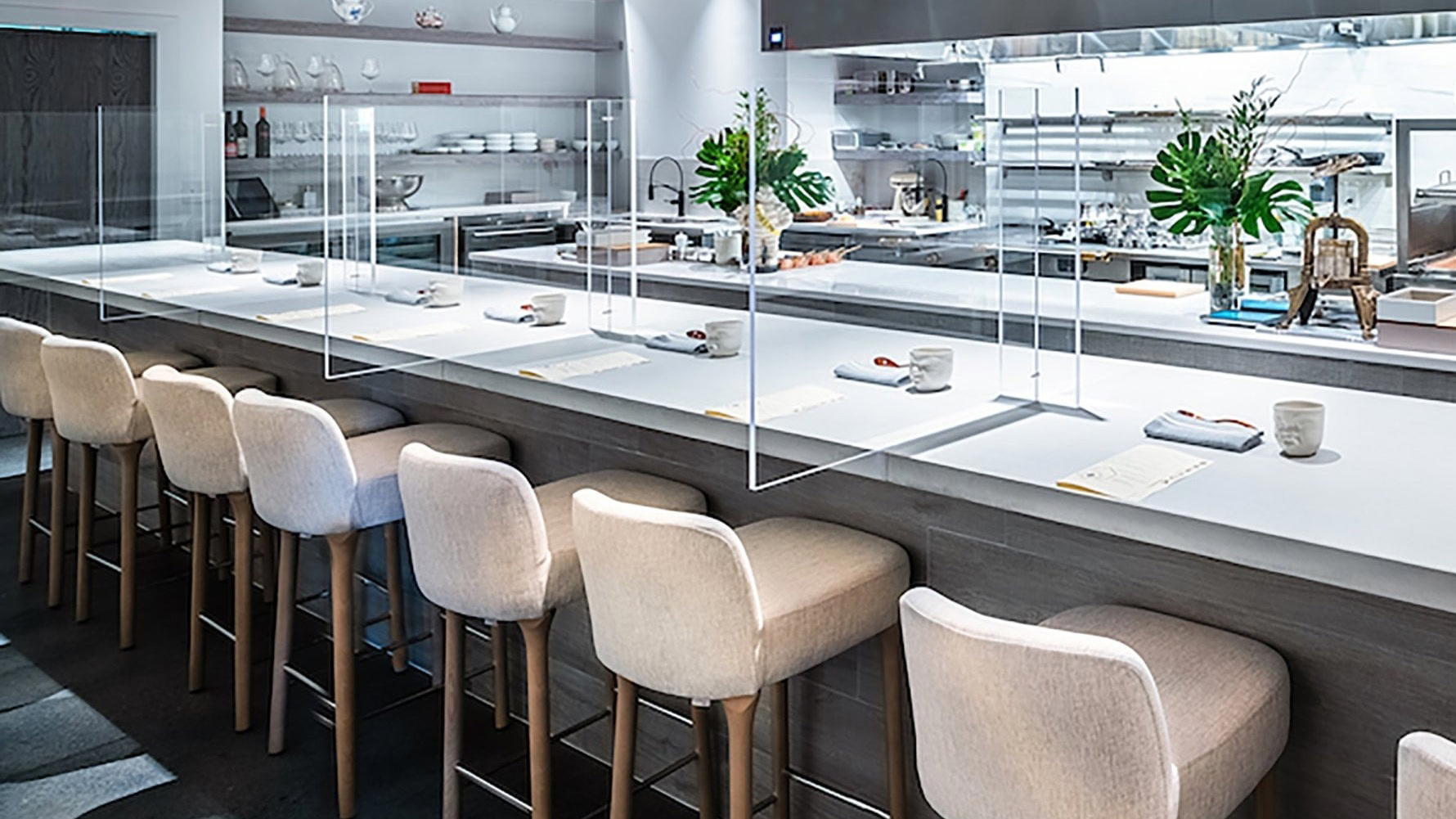
- Open Kitchen
- Sake Program
Current opening hours
- Monday
- 11 AM–8 PM
- Tuesday
- 11 AM–8 PM
- Wednesday
- 11 AM–8 PM
- Thursday
- 11 AM–8 PM
- Friday
- 11 AM–8 PM
- Saturday
- 11 AM–8 PM
- Sunday
- 11 AM–8 PM
Hours can change for holidays and private events. Last verified .
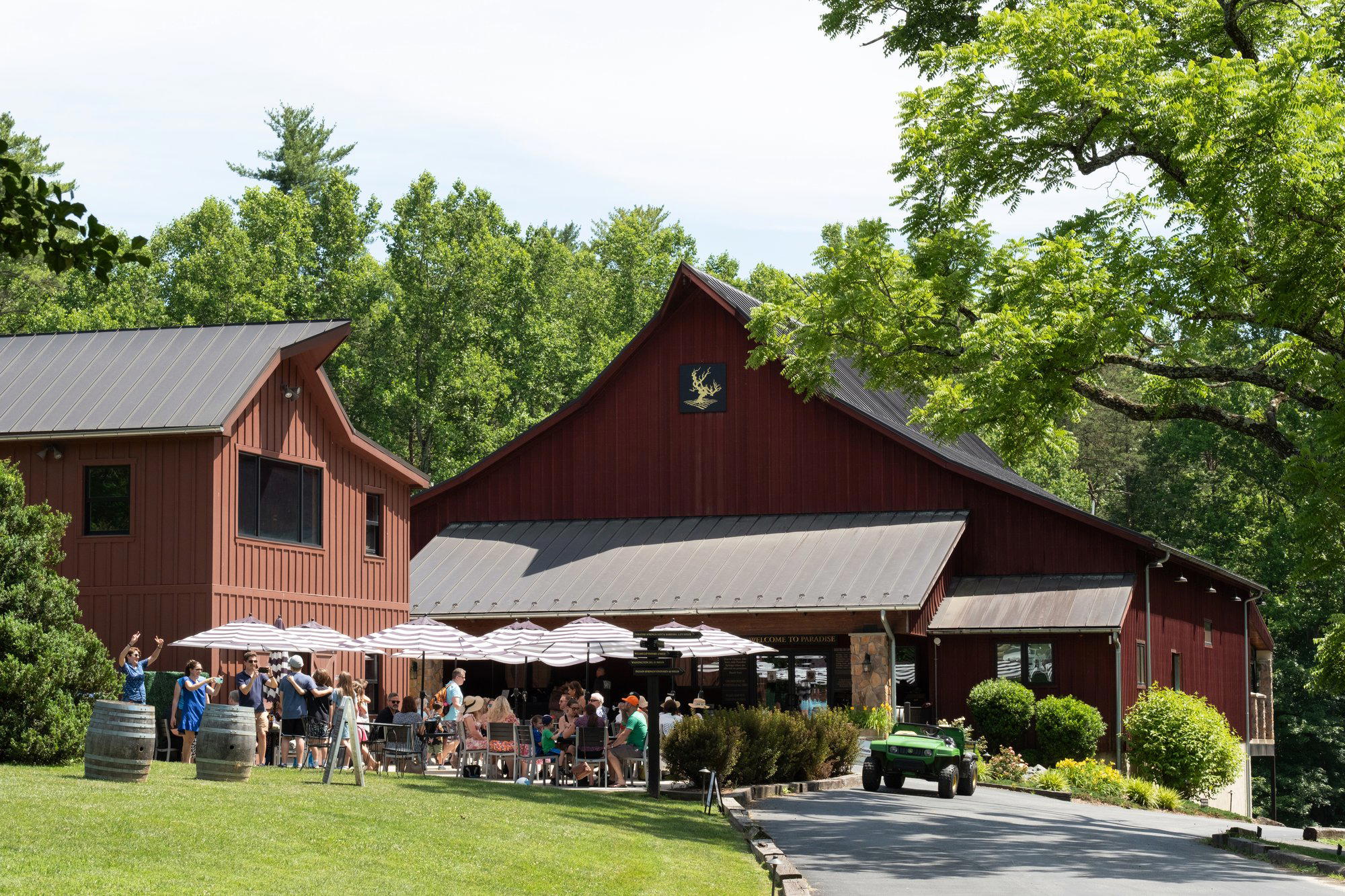
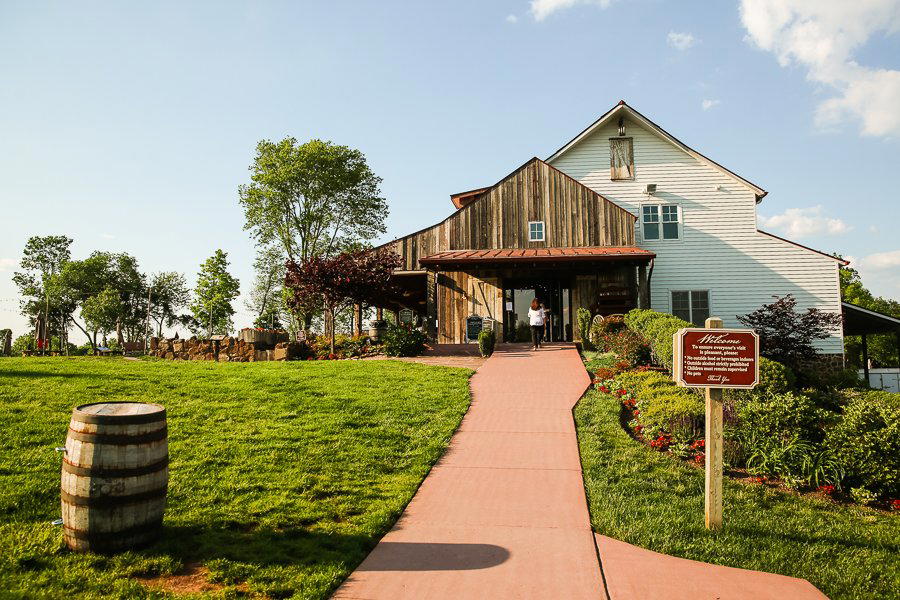
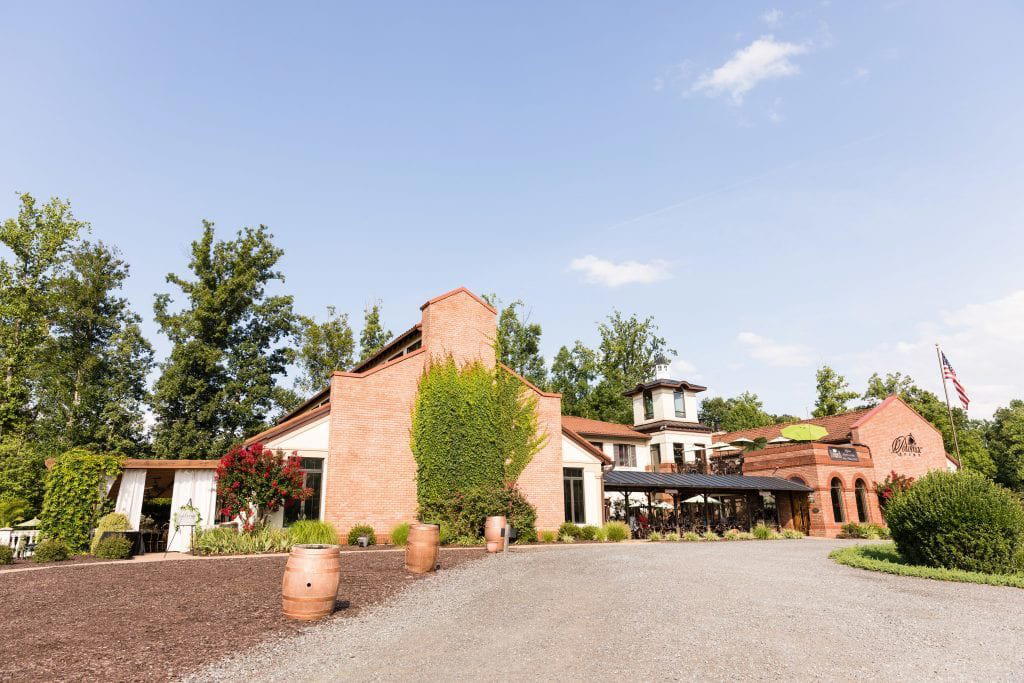
Casual and funky setting with a cozy refuge atmosphere, featuring indoor and outdoor seating options.