
Tabelog 100 #78
Our verdict
Kobe’s café culture has a quieter register than its beef-focused dining reputation, and tea room mahisa belongs to that lower-volume side of the city. Selected for Tabelog Cafe WEST “Tabelog 100” 2025, it frames the kissa tradition through tea-room pacing, modest pricing, and a basement setting near Sannomiya rather than through destination-restaurant theatrics.

Pearl is the En Primeur Club membership app, where members save venues, book tables and use the concierge.
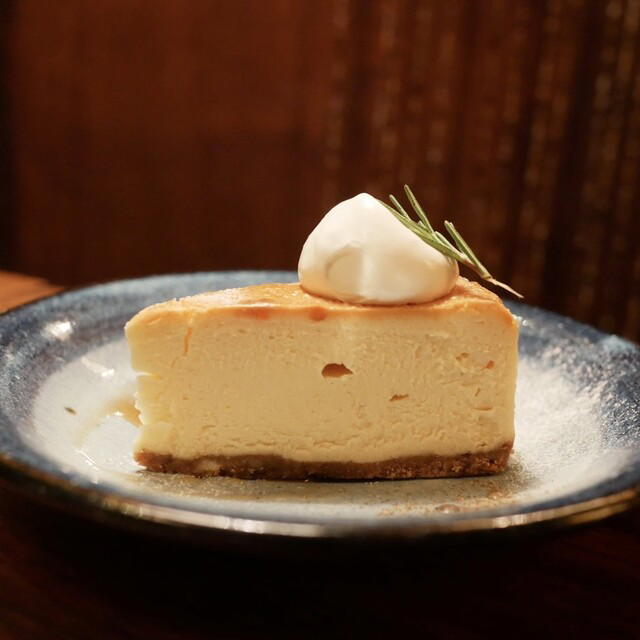
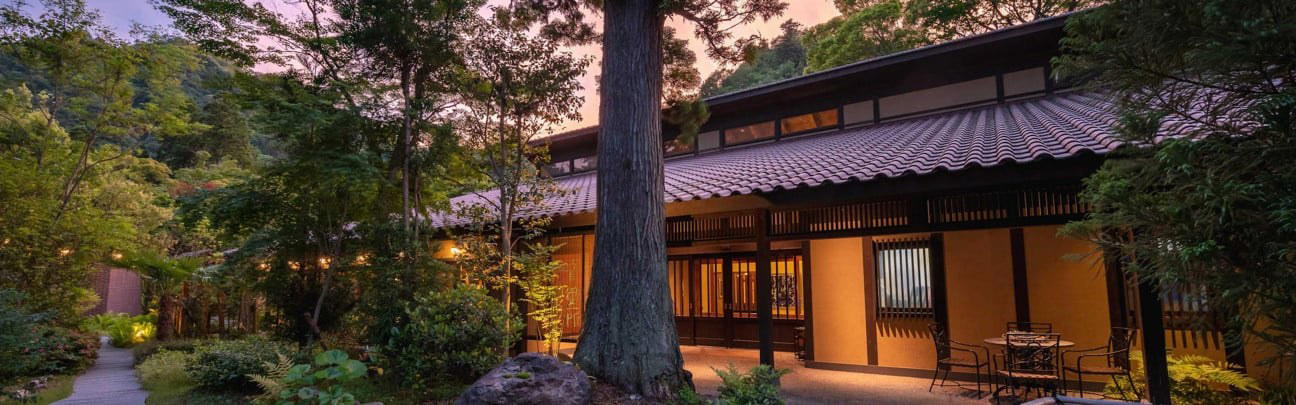
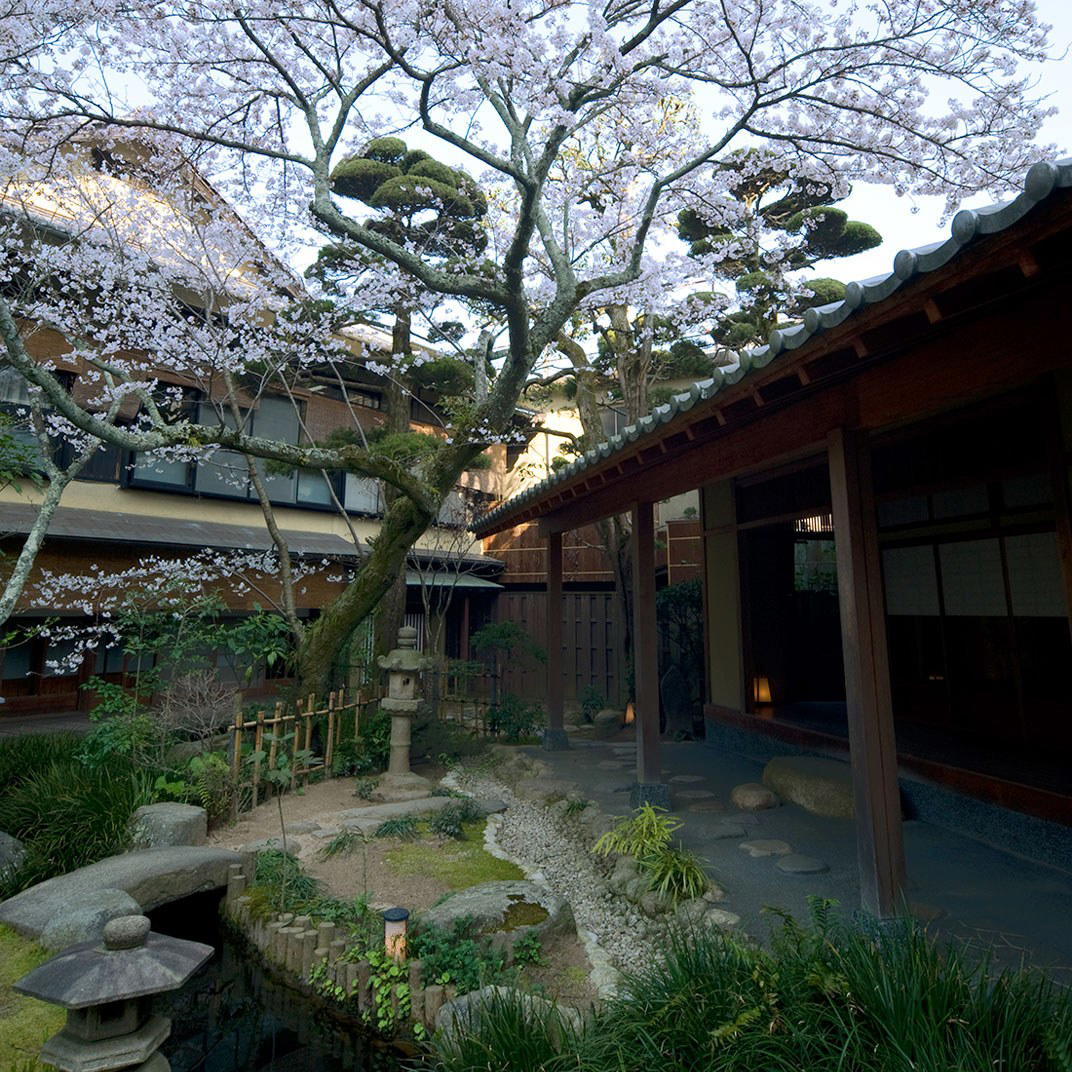
The approach sets the tone before the first cup: a Kobe setting that feels removed from the street-level churn. Kobe has long been comfortable with hybrid rooms, part port-city salon, part kissaten, part Western-influenced café. tea room mahisa sits inside that lineage, where the room matters less as spectacle than as a controlled pause between shopping, transfers, and the city’s heavier lunch and dinner circuits.
A tea-room menu in a city better known for beef counters
Kobe’s international dining shorthand still leans toward wagyu and teppan formats, but its café scene tells a different story: slower service rhythms, solo-friendly rooms, and menus built around drinks, light food, and repeat use rather than occasion dining. That is the useful lens here. This is not competing with the city’s polished beef rooms, such as Kobe Plaisir Honten or Teppan Dining Hoki. It occupies the lower-priced café tier, where value is measured by pacing, comfort, and whether the menu can support an unhurried hour without turning into a full meal.
The category matters. Tabelog classifies the venue as Cafe and Kissa, placing it between the Japanese coffee-shop tradition and a tea-room format. That combination says more than a cuisine label would. Kissaten culture prizes routine, privacy, and a certain analogue stillness; tea rooms often narrow the attention toward brewed drinks and sweets rather than broad café menus. The result is a menu architecture built for pauses: drink-led, light in spend, and suited to solitary use as much as conversation. Its 2025 Tabelog recognition gives the room a public credential within Japan’s café field, not within Kobe’s luxury restaurant circuit.
What the format reveals about Kobe's café habits
The city’s café map is unusually layered. Kobe carries commuter cafés, old-school kissaten, patisserie counters, and design-conscious rooms within a compact urban rhythm. In that context, a tea room with a cafe and kissa classification reads as a practical urban refuge rather than a high-concept dining project. The format fits a public room for individual time, small groups, and low-ceremony meetings.
Price reinforces that role. At JPY 1,000 to JPY 1,999, the spend places tea room mahisa below many of the city’s more formal restaurant options. A café at this level can sit between shopping, transit, and dinner without becoming the day’s main dining decision. For travelers, that is often more useful than another formal reservation.
There is also a Kobe-specific logic to the format. The city’s density rewards flexible stops, especially for cafés and kissaten where the experience depends on short-to-medium stays rather than fixed courses. Peak periods can still require patience, but that also keeps the venue in the walk-in café tradition. The better comparison is not a tasting-menu restaurant with a booking calendar; it is a respected local café where timing and patience matter more than elaborate planning.
How to place it in a Kobe day
Tea rooms in Japan work best when treated as part of a sequence, not as the headline. In Kobe, that sequence might move between shopping, sightseeing, and a later meal, with a café break acting as the hinge between parts of the day. Visitors mapping a broader dining day can pair this kind of stop with Kobe’s more structured restaurant formats, then use Our full Kobe restaurants guide to separate café, beef, izakaya, and Western-influenced options. For adjacent planning, Our full Kobe hotels guide, Our full Kobe bars guide, Our full Kobe wineries guide, and Our full Kobe experiences guide help build the rest of the day around the same geography.
Within the city’s café conversation, other Kobe dining rooms offer useful counterpoints because coffee-shop culture and tea-room culture overlap without being identical. Nearby dining breadth also matters: Kobe’s casual eating can be varied beyond cafés, and the wider Japanese café and casual scene stretches in many directions. The wider EP Club map tracks those broader patterns without changing the local case here: tea room mahisa is best understood on its own terms, as a Kobe cafe and kissa rather than as a substitute for a full restaurant meal.
The editorial case is modest but clear: this is a recognized Kobe café for travelers who understand that not every strong dining choice needs to be dinner. The 2025 Tabelog recognition, cafe and kissa classification, and accessible price band make it a practical counterweight to the city’s more formal food itinerary.
Frequently asked questions
Is tea room mahisa more mid-range or high-end?
Pricing at tea room mahisa is listed as JPY 1,000 - JPY 1,999.
Where exactly is tea room mahisa?
Kobe.
Is tea room mahisa reservation-only?
For current visiting details, check the venue's official channels.
What's the signature at tea room mahisa?
No single signature item is named in the public record. The clear draw is the cafe and kissa format, backed by 2025 Tabelog recognition in Kobe. Check the venue's official channels for the latest details.
Nearby-ish Comparables
Comparable venues by cuisine and category.
| Venue | Cuisine | Price | Awards | Notes |
|---|---|---|---|---|
| tea room mahisaThis venue (the venue you are viewing) | Specialty tea cafe | $10–20 | Tabelog 100 #78 | Not listed |
| European Ryori Mon | Classic Yoshoku (Japanese Western-style) | $30–50 | Tabelog 100 #4 | JPY 2,000 - JPY 2,999 JPY 2,000 - JPY 2,999 View spending breakdown |
| Kobe Plaisir Honten | Kobe beef teppanyaki & Hyogo vegetables | $50–100 | Tabelog 100 #66 | JPY 10,000 - JPY 14,999 JPY 6,000 - JPY 7,999 |
| Tsuki Usagi | Halal Kobe Beef Japanese | $200–300 | Not listed | Not listed |
| Teppan Dining Hoki | Teppanyaki Steakhouse | $100–150 | Tabelog 100 #61 | JPY 10,000 - JPY 14,999 JPY 4,000 - JPY 4,999 |
Recognition history
Dated appearances from independent guides and award organizations, with the underlying list record or original source where available.
Tabelog 100 #78 · No. 78
Tabelog · Tabelog 100 - Cafe - WEST - 2025
Continue exploring
More in Kobe
Restaurants in Kobe
All restaurants in Kobe →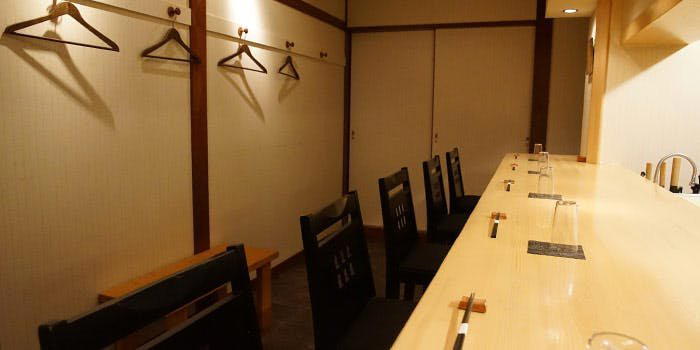


Bars in Kobe
Browse all →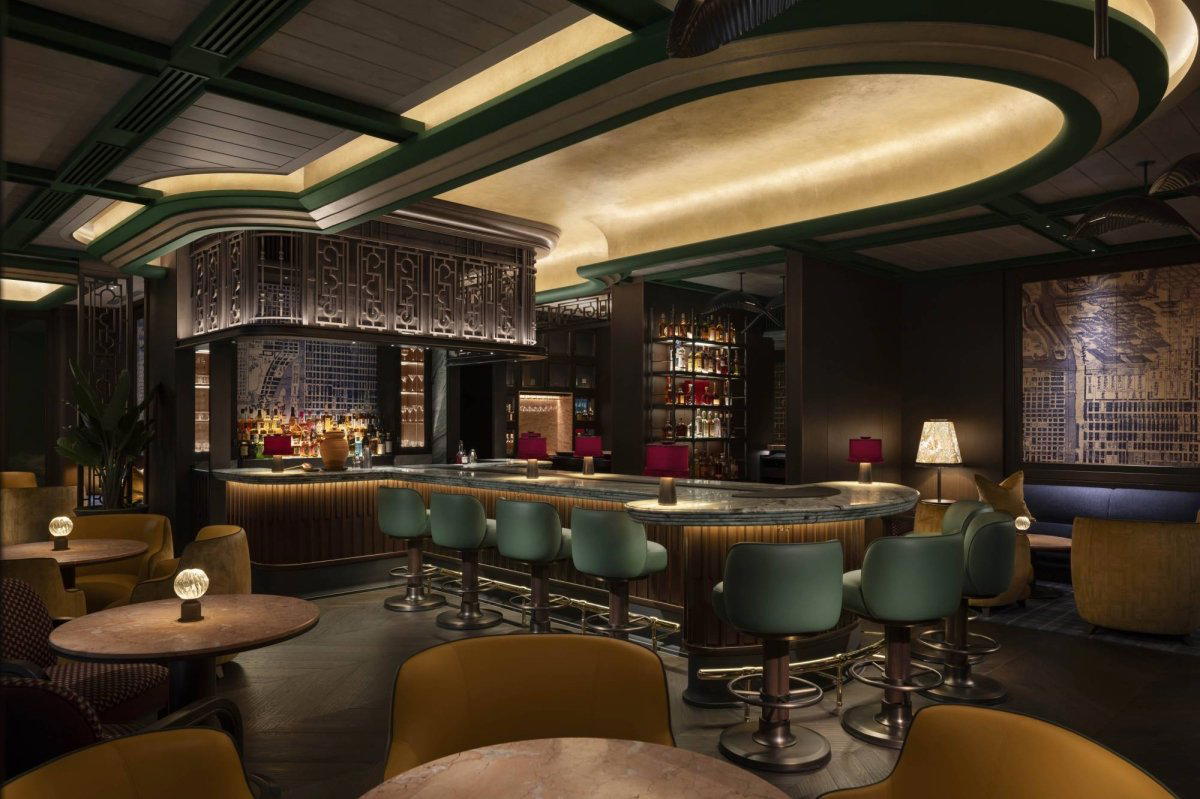
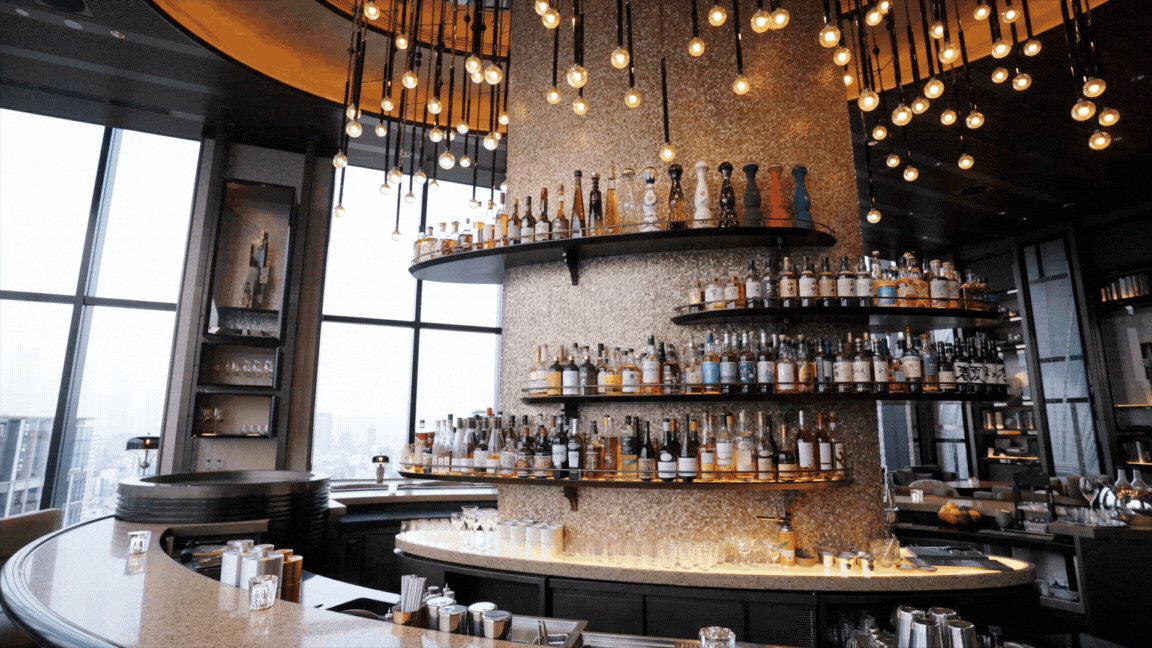



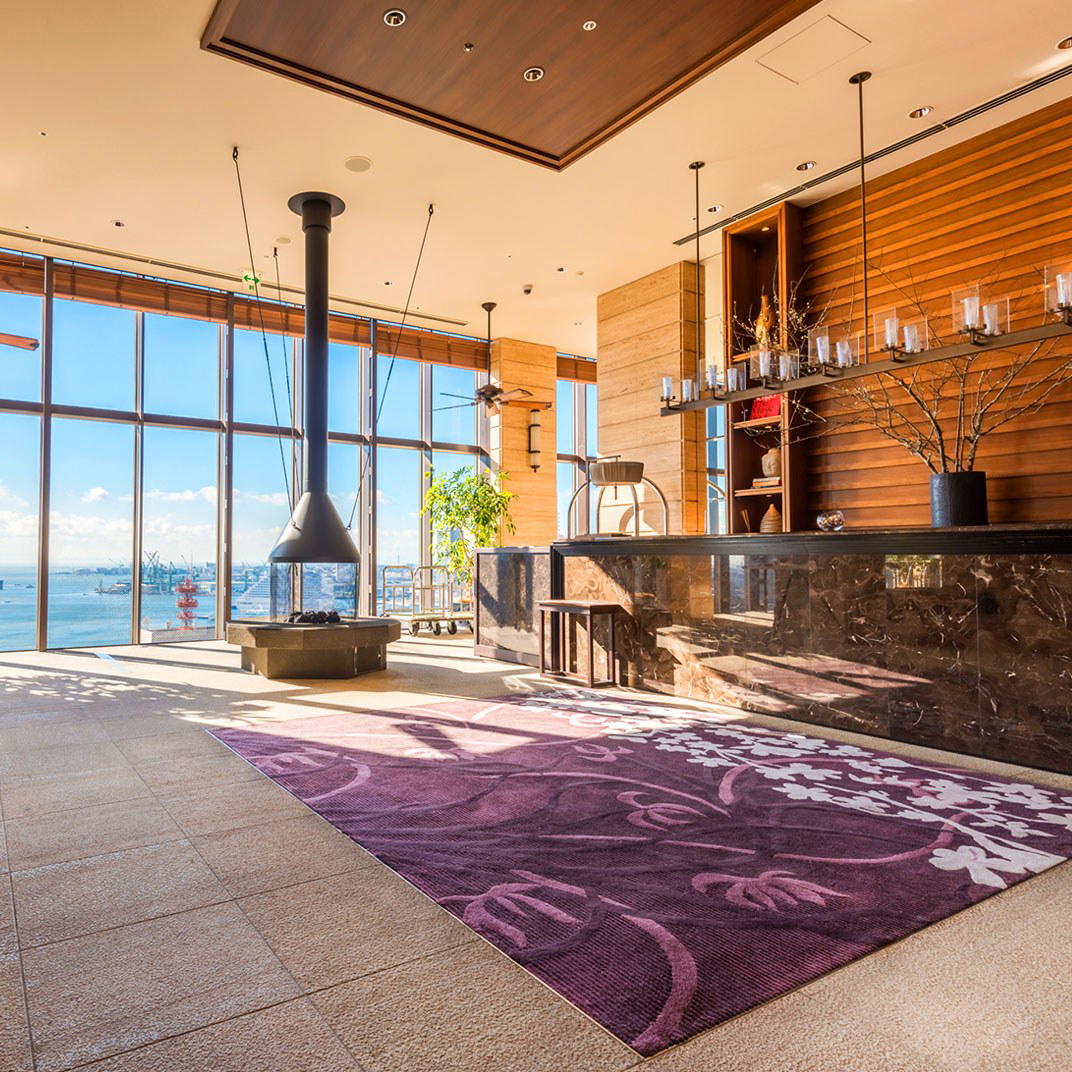
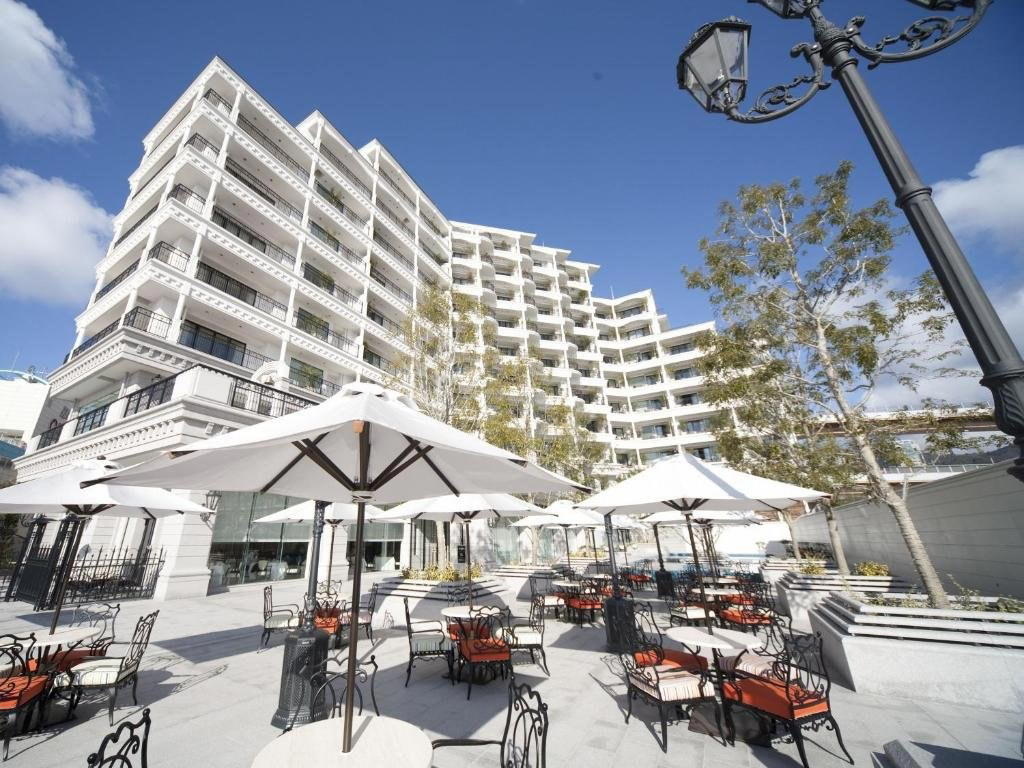

Details
- Cozy
- Classic
- Quiet
- Solo
- Casual Hangout
- After Work
- Date Night
- Standalone
- Design Destination
- A La Carte
- Tea
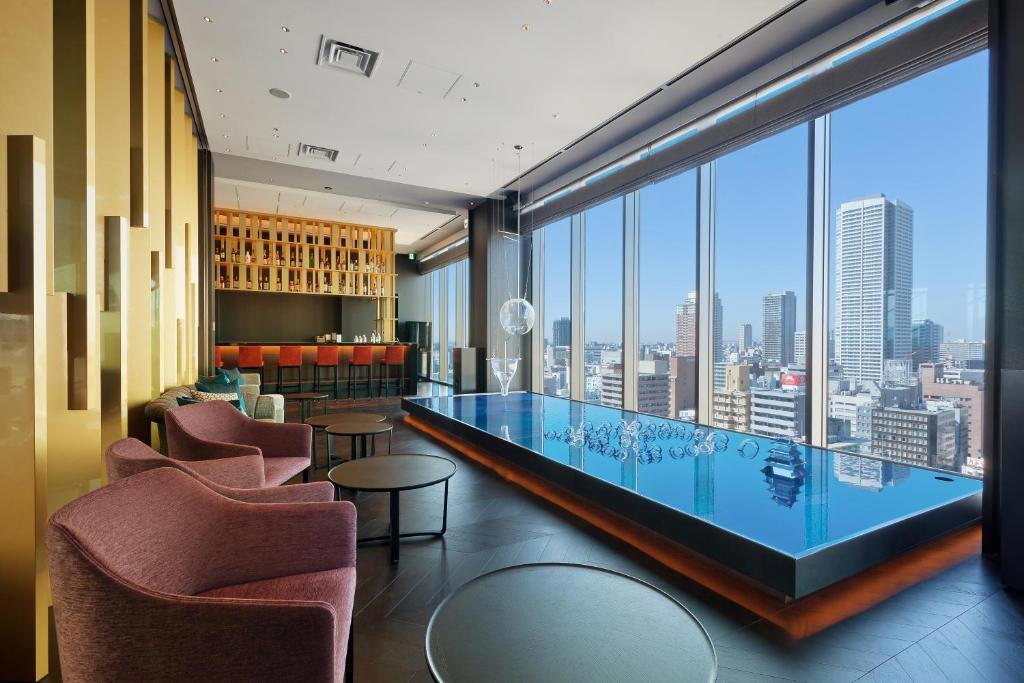
A softly lit basement tea room with a classic kissa feel—simple, slightly retro decor, counter and sofa seating, and a calm, unhurried atmosphere that invites guests to linger over pots of tea rather than rush a quick drink.