Our verdict
A compact bistro at Reineveien 164 in one of Norway's most photographed fishing villages, Tapperiet sits within a dining scene defined by the Lofoten Islands' cold-water seafood traditions. The surrounding landscape frames every meal before you've ordered, and the village's small scale means the gap between kitchen and catch is shorter here than almost anywhere else in Norway.

Pearl is the En Primeur Club membership app, where members save venues, book tables and use the concierge.
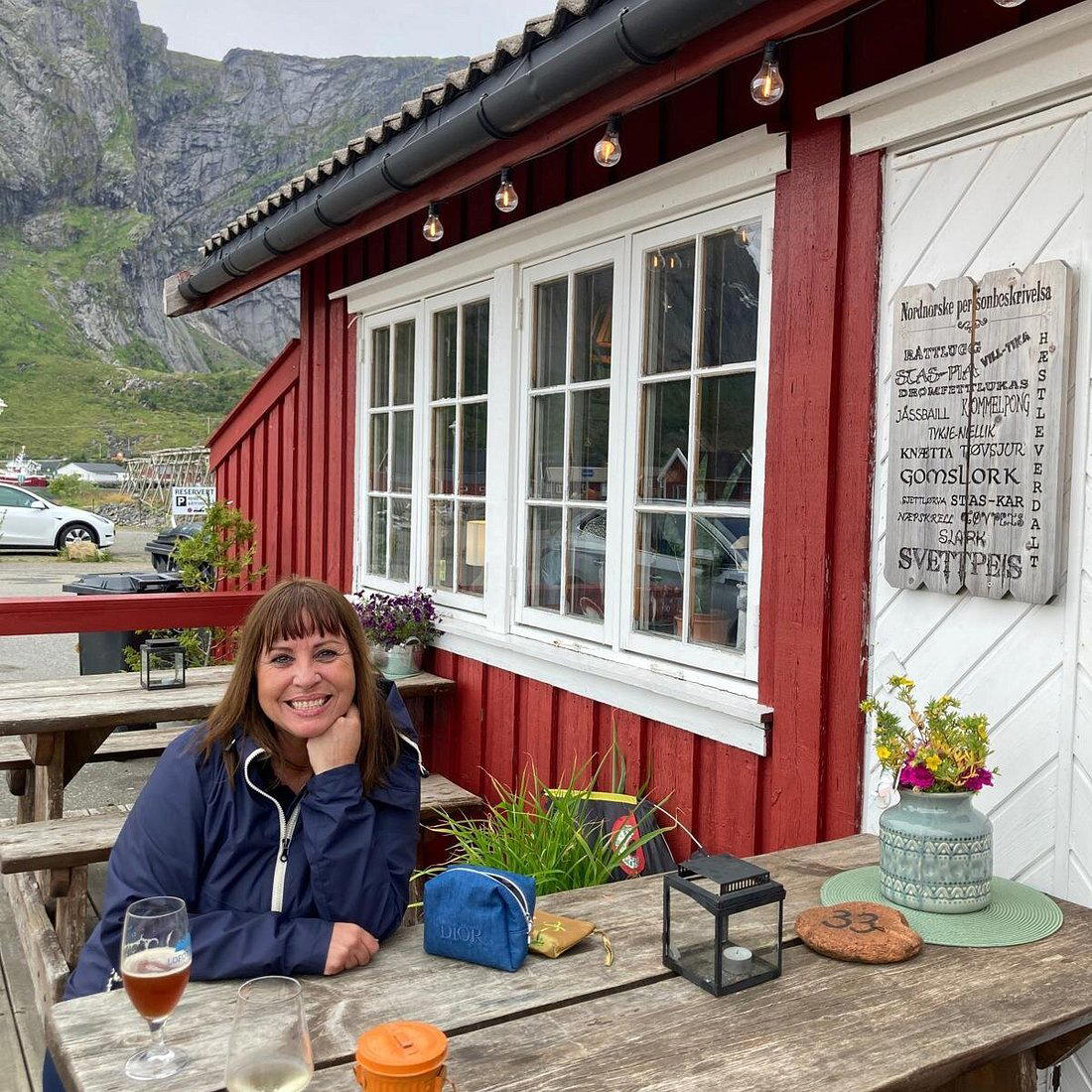
Where the Village Ends and the Plate Begins
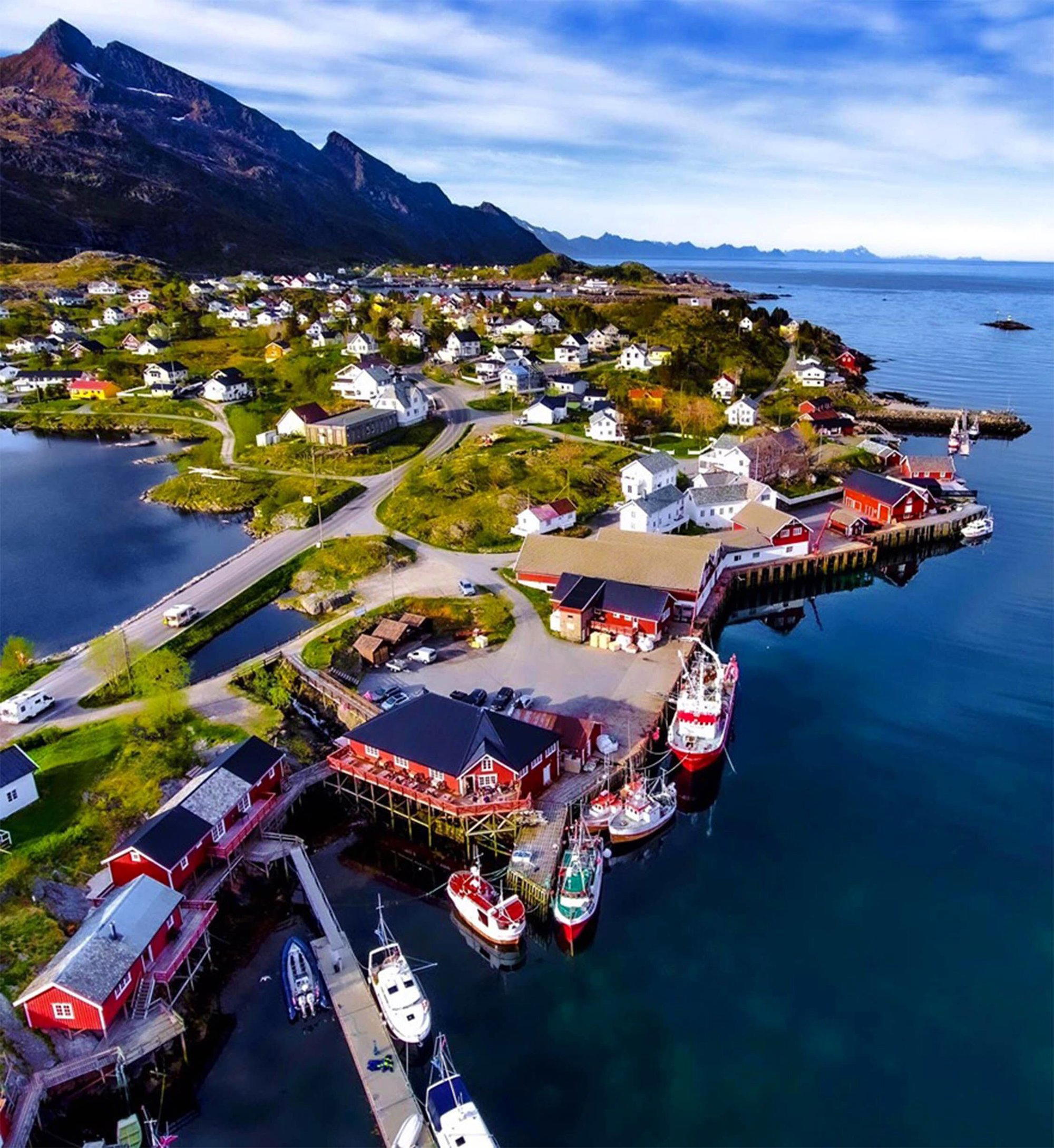
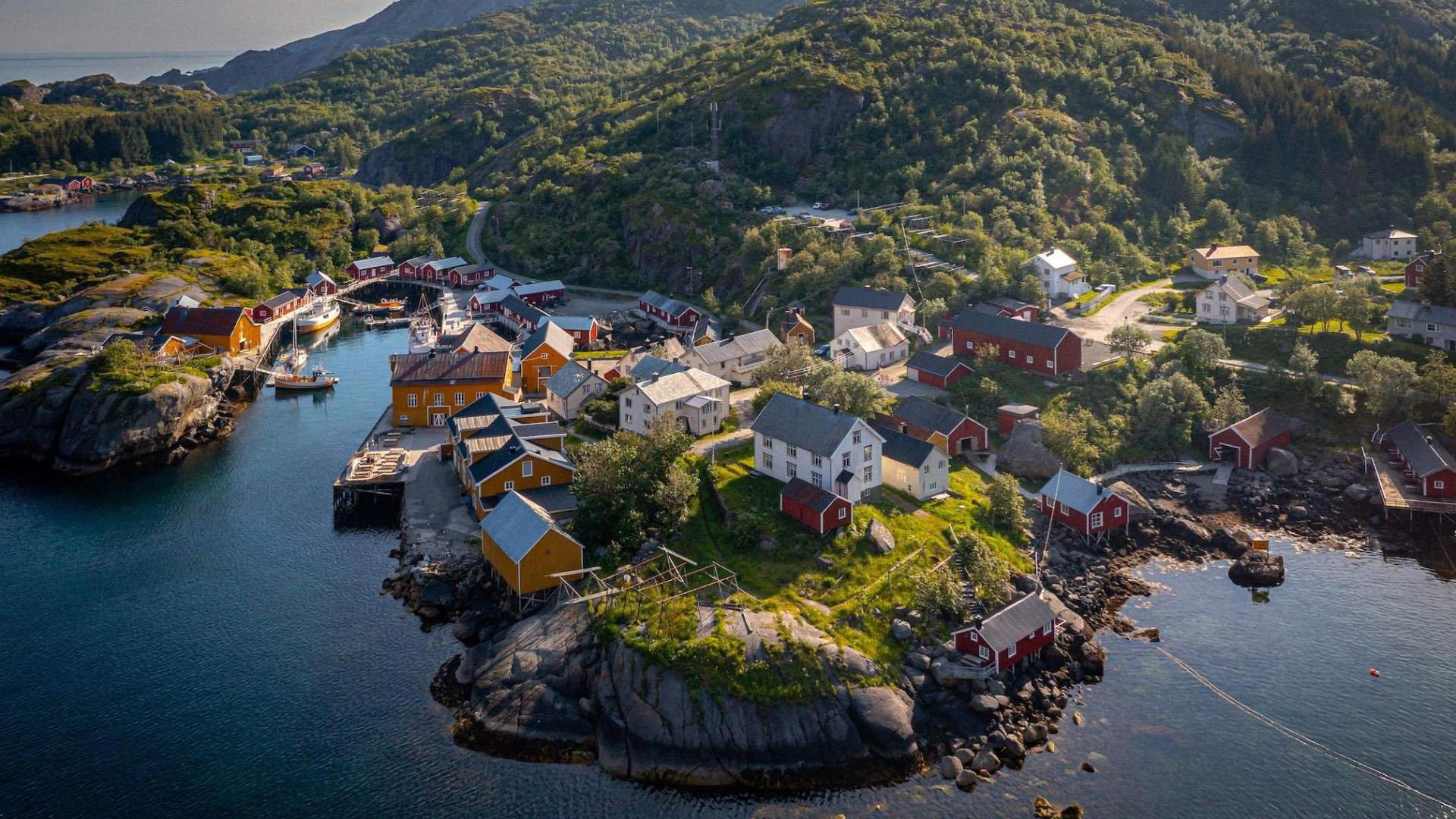
Reine does not ease you in gently. The approach along the E10, with the Moskenesøya peaks dropping almost vertically into the Vestfjorden, is the kind of geography that reframes expectations before you've stepped out of the car. By the time you reach Reineveien 164, the address of Tapperiet Bistro, the physical setting has already done considerable editorial work. Dining here is inseparable from where you are: a village of fewer than 400 permanent residents on an archipelago where the distance between the fishing boat and the kitchen is measured in minutes, not supply chains.
That proximity is not incidental to the food culture of Lofoten. It is the food culture. The islands have supplied dried cod, stockfish, to European markets since the twelfth century, and the seasonal rhythms of the Arctic fishery still structure local life in ways that no amount of tourism infrastructure has fully displaced. A bistro operating in this context inherits that history whether or not it chooses to foreground it.
The Cultural Weight of Lofoten Seafood
Norway's dining conversation is increasingly dominated by a cluster of high-concept tasting-menu restaurants: Maaemo in Oslo, RE-NAA in Stavanger, FAGN in Trondheim, and Gaptrast in Bergen, all operate at the €€€€ or upper-€€€ tier, with menus built around foraged, fermented, and cured Nordic ingredients presented through a contemporary fine-dining grammar. That format has earned Norway considerable international recognition, and venues like Under in Lindesnes have added architectural spectacle to the mix.
Tapperiet Bistro occupies a different register. The bistro format, historically rooted in informal French service culture and later adopted across Scandinavia as a vehicle for honest, ingredient-led cooking without the overhead of tasting-menu ceremony, suits Reine's scale. A village this size does not support a twelve-course kitchen, and the leading Lofoten cooking has never needed one. The fish is the argument. The preparation is the edit.
That edit in the Lofoten context typically draws on techniques developed over centuries of necessity: salting, drying, and smoking as preservation methods that also function as flavour development. Stockfish rehydrated and served simply, skrei (migratory Arctic cod at peak condition, arriving January through April) prepared with restraint, and shellfish from the cold, clean waters of the Vestfjorden have all shaped what Lofoten kitchens understand as good cooking. These are not trends borrowed from a culinary capital. They are the baseline.
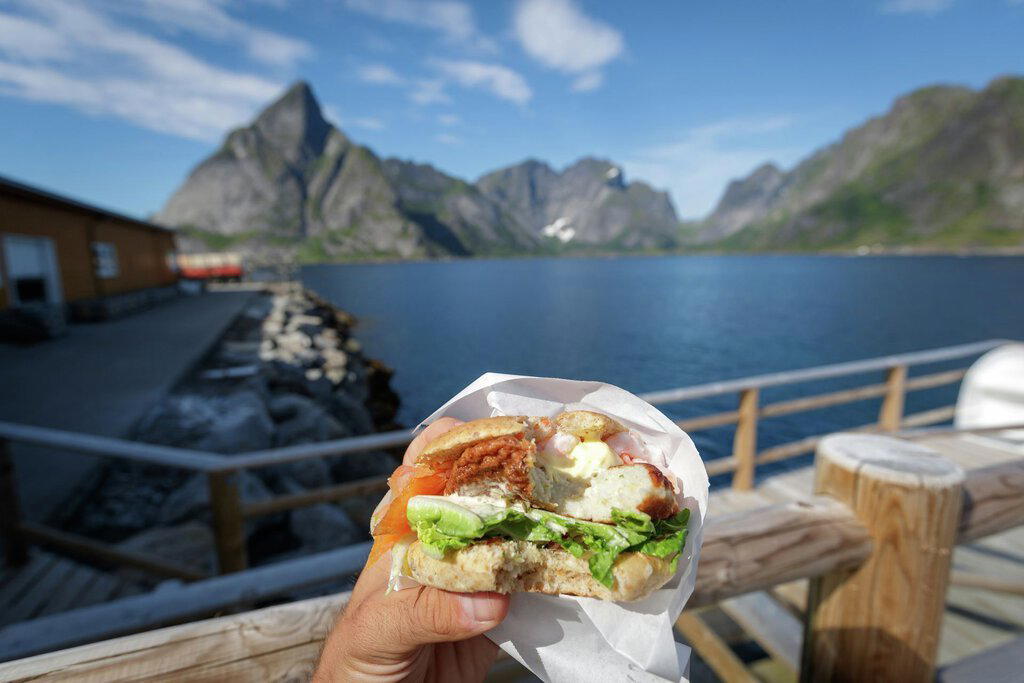
Across Lofoten, a small number of places have built reputations around this approach at an accessible price point. Anita's Sjomat in Lofoten is perhaps the most discussed in that category, known for fish burgers with locally sourced catch that have attracted attention well beyond the islands. Fiskekrogen in Henningsvær works the more traditional end of the same spectrum. Tapperiet fits within this broader pattern of places where the local catch defines the menu rather than the menu defining what the kitchen seeks out.
Reine's Position in the Norwegian North
For visitors plotting a serious eating itinerary through Arctic Norway, Reine functions as an anchor point in the southern Lofoten section of a journey that might also include Børsen Spiseri in Svolvær to the north, or extend further to Aurora Restobar in Kirkenes near the Russian border. That broader circuit encompasses a range of formats and price points, from the accessible to the destination-driven, but Reine's geography adds a particular intensity that few other stops can match.
Getting here requires commitment. The nearest airport is Leknes (LKN), roughly 50 kilometres northeast along the E10, or Bodø on the mainland with a ferry connection to Moskenes, about 5 kilometres from Reine. Neither is a short transfer. That friction is partly why the village retains the character it has: mass tourism arrives in waves during the summer months, particularly July and August when the midnight sun draws large numbers, but the off-season belongs almost entirely to the place itself. The skrei season, running through the first quarter of the year, coincides with some of the quietest and most dramatic weather windows in the Arctic calendar.
Within Reine itself, the dining options are limited by design. Gammelbua Restaurant and Underhuset Restaurant are the other principal addresses, and all three operate within the constraints of a village where the supply chain is short but the logistics are real. Our full Reine restaurants guide covers the complete picture across the village.
For context across other formats in the wider Norwegian north, Hardanger House in Jondal, Karoline Restaurant in Ramberg, Brasserie 8622 in Mo i Rana, and Umami Harstad in Harstad represent the range of approaches operating across a region that is still developing its dining infrastructure relative to Oslo and Bergen. In that context, a functioning bistro in Reine with consistent local sourcing carries more practical significance than the same operation would in a city with twenty alternatives within walking distance.
For those curious how Norway's fish-forward dining culture compares internationally, the seafood-first ethos shares intellectual territory with what Le Bernardin in New York City has argued for decades at the tasting-menu level, and with the ingredient-reverence approach of places like Atomix in New York City, though the formats and price tiers are entirely different. The underlying conviction that the quality of the primary ingredient does most of the work is broadly shared.
Planning a Visit
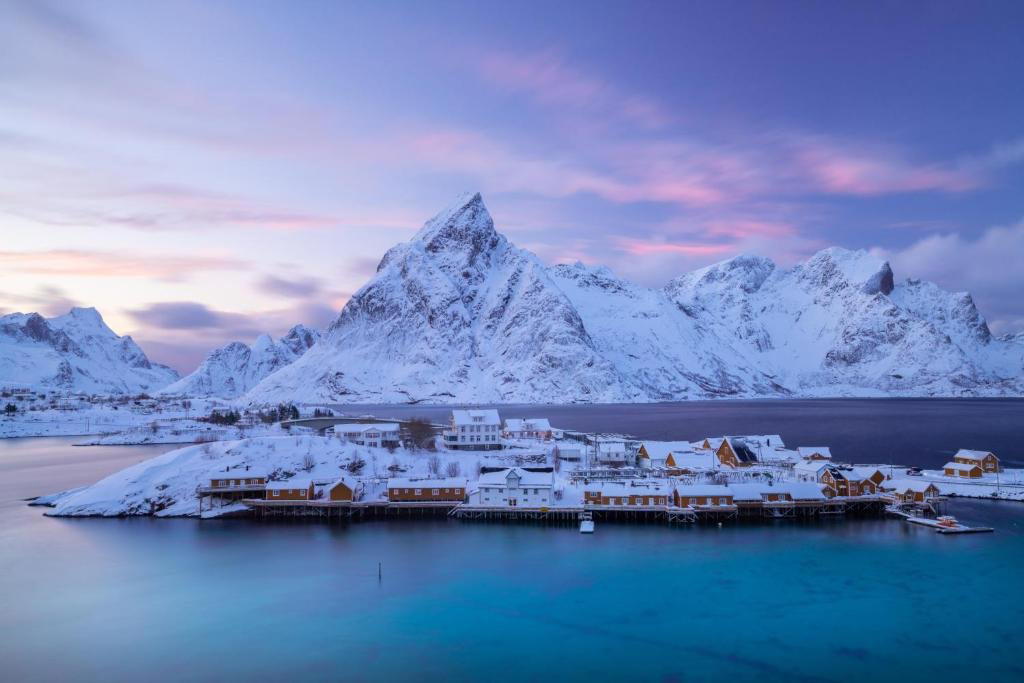
Tapperiet Bistro is located at Reineveien 164, 8390 Reine, Norway. Given the limited dining options in the village, advance planning is advisable during peak summer season, when Reine's handful of restaurants can fill quickly despite the overall quietness of the address. The skrei window (January to April) offers a seasonally specific reason to visit outside the summer peak, and the dramatic winter light makes the physical setting arguably more compelling than in high summer.
Frequently asked questions
How do I find Tapperiet Bistro?
Tapperiet Bistro is located at Reineveien 164, 8390 Reine, Norway, Reine.
Is Tapperiet Bistro in Reine open year-round, and does the season affect what's on the menu?
What is consistent across the region is that the menu's character shifts markedly with the calendar: winter and spring bring the Arctic cod migration, while summer sees a broader tourist trade along the E10 corridor through Moskenesøya.
What dish is Tapperiet Bistro famous for?
No single signature dish is publicly documented for Tapperiet Bistro. Reine sits in the southern Lofoten archipelago, where skrei, the migratory Arctic cod that arrives between January and April, drives the cooking at village-scale restaurants throughout the season. That regional ingredient is the most reliable frame of reference for what kitchens in this part of Norway prioritise.
How hard is it to get a table at Tapperiet Bistro?
Reine is a small village with a correspondingly limited number of restaurant covers, which means demand concentrates sharply during the July to August high season. Securing a table during that window requires advance planning, particularly since accommodation in the area also books out early and visitor numbers peak with the midnight sun. Outside summer, the pressure eases considerably, and the January to April cod migration draws a different but still committed contingent of travellers.
Budget and Context
Comparable venues nearby, for context on price, style, and recognition.
| Venue | Cuisine | Price | Notes |
|---|---|---|---|
| Tapperiet BistroThis venue (the venue you are viewing) | Norwegian Bistro | $20–30 | Not listed |
| Gammelbua Restaurant | Traditional Norwegian Seafood | $50–100 | Reine, Traditional Norwegian Seafood |
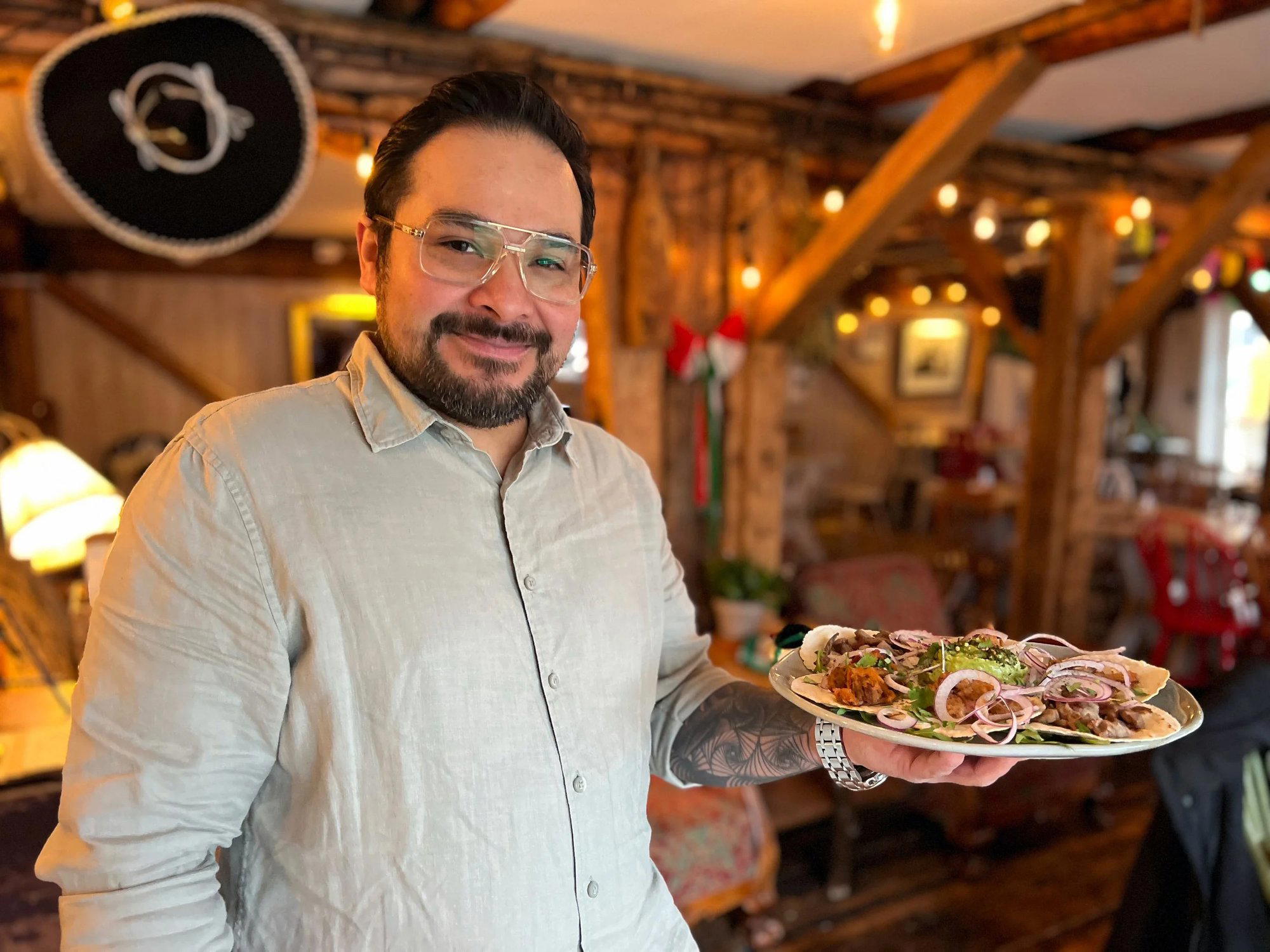
| Underhuset Restaurant | Authentic Mexican with Local Lofoten Fusion | $30–50 | Reine, Authentic Mexican with Local Lofoten Fusion |
| Maren Anna | Nordic Seafood | Not listed | Sørvågen, Nordic Seafood |
| Thaimatservice | Thai | $10–20 | Finnsnes, Thai |
| Asian Healthy Foods | Thai Fast Food | $10–20 | Storgata, Thai Fast Food |
Continue exploring
More in Reine
Restaurants in Reine
All restaurants in Reine →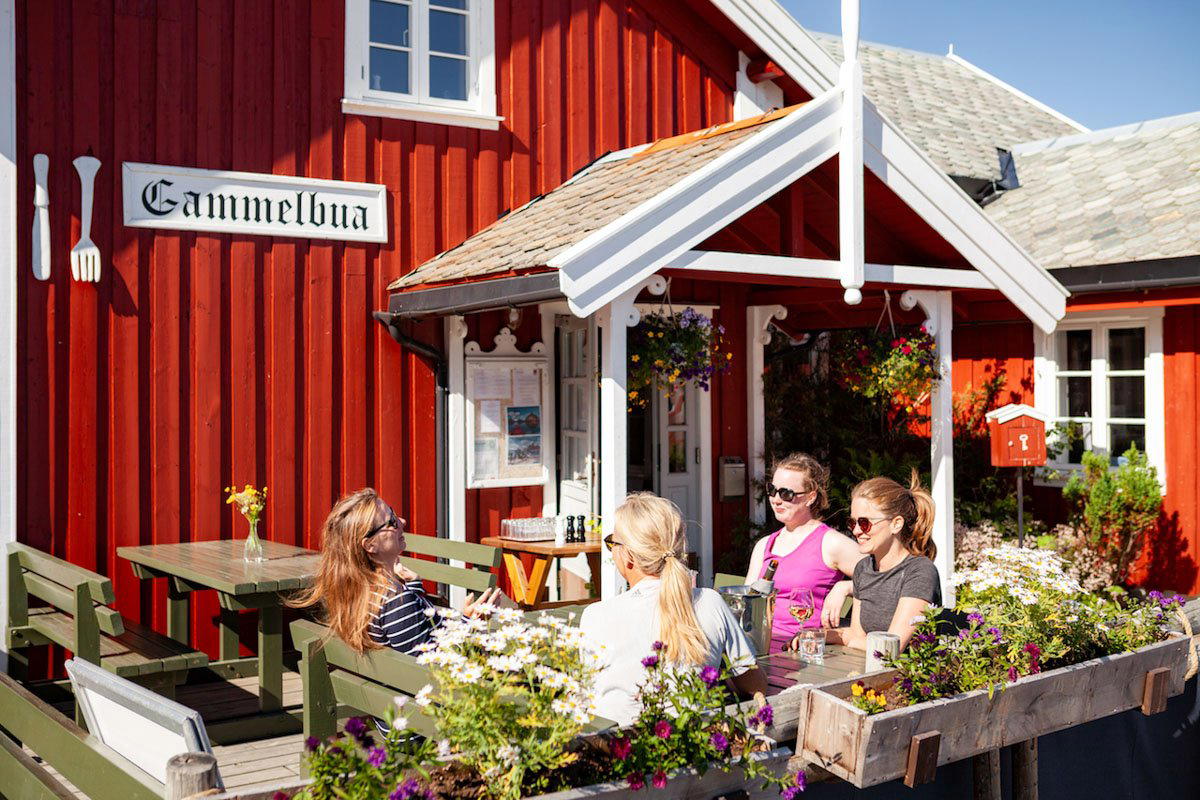
Bars in Reine
Browse all →
Details
- Cozy
- Rustic
- Scenic
- Casual Hangout
- Family
- Live Music
- Terrace
- Beer Program
- Local Sourcing
- Waterfront
- A La Carte
- Local Beer
Current opening hours
- Monday
- 12–6 PM
- Tuesday
- 12–9 PM
- Wednesday
- 12–9 PM
- Thursday
- 12–9 PM
- Friday
- 12–9 PM
- Saturday
- 12 PM–2 AM
- Sunday
- 12–6 PM
Hours can change for holidays and private events. Hours as of .
Cozy traditional atmosphere with warm hygge-style decor, pleasant for casual meals and drinks.