Our verdict
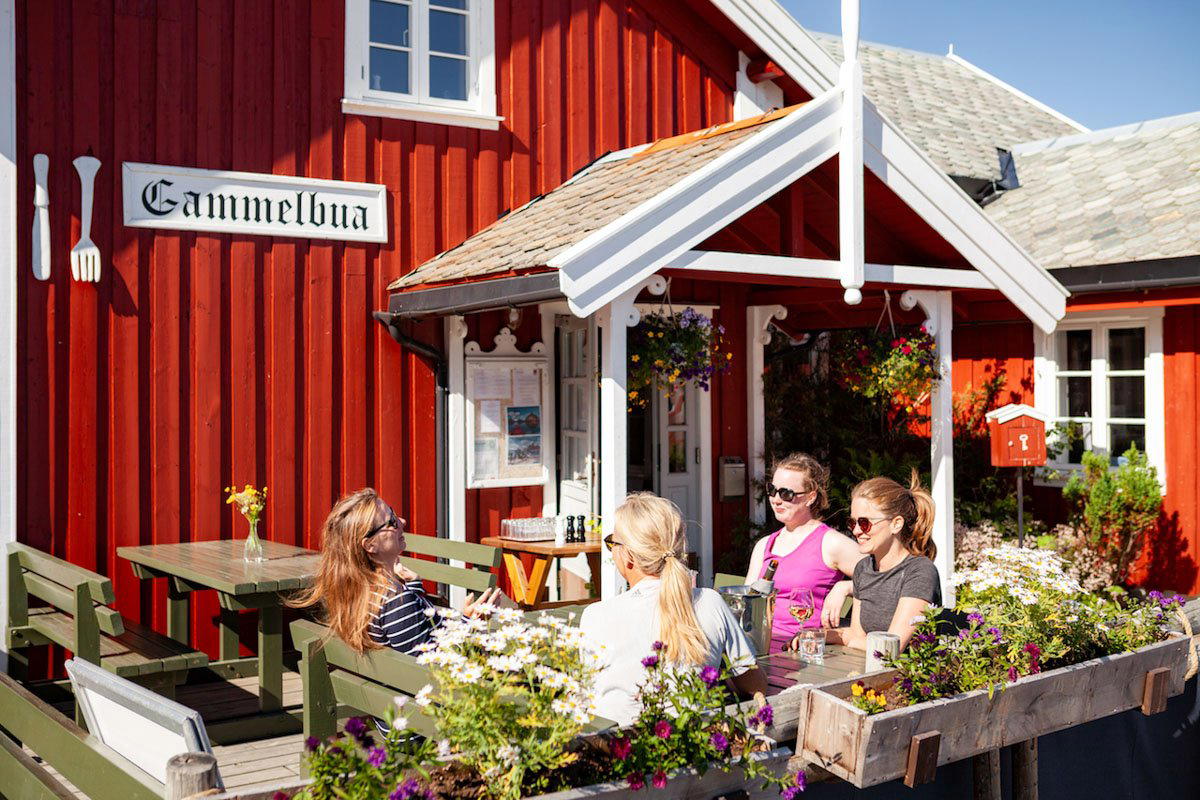
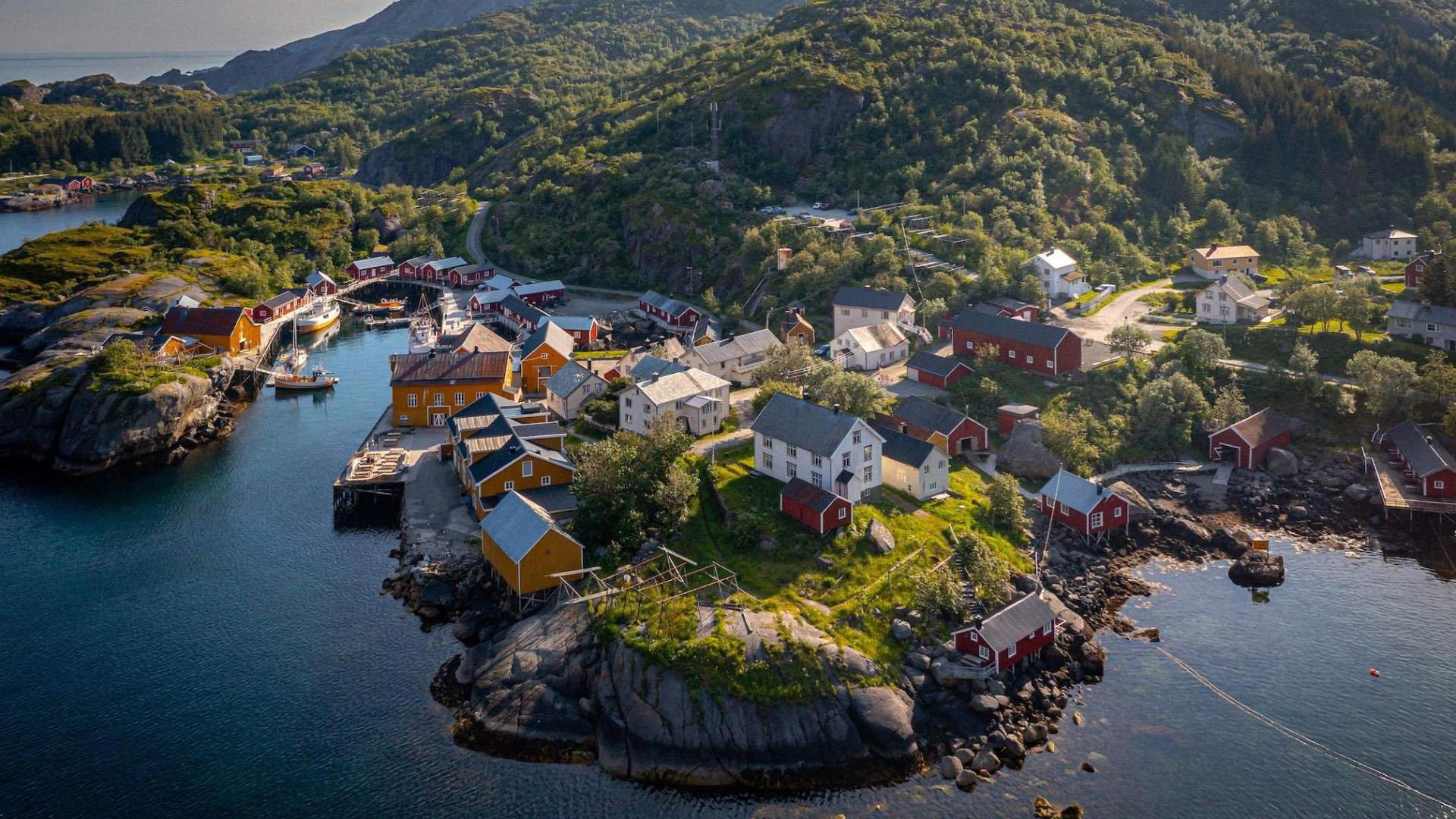
Gammelbua Restaurant sits in Reine, one of the Lofoten Islands' most visually dramatic fishing villages, where the dining tradition is shaped by the surrounding Arctic waters and mountain-ringed harbour. The setting places seafood and local sourcing at the centre of the plate, connecting the kitchen directly to the fishing economy that built the village. For visitors exploring Norway's remote north, it represents the kind of place-specific eating the islands do well.

Pearl is the En Primeur Club membership app, where members save venues, book tables and use the concierge.
The menu
What to order
- Whale steak
- Stockfish
- Reindeer steak
- Cod tongues
Where the Harbour Meets the Table
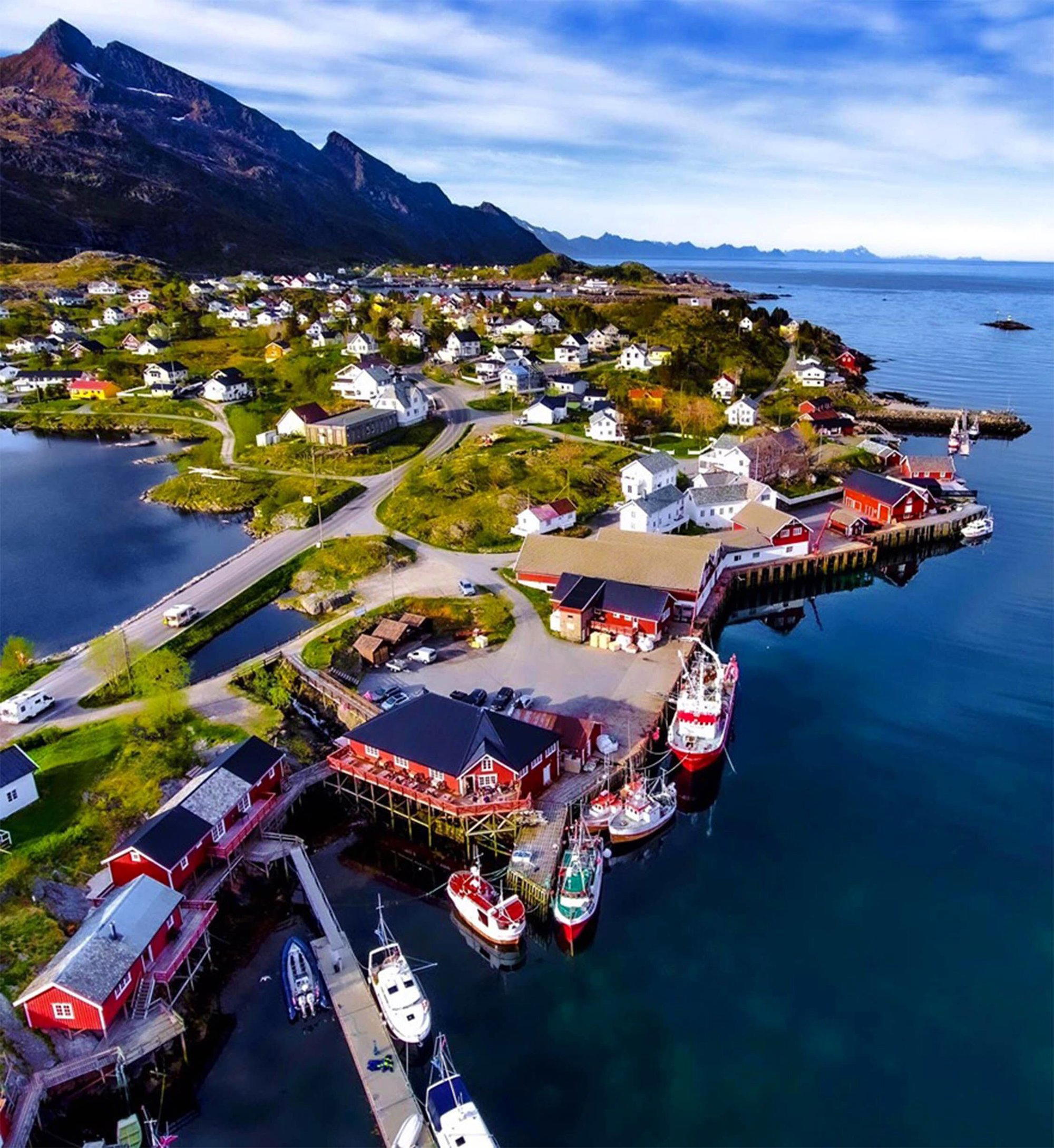
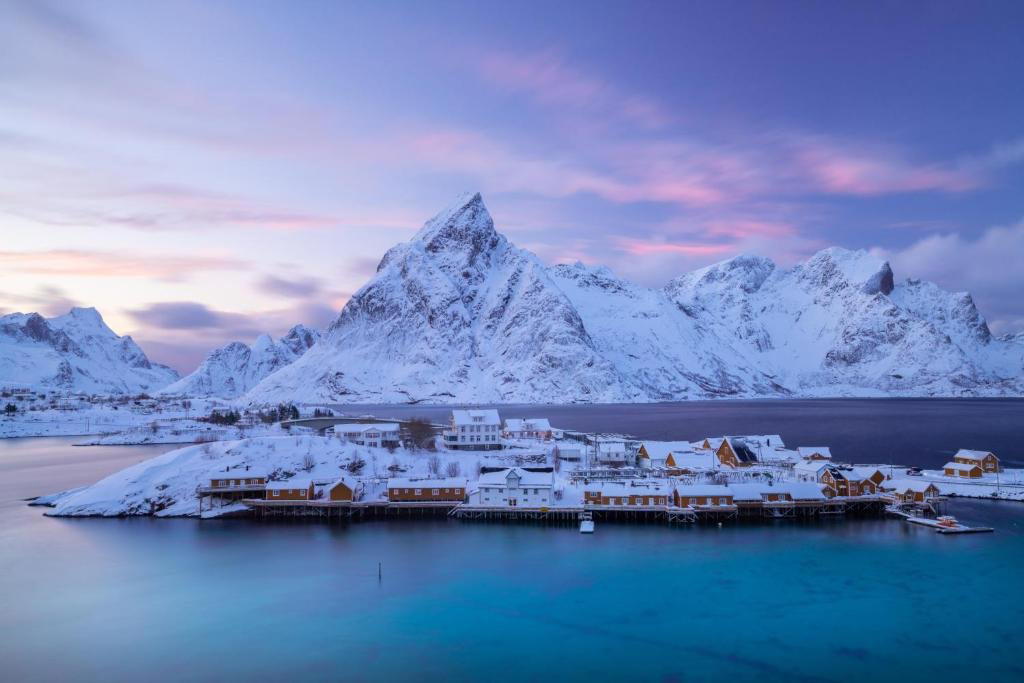
Reine is the kind of fishing village that makes the relationship between landscape and food impossible to ignore. Red-painted rorbu cabins line the waterfront, mountains drop almost vertically into the fjord, and the harbour that has supplied cod to European markets for centuries continues to define what appears on local tables. Gammelbua Restaurant, at Reineveien 165, sits inside that context. Arriving here, the physical environment does much of the editorial work: the Arctic waters are visible from the village, the smell of salt air is present, and the sourcing logic of any kitchen in Reine is largely determined before a menu is written.
This is not a restaurant that exists in spite of its location. It exists because of it. Reine's dining character belongs to a broader pattern across the Lofoten Islands, where the most convincing plates are those that travel the shortest distance from sea to kitchen. That principle, unremarkable in theory, is genuinely difficult to execute at scale anywhere else in Norway precisely because very few places have access to Arctic cod, skrei, and fresh-caught seafood of this quality within metres of a working kitchen.
The Ingredient Logic of Lofoten
The Lofoten Islands produce some of the most documented seafood in Norway. Skrei, the migratory Arctic cod that arrives in Lofoten waters between January and April each year, has Protected Designation of Origin status, a credential that places it in the same regulatory category as Parma ham or Roquefort cheese. The fishery is centuries old, the product is internationally traded, and the village of Reine sits inside one of the most active zones of that production. For a kitchen operating here, the sourcing argument is structural, not aspirational.
Beyond skrei, the waters around Lofoten supply halibut, wolffish, coalfish, and shellfish that reach kitchens in the village within hours of landing. This is the ingredient reality that separates dining in Reine from seafood restaurants in Oslo or Bergen, where the same fish may be excellent but the distance from catch to plate is measured in logistics rather than geography. Norway's most-discussed fine dining addresses, including Maaemo in Oslo and RE-NAA in Stavanger, build Nordic sourcing into tasting menu frameworks at urban price points. Reine operates at a different register entirely, where the sourcing is immediate and the setting is the argument.
Restaurants further along the Norwegian coast, such as Under in Lindesnes and Glime Restaurant in Hardanger Fjord, have built their identities around marine ingredients accessed through proximity to specific waters. The same logic applies in Reine, though without the architectural spectacle or tasting menu format that defines those destinations. What Gammelbua offers is a more direct, less mediated version of that sourcing story.
Reine's Dining Scene in Brief
Reine is a small village, and its restaurant options reflect that. The dining scene is tight, with a handful of addresses rather than a deep competitive field. Tapperiet Bistro and Underhuset Restaurant are among the other addresses operating in the same village context. Across the broader Lofoten and northern Norway region, Restaurant 1893 in Stokmarknes represents the kind of place-specific dining that the archipelago produces in smaller pockets. Our full Reine restaurants guide maps the options in more detail.
The pattern visible in Norway's smaller, remoter dining scenes is worth understanding before travelling. Places like MiraBelle by Ørjan Johannessen in Bekkjarvik, Vianvang in Vågå, and Buer Restaurant in Odda demonstrate how Norway's fine dining identity has spread well beyond Oslo and Bergen into settings where the sourcing story is immediate and the format is shaped by what the local environment can support. Gammelbua fits that pattern in Lofoten.
For comparison further afield, the tighter urban dining formats of Speilsalen in Trondheim and Lysverket in Bergen show how Norwegian kitchens in mid-sized cities have formalised the New Nordic sourcing argument into structured programmes. Reine sits at the opposite end of that spectrum: informal, geographically specific, and tied to a fishing economy rather than a culinary movement.
Planning a Visit
Reine is accessed primarily by road along the E10, the main arterial route through the Lofoten Islands, which terminates close to the village. The drive from the ferry port at Moskenes takes approximately ten minutes. Reine is also reachable by bus from Å and Svolvær, though services are infrequent and timing should be confirmed before travel. The village is small enough that Reineveien 165 is direct to locate on foot from any accommodation in the area.
Seasonality matters in Lofoten more than in most Norwegian destinations. The skrei season runs January through April, making that window the strongest argument for seafood-led dining in the islands. Summer, from June through August, brings the midnight sun and the highest concentration of visitors, which affects both availability and atmosphere at smaller restaurants. Shoulder seasons in May and September offer reduced visitor numbers with reasonable weather. Booking ahead is advisable regardless of season, given the limited capacity typical of village-scale restaurants in this part of Norway.
Visitors combining Reine with a wider Norway itinerary might also consider Lily Country Club in Kløfta, Boen Gård in Tveit, or Smag og Behag Grimstad in Grimstad as part of a broader Norwegian dining circuit. For international reference points on seafood-led kitchens operating at high intensity, Le Bernardin in New York City and Lazy Bear in San Francisco demonstrate how marine sourcing and place-specific identity translate in other formats entirely.
Frequently asked questions
Is Gammelbua Restaurant suitable for children?
Reine is a small fishing village with a relaxed, community-oriented character, and Gammelbua's harbour setting on Reineveien 165 fits that tone. Families travelling the E10 through Lofoten should check the venue's official channels to confirm any seating or menu considerations before visiting.
Is Gammelbua Restaurant formal or casual?
Reine has no tradition of white-tablecloth formality, the village is built around working fishing culture, and the rorbu aesthetic that defines the area tends toward the unfussy. Gammelbua's address on Reineveien places it in the heart of that environment. Expect a relaxed register rather than a dress-code setting, though confirming current policy with the venue directly is advisable.
Is Gammelbua Restaurant a good option for visitors arriving by car along the E10?
The E10 is the only road route through the Lofoten Islands and terminates close to Reine, making Gammelbua at Reineveien 165 a natural stopping point at the end of the drive. The village sits at the far end of the archipelago, so the restaurant serves both destination diners and travellers who have driven the full length of the route. Checking ahead for hours and availability is sensible given Reine's size and the limited number of dining addresses in the village.
What should I order at Gammelbua Restaurant?
The Lofoten Islands are Norway's most documented source of skrei, the migratory Arctic cod harvested between January and April, and any restaurant in Reine is working within that ingredient reality. Stockfish, the wind-dried cod that has defined Lofoten's food economy for centuries, is another regional reference point. For current menu specifics at Gammelbua, check directly with the restaurant, as seasonal availability drives what reaches the table.
In Context: Similar Options
Comparable venues nearby, for context on price, style, and recognition.
| Venue | Cuisine | Price | Notes |
|---|---|---|---|
| Gammelbua RestaurantThis venue (the venue you are viewing) | Traditional Norwegian Seafood | $50–100 | Not listed |
| Underhuset Restaurant | Authentic Mexican with Local Lofoten Fusion | $30–50 | Reine |
| Tapperiet Bistro | Norwegian Bistro | $20–30 | Reine |
| Karoline Restaurant | Arctic Nordic Seafood | $50–100 | Nusfjord |
| Kitchen & Table Fishery | Norwegian Seafood | Not listed | Youngstorget |
| Gabba Restaurant | Arctic Nordic Grill | $50–100 | Kirkenes |
Continue exploring
More in Reine
Restaurants in Reine
All restaurants in Reine →
Bars in Reine
Browse all →
Details
- Rustic
- Cozy
- Scenic
- Classic
- Special Occasion
- Family
- Date Night
- Historic Building
- Waterfront
- Open Kitchen
- Local Sourcing
- Waterfront
- Mountain
- A La Carte
- Vegetarian Friendly
- Gluten Free Options
Current opening hours
- Monday
- 8–10 AM, 6–8:30 PM
- Tuesday
- 8–10 AM, 6–8:30 PM
- Wednesday
- 8–10 AM, 6–8:30 PM
- Thursday
- 8–10 AM, 6–8:30 PM
- Friday
- 8–10 AM, 6–8:30 PM
- Saturday
- 8–10 AM, 6–8:30 PM
- Sunday
- 8–10 AM, 6–8:30 PM
Hours can change for holidays and private events. Hours as of .
Rustic wooden interior with cozy crackling log fire, atmospheric and charming, blending historic charm with scenic views of mountains and sea.