Tapas Y Mar occupies a Ciutat Vella address where the logic of the traditional tapas bar meets the pull of the Catalan coast. The format here is familiar enough for regulars to settle into without a menu, yet specific enough to reward those who come knowing what to ask for. It sits in one of Barcelona's most densely contested dining neighbourhoods, which makes the return rate its most useful credential.
Pearl is the En Primeur Club membership app — saves, bookings, and concierge access live there. Same editors, same standards.
- Address
- Carrer de la Mestrança, 60, Ciutat Vella, 08003 Barcelona, Spain
- Phone
- +34660207177
- Website
- tapasymar.com
- Directions
- Get directions
 Saves & bookings on Pearl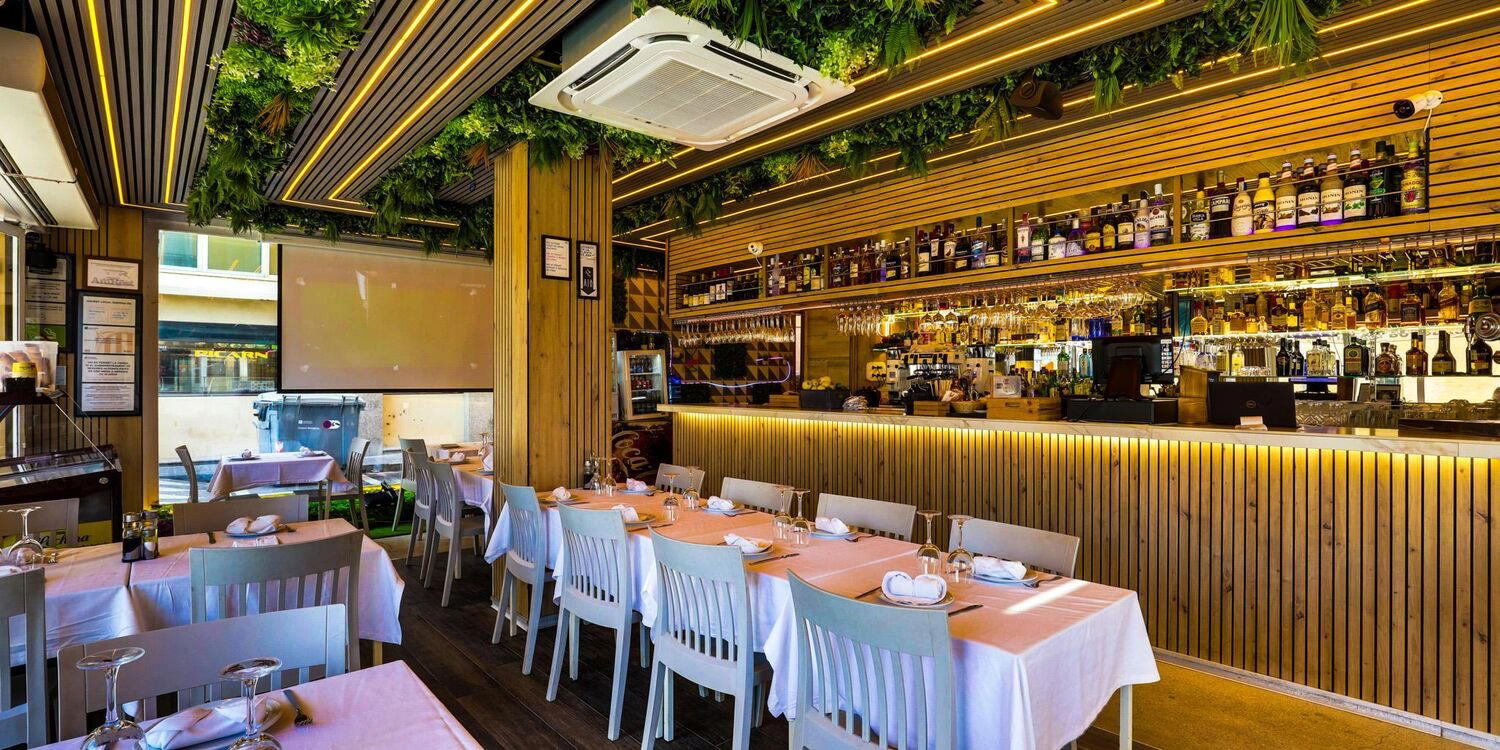
What the Regulars Know That First-Timers Don't
Barcelona's Ciutat Vella is among the more complicated neighbourhoods in Spain to eat well in. The density of tourists has pushed many of its ground-floor dining rooms toward volume over precision, and the casual visitor scanning a terrace is as likely to land somewhere indifferent as somewhere worth returning to. The bars and restaurants that survive on local trade rather than foot traffic tend to announce themselves differently: through repetition, through a regulars' shorthand that never quite makes it onto the menu board, and through the kind of incremental loyalty that no amount of online promotion fully replicates. Tapas Y Mar, on Carrer de la Mestrança in the 08003 postal district, is a Spanish seafood tapas restaurant in Barcelona’s Ciutat Vella.
The name declares its priorities without ambiguity: tapas and the sea. In a city where the relationship between the kitchen and the Mediterranean has produced everything from the raw modernism of places like Disfrutar to the rigorous tasting architecture of ABaC, a seafood tapas address in the old city represents a more grounded register. It isn't competing with the multi-starred creative houses; it's operating in the register that most of Barcelona actually eats in, and doing so in a part of the city where that is genuinely hard to sustain.
The Tapas Tradition This Kitchen Works Within
Spanish tapas culture varies considerably by region, and the Catalan version has always carried a distinct character. Where Andalusia's tapas tradition developed partly as a free accompaniment to drink, Catalonia's approach tends to be more deliberate and more closely tied to the produce of both its agricultural interior and its long coastline. The pairing of sea-sourced ingredients with the direct preparation style of a small-plate format is not incidental in Barcelona; it reflects a culinary logic that goes back generations and continues to define what the city's neighbourhood restaurants do at their most honest.
The specific address of Carrer de la Mestrança places Tapas Y Mar near the Barceloneta waterfront, the neighbourhood that has historically been the city's most direct conduit between the fishing port and the table. Barceloneta's dining identity has shifted considerably under tourist pressure, but the ingredients pipeline that serves its kitchens still connects to a broader Mediterranean supply chain that includes species and preparations not always visible in the city's more inland dining rooms. A tapas format built on seafood, in this part of Ciutat Vella, is drawing on a tradition with real geographic logic behind it.
For context on how Spain's most technically ambitious seafood cooking looks at the summit of the register, Aponiente in El Puerto de Santa María and Quique Dacosta in Dénia represent the Michelin-decorated tier where marine ingredients become the primary creative medium.
The Return Logic: Why Regulars Come Back
In any tapas bar that survives primarily on local trade, the unwritten menu is usually one reliable guide. Regulars develop a mental list of two or three items they order without looking at the board, a preferred time to arrive, and often a specific seat or section they gravitate toward. The social architecture of a successful tapas bar is built over months of this kind of accumulated habit, and it cannot be manufactured through marketing.
What keeps that cycle going at a seafood-focused tapas address in Ciutat Vella is usually a combination of consistency, portion honesty, and the absence of the kind of theatrical upselling that tends to colonise high-traffic tourist corridors. The regulars' perspective on a place like Tapas Y Mar is generally less about single standout moments and more about the reliable arithmetic of a well-spent hour: a glass of something cold, a few plates that deliver exactly what they promise, and a room that doesn't require you to perform enthusiasm. That is, in practice, a more demanding standard than it sounds, and it's the one that determines whether a neighbourhood restaurant persists or fades.
Barcelona's upper-tier creative dining, from Cocina Hermanos Torres to Lasarte and the formally experimental Enigma, demands a different kind of engagement: long bookings, tasting menus, and full evening commitments. The neighbourhood tapas bar solves a different problem. Those two dining cultures coexist in Barcelona without much overlap, and both are worth understanding on their own terms.
Spain's Michelin-recognised registers extend well beyond Barcelona, from El Celler de Can Roca in Girona and Arzak in San Sebastián to Azurmendi in Larrabetzu, Mugaritz in Errenteria, Martin Berasategui in Lasarte-Oria, DiverXO in Madrid, Ricard Camarena in València, and Atrio in Cáceres. None of those references are the frame in which to place a Ciutat Vella tapas bar, but they map the broader Spanish dining environment within which any Barcelona restaurant operates.
How Tapas Y Mar Fits the Neighbourhood
Carrer de la Mestrança sits in the stretch of Ciutat Vella that edges toward the marina and the older residential fabric of the barri. It's a part of the city that has retained more of its working character than some of the more heavily trafficked Gothic Quarter streets, which gives it a slightly different dining population: more local, less transient, more likely to include people who ate here last week and will eat here again next week. That regulars' geography is one reliable indicator of a restaurant's actual function within its neighbourhood.
For visitors approaching Barcelona's dining scene more broadly, Barcelona's range runs from neighbourhood essentials to the multi-starred creative tier. Internationally, the seafood-forward approach that defines the restaurant's register connects to a wider conversation about how coastal produce shapes dining culture, a conversation carried in different ways by places as distant as Le Bernardin in New York City and Atomix in New York City, both of which treat their core ingredient traditions with the same kind of seriousness, at a different price point and scale.
Planning a Visit
Recognition, Side-by-Side
Comparable venues nearby, for context on price, style, and recognition.
| Venue | Cuisine | Price | Notes |
|---|---|---|---|
| Tapas Y MarThis venue — the venue you are viewing | Spanish Seafood Tapas | $$ | Not listed |
| Can Ramonet | Traditional Catalan Seafood and Rice | $$ | la Barceloneta |
| Can Culleretes | Traditional Catalan | $$ | Barri Gotic |
| Cavina Vinoteca | Modern Spanish Tapas | $$ | el Poblenou |
| Casa Pepi | Traditional Spanish Tapas | $$ | el Clot |
| Golfo De Bizkaia BCN | Traditional Basque Pintxos | $$ | Sant Pere, Santa Caterina i la Ribera |
Continue exploring
More in Barcelona
Restaurants in Barcelona
Browse all →

Bars in Barcelona
Browse all →
Hotels in Barcelona
Browse all →



At a Glance
- Cozy
- Scenic
- Romantic
- Date Night
- Casual Hangout
- Terrace
- Local Sourcing
- Waterfront
- Street Scene
Current opening hours
- Monday
- 10 AM–1 AM
- Tuesday
- 10 AM–1 AM
- Wednesday
- 10 AM–1 AM
- Thursday
- 10 AM–1 AM
- Friday
- 10 AM–2 AM
- Saturday
- 10 AM–2 AM
- Sunday
- 10 AM–1 AM
Hours can change for holidays and private events. Last verified .
Coastal and relaxed atmosphere well-suited for sunset dinners by the waves.