Casa Pepi occupies a quiet address in Sant Martí, one of Barcelona's more residential districts, where neighbourhood dining operates at a different register than the Eixample fine-dining circuit. The kitchen draws on a tradition of market-led Catalan cooking that prizes ingredient sequence over spectacle. For travellers moving beyond the city's headliner tables, it represents a different order of argument about what Barcelona eating can be.
Pearl is the En Primeur Club membership app — saves, bookings, and concierge access live there. Same editors, same standards.
- Address
- Carrer de la Sèquia Comtal, 7, Sant Martí, 08018 Barcelona, Spain
- Phone
- +34681903447
- Website
- casapepirestaurant.com
- Directions
- Get directions
 Saves & bookings on Pearl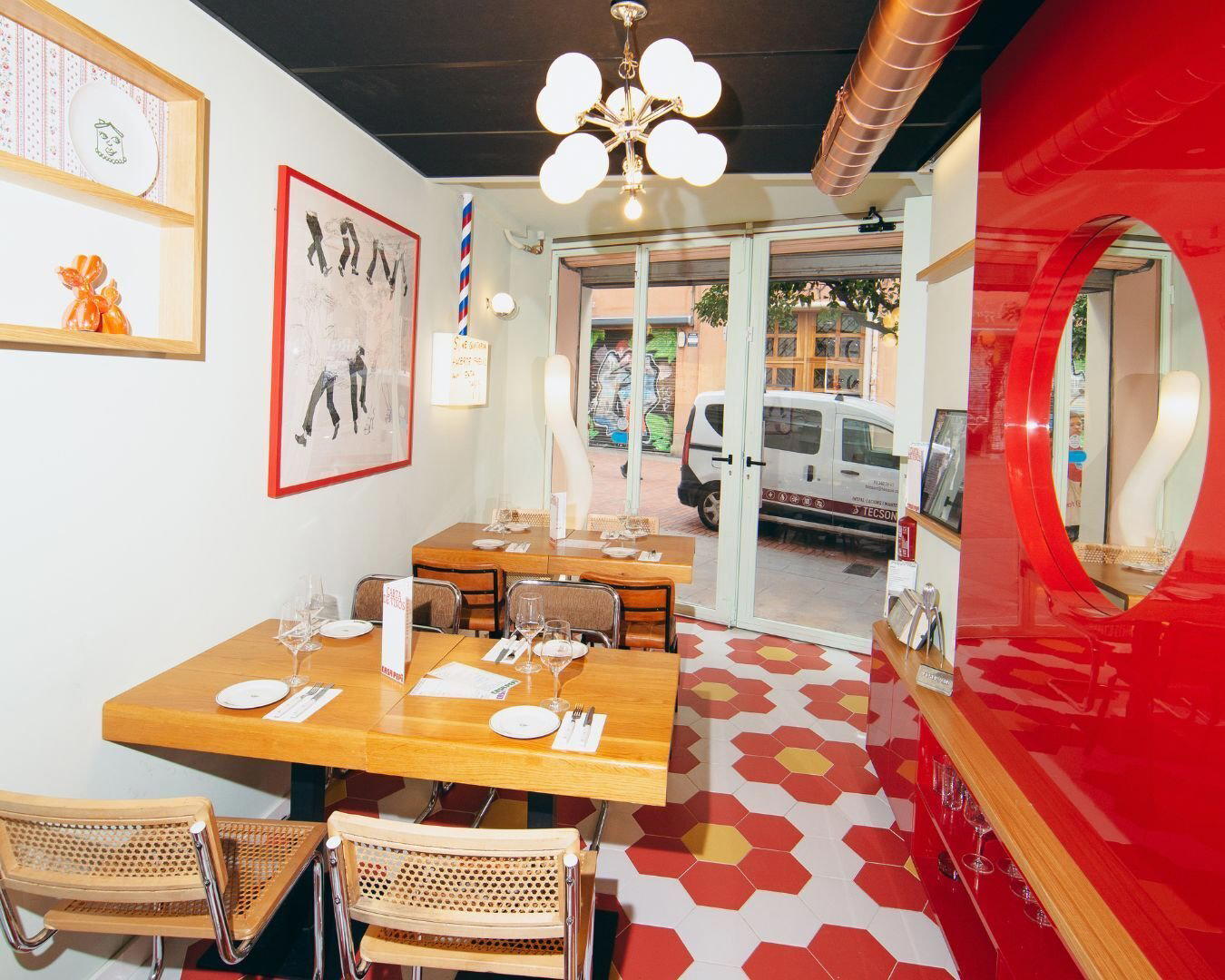
Sant Martí and the Case for Neighbourhood Dining
Barcelona's restaurant conversation tends to collapse into two poles: the internationally recognised creative houses in the Eixample and Gràcia, and the tourist-facing seafood terraces along the waterfront. The middle ground, where neighbourhood kitchens serve a primarily local clientele with menus built around seasonal Catalan produce, receives far less attention from outside the city. Sant Martí is that middle ground made physical. The district runs east from the old city toward the sea, its streets quieter than the Gothic Quarter, its lunch trade sustained by residents and the professional class from the nearby tech cluster around the 22@ zone rather than by tour groups.
Casa Pepi sits on Carrer de la Sèquia Comtal, a modest address that signals immediately what kind of operation this is. The street is residential rather than commercial, and arriving on foot through Sant Martí gives a sense of the city at a pace the Rambla never allows. That locational logic is not incidental: kitchens that anchor themselves in residential districts tend to build their menus around the rhythms of local markets rather than the demands of destination dining, and that distinction shapes everything from sourcing to portion logic to the pace of service.
How the Menu Is Built, and What That Tells You
The architecture of a restaurant's menu is one of the more reliable windows into what a kitchen actually believes. At the high end of Barcelona dining, that architecture has grown increasingly elaborate. Disfrutar, with its sequence of tasting courses built around technique-driven transformations, and Enigma, with its room-by-room progression, treat the menu as a scored composition. Cocina Hermanos Torres and Lasarte operate at the same elevation, where price and sequence are both expressions of intent. ABaC belongs to the same tier, where the tasting format is the primary product.
Neighbourhood kitchens like Casa Pepi work from a different set of principles. Here, the menu tends to be shorter, structured around what is available rather than what can be spectacularly transformed. That constraint is productive. When a kitchen cannot rely on elaborate technique to compensate for indifferent sourcing, the quality of the ingredient becomes the argument. Catalan cooking has a long tradition of this restraint: the mercat defines the meal, and the cook's job is to not get in the way. The day's market offering at places like the Mercat de Santa Caterina, close to Sant Martí's western edge, or the Mercat de Poblenou further east, shapes what appears on the plate in a way that no printed menu fully captures.
That seasonal responsiveness is both the strength and the planning challenge of this category of restaurant. What reads well in October, when mushrooms from the pre-Pyrenean foothills arrive and the season's first game is in circulation, will look entirely different in March. Visitors planning around Casa Pepi should treat that variability as a feature rather than an inconvenience: it is precisely what separates a market-led neighbourhood kitchen from a venue running a fixed tasting script year-round.
Where Casa Pepi Sits in Barcelona's Broader Dining Map
Barcelona's fine-dining circuit has accumulated serious international recognition over the past decade. El Celler de Can Roca in Girona remains the region's most decorated table. Within the city, Disfrutar and Cocina Hermanos Torres hold Michelin recognition that places them in the same conversation as Spain's other benchmark addresses: Quique Dacosta in Dénia, Arzak in San Sebastián, Azurmendi in Larrabetzu, Martin Berasategui in Lasarte-Oria, Aponiente in El Puerto de Santa María, and Mugaritz in Errenteria. Further afield, DiverXO in Madrid and Atrio in Cáceres anchor Spain's wider fine-dining geography.
The restaurant does not compete in that tier, and the comparison is not meant to diminish it. The relevant comparable set is the category of serious neighbourhood restaurants that sustain Barcelona's daily eating life: places where the clientele are regulars, where the wine list reflects regional producers rather than international prestige bottles, and where the meal is an event in proportion to its surroundings rather than an internationally marketed occasion. Internationally, the format has parallels at places like Lazy Bear in San Francisco, which started as a pop-up rooted in community before formalising, or the kind of focused, technically serious but scale-modest operations that Le Bernardin in New York City represents at a much grander price point: both examples of kitchens with a clear argument about what they are doing and why. Ricard Camarena in València offers a useful regional reference for how a kitchen can operate with strong seasonal conviction at varying price registers.
Planning Your Visit
Sant Martí is accessible from central Barcelona by metro on Line 4 (Llacuna or Poblenou stations place you within walking distance of the Sèquia Comtal address) or by bicycle along the city's well-maintained cycle infrastructure. The neighbourhood rewards arriving with time to walk: the stretch between Poblenou's Rambla and the older industrial fabric around the 22@ zone gives a sense of a district still in transition, which is a more honest picture of contemporary Barcelona than the tourist centre provides.
Spring and autumn are particularly productive seasons for Catalan market cooking, when the range of available produce is at its widest.
Know Before You Go
- Address: Carrer de la Sèquia Comtal, 7, Sant Martí, 08018 Barcelona, Spain
- District: Sant Martí, east Barcelona
- Getting There: Metro Line 4 (Llacuna or Poblenou); city bike infrastructure covers the route from central Barcelona
- Booking: Reservations recommended
- Hours: Mon: 1–4 PM, 8–11 PM; Tue: 1–4 PM, 8–11 PM; Wed: 1–4 PM, 8–11 PM; Thu: 1–4 PM, 8–11 PM; Fri: 1–11 PM; Sat: 1–11 PM; Sun: 1–11 PM
- Price: About $20 per person
- Seasonal note: Autumn (September to November) and spring (March to May) align leading with Catalan market produce cycles
Peers Worth Knowing
Comparable venues nearby, for context on price, style, and recognition.
| Venue | Cuisine | Price | Notes |
|---|---|---|---|
| Casa PepiThis venue — the venue you are viewing | Traditional Spanish Tapas | $$ | Not listed |
| Buena Vida Bar | Modern Spanish Tapas | $$ | la Vila de Gracia |
| La Taverna Del Suculent | Modern Spanish Tapas | $$ | el Raval |
| Gabatxo | Spanish-French Fusion Tapas & Cocktails | $$ | l'Antiga Esquerra de l'Eixample |
| Txokoa Barcelona | Traditional Spanish Gastrobar | $$ | les Corts |
| Demo Gastrobar | Modern Spanish Gastrobar Tapas | $$ | la Vila de Gracia |
Continue exploring
More in Barcelona
Restaurants in Barcelona
Browse all →
Bars in Barcelona
Browse all →
Hotels in Barcelona
Browse all →

At a Glance
- Cozy
- Rustic
- Intimate
- Casual Hangout
- Group Dining
- Terrace
- Natural Wine
- Natural Wine
Current opening hours
- Monday
- 1–4 PM, 8–11 PM
- Tuesday
- 1–4 PM, 8–11 PM
- Wednesday
- 1–4 PM, 8–11 PM
- Thursday
- 1–4 PM, 8–11 PM
- Friday
- 1–11 PM
- Saturday
- 1–11 PM
- Sunday
- 1–11 PM
Hours can change for holidays and private events. Last verified .
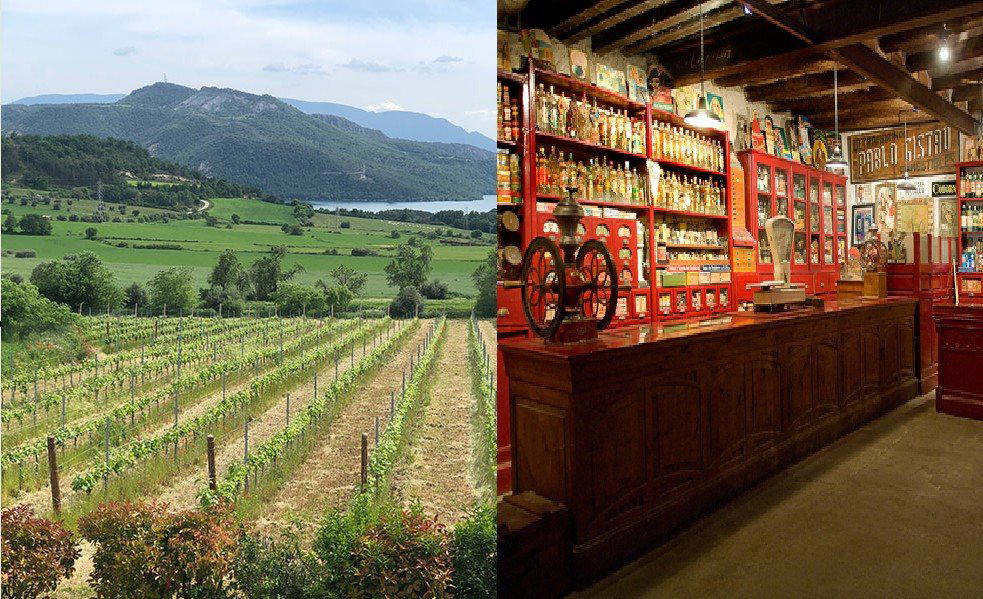
Cozy and warm with a retro 1980s vibe evoking Almodóvar films, featuring original, informal, and up-to-date decor.