Our verdict
On a quiet street in Córdoba's historic centro, Tana Criolla occupies a slice of the city's everyday dining culture that sits well outside the Mezquita tourist circuit. The kitchen draws on Andalusian foundations with a criolla inflection, placing it in a distinct tier from the tasting-menu formalism of peers like Noor or Choco. For visitors building a fuller picture of how Córdoba actually eats, it earns a place on the itinerary.

Pearl is the En Primeur Club membership app — saves, bookings, and concierge access live there. Same editors, same standards.
- Address
- C. Romero, 8, Centro, 14003 Córdoba, Spain
- Phone
- +34604415989
- Hours
- Daily 10:30 AM–10 PM
- Website
- latanacriolla.es
- Directions
- Get directions
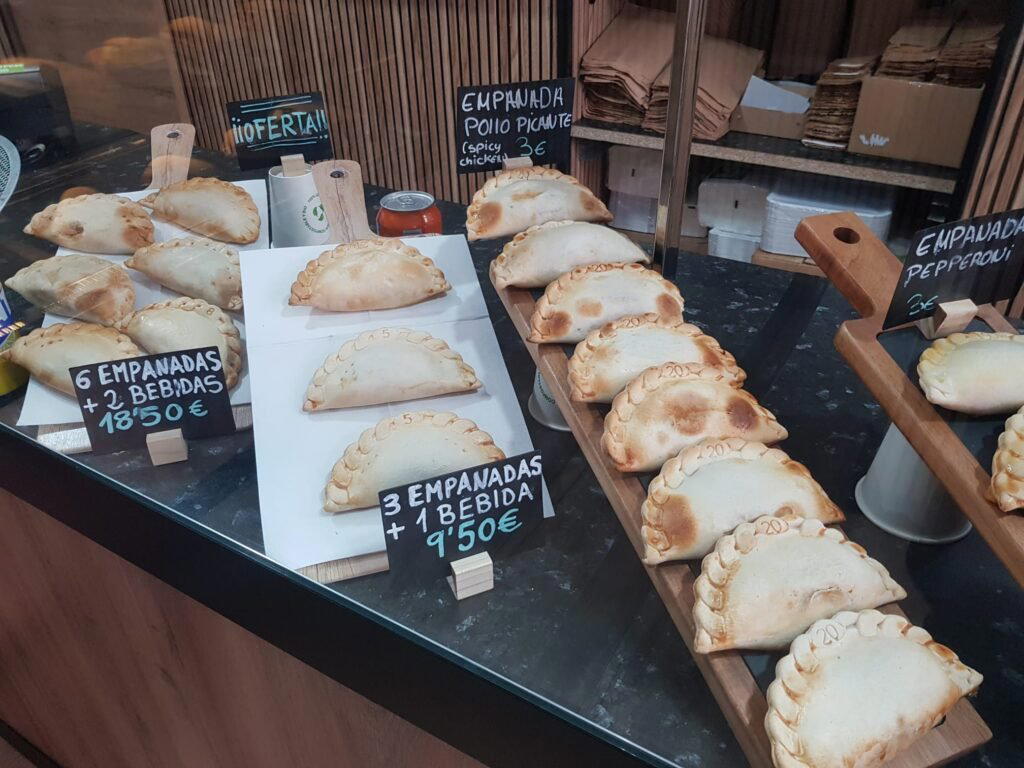
A Street in the Centro, and What It Tells You About Córdoba's Dining Character
Calle Romero is the kind of address that rewards the traveller who has already done the Mezquita, already eaten once in the tourist-facing restaurants that orbit the monument, and is now asking the more interesting question: where does the city actually feed itself? Tana Criolla sits at number 8 on that street, in Córdoba's Centro district, and its location is itself a piece of editorial context. This is not the Judería's preserved-for-visitors charm, nor the creative-tasting-menu corridor where Noor and Choco operate at the top of the city's gastronomic register. It is, instead, the kind of address that anchors a neighbourhood dining culture: present, purposeful, and not particularly interested in announcing itself.
Córdoba's restaurant scene has split into legible tiers over the past decade. At one end, you have the city's Michelin-starred creative houses, which price and format themselves against national peers, the same conversation happening at Aponiente in El Puerto de Santa María or El Celler de Can Roca in Girona. At the other end, a scattering of traditional bodegas, among them Bodega Guzmán and Bodegas Mezquita, serve as institutional anchors of regional tradition. Tana Criolla operates in the middle register, the tier that cities run on but that travel writing tends to skip past in favour of the extremes.
The Criolla Inflection: What It Means for the Meal
The name carries a specific cultural signal. Criolla, in the Spanish-speaking world, refers broadly to traditions that evolved through the encounter of Iberian and Latin American influences, a cuisine that is neither purely European nor purely indigenous but something produced by that long exchange. In the context of Andalusia, which maintained deep colonial and commercial ties to the Americas for centuries, the term lands with a particular kind of historical resonance. It positions the kitchen somewhere between Córdoba's Moorish-inflected Andalusian inheritance, explored at its most rigorous at Arbequina, and a South American culinary register that Spain has absorbed gradually through migration and trade.
This is a dining tradition that tends toward generosity of portion and directness of flavour rather than the precision-calibrated restraint of Spain's tasting-menu elite. Think of it as sitting in the same broad cultural conversation that produces Argentina's parillas and Peru's casual criolla tables, adapted for a Spanish urban context. The ritual of eating this way has its own pacing: dishes arrive to share or in sequence at a tempo set by the kitchen's rhythm, not the guest's anxiety. It is a format that rewards relaxing into it rather than managing it.
Reading the Room: The Dining Ritual at This Level of the Market
One of the more useful frameworks for approaching a restaurant like Tana Criolla is to think about what the dining ritual asks of you. At the upper end of Córdoba's scene, at Noor or at Spain's highest-profile rooms like DiverXO in Madrid or Martin Berasategui in Lasarte-Oria, the contract between kitchen and guest is explicit: a fixed sequence, a defined duration, a particular posture of attention. The food arrives as argument, and you follow it. At a mid-register criolla table, the contract is different. The meal is a conversation rather than a lecture, and the etiquette is accordingly more lateral. You may arrive at the food from several directions, ordering in rounds, adjusting as the table's appetite develops.
This is not a lesser dining mode. Some of Spain's most structurally interesting meals happen at exactly this register, where the kitchen's discipline shows not in the architecture of a tasting sequence but in the quality of individual execution across a broader, less controlled spread of dishes. The comparison worth making is to how the mid-register in Barcelona or Madrid functions alongside those cities' flagship rooms: Cocina Hermanos Torres in Barcelona or Ricard Camarena in València anchor the upper end; the everyday restaurants doing honest, characterful work at the tier below are what make those cities worth eating in for a week rather than a night.
How Córdoba's Centro Compares to the City's Other Dining Zones
The Centro district sits adjacent to the Judería without being consumed by it. Visitors who restrict themselves to the blocks immediately around the Mezquita encounter a dining scene shaped almost entirely by tourist footfall: menus in four languages, lunch sets designed for one-visit logic, and pricing that reflects the captive nature of the audience. Moving a few streets north or east, toward the residential Centro proper, changes the equation. The clientele becomes more local, the kitchens less calibrated for first-timer expectations, and the pricing more aligned with what the neighbourhood can actually sustain. Calle Romero is within that latter zone.
For practical planning: the Centro is walkable from Córdoba's main train station in under fifteen minutes, and the neighbourhood fills for lunch between 2pm and 4pm in the Spanish fashion, with dinner rarely starting before 9pm. Visitors arriving from other Spanish cities will recognise the rhythm immediately; those arriving from northern Europe or North America should factor the late dinner hour into their scheduling. The booking picture at this level of the market, without the high-demand signals that drive the months-ahead reservation windows at Azurmendi in Larrabetzu or Mugaritz in Errenteria, tends to be more accessible, though specifics on booking method and lead times are best confirmed directly with the venue.
For a fuller account of how this address fits into Córdoba's broader restaurant picture, including where to eat at both ends of the formality spectrum, see our full Córdoba restaurants guide.
Frequently asked questions
What part of town is Tana Criolla in?
Tana Criolla is located at C. Romero, 8, Centro, 14003 Córdoba, Spain, Córdoba.
Is Tana Criolla a good choice for a meal outside Córdoba's main tourist circuit?
Calle Romero, 8 places Tana Criolla in the Centro district rather than in the heavily trafficked ring around the Mezquita and Judería — which is a meaningful distinction in a city where tourist-facing restaurants and locally frequented ones rarely overlap. The criolla framing of the name also sets it apart from the Andalusian standards that dominate most menus in the area. For a traveller who has already covered Córdoba's monuments and wants a meal with a different cultural register, this address warrants attention.
What do people recommend at Tana Criolla?
At this address on Calle Romero in Córdoba's Centro, that framing typically means preparations that diverge from standard Andalusian set pieces. Your best approach is to ask staff what is running that day, as menus at restaurants in this bracket tend to shift with the market.
How far ahead should I plan for Tana Criolla?
Calle Romero sits inside Córdoba's Centro, a district that draws a local rather than purely tourist crowd, which means demand patterns differ from the high-turnover blocks near the Mezquita. Contacting the restaurant directly before your visit is the practical approach, particularly during Semana Santa or Córdoba's Patios Festival in May, when the city fills well beyond its usual capacity.
Cuisine and Credentials
Comparable venues nearby, for context on price, style, and recognition.
| Venue | Cuisine | Price | Awards | Notes |
|---|---|---|---|---|
| Tana CriollaThis venue — the venue you are viewing | Argentinian Empanadas | $1–10 | Not listed | Not listed |
| Bodegas Mezquita | Traditional Cordoban Tapas | $20–30 | Not listed | Historic Center |
| La Casa Siria - البيت السوري | Authentic Syrian | $20–30 | Not listed | Centro |
| Ermita De La Candelaria | Traditional Córdoba & Andalusian cuisine in a historic chapel | $50–100 | Guía Repsol 1 Sol · Macarfi 7.4 Food Rating | Not listed |
| Taberna La Montillana | Traditional Andalusian Tapas with Modern Flourishes | $30–50 | Star Wine List · Macarfi 7.2 Food Rating | Centro |
| Bodegas Mezquita Céspedes | Traditional Cordoban Tapas | $20–30 | Not listed | historic center |
Continue exploring
More in Córdoba
Restaurants in Córdoba
Browse all →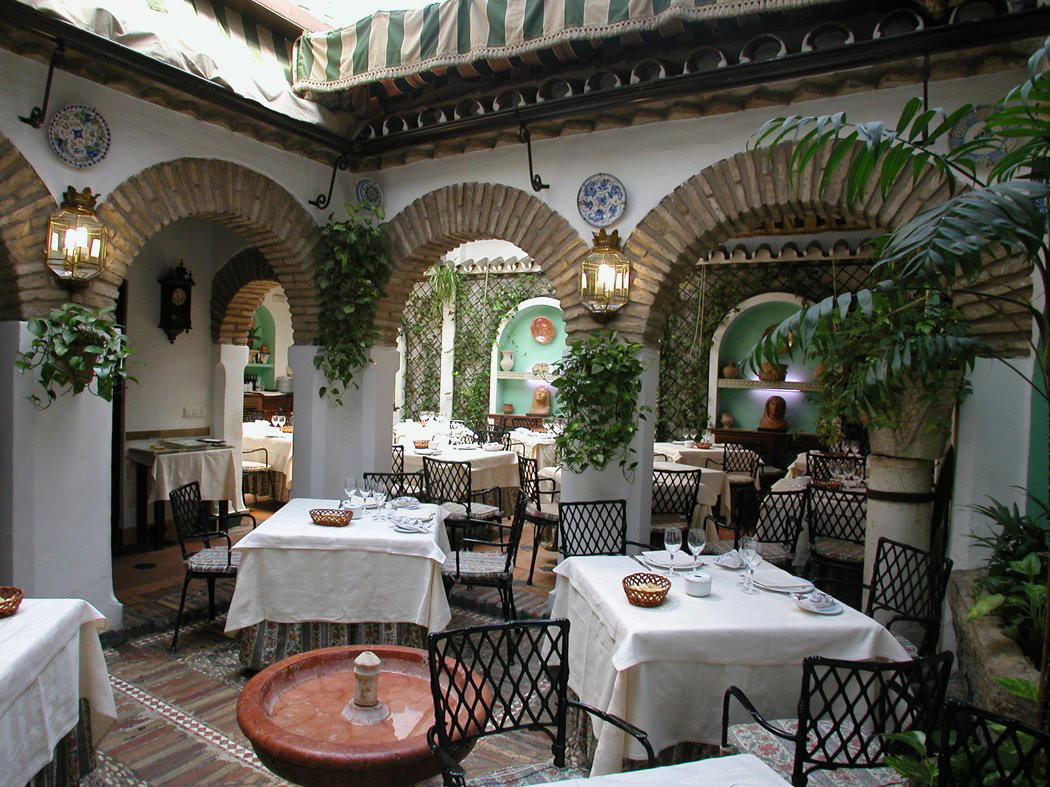
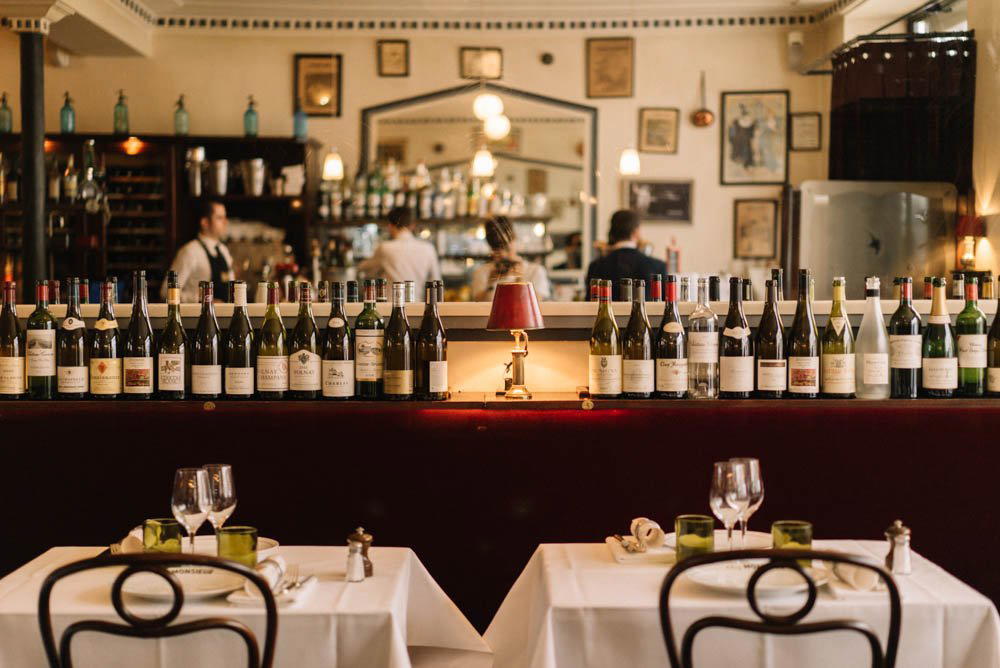
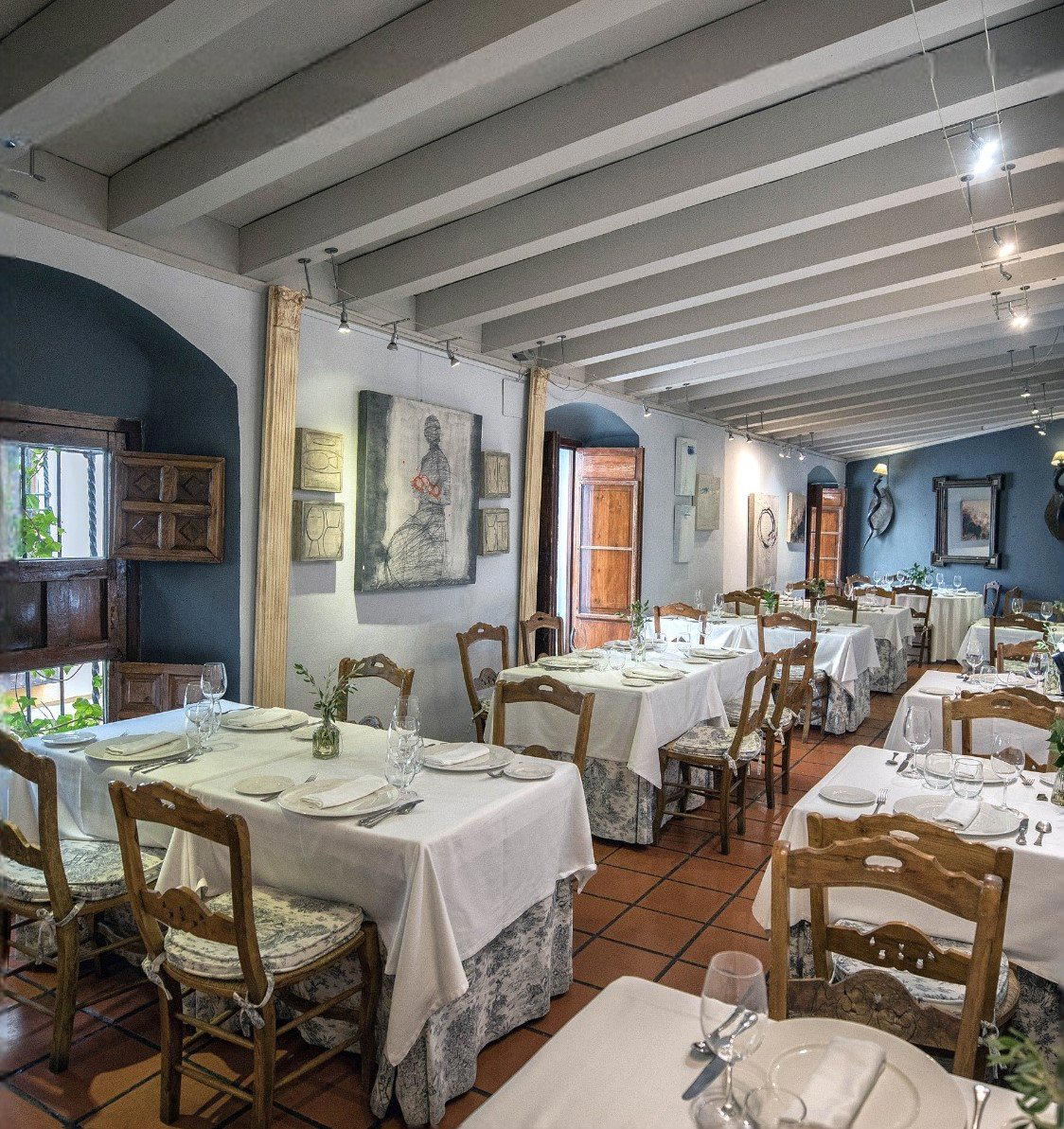
Bars in Córdoba
Browse all →Hotels in Córdoba
Browse all →

Details
- Cozy
- Casual Hangout
- Beer Program
- A La Carte
- Beer
Current opening hours
- Monday
- 10:30 AM–10 PM
- Tuesday
- 10:30 AM–10 PM
- Wednesday
- 10:30 AM–10 PM
- Thursday
- 10:30 AM–10 PM
- Friday
- 10:30 AM–10 PM
- Saturday
- 10:30 AM–10 PM
- Sunday
- 10:30 AM–10 PM
Hours can change for holidays and private events. Last verified .
Super cute place with friendly and gracious service.