Our verdict
Bodegas Mezquita occupies a square just steps from Córdoba's Mezquita-Catedral, placing it at the intersection of Andalusian convivencia heritage and the city's contemporary tapas tradition. The kitchen draws on the layered culinary legacy of a city where Moorish, Jewish, and Christian cooking techniques converged for centuries. It sits in the mid-tier of Córdoba's dining scene, where traditional formats and local ingredients take precedence over modernist experimentation.

Pearl is the En Primeur Club membership app — saves, bookings, and concierge access live there. Same editors, same standards.
- Address
- Pl. Cruz del Rastro, 2, Centro, 14002 Córdoba, Spain
- Phone
- +34957942711
- Hours
- Mon–Thu 1–11:30 PMFri–Sat 1 PM–12 AMSun 1–11:30 PM
- Website
- bodegasmezquita.com
- Directions
- Get directions
- Booking
- Book on the venue's website
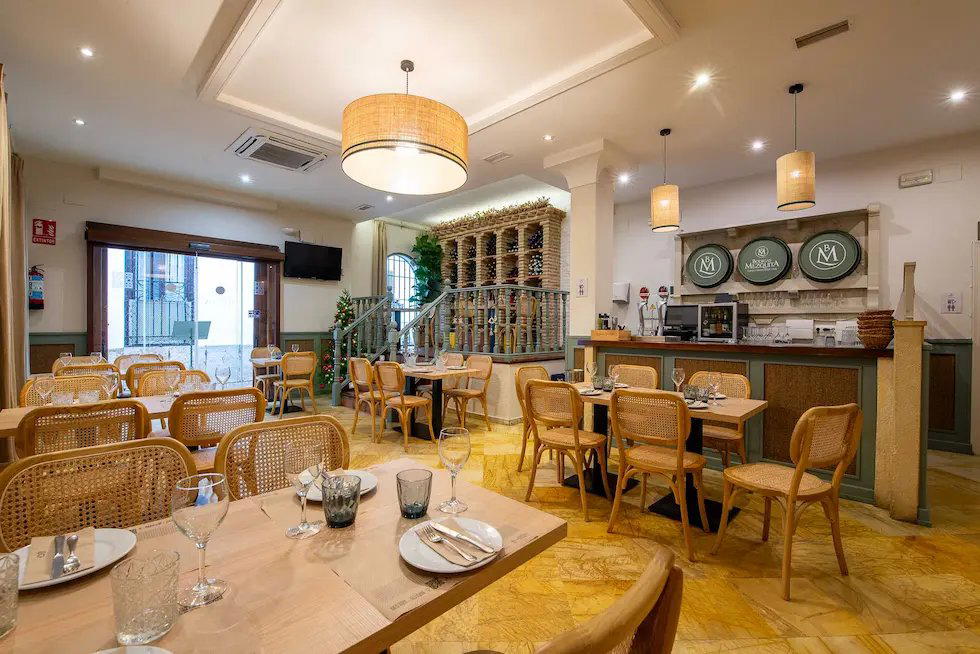
Where Córdoba's Layered History Arrives on a Plate
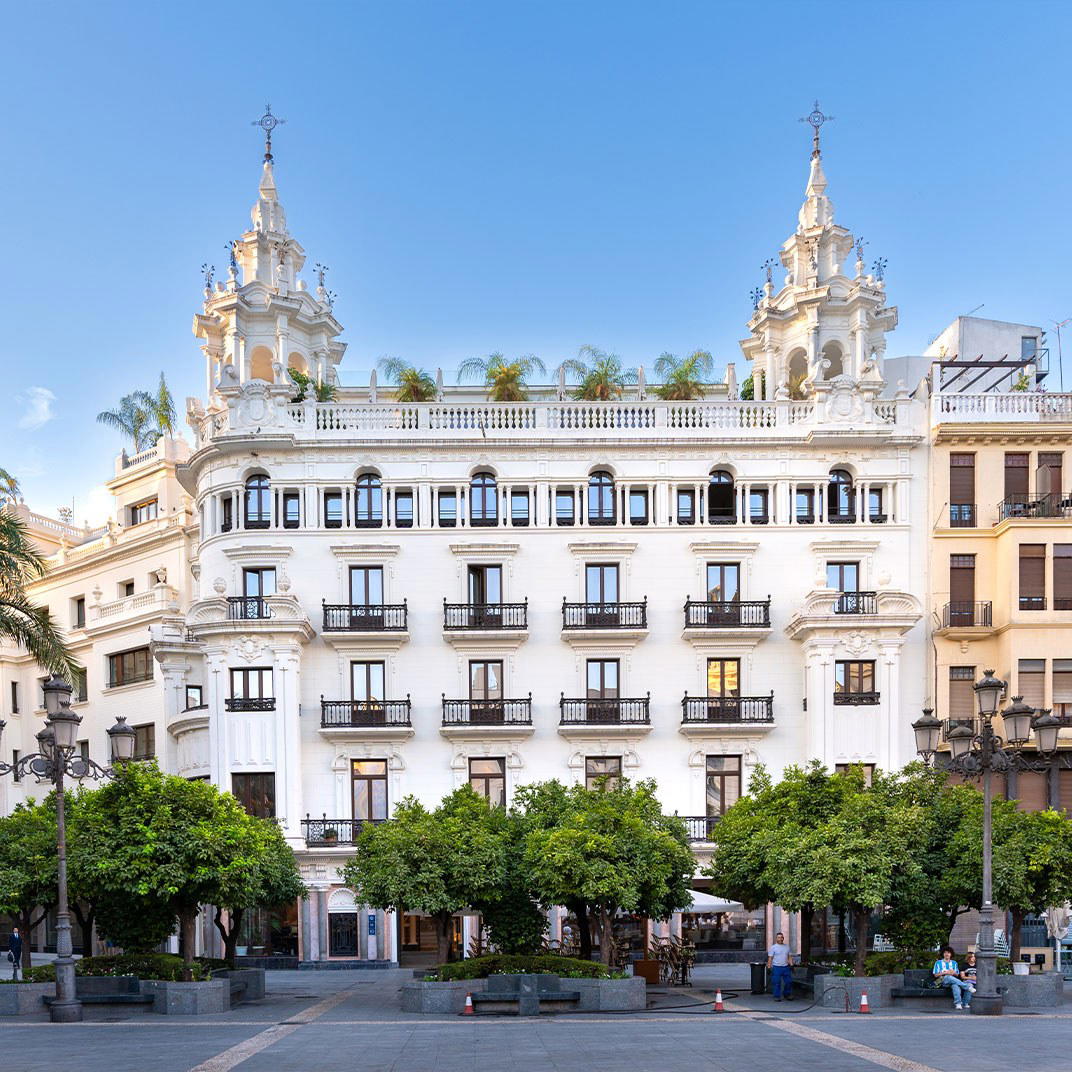
Plaza Cruz del Rastro sits in the shadow of the Mezquita-Catedral's southwestern walls, close enough that the stone feels present even when you cannot see it. The square is calm by comparison to the tourist corridors that fan out from the mosque's main entrance, and the atmosphere shifts accordingly: this is a working corner of the old city, not a staging area for photographs. Dining here means eating inside one of European history's most saturated cultural addresses, in a part of Córdoba where the streets still follow the geometry of the medieval medina. Bodegas Mezquita occupies that address, and the location alone frames everything that follows on the table.
The Culinary Inheritance of Al-Andalus
Córdoba's food culture cannot be properly read without accounting for the roughly five centuries during which it served as the intellectual and commercial capital of Al-Andalus. The city's kitchens absorbed Moorish spice logic, Jewish dietary customs, and Castilian pastoral traditions in ways that left permanent marks on the regional repertoire. Saffron-threaded stews, salmorejo (the thicker, richer Córdoban answer to Andalusian gazpacho), oxtail braised long and slow, and fried aubergine finished with local honey all trace back to that convergence. These are not reconstructed historical dishes. They are the living output of centuries of layered culinary influence, and they define what serious Córdoban cooking looks like at the mid-market level.
That tradition separates Córdoba from the avant-garde Spanish cooking associated with venues like DiverXO in Madrid, El Celler de Can Roca in Girona, or Mugaritz in Errenteria. It also differs from the coastal seafood registers of Aponiente in El Puerto de Santa María or the Levantine vegetable-forward approach of Ricard Camarena in València. Córdoba's identity is interior, landlocked, and rooted in land-raised livestock and orchard produce from the Guadalquivir valley. Bodegas Mezquita operates firmly within that tradition rather than departing from it.
Format and Scene: The Bodega Model in the Historic Core
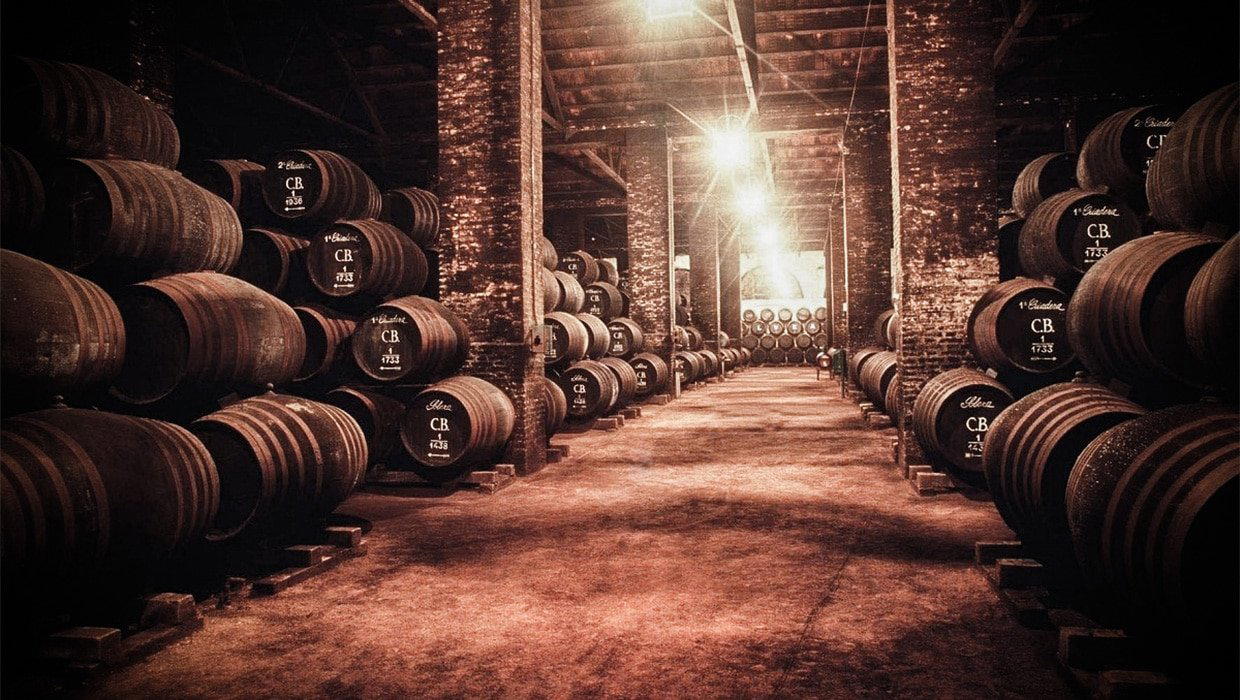
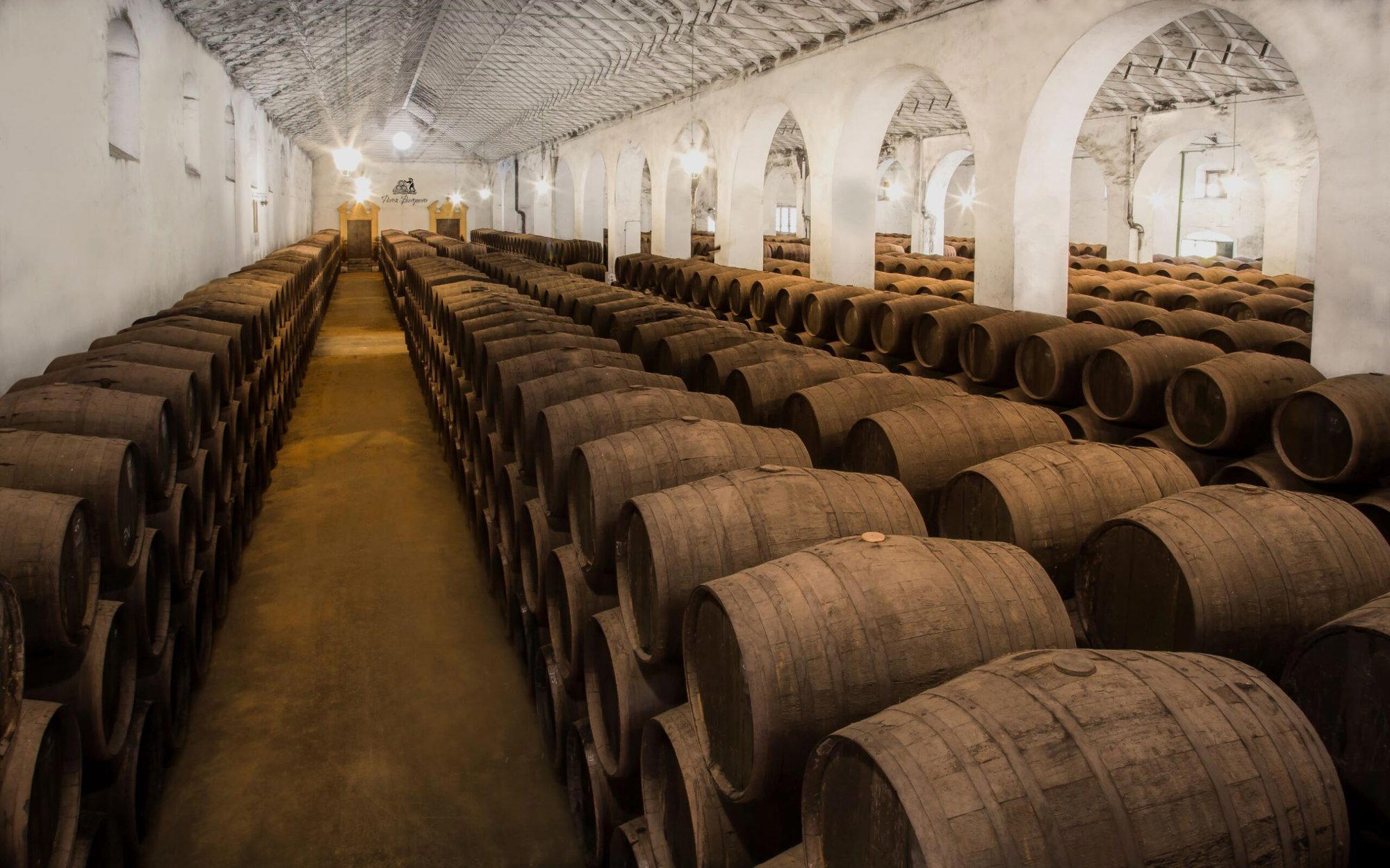
The bodega format, as practiced in Andalusia, combines wine-led hospitality with a kitchen that tilts toward sharing plates and traditional preparations. It is a format that predates the modern tapas-bar iteration and carries different expectations: the wine list anchors the experience, and the food follows its logic rather than competing with it. In Córdoba's historic centre, several venues operate in this register. Bodega Guzmán is among the most established, holding a long-running position in the city's traditional dining conversation. Bodegas Mezquita Céspedes represents the same operating group's second address, extending the format across a different neighbourhood. Together, they suggest a deliberate approach to anchoring Córdoban convivencia cooking at multiple points in the old city.
The comparison set for Bodegas Mezquita on Plaza Cruz del Rastro also includes venues that take different angles on the city's multicultural heritage. La Casa Siria draws explicitly on the Arab-Andalusian connection, working the Middle Eastern thread of Córdoba's culinary past rather than the Castilian one. Restaurante Umaueyon and El Papagayo each occupy their own positions in a scene that has diversified noticeably over the past decade. None of these venues is chasing Michelin recognition in the manner of Quique Dacosta in Dénia, Arzak in San Sebastián, Azurmendi in Larrabetzu, or Martin Berasategui in Lasarte-Oria. The appeal here is density of cultural context, not tasting-menu precision. This is a different proposition from highly choreographed formats such as Cocina Hermanos Torres in Barcelona, Le Bernardin in New York City, or Lazy Bear in San Francisco.
What to Order and How to Read the Menu
Córdoban menus in this register typically lead with salmorejo, the city's signature cold tomato soup thickened with bread and olive oil, garnished with jamón and hard-boiled egg. It appears on nearly every table in the historic centre and functions as a useful benchmark for kitchen quality: a properly made salmorejo is deep orange-red, carries a noticeable sharpness from aged sherry vinegar, and holds enough body to coat a spoon. Alongside it, expect rabo de toro (slow-braised oxtail), berenjenas con miel (fried aubergine with cane honey), and preparations built around Montilla-Moriles wines, the DO appellation from just south of the city that produces the fino and amontillado styles closely associated with Córdoban cooking. This wine region is distinct from Jerez and rarely appears on lists outside Andalusia, which makes encountering it in its home context worth attention.
Planning Your Visit
The Plaza Cruz del Rastro address places Bodegas Mezquita at one of Córdoba's more navigable entry points to the historic centre, close to the Alcázar de los Reyes Cristianos and within walking distance of the Judería. Córdoba's old city is compact enough that most principal monuments are reachable on foot, and the square itself is quiet enough to function as a de-compression point between sightseeing and eating. The city's peak season runs from late March through May, when the Patio Festival draws significant visitor numbers and hotel availability tightens. Visiting outside those months, particularly in autumn, gives a less crowded version of the same architecture and food. For a broader orientation to the city's dining options, our full Córdoba restaurants guide covers the range of formats currently operating in the historic centre and beyond.
Frequently asked questions
Where do I go for Bodegas Mezquita?
Bodegas Mezquita is located at Pl. Cruz del Rastro, 2, Centro, 14002 Córdoba, Spain, Cordoba.
Is Bodegas Mezquita a good choice for experiencing Córdoba's wine culture alongside its food?
The bodega model as practised in Andalusia treats wine and food as a single integrated offer rather than separate programmes, which makes Bodegas Mezquita a logical entry point into Córdoba's wine-and-plate tradition. The city sits within a region where fino, Montilla-Moriles, and local whites have historically accompanied exactly the kind of sharing plates the kitchen produces. The Plaza Cruz del Rastro address in Córdoba's Centro district keeps the experience grounded in a neighbourhood context rather than a purely tourist-facing one.
What dish is Bodegas Mezquita famous for?
Salmorejo is the signature order at any serious Córdoban table, and Bodegas Mezquita sits squarely in that tradition. The cold tomato soup, thickened with bread and olive oil then garnished with jamón and hard-boiled egg, is the city's calling card. The Plaza Cruz del Rastro location places the kitchen within the historic core where this preparation has been practised for generations.
How hard is it to get a table at Bodegas Mezquita?
The restaurant occupies a high-traffic position near the Mezquita-Catedral's southwestern walls, which means demand peaks sharply during Córdoba's spring festival season and summer tourist months. Booking ahead rather than walking in on a weekend is the practical approach. The bodega format, with its wine-led, sharing-plate service, does allow for some flexibility at the bar or counter depending on the time of day.
What is Bodegas Mezquita known for?
Bodegas Mezquita operates within the traditional Andalusian bodega model: wine-led hospitality paired with a kitchen focused on regional sharing plates rooted in Córdoba's deep culinary history, including its Al-Andalus inheritance of five centuries as a major Iberian centre. The address at Plaza Cruz del Rastro, steps from the Mezquita-Catedral, ties the dining experience directly to the city's historic core. It draws both locals navigating the neighbourhood and visitors using the Alcázar and the cathedral quarter as their base.
Booking and Cost Snapshot
Comparable venues nearby, for context on price, style, and recognition.
| Venue | Cuisine | Price | Awards | Notes |
|---|---|---|---|---|
| Bodegas MezquitaThis venue — the venue you are viewing | Traditional Cordoban Tapas | $20–30 | Not listed | Not listed |
| Bodegas Mezquita Céspedes | Traditional Cordoban Tapas | $20–30 | Not listed | historic center, Traditional Cordoban Tapas |
| Taberna La Montillana | Traditional Andalusian Tapas with Modern Flourishes | $30–50 | Star Wine List · Macarfi 7.2 Food Rating | Centro, Traditional Andalusian Tapas with Modern Flourishes |
| Bodega Guzmán | Traditional Spanish Tapas | Not listed | Not listed | Juderia, Traditional Spanish Tapas |
| Casa Rubio | Traditional Andalusian Tapas & Regional Spanish Cuisine | $30–50 | Michelin Plate · Macarfi 7.2 Food Rating | Judería (Jewish Quarter), Traditional Andalusian Tapas & Regional Spanish Cuisine |
| Taberna El Olmo | Contemporary Andalusian Seafood & Tapas | Not listed | Not listed | Centro, Contemporary Andalusian Seafood & Tapas |
Continue exploring
More in Córdoba
Restaurants in Córdoba
Browse all →
Bars in Córdoba
Browse all →Hotels in Córdoba
Browse all →

Details
- Romantic
- Cozy
- Well Known
- Date Night
- Casual Hangout
- Special Occasion
- Historic Building
- Extensive Wine List
- Local Sourcing
- Street Scene
- Small Plates
- A La Carte
- Set Menu
- Vegetarian Friendly
- Vegan Options
- Gluten Free Options
Current opening hours
- Monday
- 1–11:30 PM
- Tuesday
- 1–11:30 PM
- Wednesday
- 1–11:30 PM
- Thursday
- 1–11:30 PM
- Friday
- 1 PM–12 AM
- Saturday
- 1 PM–12 AM
- Sunday
- 1–11:30 PM
Hours can change for holidays and private events. Last verified .
Cozy and charming with warm hospitality, praised for its authentic local atmosphere in the historic center.