Our verdict
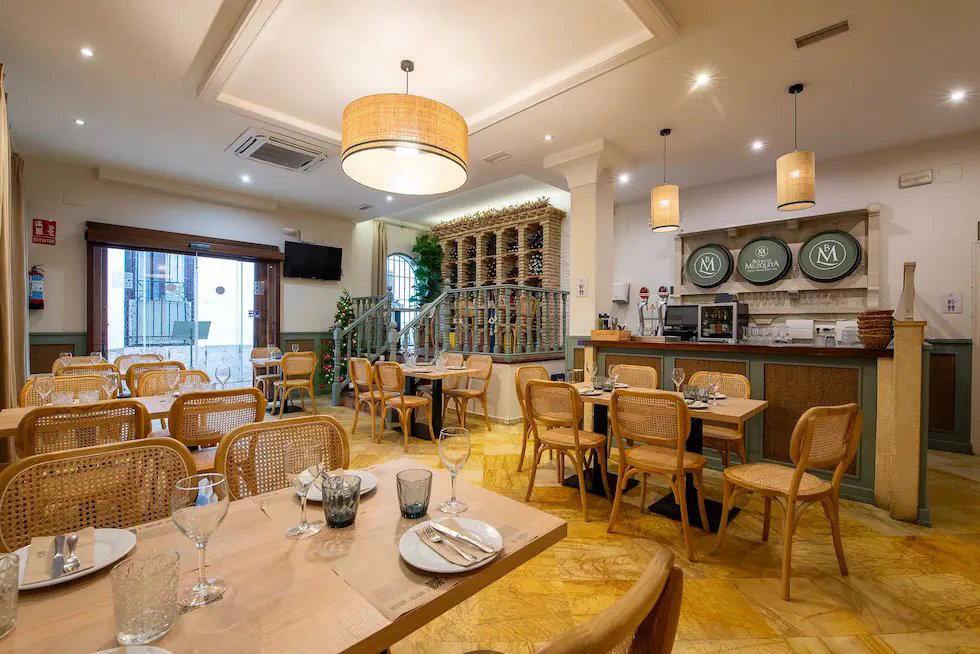
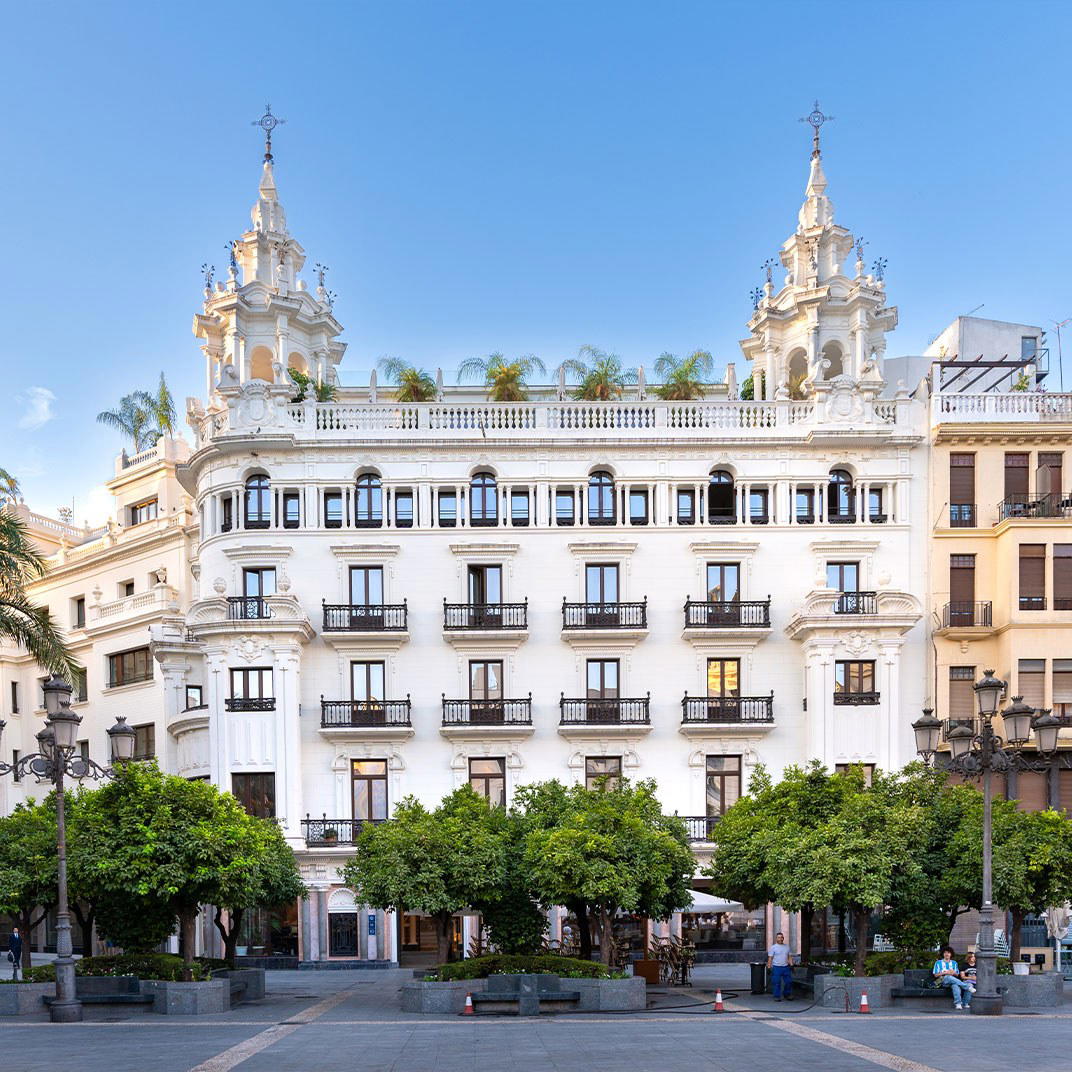
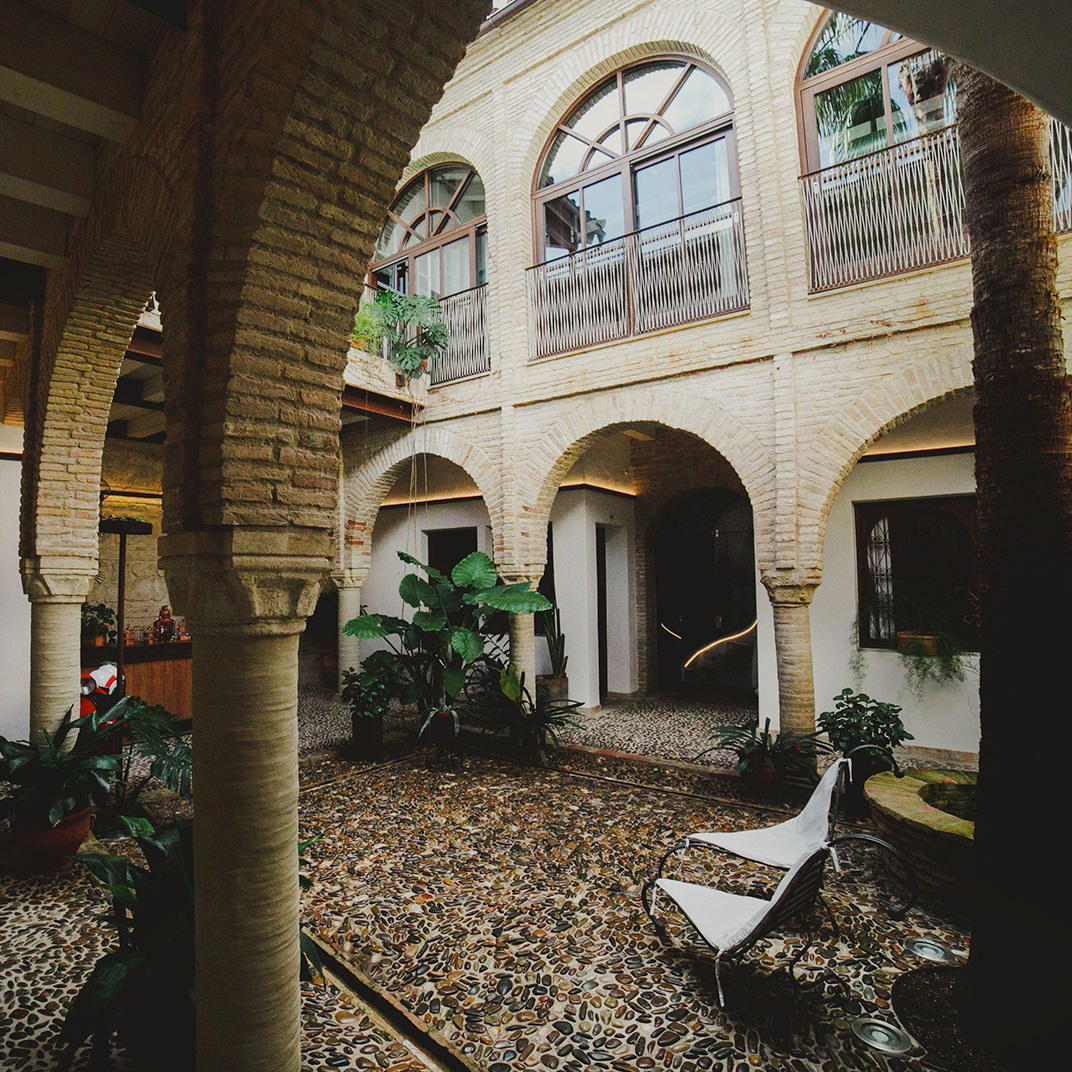
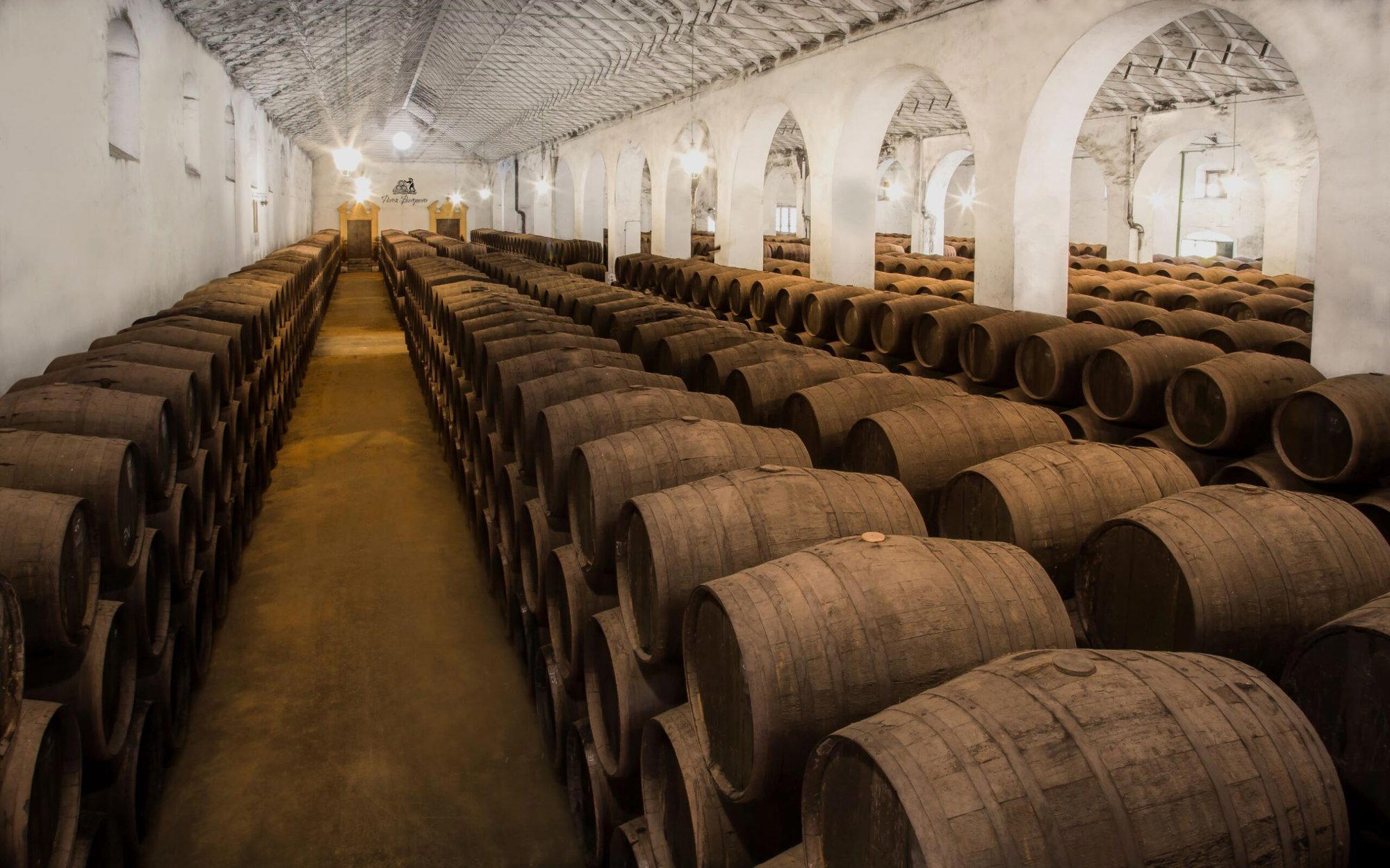
On a narrow street within walking distance of the Mezquita, Bodegas Mezquita Céspedes occupies the kind of setting that defines Córdoba's bodega dining tradition: stone walls, a wine-forward list, and a menu rooted in Andalusian staples. It sits within a cluster of similar establishments where the ritual of eating slowly and drinking well is the point, not the backdrop.

Pearl is the En Primeur Club membership app — saves, bookings, and concierge access live there. Same editors, same standards.
- Address
- C. Céspedes, 12, Centro, 14003 Córdoba, Spain
- Phone
- +34957490004
- Hours
- Daily 12:30–11:30 PM
- Website
- bodegasmezquita.com
- Directions
- Get directions
- Booking
- Book on the venue's website
The menu
What to order
- Oxtail croquettes
- Salmorejo
- Flamenquín
Where the Bodega Format Does Its Clearest Work
Córdoba's older dining tradition does not perform for visitors in the way that Seville's tablao-adjacent restaurants sometimes do. The bodega format here is quieter, more deliberate: a stone interior, a list weighted toward local wines, and a menu that treats salmorejo and rabo de toro not as regional curiosities but as the entire point of the exercise. Bodegas Mezquita Céspedes, on Calle Céspedes in the Centro district, sits inside this tradition without apology. The address puts it within the gravitational pull of the Mezquita-Catedral, one of the most visited monuments in Spain, which means the surrounding streets absorb significant tourist traffic. What distinguishes the better bodega operators in this zone is their ability to hold format discipline under that pressure, serving the same dishes in the same unhurried rhythm regardless of the crowd outside.
The Ritual of the Andalusian Table
Eating in a Córdoba bodega follows a recognisable sequence that differs from the pacing of a formal tasting menu at, say, Quique Dacosta in Dénia or El Celler de Can Roca in Girona. There is no choreography, no amuse-bouche procession, no sommelier presenting a pairing rationale. Instead, the meal accumulates: a glass of something local arrives early, followed by small plates that come when they are ready, not on a timed schedule. Cold dishes like salmorejo, thick with bread and olive oil and finished with jamón and egg, tend to appear first. Heavier braises and stews follow. The pace is set by the kitchen and the conversation at the table, not by a service cadence imposed from above.
This is the format Andalusian bodega dining has always used, and it functions as a mild corrective to the expectation that a meal near a major monument must be either a rushed tourist turnover or an expensive formal occasion. The bodega model offers a third option: inexpensive by Michelin-tier standards, slow by fast-casual standards, and calibrated to the rhythm of a long afternoon or early evening. Spain's dining hour is famously late by northern European standards, with lunch extending well past 3pm and dinner rarely beginning before 9pm in many establishments. Bodega dining in Córdoba operates within that cultural frame.
The Calle Céspedes Setting and Its Peer Context
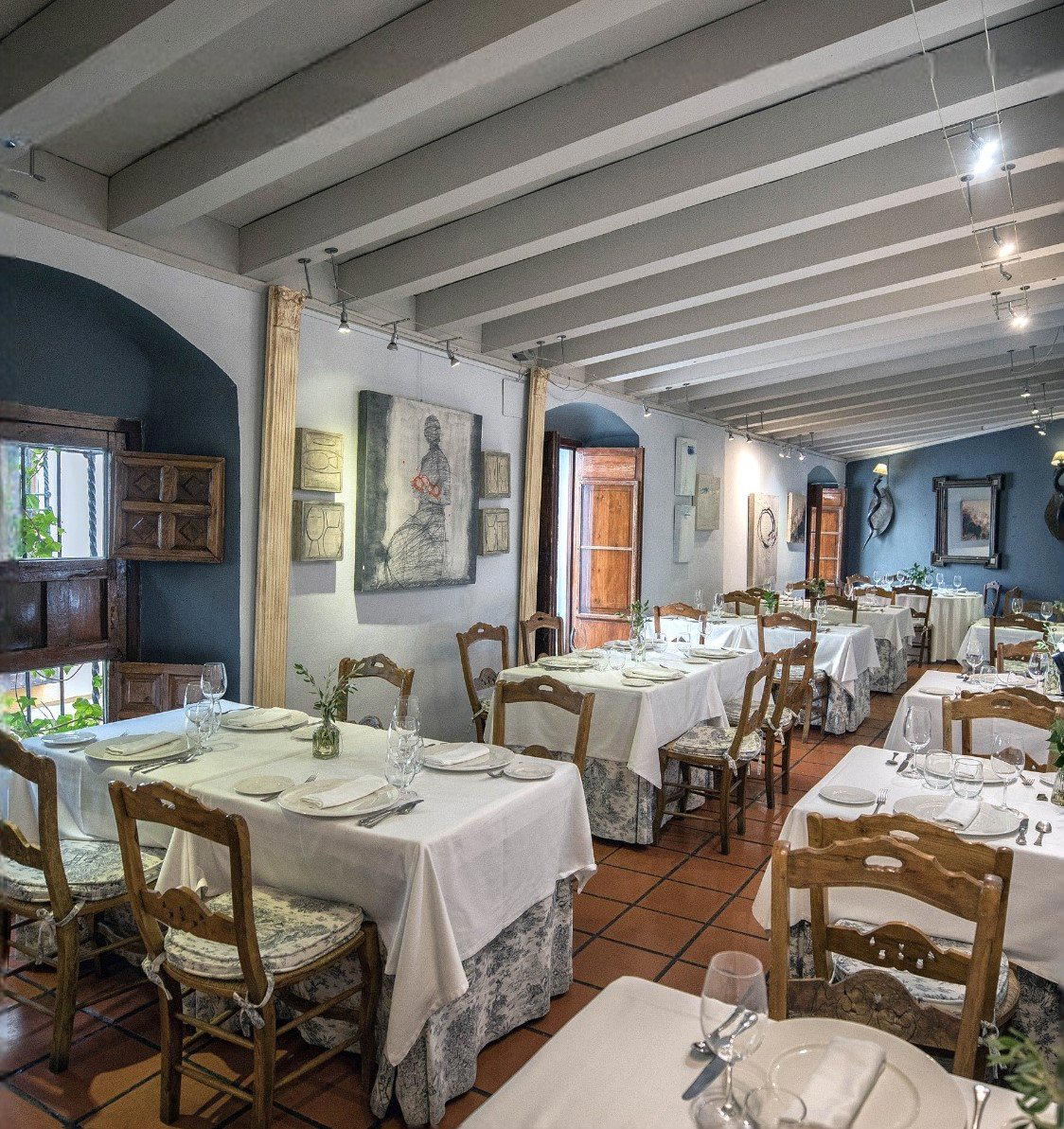
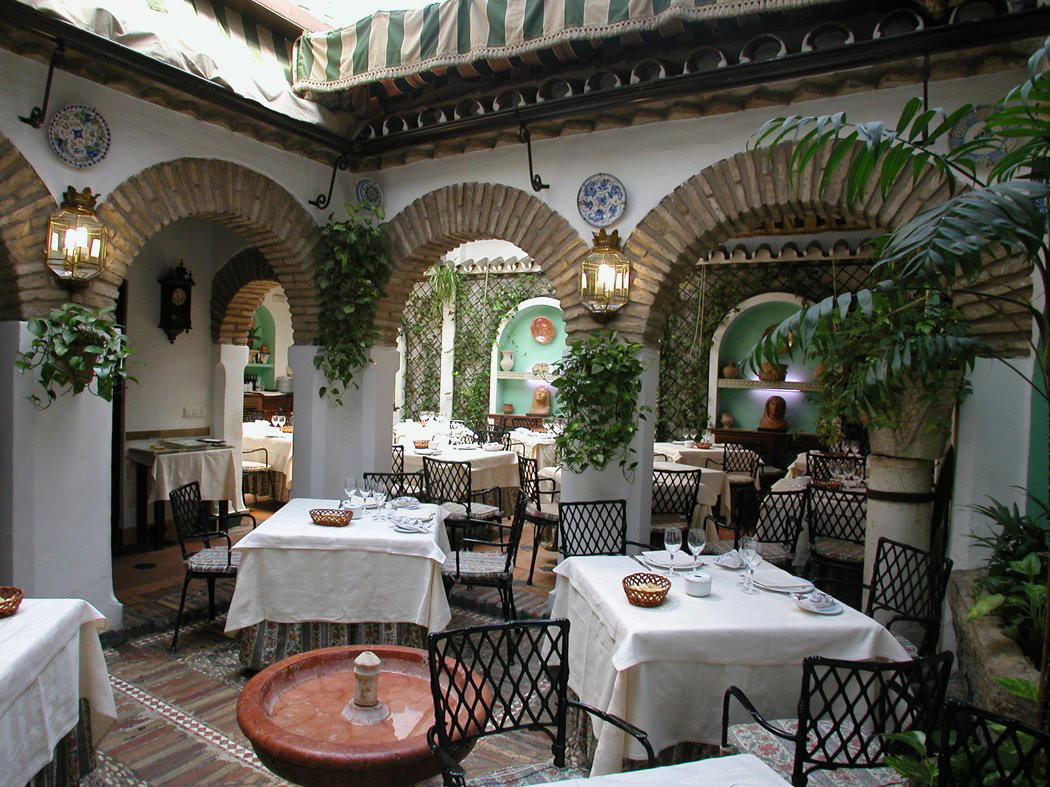
The Centro district immediately south and west of the Mezquita contains a concentration of bodega and taberna operators that collectively define Córdoba's mid-range dining identity. Bodegas Mezquita, operating under a related name and concept, is among the most visible in this cluster. Bodega Guzmán represents an older, more stripped-back version of the same format. El Papagayo offers a variation on the same neighbourhood dining register. Further from the monument zone, La Casa Siria introduces a Syrian-Andalusian crossover that reflects Córdoba's historically layered culinary inheritance, while Restaurante Umaueyon operates in a different register altogether. Bodegas Mezquita Céspedes positions itself within the traditional Andalusian bodega tier of this neighbourhood, where the competitive reference points are format fidelity and ingredient sourcing rather than tasting menus or wine cellar depth.
Visitors who have tracked Spain's avant-garde dining circuit, from Arzak in San Sebastián to Azurmendi in Larrabetzu to DiverXO in Madrid, often find that the bodega format represents a deliberate counterweight. There is no ambition here to reinterpret or deconstruct. The goal is fidelity to a set of dishes and a pace of eating that the region has refined over centuries. That is neither a lesser ambition nor a higher one. It is a different category entirely.
Andalusian Staples as the Frame
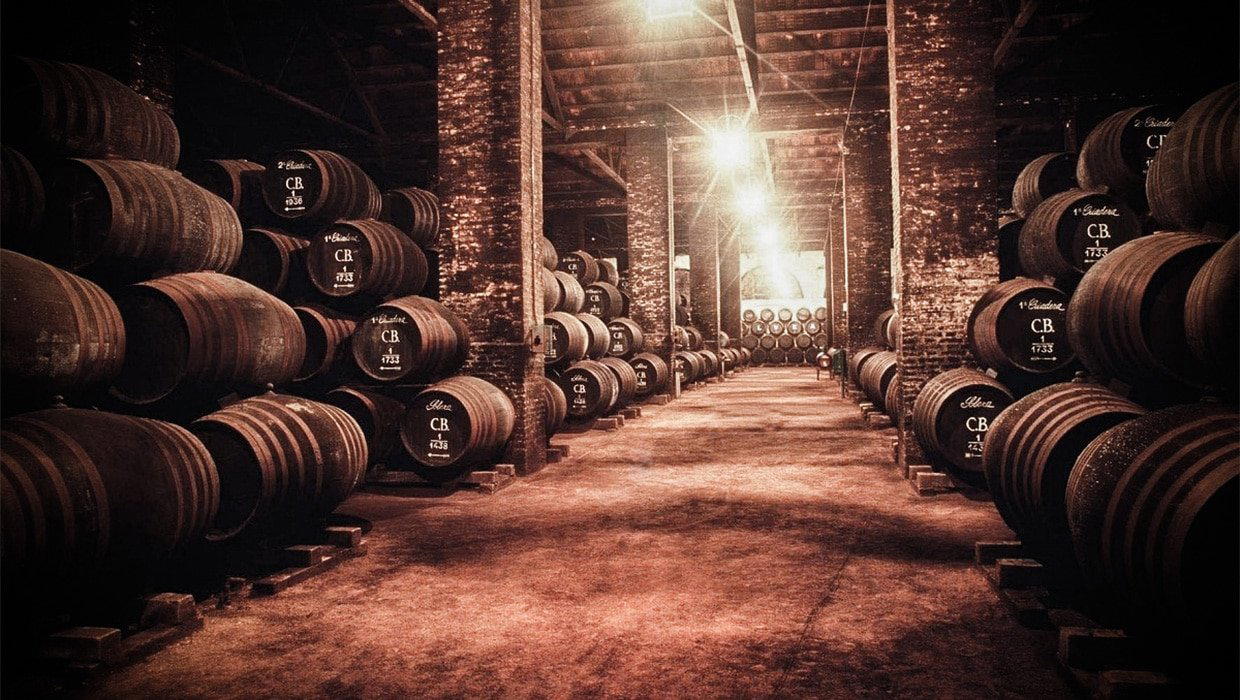
The dishes that anchor bodega menus across Córdoba draw from a consistent repertoire: salmorejo (the city's cold tomato soup, denser and richer than Seville's gazpacho), flamenquín (a rolled pork and jamón fritter that is as specific to Córdoba as the monument itself), rabo de toro slow-braised in red wine, and a range of local charcuterie and cheese. Olive oil from the surrounding Subbética region, one of Spain's most decorated designations of origin, runs through almost every plate. The wines tend toward the southern Spanish idiom: Montilla-Moriles, the local appellation, produces Amontillado and Fino-style wines from Pedro Ximénez grapes that pair naturally with both the cold starters and the heavier braises.
This repertoire functions as a kind of culinary argument: that the intersection of Moorish, Jewish, and Christian Iberian food cultures in Córdoba produced something durable enough to resist novelty. The same logic operates at a different scale and ambition level in the tasting menus of Aponiente in El Puerto de Santa María and Martin Berasategui in Lasarte-Oria, where regional identity is interrogated rather than simply served. The bodega format takes the opposite approach: regional identity is asserted, not questioned.
Visiting: What to Know Before You Go
Calle Céspedes runs through the heart of the historic centre, and the immediate area around the Mezquita is most congested in the hours between 10am and 2pm, when monument visits peak. Bodega dining falls more naturally into the Spanish lunch window, from roughly 1:30pm onward, or the evening from 8pm. The surrounding neighbourhood rewards a slow approach: the Judería quarter, the Roman bridge, and the courtyards of the Alcázar are all within walking distance, making it practical to plan a meal as part of an afternoon circuit rather than a standalone destination visit. For a broader read of where this venue sits within the city's dining options, see our full Córdoba restaurants guide.
Frequently asked questions
Where is Bodegas Mezquita Céspedes located?
Bodegas Mezquita Céspedes is located at C. Céspedes, 12, Centro, 14003 Córdoba, Spain, Cordoba.
How does Bodegas Mezquita Céspedes fit into Córdoba's wider bodega scene?
Calle Céspedes runs through the Centro district immediately adjacent to the Mezquita, placing Bodegas Mezquita Céspedes within a cluster of traditional operators that collectively represent Córdoba's most concentrated bodega corridor. Within Córdoba's dining geography, this stretch of the historic centre carries more institutional weight than the newer restaurant developments further from the old city.
What's the signature dish at Bodegas Mezquita Céspedes?
Córdoba bodega menus are anchored by salmorejo, the city's cold tomato soup that is considerably denser than Seville's gazpacho and typically finished with jamón and hard-boiled egg. Bodegas Mezquita Céspedes sits in the Centro district where this dish is a standard-bearer of the local repertoire. Other Andalusian staples from the regional canon, such as flamenquín and rabo de toro, tend to feature across the bodega format in this part of the city.
Is Bodegas Mezquita Céspedes reservation-only?
The Calle Céspedes address places it in one of Córdoba's busiest tourist corridors, where the area around the Mezquita sees its heaviest foot traffic between 10am and early afternoon. Visiting outside those peak hours or earlier in the evening generally improves walk-in chances at bodega-format venues in this part of the Centro district.
What's the standout thing about Bodegas Mezquita Céspedes?
The address on Calle Céspedes puts it at the centre of the oldest concentration of bodega and taberna operators in Córdoba's historic core, a neighbourhood that collectively defines the city's traditional eating culture rather than performing it for tourist trade. The bodega format itself is the point: counter-anchored, wine-forward, and structured around a pacing that is unhurried by design. That combination of location and format is what distinguishes it from the broader dining offer elsewhere in Andalusia.
Cuisine and Awards Snapshot
Comparable venues nearby, for context on price, style, and recognition.
| Venue | Cuisine | Price | Awards | Notes |
|---|---|---|---|---|
| Bodegas Mezquita CéspedesThis venue — the venue you are viewing | Traditional Cordoban Tapas | $20–30 | Not listed | Not listed |
| Bodegas Mezquita | Traditional Cordoban Tapas | $20–30 | Not listed | Historic Center |
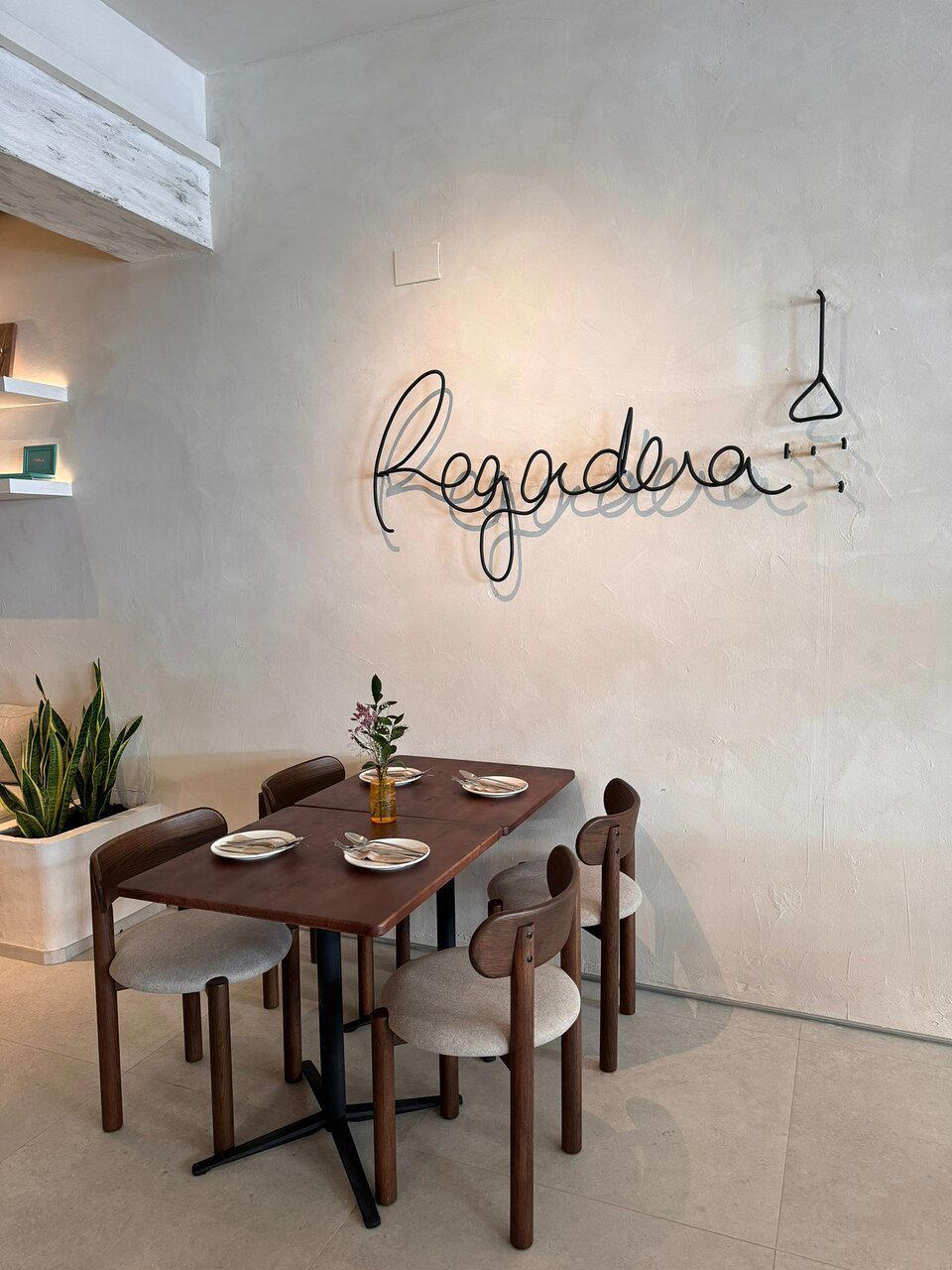
| Regadera | Modern Spanish | $50–100 | Michelin Bib Gourmand · Macarfi 7.3 Food Rating | historic center |
| Taberna El Olmo | Contemporary Andalusian Seafood & Tapas | Not listed | Not listed | Centro |
| Casa Pepe de la Judería | Traditional Cordoban Spanish | $20–30 | Michelin Plate · Macarfi 7.4 Food Rating | Judería |
| Arbequina | Modern Spanish Fusion | Not listed | Michelin Plate | city center |
Continue exploring
More in Córdoba
Restaurants in Córdoba
Browse all →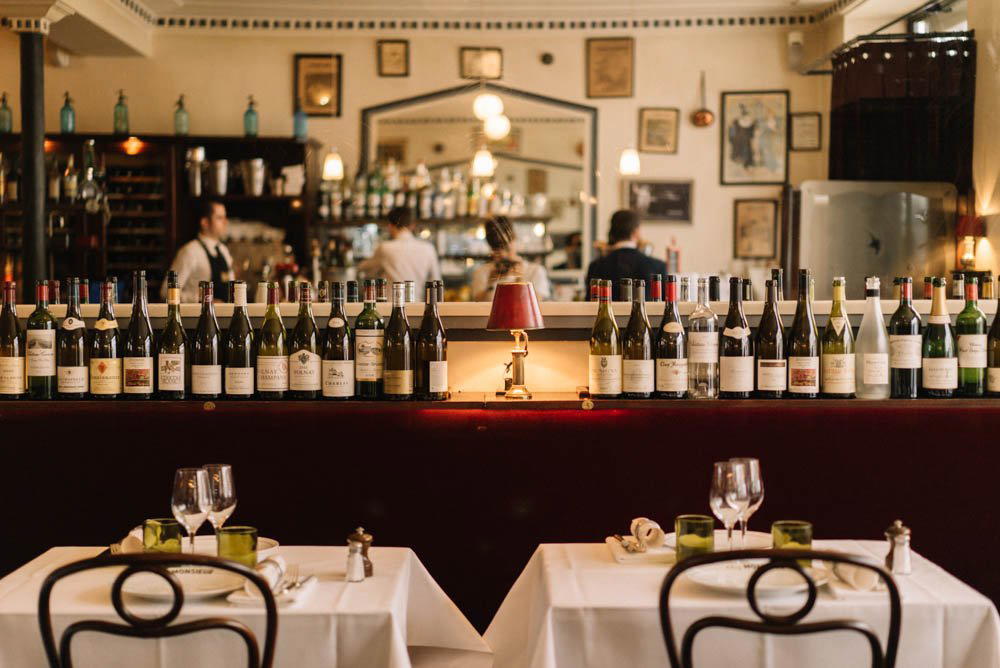
Bars in Córdoba
Browse all →Hotels in Córdoba
Browse all →

Details
- Cozy
- Classic
- Intimate
- Casual Hangout
- Group Dining
- Historic Building
- Extensive Wine List
- Local Sourcing
- Street Scene
- Small Plates
- A La Carte
Current opening hours
- Monday
- 12:30–11:30 PM
- Tuesday
- 12:30–11:30 PM
- Wednesday
- 12:30–11:30 PM
- Thursday
- 12:30–11:30 PM
- Friday
- 12:30–11:30 PM
- Saturday
- 12:30–11:30 PM
- Sunday
- 12:30–11:30 PM
Hours can change for holidays and private events. Last verified .
Cozy ambiance with warm hospitality and moderate noise levels, praised for its charming historic setting in Cordoba's Jewish Quarter.