

Guía Repsol 1 Sol · Macarfi 7.4 Food Rating
Our verdict
Ermita De La Candelaria belongs to Córdoba’s more serious contemporary-Andalusian tier, where produce, olive oil, fish, game and market vegetables matter more than decorative reinvention. Its 1 Sol recognition from Guía Repsol 2026 gives it a clear trust signal in a city where tavern tradition and modern dining now sit side by side.

Pearl is the En Primeur Club membership app — saves, bookings, and concierge access live there. Same editors, same standards.
- Address
- C. Candelaria, 2, Centro, 14002 Córdoba, Spain
- Phone
- +34 957 73 89 68
- Hours
- Mon ClosedTue–Sat 1:30–4:30 PM, 8:30 PM–12 AMSun 1:30–4:30 PM
- Website
- ermitacandelaria.com
- Directions
- Get directions
The menu
What to order
- Potato salad
- Ratatouille
- Oxtail
- Cochifrito (fried suckling pig)
Córdoba dining often begins in stone, shade and compression: narrow streets, whitewashed corners, the hush after a busy plaza. That rhythm matters because the city’s food culture has long worked between restraint and intensity. The older tavern language is salmorejo, flamenquín, oxtail, fino, Montilla-Moriles and olive oil; newer restaurants ask how much of that grammar can move into sharper, ingredient-led formats without making Córdoba a copy of larger Spanish dining cities.
Ermita De La Candelaria sits in that second conversation. Its 1 Sol in Guía Repsol 2026 places it among Spain’s nationally noted restaurants, not just local favourites, but the more interesting point is what that recognition says about Córdoba in 2026. Serious dining no longer means choosing between a classic bodega and a formal tasting room. A middle tier has emerged: restaurants that understand Andalusian produce, borrow selectively from contemporary technique, and keep the meal anchored in local appetite rather than theatre.
Córdoba's modern table is still measured by its ingredients
Ingredient sourcing is not decorative in inland Andalusia; it structures the meal. Córdoba’s cooking draws strength from olive groves, Iberian pork traditions, river-valley vegetables, seasonal game and the fortified-wine culture of Montilla-Moriles. In a city with this much culinary memory, modern restaurants are judged less by technique count than by whether familiar products feel precise without losing warmth.
That is the useful lens for Ermita De La Candelaria. The award signals a kitchen operating above casual tavern level, yet the context remains deeply Cordoban. This is not the same decision as choosing a large-format bodega or a neighbourhood tapas crawl; it belongs to the part of the city’s dining scene where sourcing, pacing and the treatment of regional staples matter more than decorative plating alone.
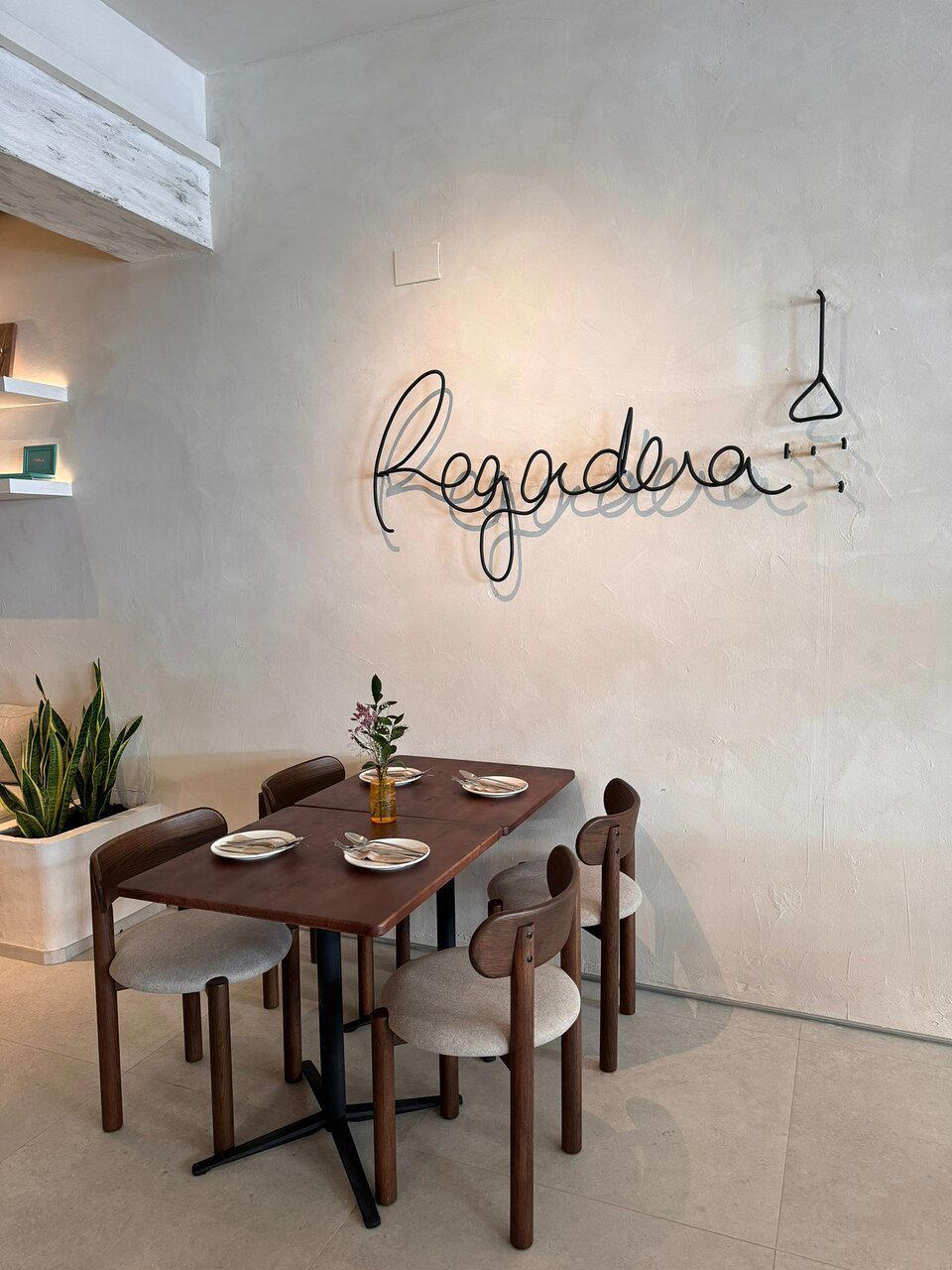
For travellers building a Córdoba food itinerary, the comparison is instructive. Bodegas Mezquita and Bodegas Mezquita Céspedes represent the accessible, high-recognition side of local dining, useful for readers who want traditional dishes in a familiar format. Garum 2.1 Bistronómic Tapas Bar helps map a more contemporary tapas mood, while Regadera points toward the city’s more deliberate modern dining. Ermita De La Candelaria belongs closer to that latter conversation, though with its own Córdoba setting rather than a purely tourist-facing corridor.
The useful tension: tavern memory, contemporary discipline
Córdoba rewards restaurants that do not over-explain themselves. Its dining identity is compact but dense: agricultural inheritance, feast-day cooking, visitor-driven old-quarter dining, old wine bars, and a modern audience increasingly willing to book a deliberate meal. The risk for contemporary restaurants is imitation. Too much polish can detach the room from the city; too much nostalgia makes it another version of what Córdoba already offers in volume.
The 1 Sol recognition matters because Guía Repsol tends to read Spanish regional identity with attention to local context. Editorially, that gives Ermita De La Candelaria a credential not only about luxury. It suggests assessment against Spanish standards of product, hospitality and regional expression. For Córdoba, that is the relevant frame: not spectacle, but whether the kitchen can make local ingredients carry a serious meal.
Visitors comparing Córdoba with other Spanish dining cities should calibrate expectations. Larger capitals can absorb nearly every format, from counter dining to high-concept rooms. Coastal cities, northern grill regions and wine-country destinations operate where tourism, seafood, asador culture or vineyard proximity shape the table differently. Córdoba’s appeal is narrower and more specific: a smaller historic city where a serious meal must negotiate with a powerful everyday tavern tradition.
That makes the restaurant a better fit for diners who want Córdoba to taste like itself, but with more control in the kitchen. The experience belongs to a local continuum, not a break from it. A traveller might spend one meal on classic tapas, another on regional cooking elsewhere in Córdoba, and reserve this address for when the city’s ingredients deserve a slower reading.
How to place it in a Córdoba itinerary
Ermita De La Candelaria is in Córdoba, useful for travellers staying in the city or moving between meals, bars and cultural stops. Córdoba’s heat changes dining behaviour across the year: in warmer months, lunch can feel slower and more strategic, while late dinner suits Andalusian hours. Weekly rhythm also matters, since many Spanish restaurants compress serious service into fewer sessions than visitors from larger capitals may expect.
The practical decision is not only where to eat, but what kind of Córdoba evening to build. For a broad survey, start with our full Córdoba restaurants guide, then use the city guides to shape the trip: our full Córdoba hotels guide for location strategy, our full Córdoba bars guide for late drinks, our full Córdoba wineries guide for the wider wine context, and our full Córdoba experiences guide for the cultural frame around the meal.
As a Spain-wide reference point, it helps to see how regional dining travels across formats. Other Andalusian dining rooms can show how casual meals stay close to their source material, while destination restaurants elsewhere in Spain operate with different visitor expectations. Outside Spain, restaurants built around diasporic specificity underline the contrast between regional cooking abroad and regional cooking at home. Córdoba’s advantage is proximity to its own pantry. At Ermita De La Candelaria, that proximity is the point: local ingredients need not be translated beyond recognition to justify a serious table.
Frequently asked questions
Would Ermita De La Candelaria be comfortable with kids?
It may work best for families who are comfortable with a more deliberate restaurant setting. For younger children, consider whether the timing and style of the meal fit your plans in Córdoba.
Is Ermita De La Candelaria better for a quiet night or a lively one?
It is a stronger fit for a quieter evening. The Guía Repsol 1 Sol recognition in 2026 signals a table that is judged on cooking rather than atmosphere.
What are Ermita De La Candelaria's hours?
Check Ermita De La Candelaria directly for current opening hours before planning your meal, as restaurant schedules in Spain can vary by day and season.
How do I find Ermita De La Candelaria?
Córdoba.
Snapshot
Comparable venues by cuisine and price in the same metro.
| Venue | Cuisine | Price | Awards | Notes |
|---|---|---|---|---|
| Ermita De La CandelariaThis venue — the venue you are viewing | Traditional Córdoba & Andalusian cuisine in a historic chapel | $50–100 | Guía Repsol 1 Sol · Macarfi 7.4 Food Rating | Not listed |
| La Casa Siria - البيت السوري | Authentic Syrian | $20–30 | Not listed | Not listed |
| Bodegas Mezquita | Traditional Cordoban Tapas | $20–30 | Not listed | Not listed |
| Garum 2.1 Bistronómic Tapas Bar | Modern Andalucían Bistronomic Tapas | $30–50 | Michelin Plate · Macarfi 7.5 Food Rating | Andalusian |
| Regadera | Modern Spanish | $50–100 | Michelin Bib Gourmand · Macarfi 7.3 Food Rating | Not listed |
| Bodegas Mezquita Céspedes | Traditional Cordoban Tapas | $20–30 | Not listed | Not listed |
Recognition history
Dated appearances from independent guides and award organizations, with the underlying list record or original source where available.
Guía Repsol 1 Sol
Guía Repsol
Macarfi 7.4 Food Rating
Macarfi
Continue exploring
More in Córdoba
Restaurants in Córdoba
Browse all →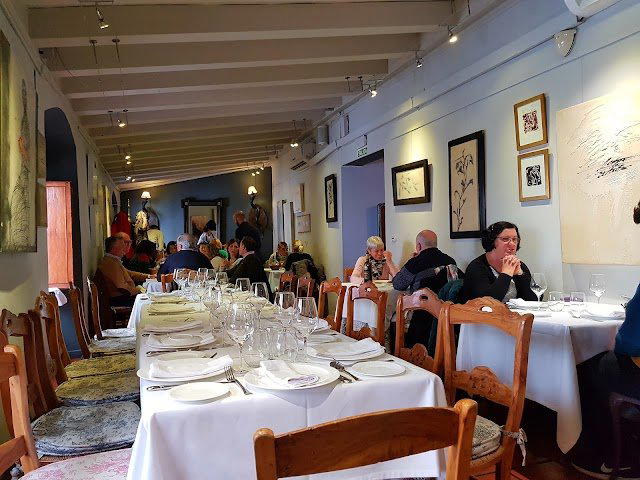
Bars in Córdoba
Browse all →
Hotels in Córdoba
Browse all →

Details
- Cozy
- Romantic
- Classic
- Rustic
- Elegant
- Date Night
- Business Dinner
- Group Dining
- Special Occasion
- Celebration
- Private Event
- Courtyard
- Historic Building
- Standalone
- Design Destination
- Private Dining
- Extensive Wine List
- Local Sourcing
- A La Carte
- Wine
- Vegetarian Friendly
- Vegan Options
Current opening hours
- Monday
- Closed
- Tuesday
- 1:30–4:30 PM, 8:30 PM–12 AM
- Wednesday
- 1:30–4:30 PM, 8:30 PM–12 AM
- Thursday
- 1:30–4:30 PM, 8:30 PM–12 AM
- Friday
- 1:30–4:30 PM, 8:30 PM–12 AM
- Saturday
- 1:30–4:30 PM, 8:30 PM–12 AM
- Sunday
- 1:30–4:30 PM
Hours can change for holidays and private events. Last verified .
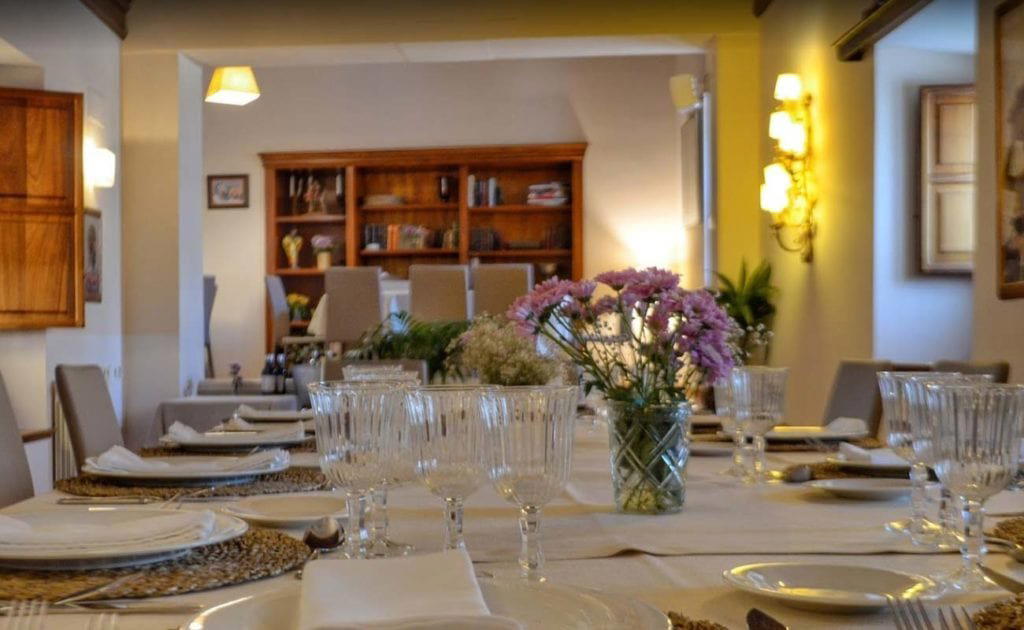
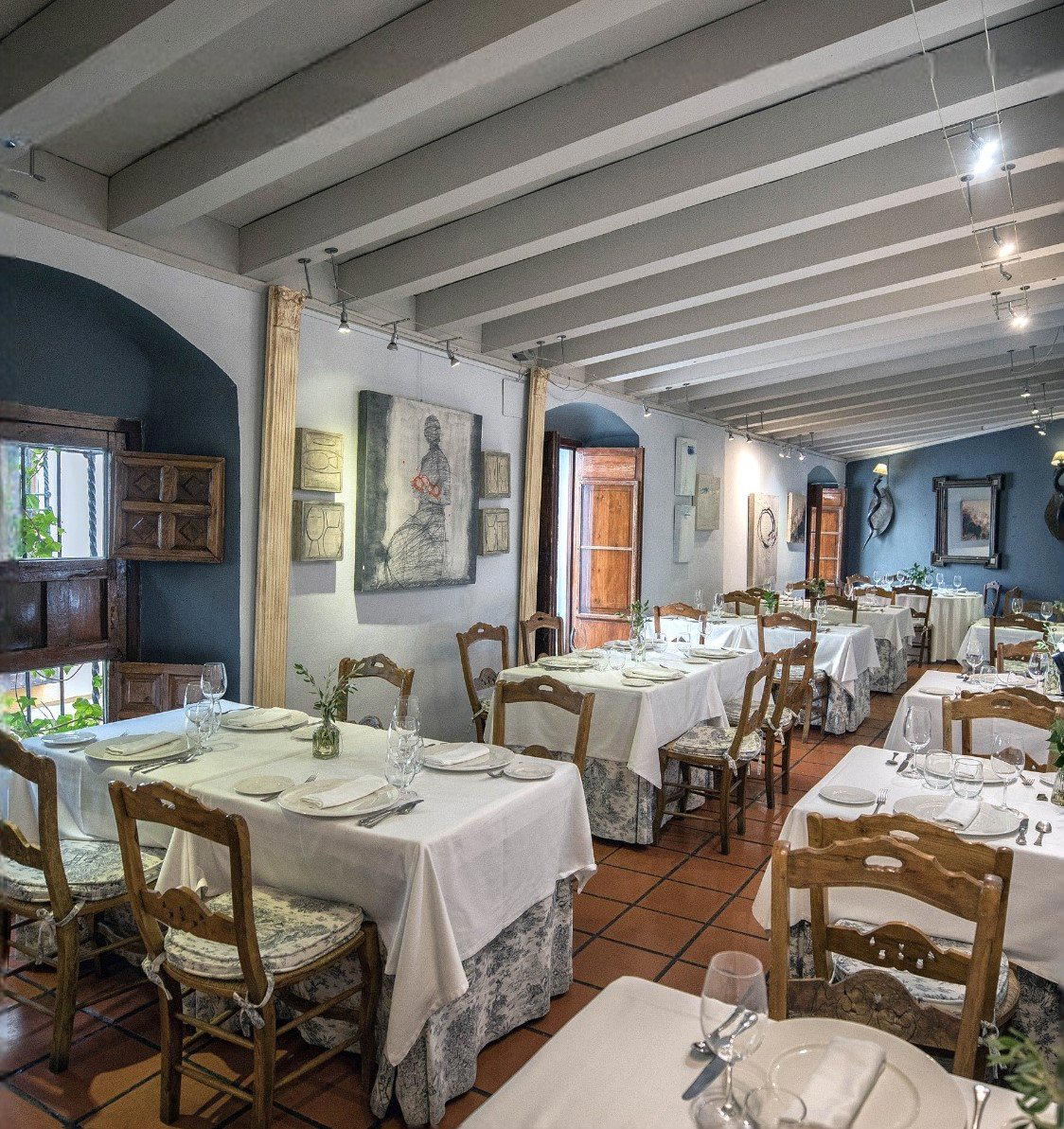
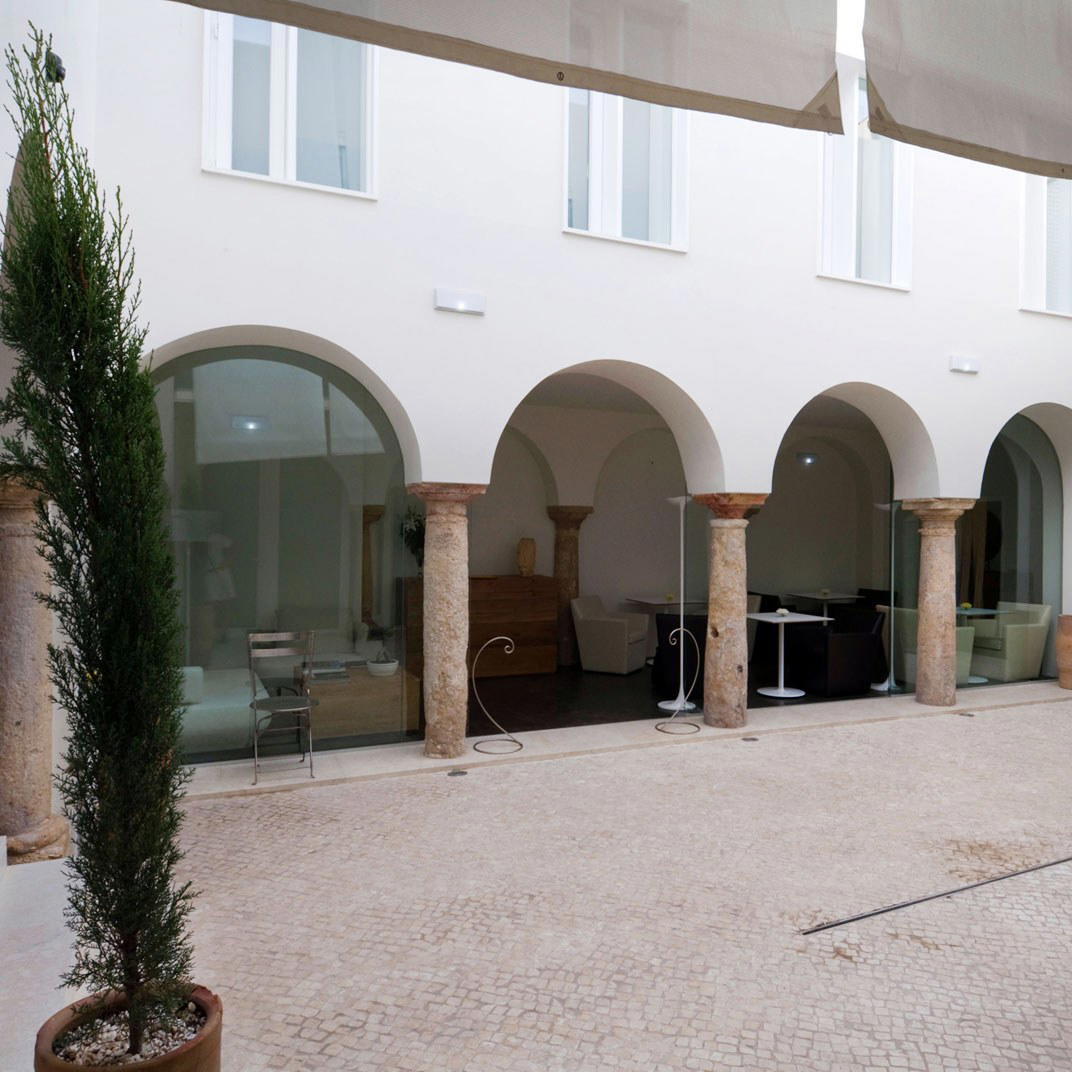
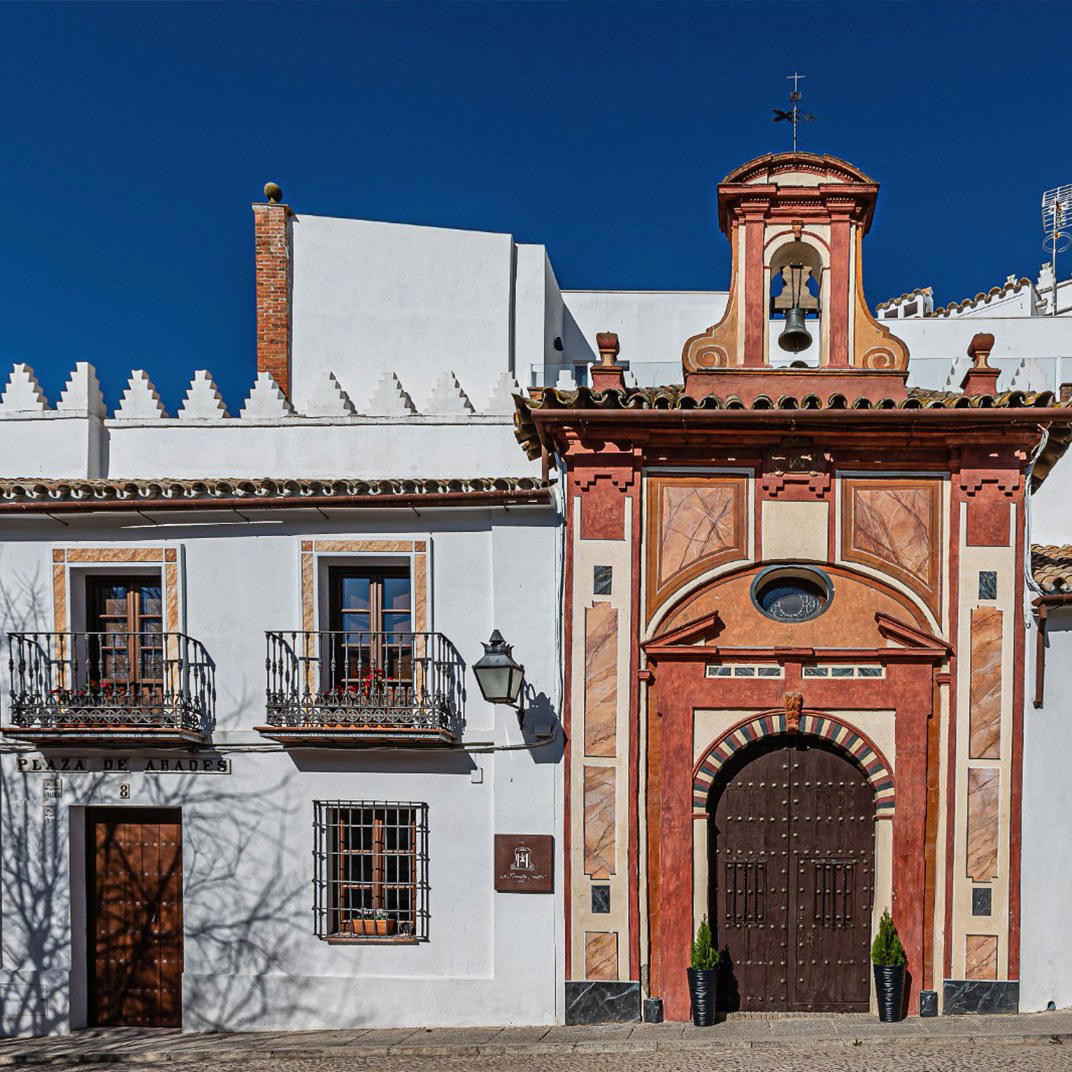
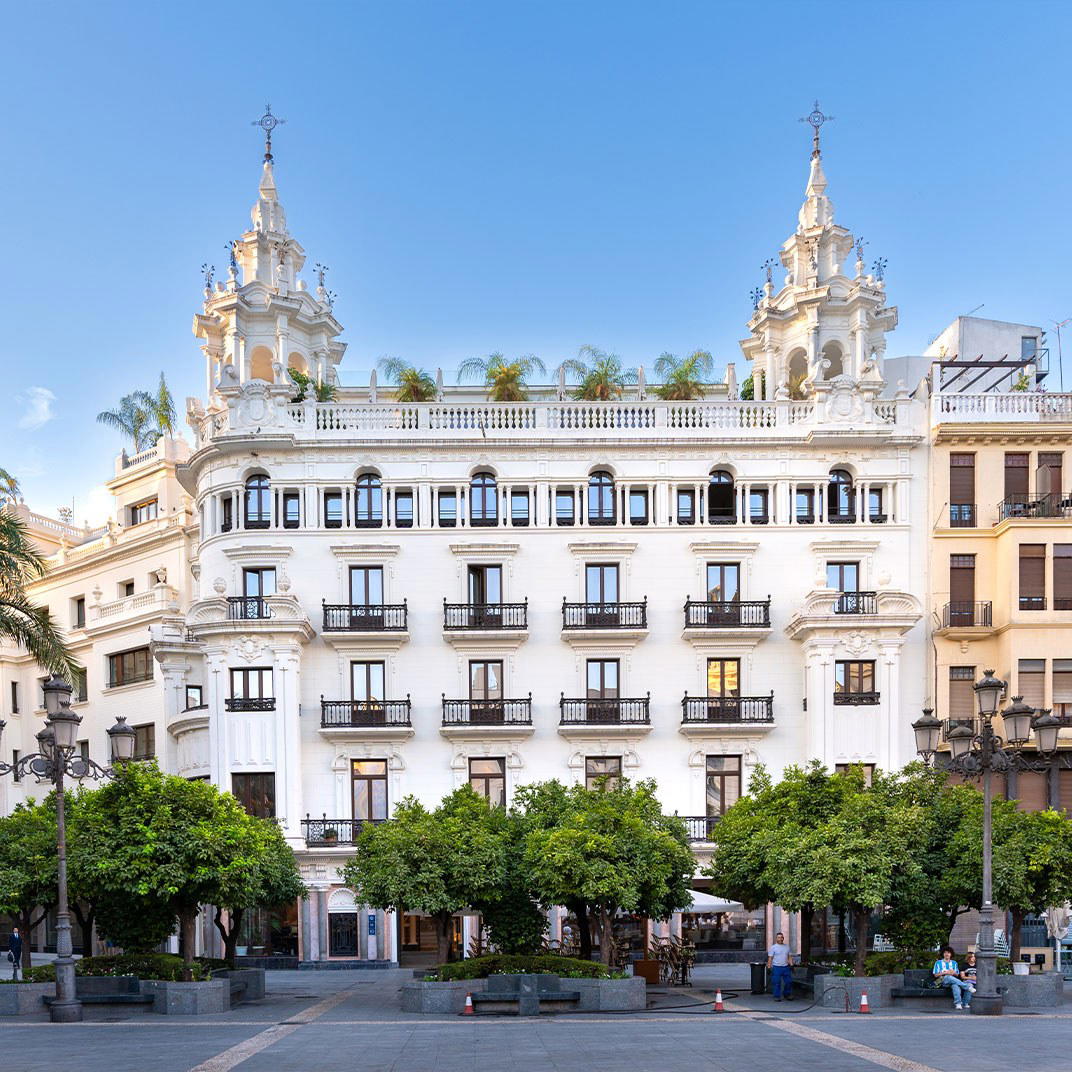
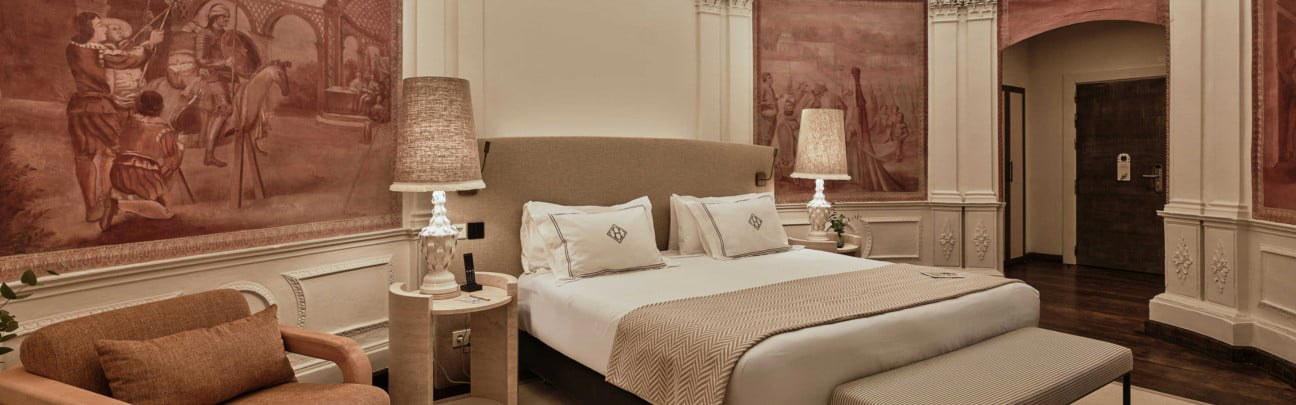
Historic and intimate setting in a converted chapel, with stone walls, arches, and a peaceful courtyard that create a cozy, romantic and quietly elegant atmosphere, complemented by attentive, professional service.