

Michelin Plate · Macarfi 7.2 Food Rating
Our verdict
Positioned just inside Córdoba's Almodóvar gate at the edge of the Jewish quarter, Casa Rubio holds a Michelin Plate (2025) for traditional Andalusian cooking with careful attention to texture and presentation. The €€ pricing puts it in the same accessible bracket as Casa Pepe de la Judería, while a rooftop terrace and tapas-friendly format make it one of the more versatile stops in the historic centre.

Pearl is the En Primeur Club membership app — saves, bookings, and concierge access live there. Same editors, same standards.
- Address
- C. Prta de Almodóvar, 5, Centro, 14003 Córdoba, Spain
- Phone
- +34 957 42 08 53
- Hours
- Mon 1–4 PM, 7:30–11:30 PMTue–Wed ClosedThu–Sun 1–4 PM, 7:30–11:30 PM
- Directions
- Get directions
The menu
What to order
- Fried aubergine with cane honey
- Oxtail stew with potatoes
- Salmorejo
- Jamón ibérico
- Flamenquín
- Torrija
Through the Gate, Into the Ritual
The Almodóvar gate sets a particular expectation. You pass through a Roman arch that has been marking the western boundary of Córdoba's Jewish quarter for centuries, and within a few steps you are at Casa Rubio's entrance on Calle Puerta de Almodóvar. The approach is not incidental — it frames the meal before you sit down. This part of the city, densely layered with Moorish, Jewish, and Christian history, has long shaped a particular kind of Córdoban dining: grounded in classical regional cooking, unhurried in pace, and unapologetically traditional in format even when the kitchen applies a modern hand to texture and presentation.
That framing matters because the ideal way to read Casa Rubio is through the dining customs it reinforces rather than invents. This is a restaurant that participates in a well-established Andalusian ritual — one where the boundary between bar and dining room is deliberately porous, where a dish can arrive as a tapa, a half-plate, or a full portion depending on how the table wants to structure the afternoon or evening, and where the oxtail stew is not a signature in the marketing sense but a social reference point that regulars return to without needing to look at the menu.
The Architecture of the Meal
Córdoban dining at this tier tends to organise itself around flexibility rather than fixed progression. Casa Rubio leans into that tradition: many of its dishes are available in multiple formats, which means the meal's shape is largely determined by the table rather than the kitchen. This is not a tasting menu environment where pacing is dictated and portions calibrated to a sequence. It is closer to the older model of Andalusian hospitality, where ordering is iterative and sharing is assumed.
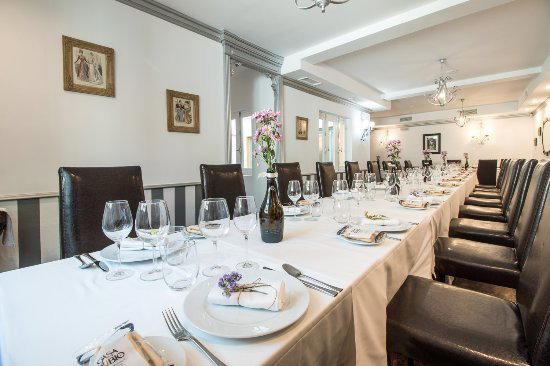
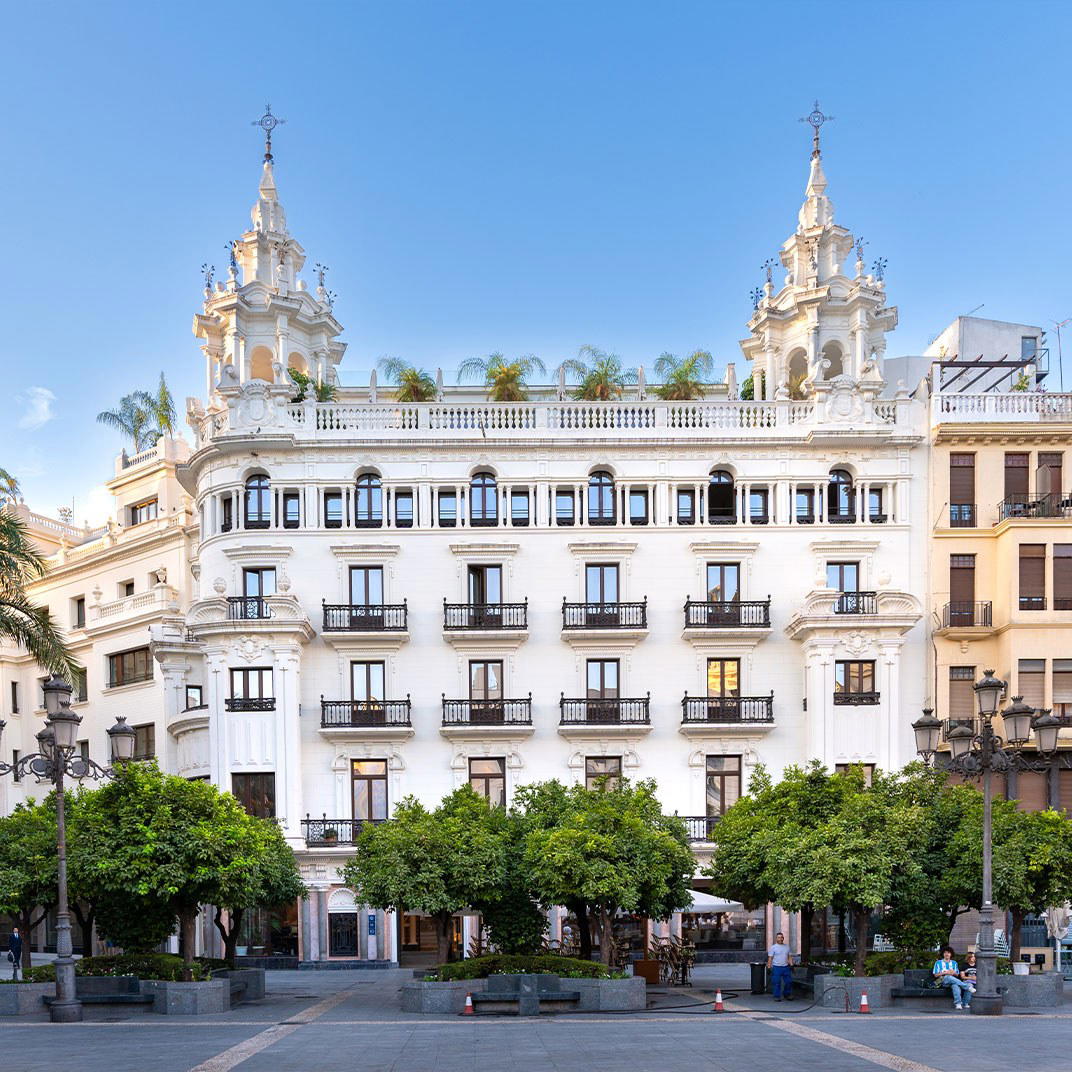
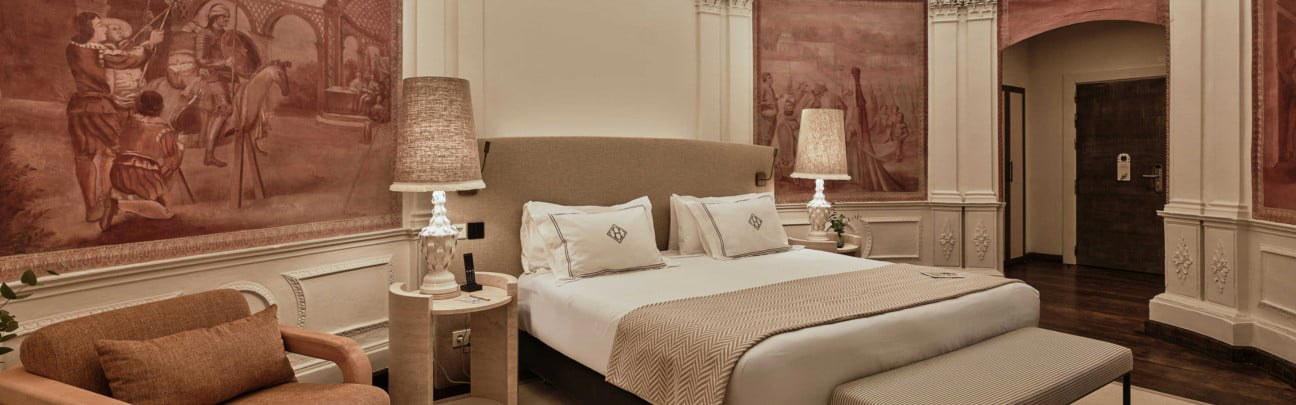
The dining rooms carry a classical-regional aesthetic, the kind of interior that signals continuity with a culinary tradition rather than a break from it. Against that backdrop, the kitchen's attention to presentation and texture reads as refinement applied within a traditional frame, not as a departure from it. The rooftop terrace adds a spatial dimension that shifts the register slightly: al fresco dining above the Jewish quarter's rooftops has its own tempo, better suited to longer, more dispersed meals than to a focused single-sitting experience.
Within Córdoba's mid-range dining bracket, the €€ positioning places Casa Rubio alongside Casa Pepe de la Judería in the accessible historic-centre tier, restaurants where the cooking draws from the same Andalusian larder but where the experience is built around the neighbourhood's social function as much as the food itself. The comparison with Córdoba's higher-end operators is instructive: Noor, with three Michelin stars, operates in an entirely different register, reconstructing Al-Andalus cuisine through rigorous historical research and ingredient archaeology. Choco, at one star and €€€€, applies a creative contemporary lens to Córdoban produce. Casa Rubio's Michelin Plate recognition (2025 and 2024) positions it as a reliable practitioner of traditional cooking with contemporary technique, a different kind of endorsement, one that values consistency and craft over reinvention.
What the Menu Communicates
Two dishes function as cultural shorthand here. The fried aubergine with cane honey, berenjenas con miel de caña, is an Andalusian preparation with deep roots in Moorish cooking, where the interplay of savoury and sweet was central to the flavour logic of the medieval kitchen. Its continued presence on menus throughout Córdoba and Seville is not nostalgia so much as an acknowledgment that the combination works. The oxtail stew with potatoes, rabo de toro, is the other anchor, a slow-cooked preparation that defines the cooking of the broader region and that functions as a benchmark dish: tables familiar with Córdoban cuisine use it to calibrate a kitchen's approach to braising and seasoning.
The availability of both dishes across tapa, half-plate, and full formats reflects the broader meal structure at Casa Rubio. The kitchen is not constraining how you eat, it is offering the same material at different scales, which is the practical expression of a dining philosophy that prizes access and sharing over ceremony. For visitors accustomed to tasting menus or fixed formats, it is worth adjusting expectations accordingly: the logic here is additive and social, not curated and sequential.
For broader context on where regional cooking fits within Spain's current dining conversation, reference points like Arzak in San Sebastián, El Celler de Can Roca in Girona, Azurmendi in Larrabetzu, DiverXO in Madrid, Aponiente in El Puerto de Santa María, and Cocina Hermanos Torres in Barcelona illustrate how much the country's leading kitchens have invested in reinterpreting regional identity at the highest technical level. Casa Rubio operates further down that spectrum, in the tier where traditional cooking is preserved and refined rather than deconstructed, a different project, and a legitimate one. Comparable regional cuisine commitments at the Michelin-recognised level can also be found internationally, as at Fahr in Künten-Sulz and Gannerhof in Innervillgraten, where the Plate distinction similarly marks consistent craft within a regional tradition rather than progressive experimentation.
Córdoba's mid-range regional restaurant scene also includes operators like Arbequina and Celia Jiménez, both working in the modern cuisine register at comparable price points. The distinction with Casa Rubio is one of orientation: those kitchens update and reframe Andalusian cooking; Casa Rubio works within the tradition and tightens the execution.
Planning the Visit
The restaurant sits at Calle Puerta de Almodóvar 5, directly adjacent to the Almodóvar gate in Córdoba's historic centre, placing it within walking distance of the Mezquita-Catedral and the heart of the Jewish quarter. The €€ pricing reflects a mid-range bracket where a full meal with wine sits well below the city's starred operators, making it a practical choice for multiple meals during a longer stay rather than a single occasion splurge. The tapas bar format means it accommodates shorter visits as readily as full-length lunches or dinners, which is useful in a city where afternoons can extend unpredictably once the heat breaks.
For those planning a broader Córdoba itinerary, see our full Córdoba restaurants guide, along with guides to hotels, bars, wineries, and experiences across the city.
Frequently asked questions
What's the pricing like at Casa Rubio?
Pricing at Casa Rubio is listed as €€.
Cuisine Context
A small set of peers for context, based on recorded venue fields.
| Venue | Cuisine | Price | Awards | Notes |
|---|---|---|---|---|
| Casa RubioThis venue — the venue you are viewing | Traditional Andalusian Tapas & Regional Spanish Cuisine | $30–50 | Michelin Plate · Macarfi 7.2 Food Rating | Not listed |
| Choco | Modern Andalusian Fine Dining | $150–200 | 1 Michelin Star · Macarfi 8.8 Food Rating | Creative |
| Noor | Modern Historical Andalusian | $200–300 | 3 Michelin Stars · La Liste Top Restaurants | Modern Spanish - Moorish, Modern Dutch, Creative |
| Casa Pepe de la Judería | Traditional Cordoban Spanish | $20–30 | Michelin Plate · Macarfi 7.4 Food Rating | Regional Cuisine |
| El Envero | Contemporary Andalusian | $30–50 | Michelin Bib Gourmand · Macarfi 7.5 Food Rating | Modern Cuisine |
| Garum 2.1 Bistronómic Tapas Bar | Modern Andalucían Bistronomic Tapas | $30–50 | Michelin Plate · Macarfi 7.5 Food Rating | Andalusian |
Recognition history
Dated appearances from independent guides and award organizations, with the underlying list record or original source where available.
Michelin Plate
Michelin
Macarfi 7.2 Food Rating
Macarfi
Full recognition history (4 entries)
Michelin Plate
Michelin
Michelin Plate
Michelin
Continue exploring
More in Córdoba
Restaurants in Córdoba
Browse all →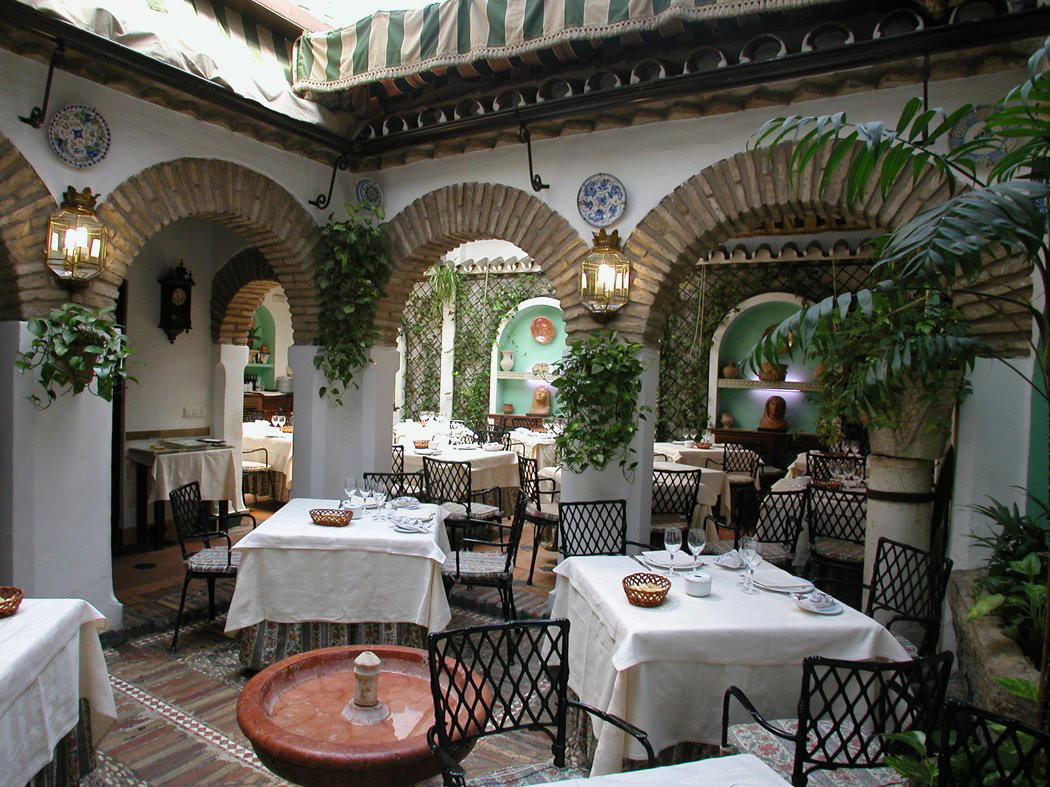
Bars in Córdoba
Browse all →Hotels in Córdoba
Browse all →

Details
- Romantic
- Classic
- Cozy
- Elegant
- Scenic
- Date Night
- Group Dining
- Family
- Celebration
- Special Occasion
- Rooftop
- Terrace
- Historic Building
- Courtyard
- Panoramic View
- Extensive Wine List
- Beer Program
- Sommelier Led
- Local Sourcing
- Skyline
- Street Scene
- A La Carte
- Small Plates
- Andalusian Wines
- Local Wines
- Beer
- Vegetarian Friendly
- Vegan Options
- Gluten Free Options
Current opening hours
- Monday
- 1–4 PM, 7:30–11:30 PM
- Tuesday
- Closed
- Wednesday
- Closed
- Thursday
- 1–4 PM, 7:30–11:30 PM
- Friday
- 1–4 PM, 7:30–11:30 PM
- Saturday
- 1–4 PM, 7:30–11:30 PM
- Sunday
- 1–4 PM, 7:30–11:30 PM
Hours can change for holidays and private events. Last verified .
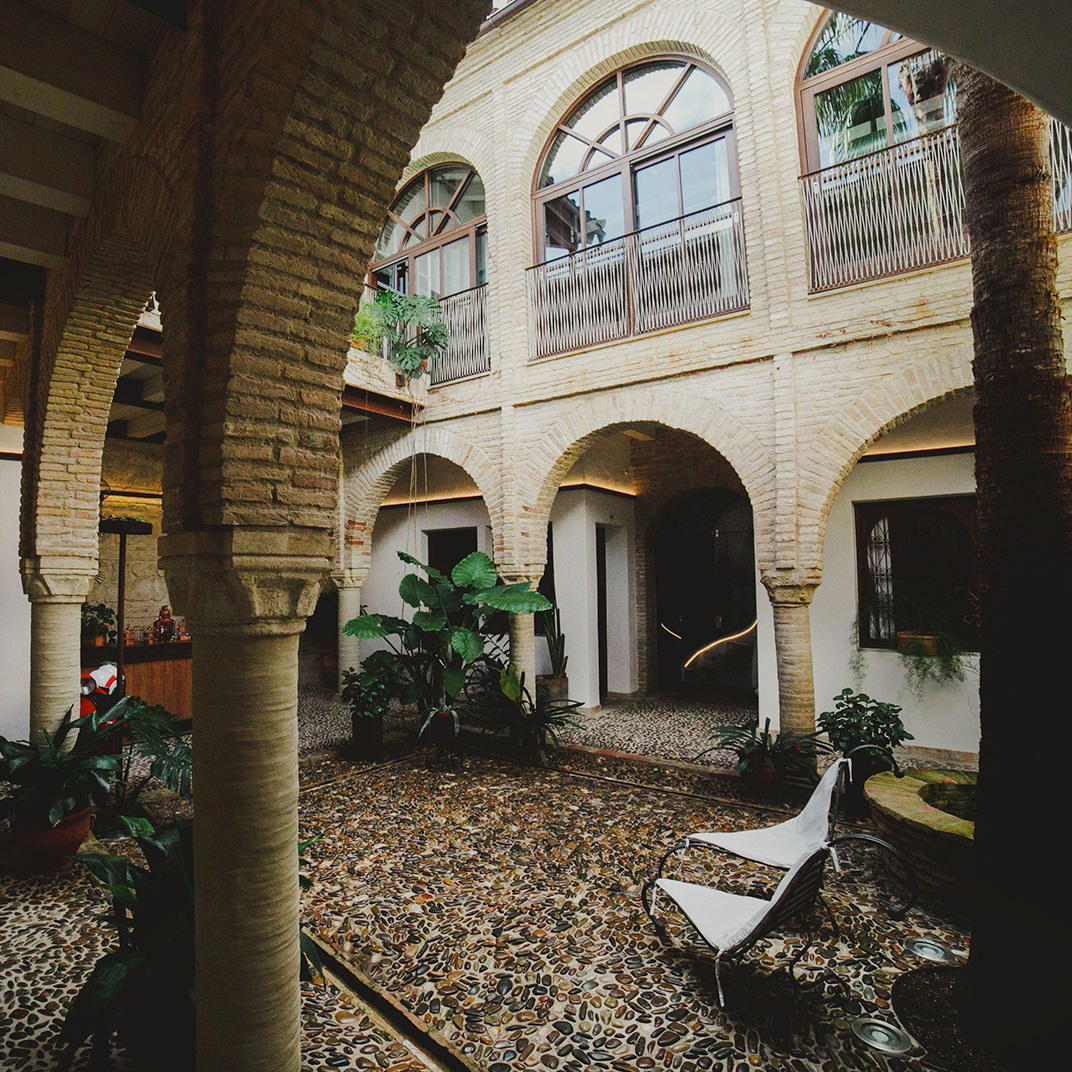
Warm and welcoming with classical-regional decor blending traditional Spanish elements and modern touches; three-floor dining rooms with lively but occasionally loud atmosphere; romantic rooftop terrace with city views and jasmine-scented ambiance.