
Michelin Plate
Our verdict
Arbequina holds a Michelin Plate (2025) in Córdoba's competitive modern cuisine tier, sitting at the €€ price point alongside El Envero while the city's starred houses occupy a separate bracket entirely. The address in the Centro district places it within easy reach of the historic core, and the kitchen works within a modern Spanish idiom that draws on the region's deep larder. A useful entry point into Córdoba's mid-tier dining scene.

Pearl is the En Primeur Club membership app, where members save venues, book tables and use the concierge.
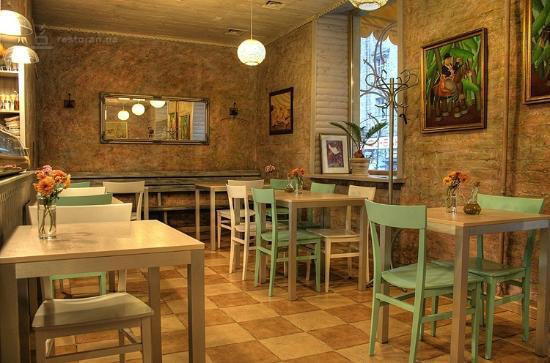
The menu
What to order
- Iberico pork cheeks
- Suckling pig
- Gorgonzola cheesecake
Where Córdoba's Ingredient Culture Meets the Modern Table
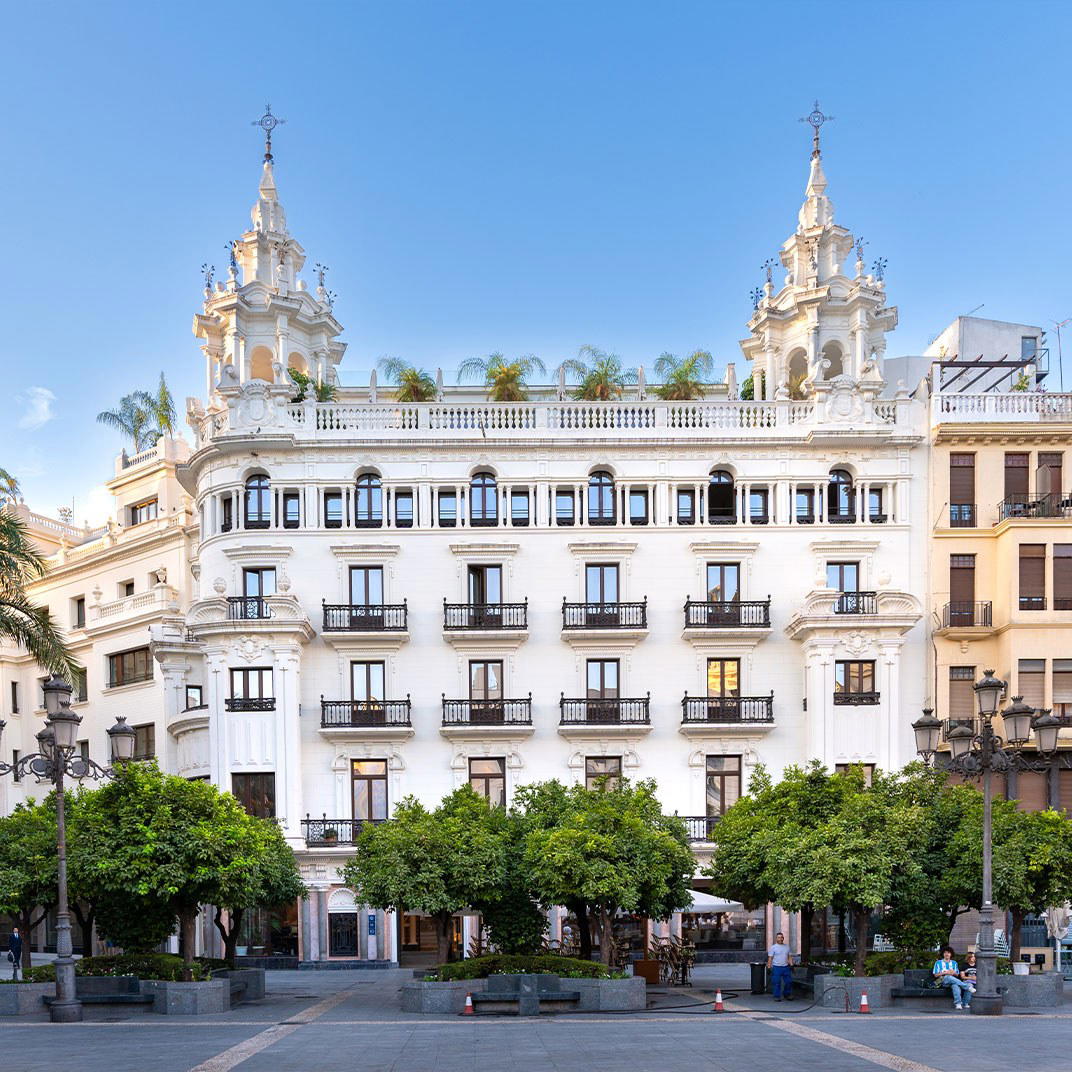
The Centro district of Córdoba carries its history at street level: Roman columns repurposed as gateposts, Moorish geometric patterns worn into doorsteps, and the persistent smell of orange blossom that drifts through from the courtyards in spring. C. de Ramírez de las Casas Deza is a quieter stretch within that density, the kind of street where a restaurant can establish itself on reputation rather than foot traffic. Arbequina occupies that position: a Michelin Plate holder in 2025, working the €€ bracket with a modern cuisine approach that is grounded in the agricultural logic of southern Andalusia rather than in any imported framework.
The name itself is a signal. The arbequina is a small, oil-rich olive variety, cultivated across Spain but particularly associated with the south and northeast of the country. Choosing it as an identifier aligns the kitchen with a very specific sensibility: not the grand gestures of Andalusian baroque cooking, but the quiet authority of a well-sourced ingredient allowed to speak clearly. That framing matters when you consider Córdoba's current restaurant scene, where a handful of kitchens are making serious arguments about what regional cooking can become when it takes its sourcing seriously.
Córdoba's Mid-Tier and Where Arbequina Sits Within It
Córdoba's starred restaurants occupy a price tier and format that most visitors encounter once, if at all. Noor, holding three Michelin Stars and working a Moorish-Andalusian creative format, operates at €€€€ and requires advance planning. Choco, with one Michelin Star and a creative menu also at €€€€, sits in that same upper bracket. These are significant commitments in time, cost, and intent.
Arbequina, at €€, belongs to a different competitive set: alongside El Envero, which also holds a Michelin Plate at the €€ level, and broadly adjacent to Casa Pepe de la Judería, which serves regional cuisine at the same price point. What separates these mid-tier kitchens from the traditional tascas is not always a matter of technique alone: it is frequently a question of how deliberately they source, and what story they choose to tell about the land immediately around them.
The Michelin Plate designation, while not a star, is a meaningful credential in this context. Michelin's inspectors award it to restaurants serving food of good quality, and at the €€ level in a provincial Andalusian city, that recognition puts Arbequina in a clearly legible position within its peer group. It confirms a baseline of consistency and kitchen discipline that distinguishes it from the large volume of dining options in the Centro district.
The Ingredient Argument: Andalusia's Larder as Culinary Foundation
Southern Andalusia has one of Spain's most varied agricultural footprints. The province of Córdoba alone produces olive oil, Montilla-Moriles wines, pork from the Sierra Morena uplands, freshwater fish from the Guadalquivir, and a range of seasonal vegetables that reflect the long growing season of a semi-arid Mediterranean climate. Kitchens that engage seriously with this geography have material to work with that rivals any region in the country.
Modern Spanish cooking has, over the past two decades, split into several distinct schools. The technically driven creative format associated with houses like El Celler de Can Roca in Girona, Arzak in San Sebastián, or DiverXO in Madrid operates at an entirely different register from the ingredient-forward, regional-inflected approach that characterises many of Andalusia's most interesting mid-tier tables. Aponiente in El Puerto de Santa María demonstrates what can happen when an Andalusian kitchen commits entirely to a single ecological argument. At a smaller scale and lower price point, restaurants like Arbequina participate in the same broader conversation: what does southern Spain taste like when you cook it with care and without nostalgia?
The arbequina olive, as a founding metaphor, suggests a kitchen that prefers substance to spectacle. That variety produces an oil with low acidity and a notably smooth, almost almond-adjacent profile. It is not the most assertive olive oil in Spain, but it is one of the most refined in its category. A kitchen that names itself after that particular quality is making a statement about proportion and restraint that carries through into how food gets composed on the plate.
Planning a Visit: Practical Notes
Arbequina sits at C. de Ramírez de las Casas Deza, 10, in Córdoba's Centro district, within walking distance of the Mezquita-Catedral and the Jewish Quarter. The address places it in the densest part of the historic city, where restaurant options range from tourist-facing operations to serious local tables. Distinguishing between the two requires some knowledge of the scene; the Michelin Plate provides a useful filter here.
The €€ price point means a meal is accessible by most standards of a mid-range European city trip, and it sits comfortably in a Córdoba itinerary that might pair it with a longer evening at one of the starred houses on a separate night.
For travellers building a broader Córdoba programme, our full Córdoba restaurants guide maps the city's dining scene across all price tiers. The Córdoba hotels guide, bars guide, wineries guide, and experiences guide complete the picture for a city that rewards extended stays.
Córdoba's modern cooking scene also includes Celia Jiménez, another point of reference in the city's evolving restaurant conversation. And for those tracking modern cuisine formats beyond Spain, the creative precision evident in kitchens like Azurmendi in Larrabetzu, Cocina Hermanos Torres in Barcelona, Frantzén in Stockholm, or FZN by Björn Frantzén in Dubai offers context for understanding where ingredient-led modern cooking sits within the global conversation.
Frequently asked questions
What part of town is Arbequina in?
Arbequina is located at C. de Ramírez de las Casas Deza, 10, Centro, 14001 Córdoba, Spain, Córdoba.
What kind of recognition has Arbequina received?
Arbequina has received recognition including: Michelin Plate (2025).
What's the signature dish at Arbequina?
No single dish is formally documented as Arbequina's signature, which is common for modern cuisine kitchens that rotate menus around seasonal and regional produce. Given the Michelin Plate recognition and the kitchen's stated focus on modern cuisine, the cooking is likely built around Córdoba province's larder: local olive oils, Montilla-Moriles wines, and Andalusian vegetables and proteins. The €€ price range suggests a menu designed for repeat visits rather than a fixed set-piece format.
How much does it cost to eat at Arbequina?
Pricing at Arbequina is listed as €€.
Fast Comparison
Comparable venues nearby, for context on price, style, and recognition.
| Venue | Cuisine | Price | Awards | Notes |
|---|---|---|---|---|
| ArbequinaThis venue (the venue you are viewing) | Modern Spanish Fusion | Not listed | Michelin Plate | Not listed |
| Taberna El Olmo | Contemporary Andalusian Seafood & Tapas | Not listed | Not listed | Centro |
| Casa Rubio | Traditional Andalusian Tapas & Regional Spanish Cuisine | $30–50 | Michelin Plate · Macarfi 7.2 Food Rating | Judería (Jewish Quarter) |
| Vertigo | Modern Spanish with Japanese Influences | $30–50 | Michelin Plate · Macarfi 7.3 Food Rating | Centro |
| Ermita De La Candelaria | Traditional Córdoba & Andalusian cuisine in a historic chapel | $50–100 | Guía Repsol 1 Sol · Macarfi 7.4 Food Rating | Córdoba |
| Bodegas Mezquita Céspedes | Traditional Cordoban Tapas | $20–30 | Not listed | historic center |
Recognition history
Dated appearances from independent guides and award organizations, with the underlying list record or original source where available.
Michelin Plate
Michelin
Continue exploring
More in Córdoba
Restaurants in Córdoba
All restaurants in Córdoba →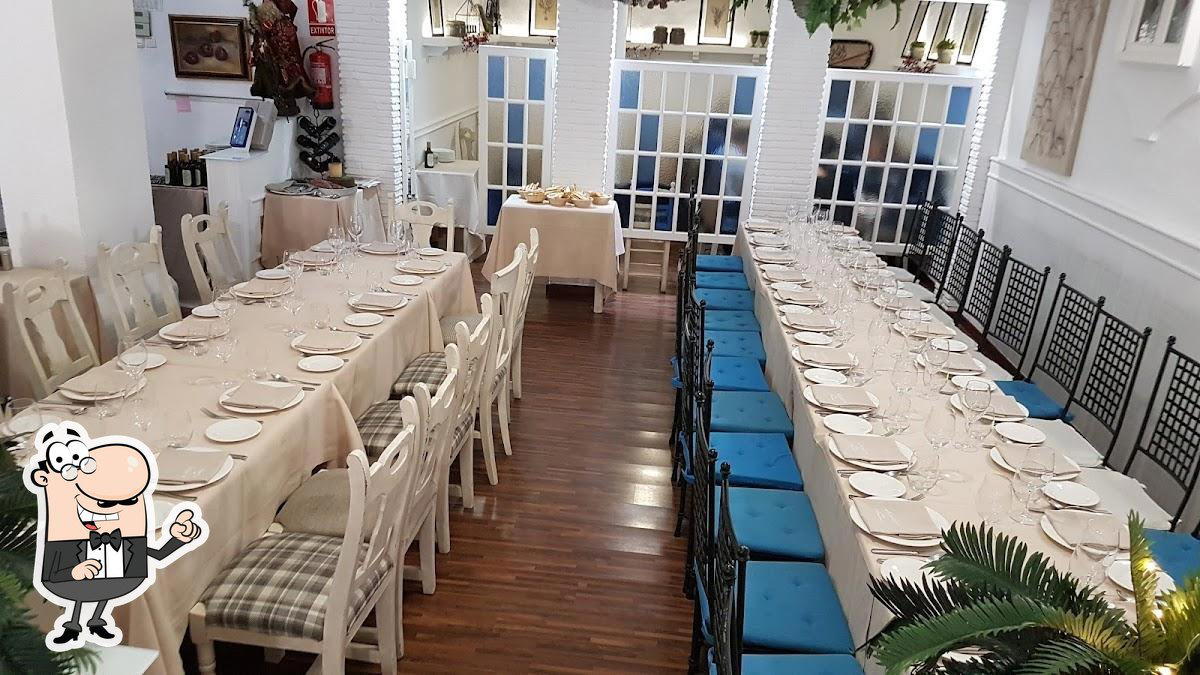
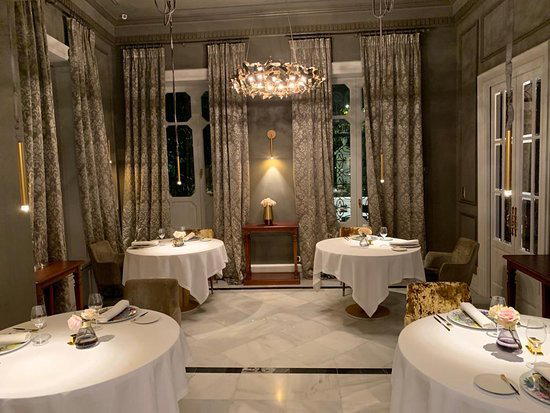
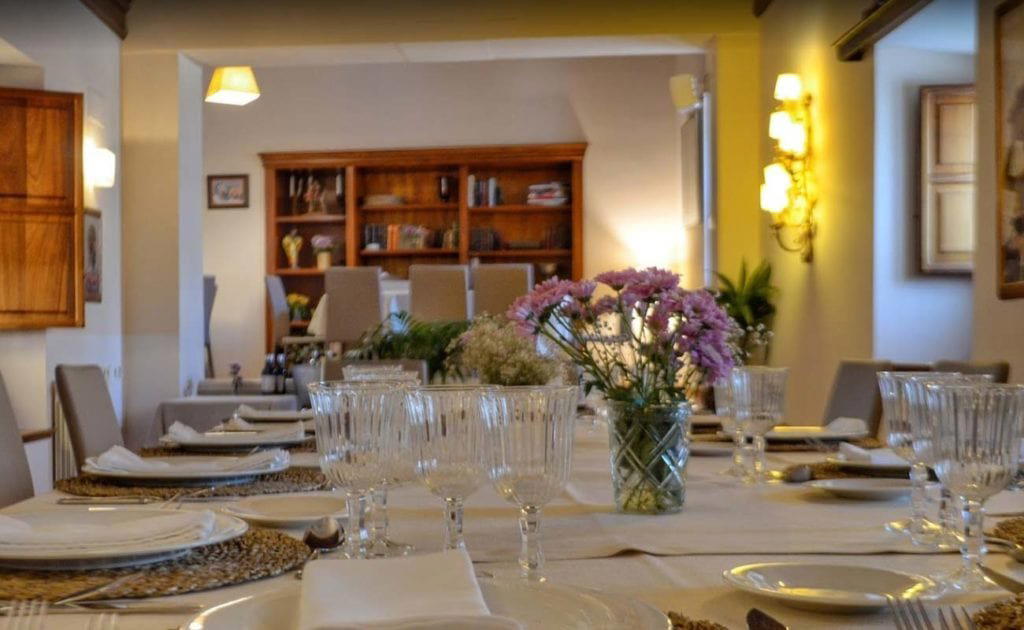
Bars in Córdoba
All bars in Córdoba →

Details
- Elegant
- Romantic
- Historic
- Date Night
- Special Occasion
- Business Dinner
- Historic Building
- Courtyard
- Open Kitchen
- Extensive Wine List
- Local Sourcing
- A La Carte
- Tasting Menu
- Vegetarian Friendly
- Vegan Options
- Gluten Free Options
Current opening hours
- Monday
- 1–11 PM
- Tuesday
- 1–11 PM
- Wednesday
- 1–11 PM
- Thursday
- 1–11 PM
- Friday
- 1–11 PM
- Saturday
- 1–11 PM
- Sunday
- 1–11 PM
Hours can change for holidays and private events. Hours as of .
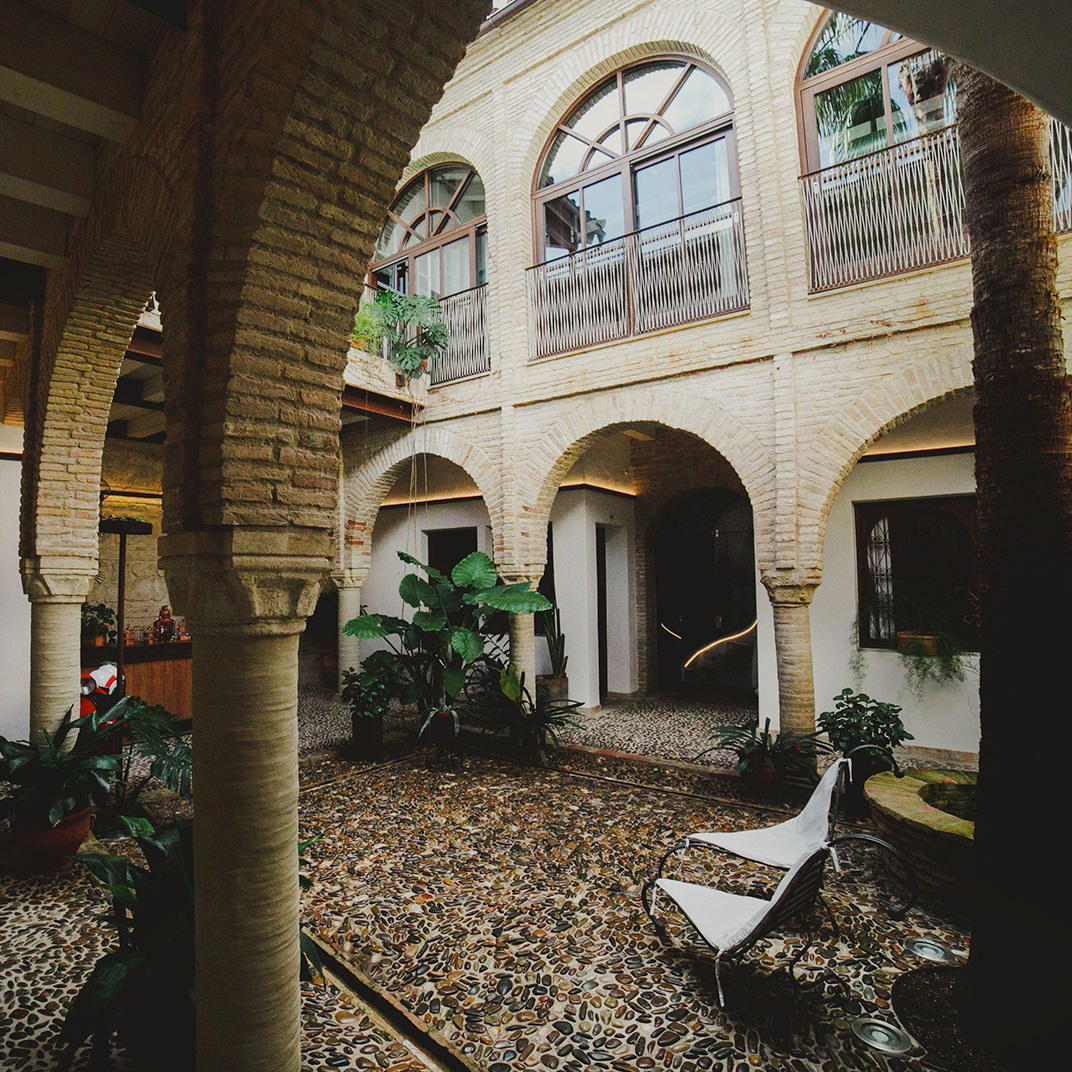
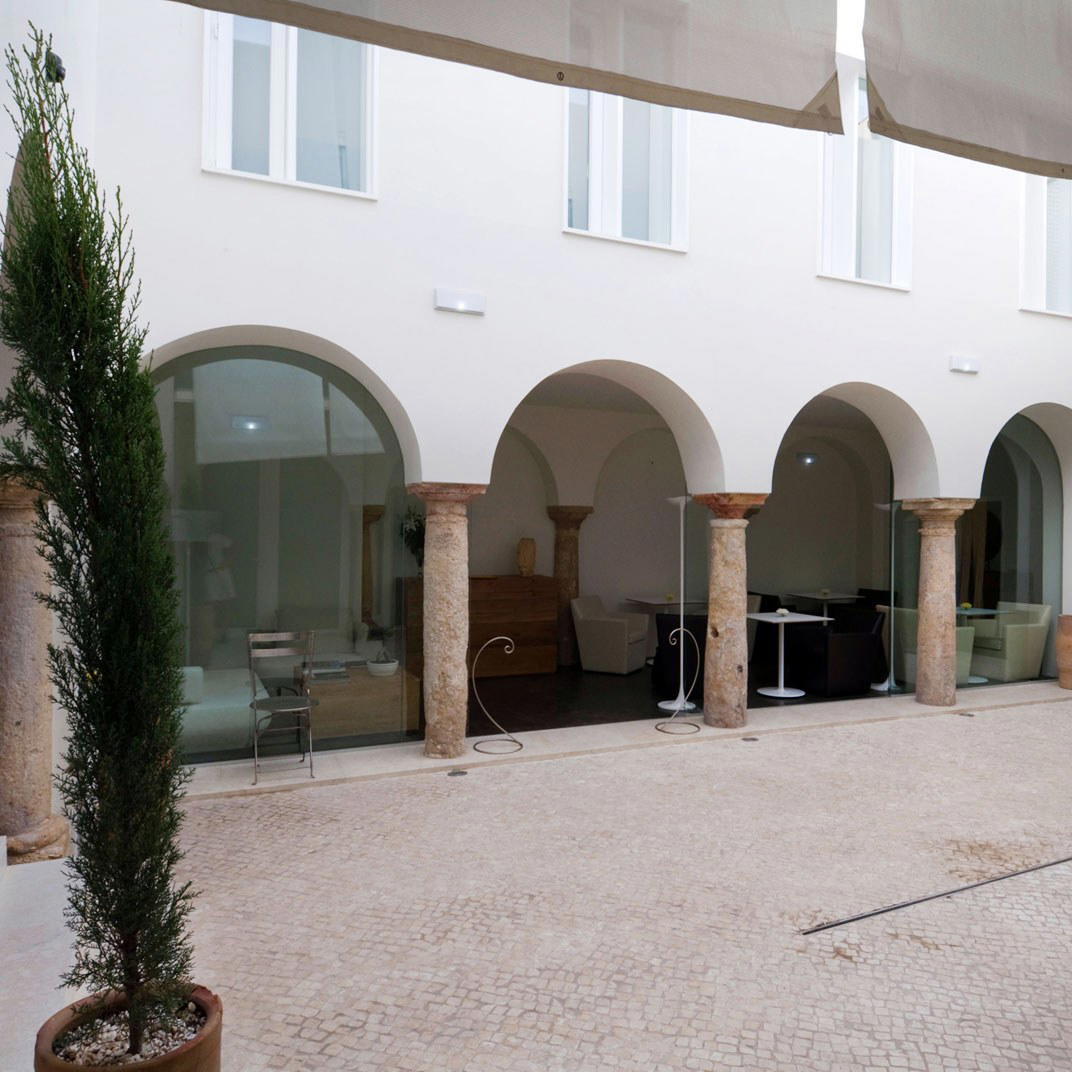
Elegant courtyard with glass roof, high ceilings, and illuminated Roman ruins below, creating a historic and sophisticated atmosphere.